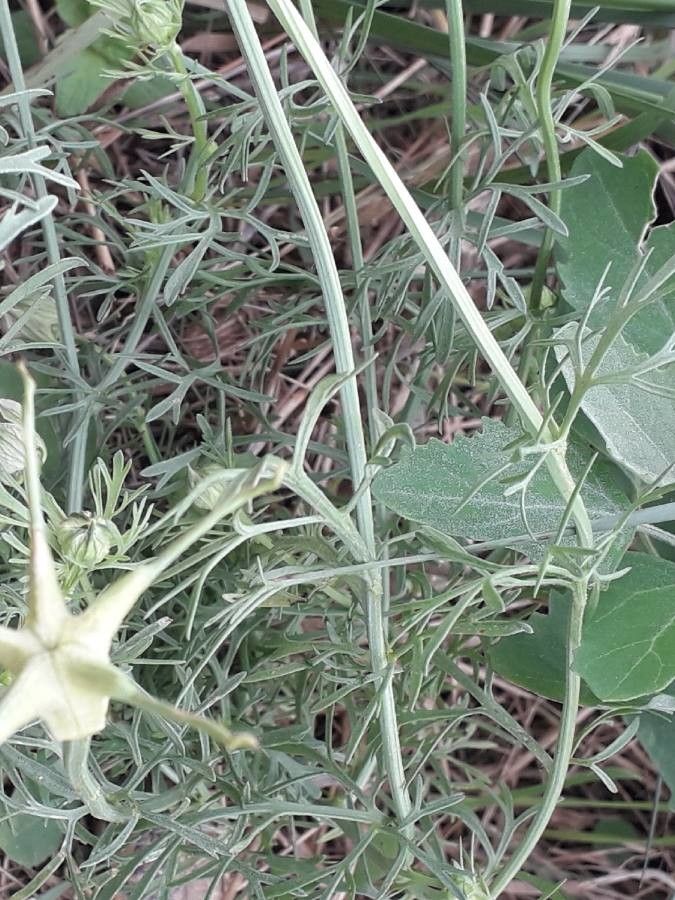
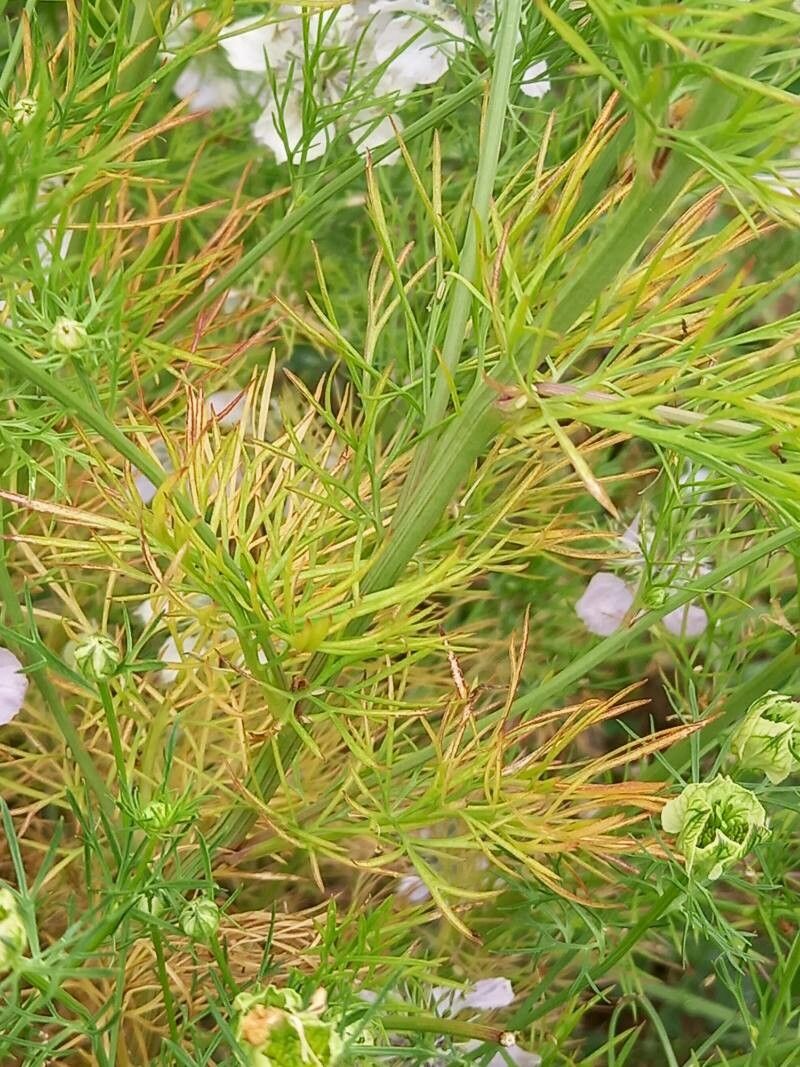
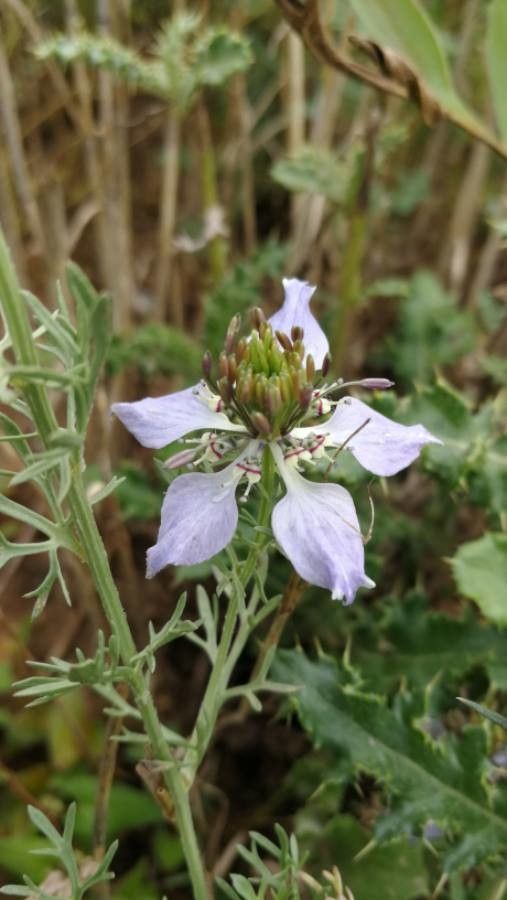
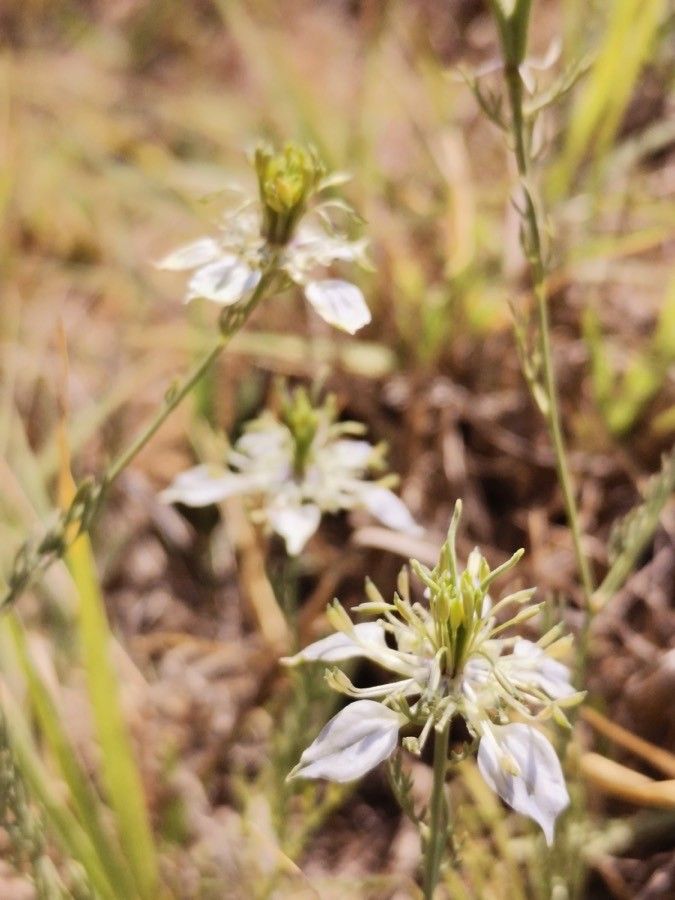
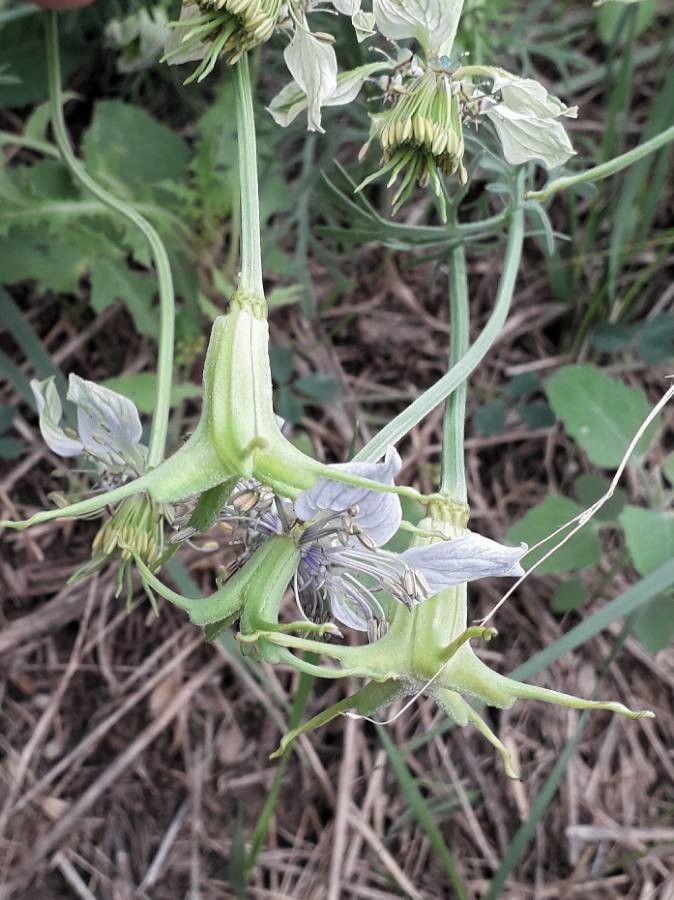
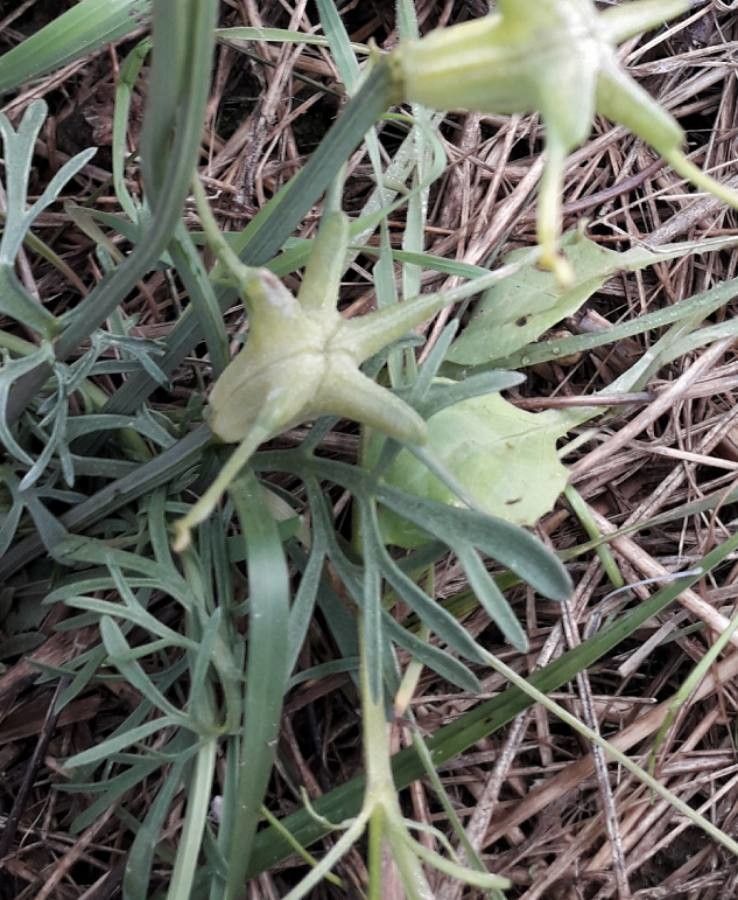
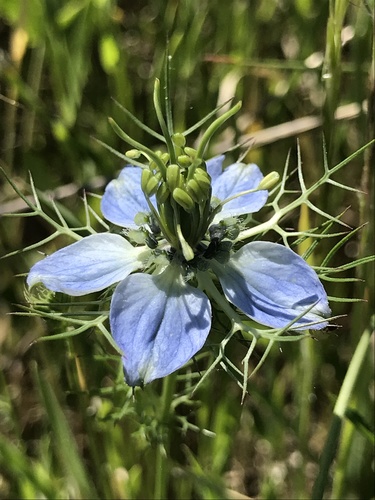
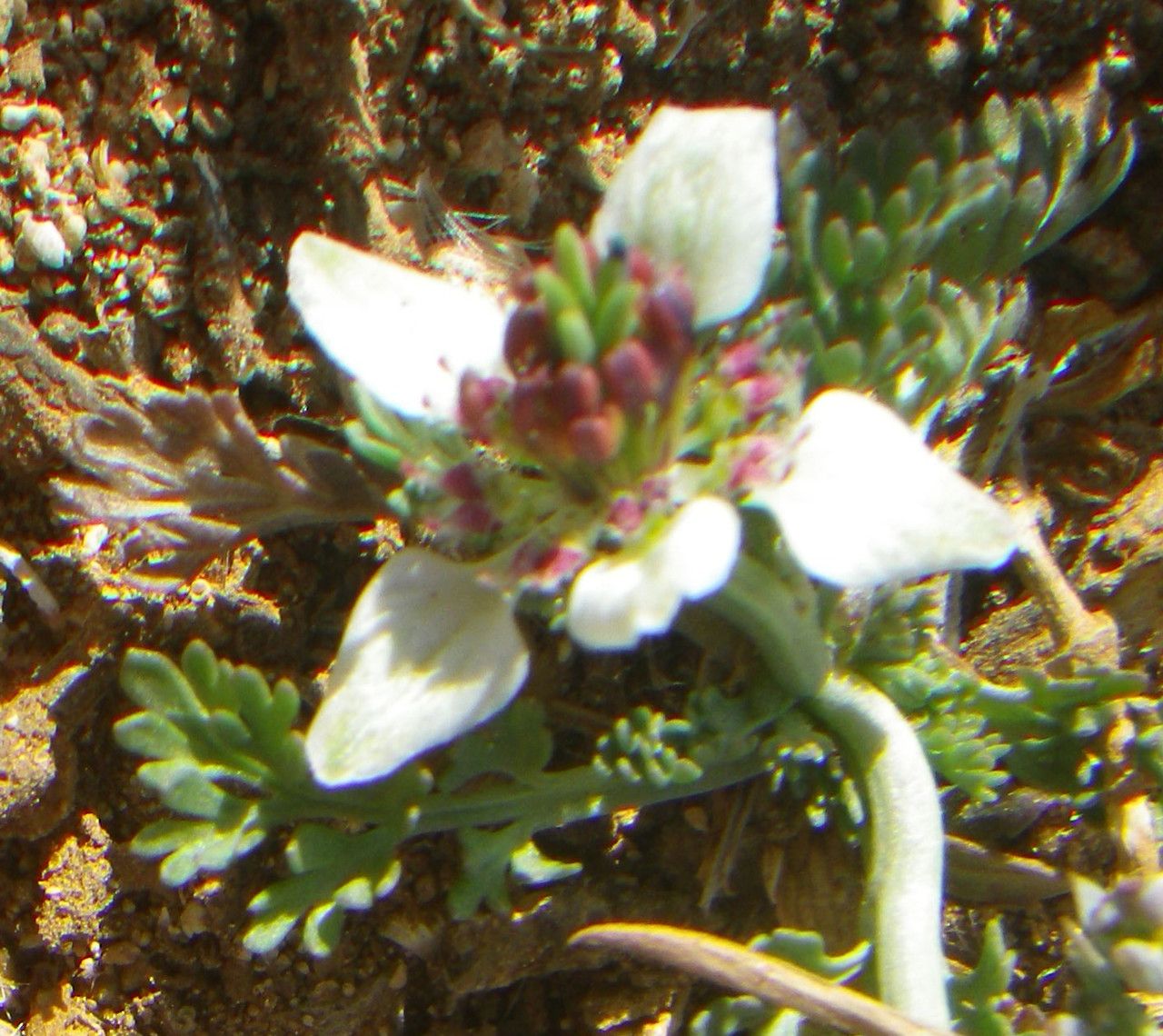
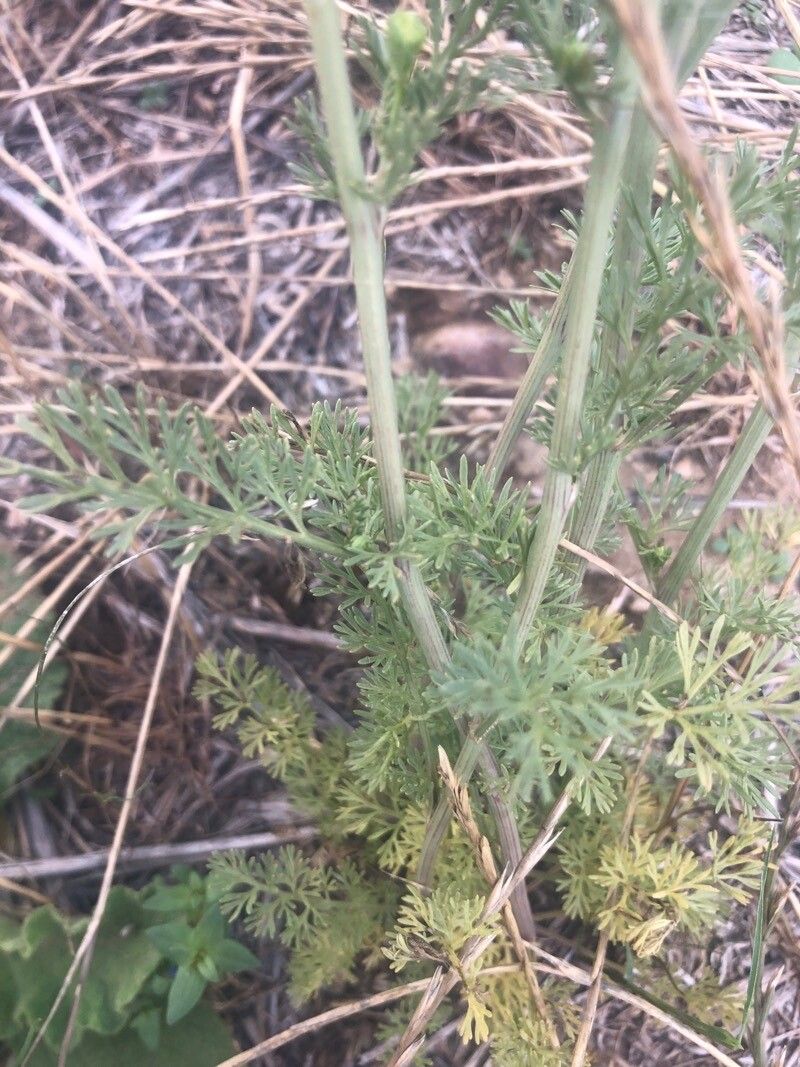
Nigella arvensis, commonly known as the field or wild fennel flower, is an annual herbaceous plant in the Ranunculaceae family. Native to Europe and Asia, it typically grows in fields, meadows, and along roadsides.
This plant can reach up to 60 cm in height and features finely divided green leaves. Its solitary flowers, each with five petals, range in color from pale blue to white. The fruit it produces is a capsule filled with numerous small black seeds.
For centuries, these seeds have been valued for their medicinal properties, particularly their anti-inflammatory effects. They are also used as a spice in cooking and baking, thanks to their strong, pungent flavor.
Nigella arvensis is easy to cultivate, thriving best in well-drained soil with full sun exposure. It can be propagated by sowing seeds directly into the soil in either spring or fall.
Overall, Nigella arvensis is not only a beautiful herbaceous plant but also offers valuable medicinal benefits, making it a worthwhile addition to any garden or landscape design.
Nigella has strong disease resistance and is generally not susceptible to illnesses. Nonetheless, it can be affected by pests and diseases present in its environment. Such infestations are generally mild. Care-wise, this plant needs a moderate amount of attention. It should be pruned regularly to preserve an attractive appearance and healthy growth. Applying fertilizer can also encourage more flowering. Nigella is appropriate for anyone with outdoor space, like a garden or patio, and does not demand extensive care experience. It may need extra attention when cultivated indoors.
How to keep Nigella Arvensis.
Light
Nigella is an annual plant that flourishes when exposed to sunlight. The correct amount of sunlight supports healthy growth. Too much or too little sunlight can impede growth or even damage the plant, which indicates it naturally thrives in open areas. Different growth stages may require different sunlight intensities.
Water
Nigella thrives with consistent moisture and benefits from weekly watering to support its health and growth. During the growing season, it adapts well outdoors but requires careful watering adjustments based on temperature changes and soil moisture levels. Nigella does not tolerate extreme drought or high humidity well.
Temperature
Nigella is a plant that does best in temperatures between 68 and 95 °F (20 to 35 ℃). Originating from its native environment, it prefers a moderate to warm climate. In cooler seasons, consider using a warming regimen to maintain these preferred temperatures.
Fertilizer
When most of Nigella's blooms have opened to full size, resume fertilizing. During the period of peak flowering, feed every three to four weeks, as weather allows. Then, once Nigella begins producing fewer new blooms, stop fertilizing — there's no benefit to feeding the plant when it can no longer produce additional flowers.
Pruning
Nigella plants feature delicate blue or white flowers paired with feathery foliage. To encourage new growth, prune any dead stems in early spring. Later in spring, shape the plant to improve air circulation. Be sure to use sanitized tools and properly dispose of any pruned material to prevent disease and encourage healthy flowering.
Botanical profile.
- Plant Type
- Herb
- Life Cycle
- Annual, Perennial
- Genus
- Nigella
- Family
- Ranunculaceae
- Hardiness Zone
- 8
- Mature Height
- 20 cm to 30 cm
- Mature Spread
- 20 cm to 23 cm
- Leaf Color
- Light Green
- Leaf Type
- Deciduous
- Flower Color
- White, Purple
- Flower Size
- 2.03 cm to 3.05 cm
- Bloom Time
- Summer
- Planting Time
- Spring, Summer
- Harvest Time
- Late summer, Early fall, Mid fall
Other names.
Reader questions.
How should I water my Nigella plant?
There are multiple ways to water Nigella. You can use a garden hose with a spray nozzle, a watering can, or any common watering tool. Nigella is not too fussy about the type of water it receives. It can survive with rainwater, tap water, or filtered water. However, avoid watering from above as this may harm the leaves and flowers and can lead to disease. A drip irrigation system is often the best method for watering Nigella. It applies water evenly and directly to the soil. For container-grown Nigella, you can use the same watering technique but change the tools. Use a cup, watering can, or tap water to directly water the soil.
What are the sunlight requirements for Nigella plants?
Nigella plants thrive with varying degrees of sunlight exposure, depending on their growth stage. They require full sun, which is above 6 hours of sunlight per day, or partial sun, about 3-6 hours of sunlight. It's essential to observe the movement of sunlight through your garden to choose the best spots that provide an optimal balance of light and shade, ensuring your Nigella plants grow healthily.
What temperatures are optimal for the growth of Nigella plants?
Nigella plants thrive in temperatures ranging from 68 to 95 °F (20 to 35 °C). Originating from regions with a moderate to warm climate, these plants prefer similar conditions for optimal growth. During cooler seasons, it is beneficial to implement measures that will maintain these preferred temperature ranges to ensure the health and vitality of the Nigella plant.
What should I do if I give my Nigella plant too much or too little water?
To avoid underwatering Nigella, simply water it more regularly when you notice it lacks moisture. Overwatering, on the other hand, can be a serious issue that should be addressed promptly. Overwatered Nigella may develop diseases that can lead to its decline and death. To prevent this, choose a sunny growing location with good drainage to ensure that excess water drains away instead of saturating the soil. If you overwater Nigella in a pot, you may need to transfer it to a new pot with better drainage. When repotting, use loose soil and a pot that drains efficiently.
How important is proper lighting for Nigella plants?
Proper lighting is crucial for the healthy growth of Nigella plants. These annual plants flourish best with active illumination, indicating they are naturally suited to open areas with plenty of sunlight. Insufficient or excessive sunlight can negatively impact their growth, suggesting the importance of finding the right sunlight intensity for different growth stages. For indoor plants, adequate lighting, especially artificial light, is necessary to compensate for less natural sunlight. Using the correct type of artificial light, determining the appropriate distance from the plant, and mimicking natural daylight hours are key steps to ensure optimal growth indoors.
How cold-resistant is Nigella, and what winter protection measures should be taken?
Nigella exhibits strong cold resistance, making special frost protection measures generally unnecessary. However, if winter temperatures are expected to fall below -10°C, it becomes important to provide protection against the cold. This can be achieved by covering the plant with soil, straw, or similar materials. Additionally, watering the plant abundantly before the first freeze of autumn is recommended to keep the soil moist. This approach helps in preventing drought and water scarcity for the plant during the cold months.
How often should I give water to my Nigella plant?
To keep your Nigella plant healthy, water it regularly during the growing season. In spring, water it once a week. As the weather gets hotter, increase watering to two or three times a week. Avoid overwatering, as it can harm your Nigella. The soil should be moist but not wet. If your Nigella is in a pot, water it more frequently since pot soil dries out faster. Generally, water a container-grown Nigella a few times a week, compared to just once a week for a plant in the ground.
What symptoms indicate insufficient or excessive sunlight exposure in Nigella plants?
Nigella plants show various symptoms when exposed to insufficient or excessive sunlight. Symptoms of insufficient light include smaller new leaves, leggy or sparse growth, faster leaf drop, slower or no new growth, and lighter-colored new leaves. Excessive sunlight can cause chlorosis, sunscald, leaf curling, wilting, and leaf scorching. These symptoms highlight the plant's struggle with inappropriate light levels, signaling the need for adjustments in their care regimen.
What are the implications of low temperatures on Nigella, and how can these be addressed?
Nigella is cold-tolerant and performs best in temperatures above 20°C, maintaining a critical threshold above 0°C during winter. Exposure to temperatures below -10°C may not show immediate effects during winter, but could result in decreased or absent sprouting in the spring. To address this, it is recommended to remove any parts of the plant that fail to sprout in spring as a solution to ensure the continued health and growth of the Nigella plant.
How much water does my Nigella plant need?
There are a few ways to decide how much water your Nigella plant needs. Some gardeners feel the soil to judge its moisture and water until the top six inches are moist. Another option is using a set measurement, such as two gallons per week, depending on temperature and soil dryness. However, following strict guidelines could lead to overwatering. For Nigella in a container, check the moisture by sticking your finger in the soil or water until excess water trickles out of the drainage holes.
How can I address sunlight-related issues in Nigella plants?
To address sunlight-related issues in Nigella plants, ensure they receive at least 6 hours of direct sunlight daily for optimal growth. Gradually move plants to sunnier locations, use south-facing windows for indoor plants, and consider using artificial light if necessary. For outdoor plants, avoid sudden changes in light intensity to prevent sunburn. You can also reduce obstructions to sunlight by pruning trees or moving plants to sunnier spots. If moving the plant is necessary, do so during its dormant period for the best chance of success.
How does Nigella respond to high temperatures, and what steps can be taken for its care?
During the summer, Nigella should be maintained in temperatures below 35°C. Exposure to temperatures above 38°C can lead to the plant's leaves becoming lighter in color, curling, and becoming susceptible to sunburn; in severe cases, the plant may wilt and dry out completely. In response to high temperatures, it is advisable to trim away the sunburned and dried parts of the plant. Relocating the plant to a shaded area or using a shade cloth to provide protection from the midday and afternoon sun can also be beneficial. Additionally, watering the plant in the morning and evening helps to keep the soil moist, supporting the plant's health during hot periods.