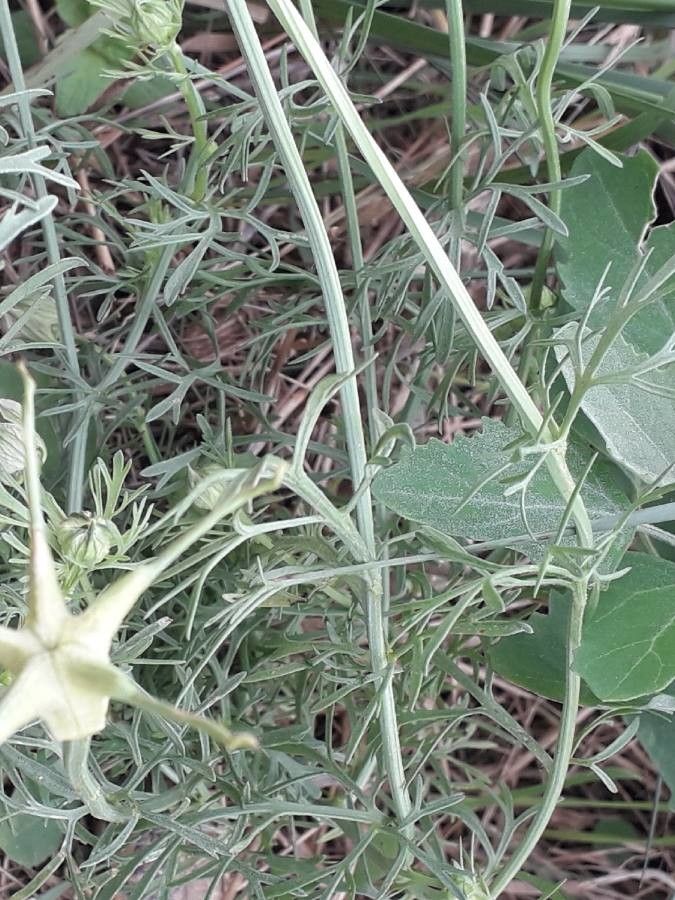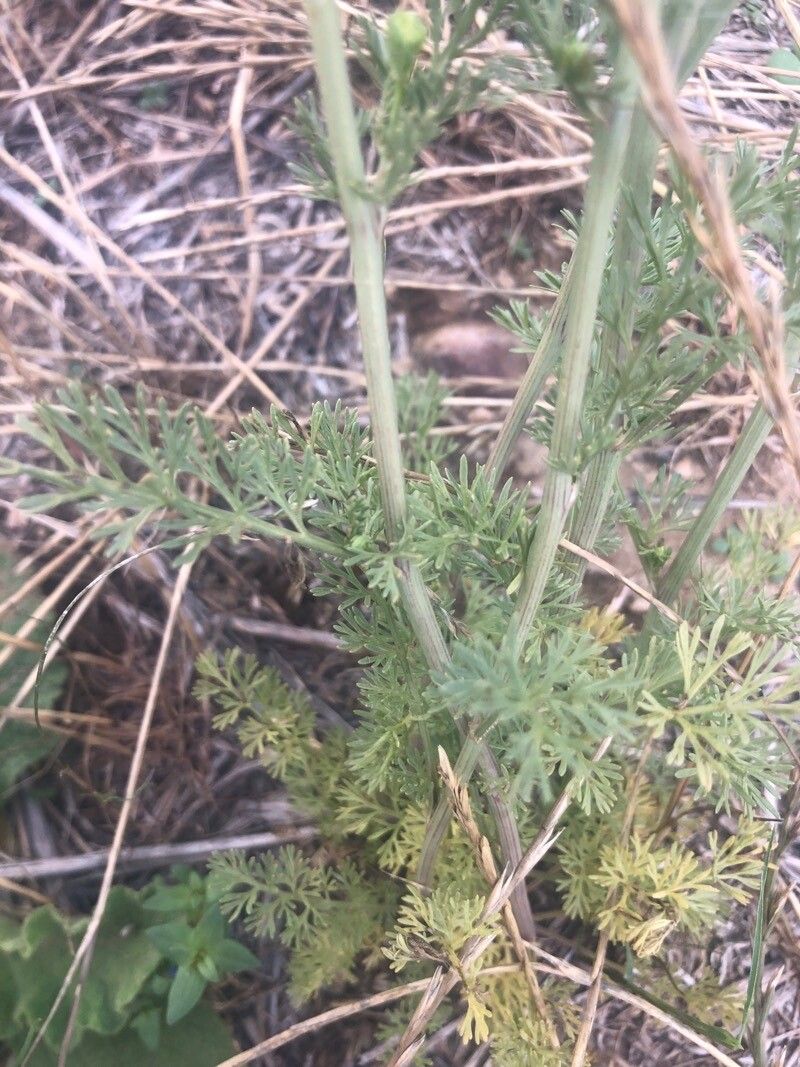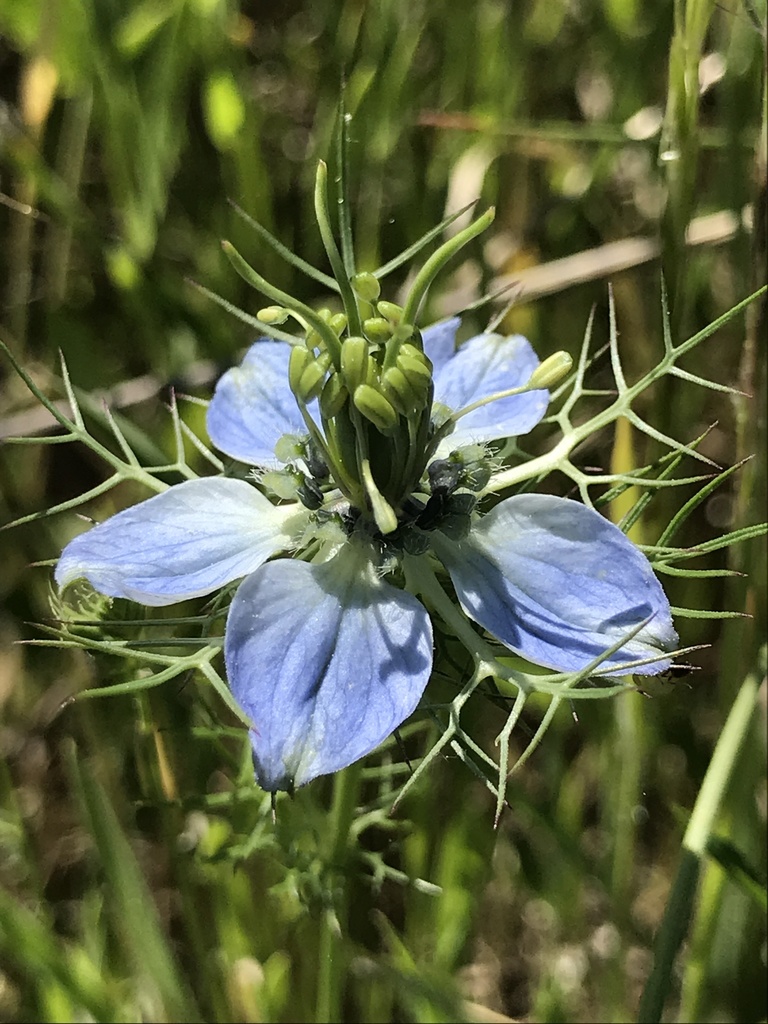
Nigella damascena, commonly known as Love-in-a-Mist, is an annual flowering plant that belongs to the Ranunculaceae family. It is native to Southern Europe and North Africa but has been widely cultivated in gardens worldwide. The plant can grow up to 60 cm tall and features finely divided, fern-like leaves. Its flowers are typically blue or white, with a distinctive central cluster of stamens that gives them a unique appearance.
Love-in-a-Mist is easy to grow and thrives in full sun or partial shade, as well as in well-drained soil. It can be propagated from seeds sown directly into the ground after the last frost of spring or started indoors 4–6 weeks before planting out.
For centuries, the plant has been used for medicinal purposes, with its seeds serving as a remedy for various ailments such as headaches, toothaches, and digestive problems. In addition to its medicinal properties, Love-in-a-Mist also has ornamental value due to its unique flowers and delicate foliage.
Overall, Nigella damascena is a beautiful flowering annual that adds color and interest to any garden while also having historical significance as a medicinal herb.
Love-in-a-mist has good resistance to disease and is generally unlikely to develop illnesses. However, it can be affected by pests and diseases present in its surroundings. These problems are usually not serious. In terms of care, this plant requires a moderate amount of attention. It should be pruned regularly to keep a neat appearance and healthy growth. Fertilizing can also help encourage flowering. Love-in-a-mist is suitable for anyone with outdoor space, such as a garden or patio, and does not demand extensive gardening experience. When grown indoors, it may require more intensive care.
How to keep Nigella Damascena.
Light
Love-in-a-mist does best in the full warmth of the sun but can tolerate somewhat less intense light. It comes from regions where the plants receive abundant light that fuels their growth and flowering. Too much or too little exposure can lead to a dull flower display or reduced vigor.
Water
Love-in-a-mist thrives in environments with balanced sunlight and moisture. It requires moderate watering each week to maintain consistent soil moisture without becoming waterlogged, which reflects its temperate origins. As an annual herb, it naturally benefits from rain during its growing season to maintain optimal health.
Temperature
Love-in-a-mist originates from regions with moderate temperatures and grows best between 68 and 95 °F (20 to 35 ℃). Seasonal adjustments may be necessary to achieve optimal growth. Mild warmth in winter and a cooler, shaded location in summer are recommended.
Fertilizer
Once most Love-in-a-mist blooms have fully opened and reached full size, resume fertilizing. Around the time the blooms are at their peak, fertilize again every three to four weeks, as the weather allows. Then, when the plant begins to produce fewer new blooms, stop fertilizing; there's no need to fertilize if it can no longer produce more flowers.
Pruning
Love-in-a-mist benefits from light pruning in early to late spring. This involves removing spent blooms and cutting back any damaged stems. Doing so encourages continuous flowering, promotes strong growth, and improves air circulation. Ultimately, these practices enhance the plant's health and aesthetic appeal.
Pot & Repot
When repotting Love-in-a-mist, choose a pot that is 1–2 inches (2.5–5.1 cm) larger in diameter, making sure it has good drainage. Use a well-draining potting mix and consider adding perlite for extra drainage. Repot in spring or early summer, water thoroughly afterward, and keep it in a shady spot at first.
Botanical profile.
- Plant Type
- Herb
- Life Cycle
- Annual, Biennial, Perennial
- Genus
- Nigella
- Family
- Ranunculaceae
- Hardiness Zone
- 7-9
- Mature Height
- 20 cm to 61 cm
- Mature Spread
- 30 cm to 46 cm
- Leaf Color
- Green
- Leaf Type
- Deciduous
- Flower Color
- White
- Flower Size
- 1.52 cm to 3.05 cm
- Bloom Time
- Late spring, Early summer, Mid summer
- Planting Time
- Spring, Summer
- Harvest Time
- Mid summer
- Native Area
- Libya, Turkey, Tunisia, Slovakia, Montenegro, Cyprus, Bulgaria, Greece, Croatia, Slovenia, Morocco, Ukraine, Serbia, Russia, Italy, Spain, France, Iran, Albania, Azerbaijan, Algeria, Portugal
Other names.
Reader questions.
How should I water my Love-in-a-mist plant?
Love-in-a-mist can be watered using various tools such as a garden hose with a spray nozzle or a watering can. It is not too particular about the water it receives, as it can thrive on rainwater, tap water, or filtered water. However, it's best to avoid watering this plant from above, as it can harm the leaves and flowers and potentially lead to disease. Instead, setting up a drip irrigation system is often the most effective method. This system ensures that water is evenly and directly applied to the soil. When watering a Love-in-a-mist in a container, you can use a cup, watering can, or tap water to target the soil directly.
Why should I put fertilizer on my Love-in-a-mist?
Plants, including Love-in-a-mist, require nutrients to survive. Gardeners understand this well, regardless of their level of experience. Without proper food, Love-in-a-mist will die soon after its first pollination. To ensure the plant thrives and produces large, beautiful flowers throughout the blooming season, it is essential to provide the right nutrients in the right amounts. Fertilizer is particularly beneficial as it helps Love-in-a-mist develop a strong and healthy root system. This is crucial because Love-in-a-mist has a fragile, thin root system that is easily damaged. By fertilizing the plant during planting, a solid root structure is established, offering stability and setting the stage for an impressive flowering performance. When timing the fertilization, it can significantly prolong the flowering period of Love-in-a-mist.
What are the sunlight requirements for Love-in-a-Mist (Nigella damascena)?
Love-in-a-mist requires abundant light to fuel its growth and flowering, thriving best in full sun, which means it needs above 6 hours of sunlight daily. However, it can also adapt to partial sun, about 3-6 hours of sunlight. Monitoring the movement of sunlight through your garden to find locations that offer a perfect balance of light and shade is essential for ensuring the plant's health and happiness.
What is the native temperature range for growing Love-in-a-mist?
Love-in-a-mist thrives in moderate temperatures, with an ideal growth range between 68 to 95 °F (20 to 35 °C). To ensure the plant grows optimally, seasonal adjustments may be required, such as providing gentle heat in winter and positioning it in a cooler, shady spot during the summer. Despite its strong cold resistance, if winter temperatures are expected to fall below the plant's tolerance limit, protective measures should be taken, like covering the plant with soil or straw. Additionally, watering the plant abundantly before the first freeze in autumn helps keep the soil moist, preventing drought and water scarcity during the colder months.
What do I need to do if I give my Love-in-a-mist plant too much water or too little water?
To prevent underwatering Love-in-a-mist, simply water it more regularly when you notice it lacks moisture. On the other hand, overwatering can be a serious issue, potentially leading to disease and death. To avoid this, choose a growing location with sunlight to dry the soil and good drainage to prevent water from pooling. If your Love-in-a-mist in a pot is overwatered, consider changing it to a new pot with better drainage. Make sure to use loose soil and an efficiently draining pot when repotting.
When should I fertilize my Love-in-a-mist plant?
Love-in-a-mist experiences significant growth early in the growing season, after the danger of the last frost has passed. It is crucial to fertilize Love-in-a-mist during this time, specifically during planting. Whether you choose to plant it in the ground or in planters, apply the fertilizer. This will be the only time you fertilize until later in the year when the blooms are in full bloom. Once the season is in full swing and Love-in-a-mist has most of its blooms at full size, it is time to resume fertilizing. Start fertilizing again every three to four weeks, as weather permits, when the blooms are at their peak output. However, once Love-in-a-mist starts producing fewer new blooms, stop fertilizing. There is no need to fertilize when the plant cannot produce any more blooms.
How should indoor Love-in-a-Mist plants be cared for in terms of lighting?
For indoor Love-in-a-Mist plants, when natural sunlight is insufficient, especially during winter or in less sunny spaces, artificial lighting can be a beneficial solution. LED lights are recommended because they can be tailored to provide specific light wavelengths needed by plants. Full sun plants require 30-50W/sq ft, partial sun plants need 20-30W/sq ft, and full shade plants need 10-20W/sq ft of light. The light source should be placed 12-36 inches above the plant, mimicking natural sunlight, and ensure the plants receive 8-12 hours of light per day.
How does Love-in-a-mist respond to low temperatures and how can I protect it?
Love-in-a-mist shows a remarkable tolerance to cold temperatures, performing best when the mercury stays above a certain minimum threshold. During winter, it's crucial to maintain temperatures above its minimum growth tolerance. Falling below this limit won't lead to immediate noticeable changes, but it might result in decreased sprouting or even a lack of sprouting come spring. To address this, it's advisable to remove any parts of the plant that fail to sprout in the spring, ensuring it can continue to grow and thrive despite the chill.
How frequently should I give water to my Love-in-a-mist plant?
Love-in-a-mist requires regular watering during the growing season. In spring, you should water the plant once a week. As the season progresses, and it gets warmer, you may need to increase watering to two or three times a week. However, exceeding this rate can harm your Love-in-a-mist. It's important to keep the soil moist but not wet, regardless of how often you need to water. Watering Love-in-a-mist in a pot is slightly different. The soil in a container can heat up and dry out faster than in the ground, so you'll usually need to water a potted Love-in-a-mist a few times a week instead of just once a week for an in-ground plant.
When is the wrong time to fertilize my Love-in-a-mist plant?
Regular fertilizing is important for Love-in-a-mist, but it's crucial to avoid applying fertilizer at the wrong time. This can be influenced by climate and other factors that can be controlled. When there are issues with the plant, soil, or climate, it's best to wait until they are resolved and the plant has recovered. For example, if there are sudden severe weather changes, such as a cold snap in the middle of summer, it's advisable to wait until it becomes warm again before fertilizing. Similarly, if the soil is too dry or compacted to absorb anything, fertilizing would only send the nutrients directly to the roots, which Love-in-a-mist doesn't prefer. During the hottest parts of the day when temperatures rise above 90 degrees Fahrenheit, it's also not recommended to apply fertilizer. High temperatures can break down the fertilizer too quickly. Additionally, it is important to address any pest or disease issues and resolve them before re-fertilizing.
What are the signs of insufficient light for Love-in-a-Mist?
When grown indoors with inadequate light, Love-in-a-mist may exhibit signs such as smaller new leaves, leggy or sparse growth, premature leaf drop, slower or halted growth, paler new leaves, or symptoms of too much light like chlorosis, sunscald, leaf curling, wilting, and leaf scorching. These symptoms indicate the plant is not receiving the right amount of light for optimal health.
What should I do if Love-in-a-mist experiences high temperatures?
In the event of high temperatures, particularly during summer, it's important to ensure that Love-in-a-mist's environment does not exceed its maximum tolerance level. Exceeding this temperature threshold can lead to symptoms like leaves becoming lighter in color, curling, susceptibility to sunburn, and, in extreme cases, wilting and drying out of the entire plant. To mitigate these effects, trim away any sunburned or dried parts of the plant. Relocate the plant to a shaded area away from the midday and afternoon sun or use a shade cloth. Additionally, watering the plant in the morning and evening will help keep the soil moist, providing further relief from high temperatures.