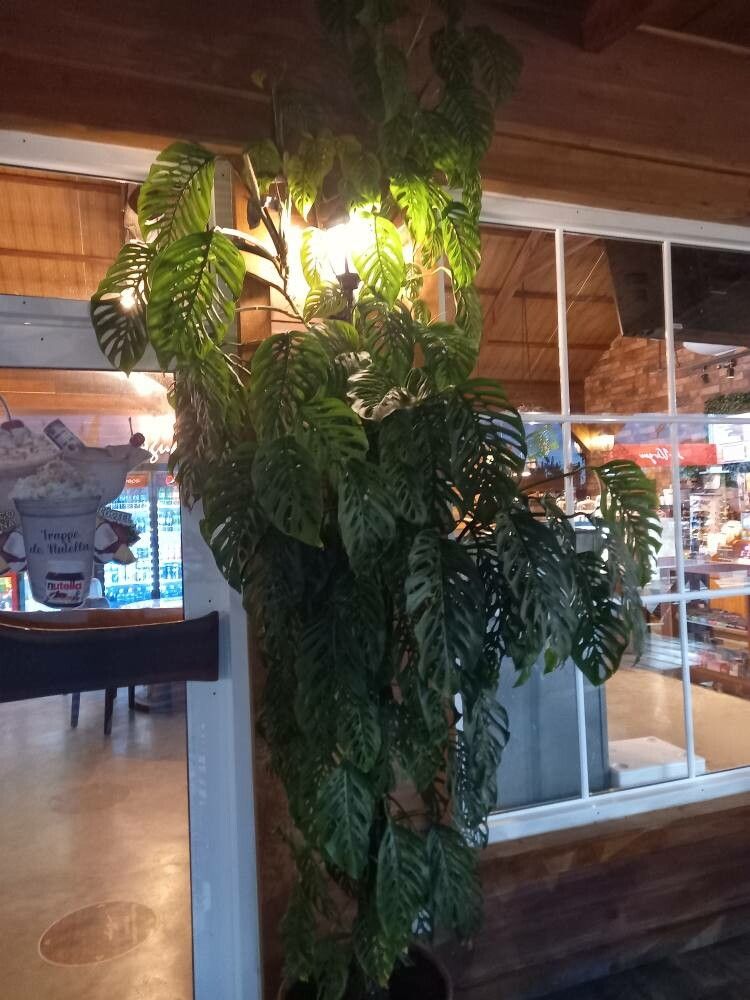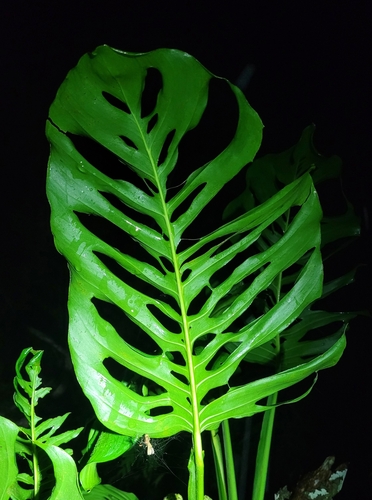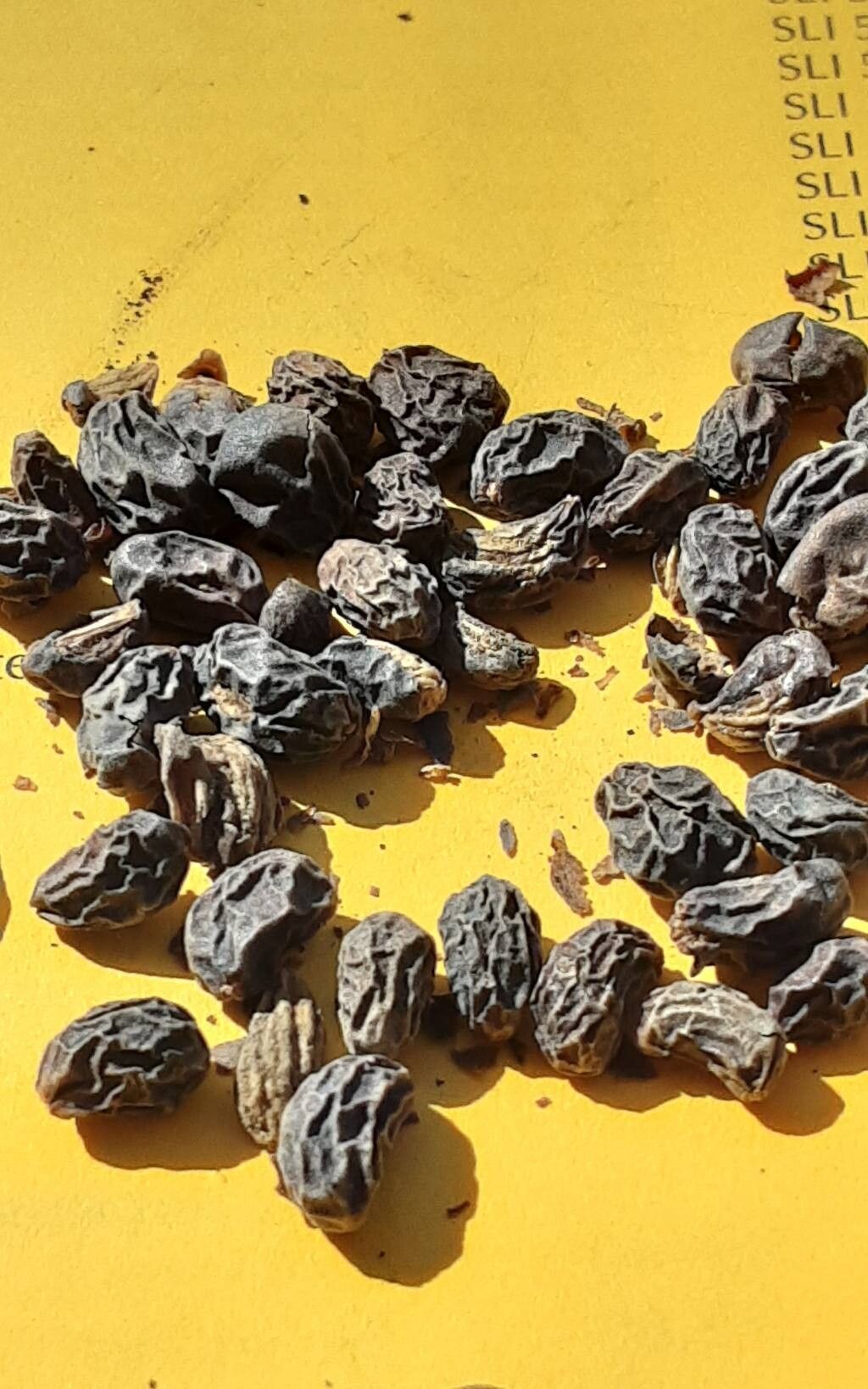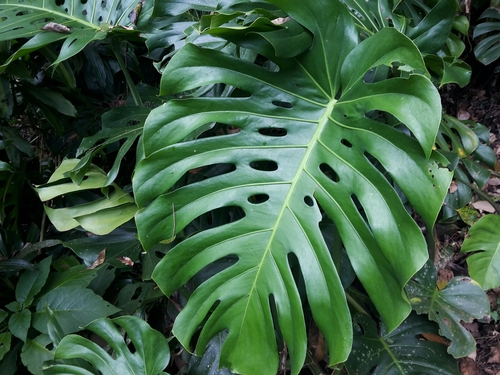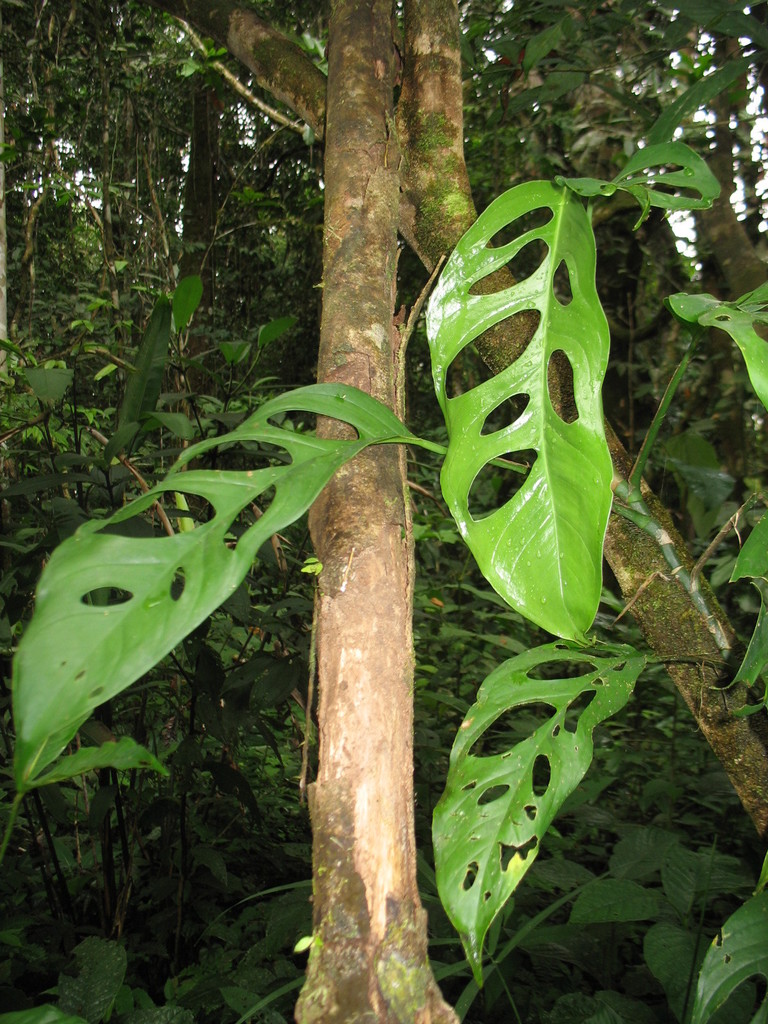
Monstera obliqua is a species of the genus Monstera native to Central and South America. It is hemiepiphytic like most other Monstera species. The plant is particularly known for its foliage, which is often highly perforated, sometimes described as having more empty space than leaf. An illustration of the general variation in adult leaf shape from different individuals of this species can be found in Michael Madison's 'A Revision of Monstera'. The species is not commonly cultivated, but the name is often misapplied to specimens of the more widespread Monstera adansonii.
Monstera obliqua has strong resistance to disease and is generally not prone to illnesses. However, it can be vulnerable to leaf spots if light and airflow are poor or if it is watered excessively. Its care level is considered easy, since it mostly only needs regular watering and little else. Monstera obliqua is suitable for people who do not have the time and energy to devote to frequent care.
How to keep Monstera Obliqua.
Light
The monstera obliqua grows best in places where it isn't fully exposed to sunlight, although it can tolerate occasional hours of gentle sun. It comes from habitats with plentiful foliage that provide filtered light. Excessive sun can damage the plant, causing leaf scorch, while too little light can stunt its growth.
Water
Monstera obliqua is native to tropical rainforests, where it thrives in high humidity and moist soil. To maintain its lush growth, it prefers balanced moisture levels and typically needs to be watered weekly. When grown indoors, it's essential to keep the soil consistently moist to ensure the health of its evergreen foliage throughout the year.
Humidity
This plant will thrive in moderate humidity, which is probably the level in your home. However, misting it a few times a week can be very beneficial. Make sure the room has good ventilation.
Temperature
Monstera obliqua is native to temperatures of 20 to 41 ℃ (68 to 105.8 ℉). It prefers warm conditions but can tolerate temperatures as low as 16 ℃ (60.8 ℉). Modifying humidity levels and ensuring adequate ventilation can help manage temperature changes across seasons.
Fertilizer
Monstera obliqua will need the most fertilizer during its active growth phase, which takes place mainly in spring, summer, and early fall. Fertilizing provides essential nutrients the soil may lack, supporting healthy root and stem development and encouraging the attractive foliage that is a key feature of this plant.
Pruning
Monstera obliqua is known for its perforated leaves and thrives with regular pruning. To promote growth, improve airflow, and enhance appearance, trim any dead or yellowing parts from early to late spring. This also helps reduce the risk of pests. Always use sterilized tools during pruning to prevent infections.
Pot & Repot
Repot Monstera obliqua in spring or summer once it’s warm enough, choosing a slightly larger pot with good drainage. Water well after repotting and place the plant in bright, indirect light. As the plant grows, consider adding a moss pole for support.
Botanical profile.
- Plant Type
- Vine, Herb
- Life Cycle
- Perennial
- Genus
- Monstera
- Family
- Araceae
- Hardiness Zone
- 10-13
- Mature Height
- 6.1 m
- Mature Spread
- 4.57 m
- Leaf Color
- Green
- Leaf Type
- Evergreen
- Flower Color
- White, Yellow, Green, Orange
- Flower Size
- 12.70 cm to 15.24 cm
- Bloom Time
- Mid spring, Late spring, Summer, Early fall
- Planting Time
- Spring, Autumn
- Harvest Time
- Late summer, Fall
- Native Area
- Colombia, Bolivia, Venezuela, Peru, Guyana, Brazil, Ecuador, Costa Rica, Panama
Other names.
Reader questions.
How should I water my Monstera obliqua plant in the best way?
There are many ways to water your Monstera obliqua plant. If you have it in a small indoor pot, you can easily bring it to your kitchen sink and use the faucet to add water until it starts to drain out of the pot's holes. Just be careful not to do this during winter or in cold climates, as it can harm the roots. If your tap water has high levels of fluorine, chlorine, or salts, it's better to use rainwater or lake water. Additionally, you can also water the plant by using a watering can, hose, or any other tool you prefer, as the Monstera obliqua responds well to overhead watering and direct soil watering.
Why should I use fertilizer on my Monstera obliqua?
All plants, including the Monstera obliqua, need soil nutrients to grow. However, it's not always guaranteed that the soil will have all the necessary nutrients. That's why fertilization and soil amendments are important. They help ensure that your garden plants have not only the basic nutrients they need, but also the specific nutrients necessary for their growth. In particular, the Monstera obliqua needs fertilizer to support the healthy development of its roots, stems, and leaves. Fertilization will contribute to a beautiful set of leaves, which is especially important as the foliage is the main attractive feature of this plant.
What are the sunlight requirements for Monstera obliqua?
Monstera obliqua prefers environments where it can receive filtered sunlight and is protected from direct, harsh sunlight. It thrives in areas with less than 3 hours of sunlight (full shade) to about 3-6 hours of sunlight (partial sun). When choosing a spot for your Monstera obliqua, it's essential to observe how sunlight moves through your garden, aiming for a location that provides a perfect balance of light and shade. This care will ensure the plant's happiness and optimal growth.
What are the essential care tips for Monstera obliqua?
Monstera obliqua thrives in temperatures ranging from 20 to 41°C (68 to 105.8°F), loving warm environments and tolerating temperatures as low as 16°C (60.8°F). This plant is very heat-loving, and exposure to cold can be harmful. During autumn, it's advisable to move outdoor plants indoors, placing them near a bright window yet away from heaters to avoid damage. Ensuring the temperature during winter stays above the minimum suitable growth temperature and avoiding drops to the minimum tolerable growing temperature are key to keeping your Monstera obliqua healthy.
What should I do if I give my Monstera obliqua too much water or too little water?
If you realize that your Monstera obliqua is not getting enough water, the first thing you should do is water it thoroughly until water is coming out of the drainage hole or until the soil is completely moist if it is grown outside. On the other hand, if you notice that your Monstera obliqua is getting too much water, start by watering it less frequently. It's also important to consider the type of soil and container it is planted in. If the soil or container prevents efficient drainage, your plant may become overwatered again. To solve this problem, you can replant your Monstera obliqua in looser soil or a container with larger drainage holes or a more porous material. Additionally, check the location of your plant. If it is in a corner or a place with poor ventilation, it is advisable to move it to a window or a more ventilated area. Having your plants in a well-ventilated location can help prevent overwatering to a certain extent.
When should I fertilize my Monstera obliqua?
A Monstera obliqua requires the most fertilizer when it is actively growing, which usually happens during spring, summer, and early fall. After winter, feed your Monstera obliqua every two to four weeks until fall. As fall approaches, gradually decrease the amount of fertilizer given until you stop completely in preparation for the less active growth in winter.
How should I care for my Monstera obliqua?
Caring for your Monstera obliqua involves understanding its light requirements and exposure. Ideally, the plant should be situated in an area with limited full sun exposure, tolerating occasional hours of soft sunlight. Originating from environments with plenty of foliage cover, Monstera obliqua benefits from diffuse light. Too much sun can result in leaf burns, whereas insufficient light will stunt the plant's growth. When natural sunlight is not enough, especially during winter or in less sunny spaces, consider using artificial lighting. LED lights are a good choice because they can provide the specific wavelengths needed by the plant. Adjust the artificial light by placing it 12-36 inches above the plant and ensuring it receives 8-12 hours of light per day, depending on the requirements of full sun, partial sun, or full shade plants.
How do you manage low temperature issues with Monstera obliqua?
Monstera obliqua is sensitive to cold temperatures, requiring conditions above the minimum suitable growth temperature and during winter, above the minimum tolerable growing temperature. If temperatures fall below the growth limit, the leaves may discolor, turning light before possibly becoming brown or black with symptoms like wilting and drooping after frost damage. To manage this, trim frost-damaged parts and move the plant indoors to a warmer location. Ideally, place it near a south-facing window for ample sunlight, and avoid placing it near heaters or air vents to prevent the air from becoming too dry.
How often should I water my Monstera obliqua plant?
The Monstera obliqua is a plant that does not need consistent soil moisture. Instead, it's best to let the soil dry out between waterings. If you're growing Monstera obliquas in containers, you can tell if it's time to water by checking how dry the soil is in the container. If about half of the soil is dry, it's time to water. You can feel the dryness by sticking your fingers or a stick into the soil, or you can use a soil moisture meter. If you grow the Monstera obliqua outdoors, plan to water it about once every other week, as long as it hasn't rained recently.
When is it not a good idea to fertilize my Monstera obliqua plant?
For most of the year, including spring, summer, and most of autumn, it is important to regularly feed your Monstera obliqua. However, there are a couple of exceptions to this. If you notice that your plant has received too much fertilizer or has been fertilized incorrectly, resulting in fertilizer burn or another issue, you will need to address that before resuming the regular feeding schedule. Additionally, it is important not to fertilize your Monstera obliqua during winter. If you keep this plant indoors in a cold winter environment, it will go into a dormant phase during this time. Feeding the plant during dormancy is not only unnecessary and unhelpful for its growth, but it is also likely to cause fertilizer burn.
What symptoms indicate a Monstera obliqua is receiving improper light?
Improper lighting can cause several symptoms in Monstera obliqua, including leggy or sparse growth, smaller new leaves, faster leaf drop, slower or halted growth, chlorosis (yellowing leaves), sunscald, leaf curling, wilting, and leaf scorching. These symptoms can result from too much direct sunlight or inadequate light exposure. Managing these conditions involves adjusting the plant's location to offer more suitable light levels or employing artificial lighting solutions to supplement natural light.
What should I do if my Monstera obliqua experiences high temperature stress?
During hot summers, it's crucial to keep Monstera obliqua below the maximum suitable growth temperature to prevent leaf discoloration and susceptibility to sunburn. In case the plant is exposed to temperatures above the tolerable maximum, the leaves may turn lighter and become prone to burning. To alleviate this, trim away the sunburned and dried parts of the plant. Relocate it to an area with shade during the intense midday and afternoon sun and ensure the soil remains moist by watering the plant in the morning and evening.