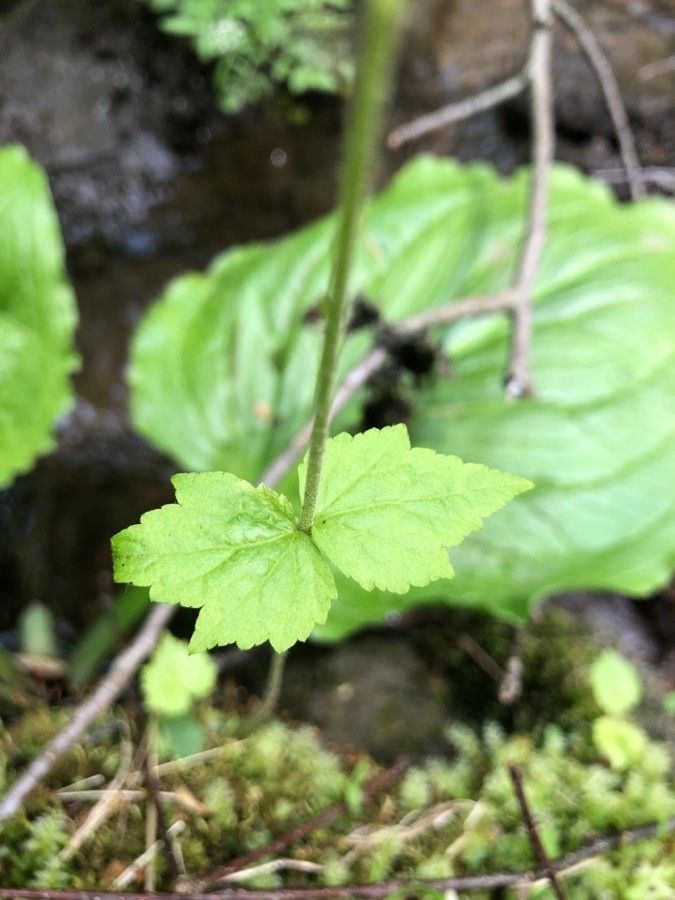
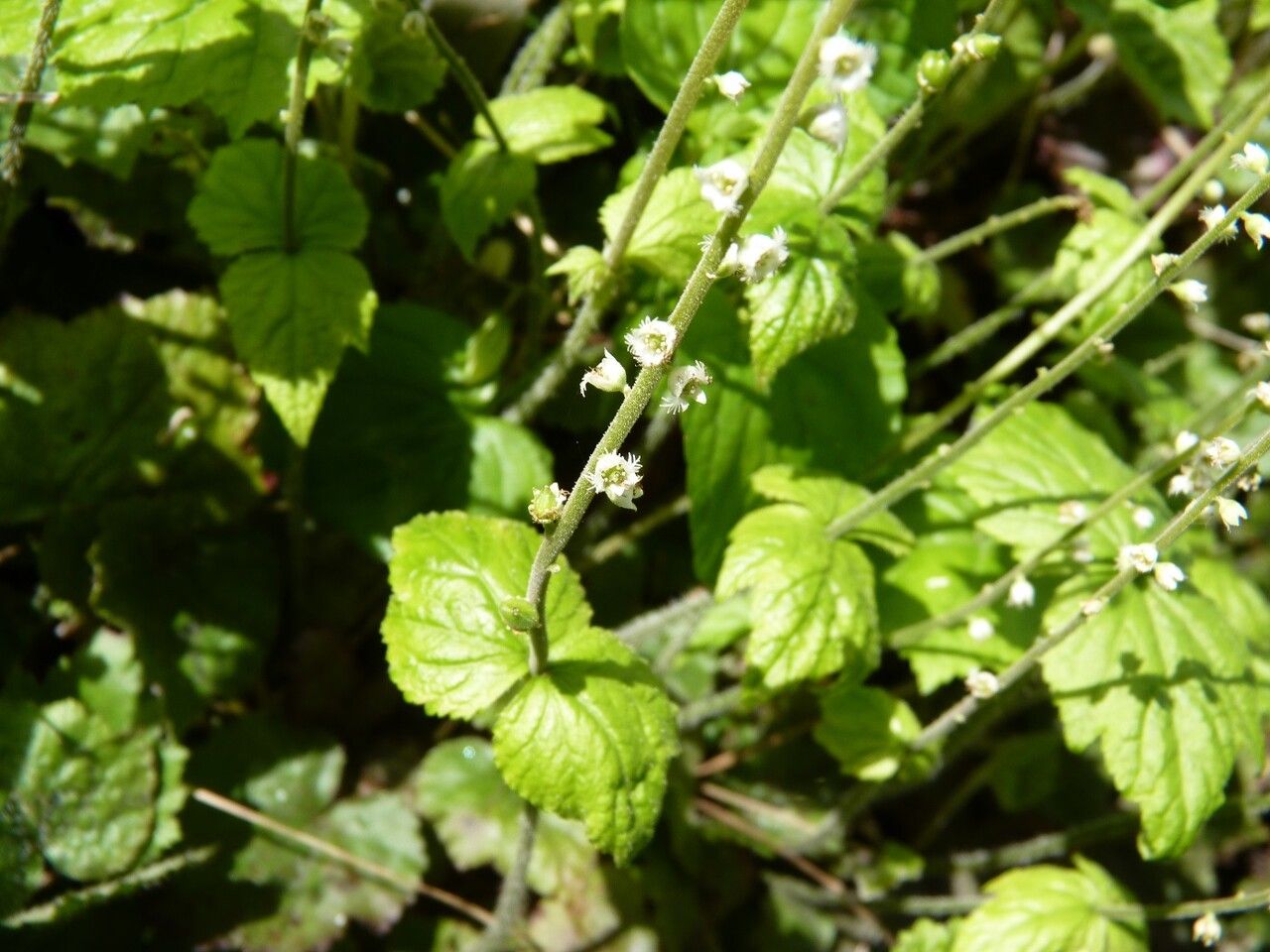
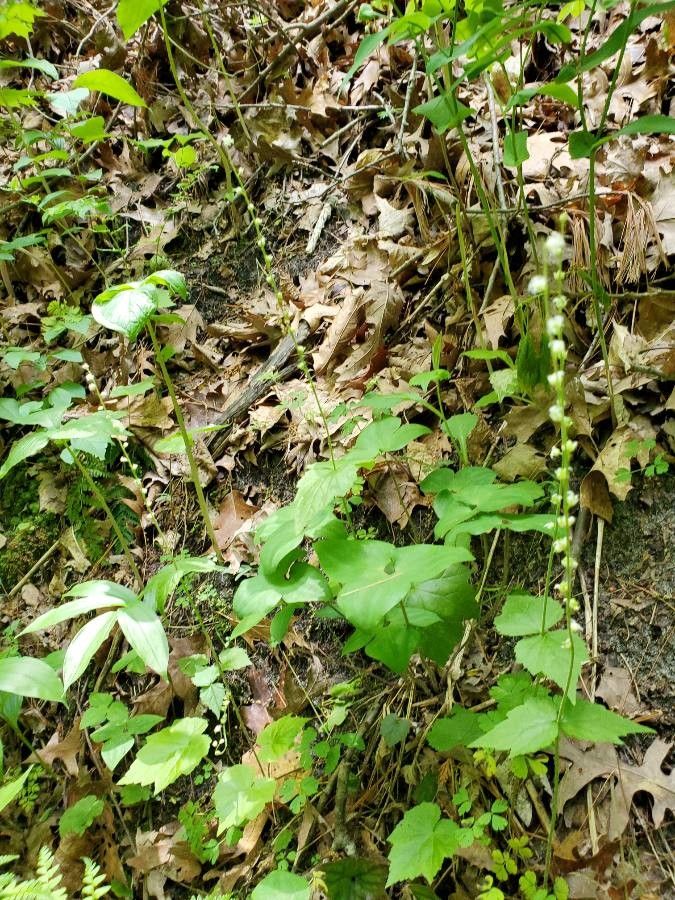
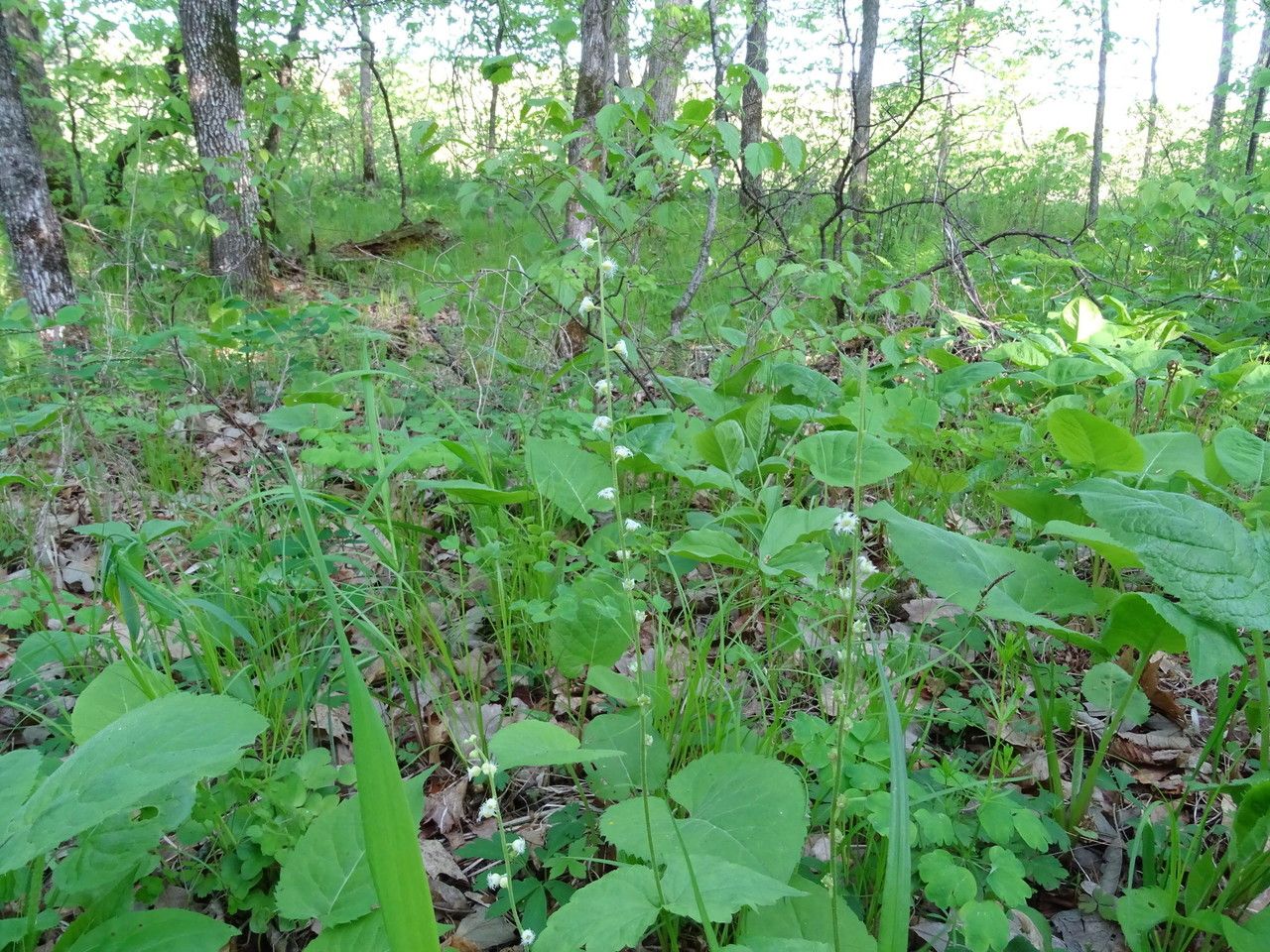
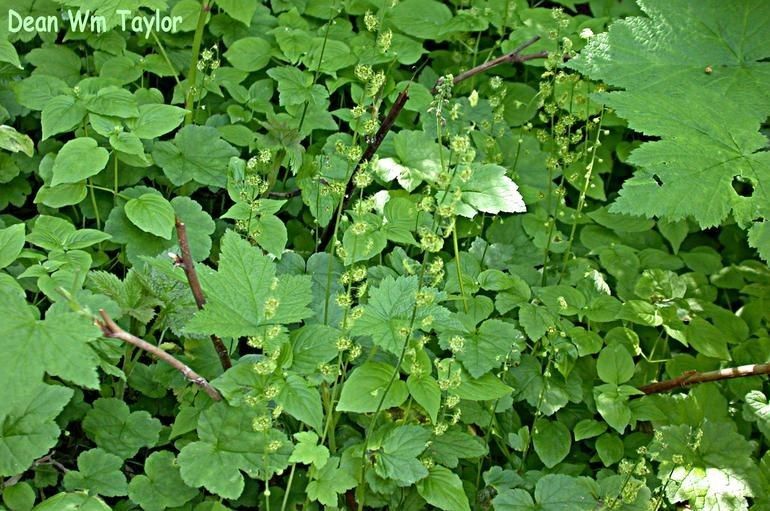
Mitella diphylla (twoleaf miterwort, two-leaved mitrewort, or bishop's cap) is a clump forming, open woodland plant native to northeast and midwest regions of North America.
Twoleaf miterwort has strong disease resistance and is generally not prone to illnesses. However, it can be vulnerable to pests and diseases present in its environment. These problems are usually mild. In terms of care, this plant requires moderate maintenance. It should be pruned regularly to maintain a good appearance and healthy growth. Fertilizing can also help encourage flowering. Twoleaf miterwort is suitable for anyone with outdoor space, such as a garden or patio, and does not demand extensive care experience. It may need more attention when grown indoors.
How to keep Mitella Diphylla.
Light
Twoleaf miterwort needs a light to moderate amount of sunlight to grow and should not be exposed to excessive, intense light. This light requirement comes from its native habitat in the forest understory. Insufficient light may reduce its growth, while too much light can damage the plant.
Water
Native to moist woodland floors, twoleaf miterwort thrives in environments where moisture is consistently available. It prefers soil that remains evenly moist and has moderate tolerance to drought, requiring watering once a week. As an herbaceous perennial, the vitality of twoleaf miterwort is influenced by seasonal rainfall, which affects its growth cycles and dormancy periods.
Temperature
Twoleaf miterwort is native to climates with temperatures from 32 to 90 °F (0 to 32 °C). The plant generally prefers cooler temperatures. As the seasons change, it is advisable to adjust the surrounding temperature to mimic its natural habitat.
Fertilizer
For Twoleaf miterwort, the primary time to apply fertilizer is in early spring when the flowers are forming. The appropriate fertilizer promotes better blooms and helps Twoleaf miterwort produce attractive flowers. Fertilizing in early spring ensures strong flowering during the season and supplies energy for dormant growth phases.
Pruning
Twoleaf miterwort showcases delicate white flowers and thrives with minimal pruning. It's best to prune in early to late spring, concentrating on removing dead sections to maintain its health and shape. Make sure to use clean, disinfected tools for cutting, as this helps improve air circulation and encourages robust blooming.
Botanical profile.
- Plant Type
- Herb
- Life Cycle
- Perennial
- Genus
- Mitella
- Family
- Saxifragaceae
- Hardiness Zone
- 3-7
- Mature Height
- 23 cm to 30 cm
- Mature Spread
- 34 cm
- Leaf Color
- Green
- Leaf Type
- Deciduous
- Flower Color
- White
- Flower Size
- 2.54 cm
- Bloom Time
- Early spring, Mid spring
- Planting Time
- Spring, Autumn
- Harvest Time
- Late spring, Early summer
Other names.
Reader questions.
How should I water my Twoleaf miterwort plant?
To properly water the Twoleaf miterwort, it's best to use filtered water at room temperature. Tap water may have harmful particles, so filtered water is preferable. Since the plant comes from a warm environment, it's important to avoid using cold water as it can be stressful for the plant. Instead of overhead watering, it's recommended to directly apply filtered room temperature water to the soil until it's fully soaked. This helps moisten the roots and aids in the spread of nutrients.
Why should I put fertilizer on my Twoleaf miterwort?
Fertilization is important for the Twoleaf miterwort because it provides essential nutrients for the plant's growth. While the overall fertilization needs for this plant are low, annual fertilization can greatly benefit it. Fertilization helps the Twoleaf miterwort thrive and promotes the production of better and longer-lasting flowers. Therefore, those wanting their Twoleaf miterwort to look its best should prioritize annual fertilization.
What are the sunlight requirements for the Twoleaf miterwort?
Twoleaf miterwort thrives in conditions that mimic its natural understory forest habitat, requiring a mild to moderate amount of sunlight, specifically about 3-6 hours of sunlight for partial sun and less than 3 hours for full shade. It's important to observe the movement of sunlight through your garden to find the perfect balance of light and shade for this plant, ensuring its health and happiness. Excessive, intense light can damage the plant, while insufficient light might hinder its growth.
What is the native climate for Twoleaf miterwort?
Twoleaf miterwort, botanically known as Mitella diphylla, thrives in a climate ranging from 32 to 90 °F (0 to 32 °C). It prefers cooler temperatures, making it highly tolerant to cold weather. To ensure its health, mimicking its natural habitat by adjusting the surrounding temperature as the seasons change is recommended. Interestingly, this plant does not require extra frost protection measures during the winter. However, to prevent drought and water scarcity during the colder seasons, it is advisable to water the plant generously before the first freeze in autumn, ensuring the soil is moist as it enters a frozen state.
What should I do if I give my Twoleaf miterwort too much or too little water?
Overwatering is a common issue for Twoleaf miterwort plants and can cause wilted, yellow leaves. It can also lead to diseases like root rot, mold, and mildew, which can be fatal to the plant. Underwatering is less common, but can cause brittle, brown leaves. It's important to recognize signs of overwatering and adjust watering schedule promptly. If the soil doesn't drain well, replace it with a well-draining potting mix. If the plant is not getting enough water, increase watering until signs of dehydration disappear.
When should I fertilize my Twoleaf miterwort plant?
The best time to fertilize a Twoleaf miterwort is from late winter to early spring when it is transitioning from dormancy to active growth. Fertilizing during this time promotes healthy growth and prepares the plant for the upcoming season. Although it is generally recommended to fertilize in early spring, it is also acceptable to fertilize in the fall. However, it is not advisable to fertilize during summer or winter.
How can artificial lighting be used for Twoleaf miterwort indoor plants?
When natural sunlight is inadequate, artificial lighting can be a viable solution to ensure optimal growth of Twoleaf miterwort indoors, especially during winter or in less sunny spaces. LED lights are recommended as they can be customized to provide specific wavelengths needed by plants. The requirement varies by plant type, with full sun plants needing 30-50W/sq ft, partial sun plants 20-30W/sq ft, and full shade plants 10-20W/sq ft of artificial light. The light source should be placed 12-36 inches above the plant for 8-12 hours per day to mimic natural daylight conditions.
How does Twoleaf miterwort handle low temperatures?
Twoleaf miterwort is known for its exceptional cold tolerance and can withstand winter temperatures above -35°C without noticeable changes during the winter months. However, temperatures dropping below this threshold can lead to decreased sprouting or even no sprouting at all come springtime. To mitigate any negative impact, it is advised to remove any parts of the plant that have failed to sprout once spring arrives. This readiness to endure cold makes it a resilient choice for gardeners in cooler climates.
How often should I water my Twoleaf miterwort plant?
If your Twoleaf miterwort is in a pot, the best way to know when it needs water is by checking the soil. Stick your finger into the soil, and if the top few inches are dry, it's time to water it. The same goes for outdoor Twoleaf miterwort planted in the ground. During spring and early fall, watering about once a week based on this method will work. However, during hot weather, you may need to water it twice a week or more. It's worth noting that mature and well-established Twoleaf miterwort can withstand drought to some extent.
When is the best time to not add fertilizer to my Twoleaf miterwort?
To properly fertilize your Twoleaf miterwort, remember to do so only during late winter and early spring, as this is the time when the plant requires the most nutrients. It is unnecessary and can be harmful to continue fertilizing throughout the spring, summer, and fall, as overfertilization can occur. However, if you missed fertilizing in the spring, it is acceptable to feed the plant during the fall. It is important to note that fertilization during the winter is not recommended, as the plant is in a dormant phase and does not experience new growth at this time.
What are the symptoms of light deficiency or excessive sunlight in Twoleaf miterwort?
Symptoms of light deficiency in Twoleaf miterwort can include smaller new leaves, leggy or sparse growth, faster leaf drop, slower or no new growth, lighter-colored new leaves, and adverse effects like chlorosis, sunscald, leaf curling, wilting, and leaf scorching from excessive light. These symptoms highlight the plant’s struggle with adapting to its lighting environment, whether it is too little, indicating a lack of chlorophyll and essential nutrients, or too much, leading to damage from overexposure.
What should I do if my Twoleaf miterwort experiences high temperatures?
Twoleaf miterwort does not fare well in high temperatures. When the mercury rises above 32°C, the plant's growth halts, and it becomes more prone to rot. In such conditions, it's crucial to trim any sunburned or dried-up parts of the plant. Relocating the plant to a shaded area, especially away from the harsh midday and afternoon sun, can help protect it. Utilizing a shade cloth to provide necessary shade is another viable option. Additionally, watering the plant during the cooler morning and evening hours will help keep the soil moist and improve the plant's resistance to heat.