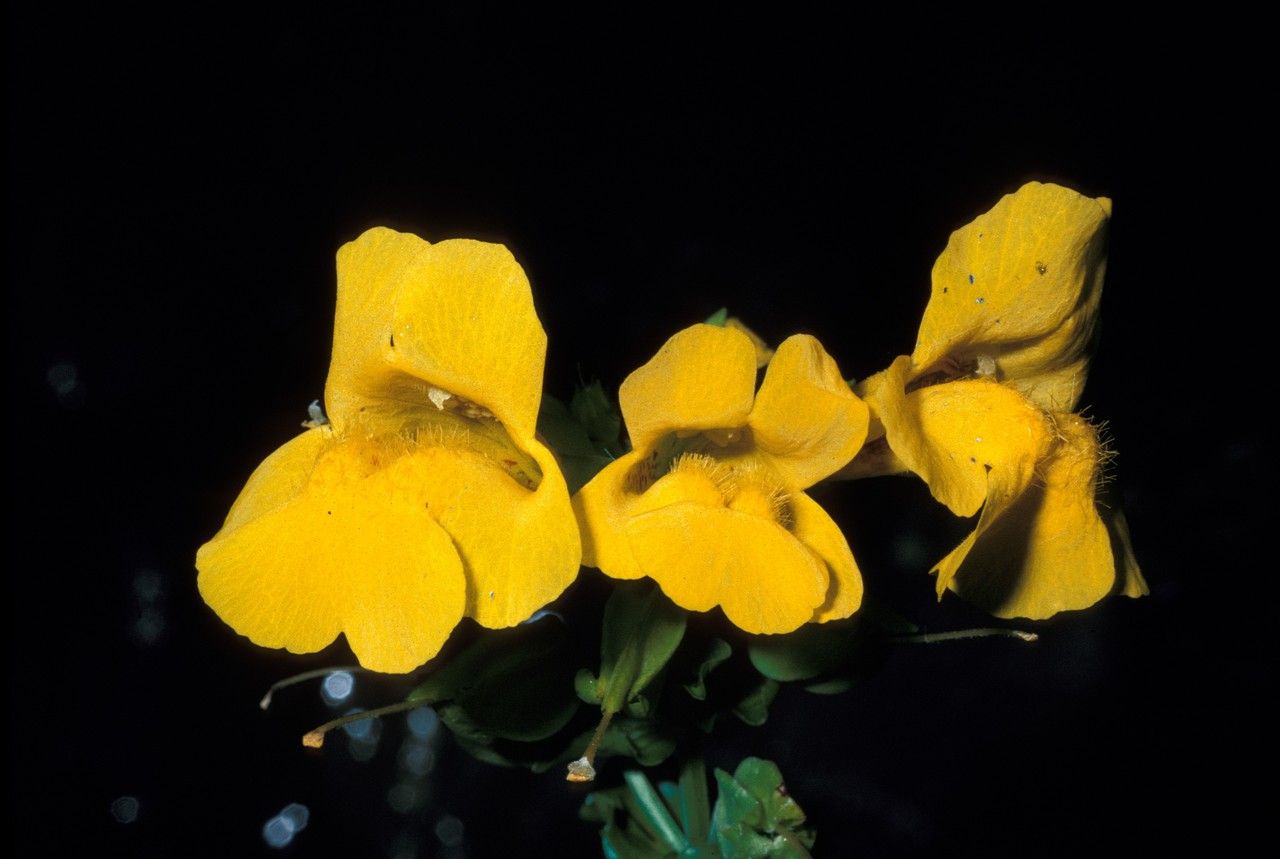
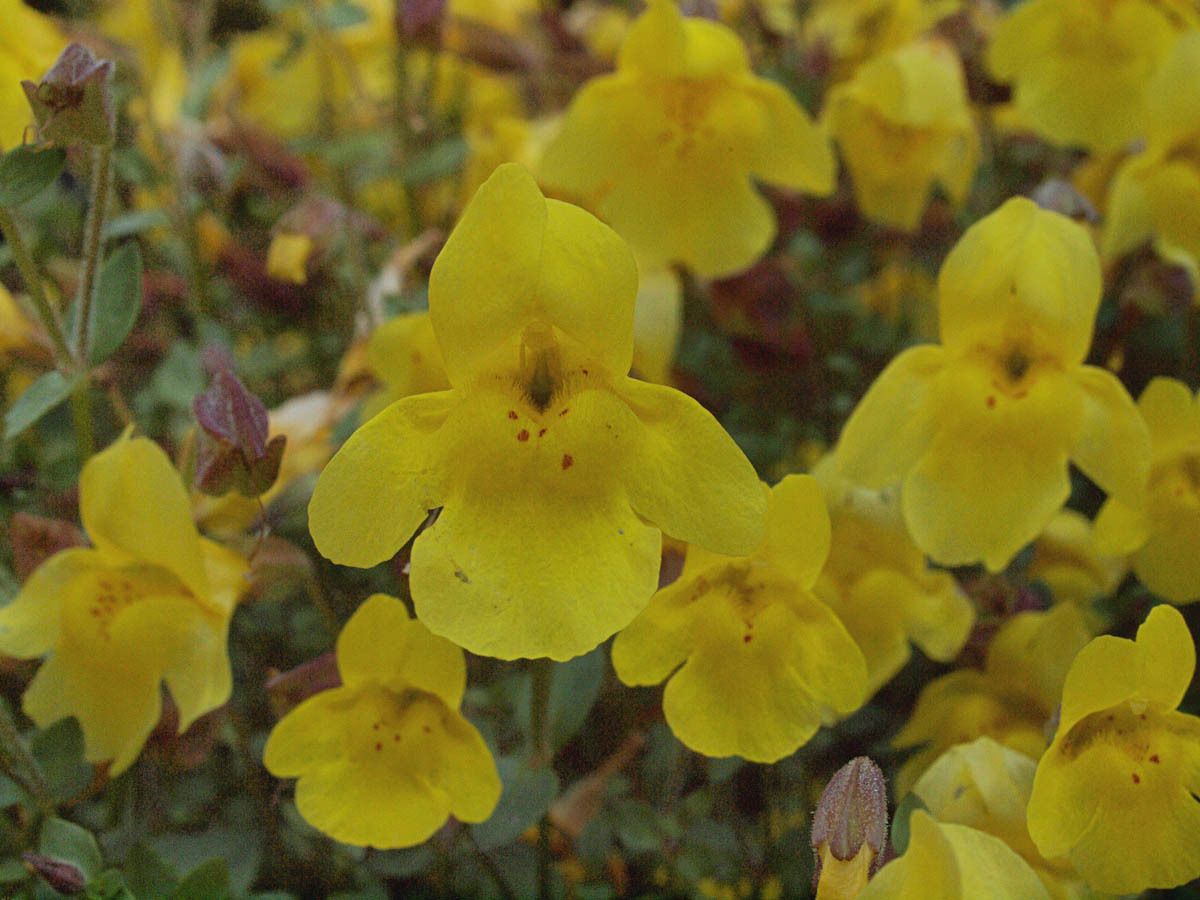
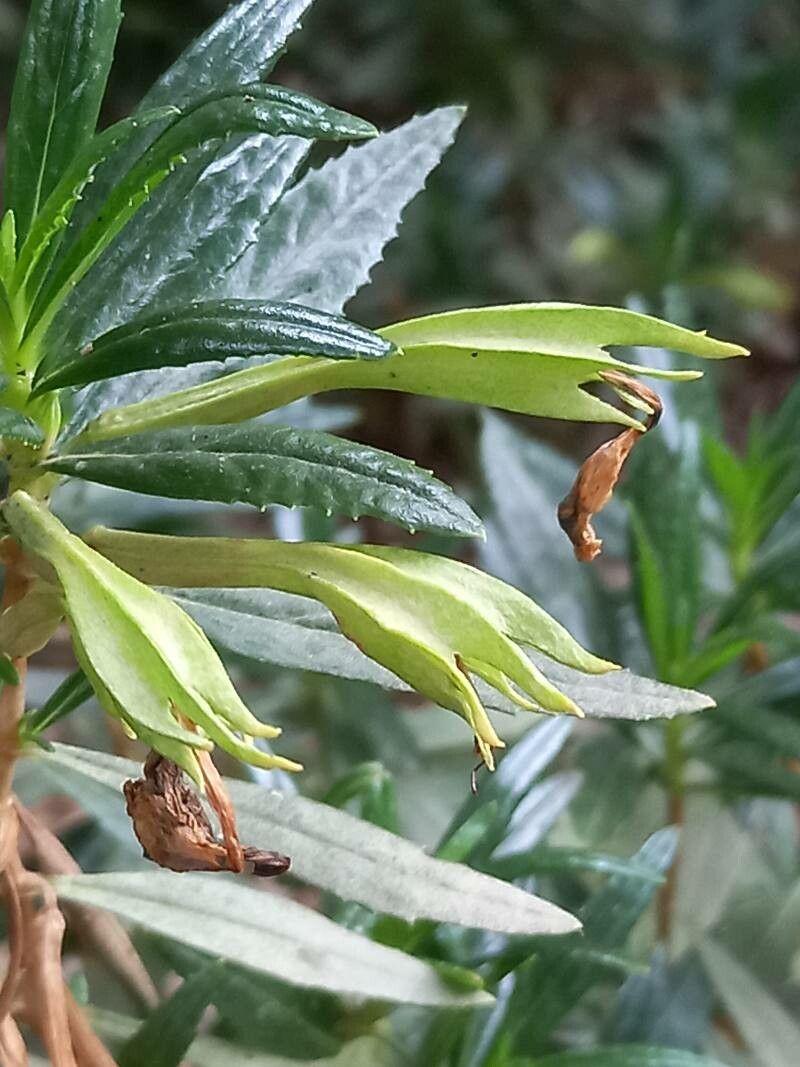
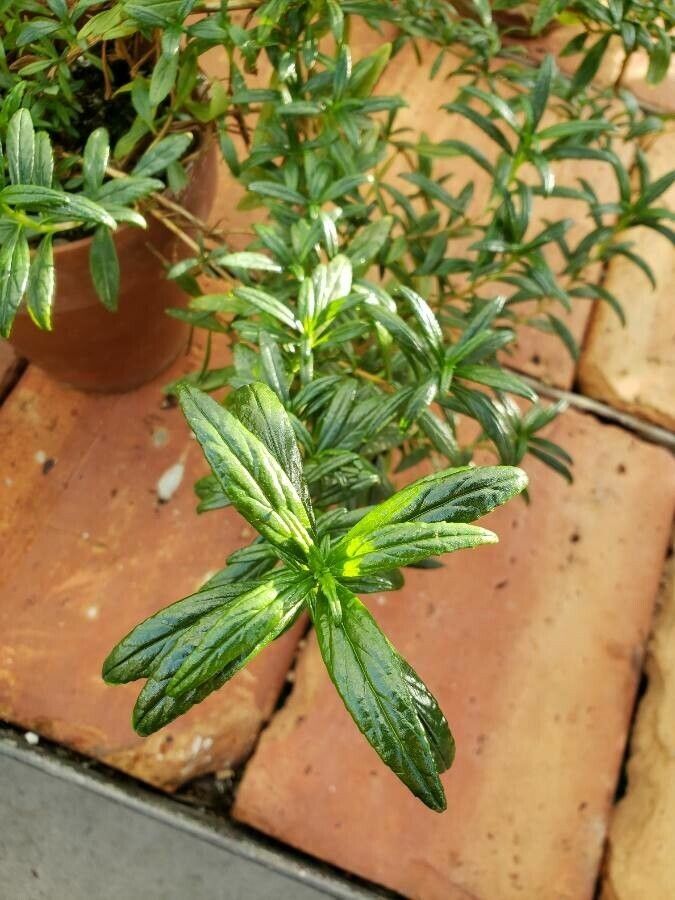
Erythranthe tilingii is a species of monkeyflower known by the common name Tiling's monkeyflower. It was formerly known as Mimulus tilingii.
Tiling's monkeyflower has strong disease resistance and is generally unlikely to develop illnesses. Nonetheless, it can be vulnerable to pests and diseases present in its environment. Such infections are typically mild. Regarding care, the plant demands a moderate level of maintenance. It should be pruned regularly to preserve an attractive appearance and healthy growth. Applying fertilizer can also encourage more abundant flowering. Tiling's monkeyflower is appropriate for anyone with outdoor areas like a garden or patio and does not need extensive gardening experience. It can require more attention if cultivated indoors.
How to keep Mimulus Tilingii.
Light
The monkeyflower of Tiling is indigenous to surroundings like understory forests or rocky terrains where it gets natural shade. It primarily favours partially sunny conditions, however, it is flexible and robust enough to adjust to full sunlight or complete shaded environments.
Fertilizer
Typically, a one-time application of fertilizer in the spring should be enough for the Tiling's monkeyflower, however, for optimal growth, feeding it numerous times may help. People should feed it roughly every four to six weeks. Improving the visual appeal and performance of the leaves, fertilization leads to a steady color and a robust texture. Besides, it encourages the growth of the roots and the absorption of nutrients, contributing to the plant's health in the long run.
Botanical profile.
- Plant Type
- Herb
- Life Cycle
- Perennial
- Genus
- Mimulus
- Family
- Phrymaceae
- Hardiness Zone
- 7-10
- Mature Height
- 5 cm to 20 cm
- Mature Spread
- 30 cm
- Leaf Color
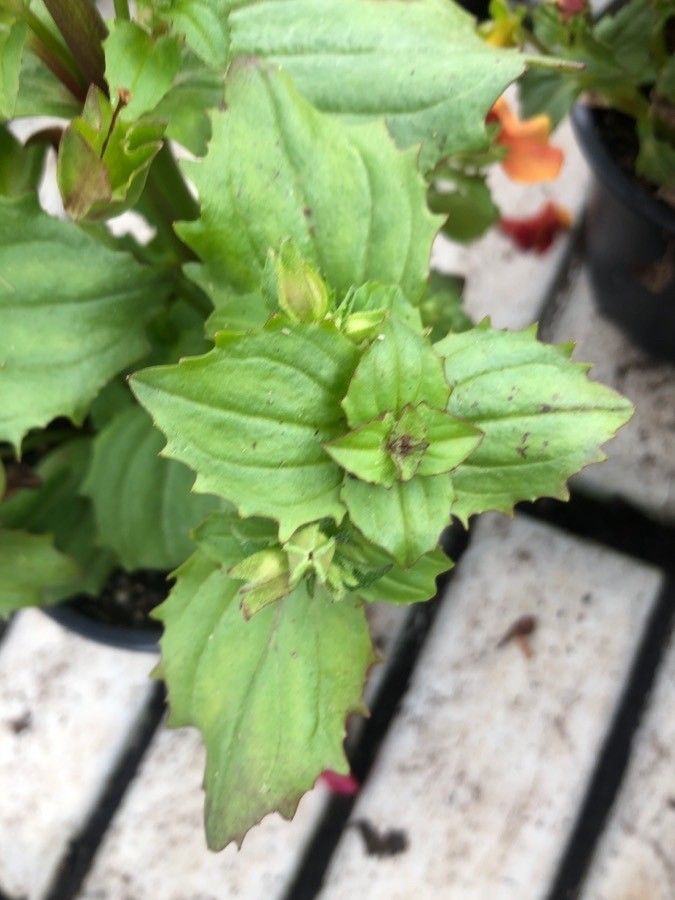
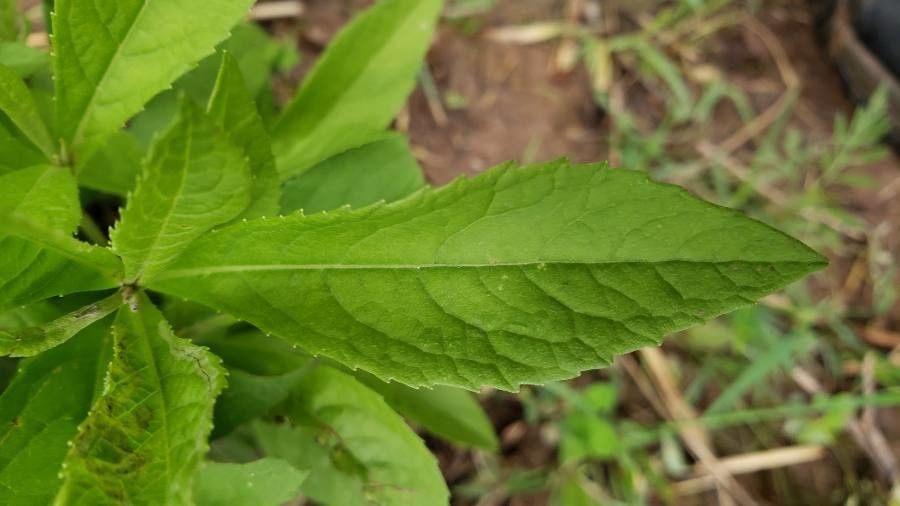
- Green, Dark Green
- Leaf Type
- Deciduous
- Flower Color
- Yellow, Gold
- Flower Size
- 2.03 cm to 4.06 cm
- Bloom Time
- Late spring, Early summer, Mid summer
- Planting Time
- Summer, Autumn, Winter
- Harvest Time
- Mid summer, Late summer, Early fall
Other names.