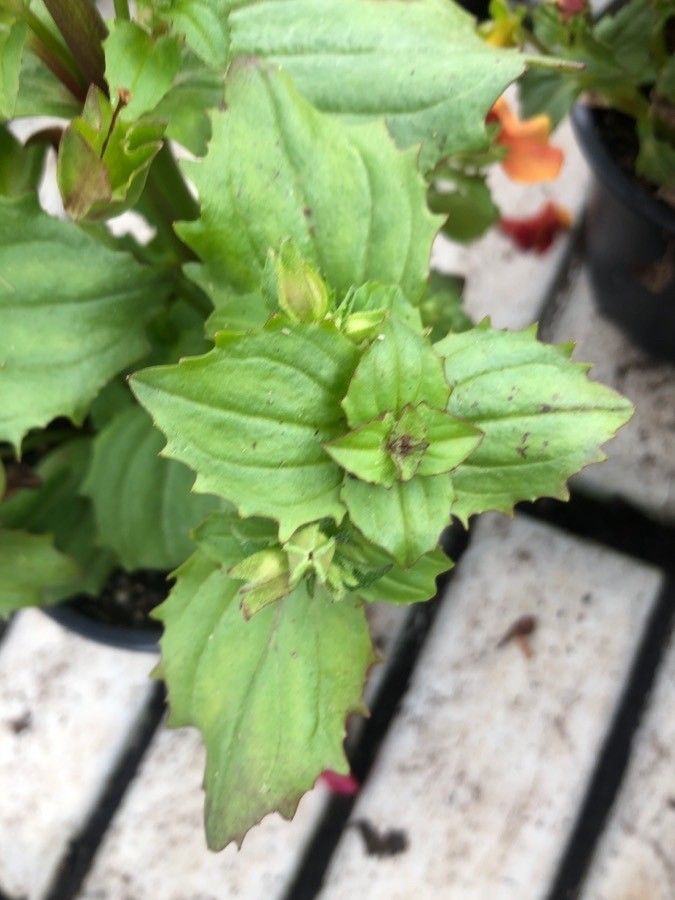
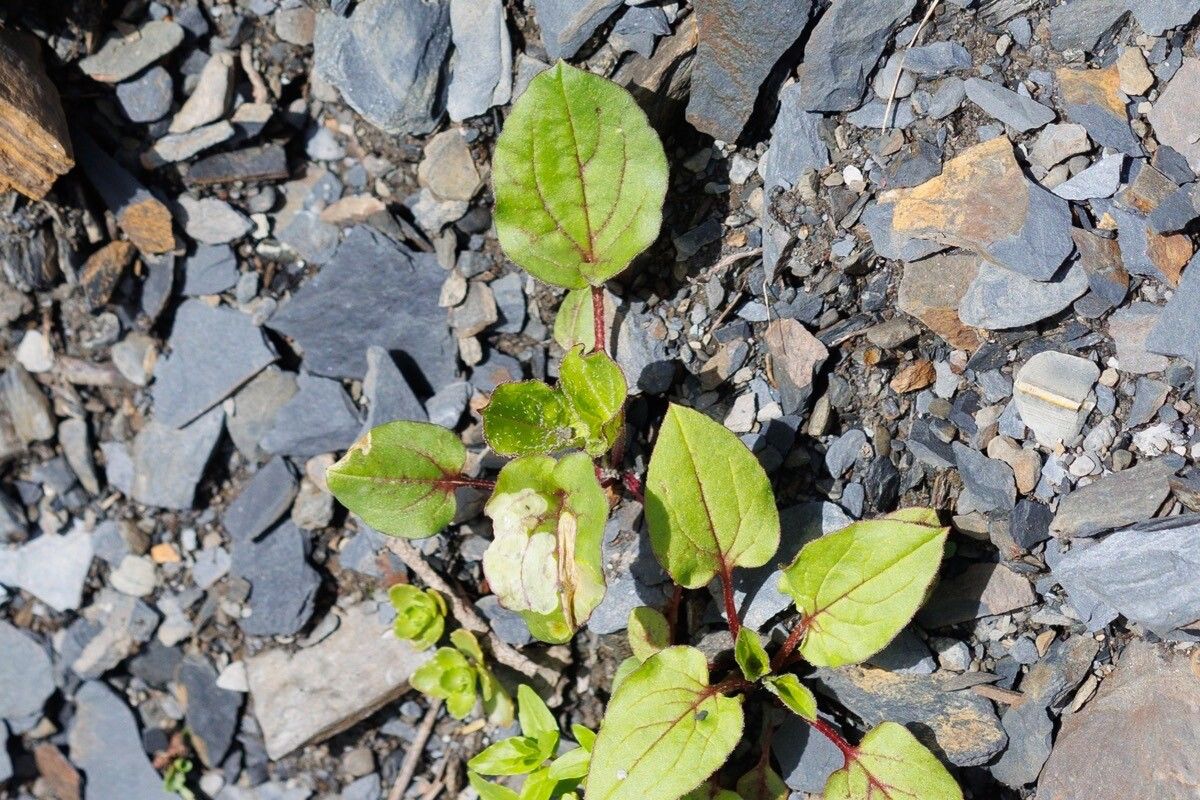
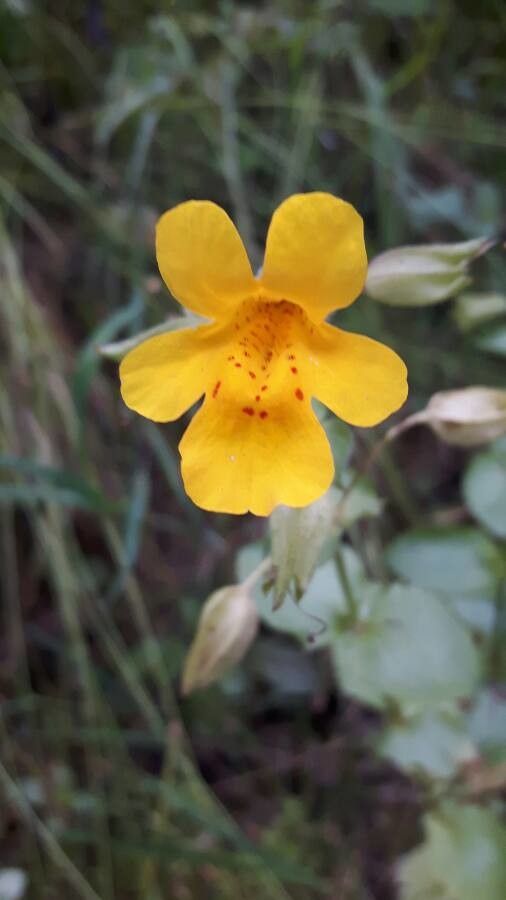
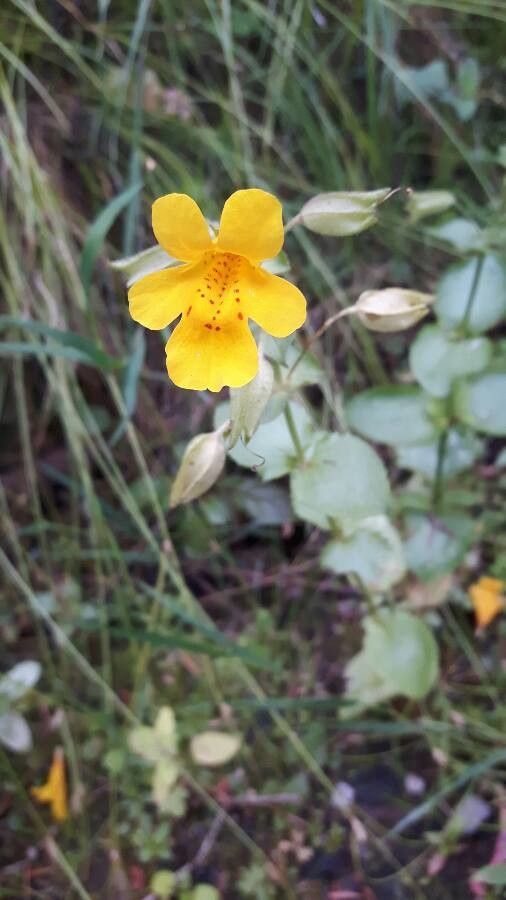
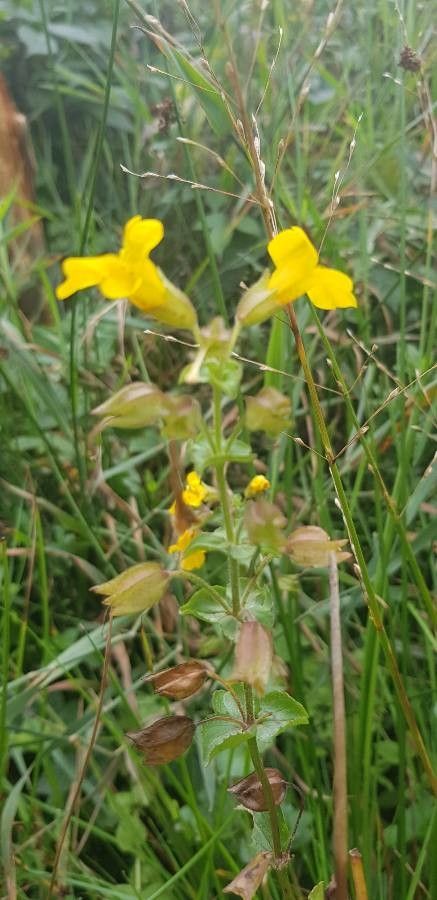
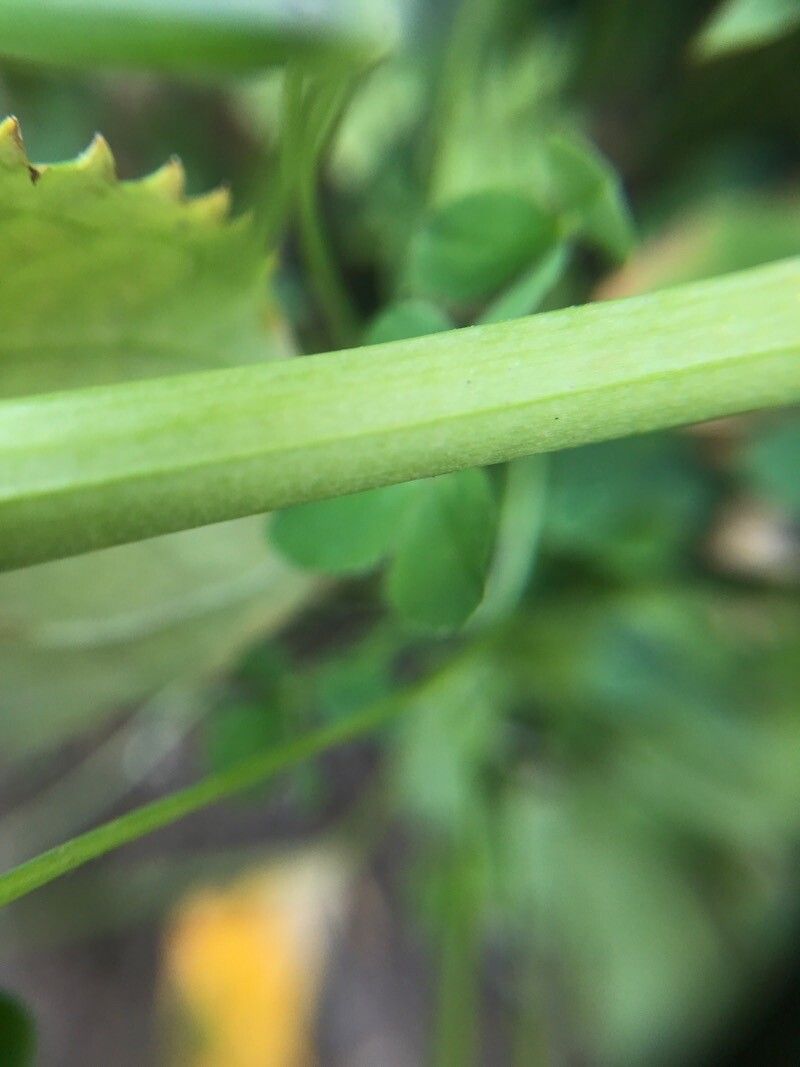
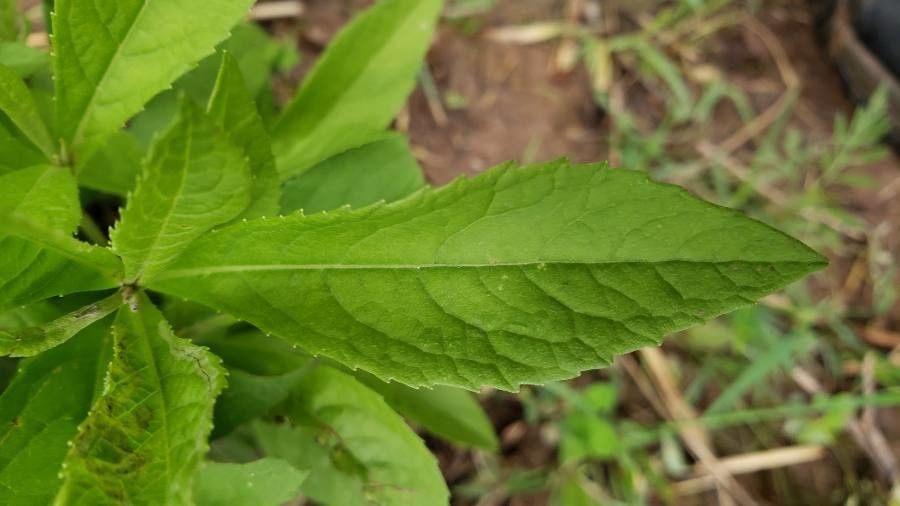
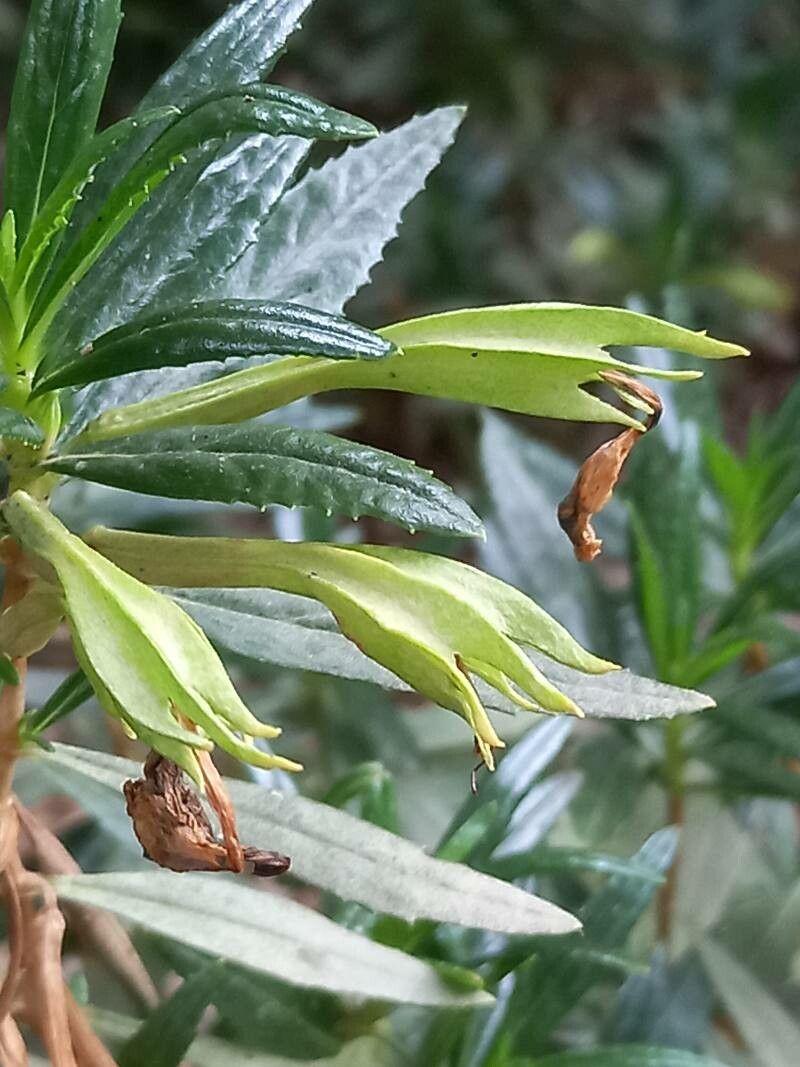
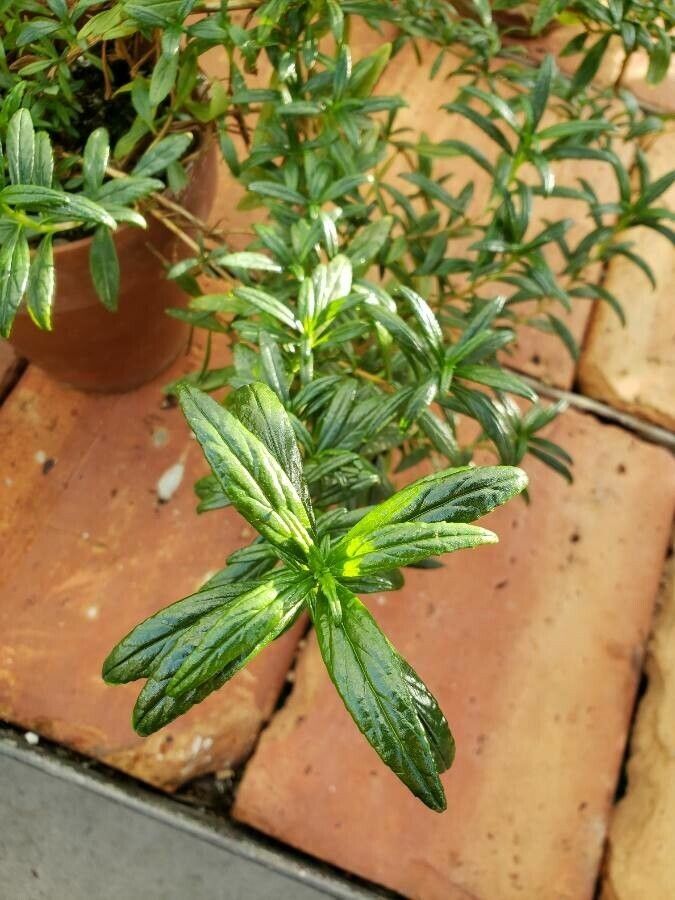
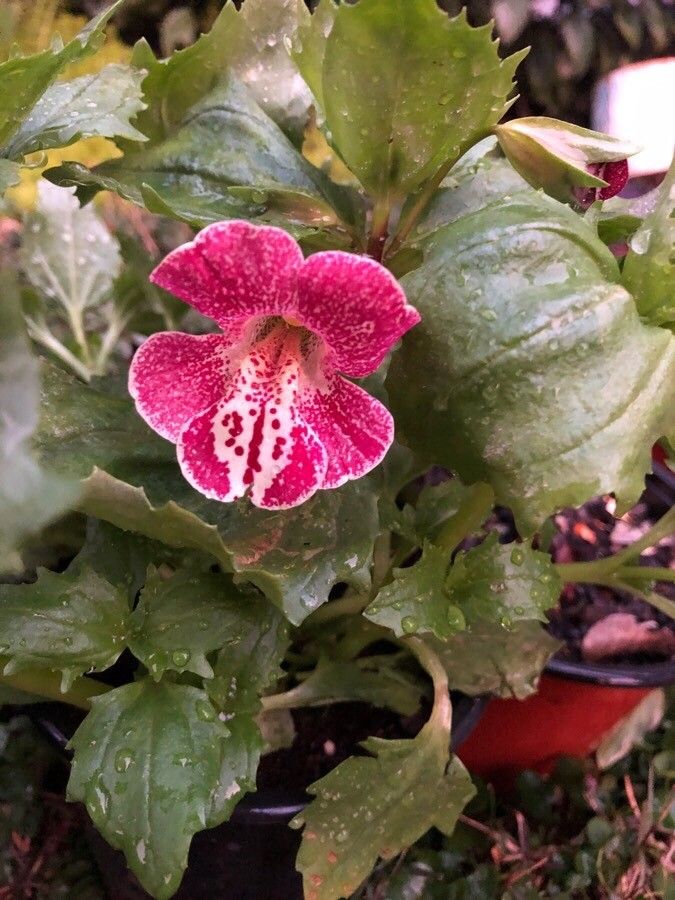
Erythranthe guttata, with the common names seep monkeyflower and common yellow monkeyflower, is a yellow bee-pollinated annual or perennial plant. It was formerly known as Mimulus guttatus.Erythranthe guttata is a model organism for biological studies, and in that context is still referred to as Mimulus guttatus. There may be as many as 1000 scientific papers focused on this species. The genome is (as of 2012) being studied in depth.
Seep monkeyflower has strong resistance to disease and is typically not susceptible to illnesses. However, it can be affected by pests and diseases present in its environment. These infections are generally mild. Regarding care, this plant needs a moderate amount of maintenance. It should be pruned regularly to keep an attractive appearance and encourage healthy growth. Fertilizing can also help stimulate flowering. Seep monkeyflower is appropriate for anyone with outdoor space, such as a garden or patio, and does not demand extensive care experience. It may need more attention when grown indoors.
How to keep Mimulus Guttatus.
Light
For optimum health, seep monkeyflower needs abundant sunlight, though it can adapt to moderately sunny conditions. Native to sun-drenched habitats, its growth and flowering can be negatively affected by limited light. Excessive sunlight, however, can be harmful, causing stunted growth and possible sunburn.
Humidity
This plant needs special care because it loves high humidity levels of 60-80% or more. The best way to achieve this is by placing a humidifier near the plant. Daily misting is also essential! Make sure the room has good ventilation.
Temperature
Seep monkeyflower comes from environments with temperatures ranging from 68 to 95 °F (20 to 35 ℃). It thrives in temperate conditions and may need seasonal adjustments in extreme climates to ensure proper growth.
Fertilizer
The best time to fertilize a Seep monkeyflower is in early spring, when it is coming out of dormancy and starting active growth. Fertilizing supplies essential nutrients needed for healthy development. Although Seep monkeyflower has fairly low fertilizer requirements, applying fertilizer once a year can improve its chances of survival and encourage better, longer-lasting blooms.
Botanical profile.
- Plant Type
- Herb
- Life Cycle
- Perennial, Annual
- Hardiness Zone
- 6-9
- Mature Height
- 20 cm to 40 cm
- Mature Spread
- 20 cm
- Leaf Color
- Green, Blue
- Leaf Type
- Semi-evergreen
- Flower Color
- Yellow, Gold
- Flower Size
- 2.03 cm to 4.06 cm
- Bloom Time
- Late spring, Early summer, Mid summer
- Planting Time
- Autumn, Winter
- Harvest Time
- Summer
- Native Area
- Mexico
Other names.