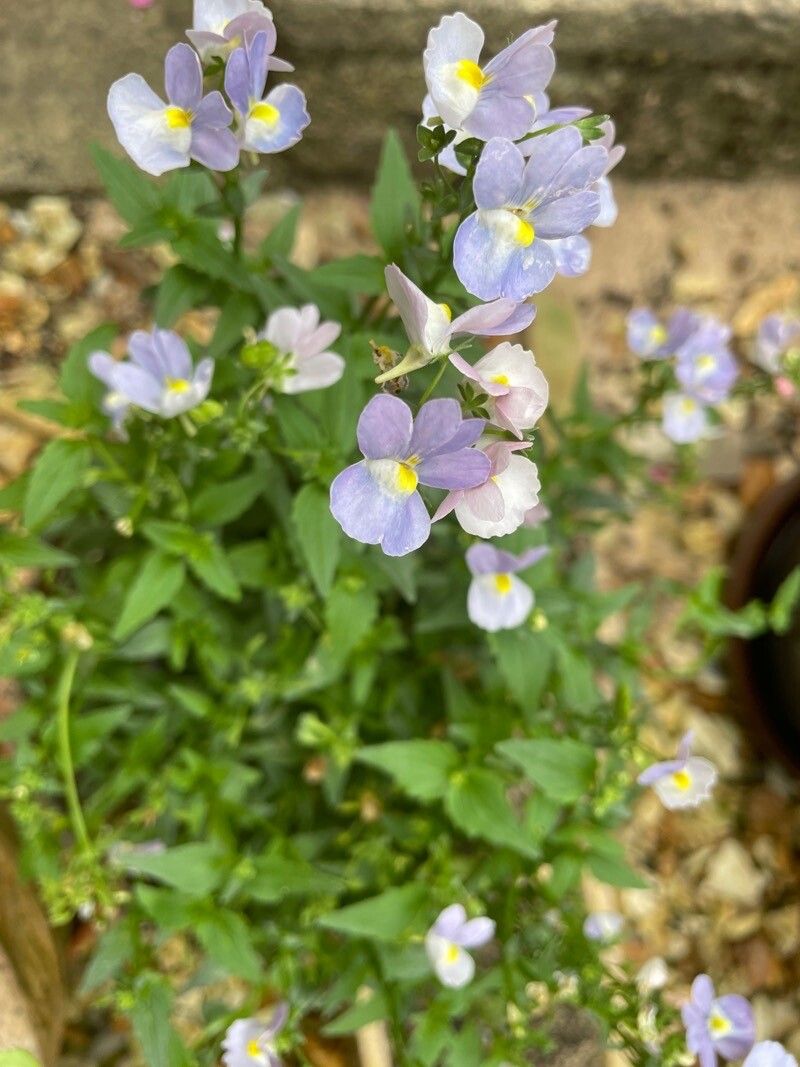
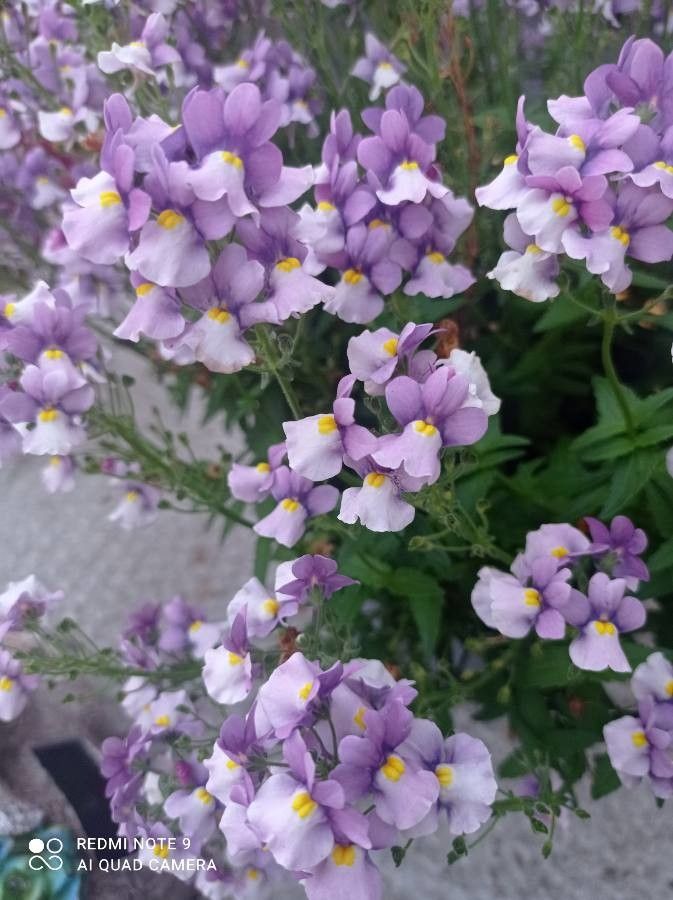
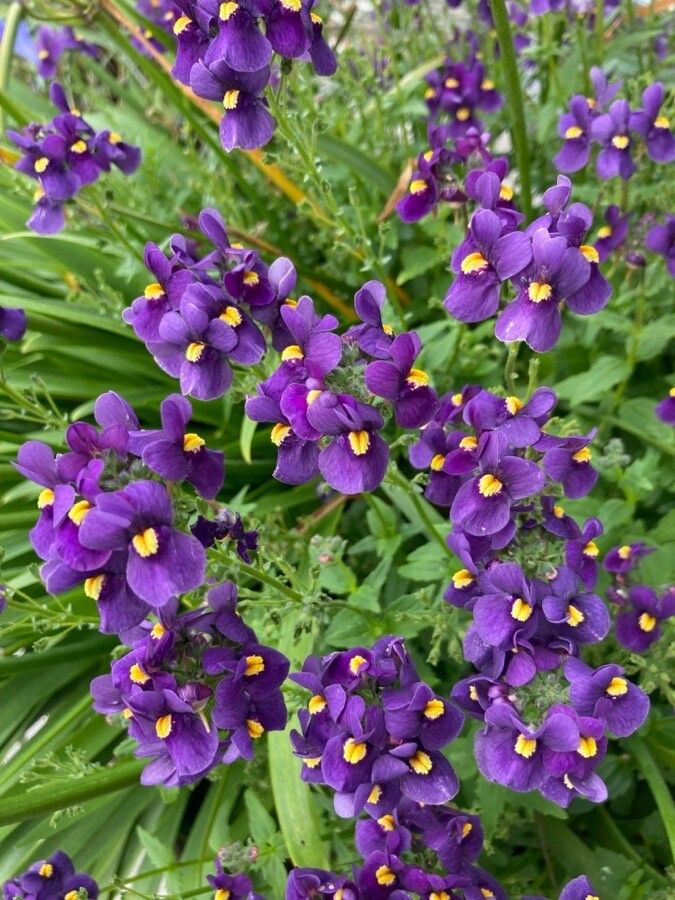
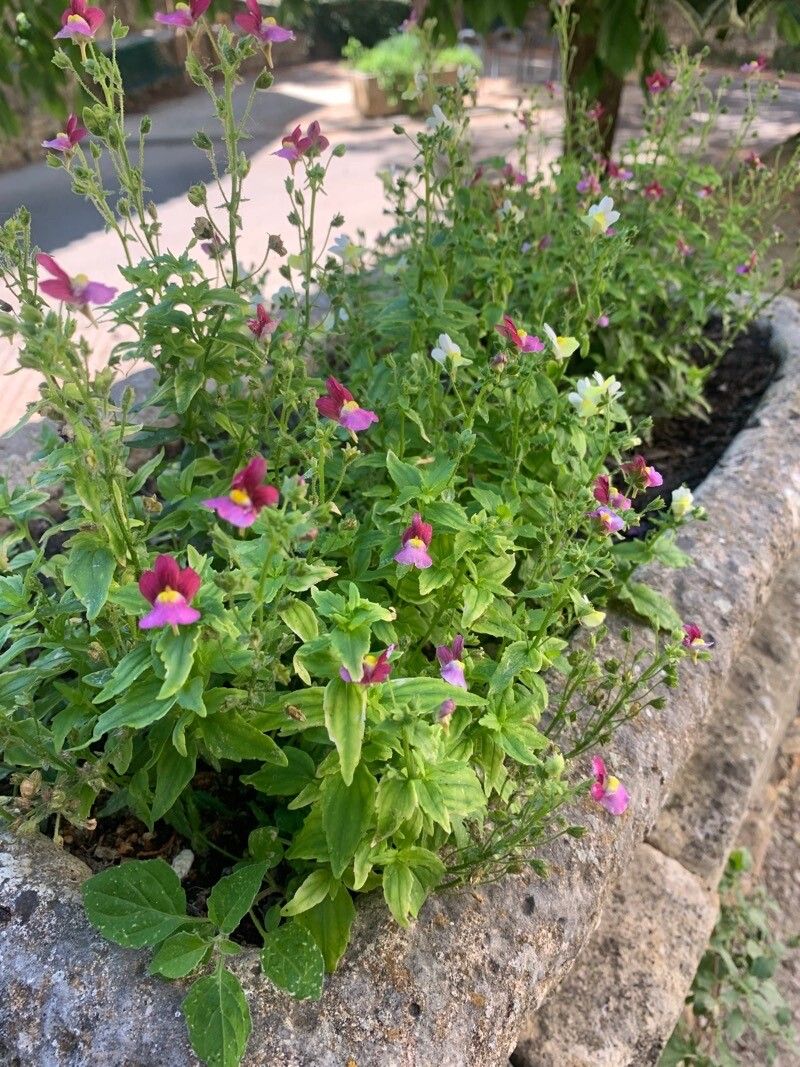
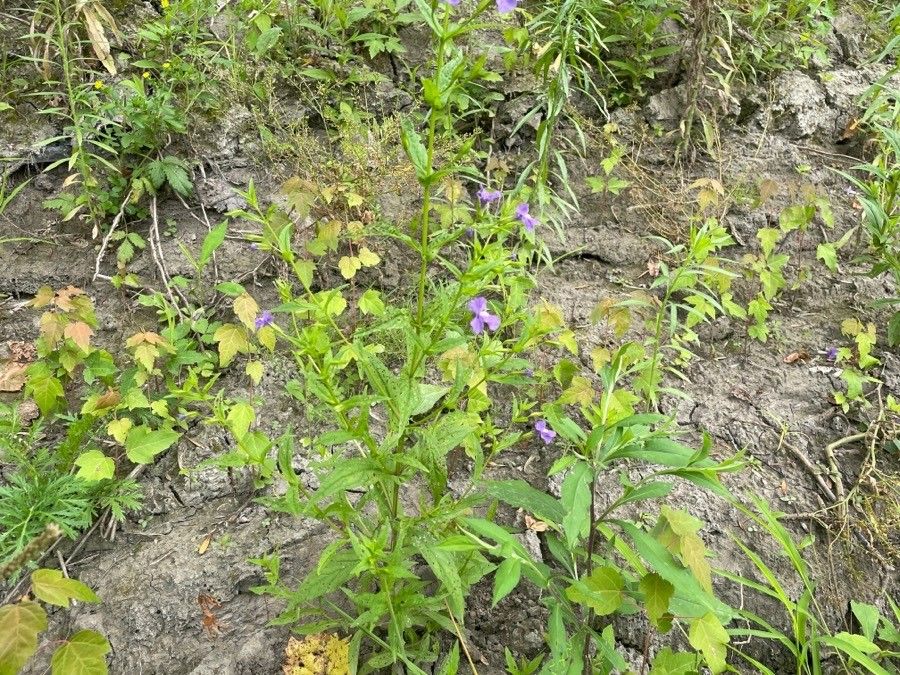
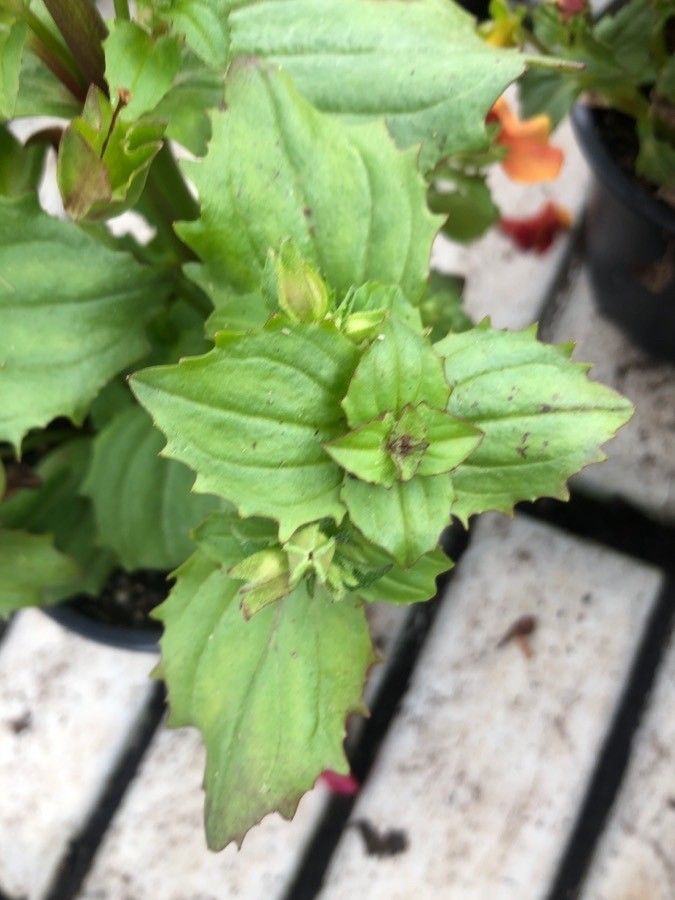
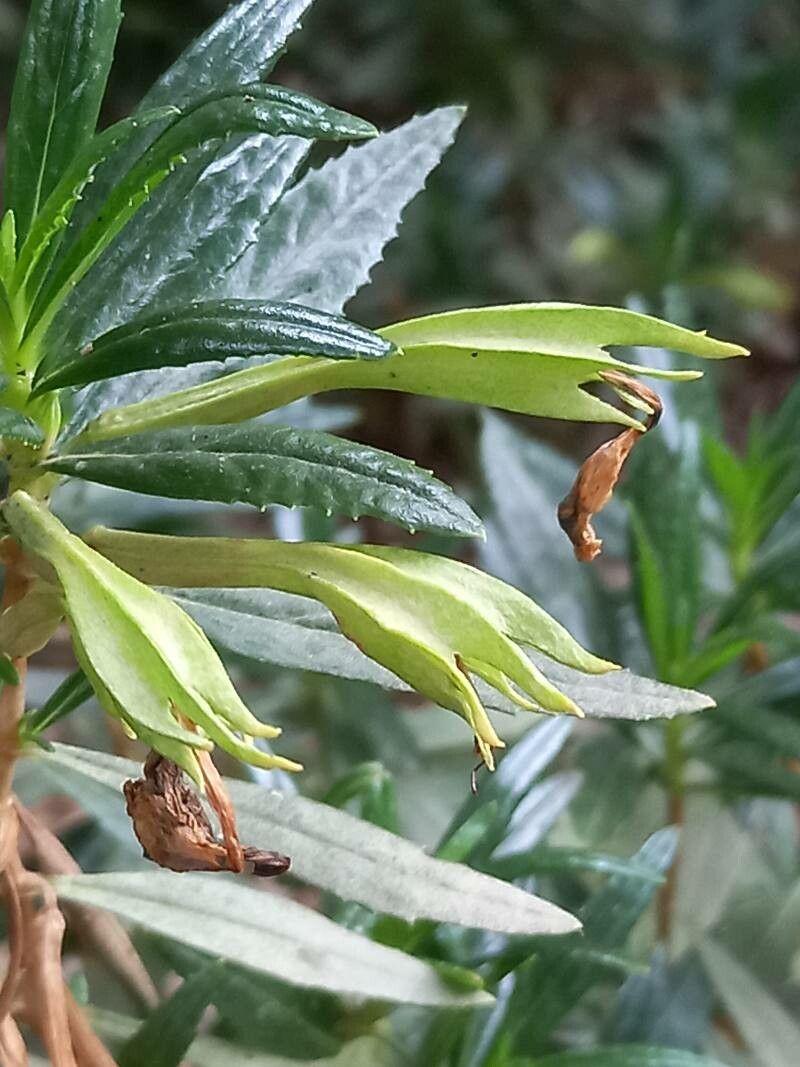
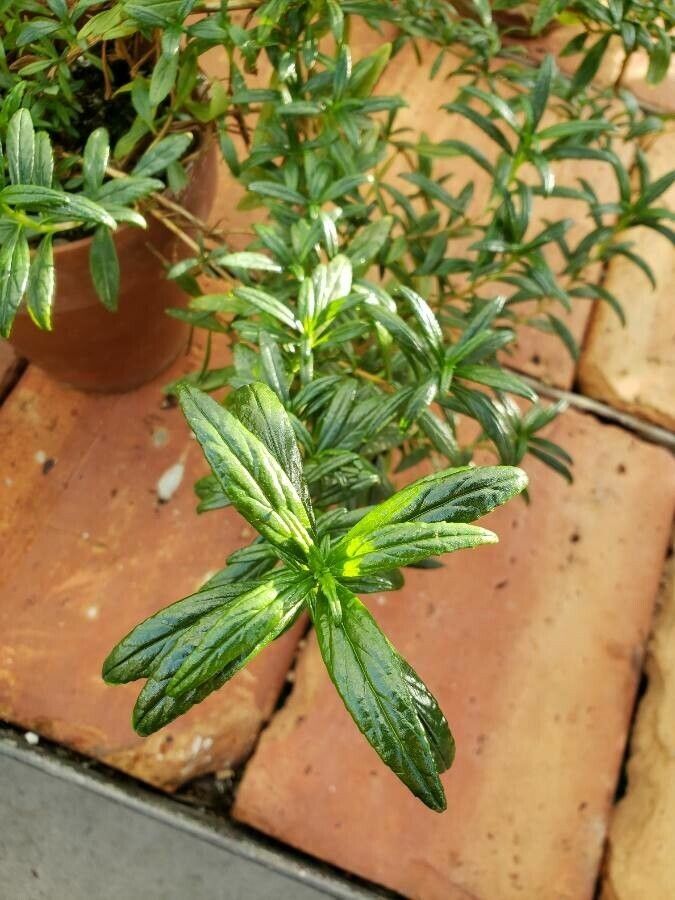
Mimulus ringens, commonly known as the Allegheny monkeyflower, is a herbaceous perennial plant belonging to the family Phrymaceae. Native to North America, it thrives in wetlands, marshes, and along stream banks.
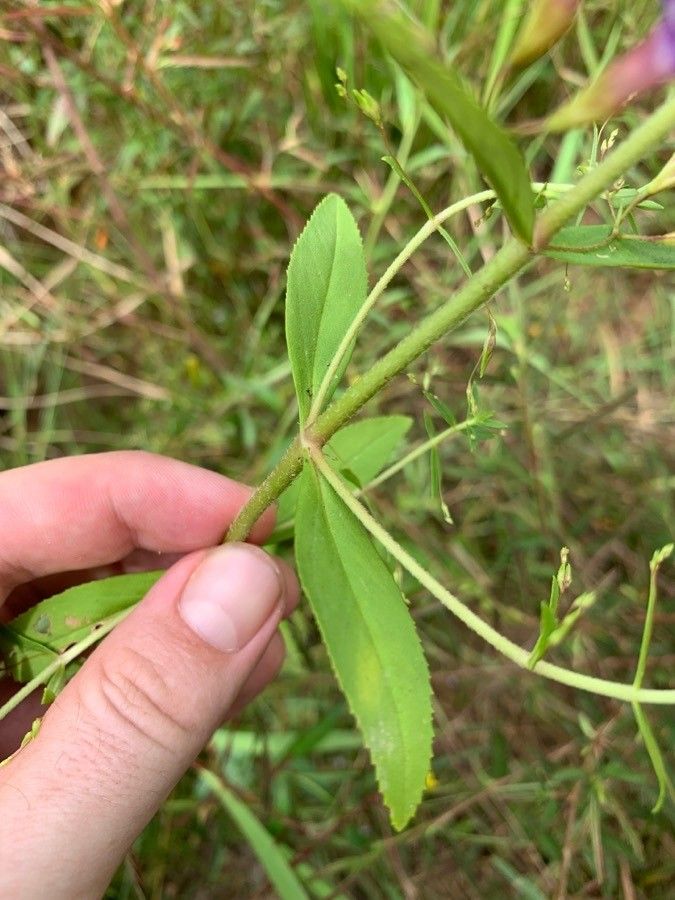
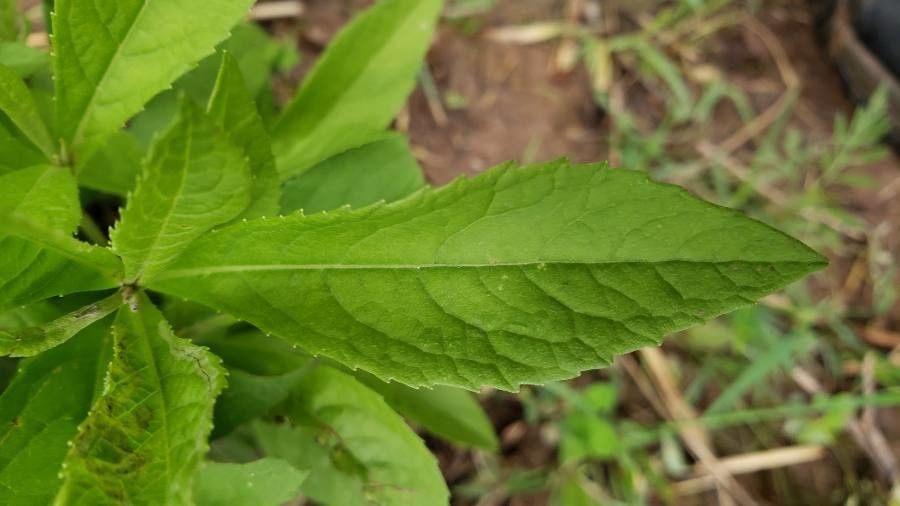
Typically growing up to 3 feet tall, the plant features lance-shaped leaves arranged oppositely on the stem. The tubular flowers have a two-lipped structure: a lower lip with three lobes and an upper lip with two lobes. The flowers are generally blue-purple, though they can also appear in pink or white.
Mimulus ringens blooms from June through September, attracting various pollinators, such as bees, butterflies, hummingbirds, and moths. Native American tribes have historically utilized this plant for medicinal purposes to treat ailments like coughs, colds, and fevers.
Overall, Mimulus ringens is an attractive plant that adds vibrant color to wetland areas while offering crucial ecological benefits, such as providing habitat for wildlife like birds and insects. Its historical medicinal use further underscores its value, making it a worthy addition to any garden or natural area.
Allegheny Monkeyflower has strong resistance to disease and typically does not suffer from illnesses. Still, it can be affected by pests and diseases present in its environment. These problems are generally mild. Regarding care, this plant needs a moderate amount of attention. Regular pruning is necessary to keep its appearance tidy and to encourage healthy growth. Applying fertilizer can also aid in increasing flowering. Allegheny Monkeyflower is appropriate for anyone with outdoor areas like a garden or patio and does not demand extensive gardening experience. It may need more attentive care if cultivated indoors.
How to keep Mimulus Ringens.
Light
Allegheny Monkeyflower does best with plenty of sun, though it can tolerate spots with some shade. Native to areas where steady sun exposure is common, Allegheny Monkeyflower needs that condition for ideal growth and blooming. Too little light can weaken the plant, while excessive sun may cause it stress.
Water
The Allegheny Monkeyflower thrives in wet environments and prefers consistent moisture, with a recommended watering schedule of once a week. While it can withstand brief dry periods, keeping it moist promotes optimal growth. Usually grown outdoors, this plant requires extra care during the growing season because of increased evapotranspiration.
Temperature
The Allegheny Monkeyflower comes from climates where temperatures fall between 68 and 95 °F (20 to 35 °C), indicating a liking for warm conditions. To replicate its natural habitat, alter temperatures seasonally if necessary, while keeping them within that range.
Fertilizer
The best time to fertilize an Allegheny Monkeyflower is in early spring, when it is coming out of dormancy and beginning active growth. Fertilization supplies essential nutrients for healthy development. Although the Allegheny Monkeyflower has relatively low fertilizer needs, applying fertilizer annually can improve its survival and encourage better, longer-lasting flowers.
Pruning
The Allegheny Monkeyflower features striking blue-violet blossoms and thrives in wet habitats. To promote its growth and maintain its shape, prune the plant from early to late spring by removing dead stems and spent flowers. Regular pruning helps improve air circulation and reduces the risk of disease. Be sure to use clean, sharp tools for the best results.
Botanical profile.
- Plant Type
- Herb
- Life Cycle
- Perennial, Annual, Biennial
- Genus
- Mimulus
- Family
- Phrymaceae
- Hardiness Zone
- 6-9
- Mature Height
- 30 cm to 91 cm
- Mature Spread
- 23 cm to 30 cm
- Leaf Color
- Green
- Leaf Type
- Deciduous
- Flower Color
- Blue, Pink, Purple, White, Lavender, Violet
- Flower Size
- 2.54 cm to 7.62 cm
- Bloom Time
- Summer
- Planting Time
- Spring, Summer
- Harvest Time
- Late summer, Early fall, Mid fall
Other names.
Reader questions.
How should I water my Allegheny Monkeyflower?
Here are some tips for watering the Allegheny Monkeyflower: - Use filtered water that is at room temperature or slightly warmer. Tap water can have harmful particles for the plant's health. - The Allegheny Monkeyflower comes from a warm environment, so cold water can be a shock to its system. - Avoid overhead watering to prevent foliage complications. Instead, apply filtered room temperature water directly to the soil until it is entirely soaked. - Soaking the soil is beneficial as it helps moisten the roots and allows them to spread and collect nutrients.
Why should I add fertilizer to my Allegheny Monkeyflower?
Fertilizing the Allegheny Monkeyflower is crucial for healthy leaves. It not only enhances the appearance and function of the leaves but also promotes root growth. This means that fertilization not only benefits the plant in the present but also improves its ability to absorb nutrients from the soil in the long run.
What are the sunlight requirements for Allegheny Monkeyflower?
Allegheny Monkeyflower thrives best with an ample amount of sun and can tolerate areas where the sun is partially obscured. It originates from habitats with consistent sunlight exposure, which is essential for its optimal growth and flowering. The plant requires above 6 hours of sunlight for full sun conditions and about 3-6 hours of sunlight for partial sun conditions. It is important to observe how sunlight moves through your garden to find spots that offer a balance of light and shade, ensuring the happiness and health of your Allegheny Monkeyflower.
What is the native climate for the Allegheny Monkeyflower?
The Allegheny Monkeyflower is native to climates where temperatures range from 68 to 95°F (20 to 35°C). This range reflects its preference for warm conditions. To simulate its natural habitat, it is suggested to adjust the environmental temperatures seasonally, ensuring they remain within this specific range.
What should I do if I give too much water or too little water to my Allegheny Monkeyflower?
Overwatering is a more common issue for the health of your Allegheny Monkeyflower. It can cause wilting, yellowing of stems and leaves, and may lead to diseases like root rot, mold, and mildew, which can be fatal. Underwatering is less common but can still occur, causing brittle and brown leaves. It is important to recognize the signs of overwatering early and reduce watering immediately. Check the soil's drainage and replace if necessary. If underwatering is the issue, simply increase watering until signs improve.
When should I fertilize my Allegheny Monkeyflower for the best results?
If you grow your Allegheny Monkeyflower outdoors, it will send out new growth in early spring. This is the signal to start fertilizing for the year. Usually, one application of fertilizer in the spring is sufficient. But if you want your Monkeyflower to grow more, you can fertilize it multiple times during spring and early summer. In this case, feed it once every month to a month and a half.
How can artificial lighting be used for Allegheny Monkeyflower indoors?
When natural sunlight is insufficient, especially during winter or in less sunny indoor spaces, artificial lighting provides a vital solution for the growth of Allegheny Monkeyflower. Opt for LED lights as they can be tailored to deliver specific wavelengths needed by the plant. Full sun plants require 30-50W/sq ft, partial sun plants need 20-30W/sq ft, and full shade plants need 10-20W/sq ft of artificial light. The light source should be placed 12-36 inches above the plant to mimic natural sunlight and left on for 8-12 hours per day to mimic the natural daylight hours.
Does the Allegheny Monkeyflower need special frost protection?
The Allegheny Monkeyflower has strong cold resistance, meaning special frost protection measures are usually not necessary. However, if temperatures are expected to drop below -25°C (-13°F), it's important to protect the plant from the cold. This protection can be provided by covering the plant with soil or straw. Additionally, before the first freeze of autumn, it is recommended to water the plant abundantly to keep the soil moist, helping to prevent drought and water scarcity during the winter and early spring.
How often should I give water to my Allegheny Monkeyflower?
If you have your Allegheny Monkeyflower in a pot, the best way to know if it needs water is to stick your finger in the soil. If the top two to three inches are dry, then it's time to water it. If you have it planted outdoors, you can do a similar test. When the first few inches of soil are dry, it's time to water. In the spring and early fall, watering once a week is usually enough. However, during very hot weather, you may need to water twice a week or even more. Keep in mind that mature Allegheny Monkeyflowers that are well-established are quite resilient to drought.
When is the best time to not use fertilizer on my Allegheny Monkeyflower?
During late fall and winter, your Allegheny Monkeyflower will go into a dormant phase where it won't grow anymore. So, don't fertilize it during this time. In the spring and summer, if you choose to fertilize multiple times, start reducing the amount as summer approaches since the growth rate of your Allegheny Monkeyflower will slow down too. In general, it's not a good idea to fertilize your Allegheny Monkeyflower when it's too hot or when the soil is very dry. Doing so can cause stress and lead to premature death.
What are the symptoms of incorrect lighting for Allegheny Monkeyflower?
Symptoms of insufficient light for Allegheny Monkeyflower include smaller new leaves, leggy or sparse growth, faster leaf drop, and halted or slowed new growth. Leaves may also develop irregular color patterns or appear pale due to a lack of chlorophyll. Excessive sunlight can cause chlorosis, where leaves turn yellow from chlorophyll breakdown, sunscald, leaf curling as a defense against too much sun, wilting from increased water loss, and leaf scorching with brown, dry edges or patches.
How does the Allegheny Monkeyflower respond to low temperatures?
The Allegheny Monkeyflower thrives best in temperatures above 20°C (68°F) and is capable of tolerating cold temperatures well. During the winter, it should be kept above 0°C (32°F). If temperatures fall below -25°C (-13°F), there may not be noticeable changes during the winter, but there could be a decrease in sprouting or even a lack of sprouting during the spring. If this occurs, it is advised to remove any parts of the plant that have failed to sprout in the spring.