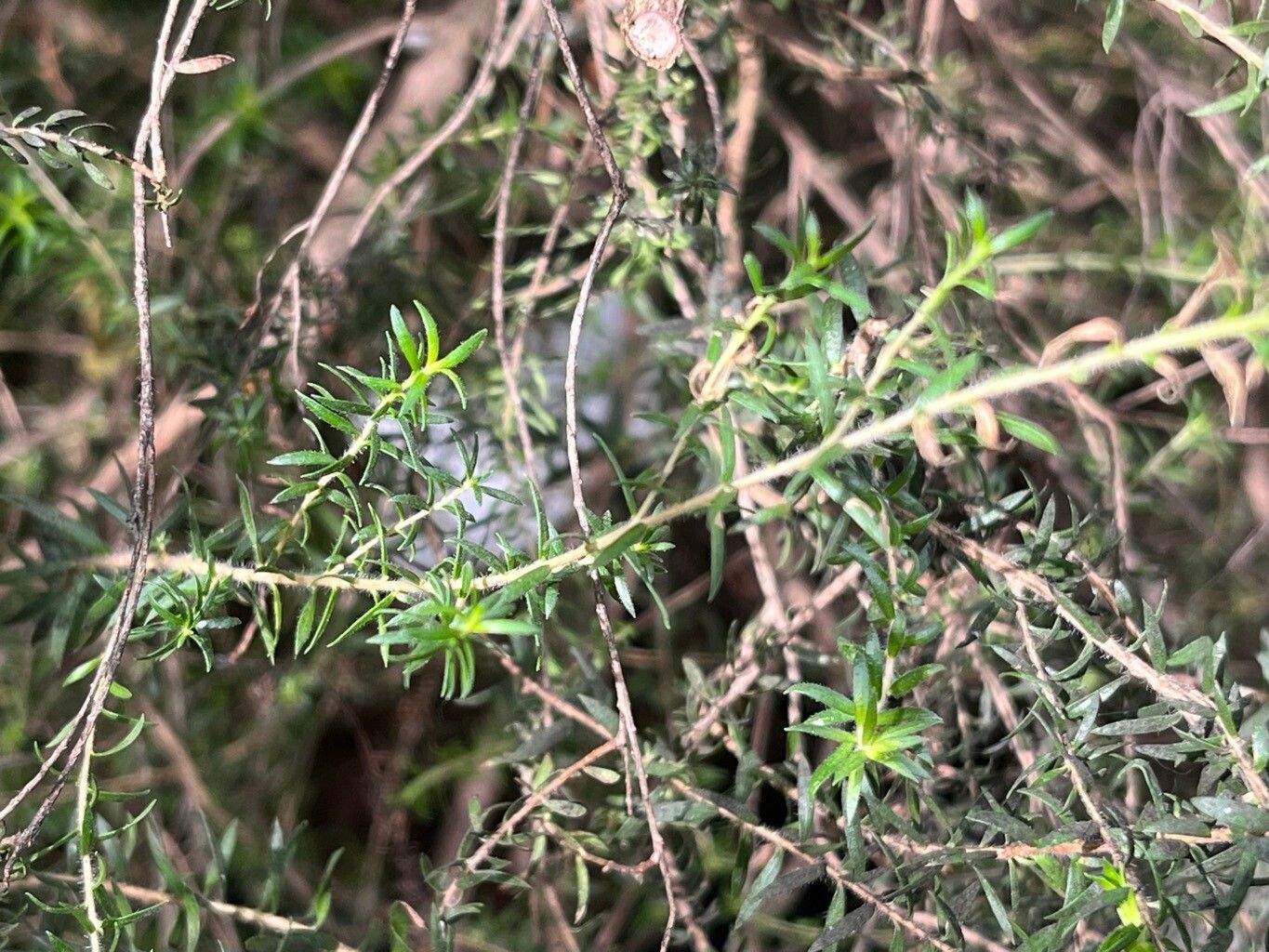
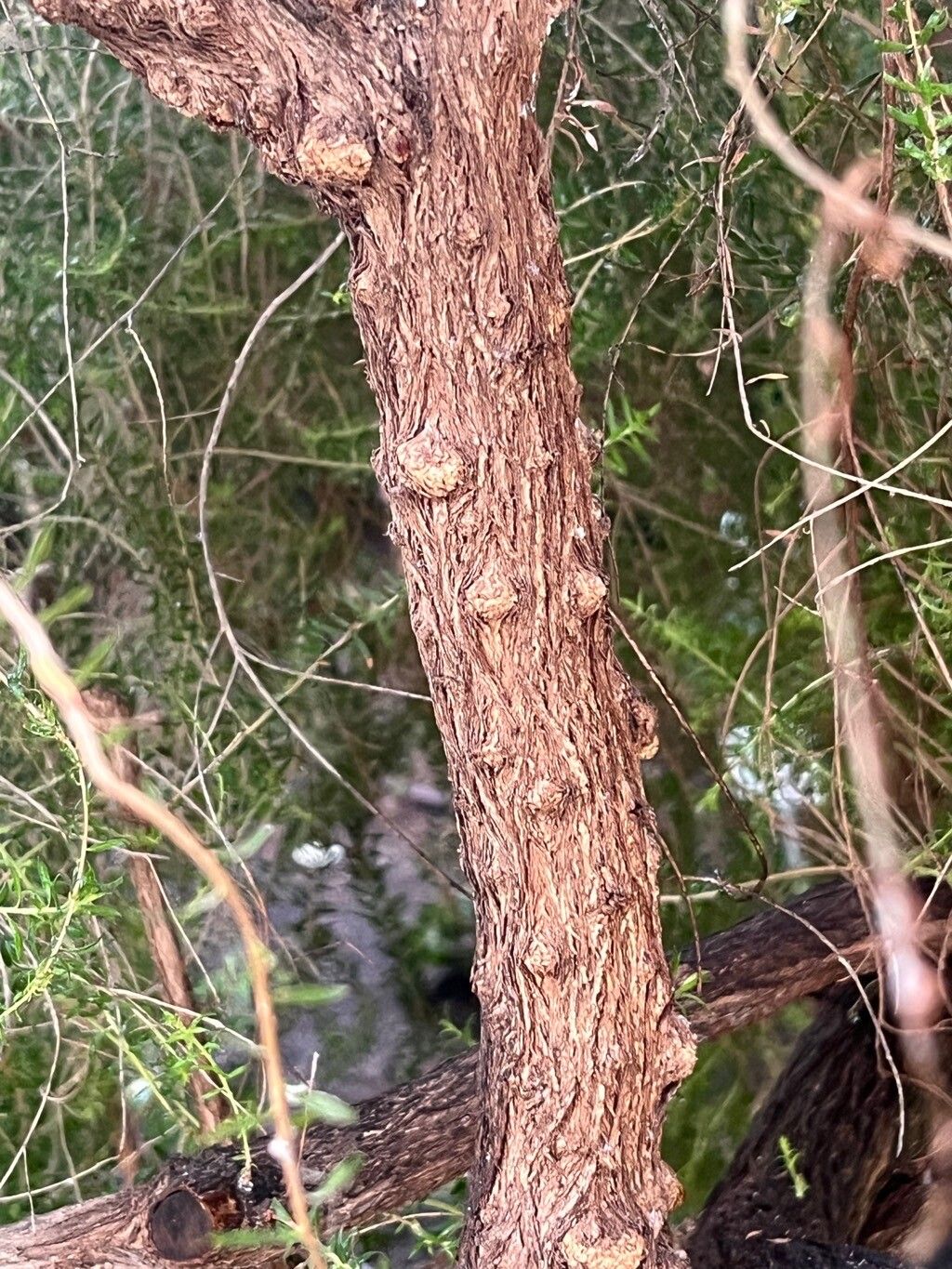
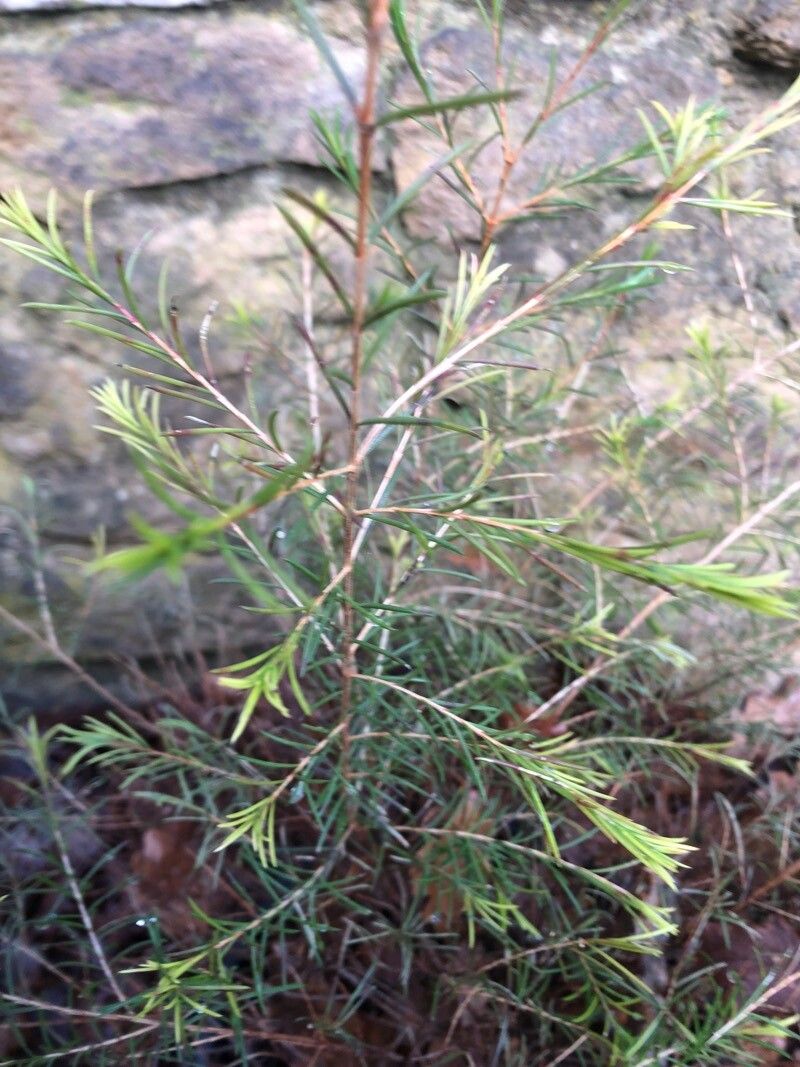
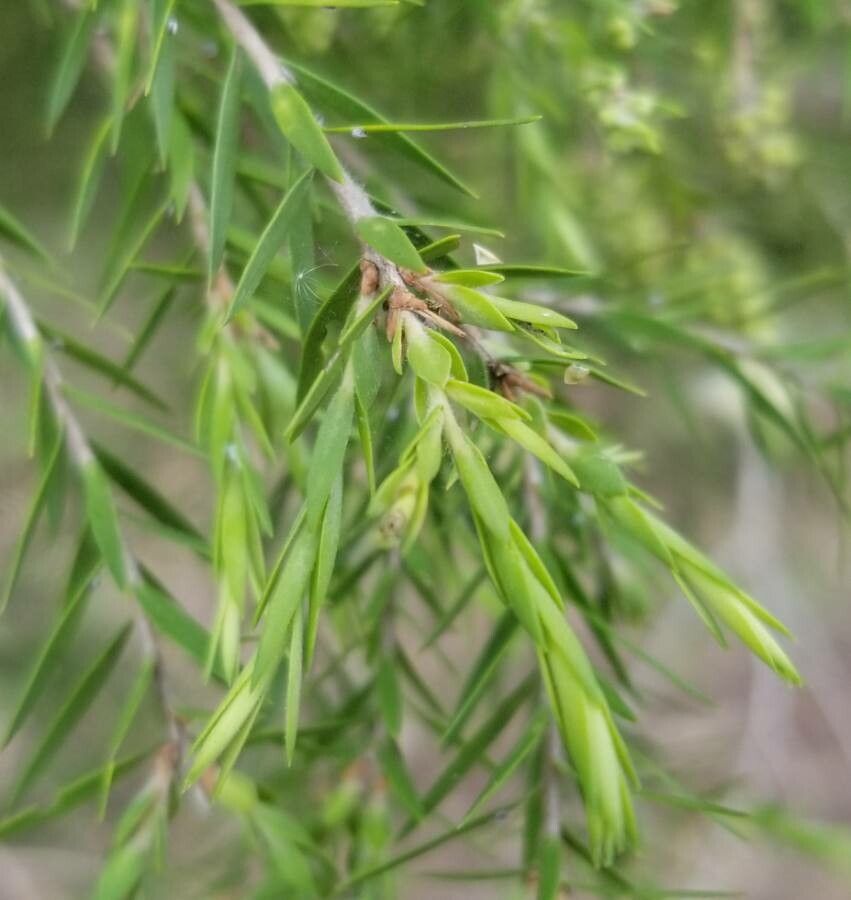
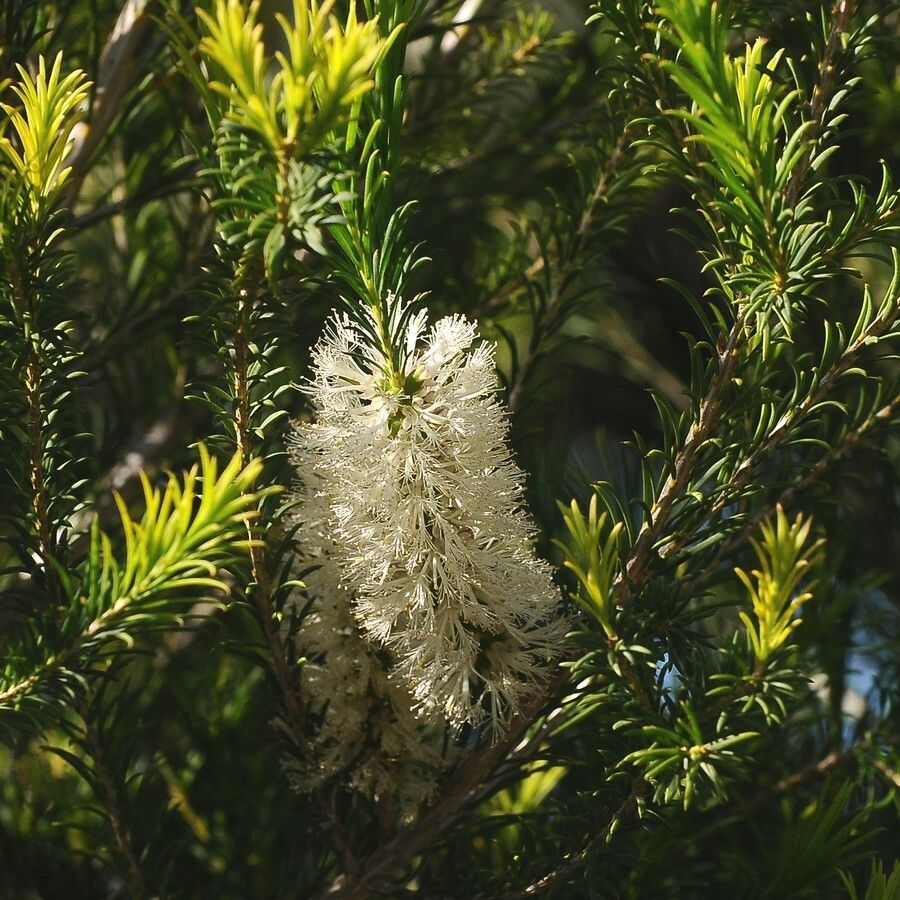
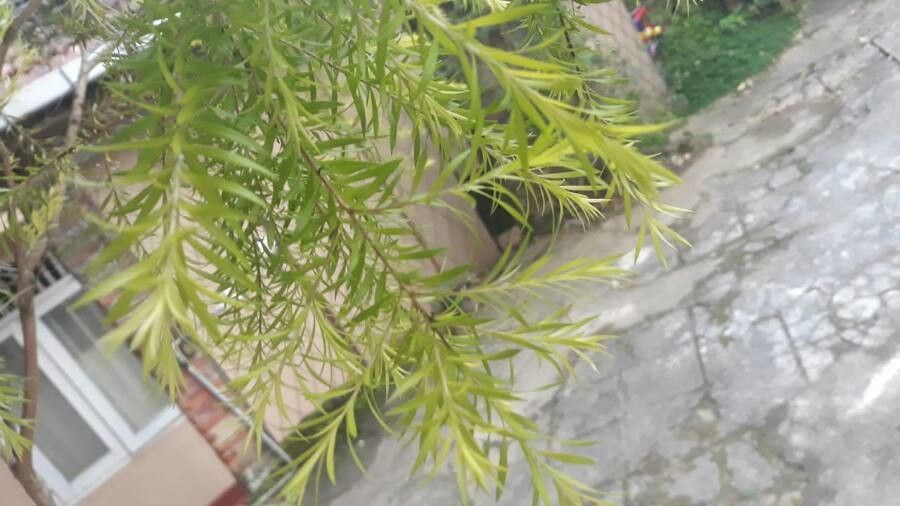
Melaleuca squarrosa, commonly known as scented paperbark, is a plant in the myrtle family, Myrtaceae and is endemic to south eastern parts of Australia, especially Tasmania. It is an attractive shrub with dense foliage and arching branches and it flowers profusely in spring or early summer, bearing spikes of perfumed yellow to white flowers.
Scented paperbark is highly disease-resistant and is generally not susceptible to diseases. Its care needs are relatively low. Planted outdoors, it requires little watering, and larger specimens typically do not need pruning. Smaller plants, however, should be pruned after they have bloomed. Scented paperbark is suitable for anyone with an outdoor space, such as a garden or deck, and does not demand much prior gardening experience.
How to keep Melaleuca Squarrosa.
Light
Scented paperbark is native to open habitats, such as sunny meadows and forest edges, which provide abundant light. It prefers Full Sun but will also tolerate Partial Sun, adapting well to a range of sunlight conditions.
Water
The scented paperbark tree prefers soil that remains consistently moist, so it needs to be watered weekly to avoid waterlogging. This adaptable tree can thrive in both areas of high rainfall and periods of temporary dryness, making it well-suited for wetland conditions. Being evergreen, it requires careful attention to watering during extended dry spells to ensure it stays hydrated throughout the year.
Temperature
Scented paperbark comes from habitats where temperatures are typically between 59 and 95 °F (15 to 35 °C). Also, adjust its surroundings to keep those preferred temperatures year-round for optimal growth.
Fertilizer
Proper timing is essential when fertilizing Scented paperbark. Apply fertilizer in early spring and continue once a month until early summer. Fertilizer promotes lovely blooms and supplies energy during both dormant and active growth phases.
Pruning
The scented paperbark is known for its aromatic, papery bark and dense foliage. To maintain its health and appearance, prune this plant from early to late winter. Start by removing dead wood and any crossing branches to improve airflow. Use heading cuts to encourage bushier growth. Regular pruning not only enhances flowering but also aids in disease control. Make sure to use clean tools to prevent the spread of diseases.
Botanical profile.
- Plant Type
- Tree, Shrub
- Life Cycle
- Perennial
- Genus
- Melaleuca
- Family
- Myrtaceae
- Hardiness Zone
- 8-9
- Mature Height
- 0.49 m to 10.06 m
- Mature Spread
- 3.96 m
- Leaf Color
- Dark Green
- Leaf Type
- Evergreen
- Flower Color
- Yellow
- Flower Size
- 2.29 cm
- Bloom Time
- Late spring, Early summer, Mid summer
- Planting Time
- Spring, Summer, Autumn
- Harvest Time
- Late summer, Early fall, Mid fall
Other names.