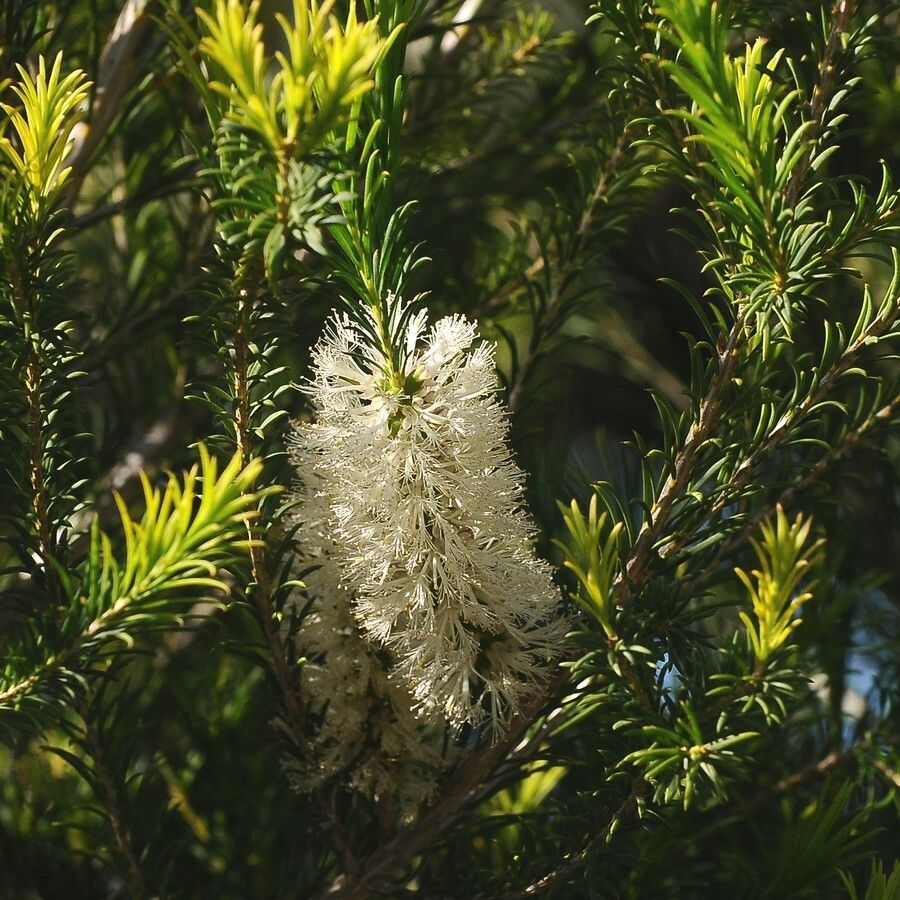
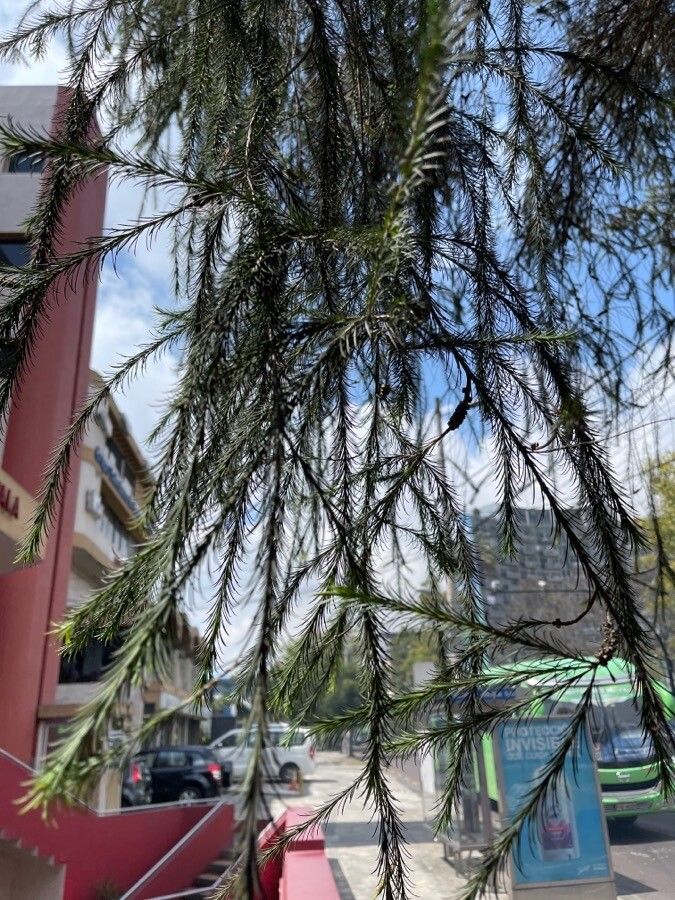
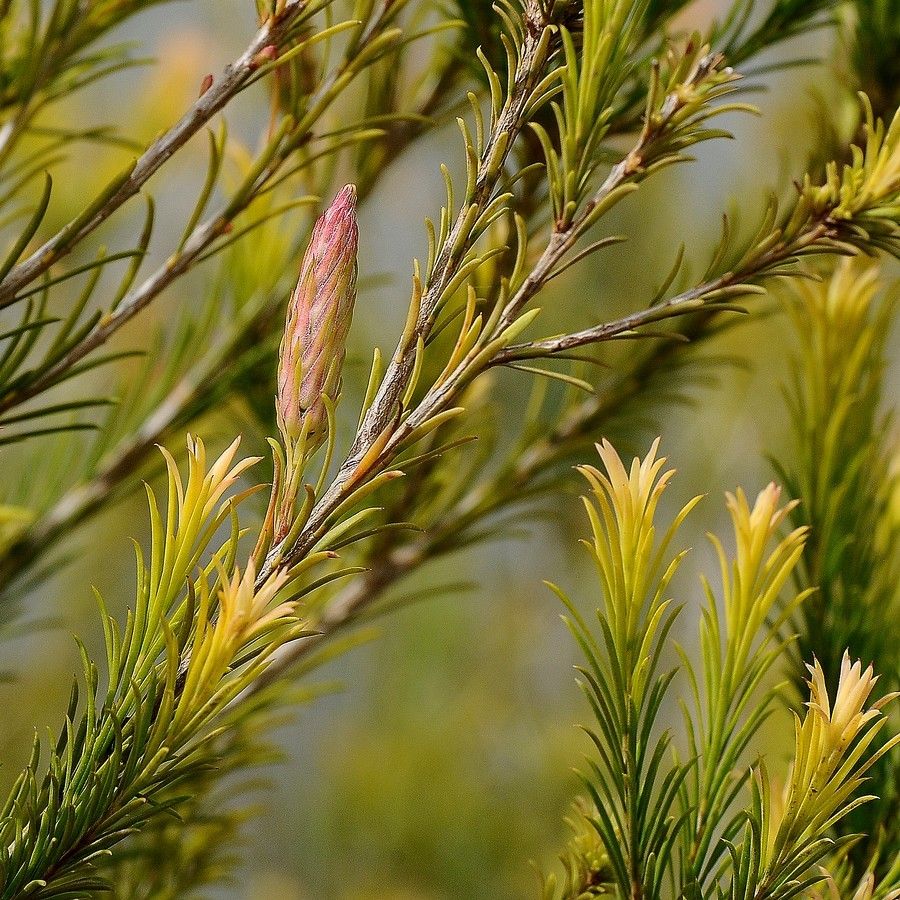
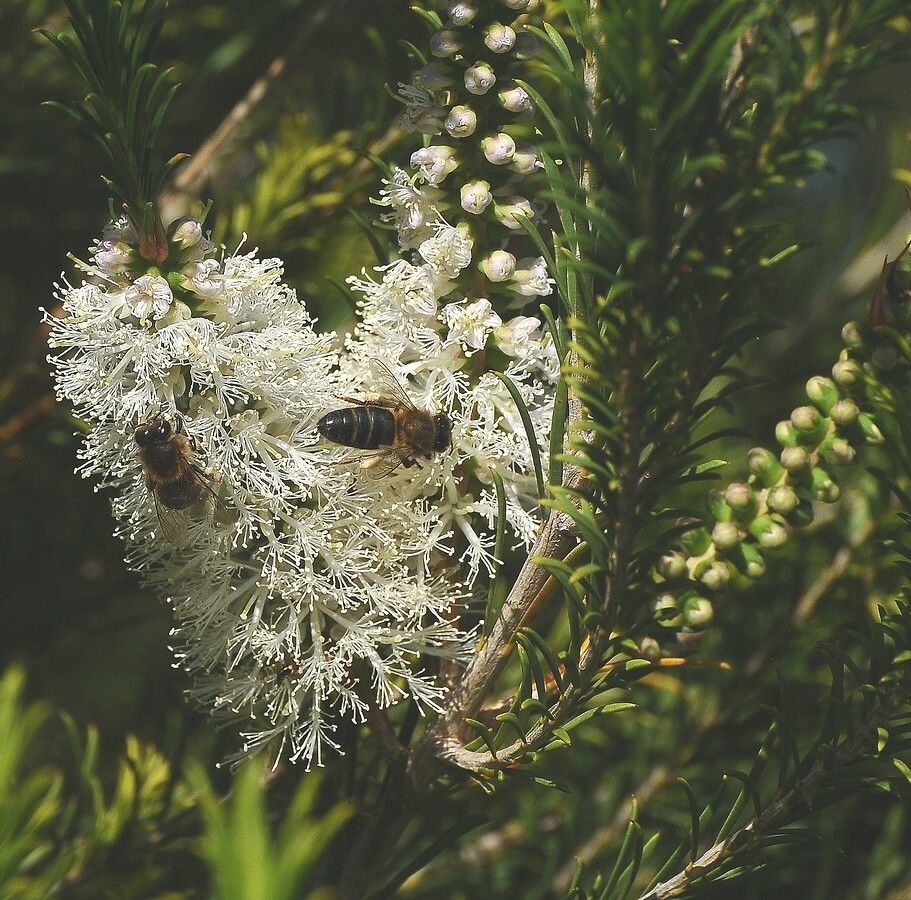
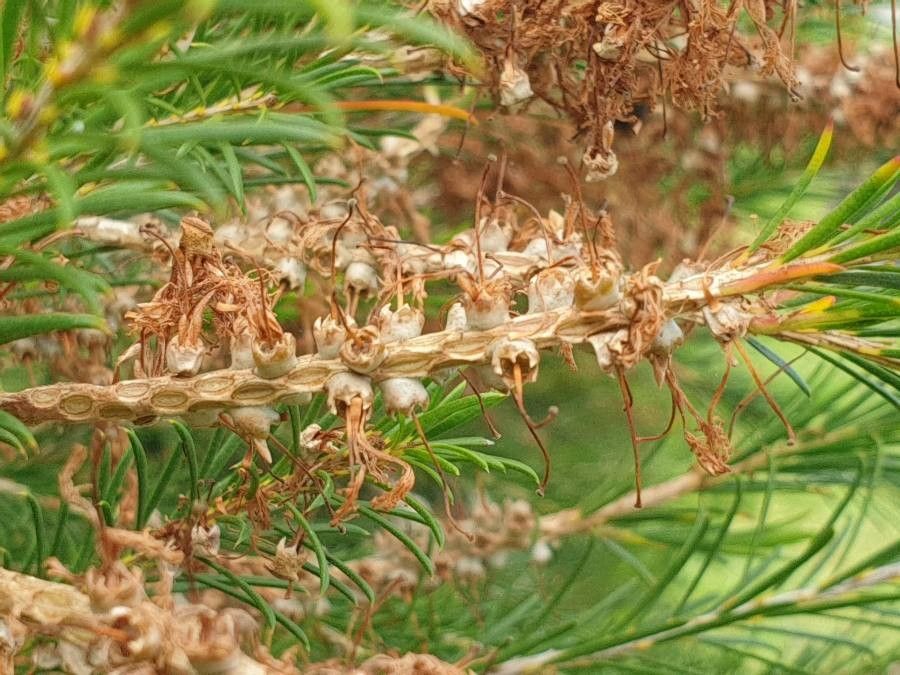
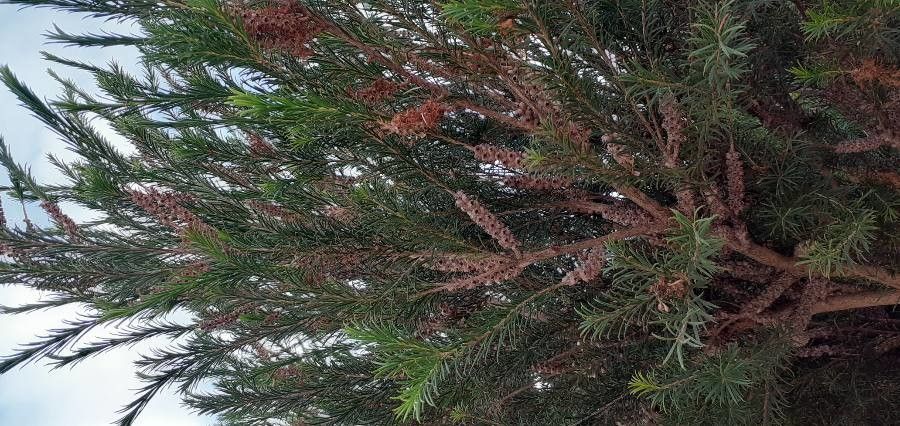
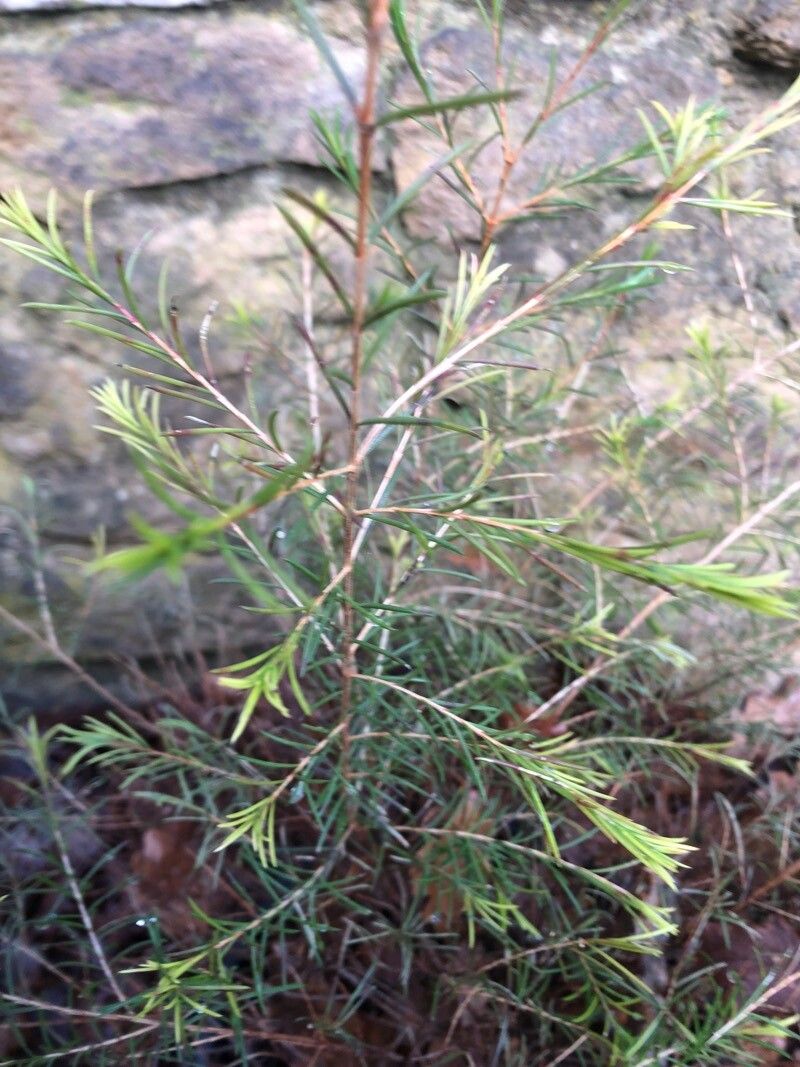
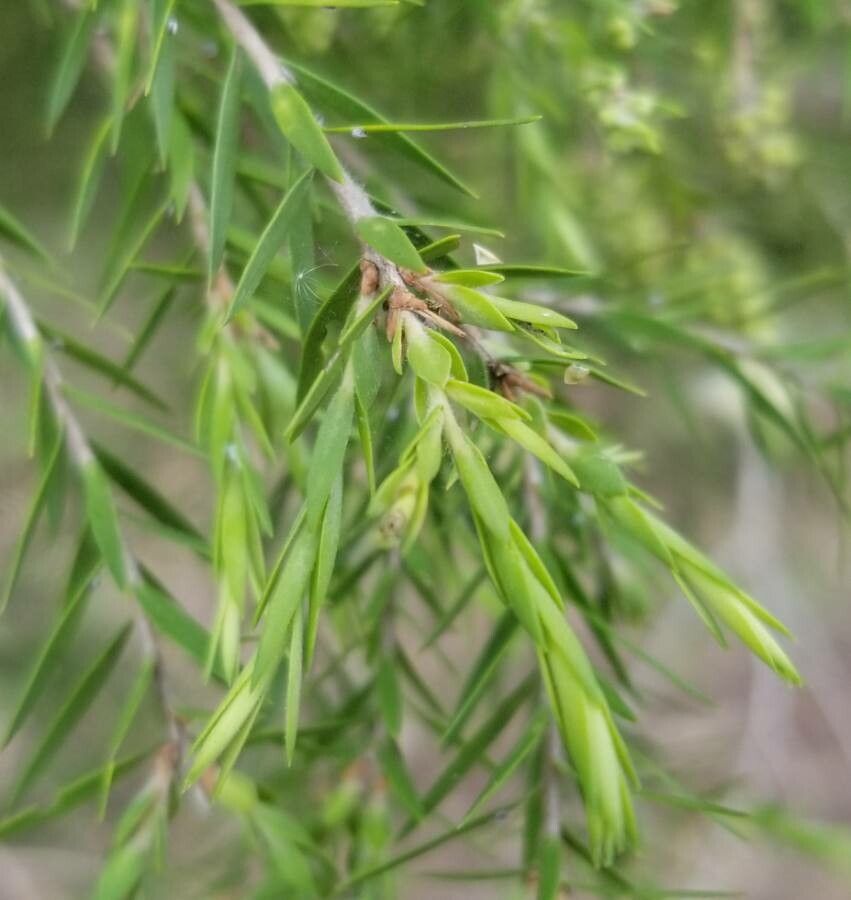
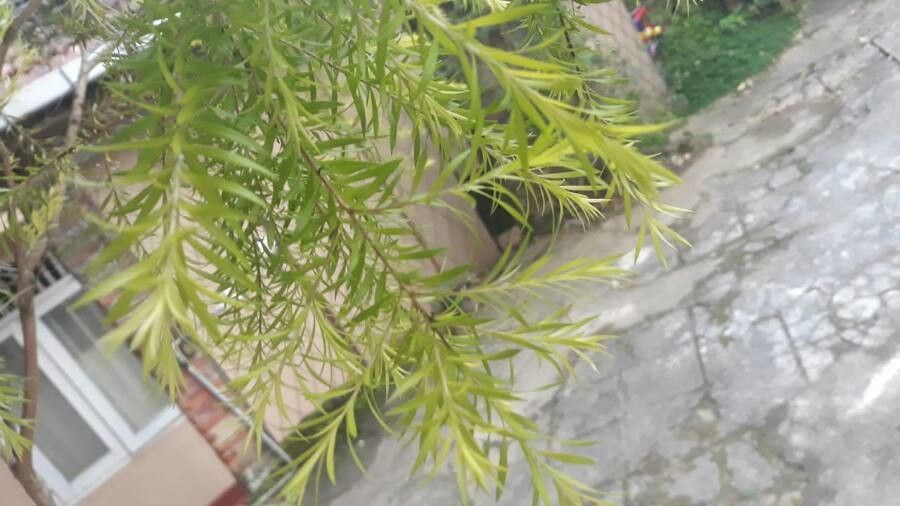
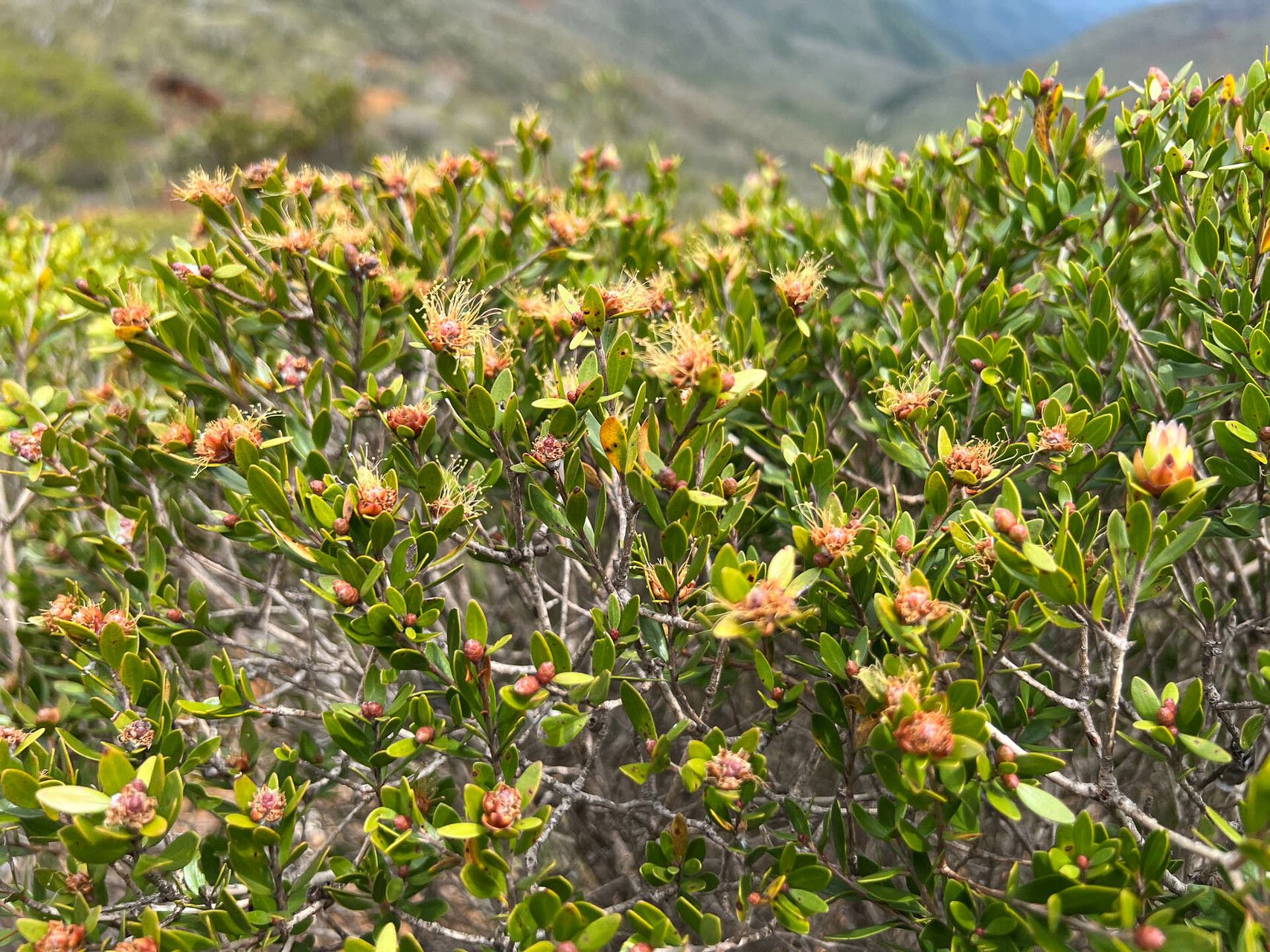
Melaleuca armillaris, commonly known as Bracelet Honey Myrtle, is a small to medium-sized evergreen tree or shrub native to Australia. It belongs to the Myrtaceae family and can grow up to 10 meters in height. The plant exhibits a dense and bushy growth habit, characterized by slender branches covered in papery bark.
The leaves of Melaleuca armillaris are narrow, lance-shaped, and measure about 2-4 cm in length. When crushed or bruised, they emit a distinctive aromatic scent. The plant's flowers are small and white, featuring numerous stamens that give them a fluffy appearance.
Due to its attractive foliage, bark texture, and showy flowers, Melaleuca armillaris is commonly used for ornamental purposes. Additionally, the leaves contain essential oils with antiseptic properties, useful for treating skin infections, thus highlighting its medicinal value.
The plant thrives in well-drained soils under full sun or partial shade and can tolerate drought conditions once established. Its nectar-rich flowers attract birds, making it an excellent choice for wildlife gardens.
Overall, Melaleuca armillaris is an appealing ornamental tree or shrub with medicinal properties, making it a valuable addition to gardens both for its aesthetics and practical benefits.
Bracelet honey-myrtle has strong disease resistance and is generally not susceptible to disease. Regarding care, this plant is fairly low maintenance. When grown outdoors it needs little watering, and larger plants typically do not require pruning. Smaller plants, however, should be pruned after they have bloomed. Bracelet honey-myrtlet is suitable for anyone with an outdoor area, such as a garden or deck, and does not demand a great deal of care experience.
How to keep Melaleuca Armillaris.
Light
Bracelet honey-myrtle comes from open habitats, such as sunny meadows and forest edges, that provide abundant light. It does best in Full Sun but will also tolerate Partial Sun, adjusting well to different light levels.
Water
The bracelet honey-myrtle is a drought-tolerant plant native to arid regions. It thrives with watering just twice a week. As an evergreen species, it efficiently retains water throughout the year, making it suitable for both indoor and outdoor cultivation.
Temperature
Bracelet honey-myrtle adapts well to a wide range of climates, tolerating both hot summers and cold winters. Still, it has a preferred temperature range for growth. If temperatures become too high, the plant can suffer from heat and humidity stress and may die. In places where temperatures approach the lower limit of its cold tolerance, providing insulation to protect the plant is important.
Fertilizer
Timing is important when fertilizing Bracelet honey-myrtle. Apply fertilizer in early spring and repeat monthly until early summer. Fertilizer promotes attractive blooms and supplies energy during both dormant and active growth periods.
Pruning
To keep the Bracelet Honey-Myrtle healthy and thriving, it's important to prune it regularly. The best time to prune is in early spring, which promotes growth. By thinning out overcrowded branches, you can maintain good airflow and shape, allowing you to remove up to one-third of the plant. This practice not only improves flowering but also reduces the risk of disease and helps the plant remain at a manageable size.
Botanical profile.
- Plant Type
- Shrub
- Life Cycle
- Perennial
- Genus
- Melaleuca
- Family
- Myrtaceae
- Hardiness Zone
- 9-11
- Mature Height
- 3.05 m to 6.1 m
- Mature Spread
- 2.13 m to 3.96 m
- Leaf Color
- Dark Green
- Leaf Type
- Evergreen
- Flower Color
- White
- Flower Size
- 0.51 cm to 1.02 cm
- Bloom Time
- Mid fall, Late fall, Early winter
- Planting Time
- Spring, Summer, Autumn
- Harvest Time
- Mid winter, Late winter, Early spring
Other names.
Reader questions.
What are the sunlight requirements for the Bracelet honey-myrtle (Melaleuca armillaris)?
The Bracelet honey-myrtle (Melaleuca armillaris) requires specific sunlight conditions to thrive. For full sun exposure, it needs above 6 hours of sunlight daily. In conditions of partial sun, about 3-6 hours of sunlight each day is necessary. It's important to observe how sunlight moves throughout your garden, selecting locations that offer an ideal mix of light and shade to ensure the plant's well-being. This attentive placement facilitates the happiness and health of your Bracelet honey-myrtle.
What is the botanical name of Bracelet honey-myrtle?
The botanical name of Bracelet honey-myrtle is Melaleuca armillaris.