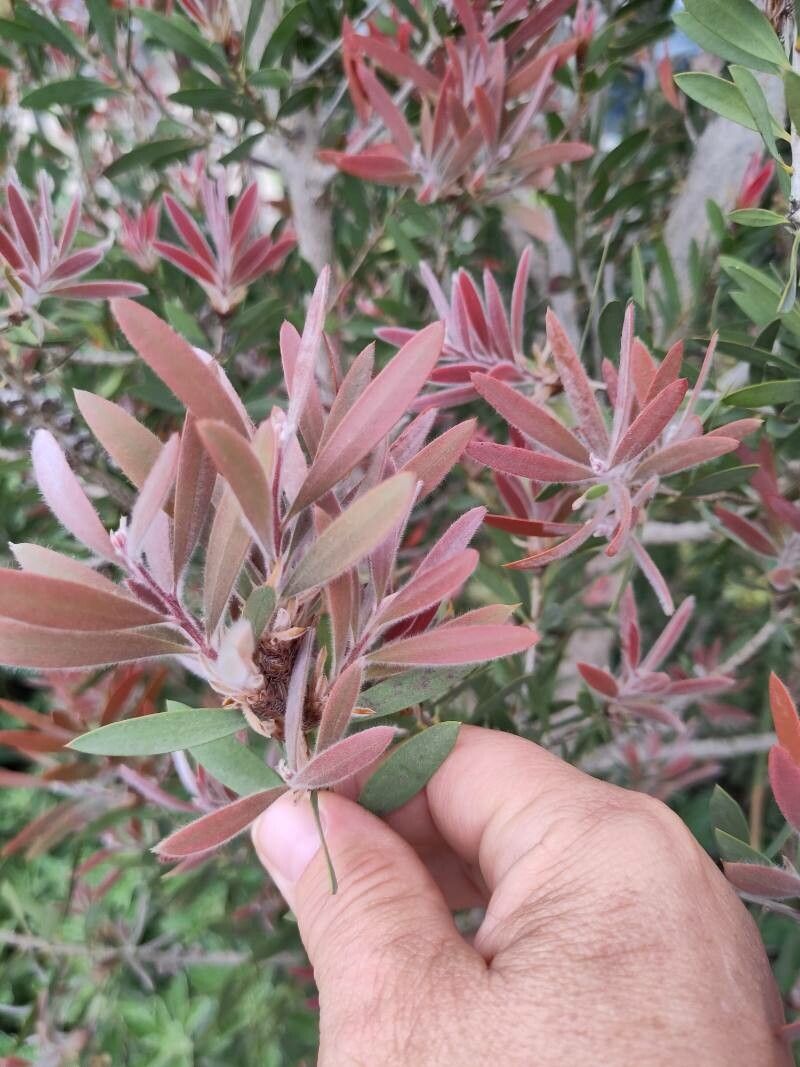
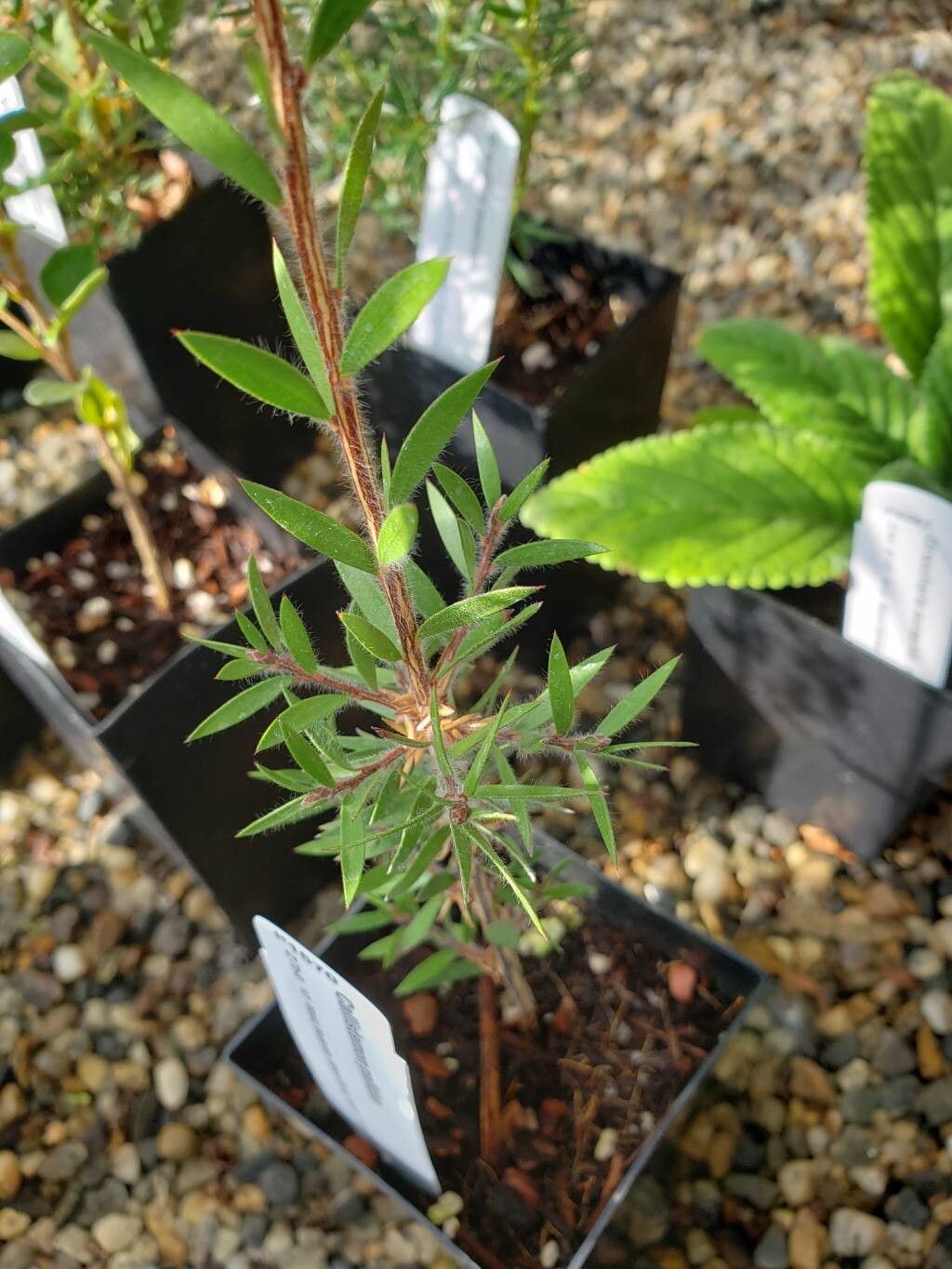
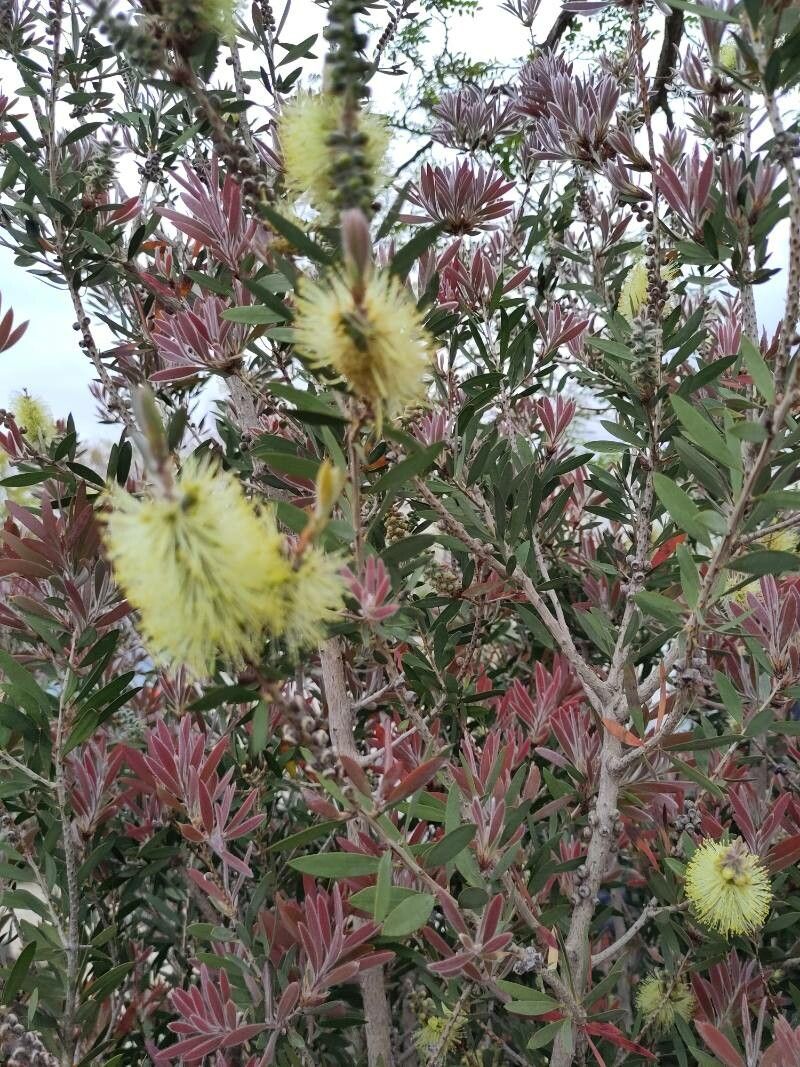
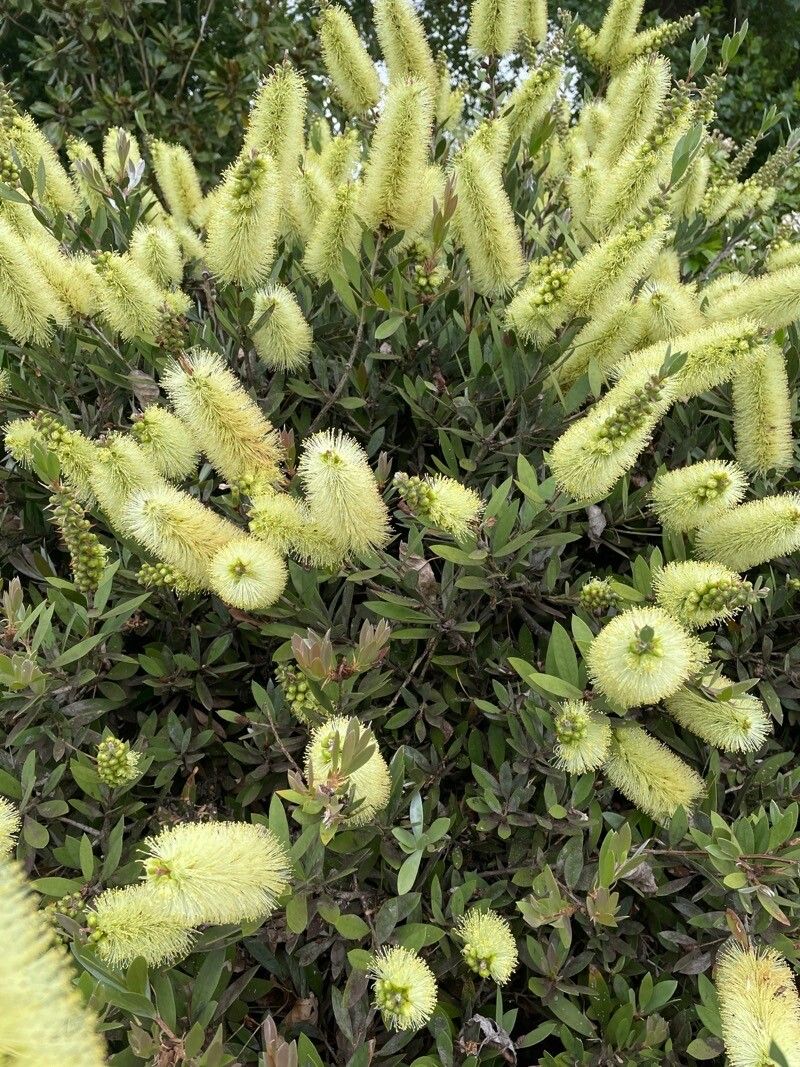
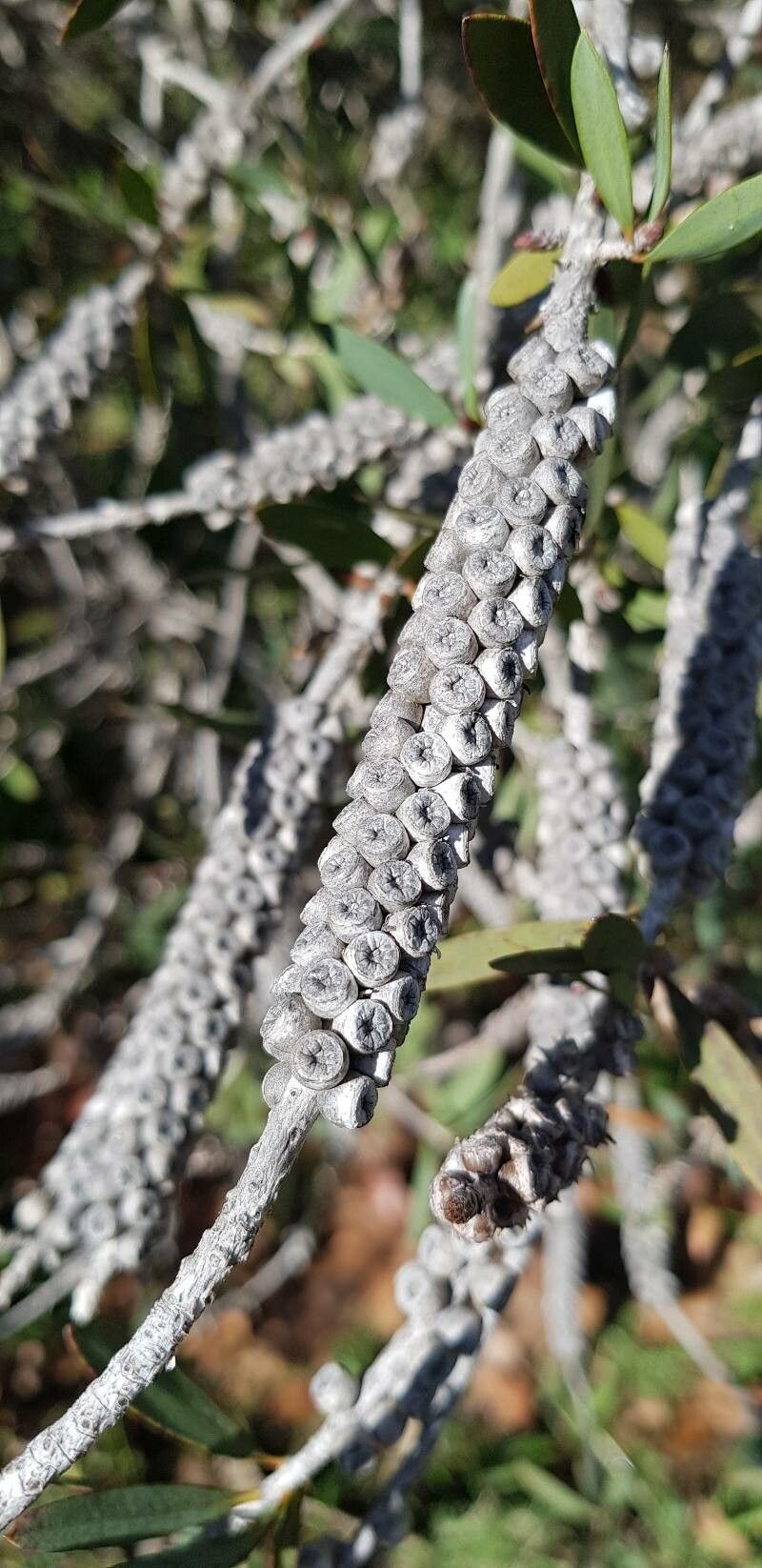
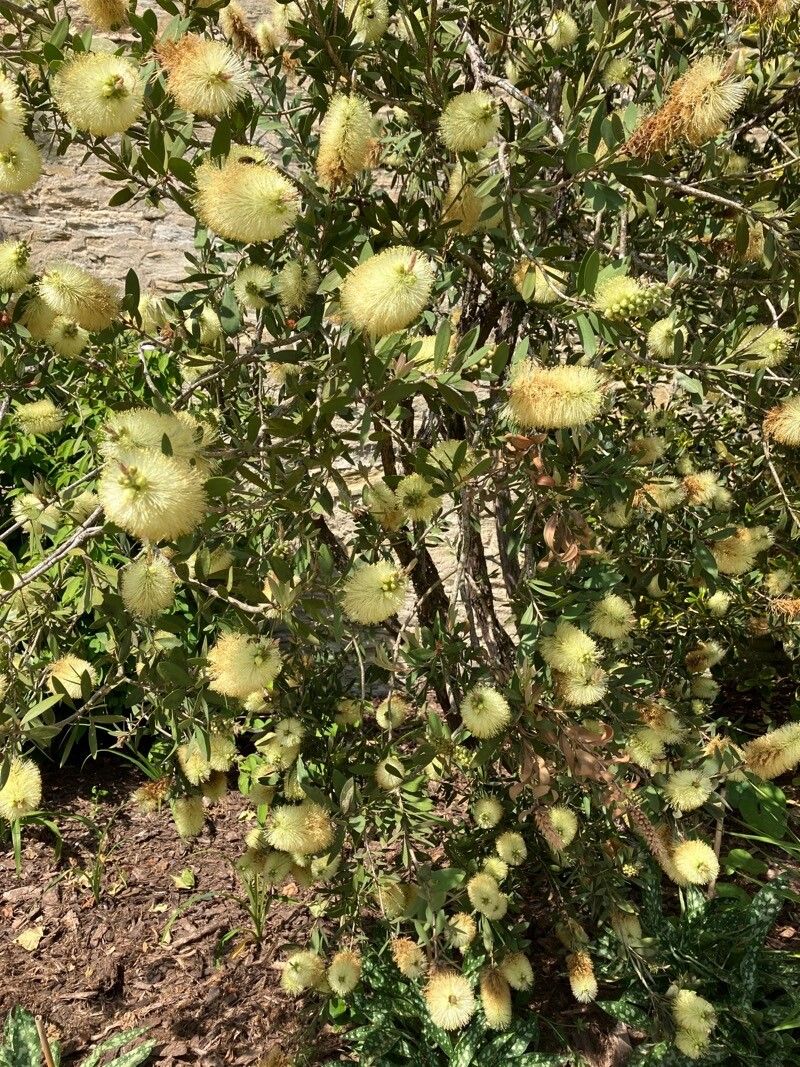
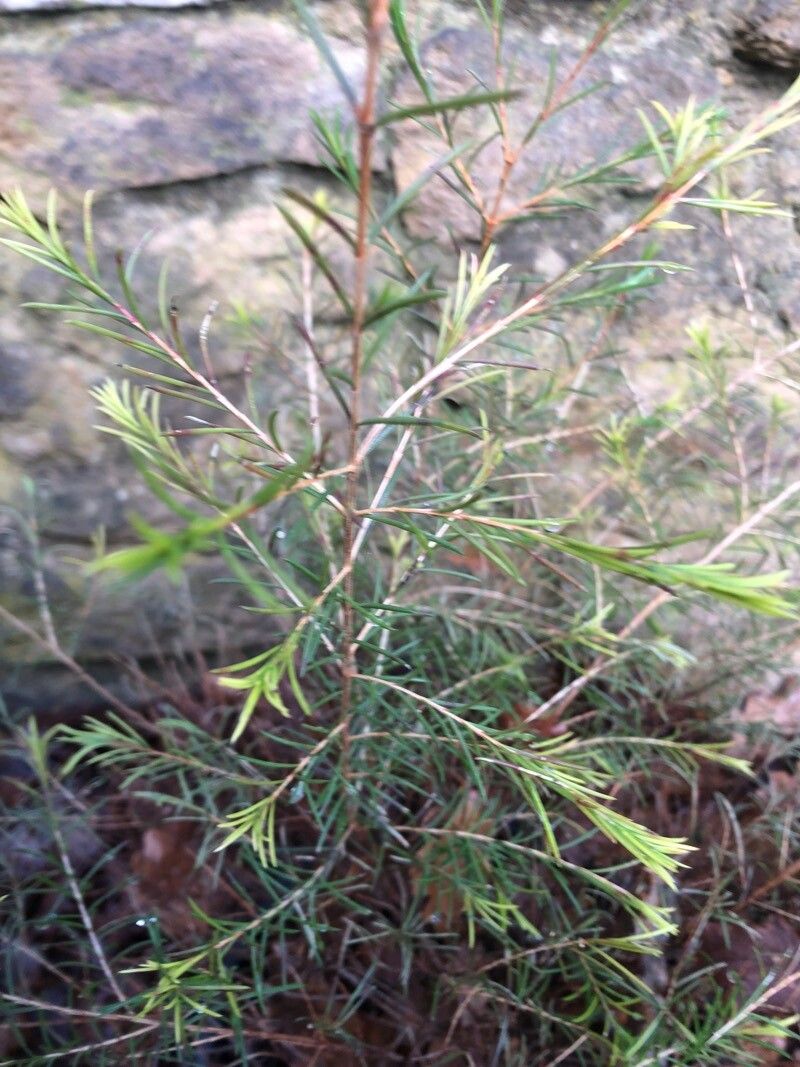
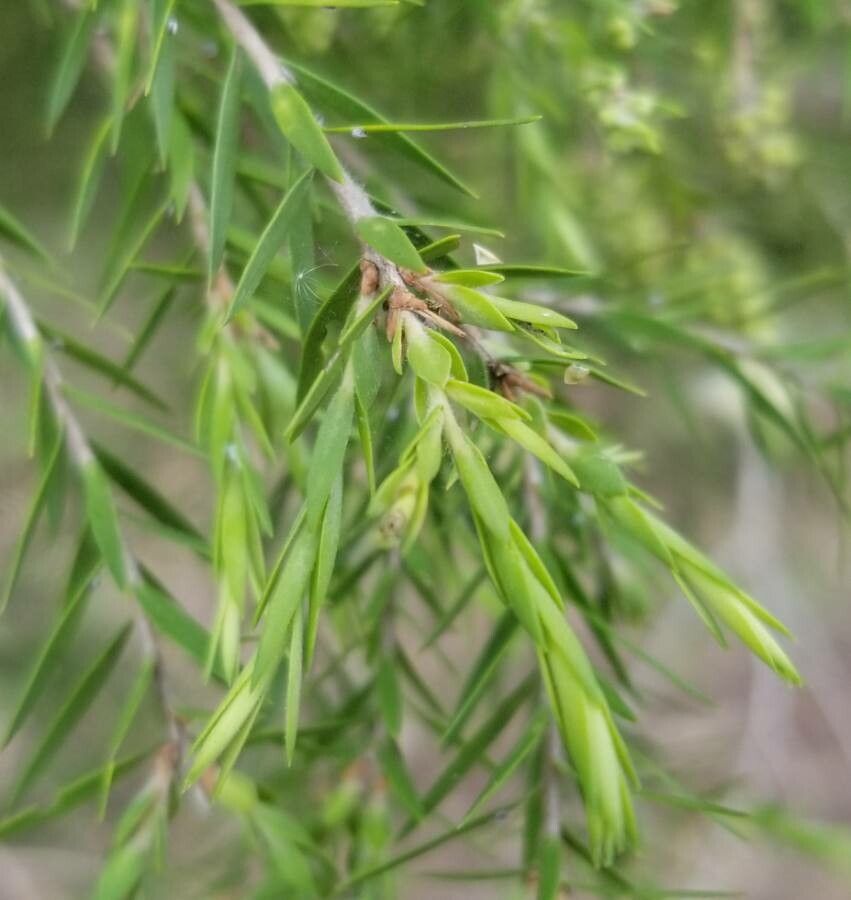
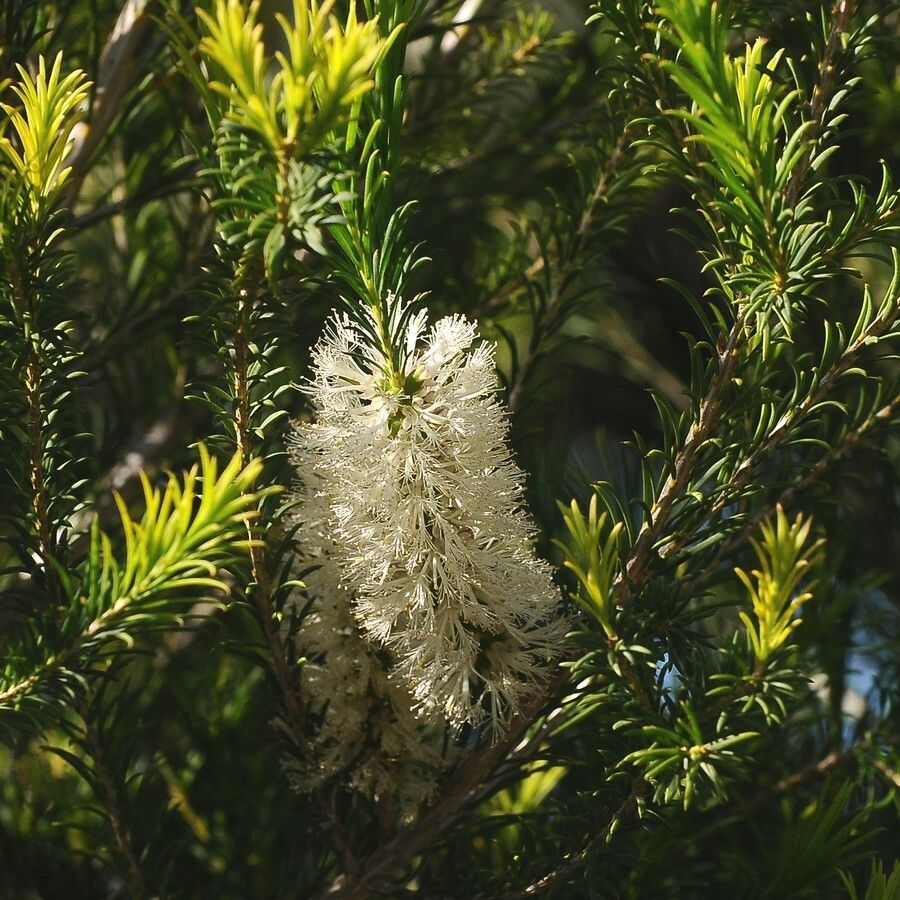
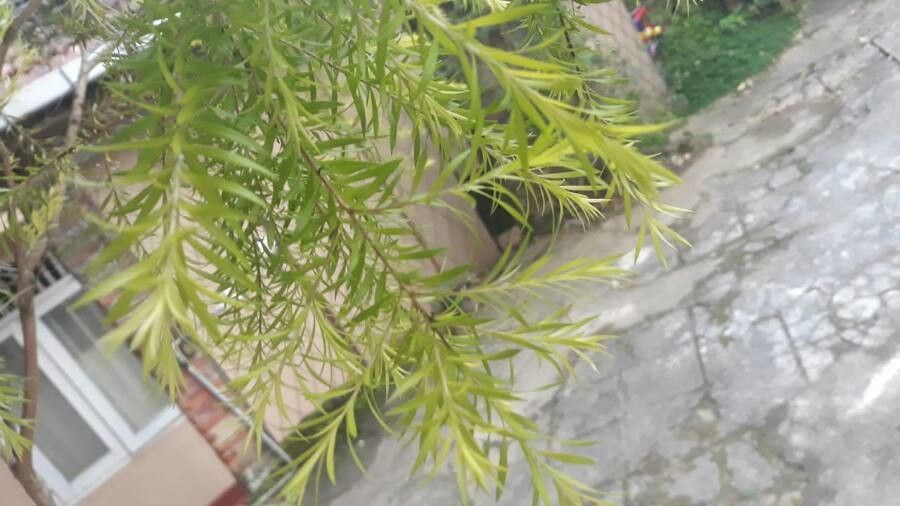
Melaleuca pallida, commonly known as lemon bottlebrush, is a plant in the myrtle family, Myrtaceae and is endemic to eastern Australia. It is an upright shrub with thin, spreading branches, silvery new growth and pale yellow, sometimes pinkish bottlebrush flowers.
Lemon bottlebrush is resistant to disease and generally does not tend to get illnesses. As for care, this plant is fairly low maintenance. When grown outdoors it needs only light watering, and larger specimens typically do not require pruning. Smaller plants, however, should be pruned after they have bloomed. Lemon bottlebrush is suitable for anyone who has outdoor space, such as a garden or a deck, and it does not demand much gardening experience.
How to keep Melaleuca Pallida.
Light
Lemon bottlebrush comes from open environments, such as sunny meadows and forest edges, which offer abundant light. It thrives in Full Sun but can also tolerate Partial Sun, adapting to different sunlight conditions.
Water
The lemon bottlebrush is a hardy evergreen plant that thrives in arid conditions, boasting strong drought tolerance. It only needs watering once every one to two weeks, making it perfect for low-maintenance gardens. This plant adapts well to varying rainfall and climate conditions while maintaining its lush appearance throughout the year.
Temperature
Lemon bottlebrush shows good adaptability to temperature, tolerating high heat and fairly large temperature fluctuations. In hot conditions, pay attention to watering and provide appropriate shade to avoid sunburn. However, Lemon bottlebrush is relatively intolerant of low temperatures. While it can withstand some cold, excessively low temperatures can cause frost damage.
Fertilizer
The timing of fertilizing Lemon bottlebrush is important. Apply fertilizer in early spring and continue once a month until early summer. Fertilizer encourages attractive blooms and supplies energy during both dormant and active growth periods.
Pruning
The lemon bottlebrush plant showcases striking bottlebrush-like flowers and fragrant leaves. To promote bushier growth, prune it in early spring by removing any dead wood and shaping the plant. Be careful to avoid heavy pruning, as this can reduce blooming. Instead, opt for regular light pruning to enhance air circulation and maintain the plant's overall health. This practice encourages vigorous flowering in the following season.
Botanical profile.
- Plant Type
- Tree
- Life Cycle
- Perennial
- Genus
- Melaleuca
- Family
- Myrtaceae
- Hardiness Zone
- 9-11
- Mature Height
- 1.52 m to 3.66 m
- Mature Spread
- 2.44 m
- Leaf Color
- Green, Gray, Silver
- Leaf Type
- Evergreen
- Flower Color
- White
- Flower Size
- 0.51 cm to 1.02 cm
- Bloom Time
- Mid fall, Late fall, Early winter
- Planting Time
- Spring, Summer, Autumn
- Harvest Time
- Mid winter, Late winter, Early spring
Other names.