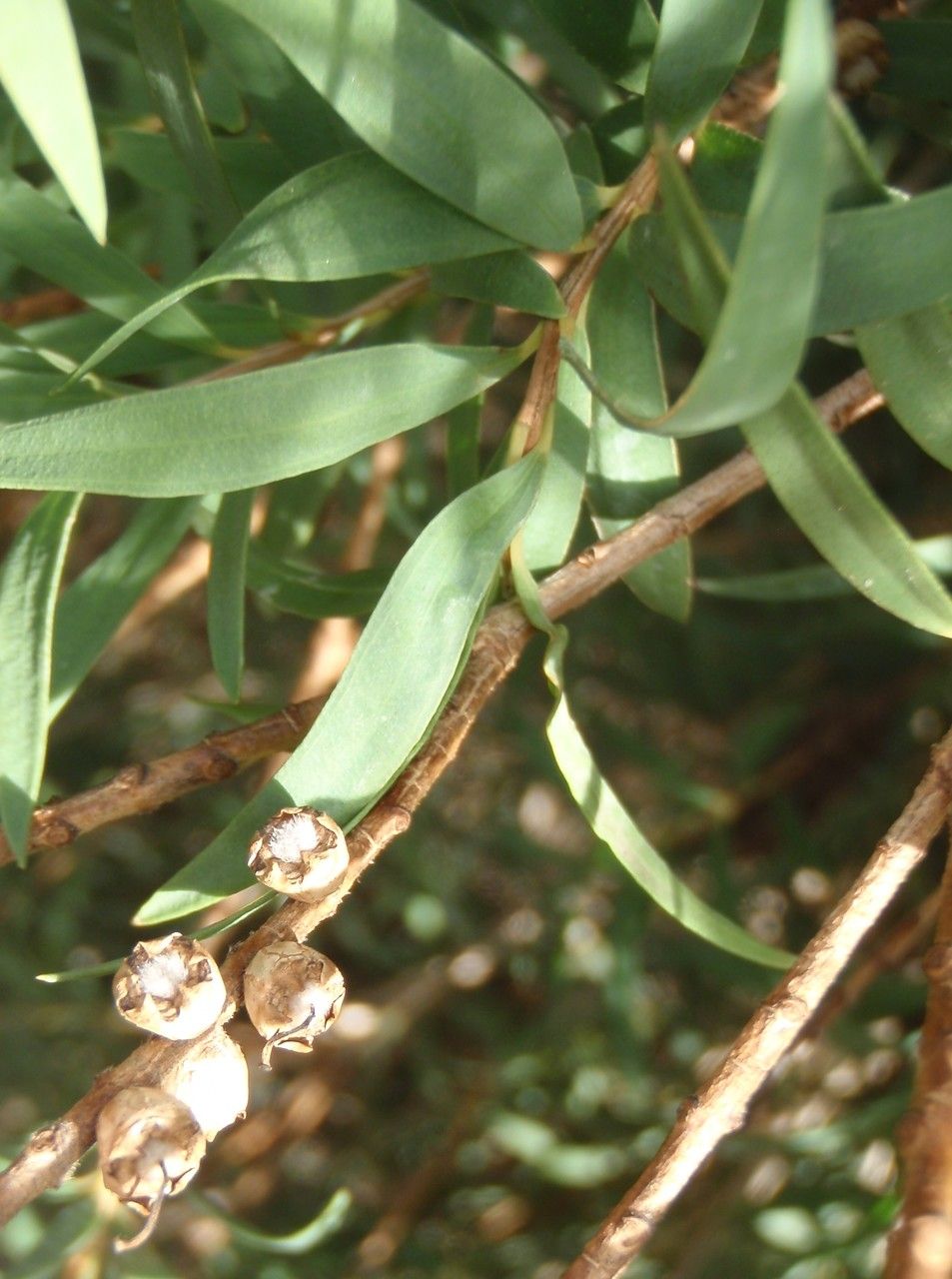
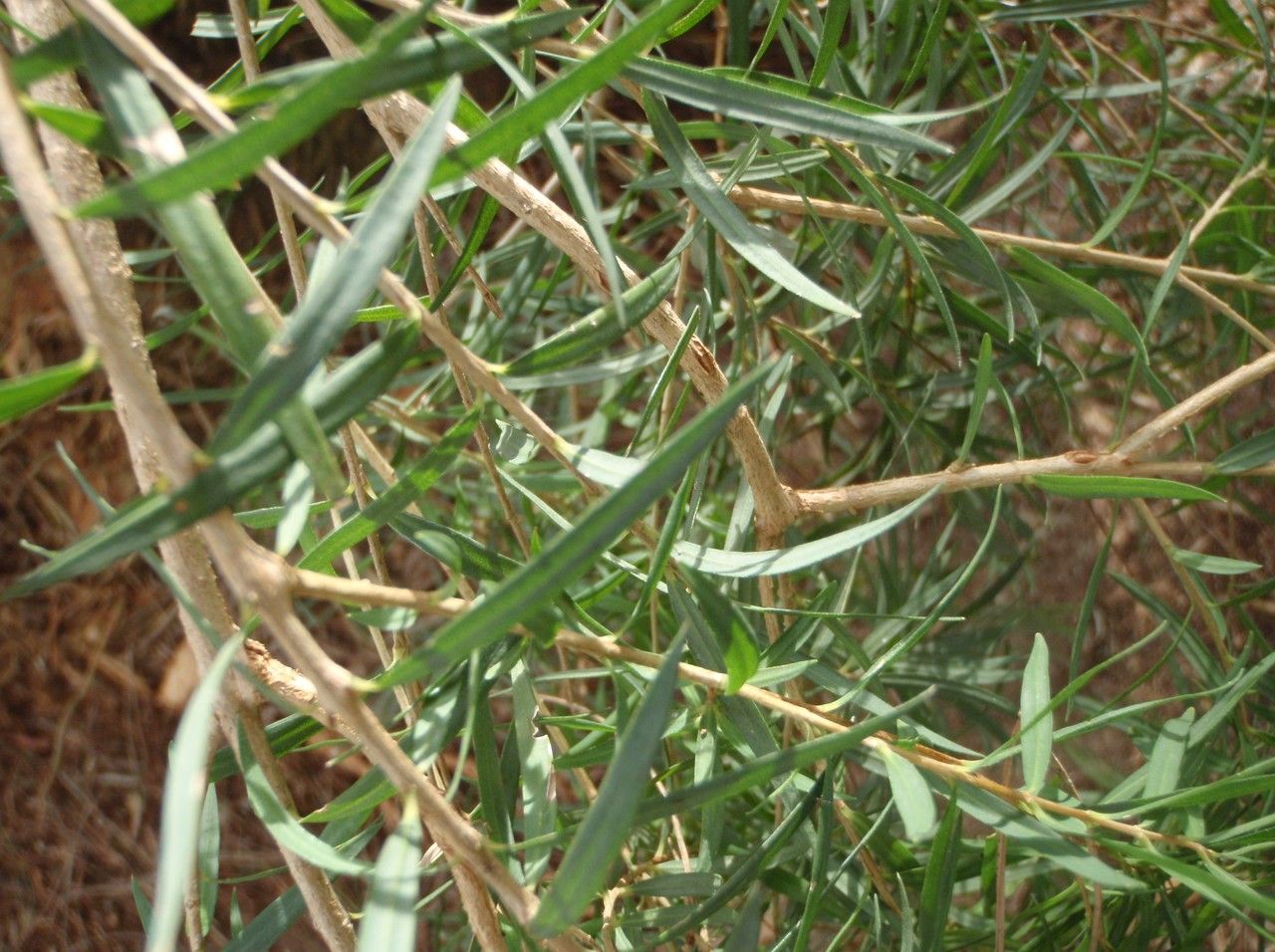
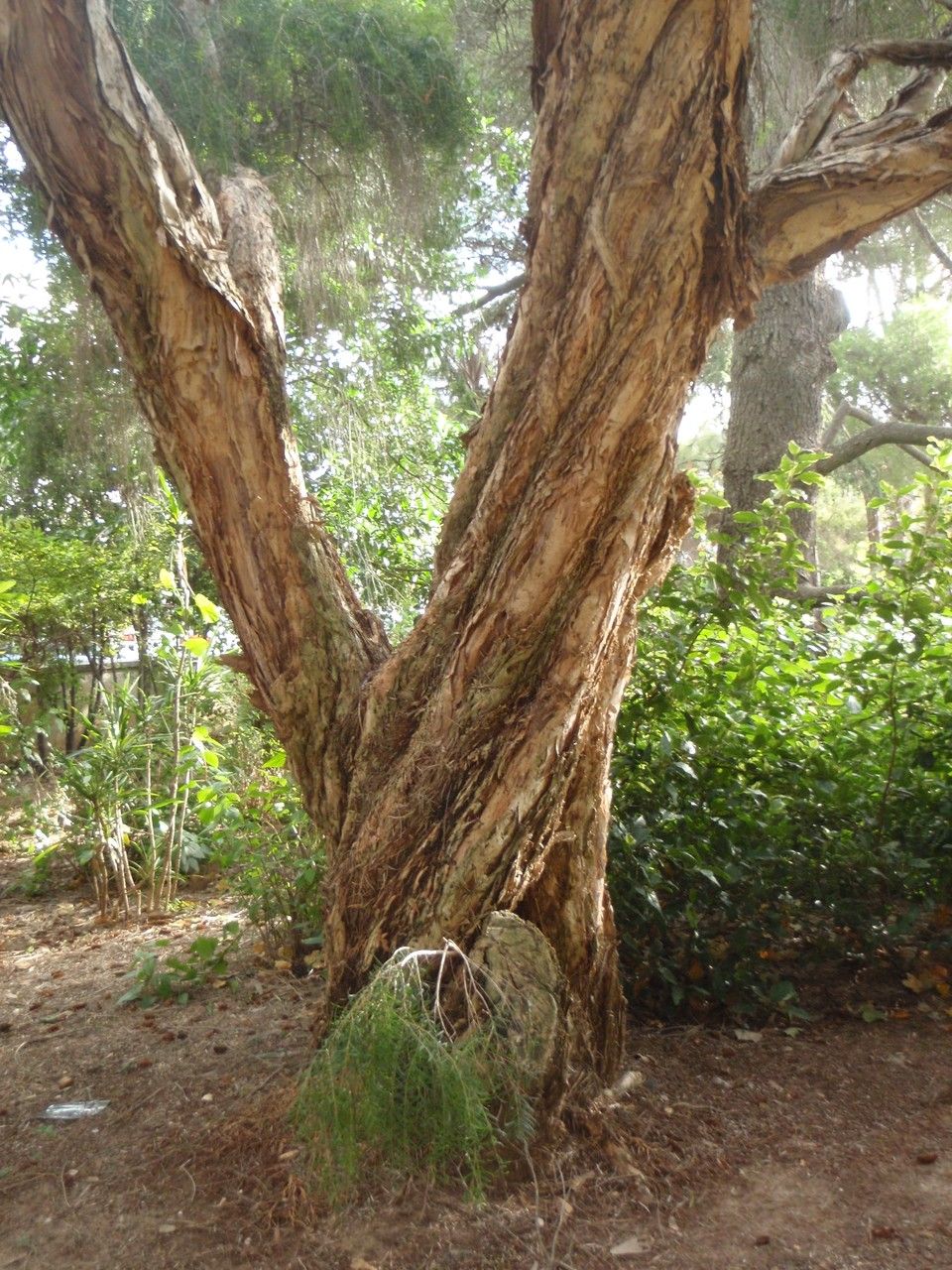
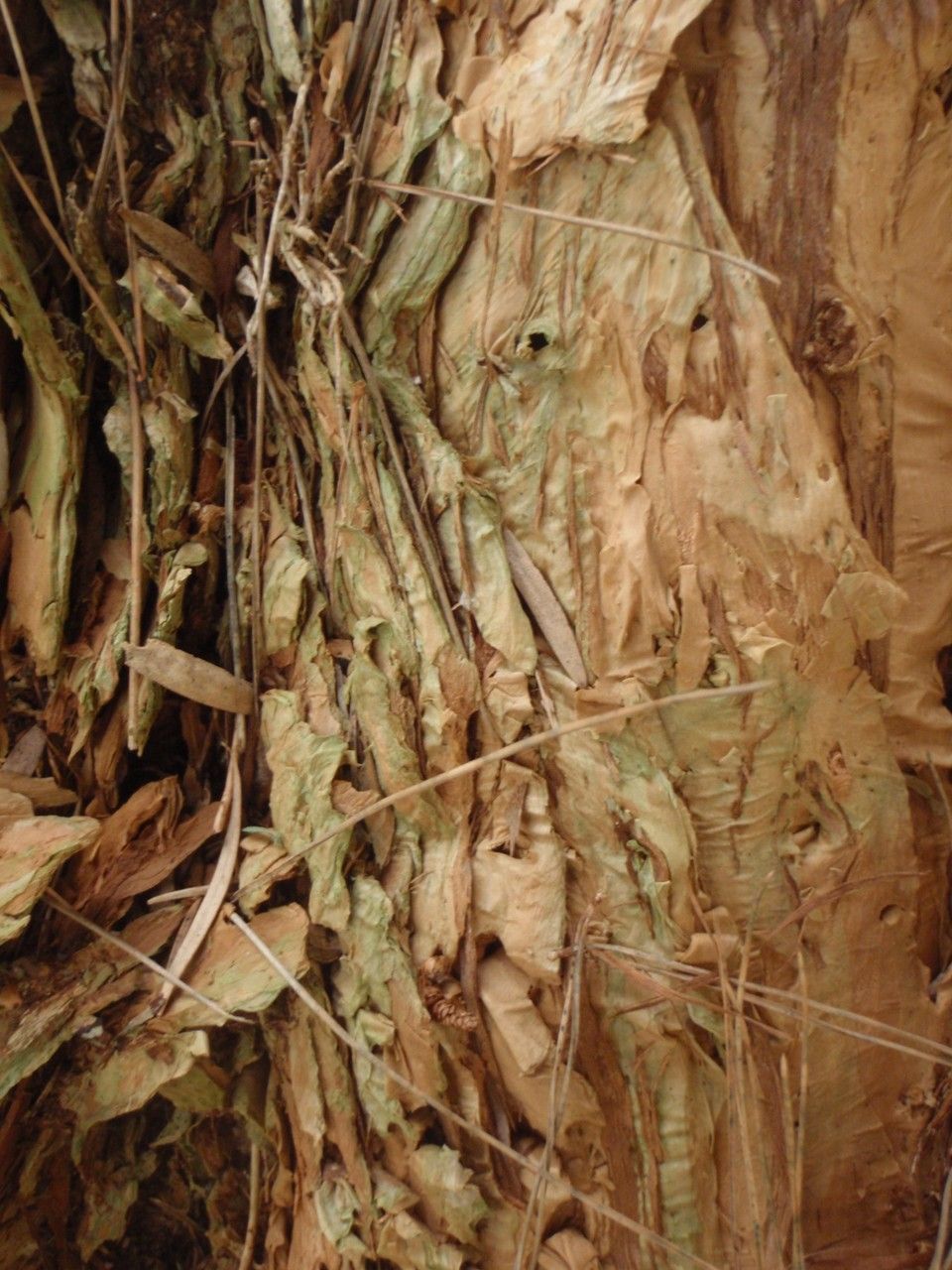
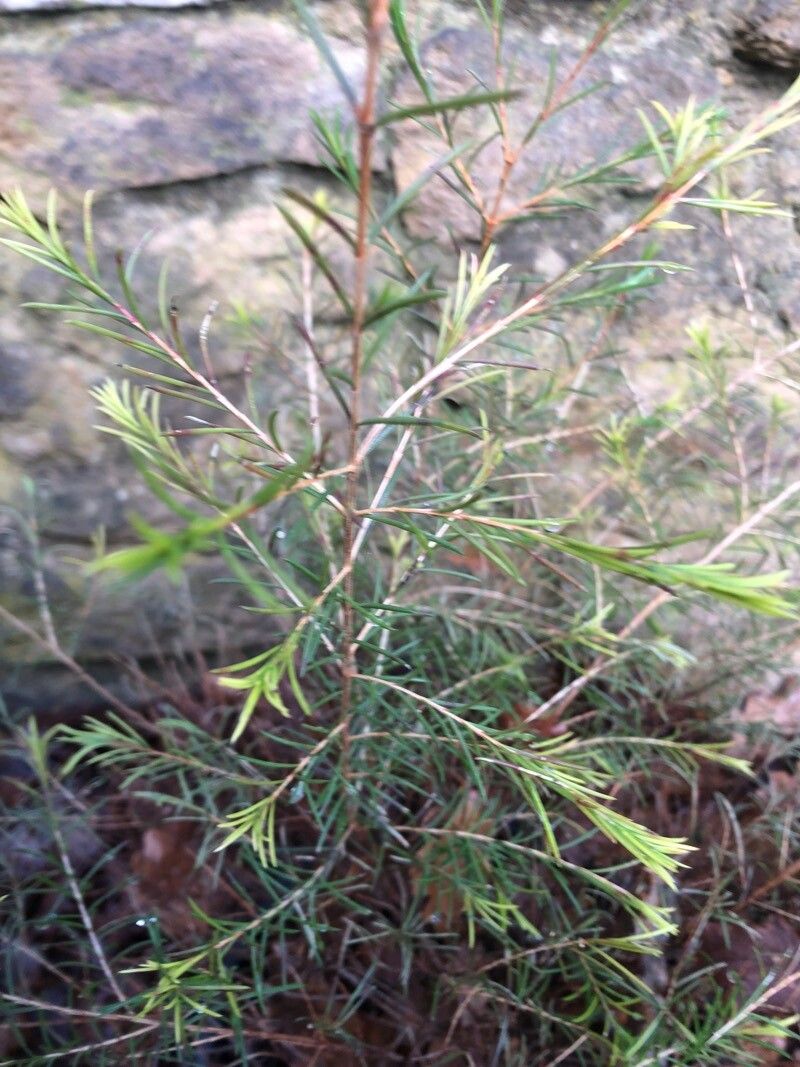
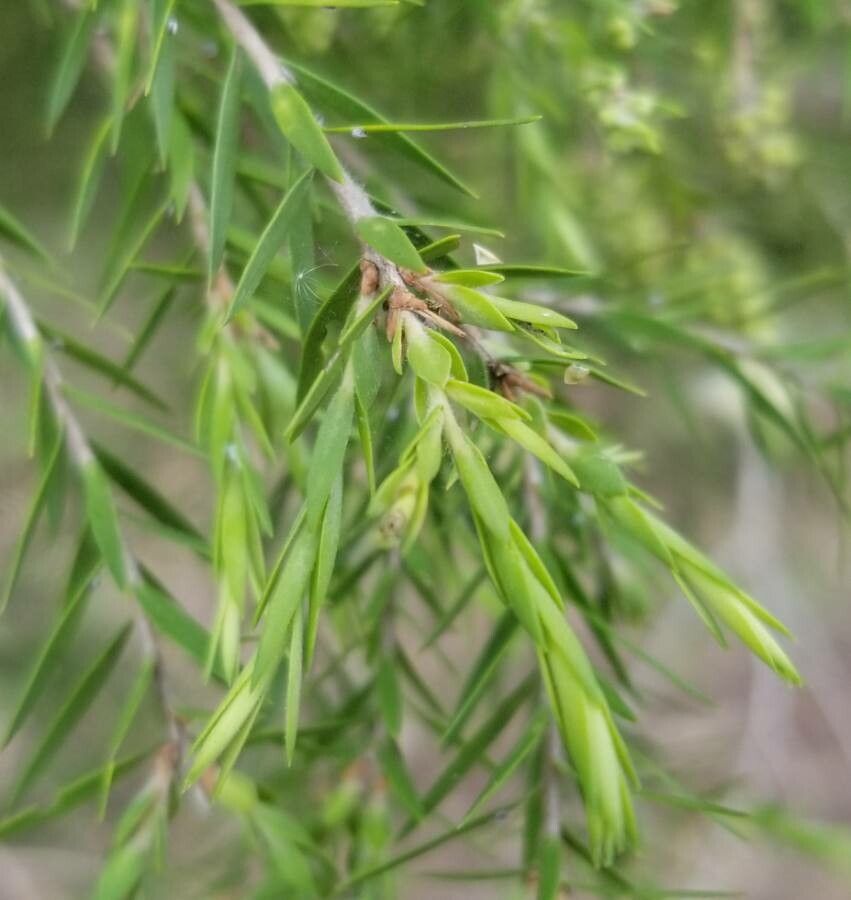
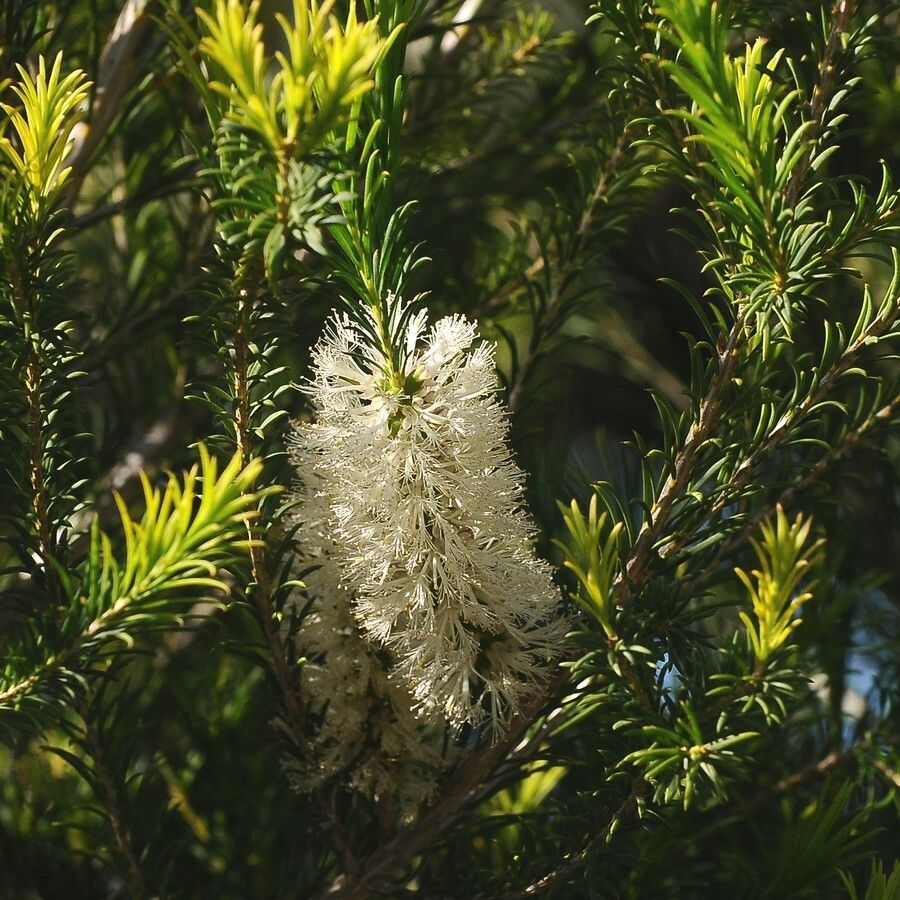
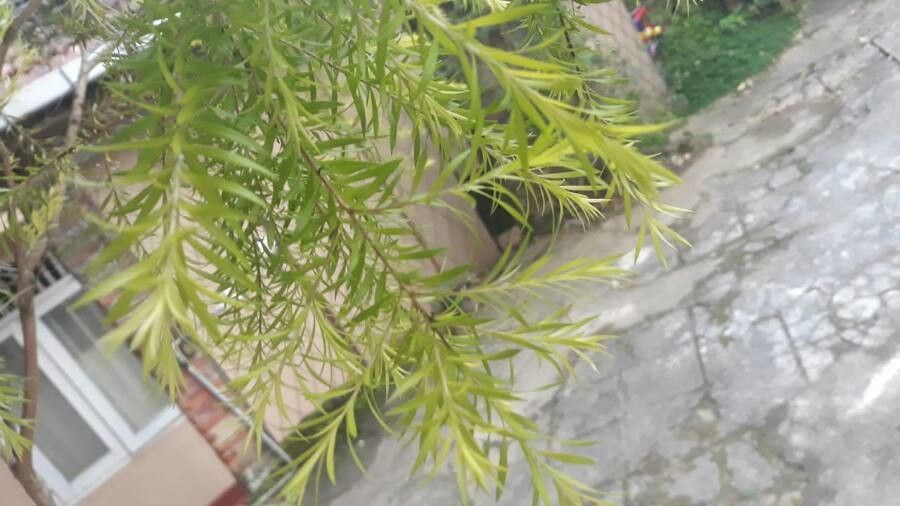
Melaleuca linariifolia, commonly known as the flax-leaved paperbark, is a small to medium-sized tree native to Australia. A member of the Myrtaceae family, it can grow up to 10 meters tall. The tree is notable for its distinctive papery bark that peels off in thin layers and its narrow leaves, which resemble flax plants.
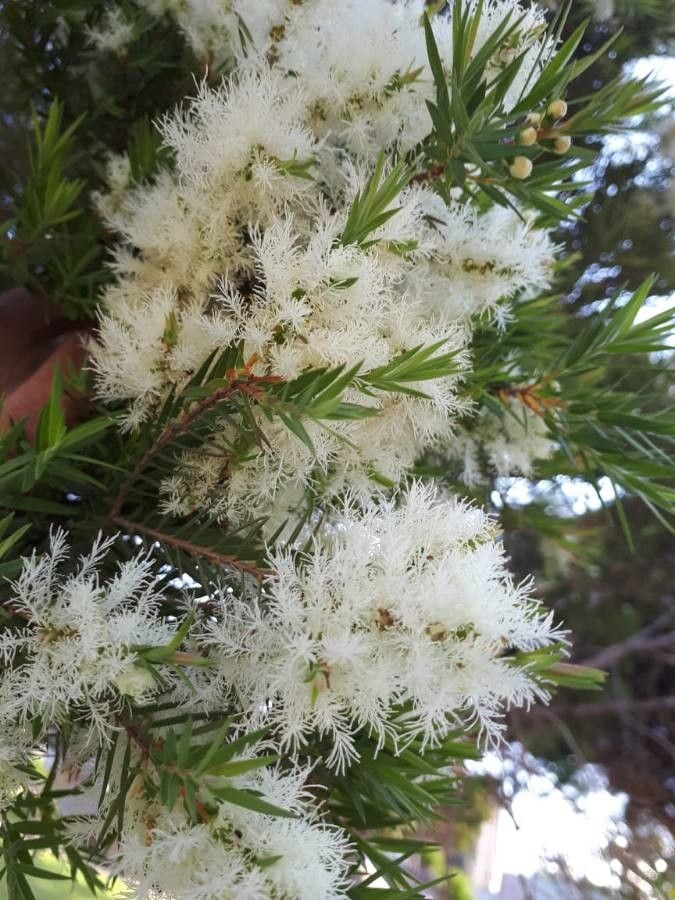
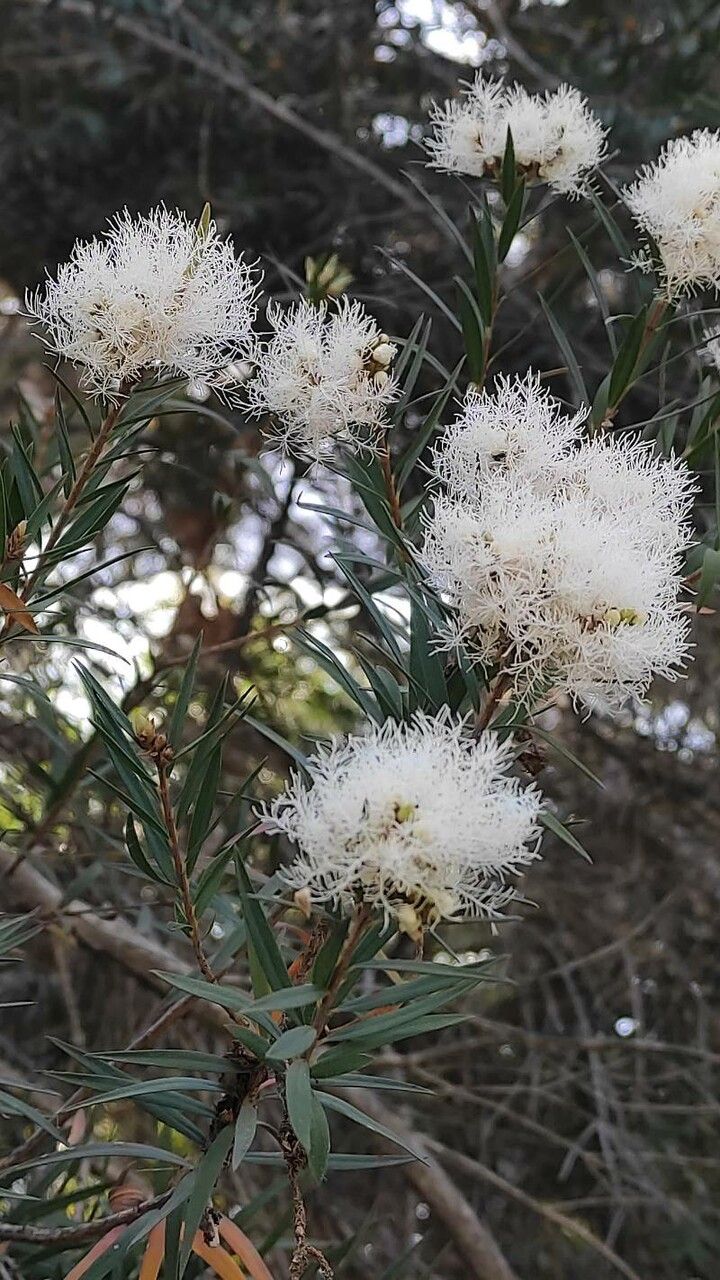
During spring and summer, Melaleuca linariifolia produces small white or cream-colored flowers, which are followed by woody capsules containing numerous tiny seeds. The tree thrives in well-drained soils and can tolerate both droughts and floods.
The essential oil extracted from the leaves of Melaleuca linariifolia has antiseptic properties, making it useful for treating various skin conditions such as acne, cuts, burns, insect bites, and stings. It is also used in aromatherapy for its calming effects on the mind.
Melaleuca linariifolia is a popular ornamental plant due to its attractive bark texture and foliage. Additionally, it provides a habitat for various bird species, such as honeyeaters, which feed on its nectar-rich flowers.
Overall, Melaleuca linariifolia is an appealing native Australian tree with numerous uses both medicinally and ornamentally, making it a popular choice among gardeners and landscapers alike.
Snow-in-summer has strong disease resistance and is generally not prone to illnesses. In terms of care, this plant is fairly low-maintenance. When grown outdoors it needs minimal watering, and larger specimens usually do not require pruning. Smaller plants, however, should be trimmed after they finish blooming. Snow-in-summer is suitable for anyone with an outdoor space, such as a garden or deck, and does not require much care experience.
How to keep Melaleuca Linariifolia.
Light
Snow-in-summer performs best in areas that get strong sunlight for most of the day. It can also grow in spots with slightly lower light levels. Too much or too little sun can limit its growth, reflecting the plant's origin in a habitat with abundant sunlight.
Water
Snow-in-summer is well-suited for arid landscapes due to its excellent drought tolerance. It typically requires hydration only every two weeks. This plant is best grown outdoors and is ideal for rock gardens or as ground cover. To thrive, it prefers full sun and well-draining soil, which help prevent root rot during the wet seasons.
Temperature
Snow-in-summer is native to areas with a temperate climate and prefers temperatures between 41 and 95 °F (5 and 35 °C). Seasonal adjustments may be necessary to keep temperatures balanced in response to climate changes.
Fertilizer
Timing is important for fertilizing Snow-in-summer. Fertilize in early spring and continue monthly until early summer. Fertilizer promotes attractive blooms and supplies energy during both dormant and active growth phases.
Pruning
Snow-in-summer is a plant known for its fluffy white flowers and dense evergreen foliage. To keep it healthy and looking its best, prune it in late winter. During pruning, remove any dead branches and thin out crowded areas to improve air circulation. Pruning during the dormant season encourages fresh growth in the spring and enhances the plant’s overall health and flowering potential, which is crucial for maintaining an attractive garden.
Botanical profile.
- Plant Type
- Tree
- Life Cycle
- Perennial
- Genus
- Melaleuca
- Family
- Myrtaceae
- Hardiness Zone
- 5-10
- Mature Height
- 7.01 m
- Mature Spread
- 3.96 m
- Leaf Color
- Green, Blue
- Leaf Type
- Evergreen
- Flower Color
- White
- Flower Size
- 4.06 cm
- Bloom Time
- Summer
- Planting Time
- Spring, Summer
- Harvest Time
- Late summer, Early fall, Mid fall
Other names.
Reader questions.
How should I water my Snow-in-summer?
Your Snow-in-summer plant is not demanding when it comes to watering. You can use any common watering tool like watering cans, hoses, or even cups to water it. Regardless of the tool, make sure to water the soil directly and evenly so that all parts of the root system get the water they need. It's a good idea to use filtered water to avoid harmful particles that can be present in tap water. Additionally, it's best to use water that is at or slightly above room temperature as extremely hot or cold water may shock the plant. However, the Snow-in-summer plant usually responds well to any type of water it receives.
Why should I add fertilizer to my Snow-in-summer plant?
Fertilizing a Snow-in-summer is crucial for two main reasons. Firstly, it helps the plant produce beautiful blooms, especially when done in early spring. Secondly, fertilizer provides the plant with sufficient energy during its dormant phases in the ground. By giving the plant extra nutrients during fall planting or late spring, it can store more energy to use when it starts growing actively again.
What are the sunlight requirements for Snow-in-summer?
Snow-in-summer requires full sun, which means it needs above 6 hours of sunlight daily, but it can also tolerate partial sun with about 3-6 hours of sunlight. Observing how sunlight moves through your garden helps in selecting spots that offer a perfect balance of light and shade, ensuring the plant's happiness by matching its natural habitat of abundant sunlight.
What is the ideal temperature range for Snow-in-summer?
Snow-in-summer, botanically known as Melaleuca linariifolia, is native to moderate climate regions and thrives in temperatures between 41 to 95 °F (5 to 35 °C). It is vital to adjust care seasonally to maintain a suitable temperature following the climate variations.
What should I do if I give my Snow-in-Summer plant too much water or too little water?
Outdoor plants, especially newly planted ones or seedlings, are prone to lack of watering. It's important to consistently water them for the first few months when they are small or newly planted. Once the roots are established, they can rely on rain most of the time. When Snow-in-summer plants are in pots, overwatering is more likely to occur. If you accidentally overwater your Snow-in-summer, there are steps you can take to fix the situation. First, stop watering the plant immediately to minimize the impact. Then, remove the plant from its pot to inspect the roots. If there are no signs of root rot, you can return the plant to its container. However, if root rot is present, trim away the affected roots and consider applying a fungicide to prevent further damage. Finally, repot the plant in well-draining soil. In the case of underwatering, simply water the Snow-in-summer plant more frequently. Underwatering is usually an easy issue to fix. If you notice the plant's leaves drooping, drying out, or falling off, increase your watering frequency. The leaves should quickly regain their fullness with sufficient watering. Make sure to correct your watering frequency as soon as you notice underwatering occurring.
When should I fertilize my Snow-in-summer plant?
To effectively fertilize Snow-in-summer, timing is crucial. Applying fertilizer too early while the Snow-in-summer is still dormant will result in ineffective use and the fertilizer being washed away by rainwater, causing waste and pollution. The recommended timing for the first application of fertilizer is in the early spring. After that, it is advised to continue fertilizing once a month until early summer.
How essential is sunlight for the growth of Snow-in-summer?
Sunlight is crucial for the growth of Snow-in-summer, as this plant thrives best in regions with ample sun illumination throughout the day. It can grow in areas with slightly less sunlight, but both excessive and insufficient light exposure can negatively impact its growth. This reflects the plant's adaptation to environments with copious sunlight. When natural sunlight is not sufficient, particularly during winter or in less sunny spaces, providing artificial lighting can be a vital solution for indoor plants, promoting faster, healthier growth.
Does Snow-in-summer require special frost protection measures during winter?
Snow-in-summer has significant cold resistance and generally does not require special frost protection measures in winter. However, in cases where winter temperatures are expected to drop below -25°C, it is advised to protect the plant by wrapping the trunk and branches with insulating materials like non-woven fabric or cloth. Additionally, watering the plant abundantly before the first freeze in autumn to ensure the soil is moist and enters a frozen state can help mitigate drought and water scarcity during winter and early spring.
How much should I water my Snow-in-summer?
To properly care for outdoor plants, rainfall is usually sufficient. However, if your area doesn't get much rain, you'll need to water your plants every 2 weeks in spring and fall. In the summer, when plants need more water, you'll need to water them more often. In winter, when growth slows down, you can water less frequently or not at all. If you have a young or newly planted Snow-in-summer plant, you should water it more often to help it establish and grow. For potted plants, there are two ways to determine watering frequency for Snow-in-summer. The first way is to follow a set schedule, watering once a week or every other week. However, this may not take into account the specific conditions of your plant's environment. The other option is to judge watering frequency based on soil moisture. Wait until the top 2-4 inches of soil, about ⅓ to ½ depth of the pot, have completely dried out before watering again.
When is the best time to not fertilize my Snow-in-summer plant?
To ensure optimal growth for Snow-in-summer, it is important to use a fertilizer with lower nitrogen levels, as too much nitrogen can promote leaf growth rather than blooming. It is also advisable to avoid fertilizing after early autumn, as this can result in excessive growth before winter. Additionally, refrain from fertilizing Snow-in-summer during hot and dry periods, as dry soil is not as effective in delivering fertilizer, and the growth stimulated by fertilization requires more water that may not be readily available. It is recommended to apply fertilizer during cooler temperatures earlier in the season. Lastly, be cautious of unintentionally over-fertilizing Snow-in-summer by considering nearby plants or lawns that may have already received fertilizer.
How can artificial lighting benefit Snow-in-summer indoors?
Artificial lighting is beneficial for Snow-in-summer when grown indoors, especially in conditions of insufficient natural sunlight. Optimal growth is achieved by choosing the right type of artificial light, such as LED lights, which can be customized to provide specific wavelengths needed by your plants. Full sun plants require 30-50W/sq ft, partial sun plants need 20-30W/sq ft, and full shade plants need 10-20W/sq ft of artificial light. The light source should be placed 12-36 inches above the plant to mimic natural sunlight, and most plants need 8-12 hours of light per day.
How does low temperature affect Snow-in-summer and what are the solutions?
Despite its cold tolerance, Snow-in-summer is best kept in temperatures above 5°C. While a drop below -25°C during winter may not show immediate visible changes, the branches can become brittle and dry by spring, leading to a lack of new shoots. To manage these effects, it's recommended to prune away any dead branches that failed to produce new leaves come spring.