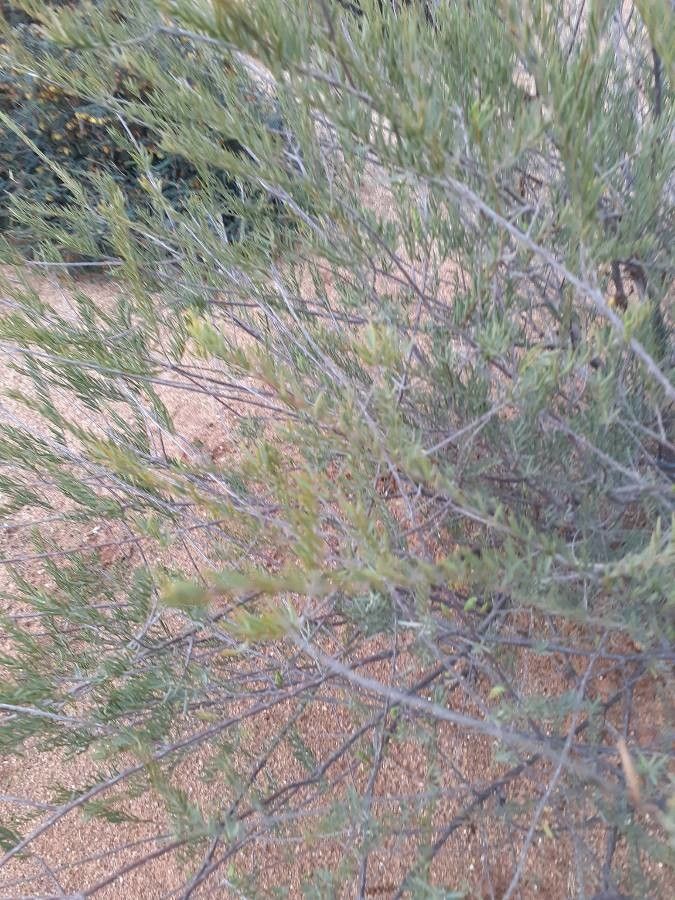
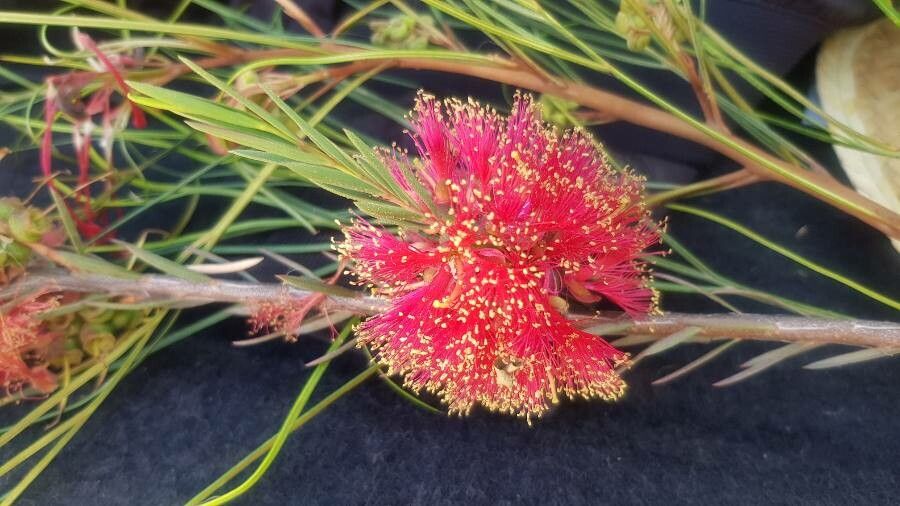
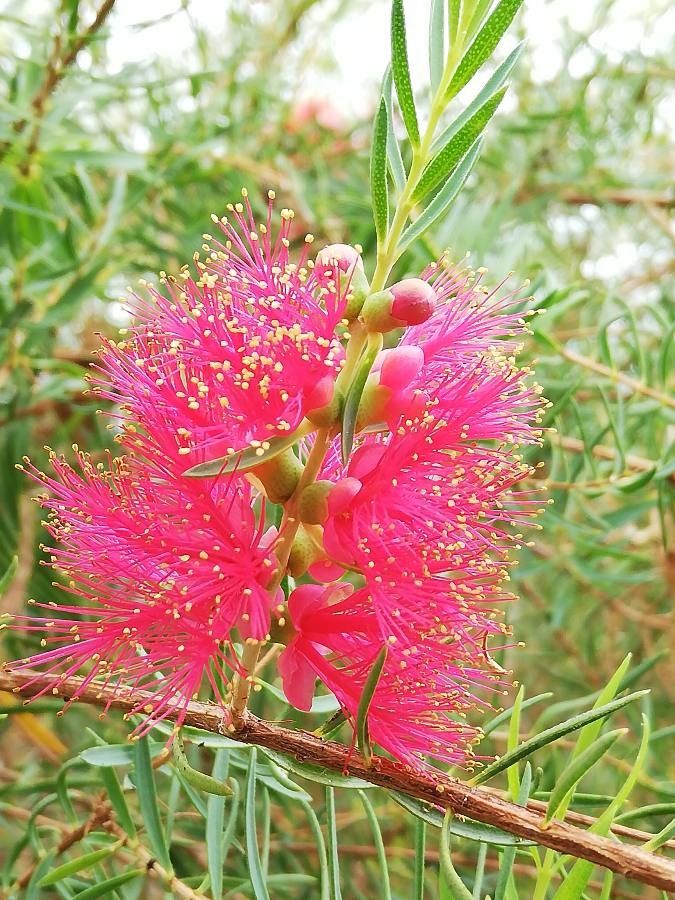
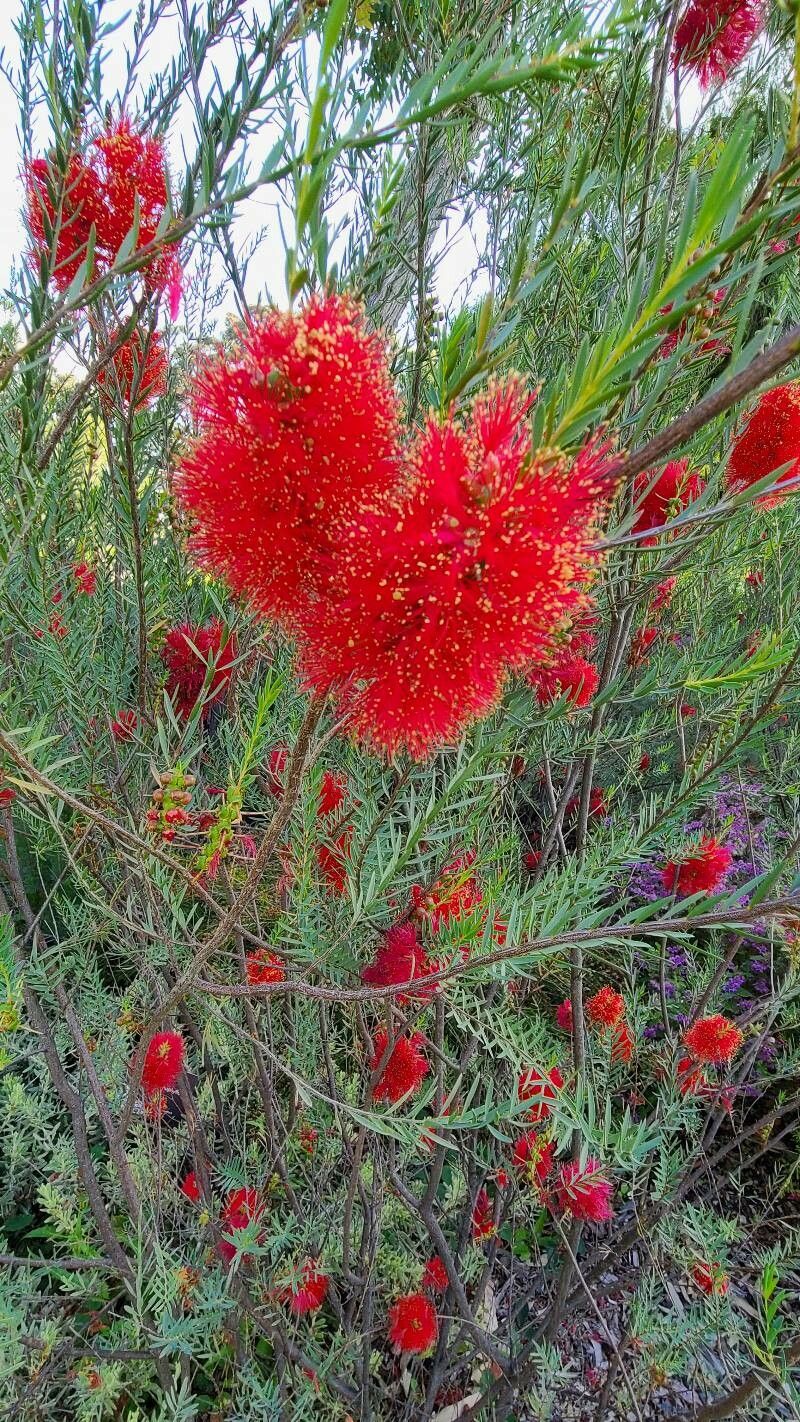
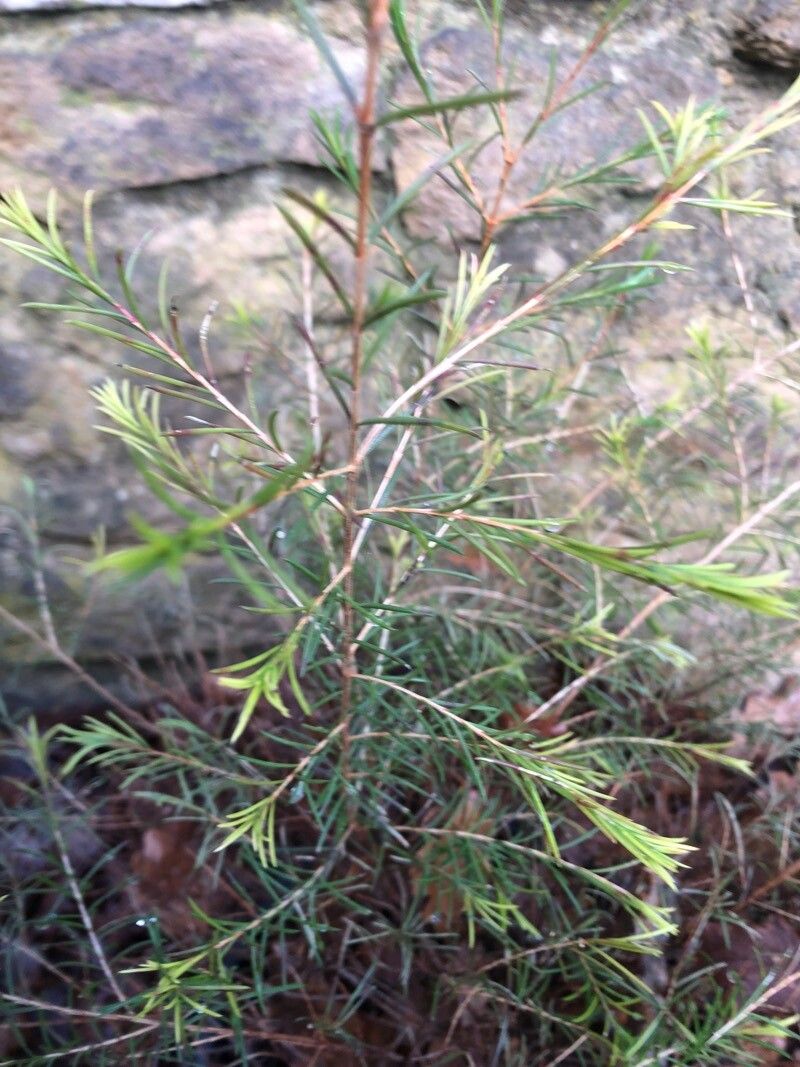
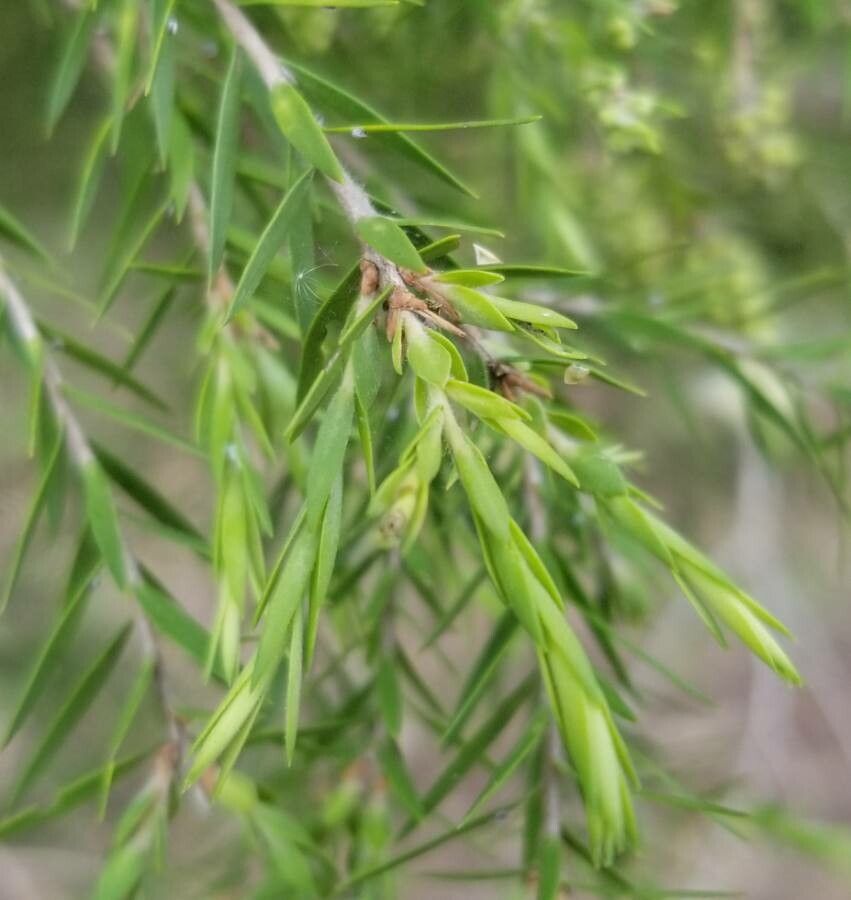
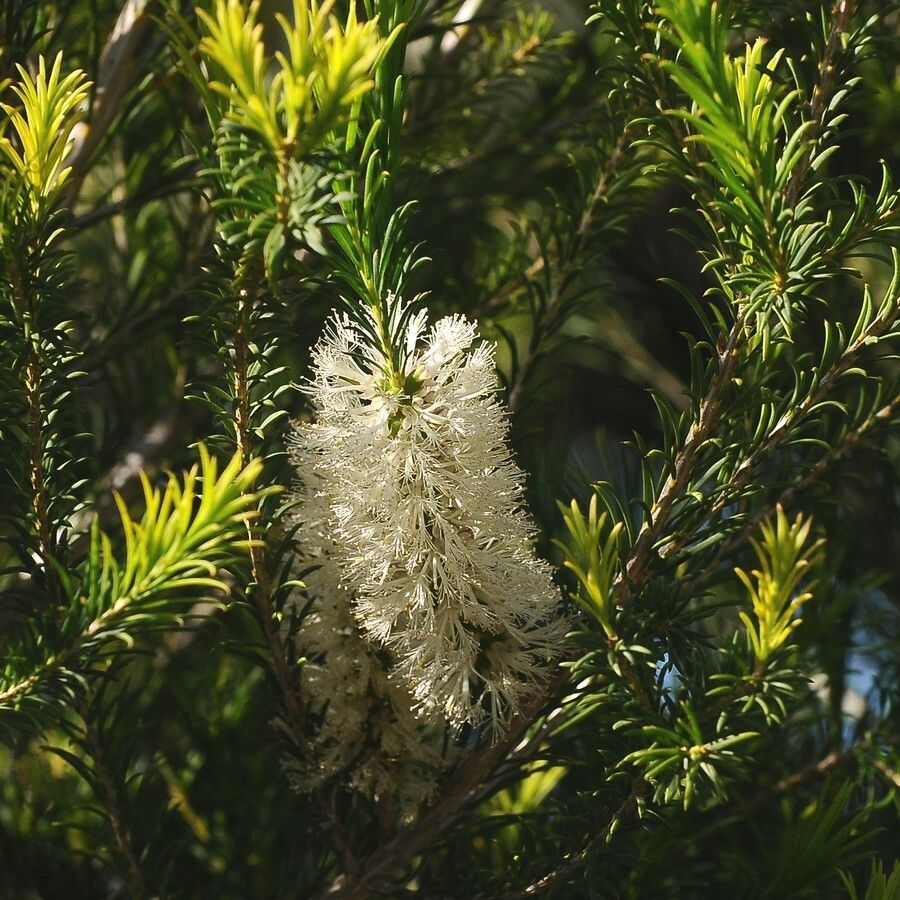
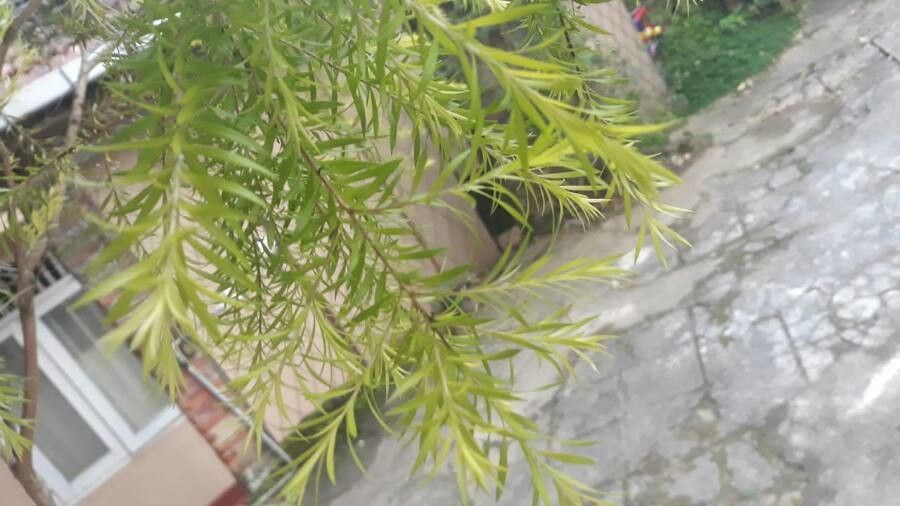
Melaleuca fulgens, commonly known as the scarlet honey myrtle, is a plant in the myrtle family Myrtaceae, and is endemic to Western Australia, South Australia and the Northern Territory. It is notable for its showy orange, red or purple flowers, unusual foliage and fruit, and is a popular garden plant. It is a member of Melaleuca, a large and diverse genus whose members range from large trees such as M. quinquenervia, to small shrubs.
Scarlet honey myrtle is disease-resistant and typically not vulnerable to illnesses. Regarding care, this plant is fairly low-maintenance. When grown outdoors it needs little watering, and larger plants usually do not require pruning. Smaller plants, however, should be pruned after they have finished blooming. Scarlet honey myrtlet is well suited to anyone with an outdoor area like a garden or deck and does not demand a great deal of gardening experience.
How to keep Melaleuca Fulgens.
Light
Scarlet honey myrtle comes from open habitats, like sunny meadows and forest margins, where plenty of light is available. It does best in Full Sun but can also handle Partial Sun, showing good adaptability to different sunlight levels.
Water
The scarlet honey myrtle is a drought-tolerant evergreen native to arid regions, and it thrives in various climate zones. It needs well-drained soil and should be watered every 2-3 weeks to keep it moist without waterlogging the roots.
Temperature
Scarlet honey myrtle shows good temperature adaptability, able to withstand high heat and wide temperature fluctuations. When temperatures are high, care should be taken with watering and providing proper shade to avoid sunburn. Conversely, it has relatively poor tolerance for low temperatures. Although it can endure some cold, excessively cold conditions can cause frost damage.
Fertilizer
The timing of fertilizing Scarlet honey myrtle is important. Fertilize in early spring and continue once a month until early summer. Fertilizer encourages attractive blooms and supplies energy during both dormant and active growth phases.
Pruning
Scarlet honey myrtle benefits from pruning during its dormant winter period. Key techniques include removing dead wood and thinning the plant to improve air circulation. Light and regular trimming encourages growth and results in denser foliage. However, it's important to avoid heavy pruning, as it can reduce blooming.
Botanical profile.
- Plant Type
- Tree, Shrub
- Life Cycle
- Perennial
- Genus
- Melaleuca
- Family
- Myrtaceae
- Hardiness Zone
- 9-11
- Mature Height
- 2.13 m to 3.96 m
- Mature Spread
- 1.52 m to 3.05 m
- Leaf Color
- Dark Green
- Leaf Type
- Evergreen
- Flower Size
- 3.05 cm to 5.08 cm
- Bloom Time
- Late summer, Early fall, Mid fall
- Planting Time
- Spring, Summer
- Harvest Time
- Late fall, Early winter, Mid winter
Other names.