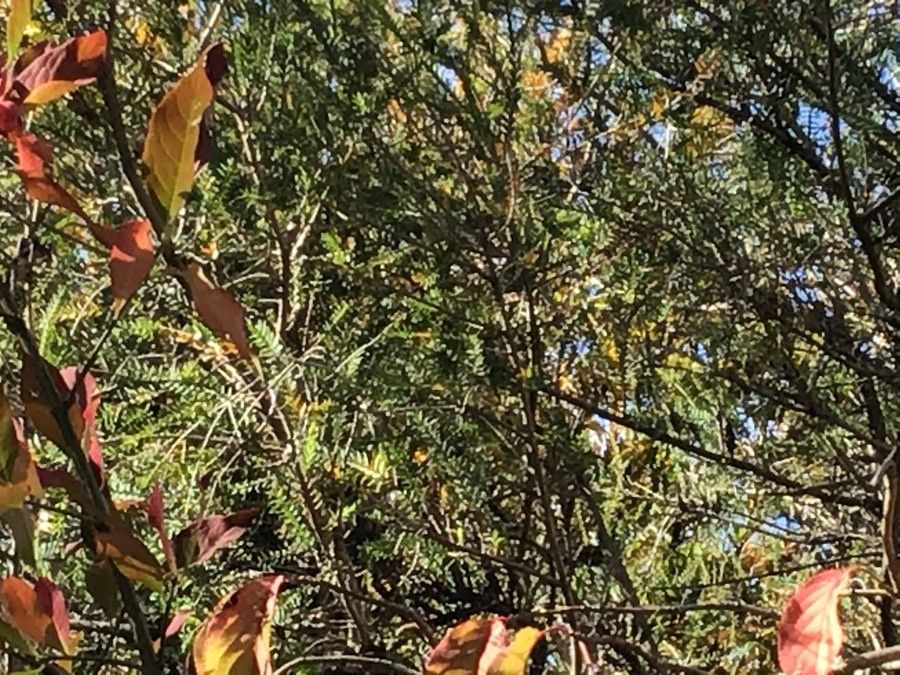
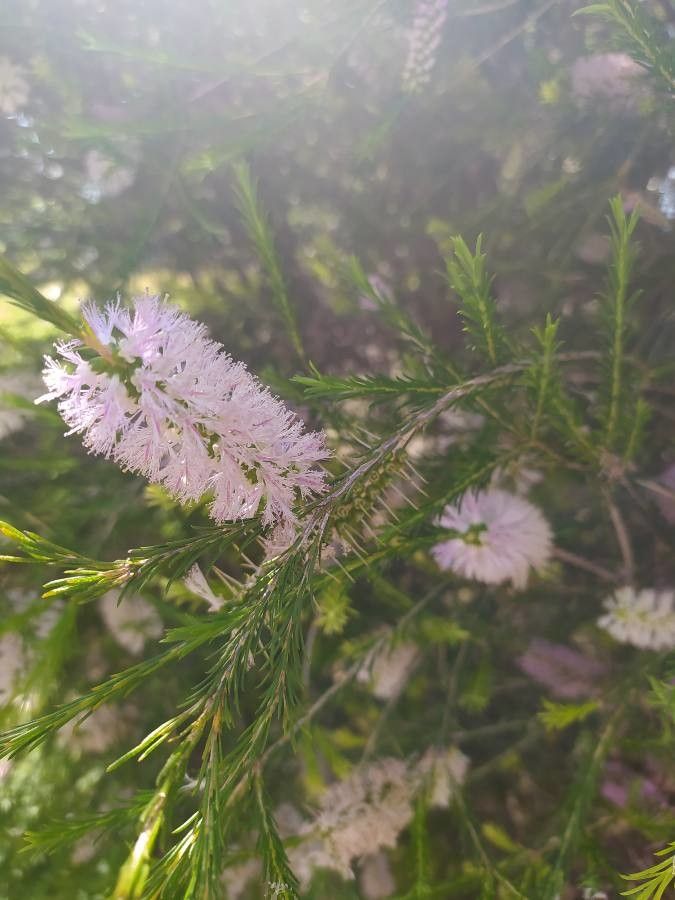
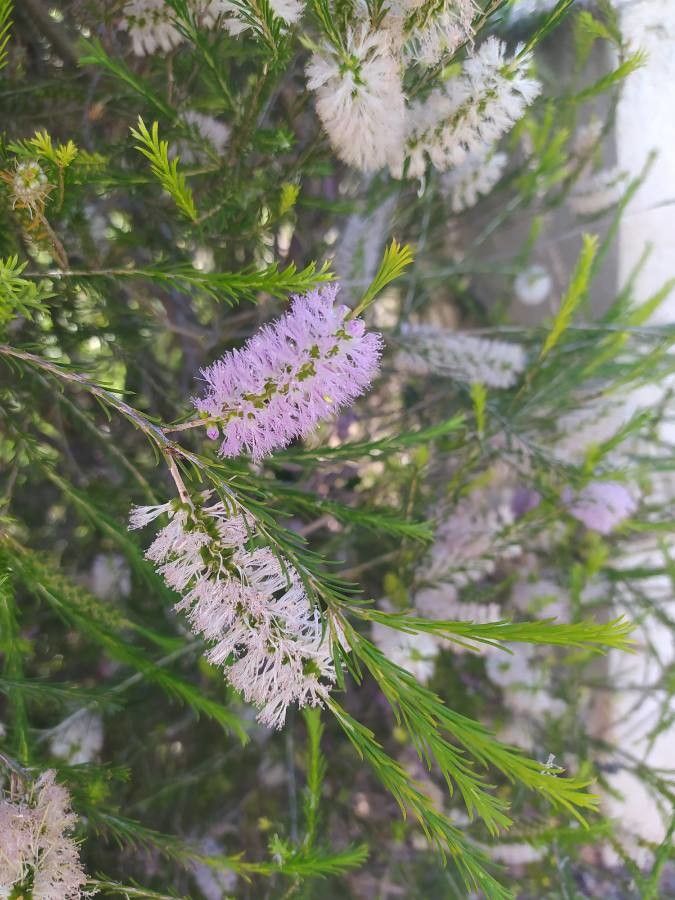
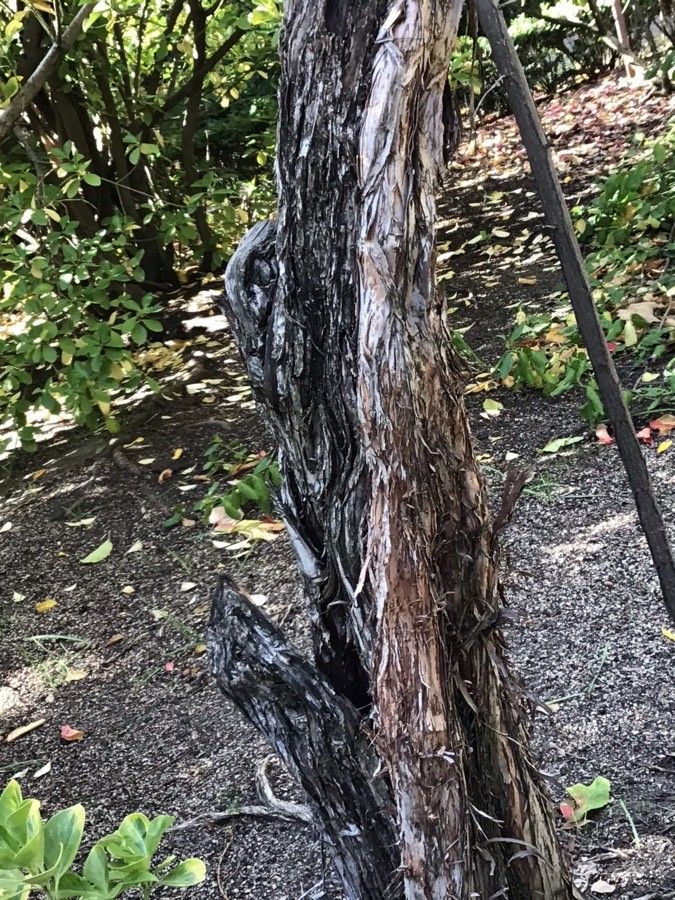
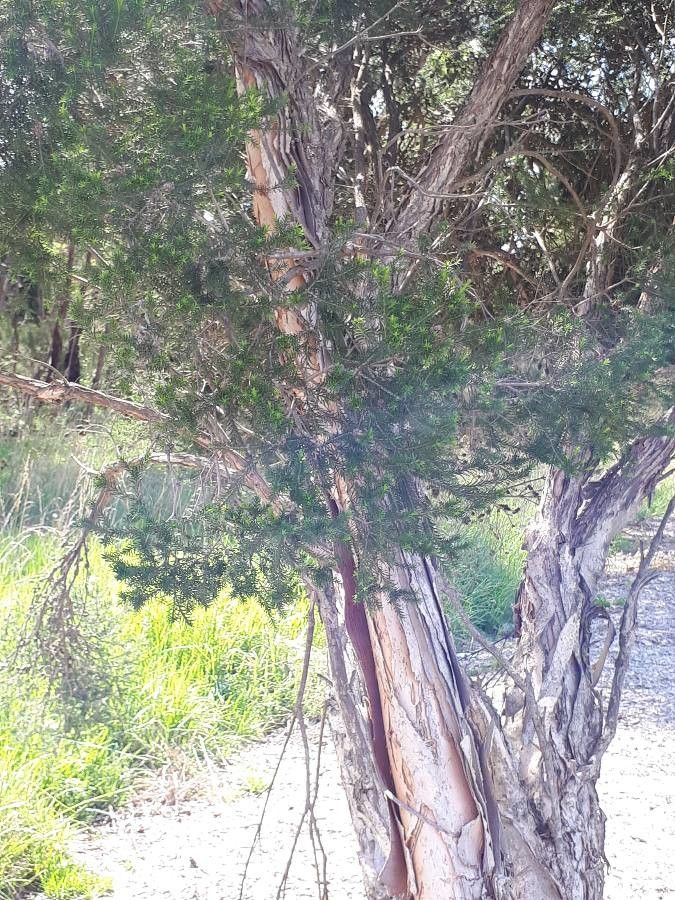
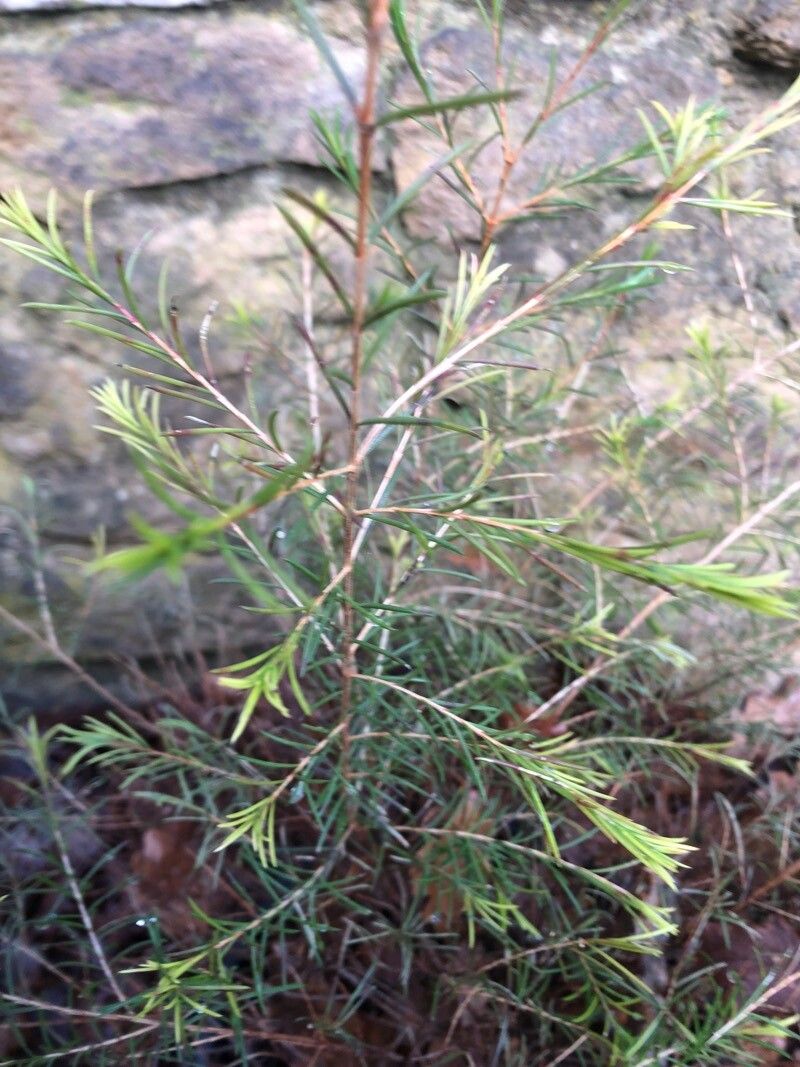
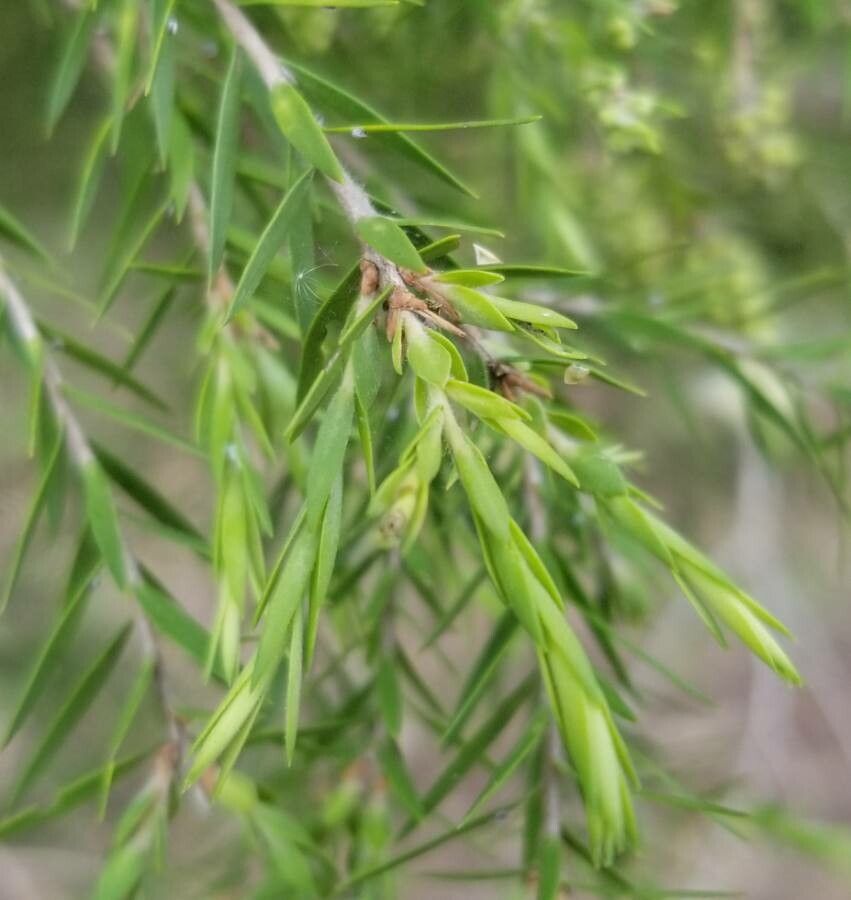
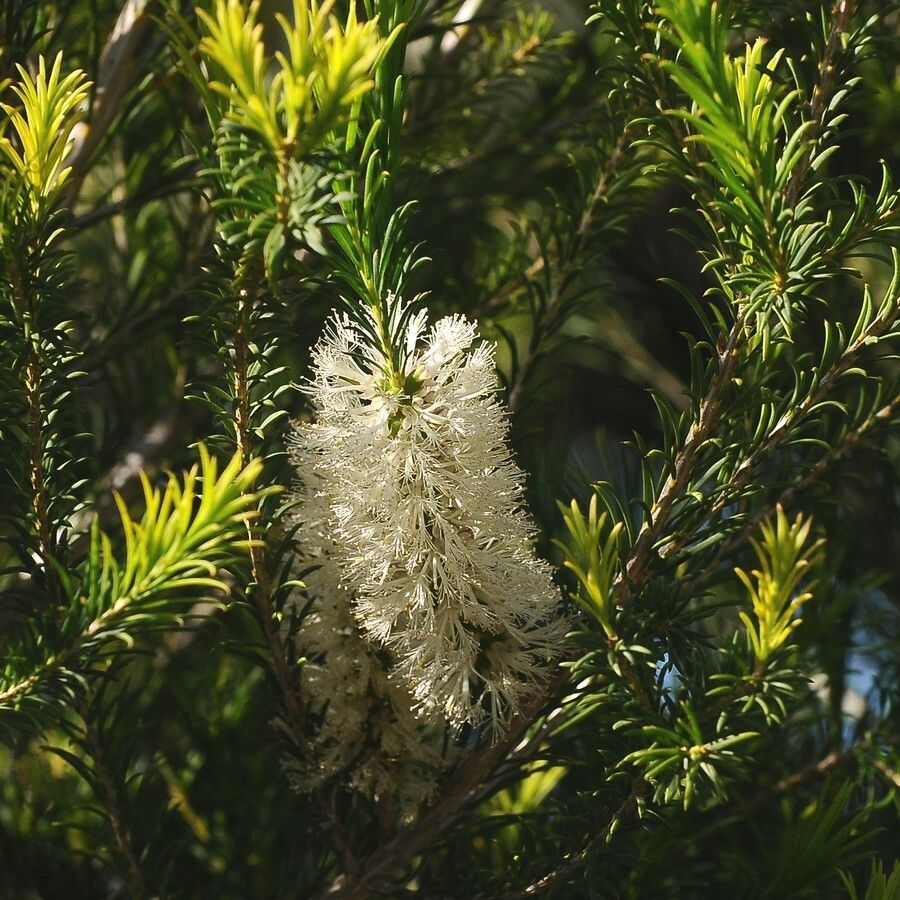
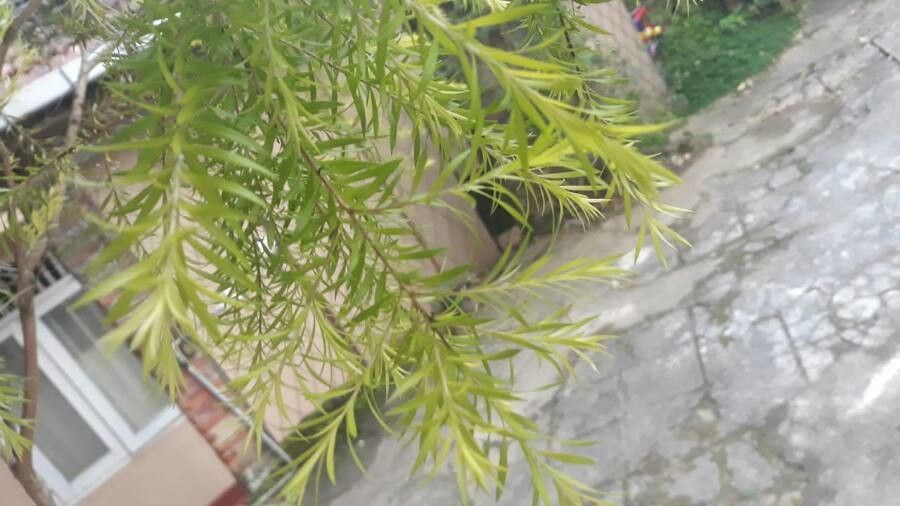
Melaleuca decussata, commonly known as cross-leaf honey-myrtle or totem poles, is a plant in the myrtle family, Myrtaceae native to South Australia and both native and naturalised in Victoria. It is an adaptable shrub, grown in many parts of Australia for its attractive foliage but is regarded as an environmental weed in parts of Victoria.
Cross-leaf honey-myrtle has good resistance to disease and is generally not prone to illnesses. Care-wise, this plant is fairly low maintenance. When grown outdoors it needs minimal watering, and larger plants typically do not require pruning; however, smaller plants should be pruned after they have finished blooming. Cross-leaf honey-myrtle is suitable for anyone with an outdoor space, such as a garden or deck, and does not require a lot of care experience.
How to keep Melaleuca Decussata.
Light
Cross-leaf honey-myrtle comes from open habitats, for example sunlit meadows and forest margins, where light is abundant. It does best in full sun but can tolerate partial sun, adapting to a range of light conditions.
Water
The Cross-leaf Honey-myrtle is native to Australia's arid regions and thrives in dry conditions due to its excellent drought tolerance. For optimal growth, it should be watered weekly to simulate the natural, sporadic wet periods it would experience in the wild. It is essential to plant it in well-draining soil, which makes the Cross-leaf Honey-myrtle an excellent choice for xeriscaping.
Temperature
Cross-leaf honey-myrtle is fairly adaptable to temperature, able to tolerate higher heat and wide temperature fluctuations. In hot conditions, attention should be paid to watering and providing adequate shade to avoid sunburn. However, it has relatively poor tolerance for low temperatures; while it can handle some cold, very cold conditions can result in frost damage.
Fertilizer
Timing is essential for fertilizing Cross-leaf honey-myrtle. Apply fertilizer in early spring and continue monthly through early summer. Fertilizer promotes attractive blooms and supplies energy during both dormant and active growth phases.
Pruning
The Cross-leaf Honey-Myrtle is known for its aromatic foliage and vibrant flowers. For best results, prune the plant from early to late winter to maintain its shape and health. Be sure to remove any dead branches and thin out crowded areas to improve airflow. Light shaping enhances its appearance, while proper pruning encourages strong growth and abundant blooming.
Botanical profile.
- Plant Type
- Shrub
- Life Cycle
- Perennial
- Genus
- Melaleuca
- Family
- Myrtaceae
- Hardiness Zone
- 9-11
- Mature Height
- 2.44 m
- Mature Spread
- 2.44 m
- Leaf Color
- Dark Green
- Leaf Type
- Evergreen
- Flower Color
- Purple, Lavender
- Flower Size
- 0.51 cm to 1.02 cm
- Bloom Time
- Summer
- Planting Time
- Spring, Summer, Autumn
- Harvest Time
- Fall
Other names.
Reader questions.
What are the sunlight requirements for Cross-leaf honey-myrtle?
Cross-leaf honey-myrtle, also known as Melaleuca decussata, thrives in various sunlight conditions. For it to flourish, it requires full sun, meaning it should receive above 6 hours of sunlight daily. Alternatively, it can grow in partial sun, with about 3-6 hours of sunlight. It's essential to observe the movement of sunlight through your garden to find spots that offer a perfect balance of light and shade. This careful placement ensures your plants remain happy and healthy.