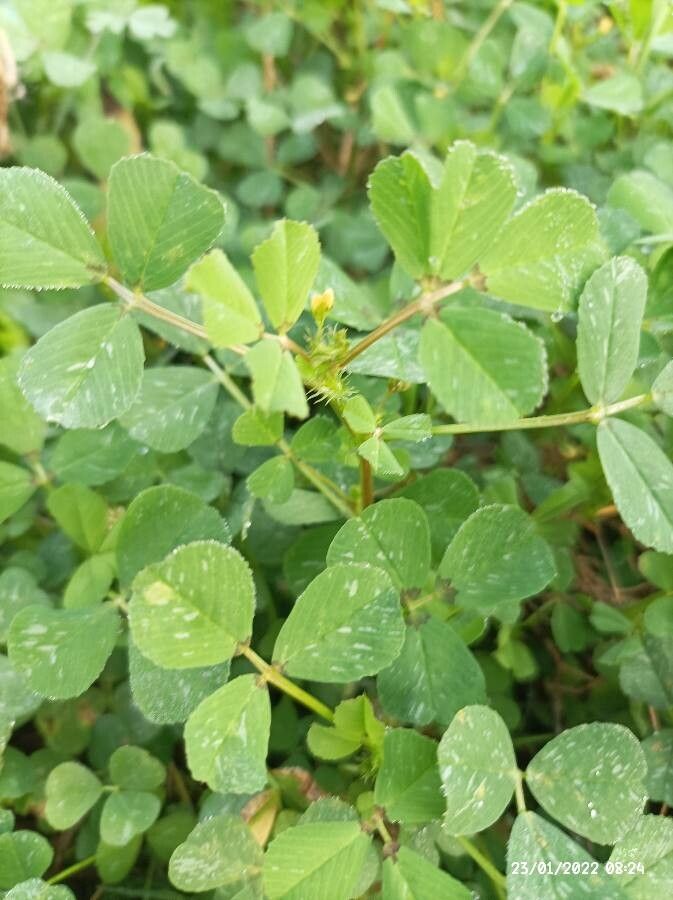
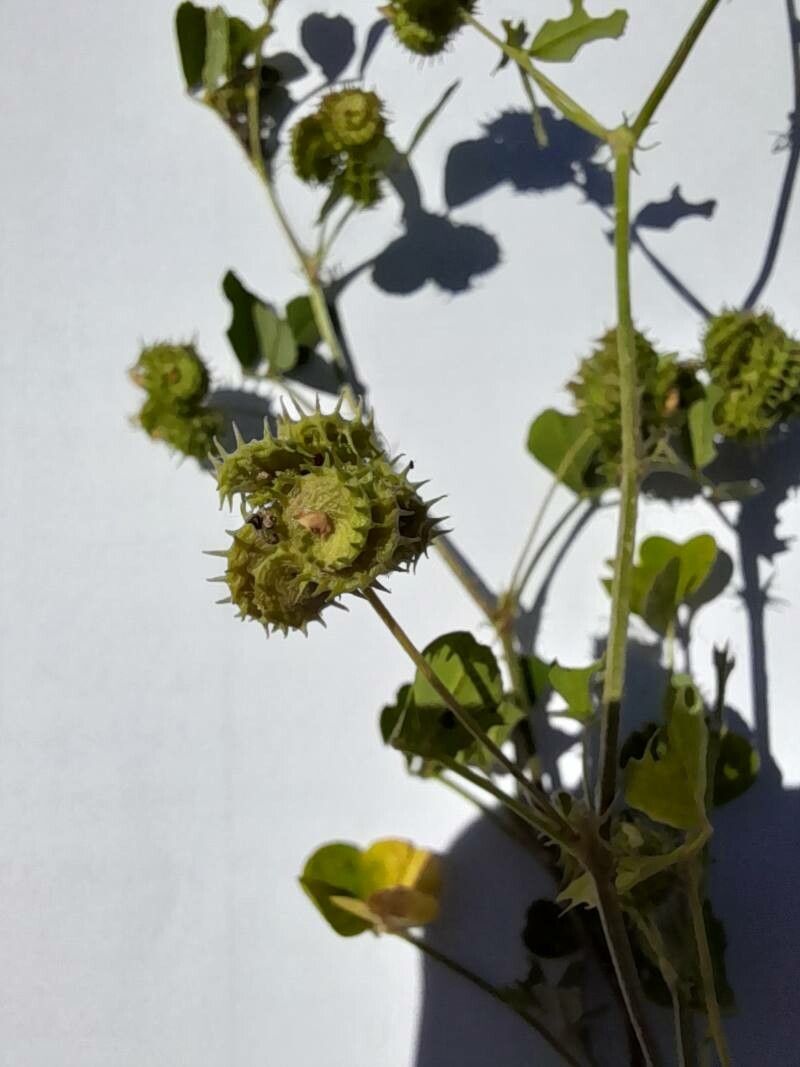
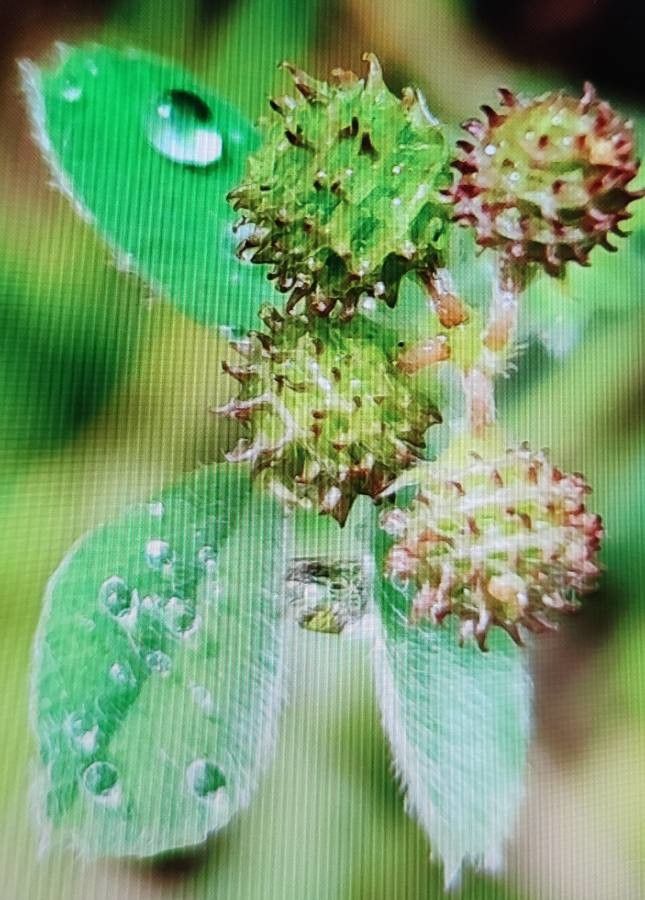
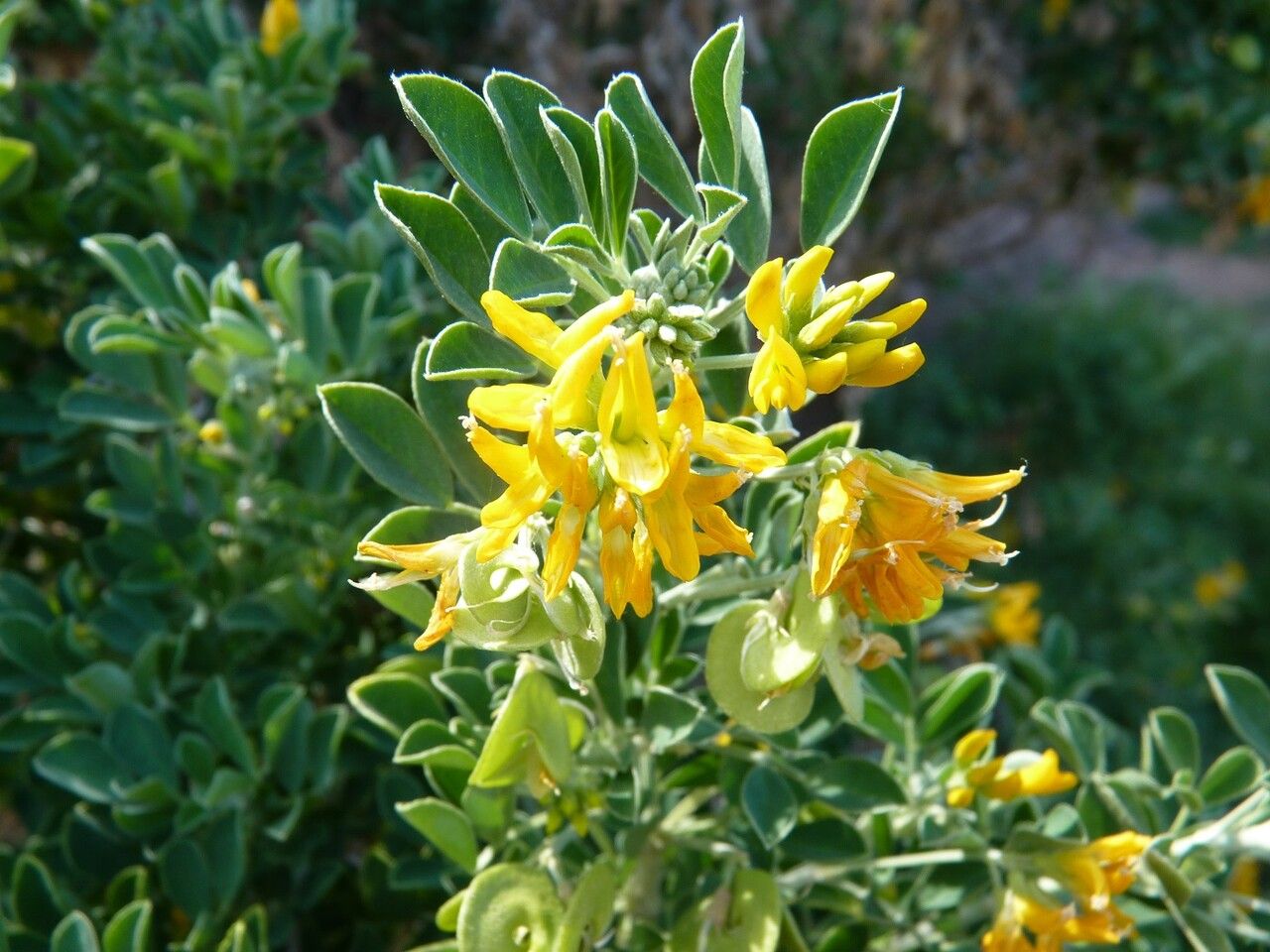
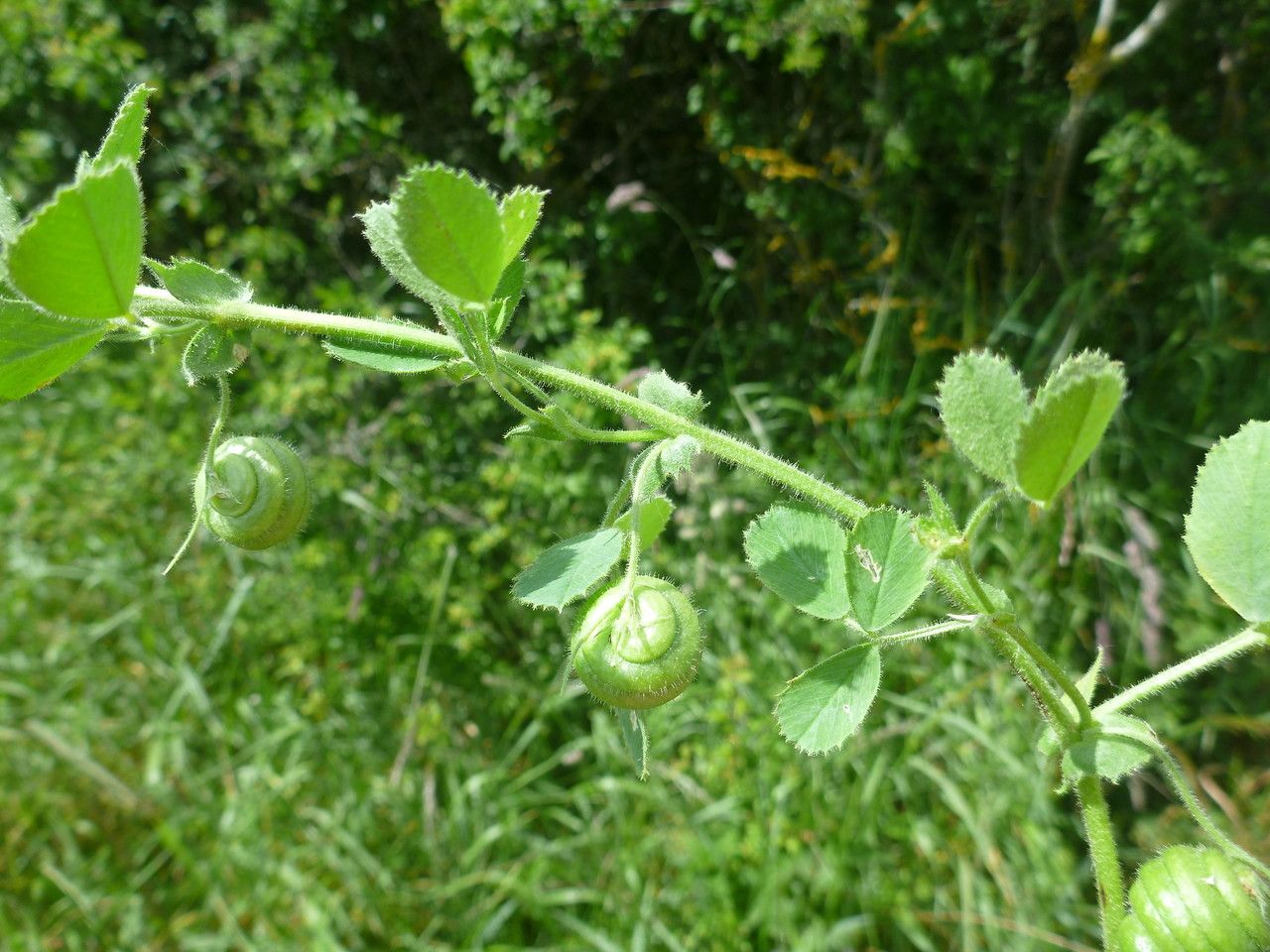
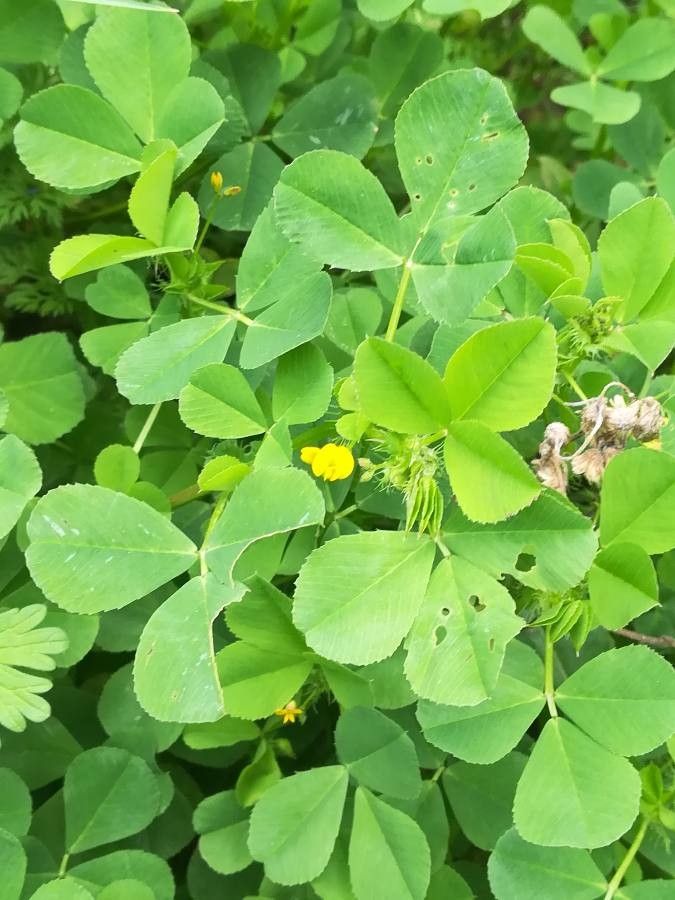
Medicago rigidula, also known as stiff medick or black medick, is a small annual plant that belongs to the legume family. Native to the Mediterranean region, it has now spread to many parts of the world. The plant can grow up to 50 cm tall and features small yellow flowers that bloom from May to September. Its trifoliate leaves have a distinct V-shaped mark on each leaflet.
Medicago rigidula is commonly used in traditional medicine for its various health benefits, such as treating respiratory problems, reducing inflammation, and improving digestion. It contains several bioactive compounds, including flavonoids, alkaloids, and saponins, which are responsible for its medicinal properties.
The plant also holds agricultural importance due to its ability to fix nitrogen in the soil, making it an excellent cover crop for improving soil fertility. Additionally, it serves as a food source for livestock animals because of its high protein content.
Medick is often mistaken for clover. According to a story, while Napoleon was once marching across a grassland, he noticed a medick. Intrigued, he bent down to pick it up. At that moment, a bullet was fired, and by bending down, Napoleon avoided it and survived. Because of this incident, medick has come to be recognized as a symbol of luck. FUN FACT · FROM THE LIBRARY
Despite its widespread use in traditional medicine and agricultural practices worldwide, concerns have been raised about the safety of Medicago rigidula consumption. There is a lack of scientific evidence on the long-term effects on human health and the potential toxicity levels when consumed at high doses.
Overall, Medicago rigidula is an intriguing plant with various uses. However, further research is needed to draw conclusive statements about its safety and efficacy when consumed by humans or animals.
Tifton bur clover is fairly resistant to disease and typically does not suffer from many illnesses. Nonetheless, it can be vulnerable to pests and diseases present in its surroundings. These infections are usually mild. In terms of care, this plant requires a moderate level of maintenance. Regular pruning is needed to maintain an attractive appearance and promote healthy growth. Fertilizing can also help encourage flowering. Tifton bur clover is appropriate for anyone with an outdoor area, such as a garden or patio, and does not demand extensive care experience. It may need more attention when grown indoors.
How to keep Medicago Rigidula.
Light
Tifton bur clover comes from bright, open habitats and performs best in full sun. It will tolerate partial shade but prefers direct sunlight for optimal development. This plant, which can be annual or biennial, is noted for its sun-loving character.
Water
Tifton bur clover thrives when it receives moderate moisture, so it's best to water it consistently twice a week to maintain optimal health. Its resilient nature allows it to be grown outdoors, where it can adapt well to different rainfall patterns. This makes it an excellent choice for gardens in a variety of climate zones.
Temperature
Tifton bur clover can tolerate a wide range of temperatures, but its distribution may still be restricted by different combinations of moisture and heat. It grows best in warm summer climates with sufficient rainfall or irrigation. Extended periods of cloudy, rainy weather and prolonged high temperatures increase the likelihood of Tifton bur clover dying. In winter, adequate protection from cold can improve the plant’s survival rate.
Fertilizer
Tifton bur clover benefits from light, regular applications of fertilizer to encourage healthy leaf development. You should fertilize Tifton bur clover about once a month during the summer. Nitrogen is important for foliage, and adding nitrogen-rich sources helps Tifton bur clover thrive.
Pruning
Tifton bur clover is a hardy plant that thrives with proper care. To keep it healthy and promote optimal growth, it should be pruned between early and late spring. Start by removing any dead or diseased stems to encourage new growth. Thin out crowded areas to improve air circulation and increase the amount of light that reaches the plant. Regular pruning helps prevent overgrowth, ensuring the plant remains healthy and bushy. For detailed care instructions, consult reputable sources.
Botanical profile.
- Plant Type
- Herb
- Life Cycle
- Annual
- Genus
- Medicago
- Family
- Fabaceae
- Hardiness Zone
- 7-10
- Mature Height
- 10 cm to 49 cm
- Mature Spread
- 20 cm to 61 cm
- Leaf Color
- Green, Dark Green
- Leaf Type
- Semi-evergreen
- Flower Color
- Yellow
- Flower Size
- 0.51 cm to 0.76 cm
- Bloom Time
- Mid spring, Late spring
- Planting Time
- Spring, Autumn
- Harvest Time
- Early summer, Mid summer
Other names.