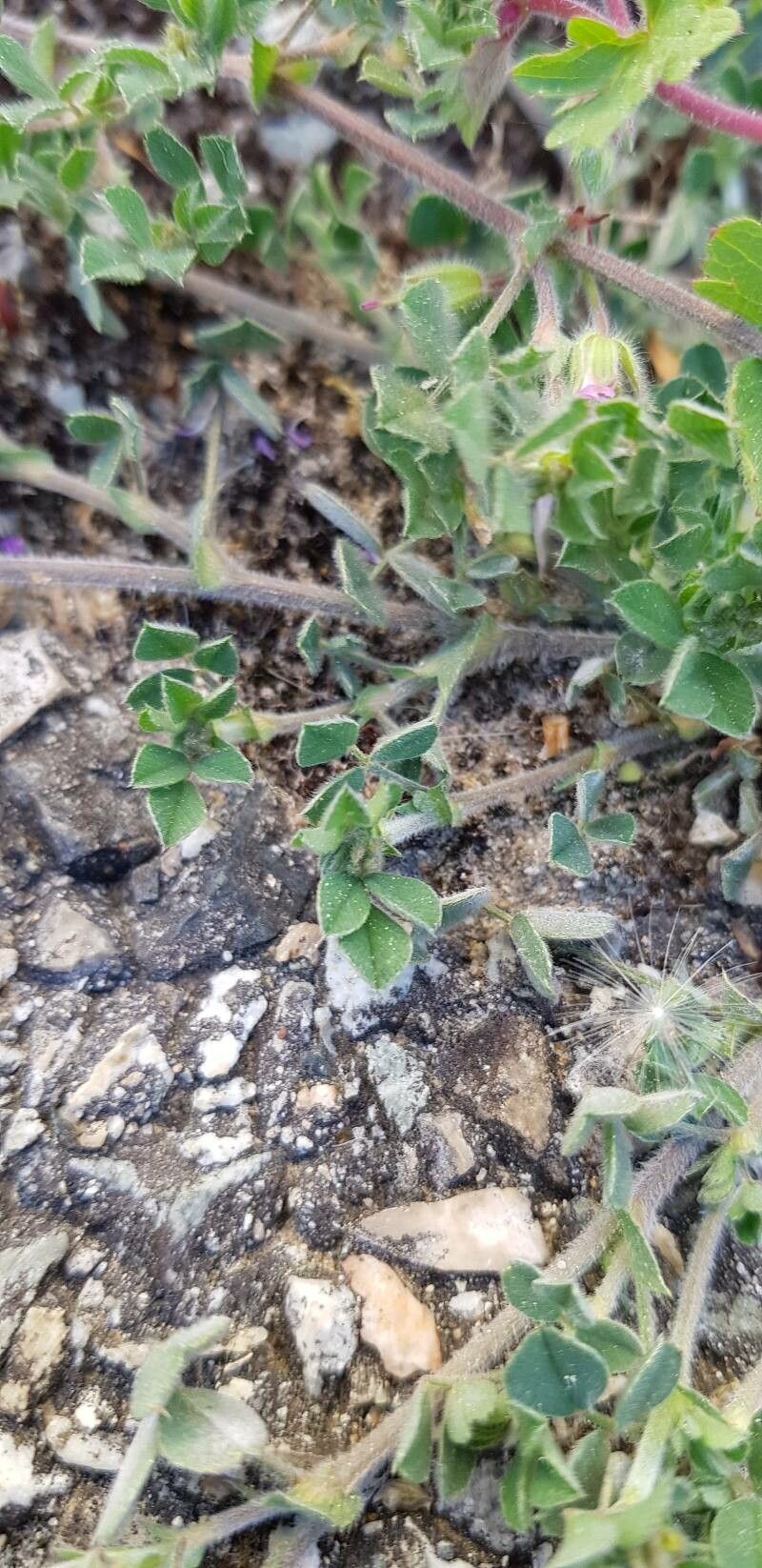
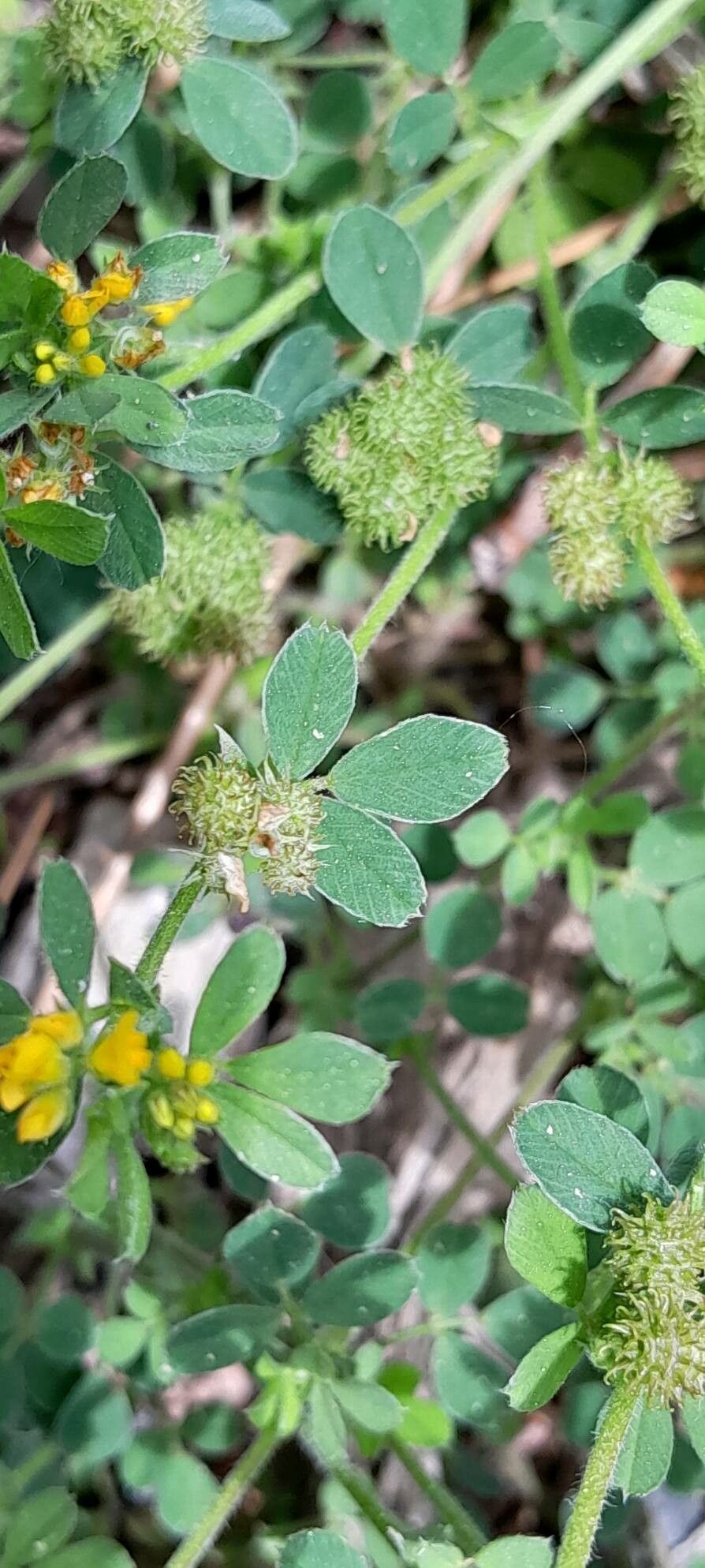
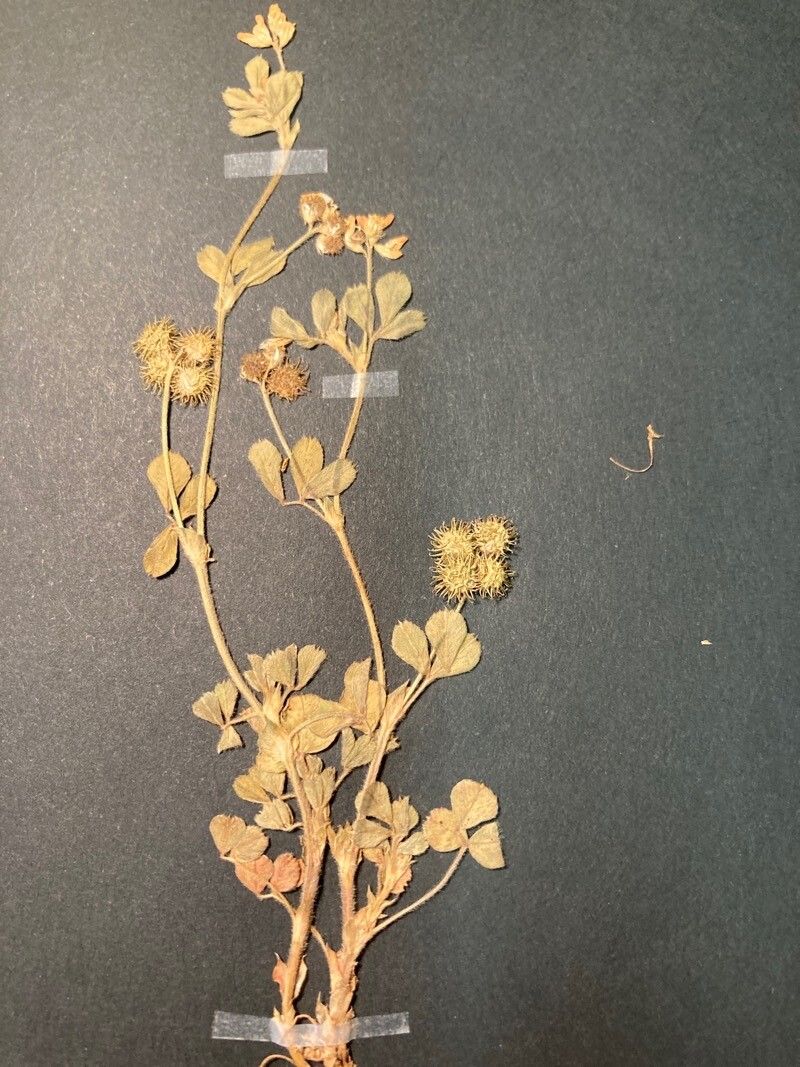
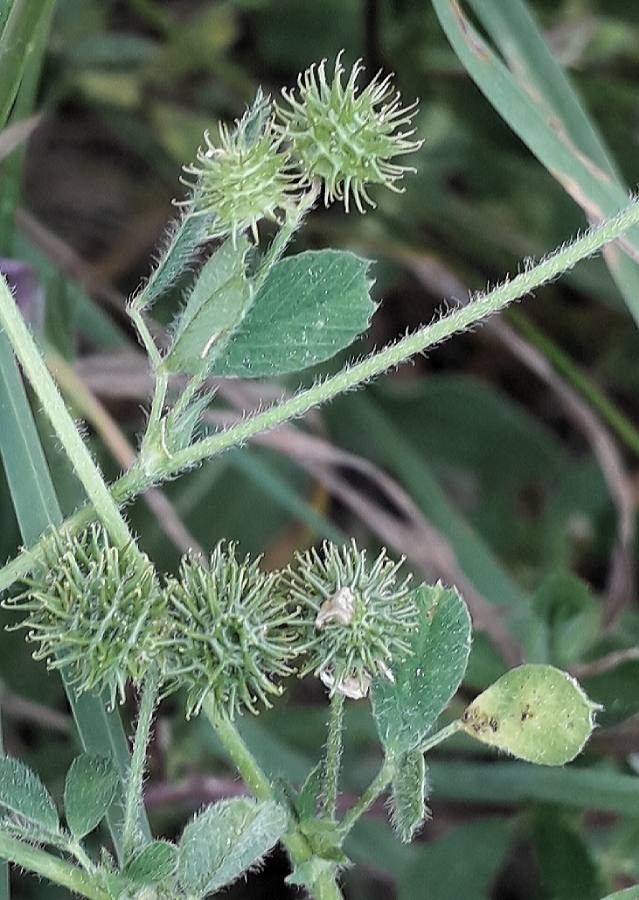
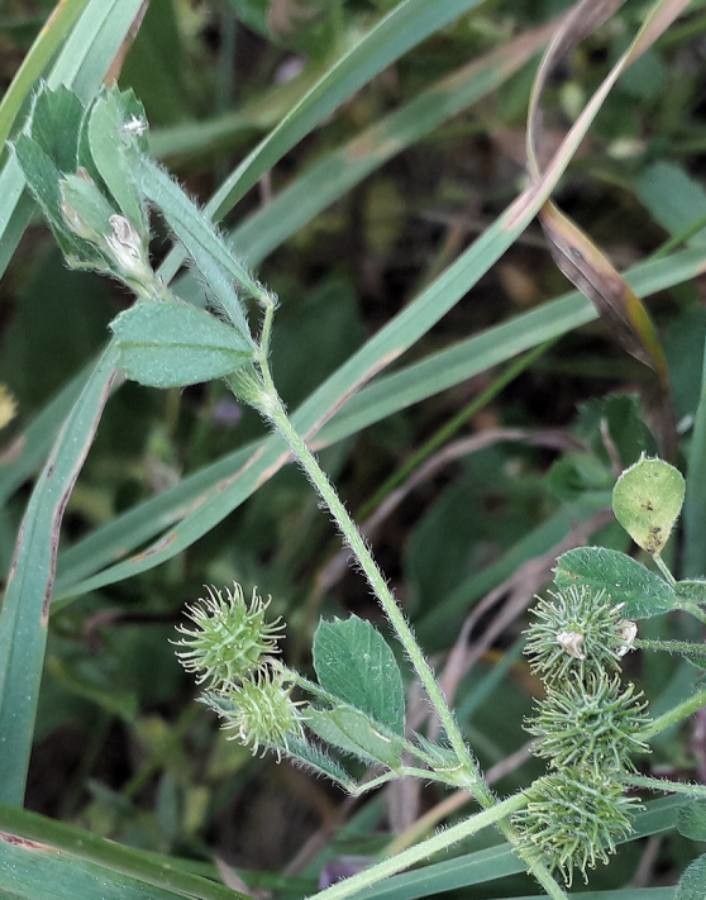
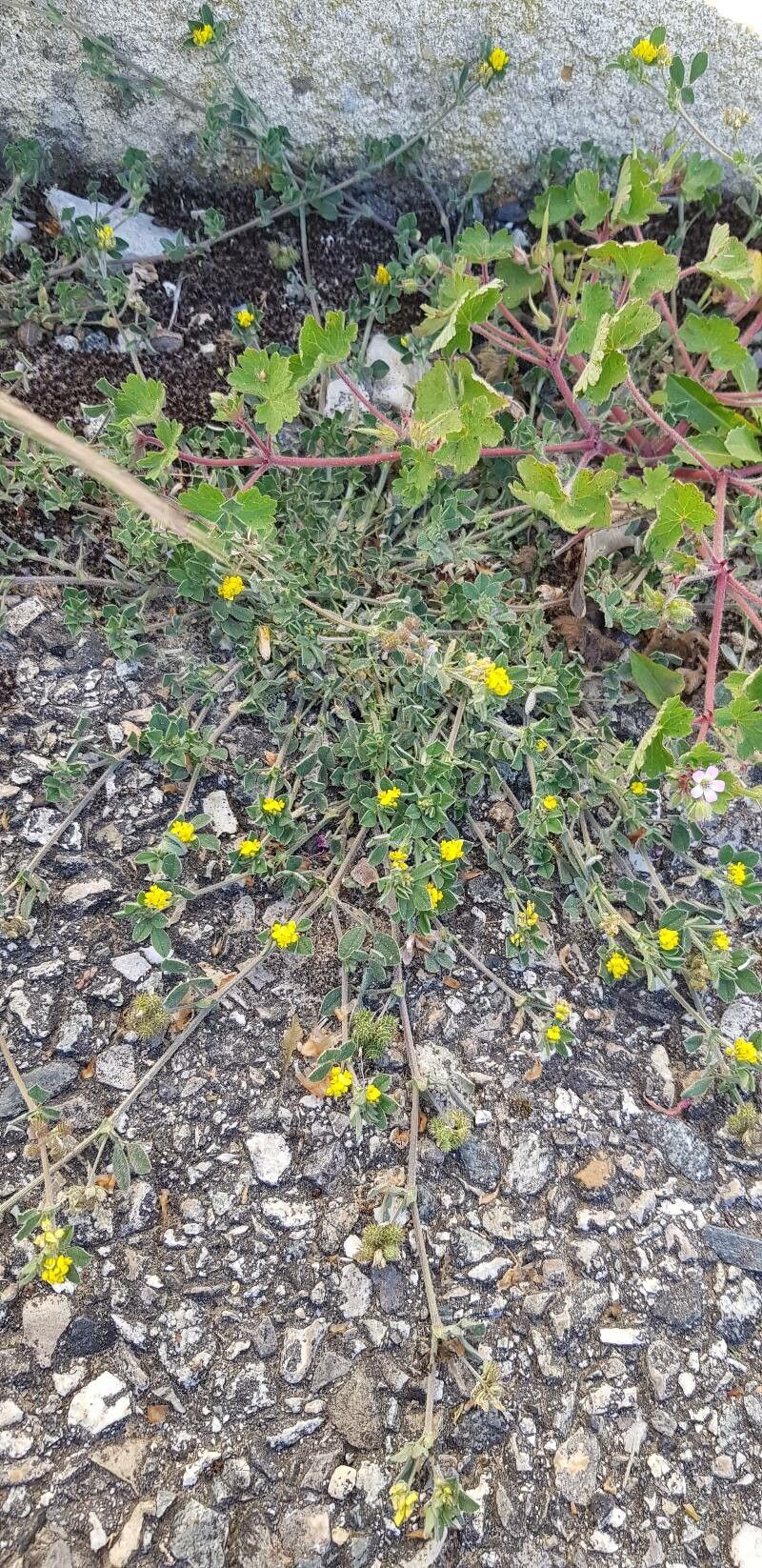
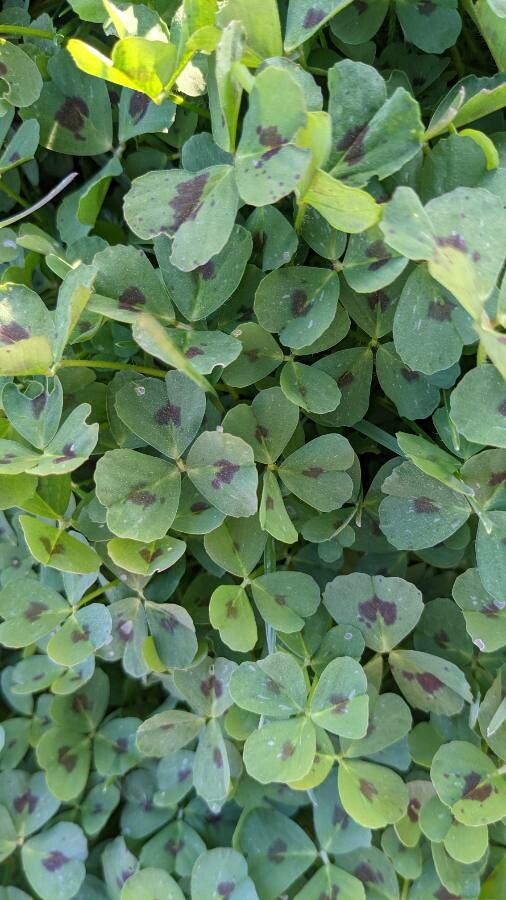
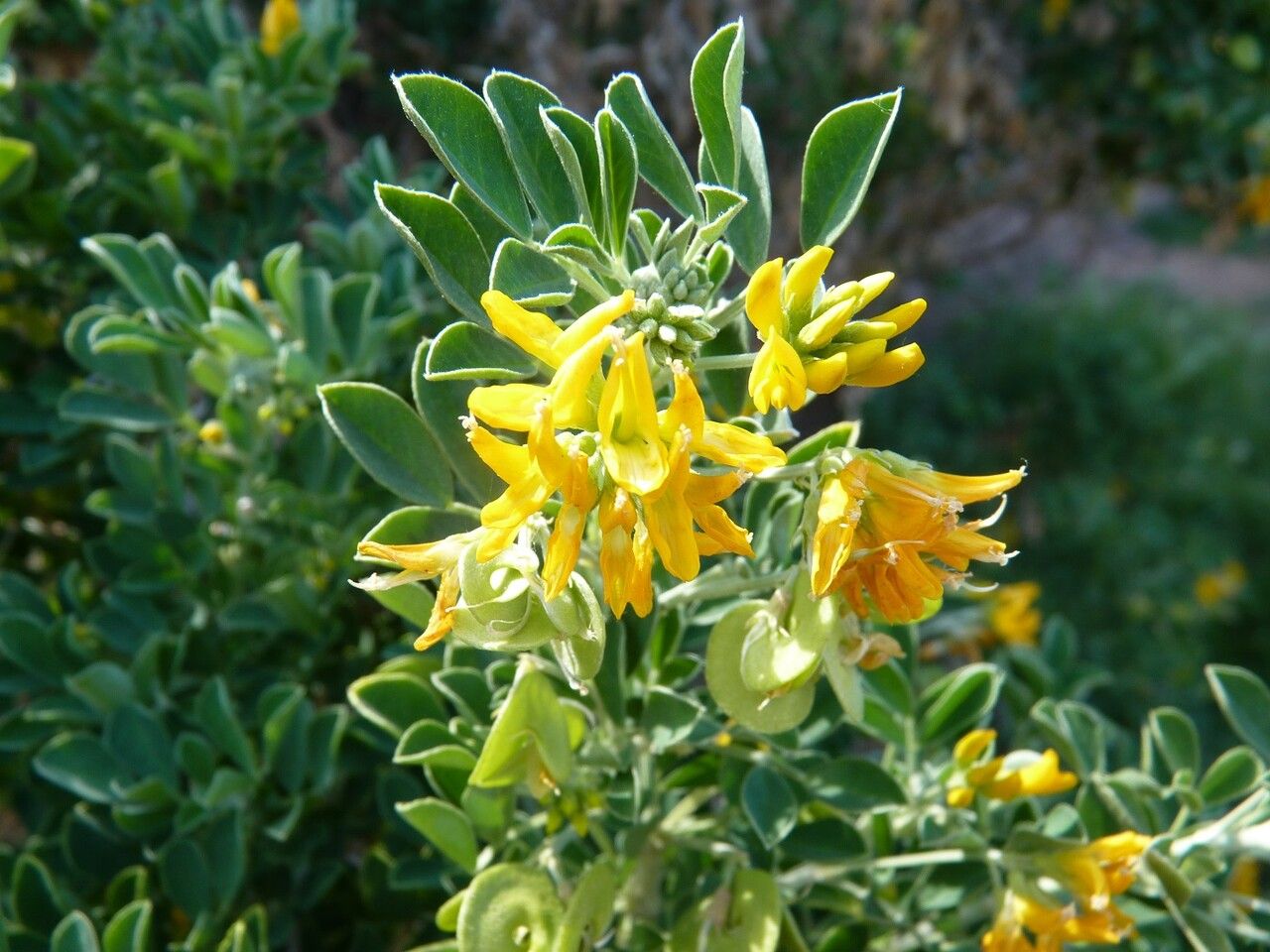
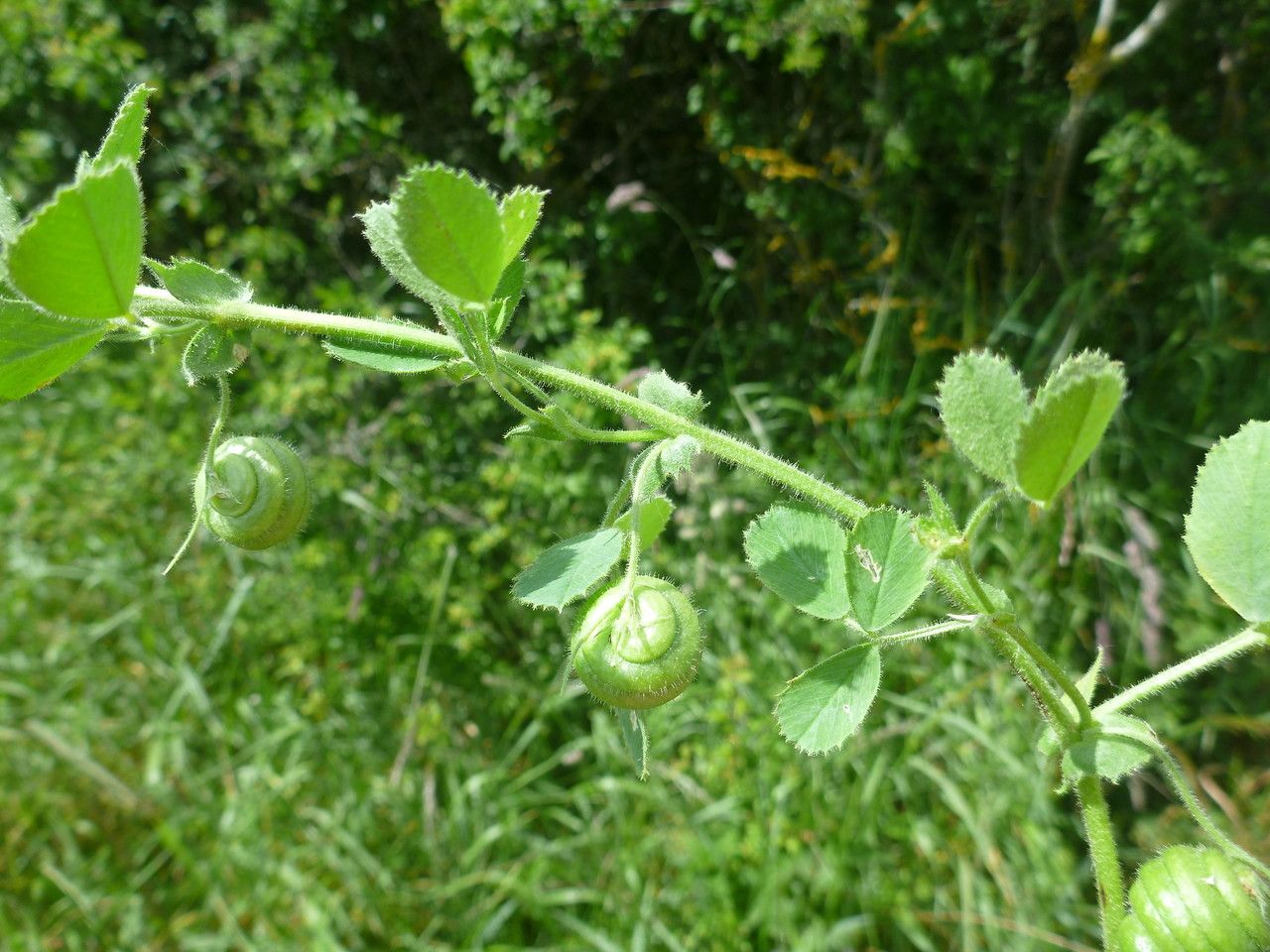
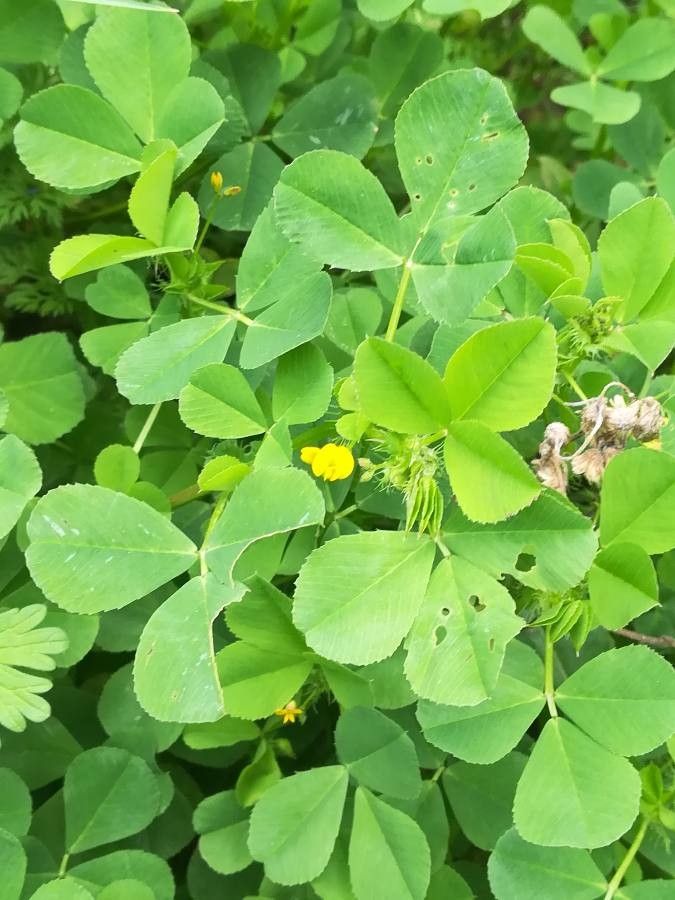
Medicago minima is a plant species of the genus Medicago. It is native to the Mediterranean basin but is found worldwide. It forms a symbiotic relationship with the bacterium Sinorhizobium meliloti, which is capable of nitrogen fixation. Common names include bur medick, little bur-clover, little bur medick, little medick, small medick, and woolly bur medick.
Little bur clover is fairly resistant to disease and typically does not suffer from illnesses. Nonetheless, it can be vulnerable to pests and diseases found in its environment. When such infections occur, they are generally mild. Regarding maintenance, this plant needs a moderate level of care. It should be trimmed on a regular basis to preserve an attractive appearance and encourage healthy growth. Applying fertilizer can also aid in increasing blooms. Little bur clover is a good choice for anyone with outdoor areas like a garden or patio and does not demand extensive gardening experience. If kept indoors, it may need more attention.
How to keep Medicago Minima.
Light
Little bur clover comes from bright, open habitats where it flourishes in full sun. It can tolerate partial sun but prefers direct sunlight for optimal growth. This annual and biennial plant is known for its sun-loving nature.
Temperature
Little bur clover is native to temperate climates and favors temperatures between 68 and 95°F (20 to 35°C). It rarely needs adjustments for seasonal changes, but exposure to frost should be avoided.
Fertilizer
Little bur clover responds well to regular, light applications of fertilizer to encourage healthy leaf development. You should feed Little bur clover about once a month during the summer. Nitrogen is essential for foliage, and providing nitrogen-rich fertilizers helps Little bur clover thrive.
Pruning
Little bur clover is a low-growing annual legume with leaves that resemble those of clover, and it produces seed pods that look like burrs. To control its spread and encourage denser growth, prune the plant from early to late spring. Additionally, by removing dead stems, you improve airflow around the plant, which reduces the risk of fungal diseases and helps maintain the overall health of the plant.
Botanical profile.
- Plant Type
- Herb
- Life Cycle
- Annual
- Genus
- Medicago
- Family
- Fabaceae
- Hardiness Zone
- 7-10
- Mature Height
- 5 cm to 30 cm
- Mature Spread
- 30 cm
- Leaf Color
- Green, Light Green
- Leaf Type
- Semi-evergreen
- Flower Color
- Yellow
- Flower Size
- 0.51 cm
- Bloom Time
- Mid spring, Late spring, Early summer
- Planting Time
- Spring, Summer
- Harvest Time
- Summer
- Native Area
- Libya, Somalia, Egypt, Turkey, Sweden, India, Djibouti, Austria, Slovakia, Montenegro, Eritrea, Pakistan, Slovenia, Morocco, Croatia, Yemen, Uzbekistan, Russia, Iraq, Germany, Ethiopia, Romania, Belgium, Moldova, Portugal, Netherlands, Saudi Arabia, France, Tajikistan, Tunisia, Czech Republic, Sudan, Cyprus, Bulgaria, Poland, Armenia, Greece, Ukraine, Serbia, Lebanon, China, Afghanistan, Syria, Kyrgyzstan, Kazakhstan, Italy, Spain, Switzerland, Denmark, Iran, Albania, United Kingdom, Hungary, Algeria, Turkmenistan
Other names.
Reader questions.
What are the sunlight requirements for Little bur clover?
Little bur clover requires full sun, which is defined as more than 6 hours of sunlight per day, to thrive optimally. It can also tolerate partial sun, approximately 3-6 hours of sunlight. Given its origin in bright, open environments, this plant prefers direct sunlight for optimal growth. However, it is crucial to observe how sunlight moves through your garden to find spots that provide the perfect balance of light and shade for the plant, ensuring its happiness.
What is the ideal temperature range for Little bur clover?
Little bur clover, botanically known as Medicago minima, thrives in temperate climates. The ideal temperature range for this plant is between 68 to 95°F (20 to 35°C). While it adapts well to the seasonal changes within this range and exhibits strong cold resistance, it is important to keep it protected from frost. Even though special frost protection measures are not usually necessary due to its cold resistance, precautions should be taken if winter temperatures are expected to drop below -15°C. One way to protect the plant during such severe cold is by covering it with soil or straw. Additionally, to help prevent drought and water scarcity during winter and early spring, it is advisable to water the plant abundantly before the first freeze in autumn, ensuring the soil remains moist and enters a frozen state.
How should indoor plants like Little bur clover be provided with artificial lighting?
Indoor little bur clover plants require adequate lighting, especially when natural sunlight is insufficient. Artificial lights are vital, promoting faster, healthier growth. LED lights are recommended because they can be customized to provide specific wavelengths needed by the plants. Full sun plants need 30-50W/sq ft of artificial light, partial sun plants need 20-30W/sq ft, and full shade plants need 10-20W/sq ft. The light source should be placed 12-36 inches above the plant to mimic natural sunlight. Most plants need 8-12 hours of light per day.
How does Little bur clover react to low temperatures?
Little bur clover is known for its cold tolerance, ideally thriving when temperatures are above 20°C. During winter, it's crucial to maintain the temperature above 0°C to ensure the health of the plant. However, when temperatures fall below -15°C, the plant may not exhibit noticeable changes during the winter, but there could be a decrease in sprouting or potentially no sprouting at all in the following spring. To manage this, any parts of the plant that have failed to sprout by spring should be removed.
What symptoms indicate insufficient light for indoor Little bur clover plants?
When Little bur clover does not receive adequate light, it may exhibit several symptoms indicating light deficiency. These include smaller new leaves, leggy or sparse growth, faster leaf drop, slower or no new growth, lighter-colored new leaves, chlorosis (leaves turning yellow due to a lack of chlorophyll), sunscald (damage from intense sunlight), leaf curling as a defense against excessive sunlight, wilting from loss of turgor pressure, and leaf scorching with brown, dry edges. These symptoms highlight the plant's struggle under poor light conditions.
What are the effects of high temperatures on Little bur clover and how can they be mitigated?
When exposed to high temperatures, particularly above 35°C, Little bur clover can experience stress, leading to symptoms such as lighter leaf color, leaf curling, susceptibility to sunburn, and in severe cases, wilting and drying of the entire plant. To mitigate these effects, any sunburned or dried-up parts of the plant should be trimmed away. Relocating the plant to provide shade during the midday and afternoon sun, or using a shade cloth, can help protect it from excessive heat. Moreover, watering the plant in the morning and evening will help keep the soil moist and aid in reducing temperature stress.
What solutions can be applied for Little bur clover suffering from insufficient sunlight?
For indoor Little bur clover plants, gradually moving them to a sunnier location weekly until they receive at least 6 hours of direct sunlight daily is beneficial. Using a south-facing window and keeping curtains open during the day can maximize sunlight exposure. If the plant is large or not easily movable, consider using artificial lighting, like keeping a lamp on for at least 8 hours daily or investing in professional plant grow lights. For outdoor plants, moving them to sunnier spots gradually helps them adapt without causing sunburn. Reducing obstructions like pruning trees that shade the plant or transplanting smaller plants during their dormant period to areas with more sunlight can also aid in improving their health. It is important to note that parts of the plant affected by insufficient sunlight may not recover, but new growth should be healthier with increased light exposure.