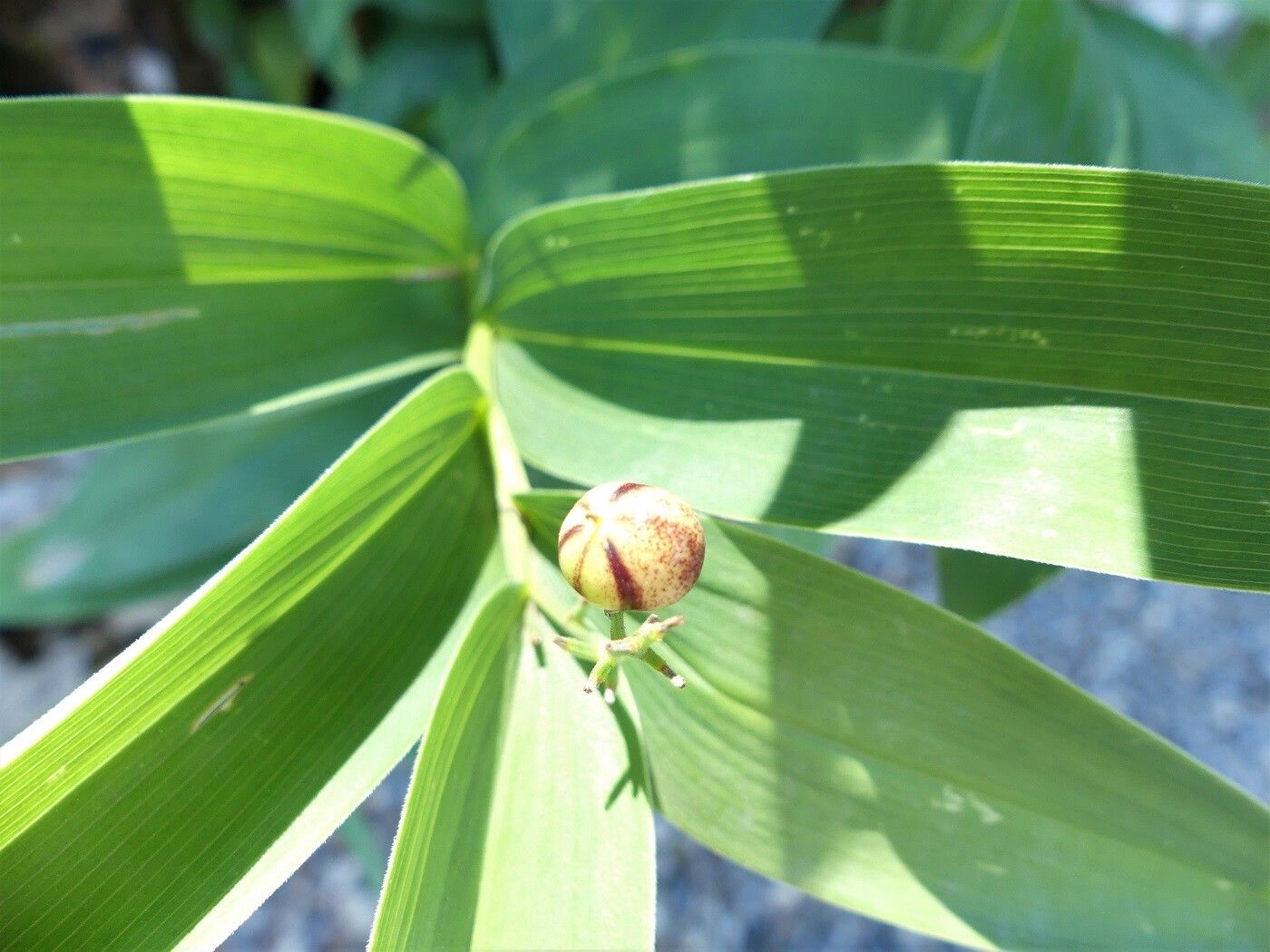
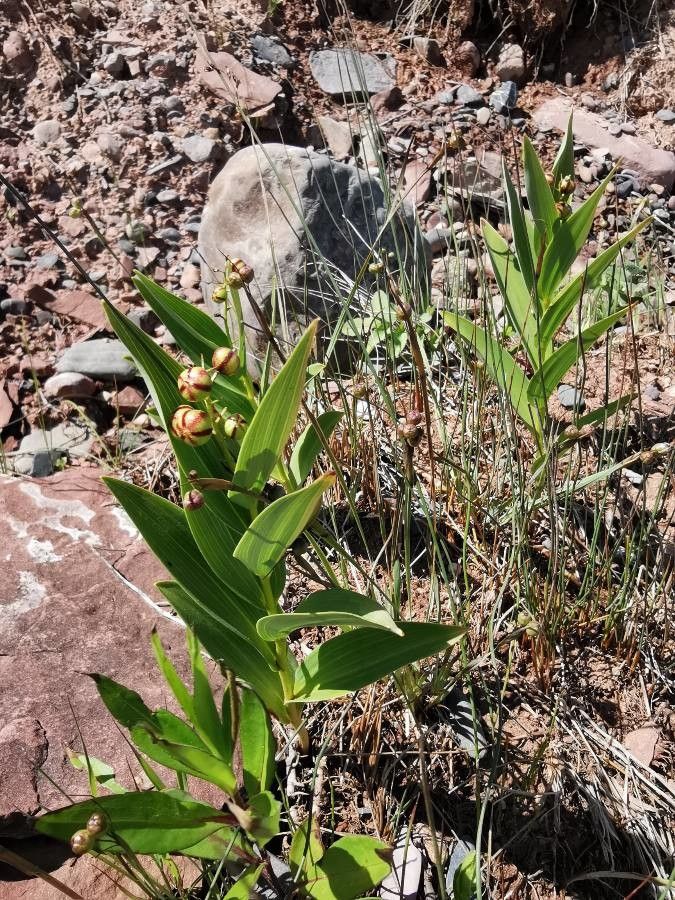
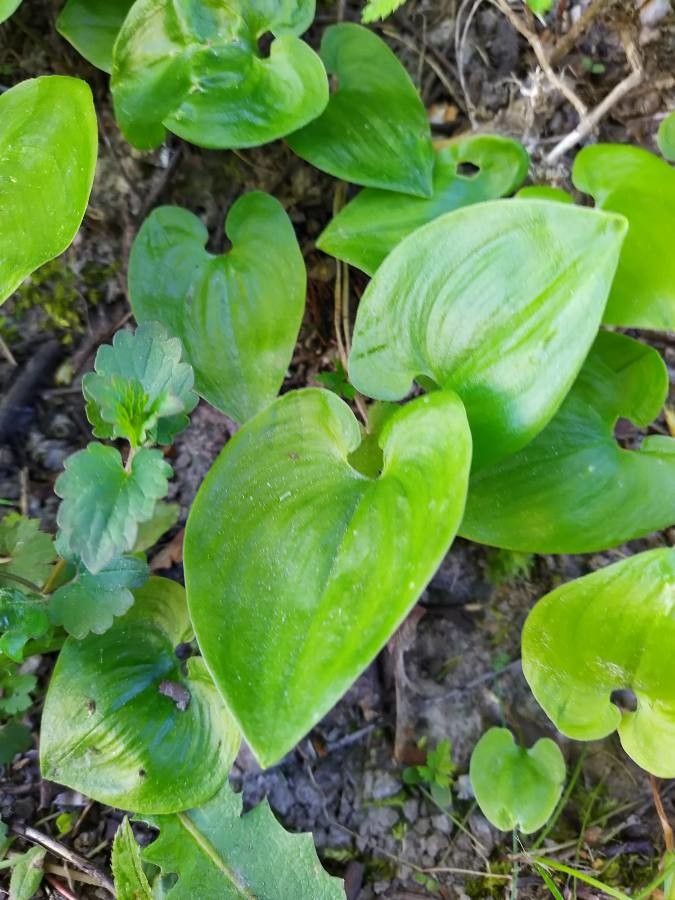
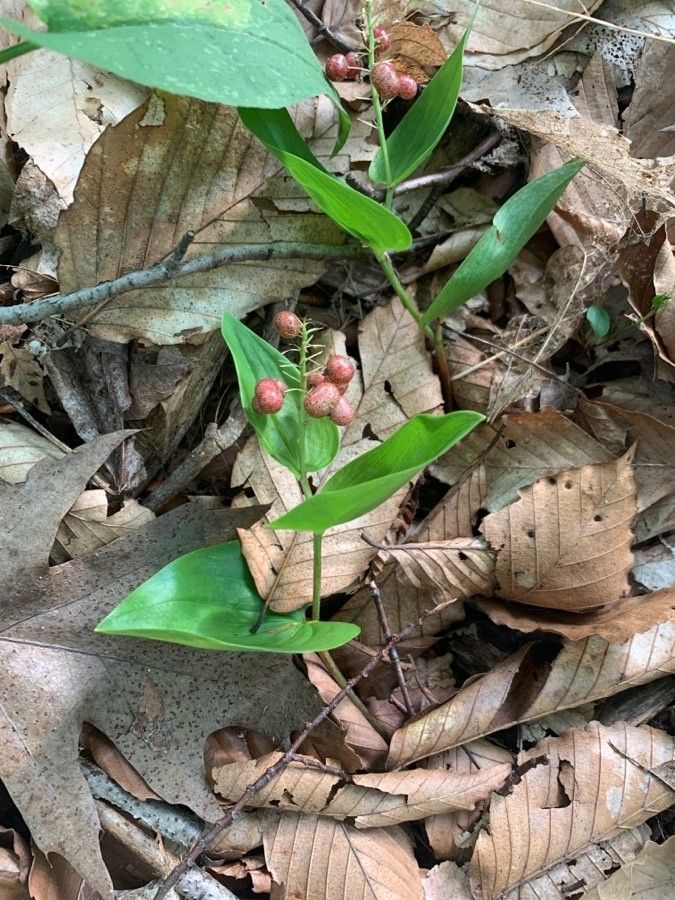
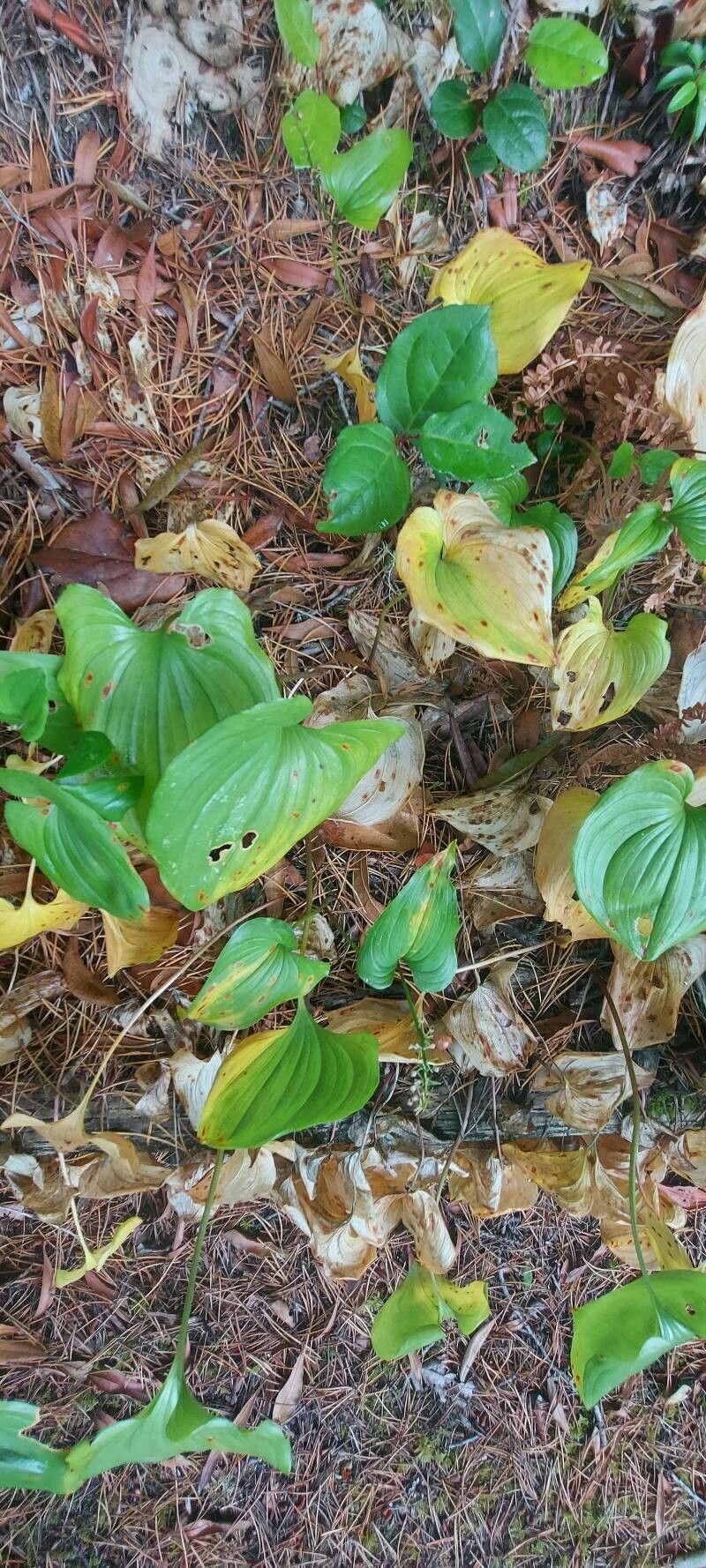
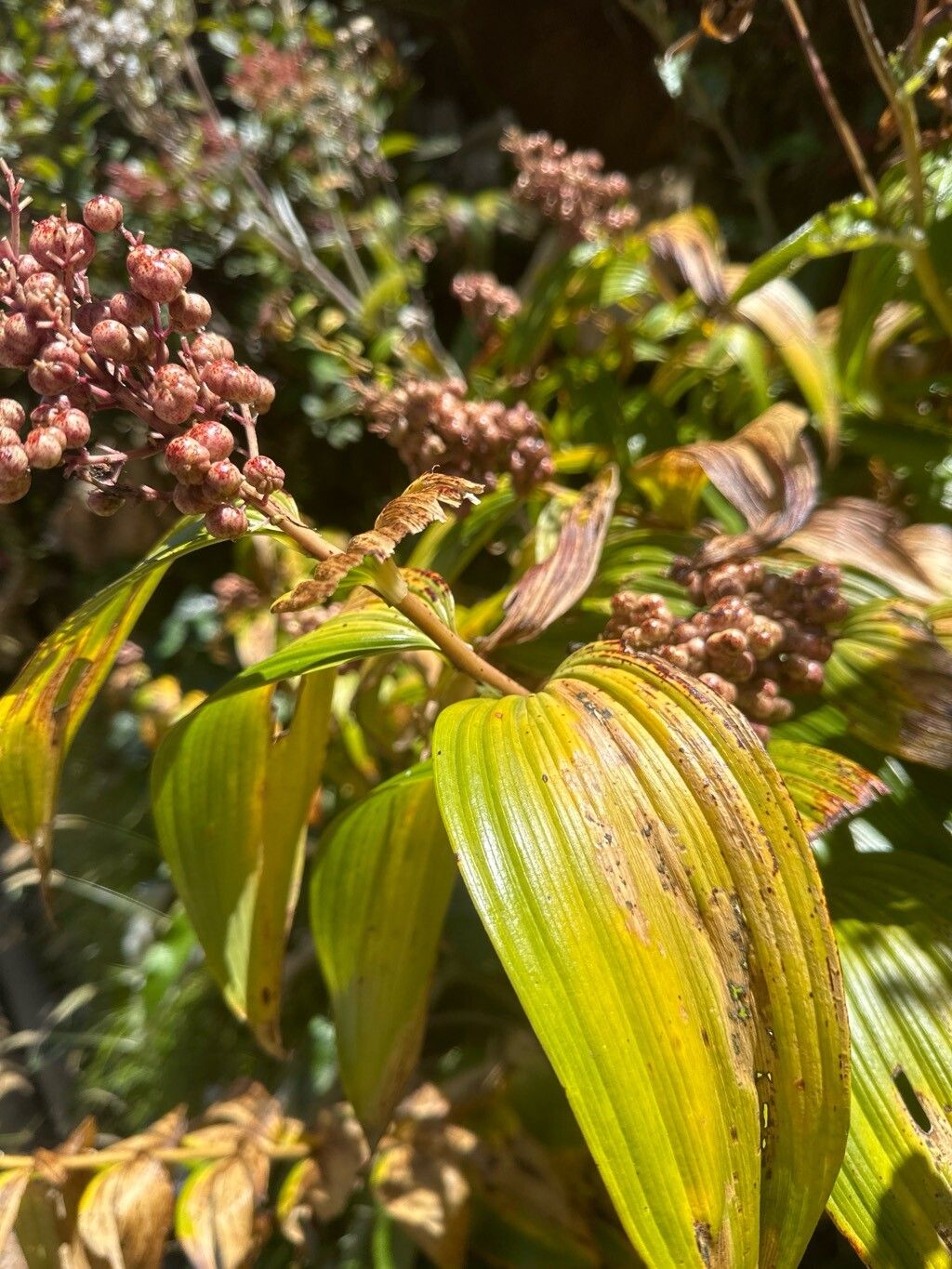
Maianthemum stellatum, commonly known as starry false lily of the valley, is a perennial herbaceous plant belonging to the Asparagaceae family. Native to North America, it thrives in a variety of habitats, including forests, meadows, and rocky slopes.
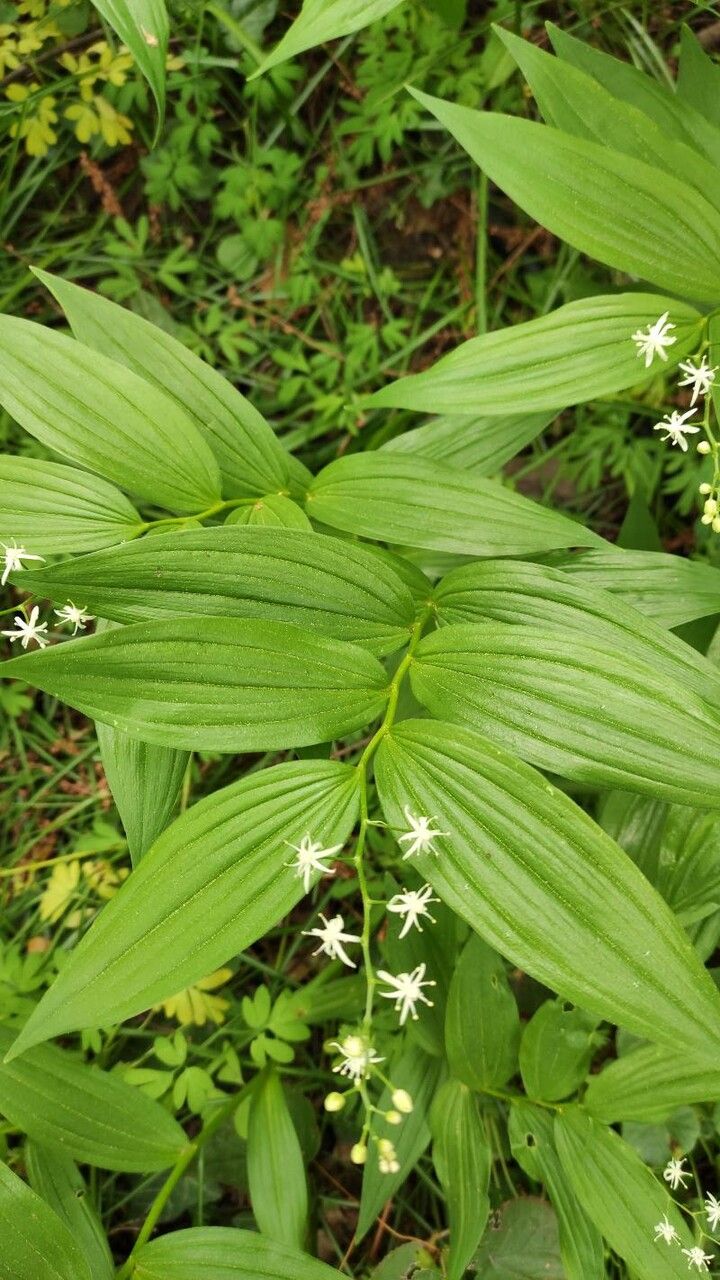
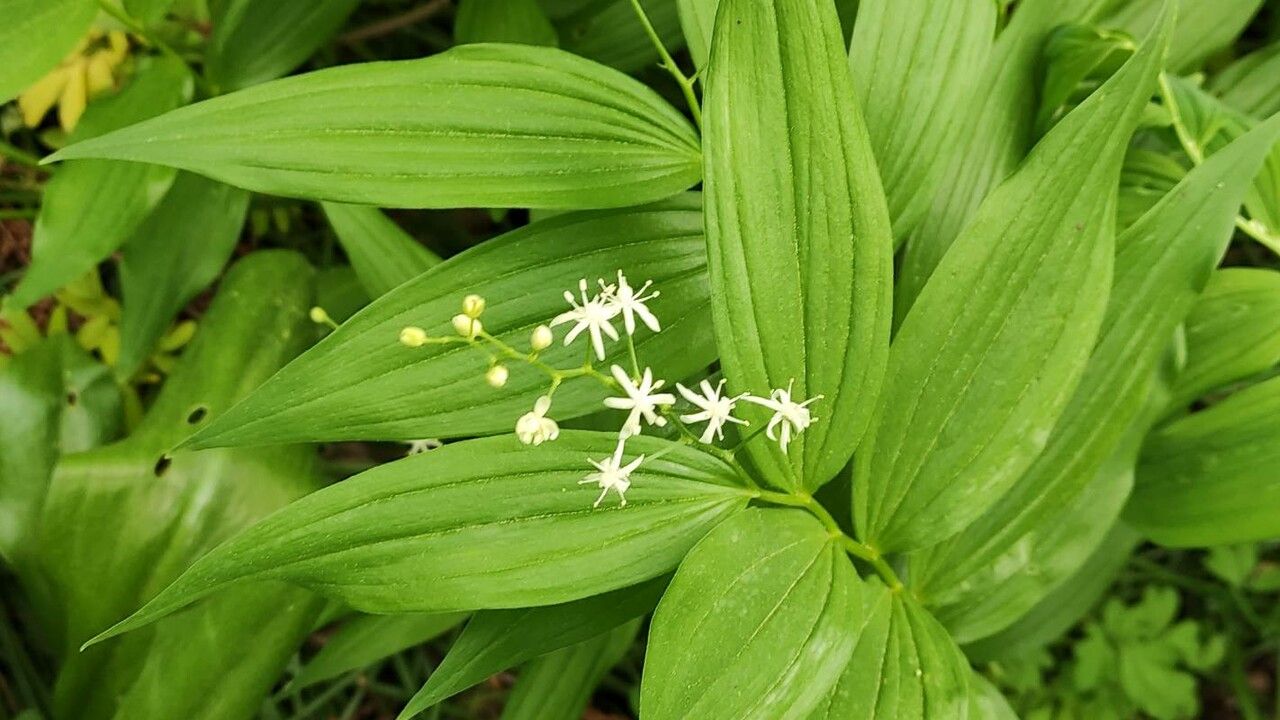
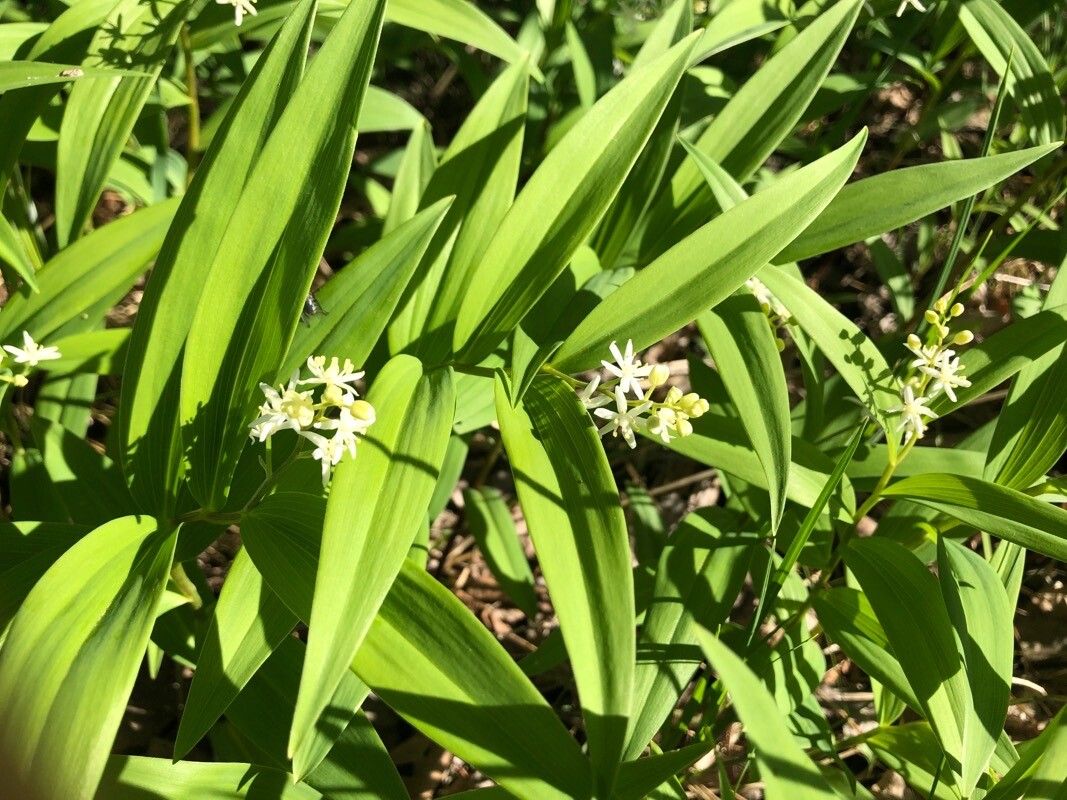
This plant grows up to 30 cm tall and features a rhizomatous root system. In late spring or early summer, it produces small, star-shaped white flowers with four petals. These are followed by red berries that ripen in late summer or early fall.
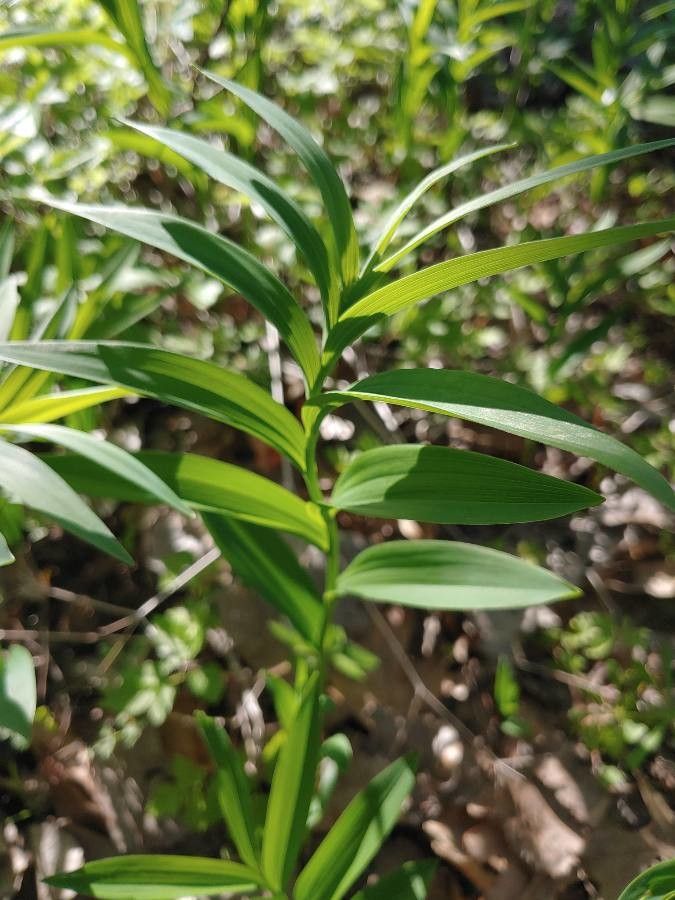
The leaves of Maianthemum stellatum are arranged alternately and have a lanceolate shape, complete with pointed tips. They can grow up to 10 cm long and have prominent veins running parallel along their length.
Indigenous people have historically used Maianthemum stellatum for medicinal purposes, such as treating headaches, stomachaches, and respiratory issues. Additionally, the plant holds cultural significance for some tribes, who incorporate it into ceremonies or use it as an offering.
In landscaping, Maianthemum stellatum is often used as ground cover due to its spreading habit via rhizomes. It prefers moist soil conditions but can tolerate some drought once established.
Overall, Maianthemum stellatum is an attractive native plant with cultural importance, ecological benefits—providing food for wildlife—and medicinal properties for humans.
Starry false lily of the valley has good disease resistance and is generally not prone to illnesses. However, it can be affected by pests and diseases present in its surroundings. These infections are usually not severe. In terms of care, this plant requires moderate maintenance. It needs regular pruning to maintain a neat appearance and healthy growth. Fertilizing can also help encourage flowering. Starry false lily of the valley is suitable for anyone with an outdoor space, such as a garden or patio, and does not require extensive care experience. It may need more attention when grown indoors.
How to keep Maianthemum Stellatum.
Light
Starry false lily of the valley does well in areas protected from intense sunlight and can tolerate spots with variable light. Originating in dense forests, it is used to shaded conditions. Too little or too much light can hinder its health and growth.
Water
The Starry False Lily of the Valley flourishes in moist, well-drained soil and requires consistent moisture to thrive. It is best to water the plant every 1 to 2 weeks, allowing the soil to partially dry out between waterings. Although typically grown indoors, this plant benefits from higher humidity levels, which help maintain its lush foliage and increase its resilience throughout the growing season.
Temperature
In its native growth environment, starry false lily of the valley requires a temperature range of -40 to 70℉ (-40 to 21℃). Nevertheless, the plant prefers temperatures between 32 and 90℉ (0 to 32℃). To accommodate seasonal changes, it requires warmer conditions of 50 to 90℉ (10 to 32℃) in spring and summer, and cooler conditions of 32 to 70℉ (0 to 21℃) in fall and winter.
Fertilizer
One fertilizer application in spring is typically enough for Starry false lily of the valley, although periodic feedings can boost growth. Apply fertilizer roughly every month to every month and a half. Fertilizing improves leaf appearance and performance, helping maintain uniform color and a healthy texture. It also promotes root development and enhances nutrient uptake for the plant's long-term health.
Pruning
The Starry False Lily of the Valley, noted for its star-shaped flowers, requires minimal pruning, ideally in early spring. During this time, remove any dead stems to promote healthy growth. Avoid cutting healthy stems, as this helps encourage flowering. Additionally, make sure to sterilize your tools before use to prevent infections. By doing so, you can ensure that the Starry False Lily of the Valley thrives and maintains its ornamental appeal.
Pot & Repot
When repotting Starry false lily of the valley, select a pot 1-2 inches (2.5–5.1 cm) larger that has good drainage. Use a well-draining potting mix. Repot in spring or fall, making sure the root ball sits slightly below the rim of the flower pot. Water thoroughly after repotting and place the pot in a warm location with indirect sunlight.
Botanical profile.
- Plant Type
- Herb
- Life Cycle
- Perennial
- Genus
- Maianthemum
- Family
- Asparagaceae
- Hardiness Zone
- 3-8
- Mature Height
- 30 cm to 61 cm
- Mature Spread
- 49 cm
- Leaf Color
- Green
- Leaf Type
- Deciduous
- Flower Color
- White
- Flower Size
- 1.02 cm
- Bloom Time
- Late spring, Early summer
- Planting Time
- Autumn
- Harvest Time
- Mid summer
- Native Area
- Mexico
Other names.
Reader questions.
How should I water my Starry false lily of the valley plant?
To properly water the Starry false lily of the valley, it is best to use filtered water at room temperature or slightly warmer. Tap water may contain harmful particles, so filtering it is ideal. The plant is accustomed to warm environments, so cold water can be a shock to its system. It is also important to avoid overhead watering, as it may cause issues with the foliage. Instead, you should focus on thoroughly watering the soil with your filtered room temperature water. This helps moisturize the roots and aids in their spread through the soil to gather necessary nutrients.
Why should I add plant food to my Starry false lily of the valley?
The main structure of the Starry false lily of the valley is made up of its leaves. Fertilization plays a vital role in ensuring that the leaves look great and function well. By properly fertilizing, you can help maintain consistent leaf color and a healthy texture. Fertilization also benefits the plant below the soil's surface by promoting root growth and maintaining existing roots. This ensures that the plant not only stays healthy in the present, but also has improved ability to absorb nutrients from the soil in the future.
What are the sunlight requirements for Starry false lily of the valley?
Starry false lily of the valley requires careful consideration when it comes to sunlight exposure. Plants will thrive under conditions that mimic their natural, forested habitats. They need less than 3 hours of sunlight a day (full shade) or about 3-6 hours of sunlight (partial sun). Observing how sunlight moves through your garden helps in choosing the perfect balance of light and shade, ensuring the plants' happiness.
What is the native growth environment and temperature preference of Starry false lily of the valley?
The native growth environment of the Starry false lily of the valley encompasses a wide temperature range of -40 to 70°F (-40 to 21°C). Despite this broad adaptability, the plant prefers a temperature bracket of 32 to 90°F (0 to 32°C) for optimal growth. To adapt to the varying demands of different seasons, it requires warmer conditions (50 to 90°F or 10 to 32°C) during the spring and summer months and cooler temperatures ranging from 32 to 70°F (0 to 21°C) throughout the fall and winter. Thanks to its strong cold resistance, special frost protection measures are usually unnecessary. However, in instances where winter temperatures are expected to plummet below -35°C, providing cold protection by covering the plant with soil or straw is advisable. Additionally, to combat potential drought and water scarcity issues during winter and early spring, it's recommended to water the plant abundantly before the first freeze in autumn, thus keeping the soil moist.
What should I do if I give too much or too little water to my Starry false lily of the valley?
Overwatering is a more common issue for the Starry false lily of the valley, causing wilting, yellowing, and potential diseases like root rot, mold, and mildew. Underwatering is less common but can still occur, resulting in brittle, brown leaves. It's important to notice signs of overwatering early, as some diseases may be irreversible. If overwatering is detected, reduce watering immediately and assess the soil's drainage. Replace poorly draining soil with a well-draining potting mix. If underwatering is suspected, simply water more regularly until the signs improve.
When should I fertilize my Starry false lily of the valley plant?
When you grow your Starry false lily of the valley outside, it will start to produce new growth in early spring. This is when you should begin fertilizing it for the year. Usually, one application of fertilizer in the spring is sufficient for the plant to do well. However, if you want to maximize its growth, you can fertilize it multiple times during the spring and early summer. In this case, you can feed it about once every month to a month and a half.
How essential is light for the growth of Starry false lily of the valley?
Light plays a pivotal role in the growth and health of Starry false lily of the valley. Originating from deeply forested areas, this plant is used to locations with fluctuated sun exposure and fares well in spaces shielded from the full intensity of the sun. Insufficient or overly generous light can potentially inhibit the plant's health and growth. For indoor plants where natural sunlight is insufficient, artificial lighting is crucial. LED lights are recommended due to their ability to be customized to provide specific wavelengths needed by the plants. The intensity and duration of artificial light should mimic natural sunlight conditions as closely as possible to promote healthy growth.
How does the Starry false lily of the valley react to low temperatures and what are the solutions?
The Starry false lily of the valley is notably cold-tolerant and exhibits optimal growth when temperatures remain above 0°C. Through winter, it is essential to maintain temperatures above -30°C. Although the plant can survive temperatures dropping below -35°C without noticeable changes during the winter, such extreme cold could lead to a decrease in sprouting or a complete failure to sprout come spring. The solution for any parts of the plant that fail to sprout in spring due to severe cold exposure is simply to remove those parts.
How frequently should I give water to my Starry false lily of the valley?
If your Starry false lily of the valley is in a pot, the most precise way to determine if it needs water is to stick your finger in the soil. If the top two to three inches of soil is dry, it's time to water it. If your plant is in the ground outdoors, you can use a similar method to test the soil. When the top few inches of soil dry out, it's time to water. Typically, you'll need to water this plant about once a week during spring and early fall. In extremely hot weather, you may need to water it twice or more per week. However, mature and well-established Starry false lily of the valley plants can tolerate drought well.
When is the best time to not fertilize my Starry false lily of the valley?
During the late fall and winter, your Starry false lily of the valley will go into a dormant phase and stop growing. During this time, avoid fertilizing it. In the spring and summer, if you decide to fertilize, gradually reduce the amount as summer approaches because the growth rate of your Starry false lily of the valley will also slow down. It is generally not recommended to fertilize it when the weather is abnormally hot or when the soil is very dry, as this can stress and harm the plant.
What symptoms indicate insufficient light for Starry false lily of the valley when grown indoors?
When Starry false lily of the valley is grown indoors and experiences insufficient light, several subtle symptoms may emerge. These symptoms include: smaller than usual new leaves, leggy or sparse growth, early dropping of older leaves as a conservation measure, halting of new growth or severely slowed growth rates, paler new leaves indicating a scarcity of chlorophyll and essential nutrients, and conditions such as chlorosis (yellowing leaves), sunscald, leaf curling, wilting, and leaf scorching due to inappropriate sunlight exposure. These signs help identify when the plant needs a change in its lighting conditions.
How does the Starry false lily of the valley react to high temperatures and what are the solutions?
Throughout the summer months, it's crucial to ensure that the Starry false lily of the valley experiences temperatures not exceeding 32°C. Exposure to temperatures above 35°C could result in the plant's leaves becoming lighter in color, prone to curling, and susceptible to sunburn. In severe cases, the plant may wilt and become dry. To mitigate these issues, the recommended course of action includes trimming away sunburned and dried-up parts, relocating the plant to a shaded area or employing a shade cloth to protect it from the midday and afternoon sun, and ensuring that the soil remains moist by watering the plant in the morning and evening.