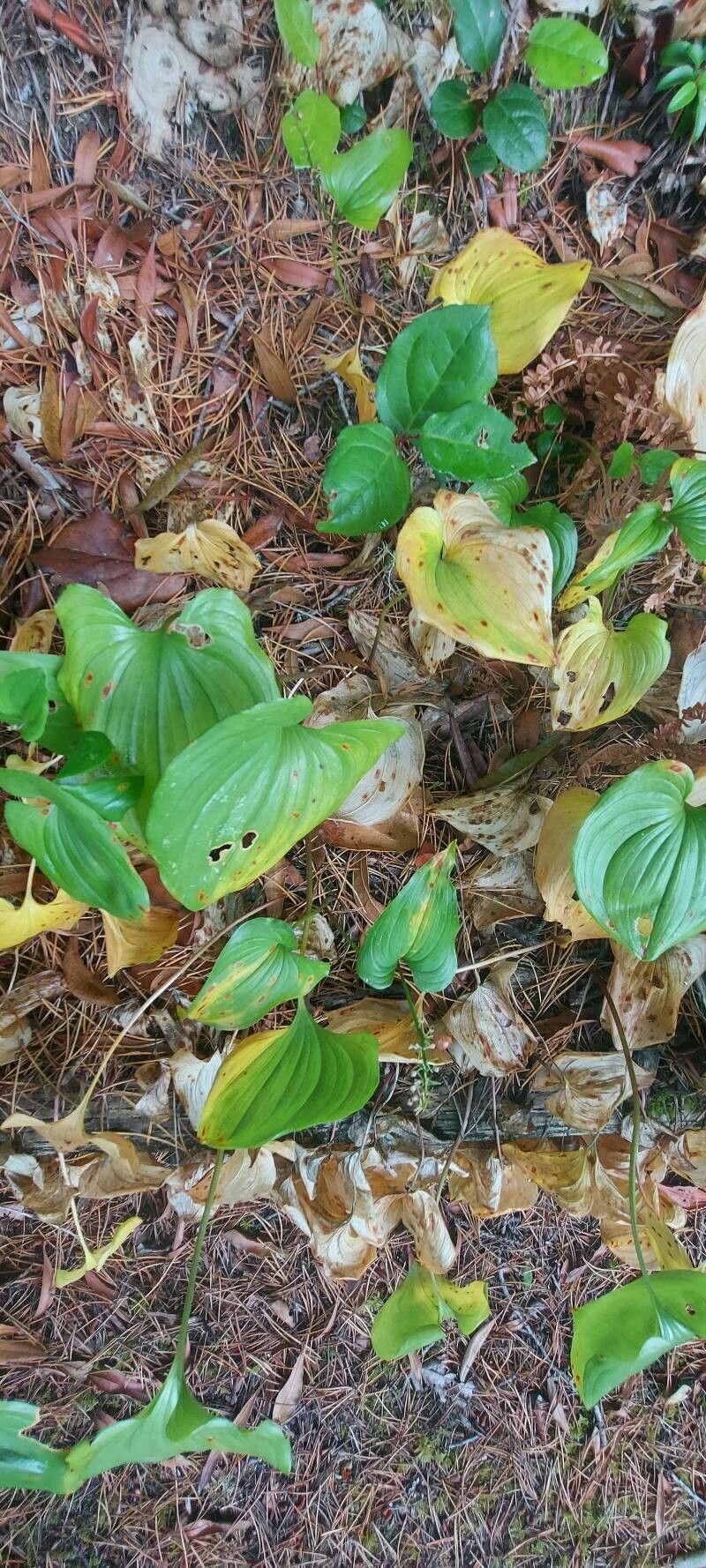
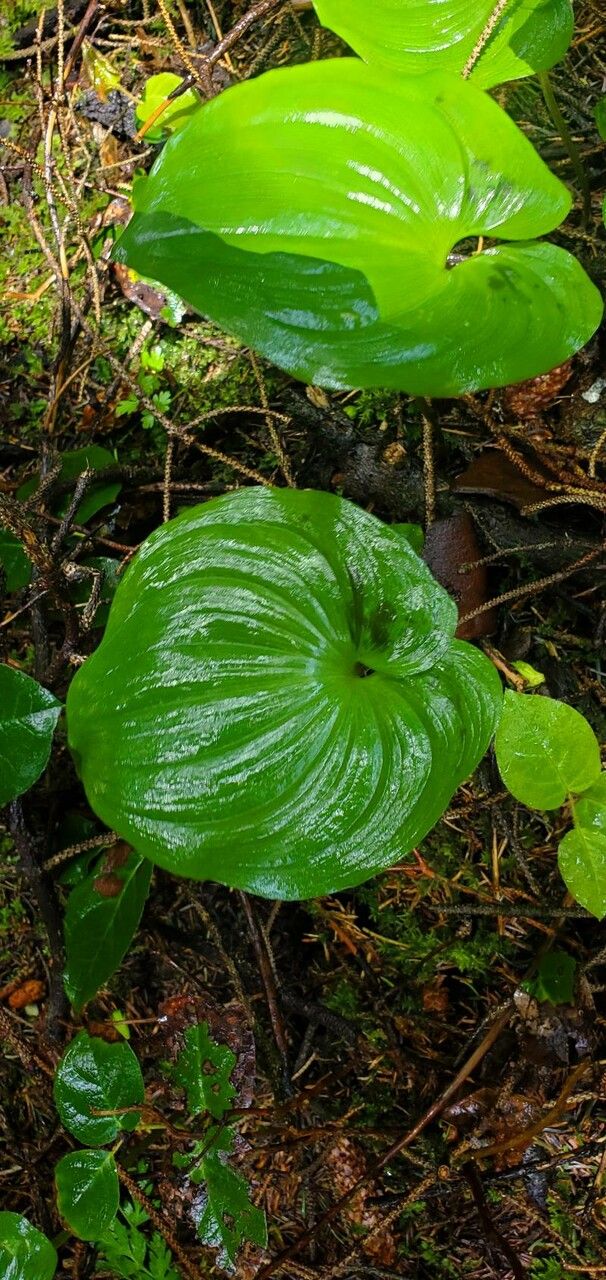
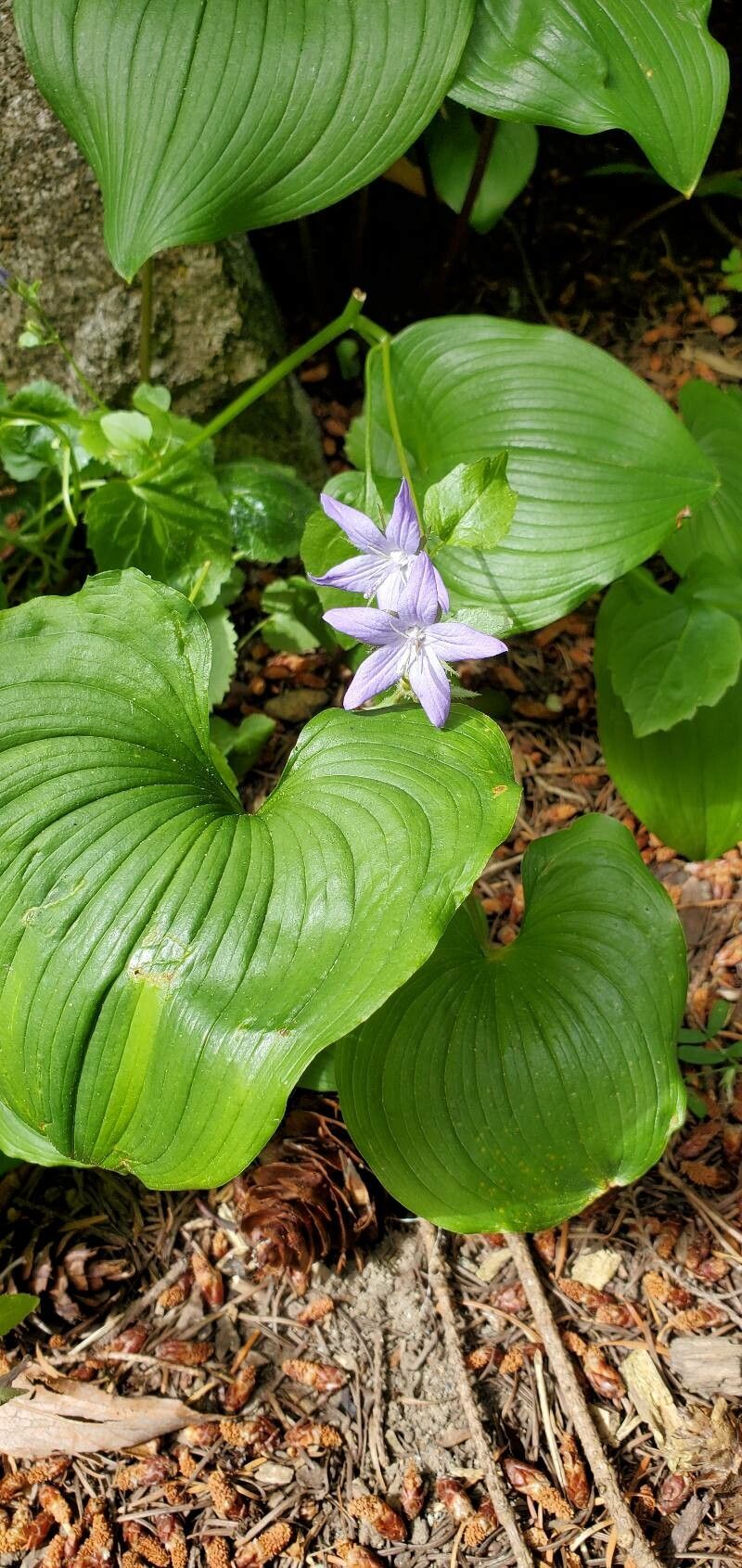
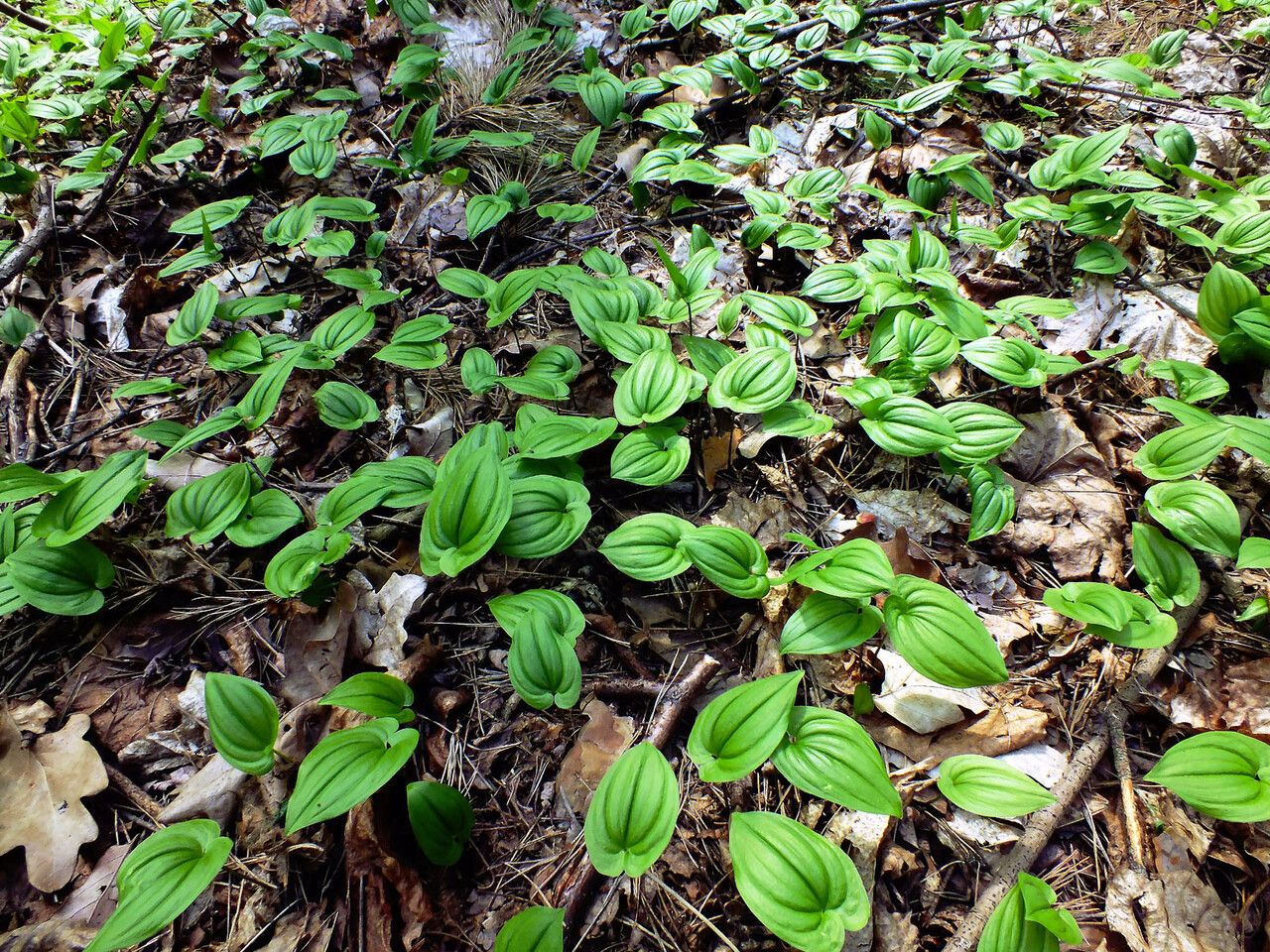
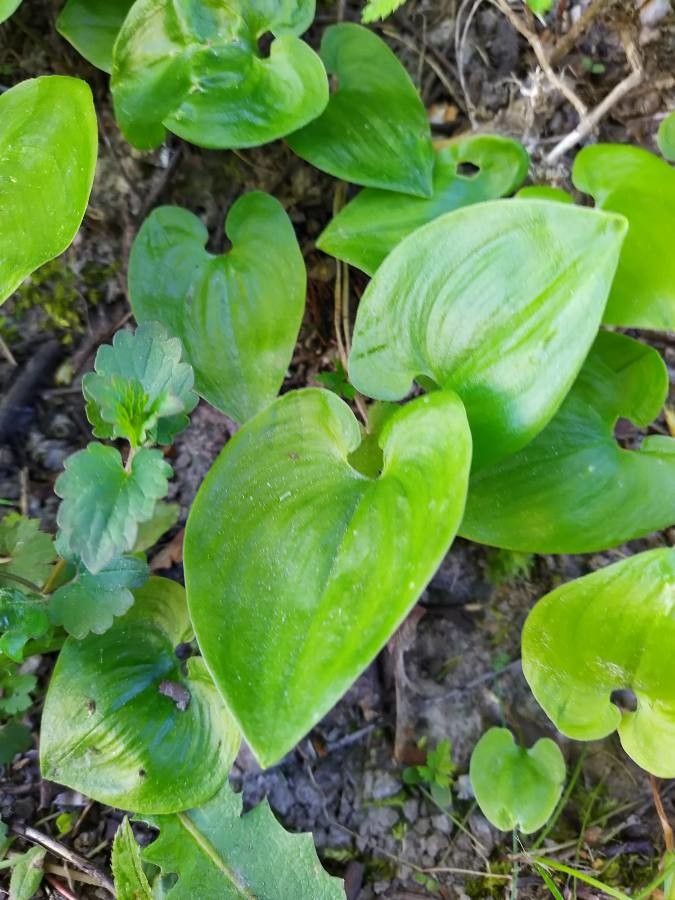
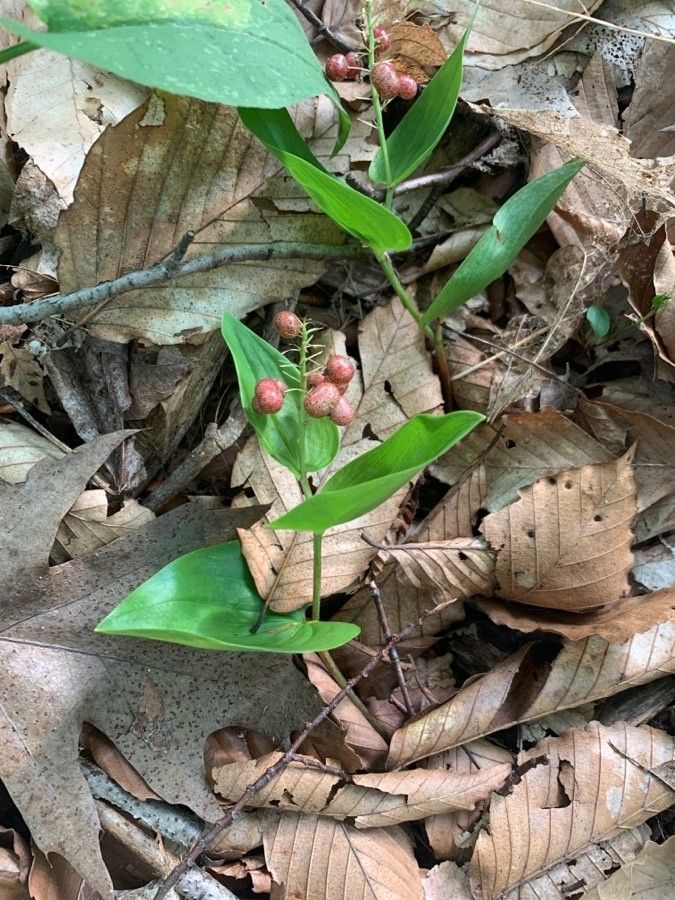
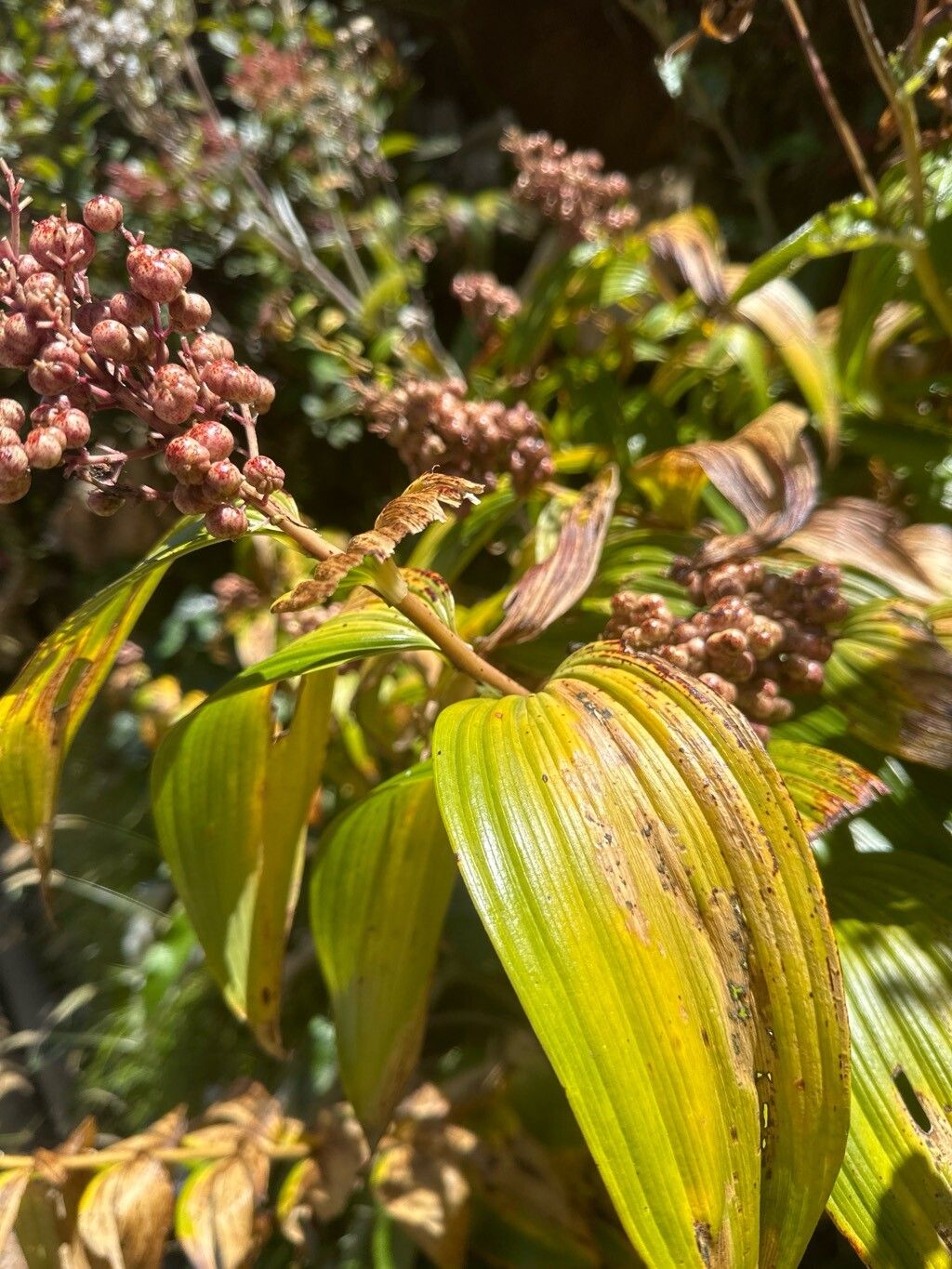
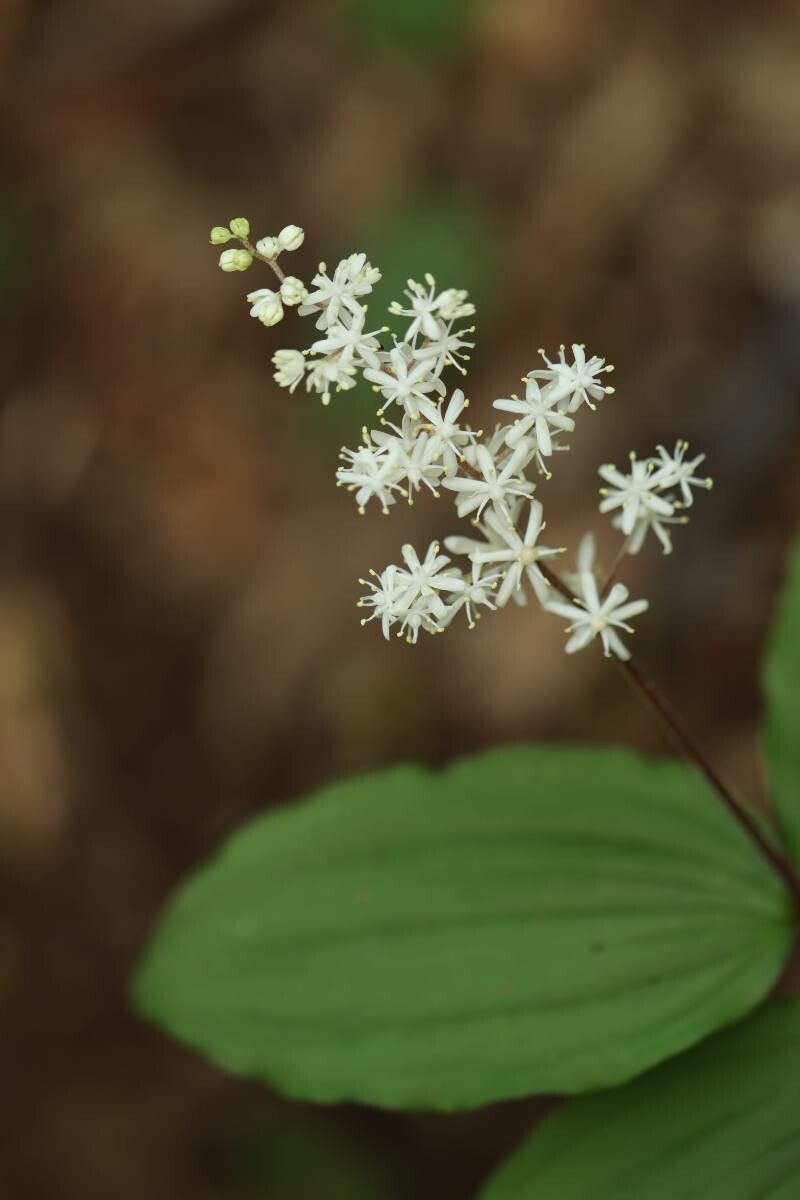
Maianthemum dilatatum (snakeberry, two-leaved Solomon's seal or false lily of the valley) is a common rhizomatous perennial flowering plant that is native to western North America from northern California to the Aleutian islands, and Asia across the Kamchatka Peninsula, Japan, and Korea. It grows in coastal temperate rainforests, and is often the dominant groundcover plant in Sitka Spruce forests.
Snakeberry has good resistance to disease and is generally not liable to illnesses. Still, it can be affected by pests and diseases present in its surroundings. These infections are generally not serious. As for care, this plant requires moderate maintenance. It should be pruned regularly to maintain a neat appearance and healthy growth. Fertilizing can also help encourage flowering. Snakeberry is appropriate for anyone with outdoor space, such as a garden or patio, and does not demand extensive care experience. It may need more attention when grown indoors.
How to keep Maianthemum Dilatatum.
Light
Snakeberry naturally favors locations with moderate sunlight, which supports its balanced growth and well-being. It can also thrive in fully shaded spots. Too much light can stress the plant, while too little may cause stunted growth and weak health. In its native habitats, sunlight is often diffused.
Water
Snakeberry thrives in moist undergrowth, preferring soil that remains consistently damp, which mirrors its natural high-humidity environment. To keep its foliage lush, it needs to be watered weekly. As an herbaceous perennial, snakeberry's growth cycles are closely tied to water availability, and it flourishes during periods of significant rainfall.
Temperature
Snakeberry originates from temperate zones and grows best in ambient temperatures of 32 to 95°F (0 to 35℃). These plants favor cooler conditions, but can adapt to warmer temperatures when required. Seasonal acclimation to temperature changes may be necessary to ensure optimal growth.
Fertilizer
For Snakeberry, the primary time to fertilize is in early spring when the flowers are forming. The appropriate fertilizer promotes better blooms and helps Snakeberry produce attractive flowers. Fertilizing at that time ensures excellent flowers during the season and supplies energy for dormant growth phases.
Pruning
To promote the healthy growth of snakeberry, prune the plants from early to late spring. Remove any dead stems and thin out crowded areas to improve air circulation. This practice not only enhances the aesthetic appeal of the snakeberry but also encourages vigorous growth and improves the plant's overall vitality and resilience.
Pot & Repot
To promote healthy growth and prevent root rot, ensure that snakeberry plants have excellent drainage in their pots. Stagnant water can be harmful to their roots.
Botanical profile.
- Plant Type
- Herb
- Life Cycle
- Perennial
- Genus
- Maianthemum
- Family
- Asparagaceae
- Hardiness Zone
- 3-9
- Mature Height
- 15 cm to 40 cm
- Mature Spread
- 8 cm to 15 cm
- Leaf Color
- Green, Blue
- Leaf Type
- Semi-evergreen
- Flower Color
- White
- Flower Size
- 2.54 cm
- Bloom Time
- Late spring, Early summer
- Planting Time
- Summer
- Harvest Time
- Mid summer
- Native Area
- Russia, Japan, Mongolia, Koppen, South Korea
Other names.
Reader questions.
What are the sunlight requirements for Snakeberry?
Snakeberry plants thrive in conditions with partial sun to full shade. They need about 3-6 hours of sunlight when in partial sun exposure and less than 3 hours of sunlight when placed in full shade. Observing how sunlight moves through your garden allows you to choose optimal spots for your plants, balancing light and shade to ensure their well-being.
What is the native environment of Snakeberry, and how does it acclimatize to seasonal temperatures?
Snakeberry, botanically known as Maianthemum dilatatum, is native to temperate regions. It thrives in environments where temperatures range from 32 to 95°F (0 to 35°C), preferring cooler climates but capable of adjusting to warmer temperatures if necessary. To ensure optimal growth, seasonal temperature acclimatization may be needed. Despite its strong cold resistance and the usual lack of need for special frost protection measures, when winter temperatures are expected to drop below -35°C, providing cold protection by covering the plant with soil or straw is important. Additionally, watering the plant abundantly before the first freeze in autumn to keep the soil moist can help prevent drought and water scarcity during winter and early spring.
How does Snakeberry react to different lighting conditions?
Snakeberry naturally prefers moderate sun but can also grow in fully shaded areas. Its balanced growth and health are significantly influenced by the amount and quality of sunlight it receives. While excessive light can stress the plant, insufficient light may result in stunted growth and poorer health. In its native habitats, Snakeberry benefits from diffused sunlight. For indoor Snakeberry plants lacking natural light, especially during winter or in less sunny spaces, artificial lighting such as LED lights can be used to provide the necessary wavelengths of light, aiding in healthier, faster growth. The amount of artificial light required varies depending on the plant's natural sunlight needs, with specific wattage per square foot recommended for full sun, partial sun, and full shade conditions.
How does Snakeberry respond to low and high temperature extremes, and what are the recommended solutions for managing these conditions?
Snakeberry is notably cold-tolerant, performing best in temperatures above 0°C and requiring special care when winter temperatures fall below -30°C. Exposure to temperatures below -35°C might not cause noticeable damage during winter but can lead to decreased sprouting or even lack of sprouting in the spring. The recommended solution for cold damage is to remove any parts that have failed to sprout in the spring. On the other end of the spectrum, during summer, temperatures above 35°C can cause Snakeberry's leaves to lighten in color, curl, become prone to sunburn, and in severe cases, lead to plant wilting and dryness. To ameliorate heat stress, trim away sunburned and dried-up parts, relocate the plant to a shaded area or employ a shade cloth for protection from the midday and afternoon sun, and water the plant in the morning and evening to keep the soil moist.
What are the symptoms of light deficiency in Snakeberry?
When Snakeberry plants receive insufficient light, they may exhibit various symptoms indicating light deficiency. These include the growth of smaller new leaves, leggy or sparse growth, premature leaf drop, slower or halted growth, lighter-colored new leaves, and chlorosis, where leaves lose their green color and turn yellow. Excessive sunlight exposure can also cause symptoms such as sunscald, leaf curling, wilting, and leaf scorching, which are detrimental to the plant's health.
How can you address lighting issues for Snakeberry?
To optimize Snakeberry plant growth with lighting adjustments, indoors, it's beneficial to relocate plants towards sunnier areas progressively, ensuring they receive 3-6 hours of direct sunlight daily. This gradual adaptation helps avoid stress from sudden light changes. Adding artificial lighting, like keeping a lamp on for at least 8 hours a day or investing in professional grow lights, can supplement light for larger plants or those not easily movable. Outdoors, plants should similarly be moved gradually to sunnier spots. Additionally, reducing obstructions like tree branches can help increase sunlight access. For smaller plants, transplanting during their dormant period to a location with better sunlight and drainage is advisable. It's essential to note that while parts of the plant affected by insufficient light may not recover, new growth should be healthier following these adjustments.