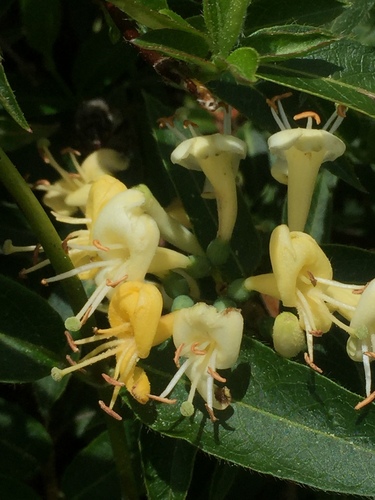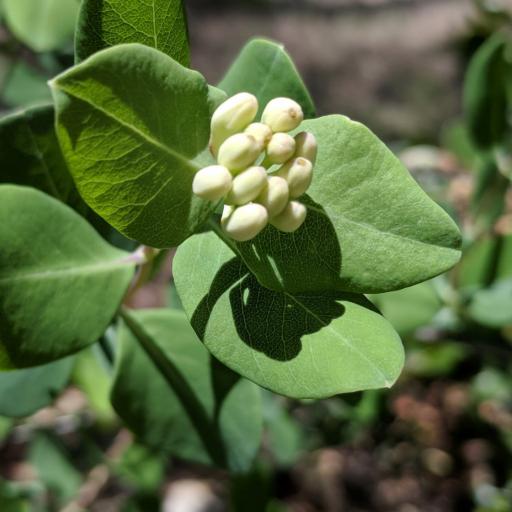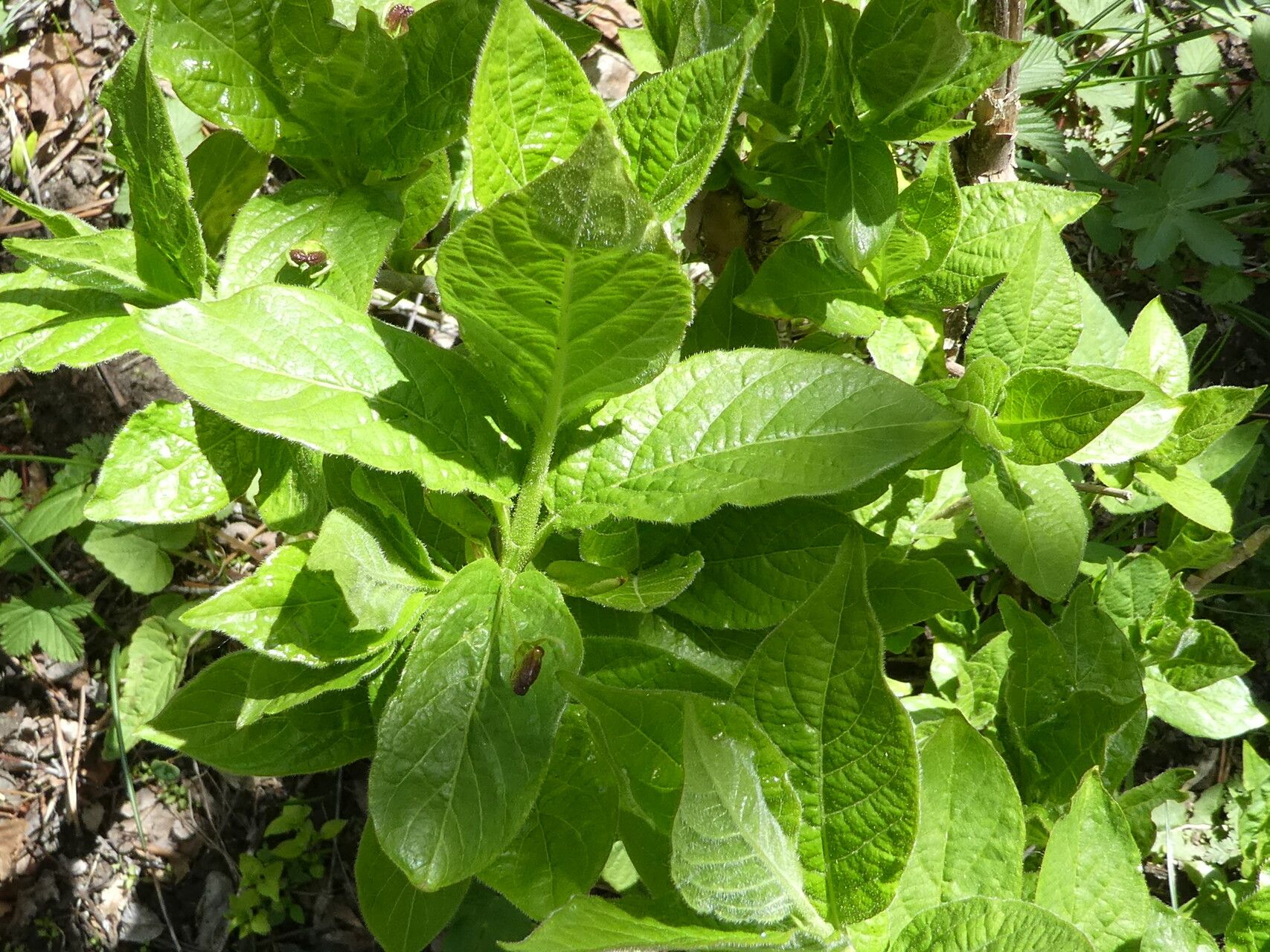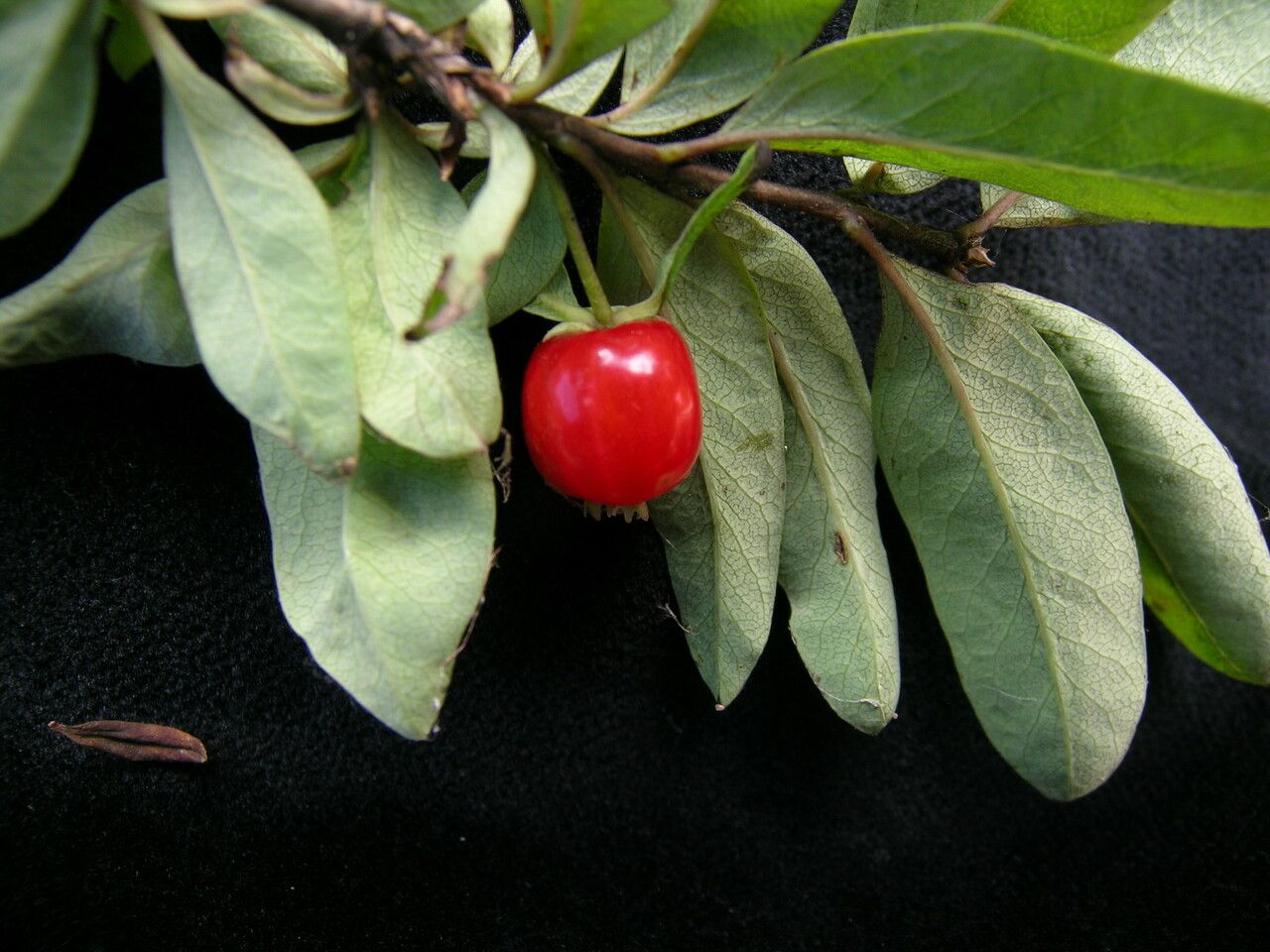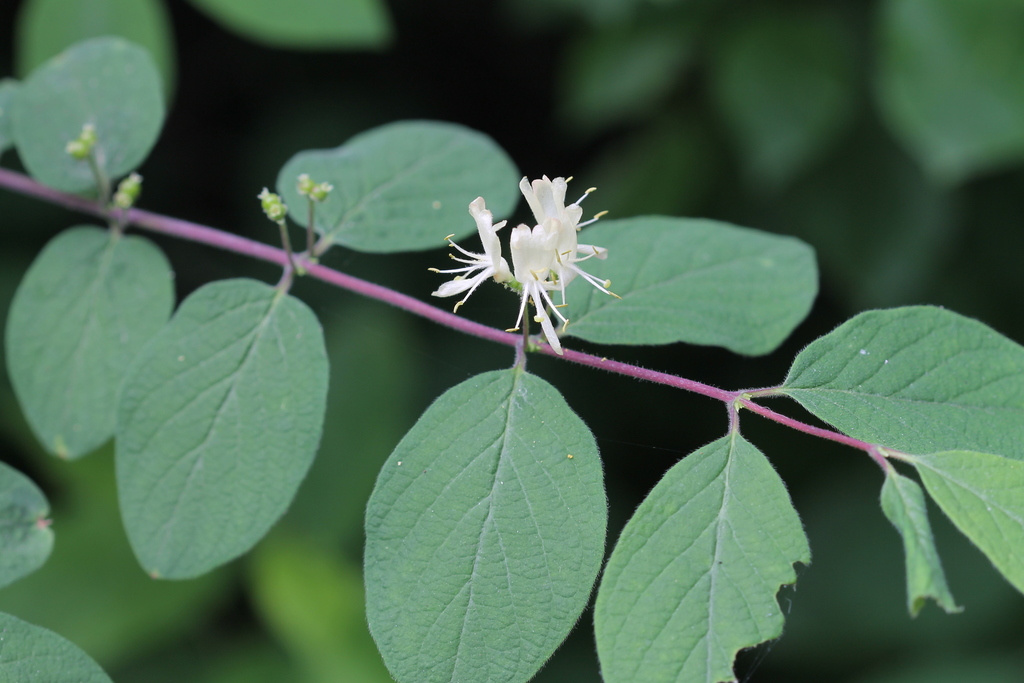
Lonicera xylosteum, commonly known as fly honeysuckle, European fly honeysuckle, dwarf honeysuckle or fly woodbine is a deciduous shrub.The glossy red (or occasionally yellow) berries of this shrub are mildly poisonous to humans – children who ingest a large number (c. 30) of berries may experience abdominal pain and vomiting.
Dwarf honeysuckle is one of two honeysuckle species native to Britain, the other being the common honeysuckle (Lonicera periclymenum). Unlike the common variety, dwarf honeysuckle is significantly smaller, which is why it is aptly named.
Dwarf honeysuckle has strong resistance to disease and is usually not susceptible to illnesses. Regarding care, this plant is fairly low-maintenance. Planted outdoors it needs little watering, and larger specimens typically do not require pruning. Smaller plants, however, should be trimmed after they finish blooming. Dwarf honeysuckle is suitable for anyone with an outdoor area, such as a garden or deck, and does not demand much gardening experience.
How to keep Lonicera Xylosteum.
Light
Dwarf honeysuckle favors moderate sunlight but tolerates a wide range of light conditions, from full sun to full shade. It adjusts flexibly to sun exposure as it grows. Its native habitat features similarly variable light conditions. Both too little and too much light can be managed, though growth may slow when conditions are less than ideal.
Water
Dwarf honeysuckle does well in moderate climates where there is consistent moisture. To keep it healthy, water the plant every 1 to 2 weeks, ensuring that the soil remains evenly moist but not dry. Applying mulch can help retain soil moisture and protect the plant from temperature extremes. This is particularly important for an outdoor plant exposed to changing weather conditions.
Temperature
Being native to the environment where dwarf honeysuckle grows, this plant is adapted to temperature ranges of 41 to 77 ℉ (5 to 25 ℃). It prefers cool to moderate temperatures and can tolerate minor fluctuations. During hotter periods, provide adequate watering and shade to keep the soil moist.
Fertilizer
Fertilize your Dwarf honeysuckle in early spring to encourage healthy growth. Regular feeding improves overall health, producing vigorous growth, increased tolerance of difficult conditions, and enhanced resistance to pests and diseases. Keep a consistent fertilization schedule for your Dwarf honeysuckle to achieve vibrant, deeply colored foliage and a lush appearance.
Pruning
Dwarf honeysuckle is a dense, deciduous shrub known for its small leaves and fragrant flowers. To promote better air circulation and overall plant health, prune it in early spring by removing older stems and damaged branches. Avoid heavy pruning in the summer to minimize stress on the plant. For more detailed guidance, consult reliable sources.
Pot & Repot
When repotting Dwarf honeysuckle, pick a pot 1–2 inches (2.5–5.1 cm) larger with good drainage. Use a well-draining potting mix. Repot in spring or fall, making sure the root ball sits slightly lower than the rim of the pot. Water thoroughly after repotting and place the plant in a warm spot with indirect sunlight.
Botanical profile.
- Plant Type
- Shrub
- Life Cycle
- Perennial
- Genus
- Lonicera
- Family
- Caprifoliaceae
- Hardiness Zone
- 4-6
- Mature Height
- 0.91 m to 2.13 m
- Mature Spread
- 2.44 m to 3.05 m
- Leaf Color
- Green, Gray, Silver
- Leaf Type
- Deciduous
- Flower Color
- White
- Flower Size
- 0.76 cm to 1.52 cm
- Bloom Time
- Late spring, Early summer
- Planting Time
- Spring, Autumn
- Harvest Time
- Mid summer
- Native Area
- Turkey, Sweden, Austria, Czech Republic, Slovakia, Montenegro, Bulgaria, Poland, Greece, Croatia, Slovenia, Belarus, Ukraine, Serbia, Russia, Lithuania, Norway, Hungary, Germany, Italy, Spain, Switzerland, Denmark, Estonia, Finland, Albania, United Kingdom, Romania, Latvia, Belgium, France
Other names.
Reader questions.
How much water does my Dwarf honeysuckle need?
The Dwarf honeysuckle generally needs about a gallon of water on a regular schedule. For potted plants, water deeply until you see water dripping from the bottom of the pot. Then, wait for the soil to dry before watering again. Use a water calculator or moisture meter to determine how much water you've given the plant in a week. During the flowering period, provide plenty of water but allow the moisture to evaporate to prevent root rot. If the Dwarf honeysuckle is planted outdoors and receives adequate rainfall, it may not need additional watering. However, when it's young or newly planted, ensure it gets 1-2 inches of rain per week. As the plant grows, it can rely on rainfall alone. Only in extremely hot weather or when there has been no rain for 2-3 weeks, consider giving the Dwarf honeysuckle a full watering during cooler parts of the day to prevent heat damage. Additional watering will be necessary during prolonged dry spells.
Why should I put fertilizer on my Dwarf honeysuckle?
No matter which type of Dwarf honeysuckle you have, regular fertilization is important for its overall health. Providing the right nutrients helps the plant grow vigorously and become more resistant to tough conditions, diseases, and pests. It's important to maintain the attractive foliage of your Dwarf honeysuckle, so sticking to a specific fertilization schedule for your plant is essential. This will result in leaves that have a rich color and a lush appearance.
What are the sunlight requirements for dwarf honeysuckle?
Dwarf honeysuckle thrives in conditions ranging from full sun to full shade, meaning it can handle more than 6 hours of sunlight or thrive in less direct light conditions. It prefers moderate levels of sunlight, demonstrating flexibility during its growth stages by adapting to various light exposures, which mirrors its native habitat's diverse lighting conditions. However, it's important to note that the plant's growth may slow down if it doesn't receive the ideal amount of light. Therefore, monitoring the garden's light and shade balance is crucial for the plant's wellbeing.
What are the ideal temperature conditions for growing dwarf honeysuckle?
Dwarf honeysuckle, botanically known as Lonicera xylosteum, thrives in cool to moderate temperatures, specifically within the range of 41 to 77 °F (5 to 25 °C). It has adapted well to its native growth environment, making it very tolerant of cold weather. During winter, it does not require additional frost protection. However, to prepare for the first freeze of autumn, it's advised to water the plant copiously to ensure the soil remains moist and enters a frozen state. This practice helps prevent drought and water scarcity for the plant during the colder months and early spring. In hotter periods, providing adequate watering and shade to maintain soil moisture is crucial.
What do I need to be careful of when watering my Dwarf honeysuckle in different seasons, climates, or during different growing periods?
Dwarf honeysuckle primarily relies on rainfall when planted in the ground. However, if there is no rain for 2-3 weeks, it's important to consider giving the plants a deep watering. When watering Dwarf honeysuckle in the summer, it is advisable to do so in the morning to avoid stressing the roots with a large temperature difference between the water and the root system. It's best to avoid watering the bushes when it's too hot outside. Mulching should be done during the spring when the ground is not too cold. The age of the plants is also a factor to consider, as newly planted ones often fail to grow due to lack of water. Once the plants are established, it is recommended to reduce the watering schedule. During the fall and winter, especially if there is a water-retaining material in the soil, watering should be further decreased to prevent drying out from dry winds. The potted plants require more frequent watering as they tend to dry out faster. Signs such as decreased blooming and drying leaves indicate the need for more watering. However, potted plants should not be left sitting in water and should not be placed in containers with saucers, bowls, or trays. Overwatering in the fall can result in mottled or yellowish foliage, so it's important to prevent excess watering regardless of the climate or season. During flowering months, increasing watering frequency may be necessary, but once the plants are fully grown, it's advised to give them a break. Watering should be done adequately every 3 to 5 days, but without sticking to a set schedule. Checking the soil's dryness by inserting a finger or using a moisture meter is a helpful guide. Overwatering or underwatering can lead to root rot and potentially cause the plants to die, so it's crucial to avoid extremes regardless of the climate or season in your area.
When should I fertilize my Dwarf honeysuckle?
To keep your Dwarf honeysuckle healthy, it's best to fertilize it in late winter or early spring. This will provide the necessary nutrients for growth when the weather warms up. If you live in a warm climate, an extra fertilizer feeding in early fall can be beneficial. This adds nutrients for the next growing season and helps the plant survive the winter. The earlier you fertilize, the better chance the branches have to withstand cold temperatures.
How can artificial lighting be used for dwarf honeysuckle?
Artificial lighting is essential for dwarf honeysuckle's growth, especially indoors or in areas with insufficient natural sunlight. LED lights are recommended due to their customizable wavelengths, which can cater to the plant’s specific needs. For optimal growth, full sun plants require 30-50 watts per square foot, partial sun plants need 20-30 watts per square foot, and full shade plants benefit from 10-20 watts per square foot of artificial light. The light source should be positioned 12-36 inches above the plant, simulating natural sunlight, and plants typically need 8-12 hours of light each day. This approach promotes healthier, faster growth when natural light is lacking.
How does dwarf honeysuckle react to low temperatures, and what measures should be taken?
Dwarf honeysuckle exhibits remarkable cold tolerance, suggesting that winter temperatures should remain above a certain threshold to prevent stress. If temperatures fall too low, you might not notice immediate changes during the winter; however, by spring, the plant could exhibit brittleness and dryness in its branches, with a failure to produce new shoots. To counteract these effects, it's recommended to prune away any dead branches that haven't produced new leaves come spring, aiding the plant in rejuvenation and healthy growth.
Why do I need to water my Dwarf honeysuckle?
Watering the Dwarf honeysuckle is essential for transporting nutrients from the soil to the rest of the plant. To keep this species healthy, it is important to understand the appropriate amount of water to provide. The watering needs will vary depending on the weather and soil conditions in your area. While the Dwarf honeysuckle thrives in moist soil, it cannot tolerate excessive waterlogging. When planting it in the ground, be sure to add sufficient mulch and avoid watering too little. For potted plants, they benefit from a thorough watering, ensuring the water is moist at the base to promote optimal blooming. If the Dwarf honeysuckle is grown for foliage, it should be watered to a depth of 10 to 20 inches to support continued growth. If it is raining, avoid watering and allow the plant to obtain nutrients from the rainwater.
When is the best time to not fertilize my Dwarf honeysuckle?
You should avoid fertilizing your Dwarf honeysuckle during a few specific times throughout the year. Firstly, during the early and mid-winter months when the plant is dormant and does not require nutrients. Secondly, it is not advisable to fertilize during the late spring and summer, when the weather is hotter and drier, as this can have a negative impact on the plant's response to fertilization. To prevent any issues, it is recommended to follow a fertilization schedule that involves feeding only in early spring and early fall.
What are the symptoms of light deficiency in dwarf honeysuckle?
When dwarf honeysuckle experiences light deficiency, several symptoms may occur. These include smaller new leaves, sparser growth leading to a leggy appearance, premature dropping of older leaves, a halt in new growth signifying the plant is in survival mode, and new leaves that are lighter in color or develop irregular patterns indicating a chlorophyll and nutrient deficiency. Additionally, excessive sunlight can cause chlorosis, sunscald, leaf curling, wilting, and leaf scorching, indicating that the plant's light exposure needs to be carefully managed whether it's grown indoors or outdoors.
How should dwarf honeysuckle be cared for in high temperatures?
Dwarf honeysuckle does not fare well in high temperatures, particularly when the mercury rises above its tolerance limit. Such conditions can lead to significant leaf drop or, in severe cases, the entire plant withering and dying. To mitigate the damage from high temperatures, it's advised to trim sunburned and dried parts of the plant, relocate it to a shaded area during the midday and afternoon sun, or use a shade cloth for protection. Additionally, watering the plant in the morning and evening will help maintain the necessary soil moisture for its survival.