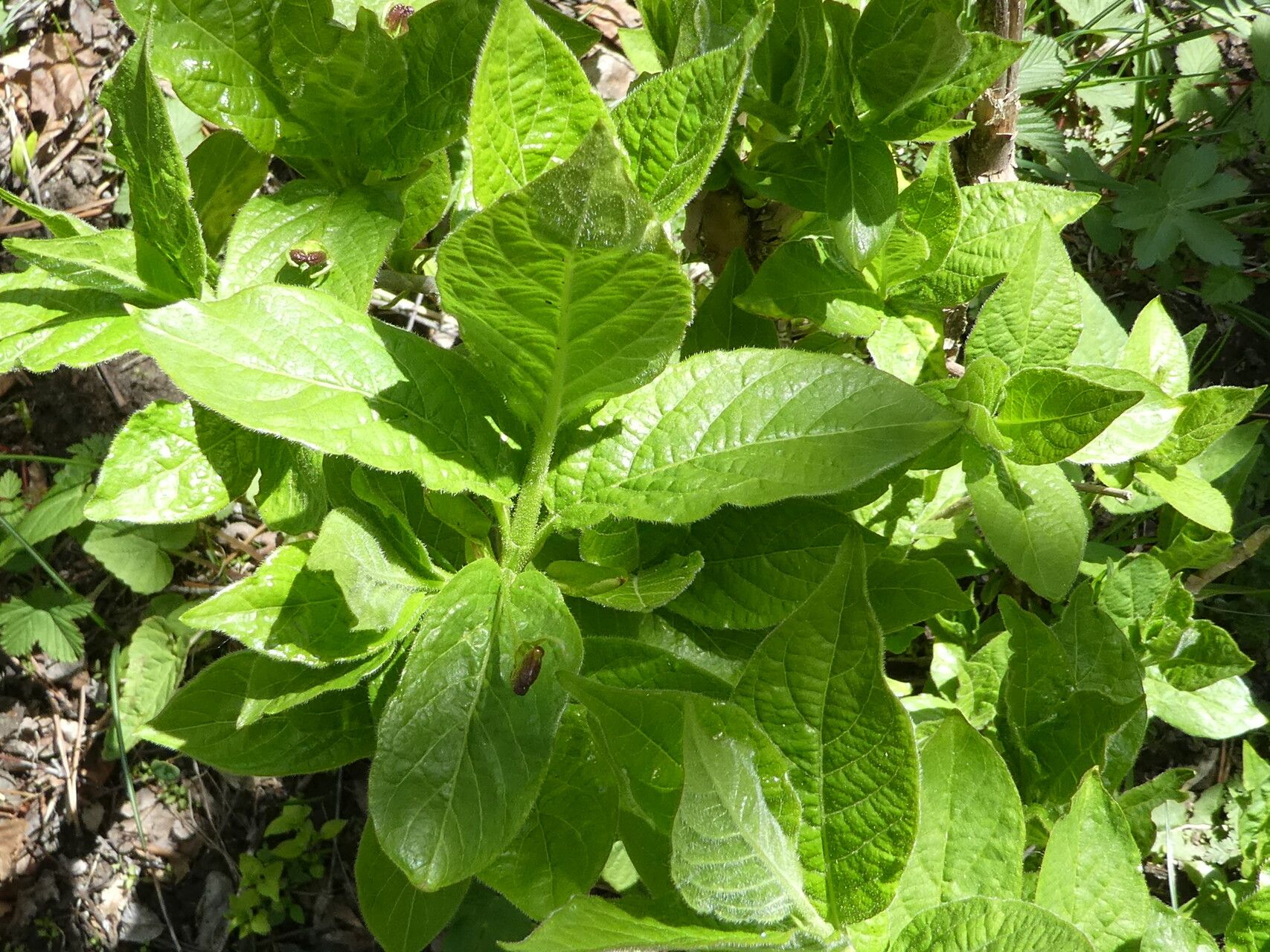
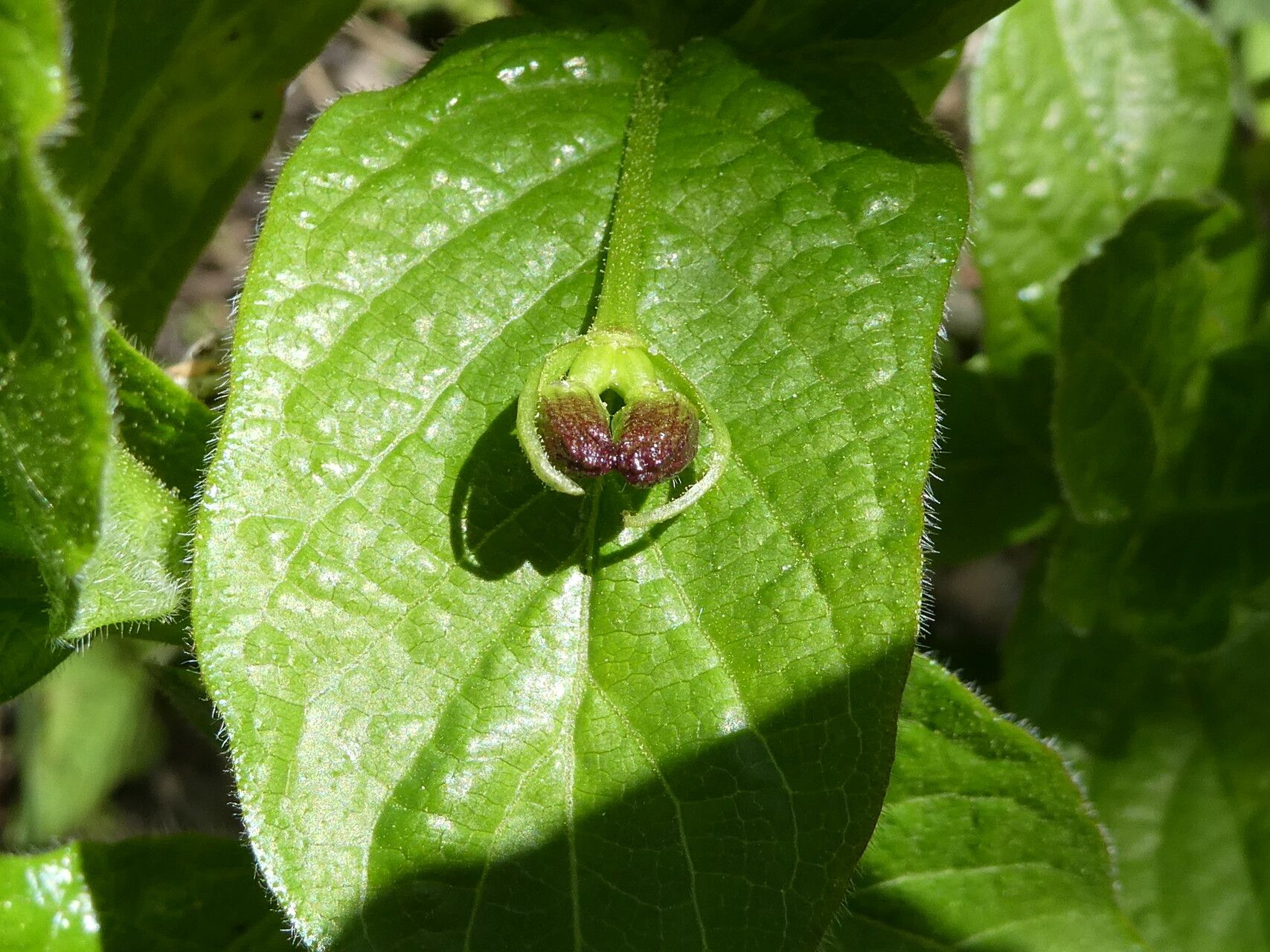
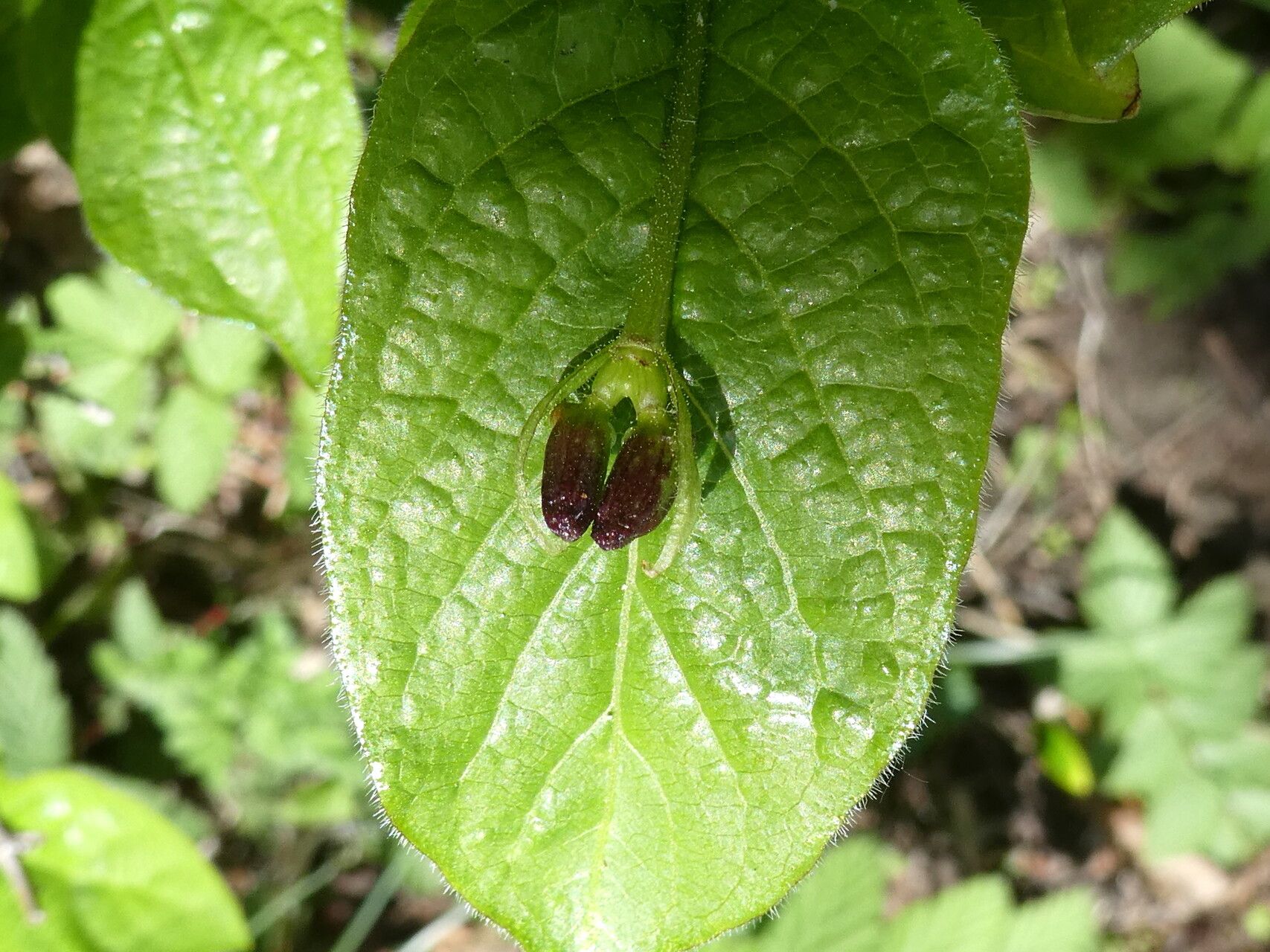
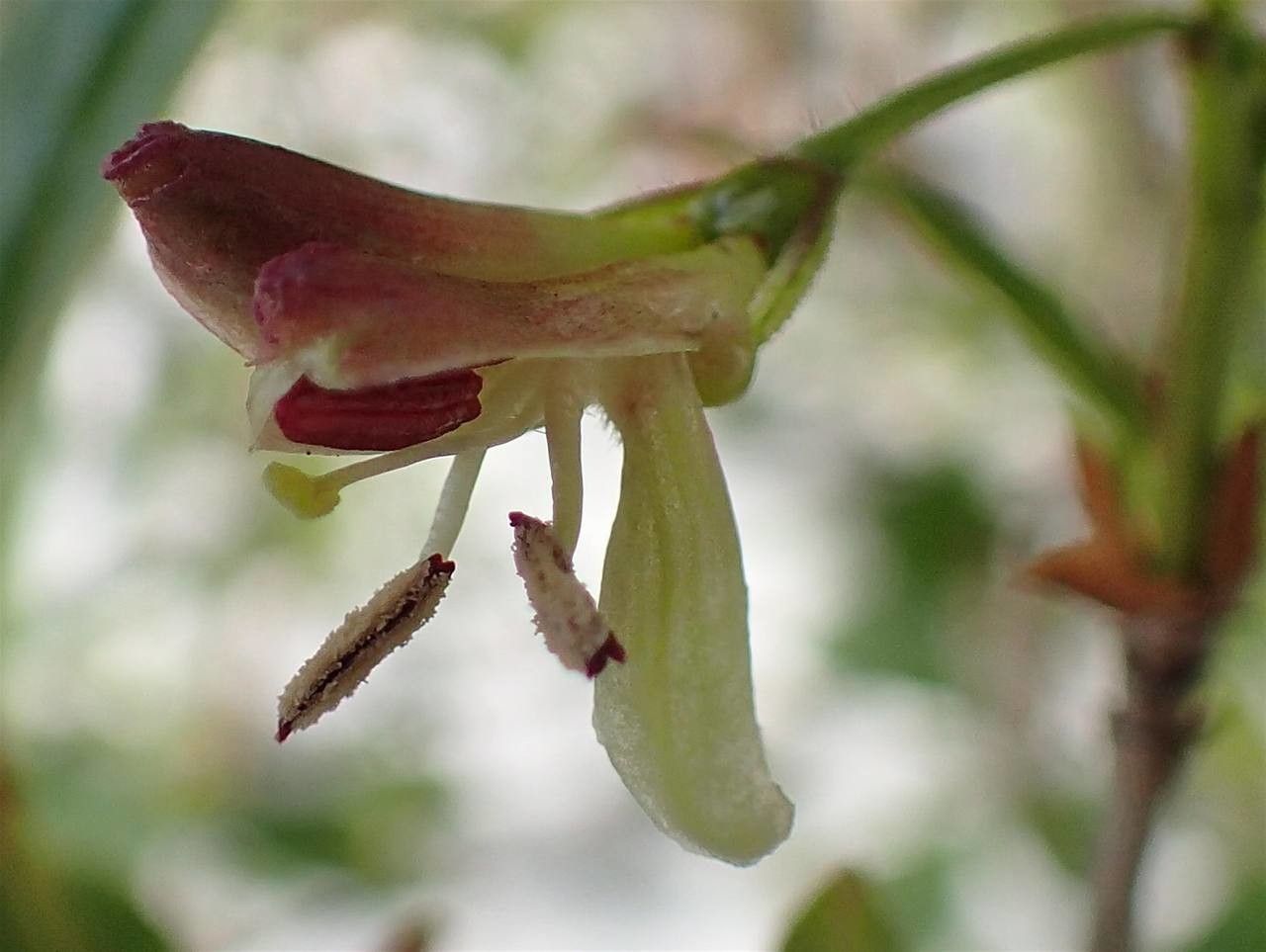
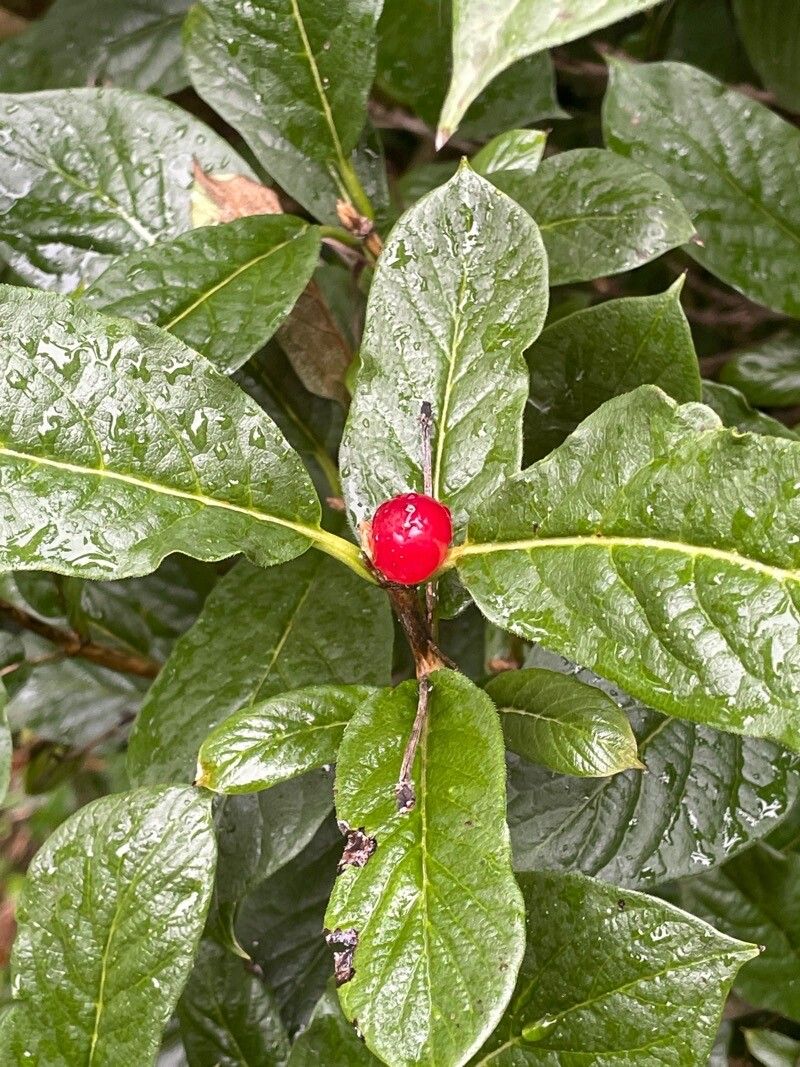
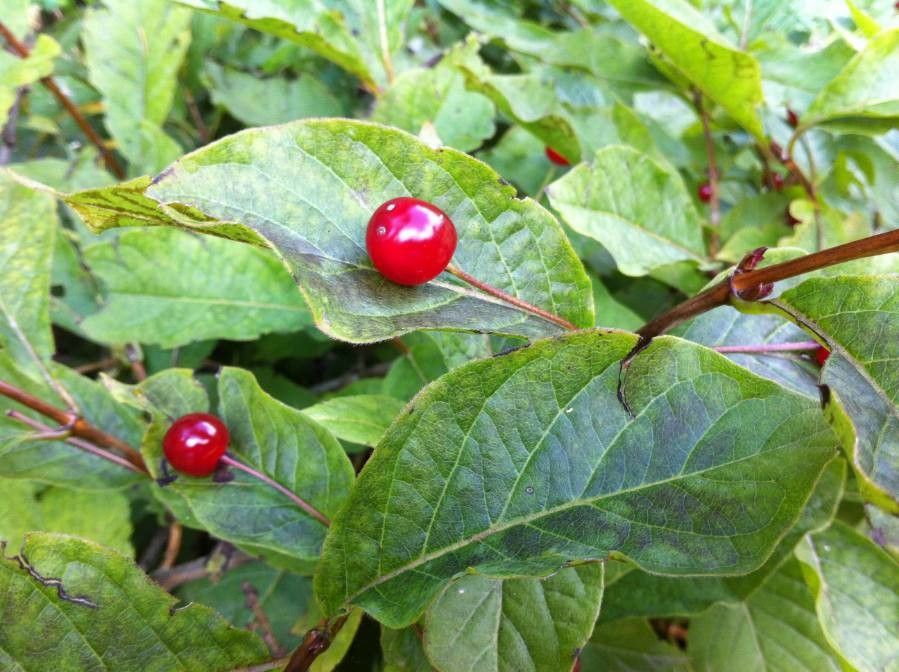
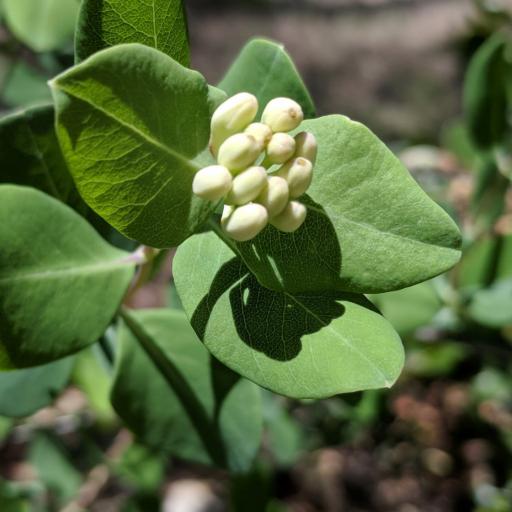
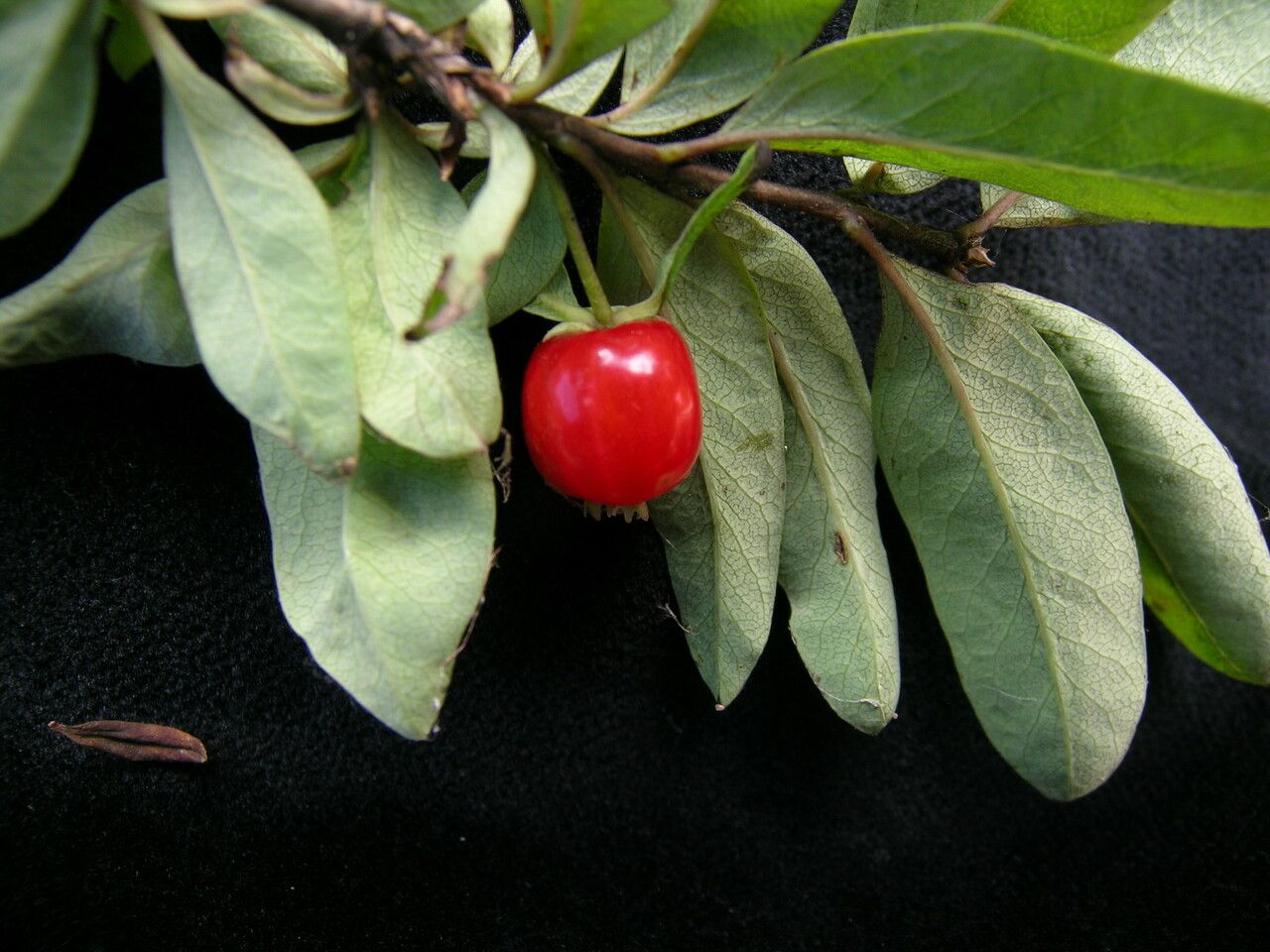
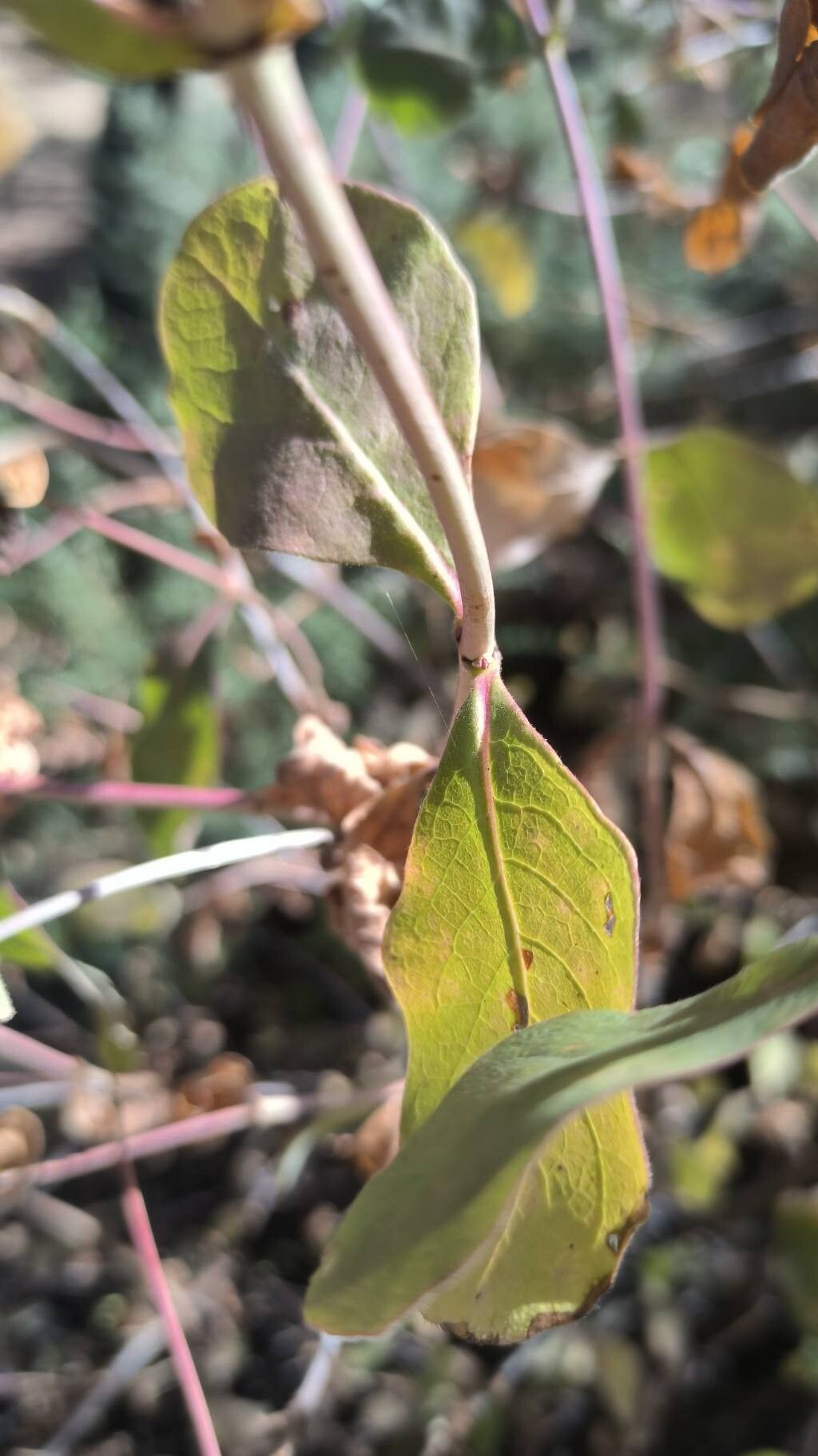
Lonicera alpigena, commonly known as Alpine honeysuckle, is a deciduous shrub that belongs to the Caprifoliaceae family. Native to the mountainous regions of Europe and Asia, it can grow up to 2 meters tall. The plant features a dense growth habit with oval-shaped, dark green leaves that have a slightly hairy texture.
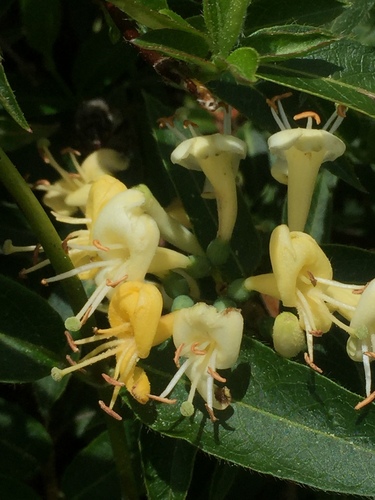
The Alpine honeysuckle produces fragrant, tubular flowers that are pink or white. These blooms appear from late spring through early summer and attract bees, butterflies, and other pollinators.
The plant prefers well-drained soil and thrives in full sun or partial shade. It can tolerate cold temperatures but requires protection from strong winds.
Lonicera alpigena has several medicinal properties, as it contains compounds such as flavonoids, tannins, and saponins, which exhibit anti-inflammatory effects. Additionally, the plant is used to make herbal teas, prized for their pleasant aroma.
Overall, Lonicera alpigena is an attractive shrub with fragrant flowers, suitable for both ornamental and medicinal purposes.
Alpine honeysuckle has strong disease resistance and is usually not affected by illnesses. Regarding care, this plant is fairly low-maintenance. Planted outdoors, it needs little watering, and larger specimens generally do not require pruning. Smaller plants, however, should be pruned after they bloom. Alpine honeysucklet is appropriate for anyone with outdoor space, such as a garden or a deck, and does not demand a lot of caretaking experience.
How to keep Lonicera Alpigena.
Light
Alpine honeysuckle does best when it receives moderate sunlight for most of the day, though it can tolerate sites that are sunny all day. In its native mountain habitats it usually grows in places where beams of sunlight filter through the surrounding plants. Too much or too little sunlight can impair its health and growth.
Water
Alpine honeysuckle grows best in well-draining soil and requires moderate moisture. To maintain the right balance, it should be watered every 1-2 weeks, ensuring the soil remains moist but not waterlogged. This plant is accustomed to the uneven rainfall typical of alpine regions, which allows it to withstand short dry periods, making it a great choice for outdoor gardening.
Temperature
Alpine honeysuckle is native to environments where temperatures typically range from 68 to 95 °F (20 to 35 ℃). It grows best within this temperature range. Adaptable to seasonal changes, alpine honeysuckle may require temperature management in severe weather to thrive optimally.
Fertilizer
The timing of fertilizing Alpine honeysuckle is important. Begin fertilizing in early spring and continue monthly until early summer. Fertilizer aids in producing attractive blooms and supplies energy during both dormant and active growth phases.
Pruning
To encourage healthy growth in alpine honeysuckle, prune in early spring by removing dead or crowded stems to improve air circulation. Shape the plant and conduct rejuvenation pruning every few years to ensure vibrant blooms. Regular pruning also boosts disease resistance and overall vigor.
Botanical profile.
- Plant Type
- Shrub
- Life Cycle
- Perennial
- Genus
- Lonicera
- Family
- Caprifoliaceae
- Hardiness Zone
- 5-9
- Mature Height
- 1.22 m to 2.13 m
- Mature Spread
- 3.66 m
- Leaf Color
- Green, Dark Green
- Leaf Type
- Semi-evergreen
- Flower Color
- White, Yellow, Pink, Green, Purple, Red
- Flower Size
- 2.54 cm to 5.08 cm
- Bloom Time
- Mid spring, Late spring
- Planting Time
- Spring, Summer, Autumn, Winter
- Harvest Time
- Mid summer, Late summer, Early fall
- Native Area
- Asia
Other names.
Reader questions.
How should I water my Alpine honeysuckle?
To promote excellent root development for your plants, consider the following tips: 1. Place a garden hose at the base of the plant, avoiding direct spraying of the leaves. If your plants are outdoors and exposed to direct sunlight, keep in mind that the leaves will need more water. 2. Bubblers can be used to moisten the roots of each plant. Alternatively, consider using soaker hoses that cover the entire garden or bed. This will help push the roots deeper into the soil. After adding or removing plants, make sure to drain any excess water and wait for the soil to dry before watering again. 3. Water at ground level instead of spraying the leaves to prevent the spread of diseases. However, on a sunny day, it can be beneficial to spray the entire bush with water. 4. Whether your plants are in pots or in the ground, remember that Alpine honeysuckle prefers deep watering rather than light sprinkling.
Why should I put fertilizer on my Alpine honeysuckle?
If you have any kind of Alpine honeysuckle, regular fertilization is important for overall plant health. Providing the right nutrients helps the plant grow better and be more resilient to tough conditions and diseases. Keeping the foliage intact is key, so make sure to follow a fertilization schedule tailored to your Alpine honeysuckle. This will result in vibrant and lush leaves.
What are the sunlight requirements for Alpine honeysuckle?
Alpine honeysuckle thrives best when exposed to moderate sun for the majority of the day but can also endure areas with full sun exposure. In its native mountain environment, it usually grows in spots that receive only partial sun, filtering through the surrounding flora. Adequate sunlight is crucial for the plant's well-being and growth. It's important to ensure the plant receives about 3-6 hours of sunlight for partial sun requirements and above 6 hours for full sun. Observing the movement of sunlight in your garden and selecting spots that offer a balanced light and shade environment will ensure the happiness and health of your Alpine honeysuckle.
What is the ideal temperature range for Alpine honeysuckle?
Alpine honeysuckle, also known by its botanical name Lonicera alpigena, thrives best in temperatures ranging from 68 to 95 °F (20 to 35 °C), which is its indigenous temperature range. This plant is adaptable to seasonal changes, though it may require temperature management in severe weather conditions to thrive optimally. It has a strong cold resistance, indicating that special frost protection measures are generally not necessary. However, in environments where winter temperatures are expected to fall below -25°C, providing adequate cold protection by wrapping the trunk and branches with insulating materials is crucial. Ensuring the soil around Alpine honeysuckle is moist before the first freeze of autumn can help prevent water scarcity during the colder months.
Why is it necessary to water my Alpine honeysuckle plant?
To ensure the Alpine honeysuckle plant stays healthy, it's important to water it properly. The amount of water needed depends on the weather and soil conditions in your area. While the plant thrives on moist soil, it cannot tolerate being waterlogged. When planting in the ground, be sure to provide enough mulch and avoid underwatering. When planted in a pot, water generously so the base is moist for optimal bloom. If the plant is grown for foliage, water up to a depth of 10 to 20 inches. During rainy periods, hold off on watering and let the plant benefit from natural rainfall.
What is the ideal time to fertilize my Alpine honeysuckle?
To ensure healthy growth of your Alpine honeysuckle, it is recommended to fertilize it in late winter or early spring. This will provide the necessary nutrients for the plant to thrive once the weather gets warmer. If you live in a warm climate region, it can also be beneficial to fertilize again in early fall. This will add nutrients to the soil and help the plant withstand the winter cold without damage to its foliage. By fertilizing earlier, the new branches will have enough time to grow and be better prepared for the cold winter.
How can artificial lighting benefit Alpine honeysuckle grown indoors?
For Alpine honeysuckle grown indoors, where natural sunlight might be insufficient, especially during winter or in less sunny spaces, artificial lighting serves as a vital solution for optimal growth. LED lights are recommended due to their ability to provide specific wavelengths needed by plants. Full sun plants should have 30-50W/sq ft of artificial light, partial sun plants 20-30W/sq ft, and full shade plants 10-20W/sq ft. The light source should be placed 12-36 inches above the plant to mimic natural sunlight, and the duration should mimic natural daylight hours, with most plants needing 8-12 hours of light per day.
How does Alpine honeysuckle react to low temperatures?
Alpine honeysuckle is cold-tolerant, best thriving when the temperature stays above 20°C and should ideally be kept above 0°C during the winter months. Despite its cold tolerance, when temperatures plummet below -25°C, the plant might not exhibit immediate distress, but come spring, its branches may turn brittle and dry. This results in a failure to produce new shoots. To mitigate these effects, it is advisable to prune away any dead branches in the spring to encourage new growth and maintain the plant's health.
What should I do if I give too much/not enough water to Alpine honeysuckle plant?
An overwatered Alpine honeysuckle may display yellow leaves that eventually drop off and become wilted. The plant may also appear dull and unhealthy, with mushy stems. When these signs start to show, it is recommended to adjust your watering schedule if possible. However, wilting can also indicate under watering. In such cases, the leaves may turn crispy and dry, while overwatered leaves will be soft and wilted. If the soil is dry and simply watering is not enough, give the plant a thorough watering. This will enable the Alpine honeysuckle to recover, but it may still exhibit dryness and yellow leaves for a few days due to root damage. Once it returns to normal, the yellowing of the leaves will cease. Always check the moisture levels of the pot when you have an indoor Alpine honeysuckle. Avoid overwatering and look for signs of black spots. If present, let the soil dry in the pot by refraining from watering for a few days. Overwatering can contribute to root rot, so if you notice discolored and slimy roots, consider transferring the plant to a different pot. It is important to prevent root rot and avoid excessively soggy soil. When planting an Alpine honeysuckle outdoors, dig a little deeper and use your fingers to assess the moisture level. If the soil feels too dry, it may indicate underwatering. Adequate watering is necessary to aid in the plant's recovery.
When is the best time to not fertilize my Alpine honeysuckle?
There are specific times of the year when it's best to avoid fertilizing your Alpine honeysuckle. Firstly, during the early and mid-winter months when the plant is dormant, it doesn't require any feeding. Secondly, it's not recommended to fertilize the plant in late spring and throughout summer, as these seasons tend to be hotter and drier, which adversely affects the plant's response to fertilization. To prevent any problems, it's advisable to stick to a fertilization schedule that involves feeding the plant only in early spring and early fall.
What are the symptoms of light deficiency in Alpine honeysuckle?
When Alpine honeysuckle is grown indoors with insufficient light, it may exhibit several symptoms including new leaves growing smaller, leggy or sparse growth, faster leaf drop, slower or no new growth, lighter-colored new leaves, chlorosis, sunscald, leaf curling, wilting, and leaf scorching. These symptoms can range from size and color changes in new leaves to physical deformations like leaf curling and wilting under extreme sunlight conditions, indicating either a deficiency or overexposure to light.
What should be done if Alpine honeysuckle experiences high temperatures?
During the summer, it is crucial to keep the Alpine honeysuckle below 35°C because exposure to temperatures above 38°C can cause the leaves to lighten in color, tips to become dry and withered, and increase susceptibility to sunburn. To protect the plant under such conditions, you should trim away any sunburned and dried parts. Additionally, relocating the plant to a shaded area or using a shade cloth to shield it from the midday and afternoon sun can be beneficial. Keeping the soil moist by watering in the morning and evening can also help alleviate stress from high temperatures.