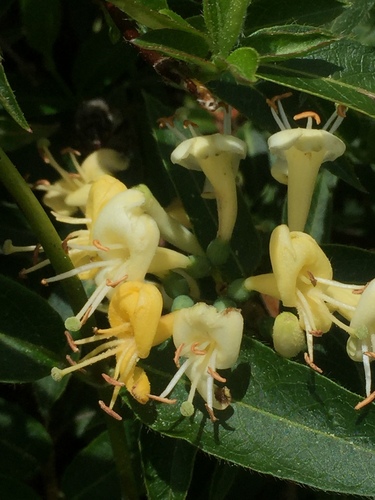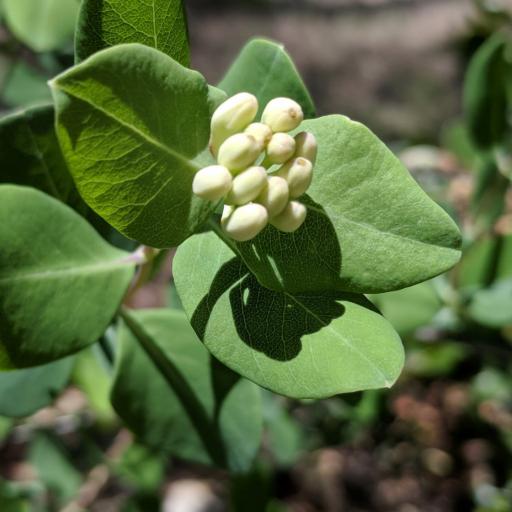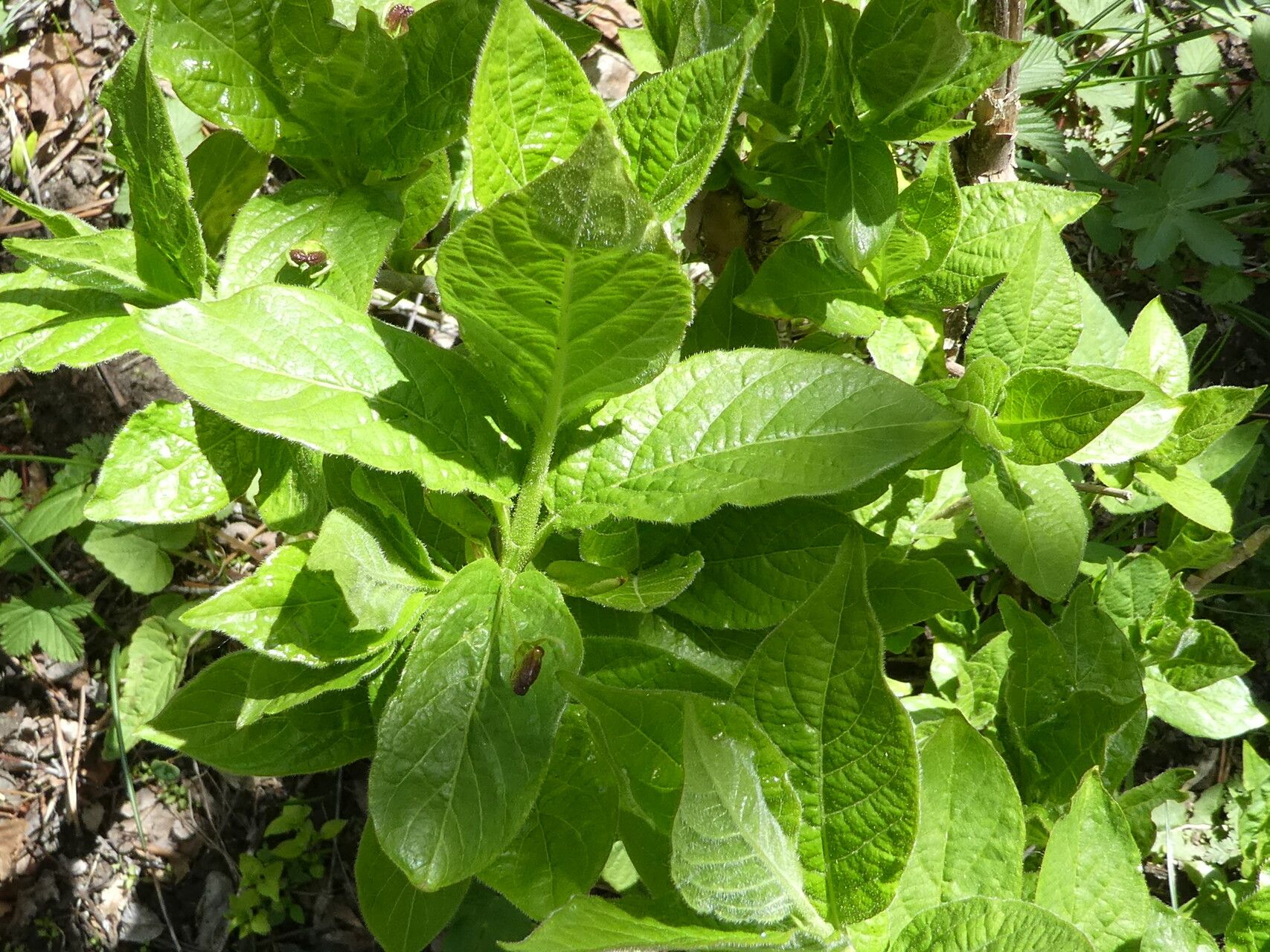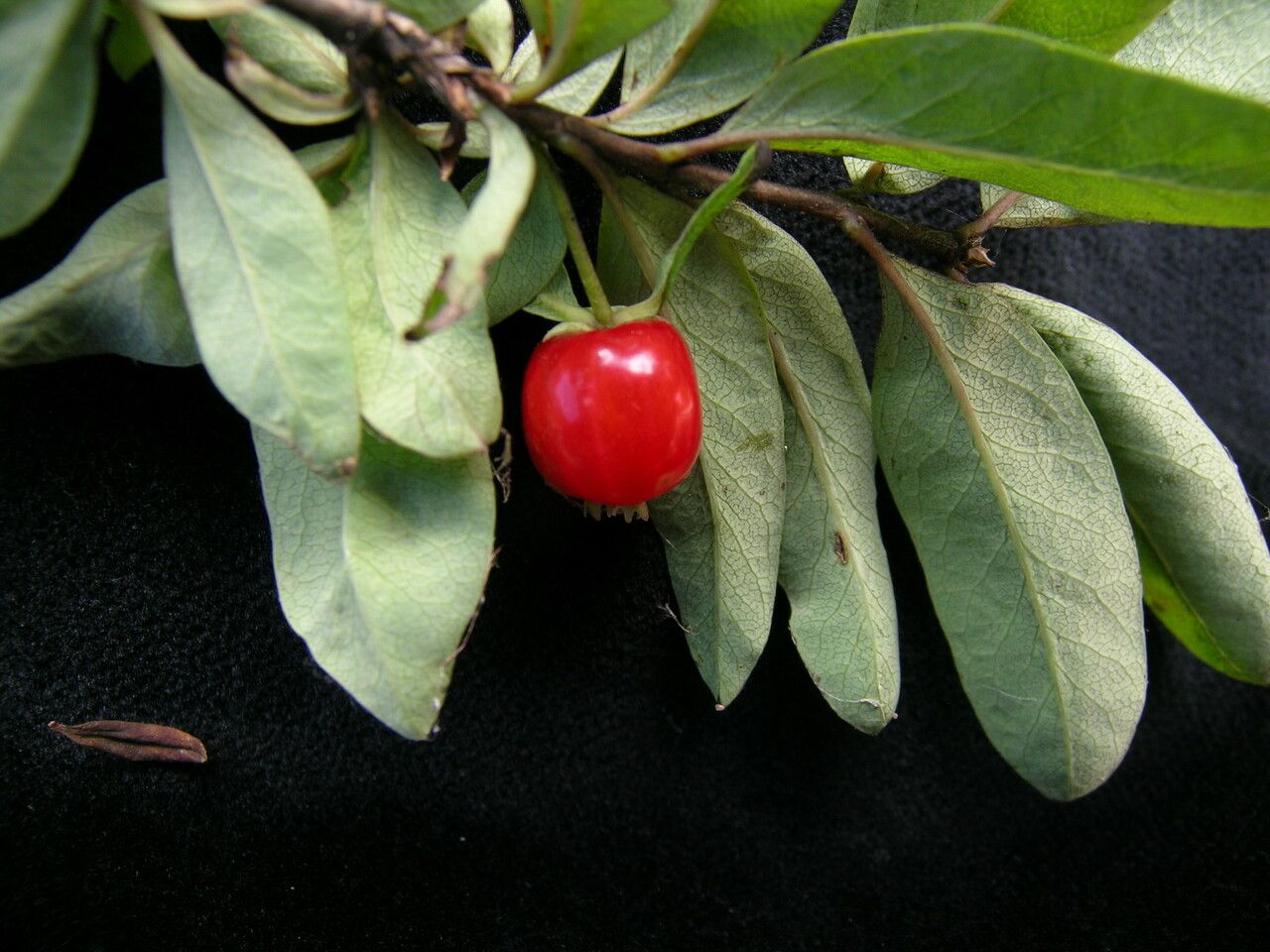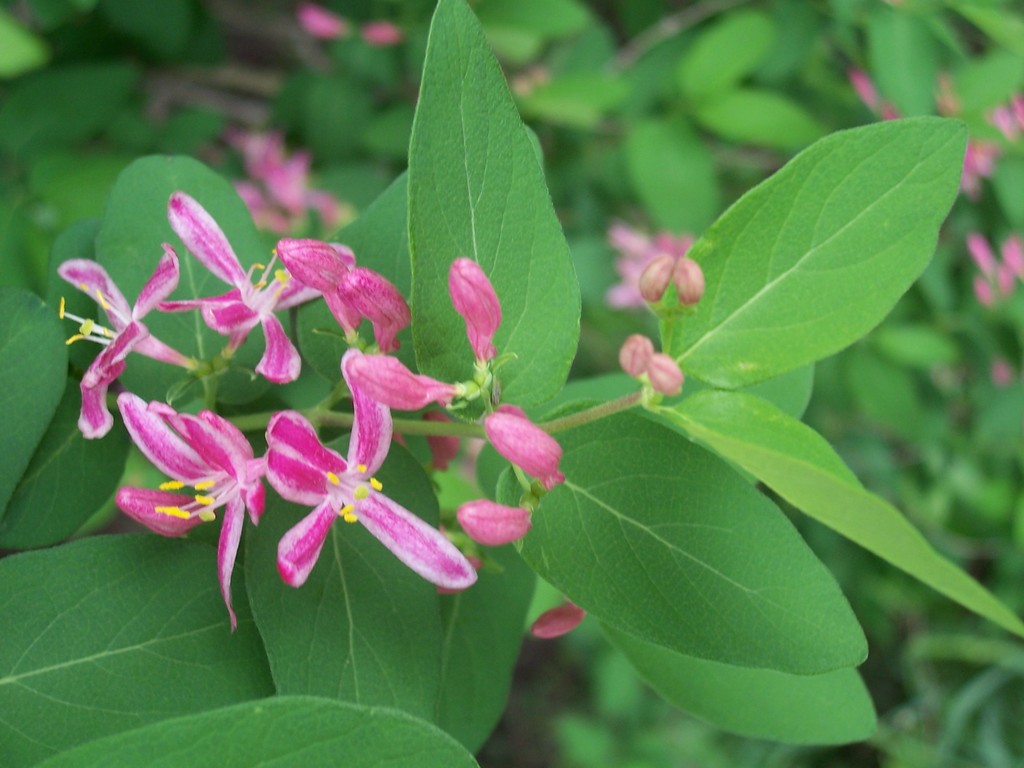
Lonicera tatarica is a species of honeysuckle known by the common name Tatarian honeysuckle. Native to Eurasia, the plant is one of several exotic bush honeysuckles present in North America, being considered an invasive species there.
Tatarian honeysuckle, whose botanical name suggests a resemblance to true honeysuckle plants, is not a genuine member of the honeysuckle family. However, its flowers bear a striking similarity to those of true honeysuckle. This plant originates from Tartaria, a vast region in northern and central Asia, which is why it is commonly known as Tatarian honeysuckle.
Tatarian honeysuckle is well resistant to disease and is generally unlikely to develop illnesses. With respect to care, this plant is fairly low-maintenance. When grown outdoors it needs only minimal watering, and larger specimens typically do not require pruning. Smaller specimens, however, should be pruned after they finish blooming. Tatarian honeysuckle is appropriate for anyone with an outdoor area, such as a garden or deck, and does not demand a great deal of care experience.
How to keep Lonicera Tatarica.
Light
The tatarian honeysuckle flourishes when it receives plenty of sunlight and can also survive in locations where sunlight isn't as ample. Originating from conditions where light varied, the plant has adapted to these changes in sunlight for its optimal growth. Despite this, exposure to insufficient light may hamper the plant's growth, while excessive and intense sunlight could induce stress on the plant and cause the leaves to scorch.
Water
Tatarian honeysuckle, which originates from temperate underbrush, thrives in moderate moisture and well-drained soil. It should be watered every 1-2 weeks, allowing the soil to dry slightly between waterings. This plant adapts well to seasonal weather changes, making it ideal for regions with balanced rainfall patterns.
Temperature
The tatarian honeysuckle plant flourishes in temperatures ranging from 41 to 95 ℉ (5 to 35 ℃). It's well-suited to a temperate climate and can prosper in a variety of soil conditions. If you're transferring it across seasons, ensure it's sufficiently watered in warm summers and appropriately protected during frosty winters to evade shock.
Fertilizer
For optimal growth, nourish your Tatarian honeysuckle at the onset of spring. Consistent fertilization reinforces general health, leading to robust growth, sturdiness in harsh climates, and increased resistance to diseases and pests. Stick to a particular fertilization routine for your Tatarian honeysuckle to guarantee brightly colored leaves and a rich appearance.
Pruning
The Tatarian honeysuckle is a dense shrub known for its fragrant flowers and red berries. To maintain its shape and ensure good airflow, prune it in early spring. This will promote healthy growth and abundant flowering. Be sure to remove any dead or overcrowded branches to boost its vigor and reduce the risk of disease.
Pot & Repot
When transplanting Tatarian honeysuckle, select a container that is 1-2 inches (2.5-5 cm) bigger and has sufficient drainage. Employ a potting mixture that drains well. Perform the transplant in spring or autumn, making sure the root mass sits somewhat below the flowerpot's brim. Once transplanted, water it thoroughly and position it in a warm location where it will receive indirect sunlight.
Botanical profile.
- Plant Type
- Shrub
- Life Cycle
- Perennial
- Genus
- Lonicera
- Family
- Caprifoliaceae
- Hardiness Zone
- 4-9
- Mature Height
- 3.05 m
- Mature Spread
- 3.05 m to 3.66 m
- Leaf Color
- Green, Blue
- Leaf Type
- Deciduous
- Flower Color
- Pink, White
- Flower Size
- 1.78 cm to 2.54 cm
- Bloom Time
- Late spring, Early summer
- Planting Time
- Spring, Autumn
- Harvest Time
- Mid summer
- Native Area
- Kyrgyzstan, Kazakhstan, Mongolia, Turkmenistan, China
Other names.
Reader questions.
When Should I Water My Tatarian Honeysuckle?
Watering your Tatarian honeysuckle (Lonicera tatarica) is crucial for its health, growth, lush foliage, and robust blossoming. You should consider watering when its leaves wilt or droop, a sign of severe water stress, or when the soil feels dry to the touch, indicating the plant needs hydration. Yellowing of the leaves usually signals insufficient watering, while slowed growth or stunted blossoming denotes a lack of water. Brittle or crunchy stems are signs of extreme underwatering. It's vital, however, to balance watering, as both over and underwatering can harm the plant.
How can I feed or nourish my Tatarian honeysuckle plant?
To fertilize your Tatarian honeysuckle, you have two options - granular fertilizer or liquid fertilizer. If you choose granular fertilizer, all you need to do is sprinkle it on the soil at the right time. The slow-release nature of granular fertilizer will gradually release nutrients into the soil over time. It's a good idea to lightly water your Tatarian honeysuckle before applying the fertilizer. Alternatively, you can use liquid fertilizer, although this is less common. To do this, mix the fertilizer with water and pour the mixture onto the soil around the base of your Tatarian honeysuckle. Sometimes, it's beneficial to perform a soil test before fertilizing to determine if any pH adjustments are needed.
What are the sunlight requirements for Tatarian honeysuckle?
Tatarian honeysuckle thrives under an abundant amount of solar exposure, being adaptable to both full sun (above 6 hours of sunlight) and partial sun (about 3-6 hours of sunlight) conditions. This adaptability comes from its native environment, allowing it to grow healthily across different light exposures. However, it's crucial to avoid both extremes; too little light can inhibit growth, while too much intensive exposure may lead to stress and leaf scorch. It's beneficial to observe sun movement in your garden to find the perfect balance for your plant.
What are the ideal growth conditions for Tatarian honeysuckle?
Tatarian honeysuckle thrives in temperate climates, preferring temperatures between 41 to 95°F (5 to 35°C). It can grow in different soil types and demonstrates strong cold resistance, making it adaptive to various environments. For successful growth, the plant should be well-watered during hot summers and properly insulated during cold winters to prevent shock. In regions where winter temperatures fall below the plant's cold tolerance limit, protective measures such as wrapping the trunk and branches with non-woven fabric or cloth are recommended. Additionally, watering the plant abundantly before the first freeze in autumn helps keep the soil moist and prevents drought and water scarcity during the colder months.
How Should I Water My Tatarian Honeysuckle?
Properly watering your Tatarian honeysuckle involves ensuring the soil is moderately moist but not waterlogged, as over-watering can lead to root rot. Implements such as a soak hose for deep watering or a watering can for precise soil surface watering are recommended. The soak and dry method, allowing the soil to dry out partially before the next watering, is optimal. Watering should focus on the plant's base, avoiding the foliage to prevent diseases. Using a moisture meter can provide an accurate gauge of when to water.
Why is it important to fertilize my Tatarian honeysuckle?
To ensure the overall health of your Tatarian honeysuckle, it is important to fertilize it regularly. By providing the proper nutrients, your plant will experience enhanced growth and become more resistant to challenging conditions, diseases, and pests. The foliage of your Tatarian honeysuckle is a notable feature, so it is crucial to maintain it. This can be achieved by following a fertilization schedule that is tailored to your specific plant, resulting in vibrant, lush leaves.
How does artificial lighting support Tatarian honeysuckle's growth indoors?
When natural sunlight is insufficient, especially during winter or in less sunny spaces, artificial lighting becomes essential for the growth of indoor plants like Tatarian honeysuckle. Using the right type of artificial light, such as LEDs that provide specific wavelengths, can promote healthier growth. Full sun plants require 30-50W/sq ft, partial sun plants need 20-30W/sq ft, and full shade plants require 10-20W/sq ft of artificial light. The light should be placed 12-36 inches above the plant, mirroring the natural sunlight conditions for 8-12 hours per day to ensure optimal growth.
How should Tatarian honeysuckle be cared for during low temperatures?
Tatarian honeysuckle is quite cold-tolerant, ideally maintained above a specific minimum temperature during winter to avoid growth issues. If temperatures drop below its tolerance limit, the plant might not exhibit immediate distress, but its branches could become brittle and dry by spring, failing to produce new shoots. To manage this, it's advisable to prune away any dead branches in spring to encourage healthy growth and resilience against cold weather challenges.
How Much Water Does Tatarian Honeysuckle Really Need?
The amount of water Tatarian honeysuckle needs varies, primarily depending on the plant's size, pot size, and root depth. Water should be applied deeply to reach the roots, favoring lengthy soaking over frequent, light watering. Look for vibrant leaves and deeply colored flowers as signs of adequate hydration. Pale leaves or wilted foliage suggests under-watering, while yellow leaves or a sodden base may indicate overwatering. Root depth requires thorough soaking but beware of the risks associated with both over and under-watering.
When should I fertilize my Tatarian honeysuckle?
To ensure healthy growth, it is recommended to fertilize your Tatarian honeysuckle for the first time in late winter or early spring. This provides the necessary nutrients for the plant to thrive once the weather warms up. If you live in a warm climate, it is also beneficial to fertilize your Tatarian honeysuckle again in early fall. This additional feeding not only supplies nutrients for the upcoming growing season but also strengthens the plant to better withstand the cold of winter without causing damage to its foliage. By fertilizing earlier, the new branches of the honeysuckle will have sufficient time to develop and withstand the winter chill.
What are the symptoms of inadequate or excessive light exposure in Tatarian honeysuckle?
Tatarian honeysuckle displays several symptoms when faced with inadequate or excessive light. Inadequate light may lead to smaller new leaves, leggy growth, early leaf drop, halted growth, pale new leaves, indicating insufficient chlorophyll and nutrients. Meanwhile, excessive sunlight can cause chlorosis (yellowing leaves), sunscald, leaf curling as a defense mechanism, wilting due to water loss, and leaf scorching. These symptoms highlight the plant's struggle in extreme light conditions and the necessity for balanced sunlight exposure.
What steps should be taken if Tatarian honeysuckle experiences high temperatures?
During periods of high temperature, it's crucial to keep Tatarian honeysuckle's environment within its preferred temperature range to prevent stress and damage. Should the temperature exceed its tolerance threshold, signs such as lighter leaf color, dry and withered leaf tips, and increased susceptibility to sunburn may occur. To alleviate these issues, sunburned and dried parts should be trimmed away. Relocating the plant to a shaded area or using a shade cloth can protect it from intense midday and afternoon sun. Ensuring the soil remains moist through morning and evening watering sessions is also beneficial in mitigating the impacts of high temperatures.