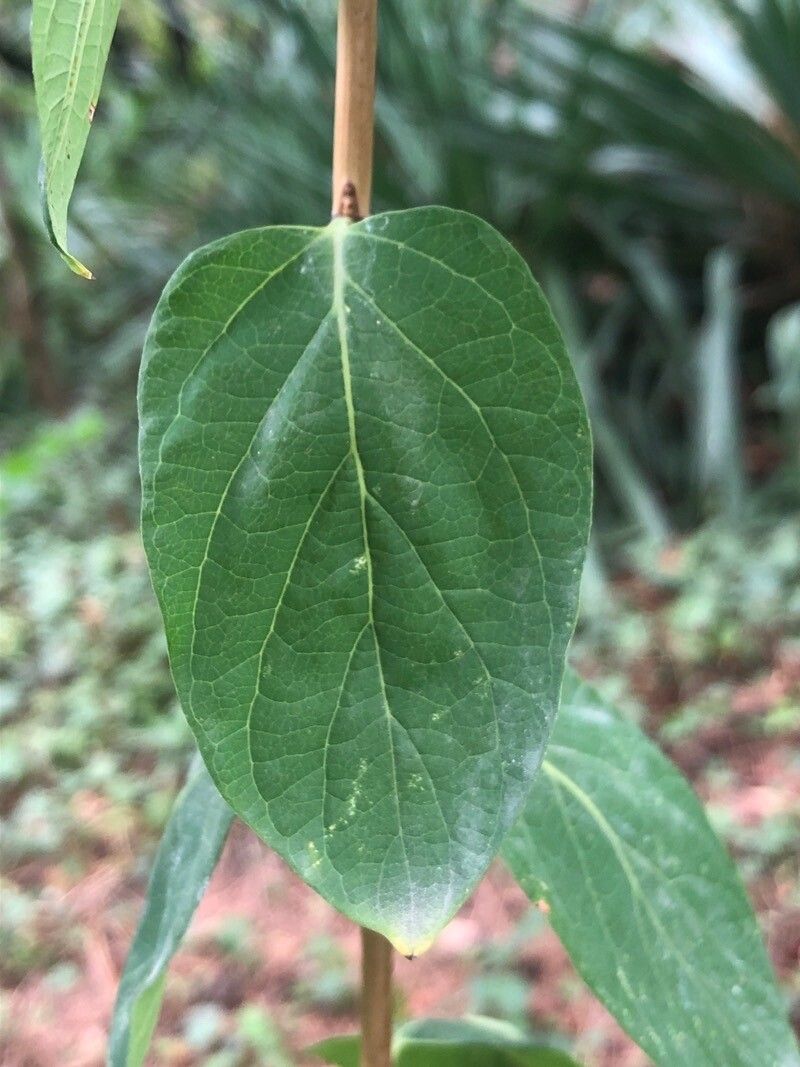
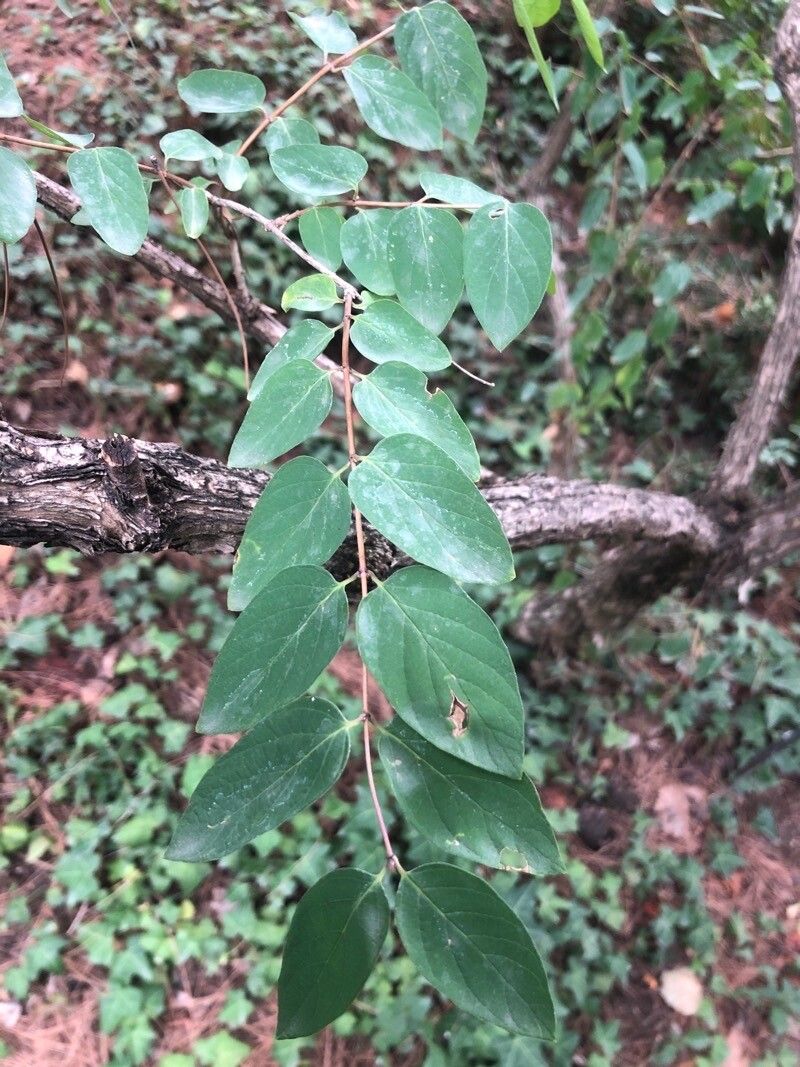
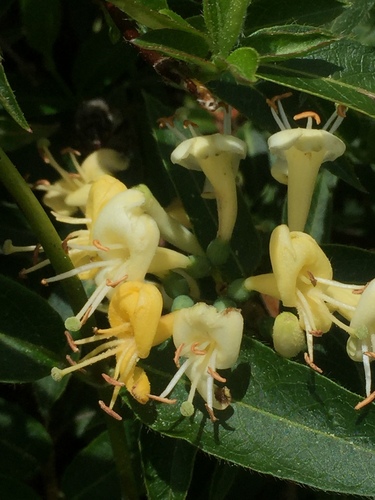
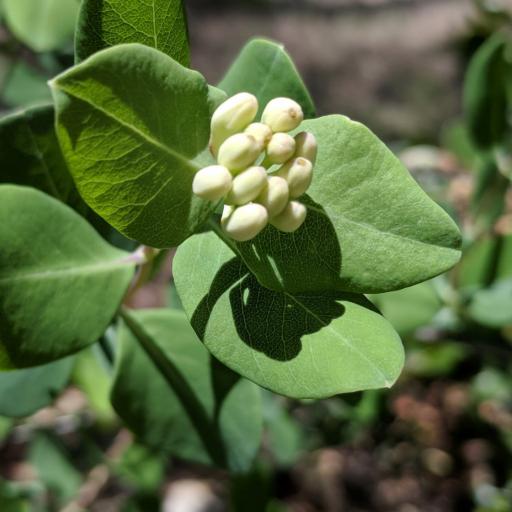
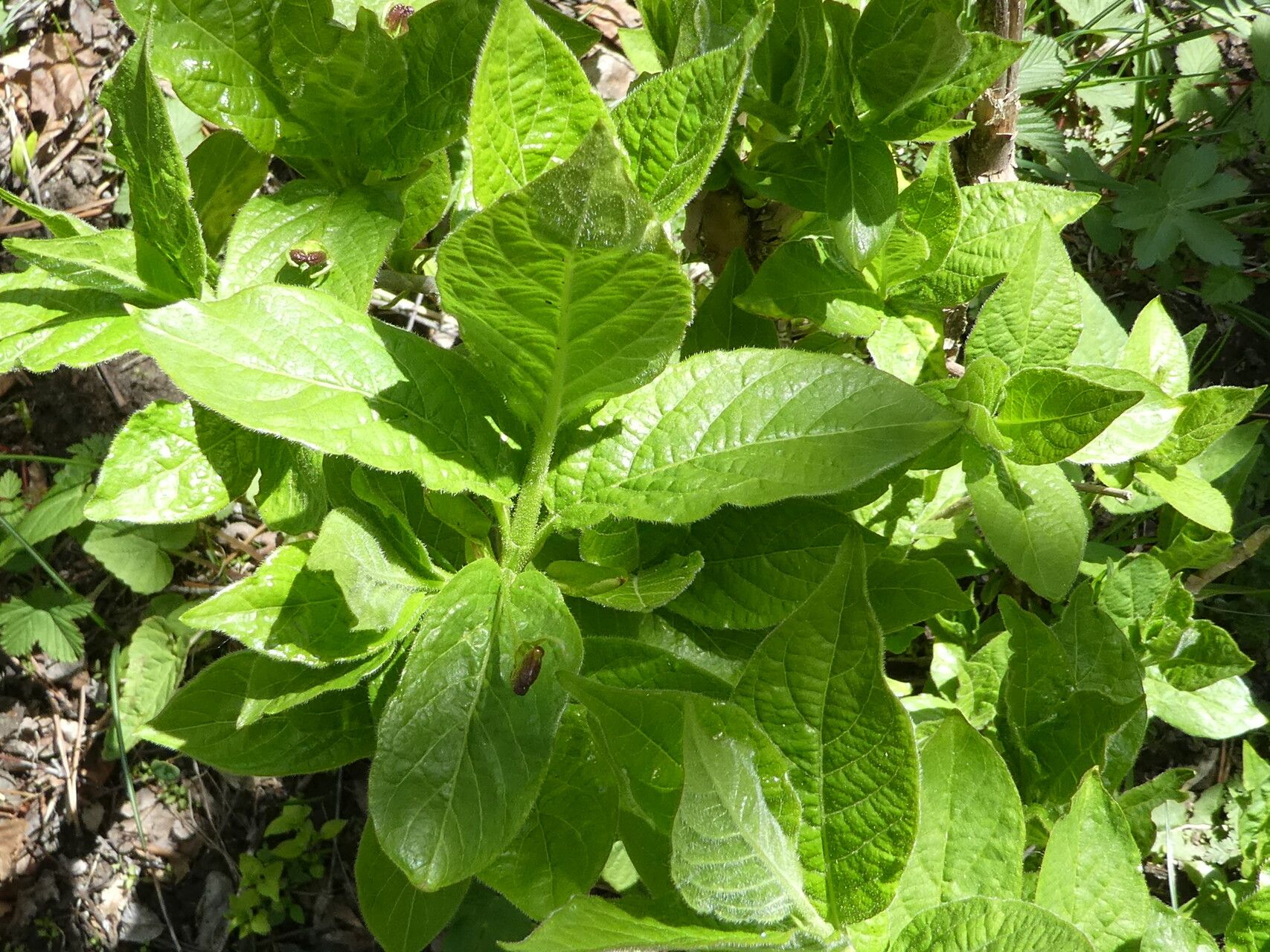
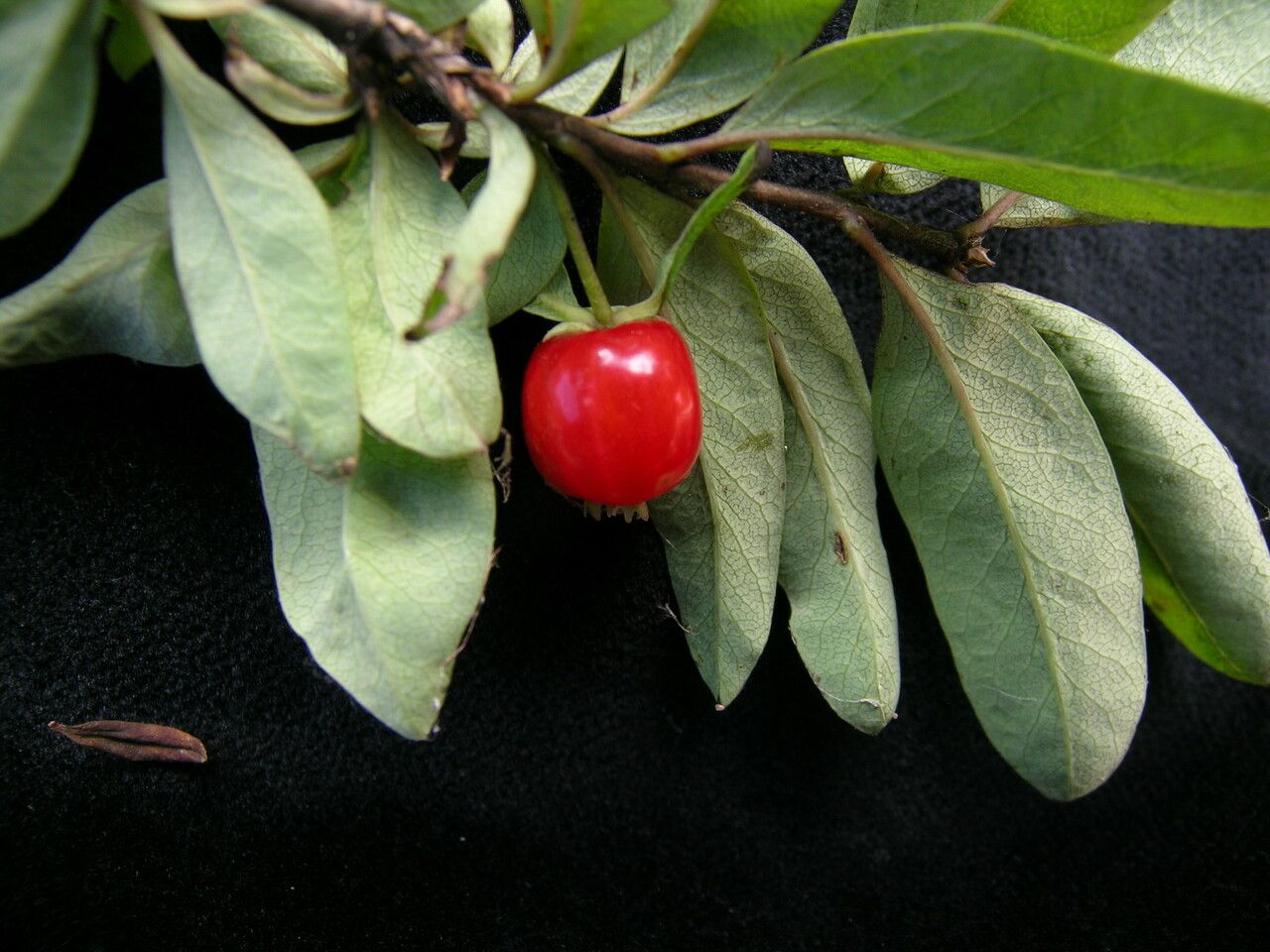
Lonicera ruprechtiana, the Manchurian honeysuckle, is a deciduous honeysuckle in the family Caprifoliaceae, native to Northeast Asia.
Manchurian honeysuckle has strong disease resistance and is usually not prone to disease. In terms of care, this plant is fairly low-maintenance. When grown outdoors, it needs little watering, and larger specimens typically do not require pruning. Smaller plants, however, should be pruned after they finish blooming. Manchurian honeysuckle is suitable for anyone with an outdoor area, such as a garden or deck, and does not require much prior plant care experience.
How to keep Lonicera Ruprechtiana.
Light
Manchurian honeysuckle comes from open habitats, for example sunlit meadows and forest margins, which offer abundant light. It does best in Full Sun but can also tolerate Partial Sun, adapting well to different light levels.
Water
To properly care for Manchurian honeysuckle, regularly check the soil moisture to assess its watering needs. If the soil is dry, make sure to water the plant, but avoid letting water accumulate. Adjust the frequency of watering according to the seasons, and wait 3-5 days after pruning before watering again. Whenever possible, use rain or snow water instead of tap water to prevent soil compaction.
Temperature
Manchurian honeysuckle is highly adaptable to a wide range of climates, from scorching summers to chilly winters. Still, it has a preferred temperature range for growth. If temperatures become too high, the plant can suffer from heat and humidity stress, which may kill it. In areas where temperatures near the lower limit of its cold tolerance, it is important to provide insulation to protect the plant.
Fertilizer
Proper timing is important when fertilizing Manchurian honeysuckle. Apply fertilizer in early spring and repeat monthly until early summer. Fertilizer promotes attractive blooms and supplies energy both during dormancy and active growth.
Pruning
Manchurian honeysuckle is known for its rapid growth and dense foliage. To manage this plant, prune it in early spring to shape it and improve air circulation, paying special attention to removing dead or crowded branches. Regular pruning helps control its invasiveness and can also enhance blooming if done after the flowering period. Make sure your tools are clean and sharp to prevent the spread of disease.
Botanical profile.
- Plant Type
- Shrub
- Life Cycle
- Perennial
- Genus
- Lonicera
- Family
- Caprifoliaceae
- Hardiness Zone
- 3-7
- Mature Height
- 2.13 m to 3.05 m
- Mature Spread
- 1.52 m to 2.13 m
- Leaf Color
- Dark Green, Forest Green
- Leaf Type
- Deciduous
- Flower Color
- White, Cream
- Flower Size
- 1.02 cm to 2.03 cm
- Bloom Time
- Mid spring, Late spring
- Planting Time
- Spring, Summer, Autumn
- Harvest Time
- Mid summer, Late summer, Early fall
- Native Area
- Russia, Koppen, China
Other names.
Reader questions.
What are the sunlight requirements for Manchurian honeysuckle?
Manchurian honeysuckle, also known by its botanical name Lonicera ruprechtiana, thrives under specific sunlight conditions. For optimal growth, it requires 'Full sun' which means it should receive above 6 hours of sunlight daily. Alternatively, it can also grow under 'Partial sun' conditions, which would be about 3-6 hours of sunlight. It's important to observe the movement of sunlight through your garden to find spots that offer a perfect balance of light and shade. This ensures the plants remain happy and healthy.