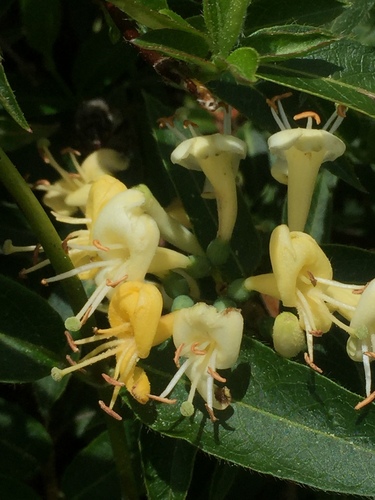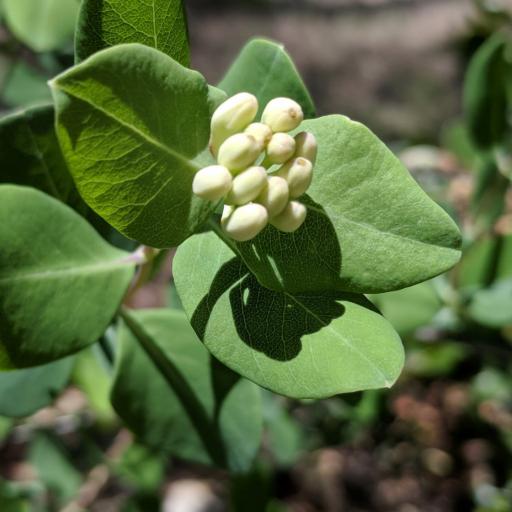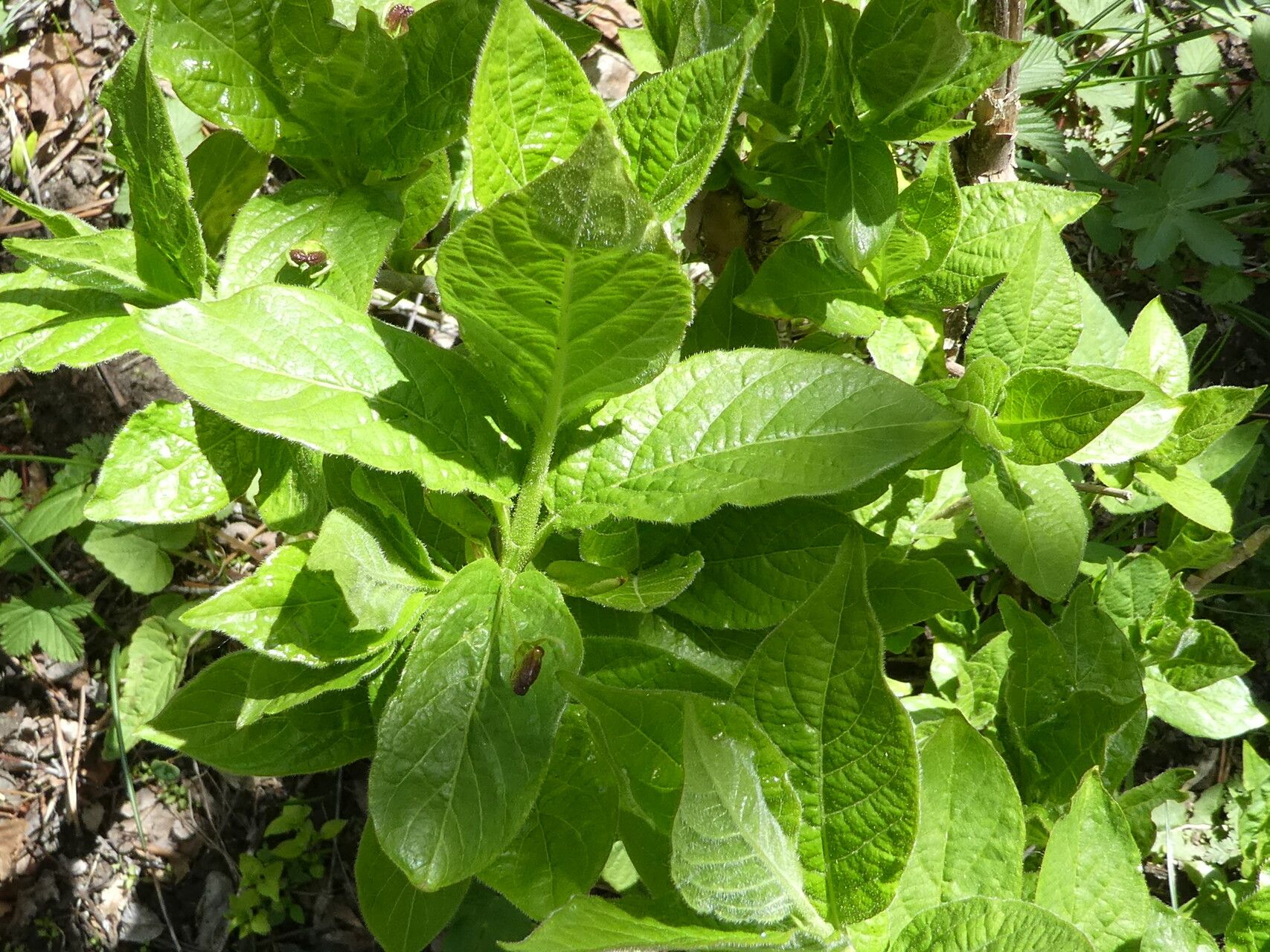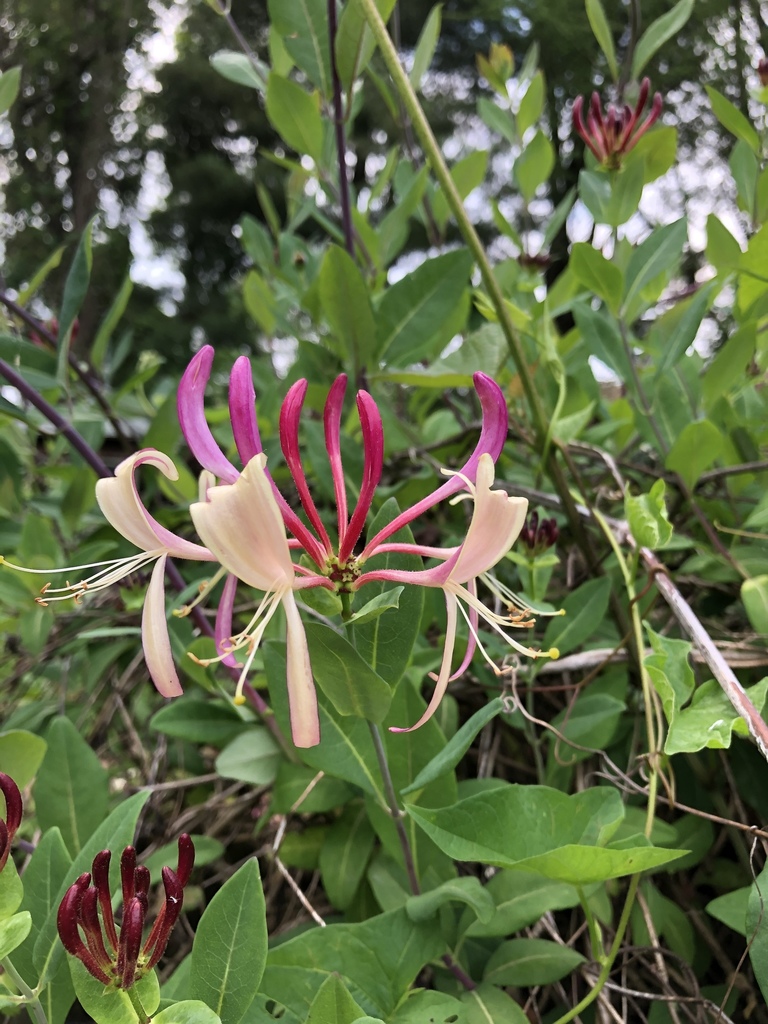
Lonicera periclymenum, commonly known as honeysuckle or woodbine, is a deciduous climbing plant native to Europe and Asia. It is a popular garden choice due to its fragrant and attractive flowers, which bloom during the summer months. The tubular flowers come in colors ranging from white to pink or yellow, while the oval-shaped leaves, with their pointed tips, grow in pairs opposite each other along the stem.
Honeysuckle plants can reach heights of up to 6 meters, with their stems twining around other plants or structures for support. They thrive in moist soil but can tolerate drought conditions once established.
Beyond its ornamental appeal, Lonicera periclymenum has been used for medicinal purposes for centuries. Its leaves have served as natural remedies for coughs, colds, and fevers, while its flowers have been utilized for their anti-inflammatory properties.
Famous for its fragrant aroma, the European honeysuckle flower releases a stronger scent in the evening, attracting the nocturnal hummingbird hawk-moth. This moth, considered a lucky omen if spotted in the garden, can detect the honeysuckle's fragrance from a quarter mile away. Flowers that bloom at night are typically pollinated by night-flying insects or bats. FUN FACT · FROM THE LIBRARY
However, it should be noted that some species of honeysuckle can become invasive if not properly managed. Therefore, it is important to choose the appropriate variety when planting in your garden.
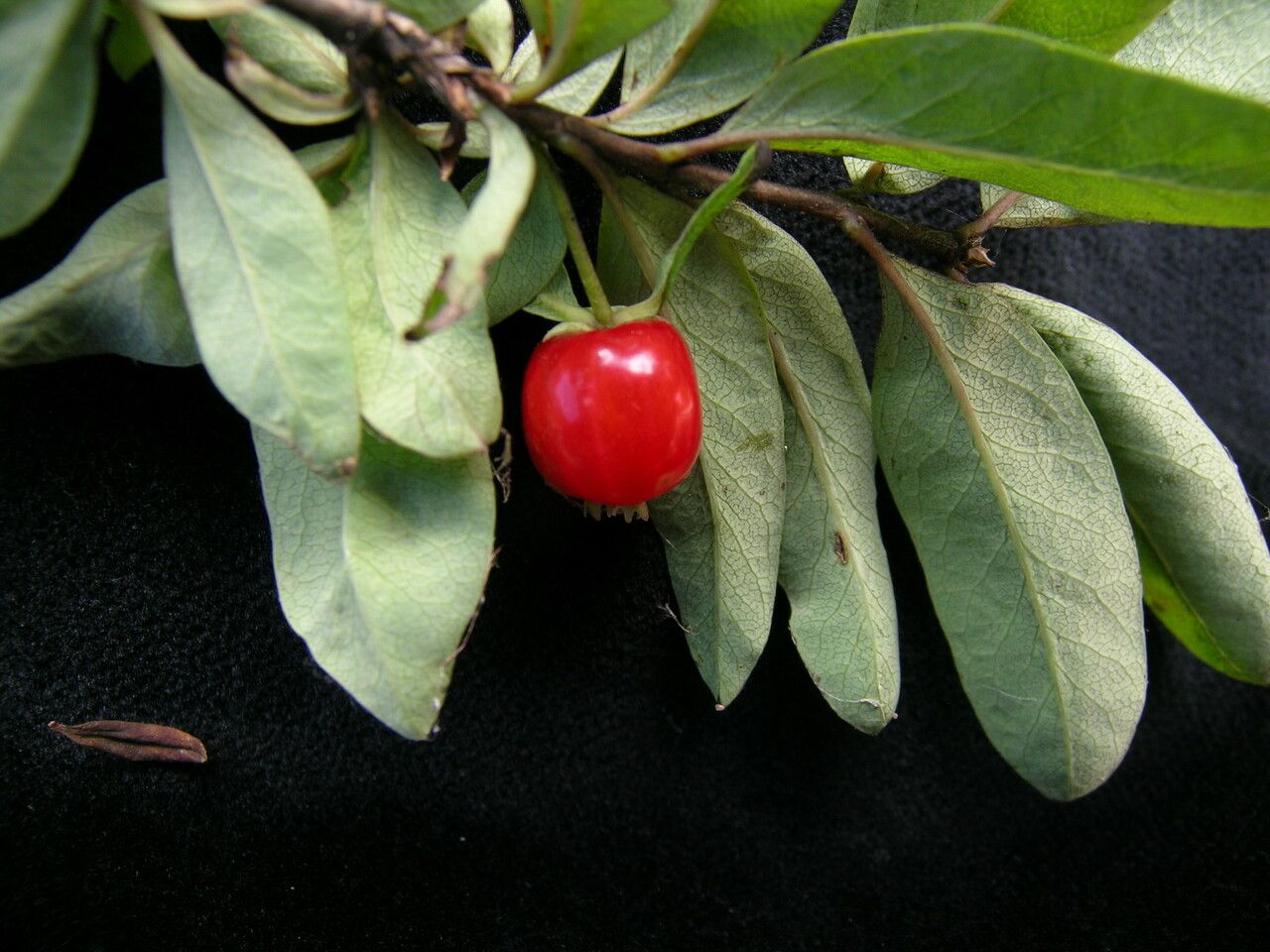
European Honeysuckle, also known as English Honeysuckle, is one of the two native honeysuckle species found in the UK, alongside Lonicera xylosteum. The flowers are highly fragrant at night but are much less scented during the day. These plants are typically pollinated by moths or long-tongued bees and produce bright red berries. Thus, they are commonly referred to as European or English honeysuckle.
Botanical profile.
- Plant Type
- Vine
- Life Cycle
- Perennial
- Genus
- Lonicera
- Family
- Caprifoliaceae
- Hardiness Zone
- 5-9
- Mature Height
- 7.01 m
- Mature Spread
- 0.91 m to 1.22 m
- Leaf Color
- Green
- Leaf Type
- Deciduous
- Flower Color
- White, Yellow, Pink, Cream, Purple, Red
- Flower Size
- 2.54 cm to 7.62 cm
- Bloom Time
- Late spring, Early summer, Mid summer
- Planting Time
- Spring, Autumn
- Harvest Time
- Mid summer
- Native Area
- Europe, Northern Africa, Southwest Asia