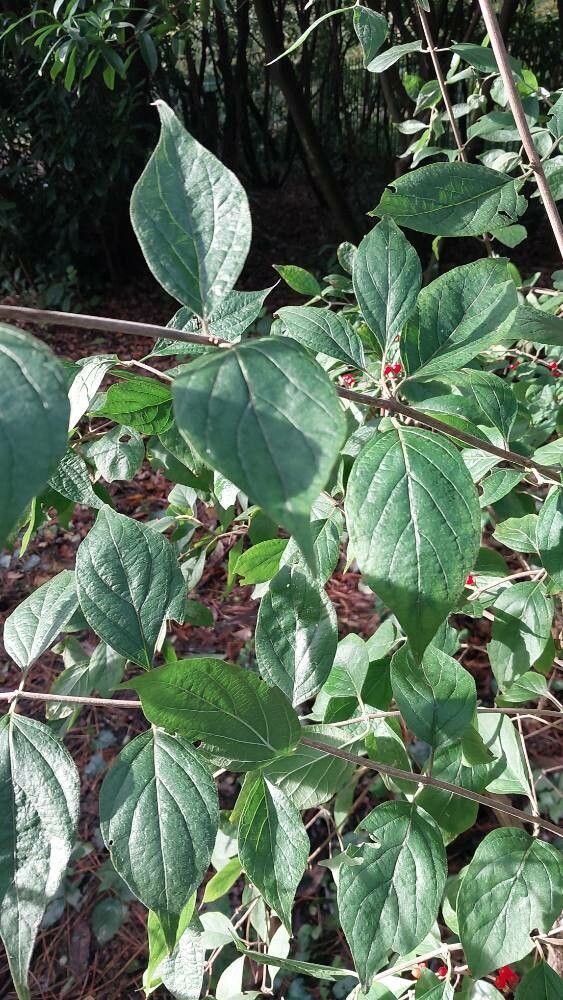
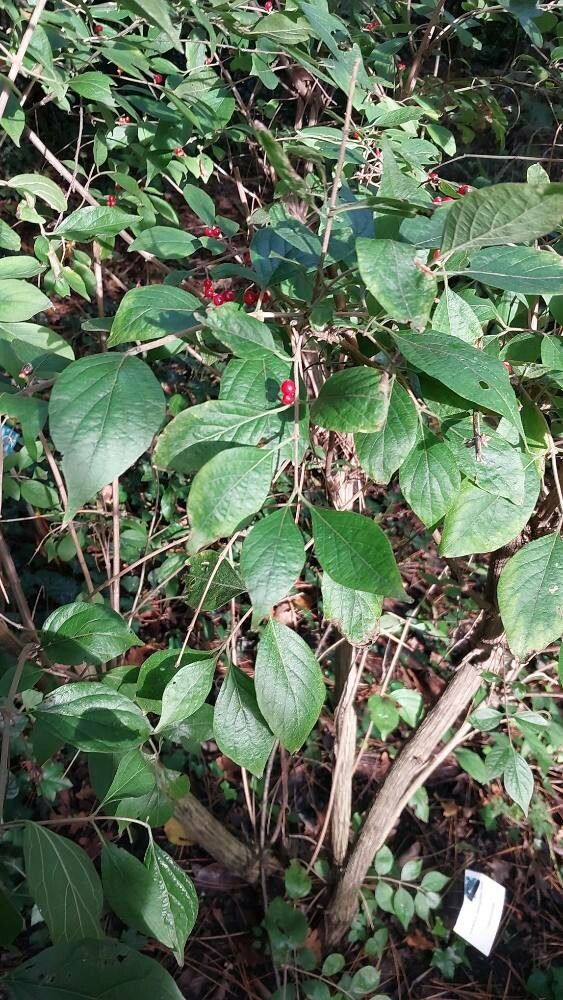
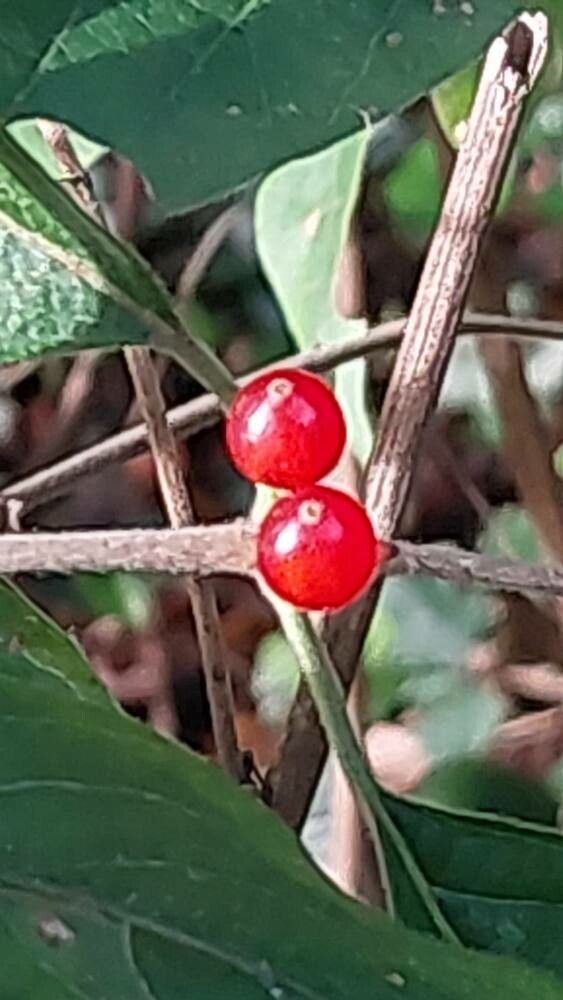
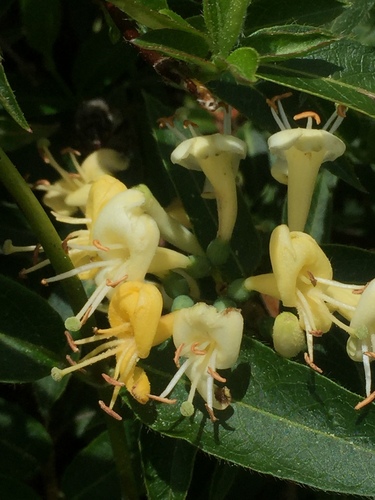
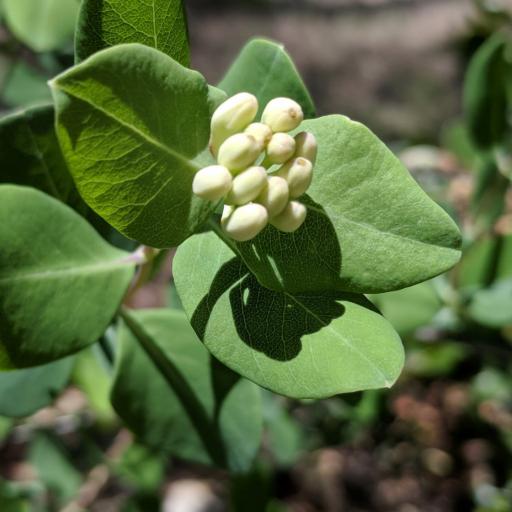
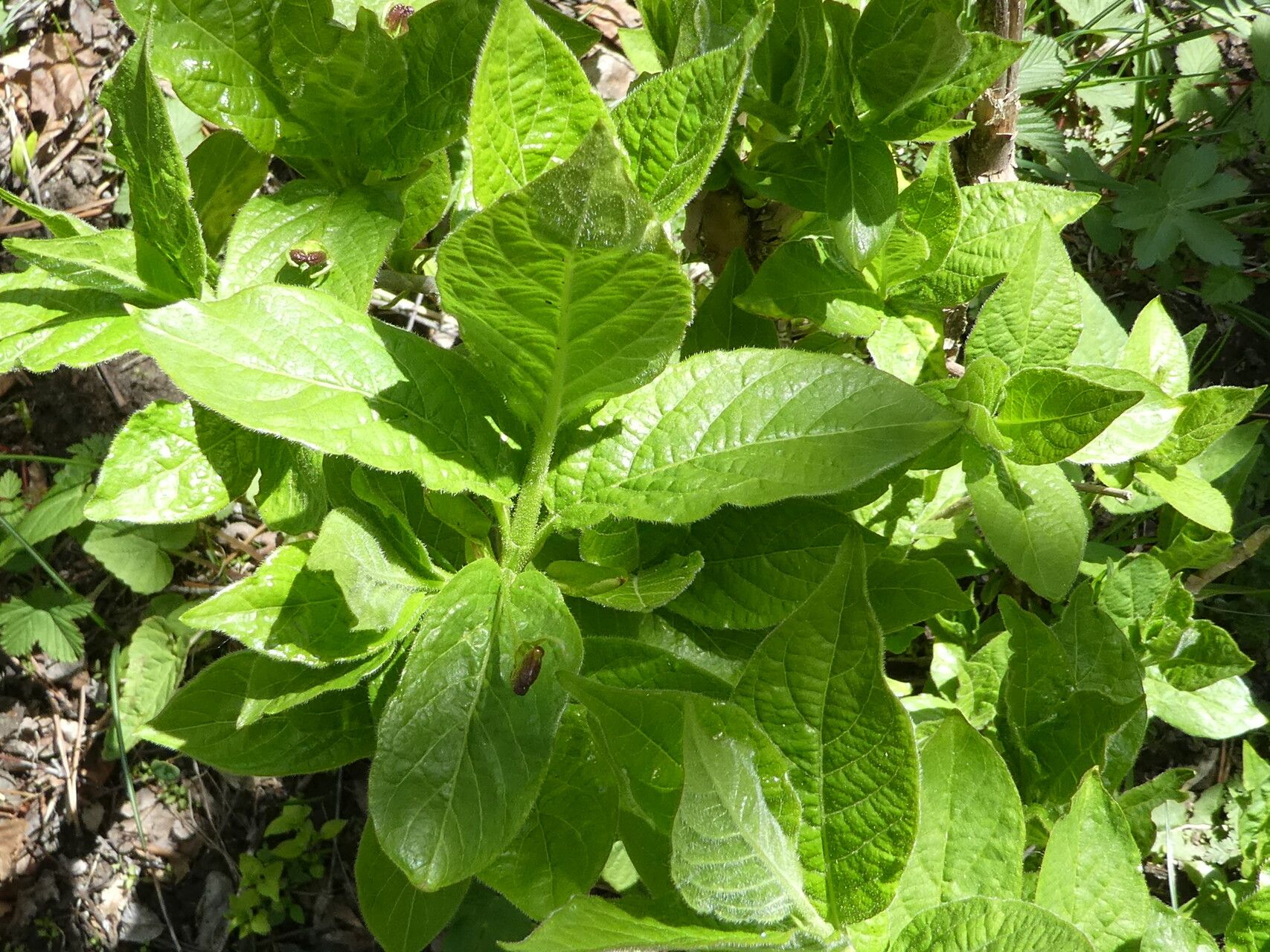
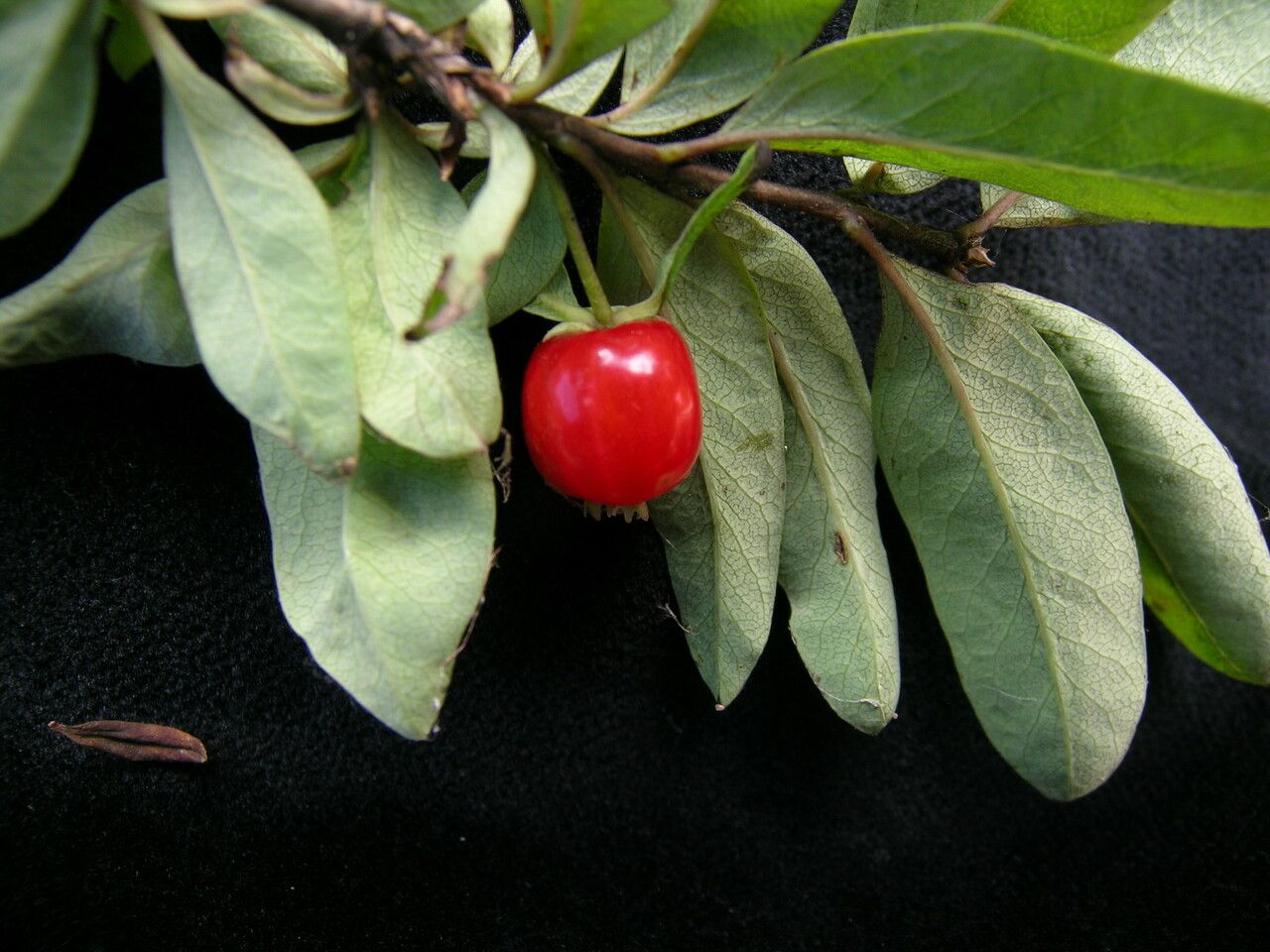
Lonicera oblongifolia, also known as the swamp honeysuckle and swamp fly honeysuckle is a species of flowering plant belonging to the family Caprifoliaceae.
Swamp fly honeysuckle has strong resistance to disease and is typically not prone to illnesses. For care, the plant is fairly low-maintenance. When grown outdoors it needs little watering, and larger plants usually do not need pruning. Smaller plants, however, should be pruned after they have finished blooming. Swamp fly honeysucklet is appropriate for anyone with an outdoor area, like a garden or deck, and does not require much care experience.
How to keep Lonicera Oblongifolia.
Light
Swamp fly honeysuckle naturally occurs in habitats such as forest understories and rocky areas where it grows in natural shade. It prefers partial sun but can tolerate full sun or full shade, reflecting its versatility and hardiness.
Water
To care for swamp fly honeysuckle, consistently check the soil moisture level. Water the plant when the soil feels dry, keeping it slightly moist without allowing water to accumulate. Adjust how often you water based on the season and the color of the soil. After pruning, water the plant every 3-5 days. Whenever possible, use rainwater or melted snow instead of tap water to improve soil quality.
Temperature
Swamp fly honeysuckle shows strong adaptability to a range of climate conditions, from blazing summers to frosty winters. It still has an ideal temperature range for healthy growth. If temperatures climb too high, the plant can suffer from heat and humidity stress, which may lead to its death. In areas where temperatures approach the lower edge of its cold tolerance, it's important to use insulation methods to protect the plant.
Fertilizer
Correct timing is essential when fertilizing Swamp fly honeysuckle. Apply fertilizer in early spring and continue every month until early summer. Fertilizer promotes beautiful blooms and supplies energy during both dormant and active growth stages.
Pruning
The swamp fly honeysuckle is a deciduous shrub that features tubular yellow flowers and thrives in wetland areas. To maintain its shape and encourage healthy growth, prune it in early spring. This will remove any damaged branches, improve its form, and enhance air circulation, leading to more vigorous blooming. Pruning at this time aligns with the shrub's growth cycle, supporting its overall development.
Botanical profile.
- Plant Type
- Shrub
- Life Cycle
- Perennial
- Genus
- Lonicera
- Family
- Caprifoliaceae
- Hardiness Zone
- 2-6
- Mature Height
- 0.3 m to 1.83 m
- Mature Spread
- 0.91 m to 1.52 m
- Leaf Color
- Green, Dark Green
- Leaf Type
- Deciduous
- Flower Color
- Yellow
- Flower Size
- 1.02 cm to 1.52 cm
- Bloom Time
- Mid spring, Late spring
- Planting Time
- Spring, Summer
- Harvest Time
- Mid summer, Late summer
Other names.