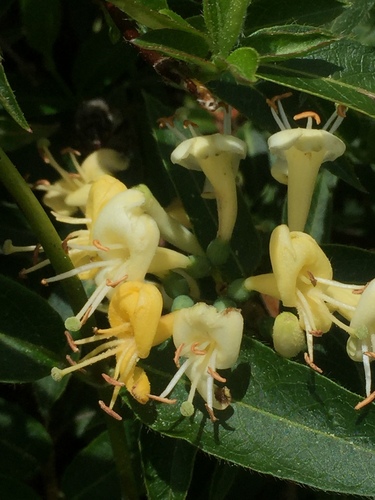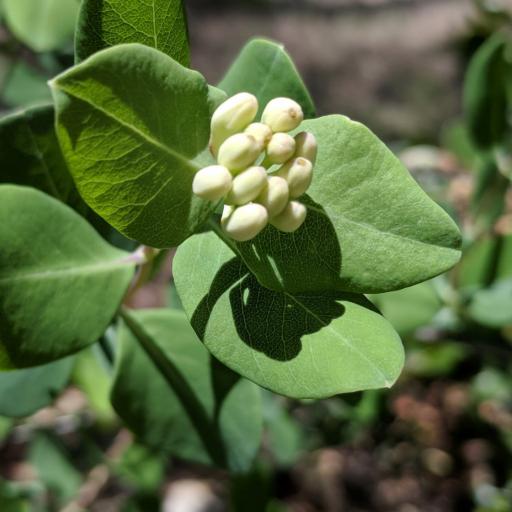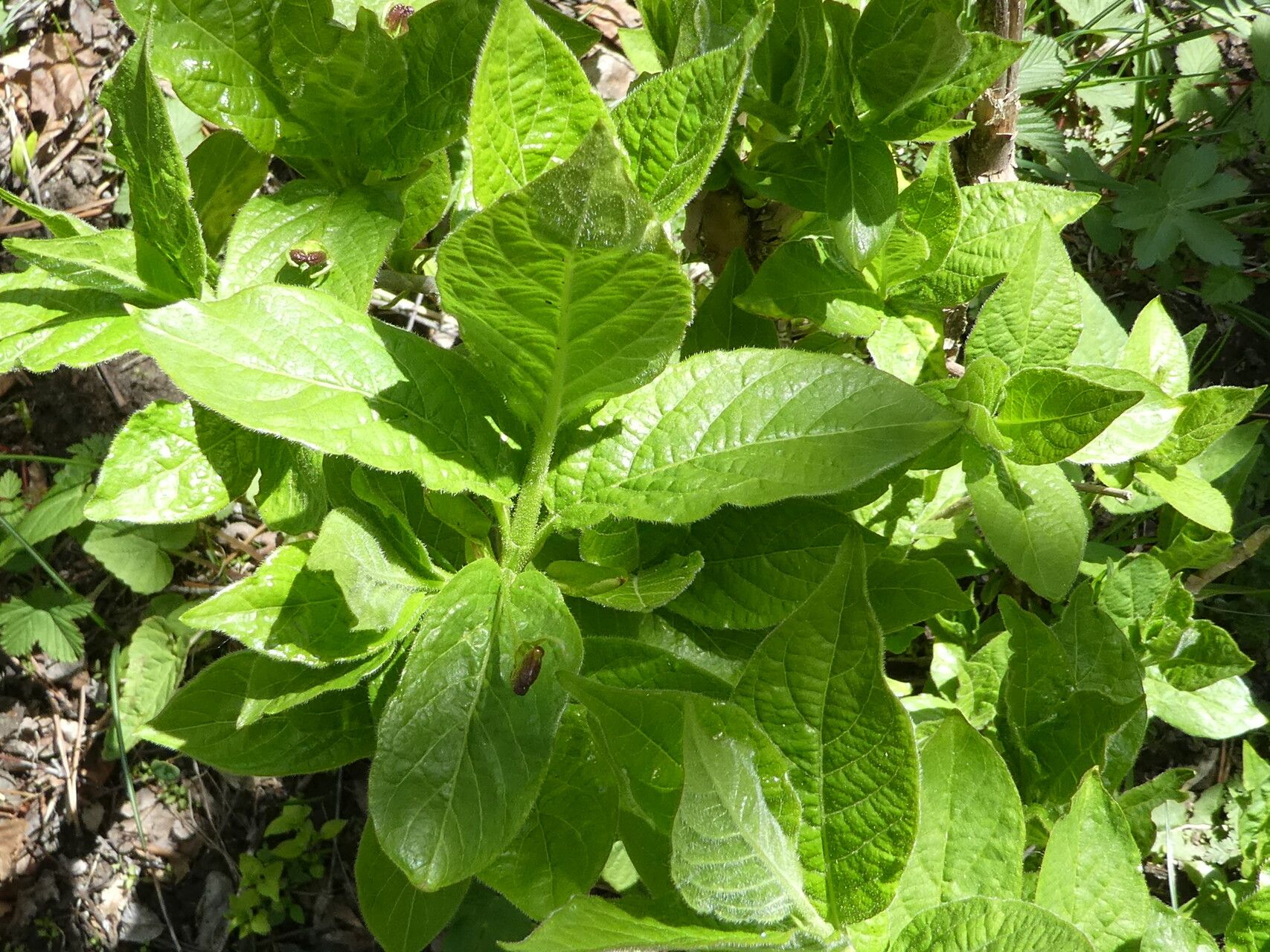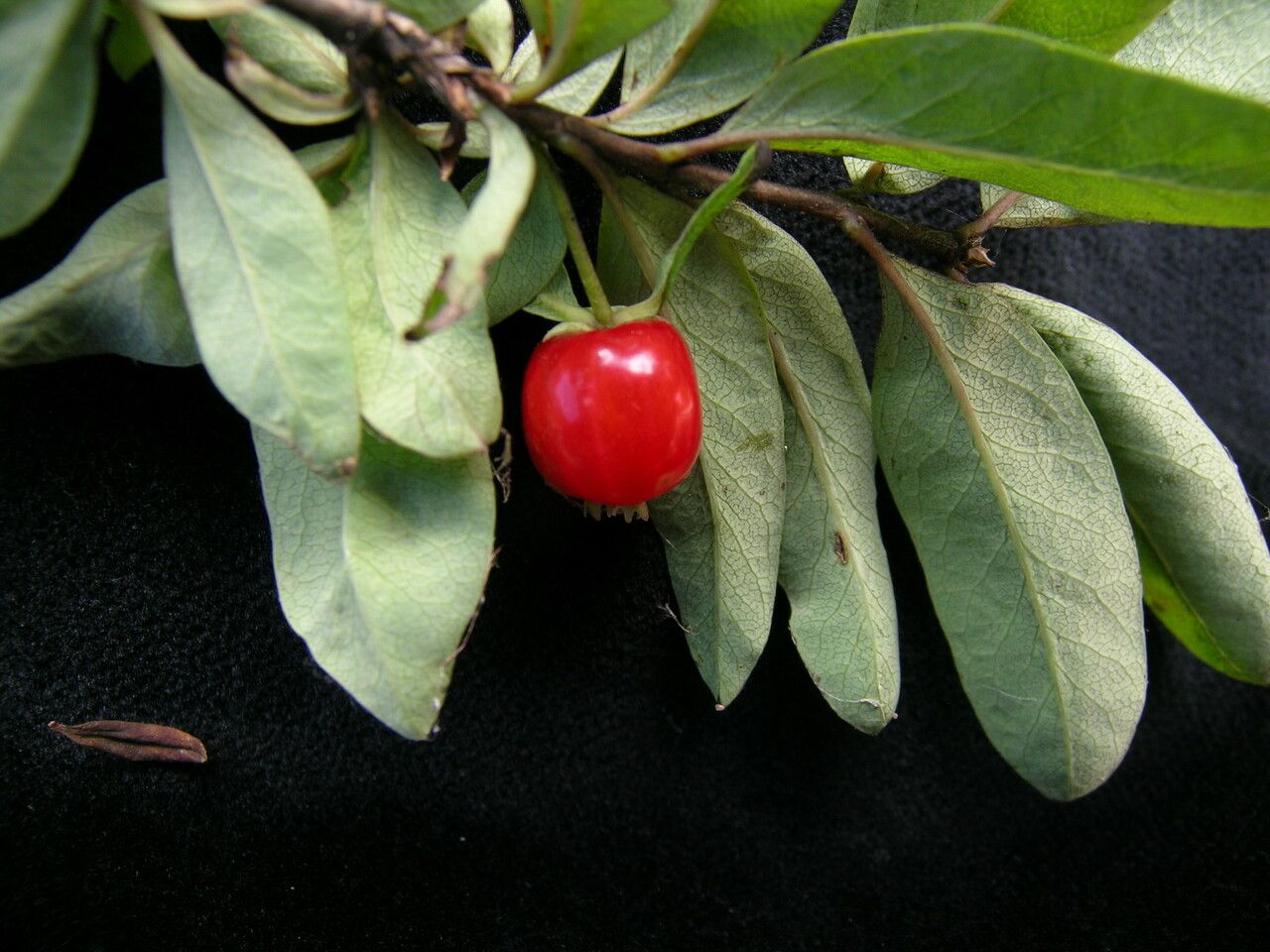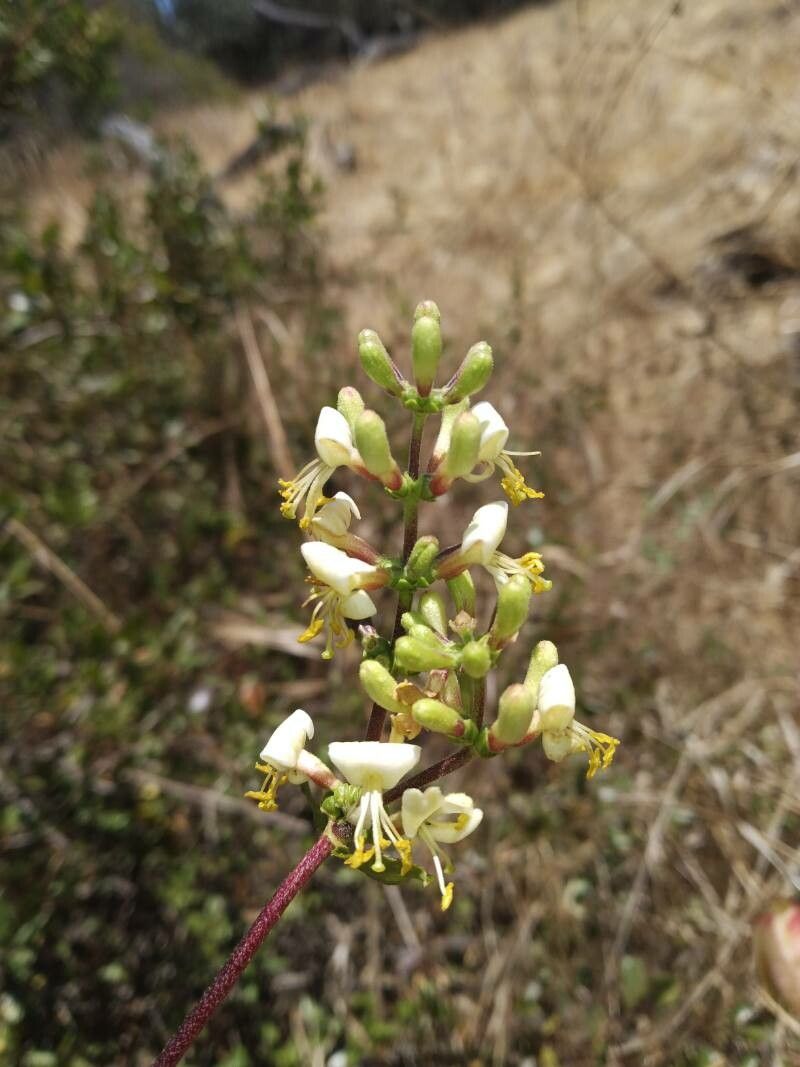
Lonicera interrupta, commonly known as chaparral honeysuckle, is a species of plant found in the western United States. It is native to chaparral and mixed forest habitats in the foothills and mountain ranges of California, and to some mountains in Arizona.
Chaparral honeysuckle is resistant to disease and generally not susceptible to illnesses. In terms of care, this plant is fairly low-maintenance. When grown outdoors it needs little watering, and larger specimens typically do not require pruning. Smaller plants, however, should be pruned after they finish blooming. Chaparral honeysuckle is suitable for anyone with an outdoor area, such as a garden or deck, and does not require extensive care experience.
How to keep Lonicera Interrupta.
Light
Chaparral honeysuckle is native to habitats like forest understories or rocky areas, where it grows in natural shade. It prefers partial sun but can tolerate full sun or full shade, showing a versatile and hardy nature.
Water
Chaparral honeysuckle, native to arid regions, is exceptionally drought-tolerant. To simulate the sparse rainfall of its natural habitat, it requires only weekly watering. This plant thrives in dry landscapes, making it perfect for rock gardens and low-water environments. It efficiently retains moisture even when water is scarce.
Temperature
Chaparral honeysuckle adapts well to a range of climate conditions, from blistering summers to cold winters. It nevertheless has an optimal temperature band for growth. If temperatures become too high, the plant can experience heat and humidity stress that may kill it. In areas where temperatures approach the lower limit of its cold tolerance, it is important to provide insulation to protect the plant.
Fertilizer
Proper timing is important when fertilizing Chaparral honeysuckle. Apply fertilizer in early spring and continue monthly until early summer. The fertilizer promotes attractive blooms and supplies energy during both dormant and active growth phases.
Pruning
To help your chaparral honeysuckle thrive, start by pruning early in the spring before new growth appears. Concentrate on removing dead wood, thinning the stems to improve air circulation, and shaping the plant to encourage more blooms. Regular pruning is essential for maintaining the size of the plant, enhancing its overall health, and preventing diseases. By doing this, you can ensure minimal disruption to its growth cycle.
Botanical profile.
- Plant Type
- Shrub
- Life Cycle
- Perennial
- Genus
- Lonicera
- Family
- Caprifoliaceae
- Hardiness Zone
- 7-10
- Mature Height
- 2.13 m to 4.88 m
- Mature Spread
- 0.91 m to 3.05 m
- Leaf Color
- Green, Dark Green
- Leaf Type
- Deciduous
- Flower Color
- White, Cream
- Flower Size
- 1.02 cm to 2.03 cm
- Bloom Time
- Mid spring, Late spring
- Planting Time
- Spring, Summer, Autumn
- Harvest Time
- Mid summer, Late summer
Other names.
Reader questions.
What are the sunlight requirements for Chaparral honeysuckle?
Chaparral honeysuckle (Lonicera interrupta) thrives in various sunlight conditions. For full sun exposure, it requires above 6 hours of sunlight daily. Conversely, for partial sun exposure, about 3-6 hours of sunlight is sufficient. It's important to observe the way sunlight moves through your garden to find spots that offer a perfect balance of light and shade, ensuring the plants' well-being.
What is the botanic name of Chaparral honeysuckle?
The botanic name of Chaparral honeysuckle is Lonicera interrupta.
What is the botanical name of Chaparral honeysuckle?
The botanical name of Chaparral honeysuckle is Lonicera interrupta.