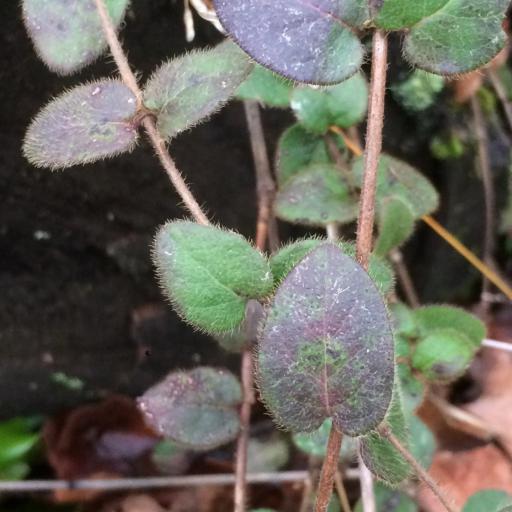
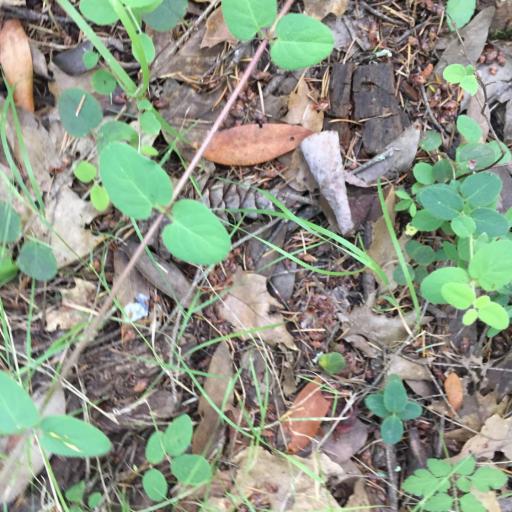
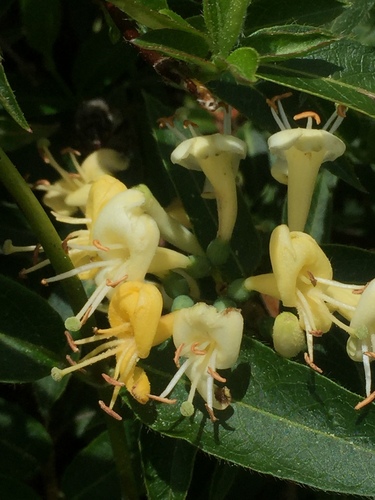
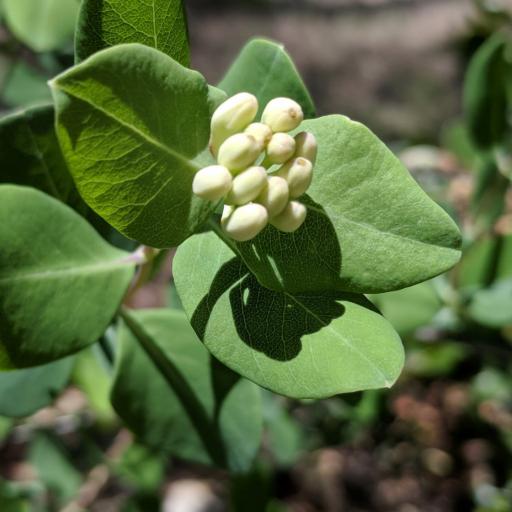
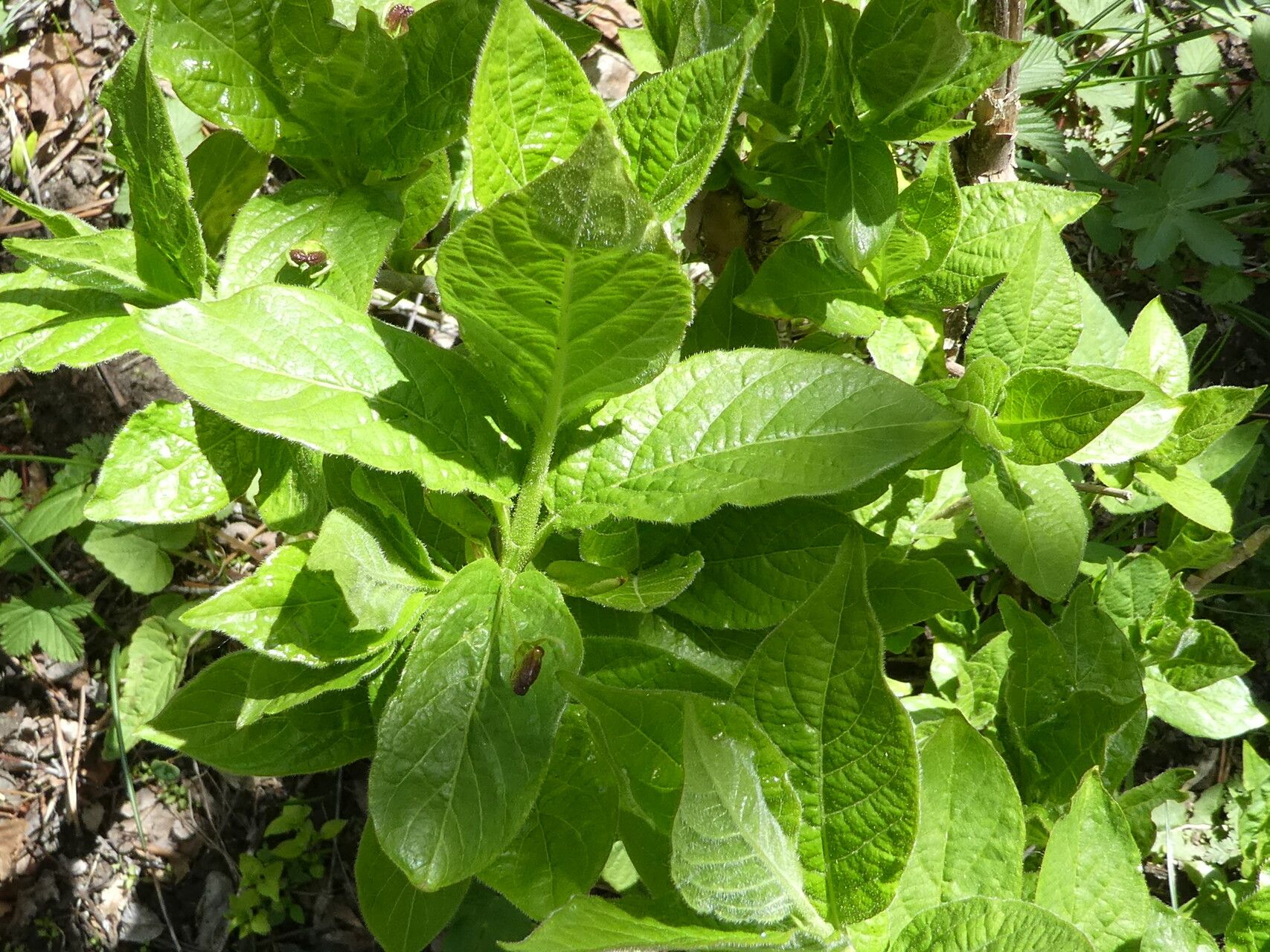
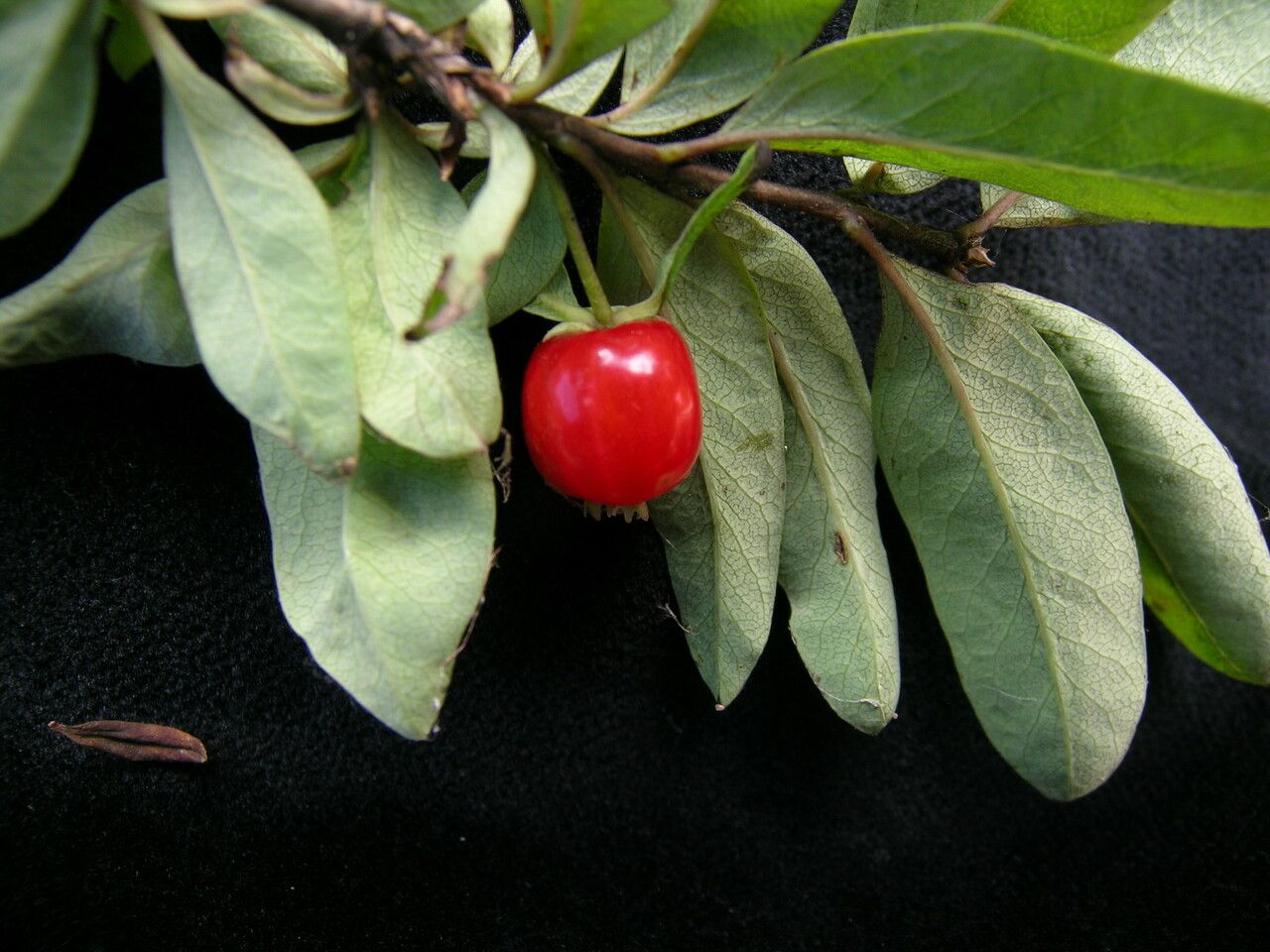
The perennial vine Lonicera hispidula is a species of honeysuckle known as pink honeysuckle and, less often, California honeysuckle. It is a low-elevation woodlands shrub or vine found on the West Coast of the United States.
Pink Honeysuckle is resistant to disease and generally not vulnerable to illnesses. Regarding care, this plant is fairly low-maintenance. When grown outdoors it needs only light watering, and larger specimens usually do not require pruning. Smaller plants, however, should be pruned after they finish blooming. Pink Honeysucklet is suitable for anyone with an outdoor area, such as a garden or deck, and does not demand much care experience.
How to keep Lonicera Hispidula.
Light
The pink Honeysuckle grows best with abundant sunlight, which promotes healthy growth and vibrant flowering. Despite this preference, it tolerates moderate shade well. Too much or too little light can negatively affect its growth and blooms. Originating from habitats that are typically rich in sunlight, its growth stages essentially reflect that preference.
Water
Pink Honeysuckle thrives in moderate humidity and is drought-tolerant, needing watering only every three weeks to prevent over-saturation. It grows best outdoors, where it benefits from rainwater collection during the growing season. This practice mimics the precipitation patterns of its natural habitat, allowing the plant to climb or sprawl across garden structures effectively.
Temperature
Pink Honeysuckle originates from temperate areas and prefers temperatures of 50 to 95 °F (10 to 35 ℃). If temperatures fall outside that range, adjust its surroundings to mimic its natural habitat.
Fertilizer
The timing of fertilizing Pink Honeysuckle is important. Apply fertilizer in early spring and continue monthly until early summer. Fertilizer promotes attractive blooms and provides energy during both dormant and active growth periods.
Pruning
Pink honeysuckle features striking pink flowers and hairy stems. To keep your plant healthy and looking its best, prune it in early spring. Start by removing any dead wood, then thin the plant to improve airflow, and trim back long branches to encourage bushier growth. Proper pruning enhances flowering, improves the plant's shape, and supports overall health. Regular maintenance also helps prevent disease and promotes vigorous growth.
Botanical profile.
- Plant Type
- Vine, Shrub
- Life Cycle
- Perennial
- Genus
- Lonicera
- Family
- Caprifoliaceae
- Hardiness Zone
- 6-10
- Mature Height
- 0.91 m to 3.05 m
- Mature Spread
- 6.1 m
- Leaf Color
- Green, Blue
- Leaf Type
- Semi-evergreen
- Flower Color
- Pink, White
- Flower Size
- 1.52 cm to 2.03 cm
- Bloom Time
- Late spring, Early summer, Mid summer
- Planting Time
- Spring, Autumn
- Harvest Time
- Mid summer
Other names.