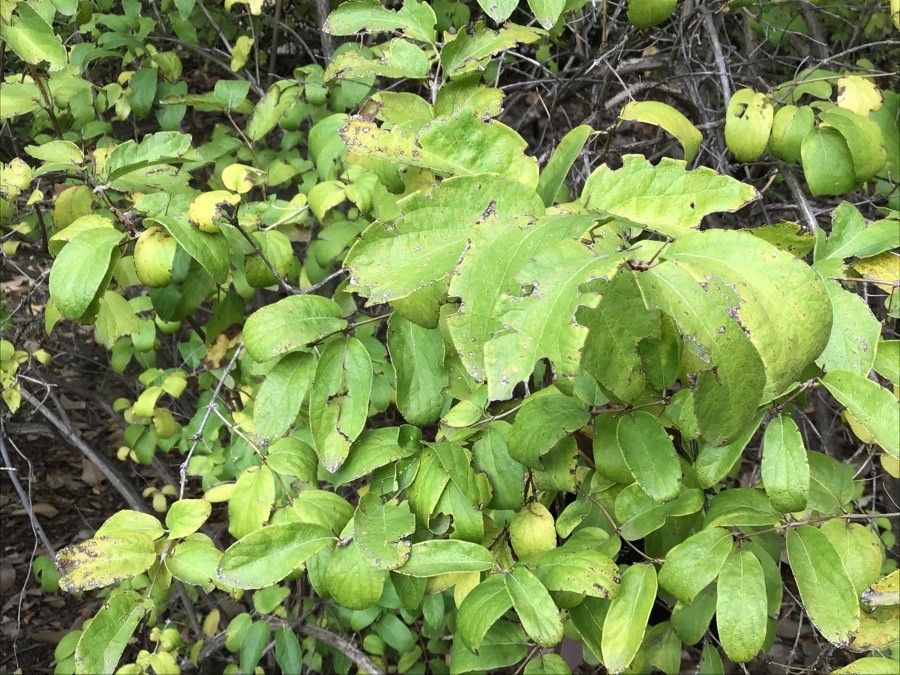
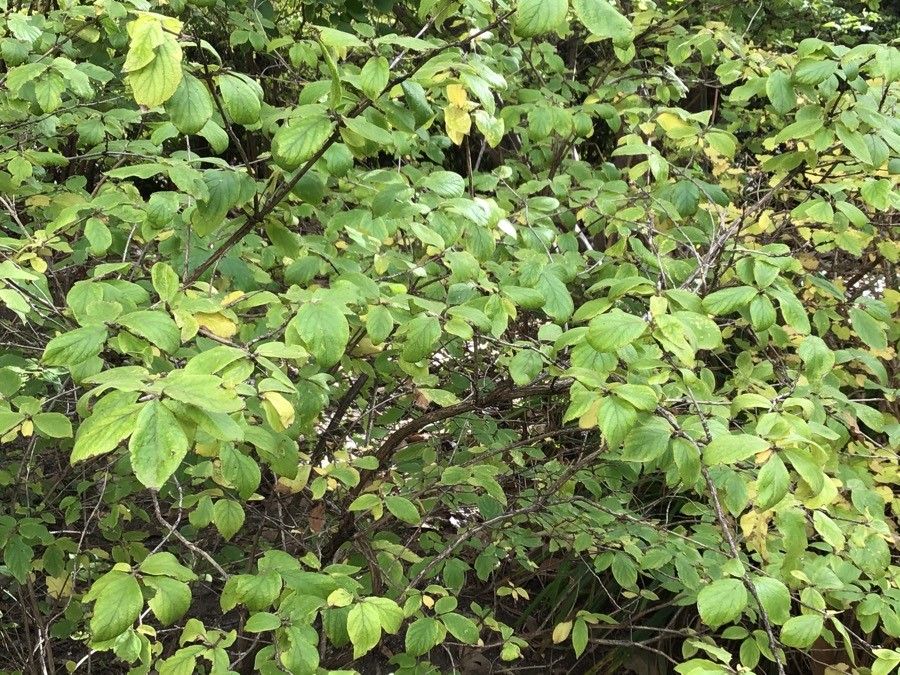
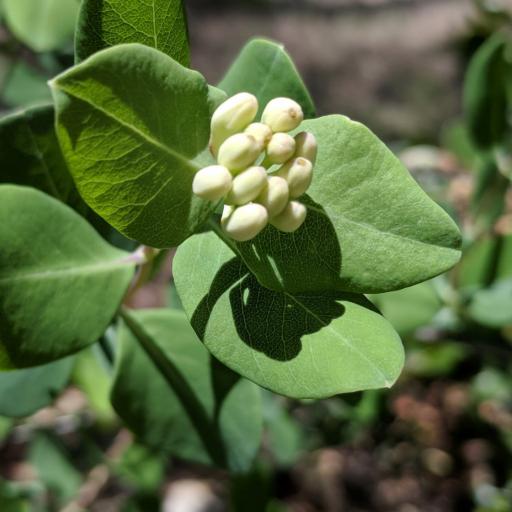
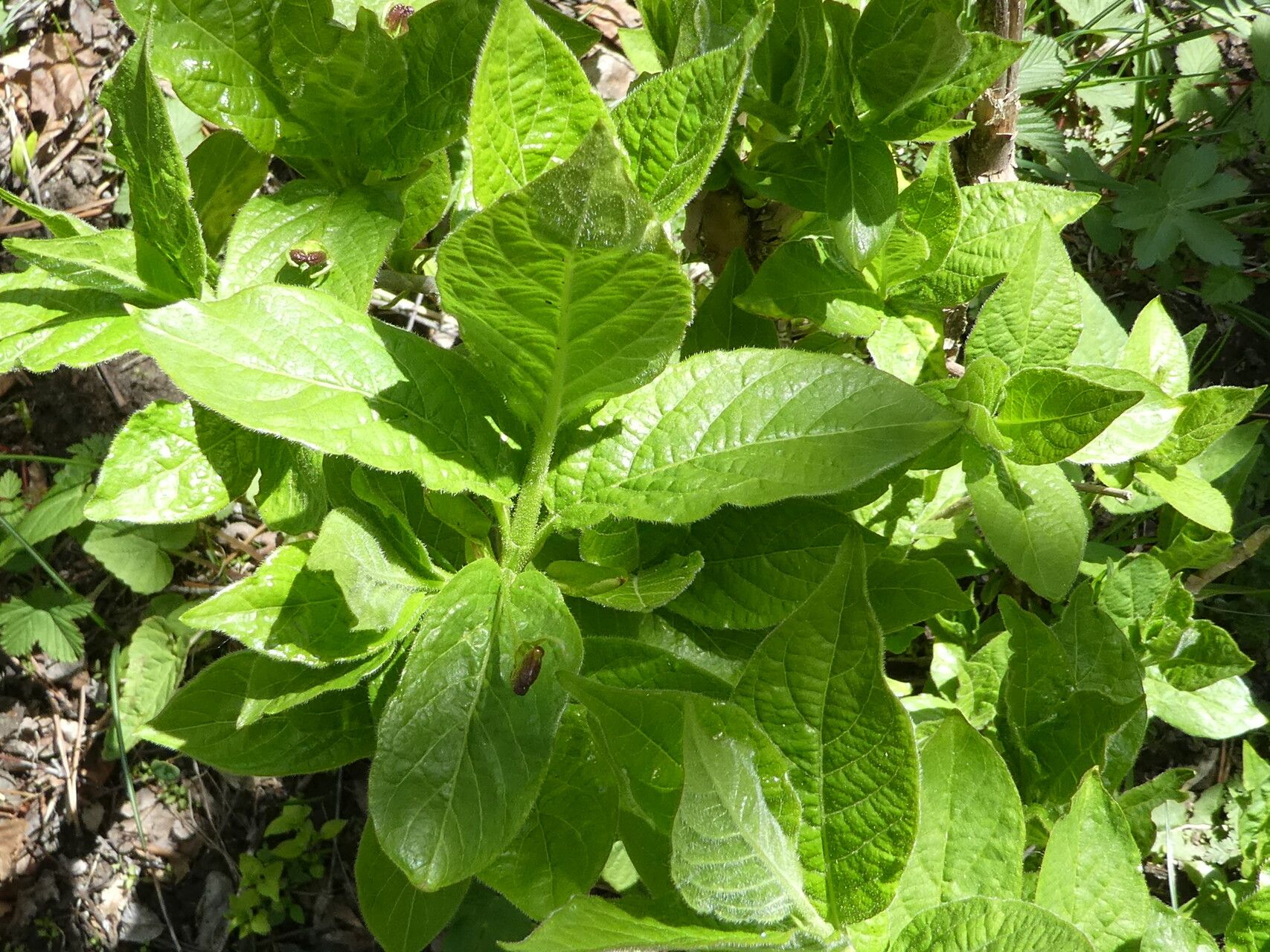
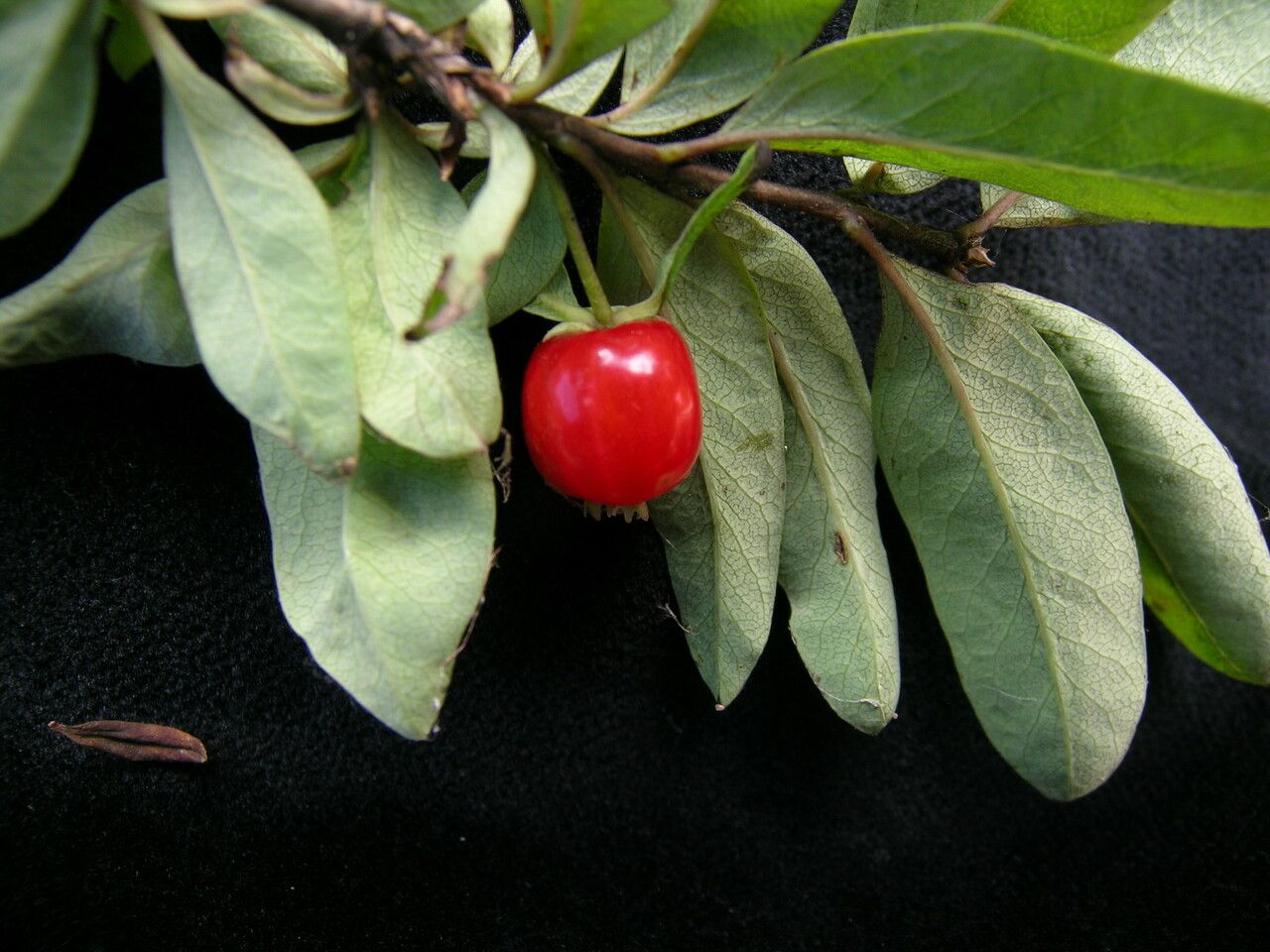
Honeysuckle has strong resistance to disease and is usually not susceptible to illnesses. In terms of care, this plant is fairly low maintenance. When grown outdoors it needs little watering, and larger plants generally do not require pruning. Smaller plants, however, should be pruned after they have finished blooming. Honeysuckle is suitable for anyone with outdoor space, such as a garden or deck, and does not demand much experience in plant care.
How to keep Lonicera Chrysantha.
Light
Honeysuckle originates in habitats such as forest understories or rocky areas, where it grows in natural shade. It prefers partial sun but can tolerate full sun or full shade, showing its versatile and hardy nature.
Water
To determine when to water honeysuckle, regularly monitor the soil moisture. Aim to keep the soil slightly moist, and water the plants whenever the soil becomes dry. After pruning, water the honeysuckle every 3 to 5 days. Adjust the frequency according to the season, increasing watering during the summer and reducing it in the winter. For best results, use rainwater or melted snow, as these are less harmful than tap water. Avoid overwatering or letting water accumulate around the plants.
Temperature
Honeysuckle is very adaptable to different climate conditions, handling both blistering summers and cold winters. Still, it has an optimal temperature range for growth. If temperatures get too high, the plant can experience heat and humidity stress, which can lead to its death. In places where temperatures approach the lower limit of its cold tolerance, it's important to provide insulation to protect the plant.
Fertilizer
Timing is important for fertilizing Honeysuckle. Apply fertilizer in early spring and continue every month until early summer. Fertilizer promotes attractive blooms and supplies energy during both dormant and active growth phases.
Pruning
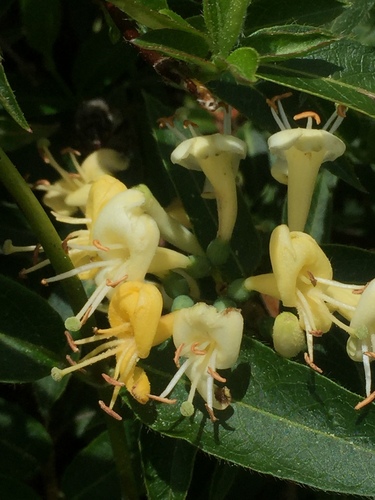
Honeysuckle is famous for its vibrant yellow flowers and benefits greatly from annual pruning in early spring. To keep the plant healthy and promote beautiful blooms, focus on removing dead wood and thinning the plant to improve air circulation. This will enhance both the flowers and the overall structure of the plant. Be sure to use sharp, sanitized tools to prevent infections, and consider consulting horticultural guides for detailed pruning techniques.
Botanical profile.
- Plant Type
- Shrub
- Life Cycle
- Perennial
- Genus
- Lonicera
- Family
- Caprifoliaceae
- Hardiness Zone
- 3-8
- Mature Height
- 3.96 m
- Mature Spread
- 2.44 m to 3.66 m
- Leaf Color
- Green
- Leaf Type
- Deciduous
- Flower Color
- Yellow
- Flower Size
- 2.54 cm
- Bloom Time
- Mid spring, Late spring
- Planting Time
- Spring, Summer, Autumn
- Harvest Time
- Mid summer, Late summer, Early fall
- Native Area
- Russia, Japan, Mongolia, Koppen, South Korea, China
Other names.
Reader questions.
What are the sunlight requirements for Honeysuckle (Lonicera chrysantha)?
Honeysuckle (Lonicera chrysantha) thrives in various sunlight conditions. For optimal growth, it requires 'full sun,' which is defined as receiving above 6 hours of sunlight daily. It can also grow well in 'partial sun' conditions, characterized by about 3-6 hours of sunlight each day. It's important to monitor the sunlight patterns in your garden carefully. Identifying locations that provide a balanced mix of light and shade will ensure your Honeysuckle plants are happy and healthy.
What is Honeysuckle?
Honeysuckle, scientifically known as Lonicera chrysantha, is a plant known for its fragrant flowers. Unfortunately, details such as its essential benefits, symptoms of concern, or additional information were not provided.