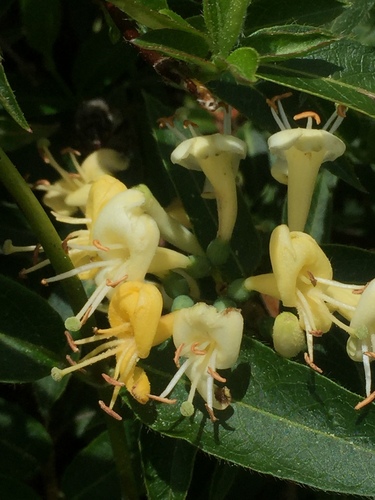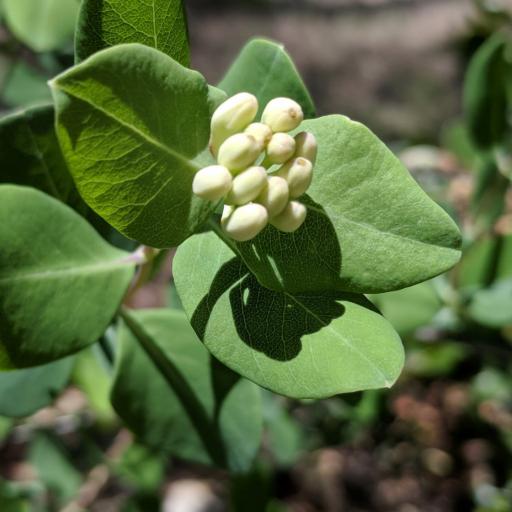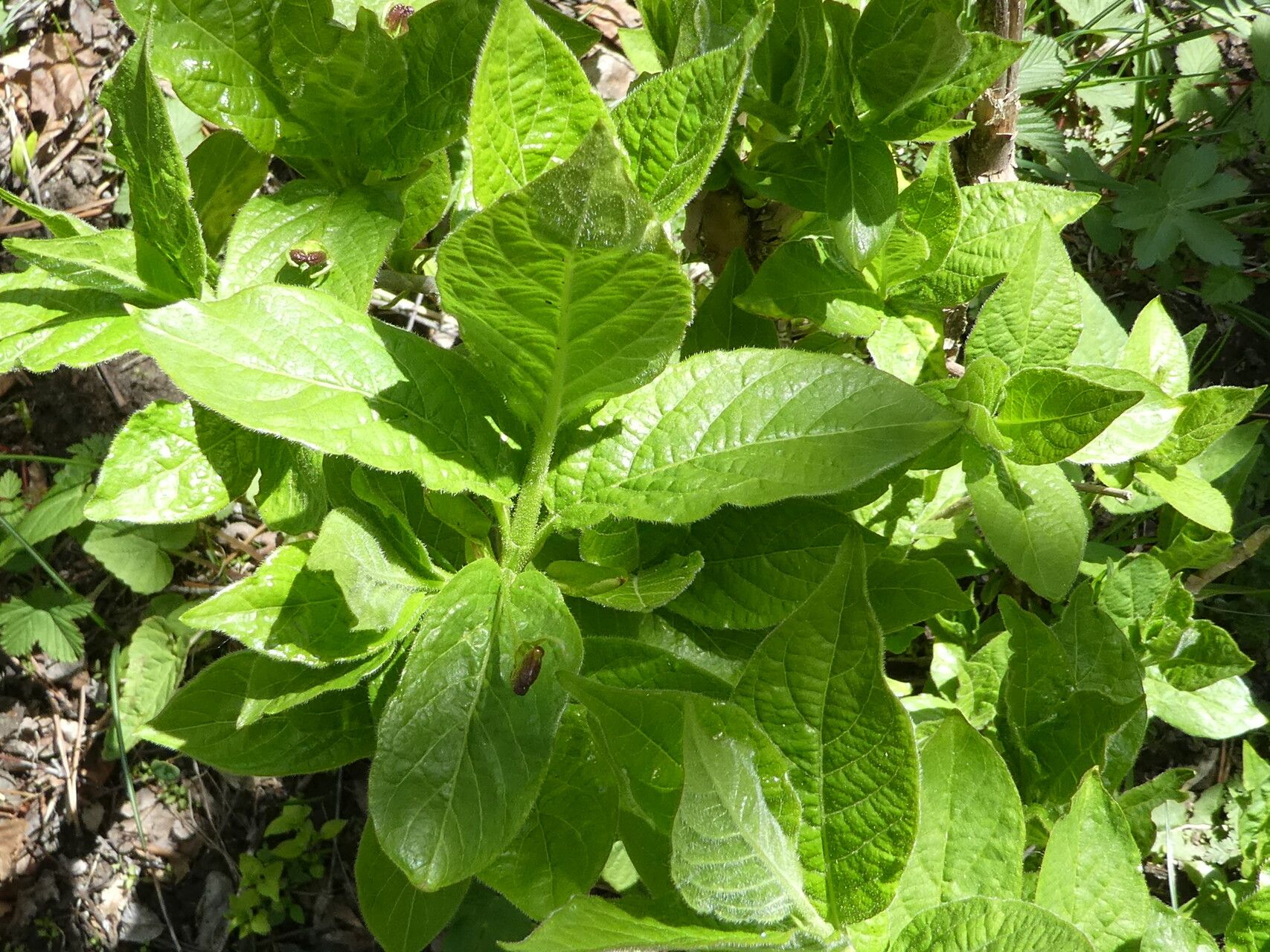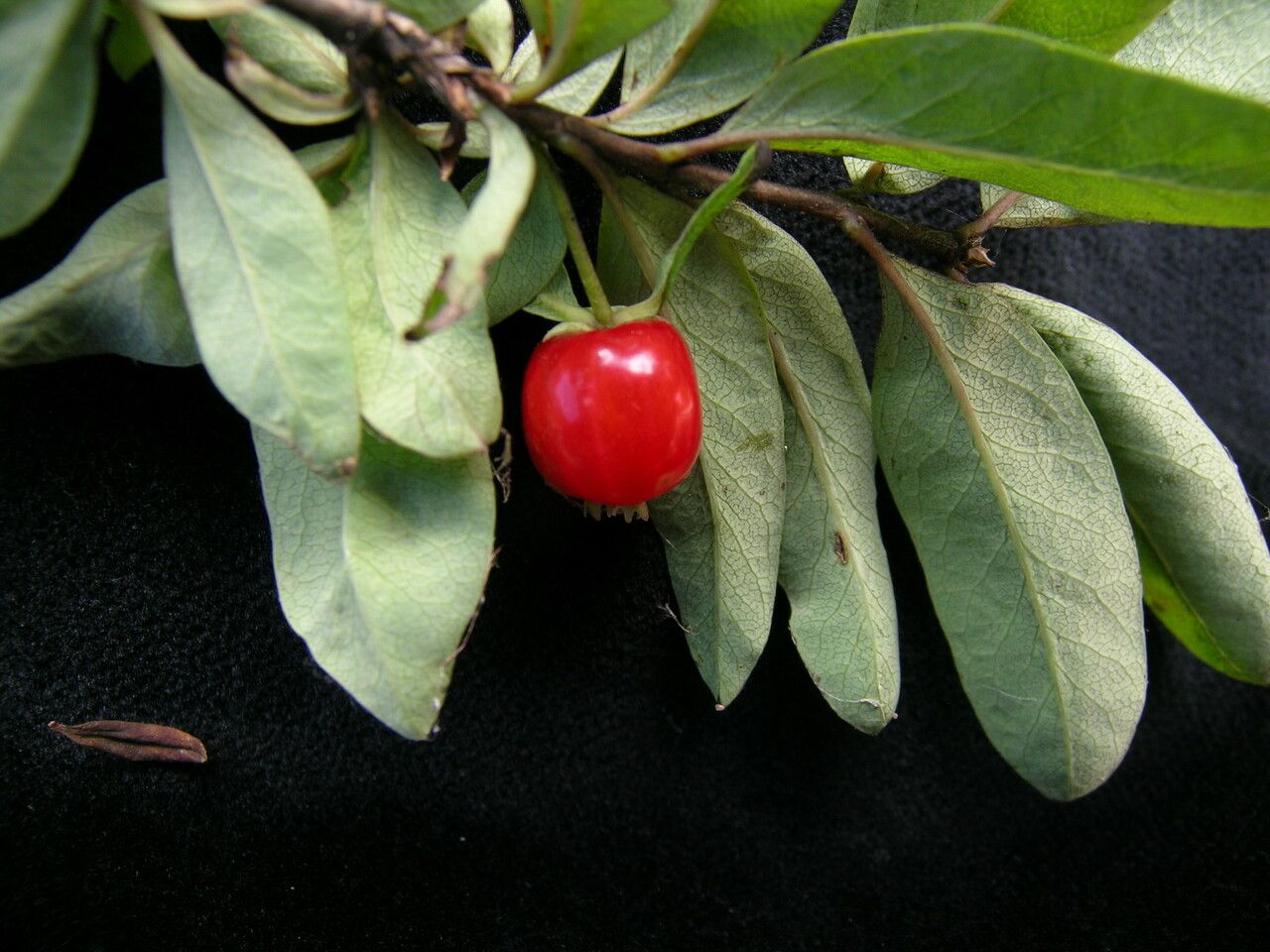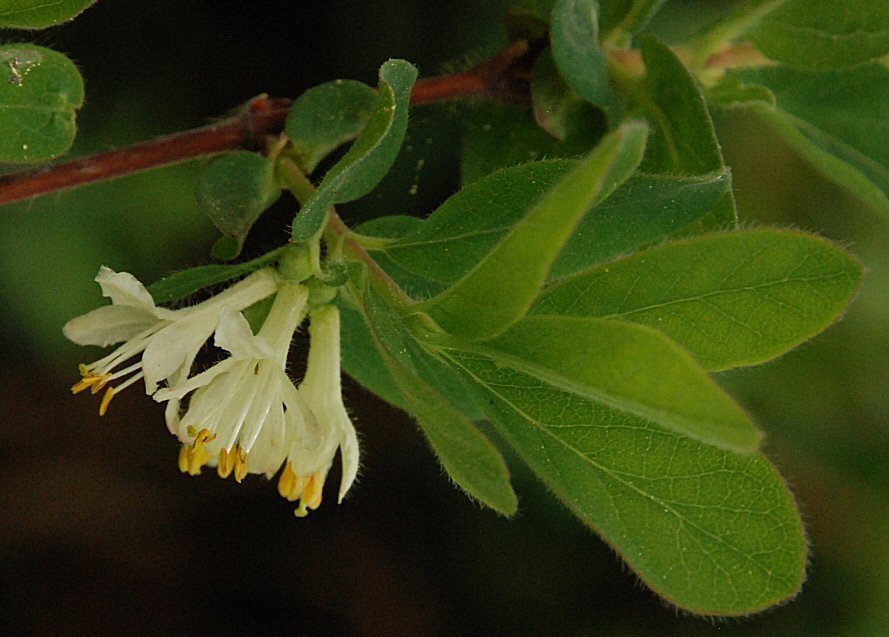
Lonicera caerulea, also known by its common names blue honeysuckle, sweetberry honeysuckle, fly honeysuckle (blue fly honeysuckle), blue-berried honeysuckle, or the honeyberry, is a non-climbing honeysuckle native throughout the cool temperate Northern Hemisphere regions of North America, Europe, and Asia.The plant or its fruit has also come to be called haskap, derived from its name in the language of the native Ainu people of Hokkaido, Japan.
Honeyberry demonstrates strong resistance to disease and is usually not susceptible to illnesses. In terms of maintenance, this plant is fairly low-maintenance. When grown outdoors it needs little watering, and larger plants typically do not require pruning. Smaller plants, however, should be pruned after they finish blooming. Honeyberryt is suitable for anyone with outdoor space, like a garden or deck, and does not demand extensive care experience.
How to keep Lonicera Caerulea.
Light
Honeyberry performs best in full sun, replicating the conditions of its native habitat. It needs ample light for optimal growth and fruit production. It can tolerate moderate sun exposure, but this may affect its growth rate and fruit yield. Too much sun can cause stress, while too little can limit its development.
Water
Honeyberry is well-suited for cooler climates and thrives with moderate moisture and consistent soil hydration. It is drought-tolerant to some extent, so water it once every three weeks, as it can handle short periods of dryness. Honeyberry is typically grown outdoors, and its growing season largely depends on the availability of water. It makes efficient use of rainfall during its fruiting cycle.
Temperature
Honeyberry originates from habitats with temperatures ranging from 41 to 89.6 °F (5 to 32 ℃). It prefers cooler climates but is capable of adjusting to warmer temperatures. Seasonal adjustments may be needed to reproduce these conditions.
Fertilizer
The Honeyberry plant needs adequate nutrients for optimal fruit production. Fertilize in early spring to support new growth and bloom development. Regular feeding keeps the plant healthy, encourages more flavorful fruit, and prevents nutrient deficiency problems such as yellowing leaves and poor fruit production.
Pruning
For optimal growth and fruit production, prune honeyberry plants annually during their dormant phase from early to late winter. Focus on removing dead or overcrowded branches to improve air circulation and light penetration. This encourages new growth and enhances fruit yield, all while preserving the plant's shape and health. Be careful not to prune too heavily, as this can reduce the plant's productivity.
Botanical profile.
- Plant Type
- Shrub
- Life Cycle
- Perennial
- Genus
- Lonicera
- Family
- Caprifoliaceae
- Hardiness Zone
- 4-8
- Mature Height
- 1.22 m to 1.83 m
- Mature Spread
- 1.52 m
- Leaf Color
- Green
- Leaf Type
- Deciduous
- Flower Color
- White
- Flower Size
- 2.54 cm
- Bloom Time
- Mid spring, Late spring
- Planting Time
- Spring, Autumn
- Harvest Time
- Early summer, Mid summer
Other names.
Reader questions.
What should I watch out for when I water my Honeyberry in different seasons, climates, or during different growing times?
When planting Honeyberry in the ground, it usually relies on rain for water. However, if there is no rainfall for 2-3 weeks, you may need to water the plants deeply. It's best to water them in the morning during the summer to avoid stressing the roots with a large temperature difference. It's important not to water the bushes when it's too hot outside. Start mulching them in the spring when the ground is not too cold. The age of the plants is important when it comes to watering. Newly planted ones often fail to grow due to a lack of water. Once they are established, you can reduce the watering schedule. During the fall and winter, especially if there is water-retaining material in the soil, water them less. Dry winds in winter can dry them out, and newly planted ones are at risk of drought during windy seasons. Windy seasons require more watering. If Honeyberry is planted in a pot, it tends to dry out faster and requires more watering. Look out for signs like less blooming and drying leaves. Watering potted plants can be more complex and the frequency may fluctuate. Make sure not to let the pot sit in water by avoiding containers with saucers, bowls, or trays. Overwatering in the fall can cause mottled or yellowish foliage. Regardless of the climate or season, it's important to prevent overwatering. During the flowering months, consider increasing the watering frequency, but once the plants are fully grown, give them a rest. Water them adequately every 3 to 5 days, but avoid sticking to a strict schedule. Check the soil before watering by feeling it with your finger or using a moisture meter. Overwatering or underwatering can lead to root rot and the death of the plants, so be cautious regardless of your area's climate or season.
When is it not a good time to add fertilizer to my Honeyberry plant?
Here are some tips for fertilizing Honeyberry plants: - In the first year of growth, it's best to avoid fertilizing altogether. Only provide fertilizer if it's absolutely necessary. - If you pruned 20% or more of the plant in the previous year, refrain from fertilizing. - Don't fertilize plants that are diseased or damaged, as it can do more harm than good. It's important to address the underlying issue before considering fertilization. - Avoid fertilizing after the peak of summer, as this can cause excessive growth just before winter. - During hot and dry periods, refrain from fertilizing as dry soil is less effective in delivering fertilizer. Fertilization at this time can also stimulate growth, requiring more water that may not be available. - It's best to apply fertilizer earlier in the season when temperatures are cooler. - Be cautious of inadvertently giving nearby plants a double-dose of fertilizer, as Honeyberry can absorb fertilizer applied to nearby plants or lawns.
What are the sunlight requirements for Honeyberry plants?
Honeyberry plants thrive in locations that receive full sun, which means they require above 6 hours of sunlight daily for optimal growth and fruit production. They can also grow under partial sun conditions, approximately 3-6 hours of sunlight, but this may impact their growth rate and fruit yield. It's essential to observe how sunlight moves through your garden to select spots that offer a balance of light and shade, ensuring the plants' well-being.
What is the native temperature range for Honeyberry?
Honeyberry, also known as Lonicera caerulea, thrives in environments with a temperature range of 41 to 89.6 °F (5 to 32 °C). It prefers colder climates but has the ability to adapt to warmer temperatures as well. Despite its strong cold resistance, seasonal adjustments might be required to ensure the plant mimics these native conditions closely.
How should I water my Honeyberry plant in the best way?
To ensure proper root development for your plants, place a garden hose at the base, avoiding the leaves. If your plants are outdoors and in direct sunlight, they may need more water. You can also use bubblers to moisten the roots of each plant, or use soaker hoses to cover the entire garden or bed. When adding or removing plants, make sure to water deeply to encourage deep root growth. Drain any excess water and wait for the soil to dry before watering again. Watering at ground level helps prevent diseases. On sunny days, consider spraying the entire bush with water. Whether your plants are in pots or in the ground, remember that Honeyberry plants prefer deep watering rather than light sprinkling.
Why should I put fertilizer on my Honeyberry plant?
Plants, especially fast-growing ones, deplete the soil of nutrients as they continue to grow. To ensure the health and productivity of Honeyberry plants, regular fertilization is important. Fertilization not only provides the necessary nutrients for the plant to stay healthy, but it also helps it produce more delicious fruit. Not fertilizing plants for a long time can lead to various problems. Nutrient deficiencies can manifest as yellow leaves, reddish discoloration, malformed shapes, withered tips, or extensive dieback. Additionally, certain nutrient deficiencies can result in bark disorders, slow growth, inadequate shoot development, and a lack of fruit production.
How important is sunlight for Honeyberry plants, and what are the effects of different light exposures?
Sunlight is crucial for the growth of Honeyberry plants, simulating conditions in their native habitat. Full exposure to sunlight is essential for their health, promoting optimal growth and abundant fruit production. Moderate sun exposure is tolerable, but it may affect the plant's growth and yield. Too much sun can stress the plant, while insufficient sunlight may hinder its development. When natural light is not enough, especially indoors or during winter, artificial lighting such as LEDs can be used to provide the necessary wavelengths for growth. The amount of artificial light recommended varies depending on whether the plant needs full sun, partial sun, or shade.
How can Honeyberry be protected during extremely cold winters?
Although Honeyberry possesses strong cold resistance and typically does not need special frost protection measures in winter, it is vital to provide extra protection if temperatures are expected to fall below -30°C. Protecting the plant can be achieved by wrapping the trunk and branches with non-woven fabric or cloth. Additionally, before the onset of the first freeze in autumn, it's advisable to water the plant thoroughly, ensuring the soil remains moist when it freezes. This preparation helps in preventing drought and water scarcity during the winter and early spring.
What do I do if I give Honeyberry too much water or too little water?
When a Honeyberry is overwatered, its leaves may turn yellow, drop off, and wilt. The plant may also appear dull and unhealthy, with mushy stems. If you notice these signs, try adjusting your watering schedule. However, wilting can also be a sign of under watering. Underwatered leaves tend to become crispy and dry, while overwatered leaves become soft and wilted. If the soil is dry and simply watering is not enough, give the plant a thorough watering. This will help the Honeyberry recover, but it may still have dry and yellow leaves for a few days due to root damage. Once the plant returns to normal, the yellowing leaves will stop. If you have a Honeyberry indoors, always check the moisture levels in the pot. Avoid overwatering and look out for signs of black spots. If black spots are present, let the soil dry out by refraining from watering for a few days. Overwatering can lead to root rot, so if you see discolored and slimy roots, consider transferring the plant to a different pot. It is important to prevent root rot by avoiding overly soggy soil. When planting a Honeyberry outdoors, dig a little deeper and check the soil with your fingers. If it feels too dry, it may indicate underwatering. Ensure adequate watering to help the plant recover.
When should I put fertilizer on my Honeyberry plant?
The ideal time to fertilize Honeyberry is early spring, before the buds appear. During this time, Honeyberry relies on the stored reserves from winter to fuel new growth. Fertilizing around 2 to 4 weeks before the expected blooming period allows the nutrients to penetrate the soil and be absorbed by the plant, ensuring sufficient energy for bloom development. While you can continue feeding Honeyberry during spring, it is recommended to avoid fertilizing in autumn. Doing so may cause excessive foliage growth late in the season, making the leaves more vulnerable to winter damage.
What are the symptoms of inadequate sunlight in Honeyberry plants?
Honeyberry plants may exhibit symptoms of light deficiency such as small new leaves, leggy or sparse growth due to longer spaces between leaves or stems, early leaf drop to conserve resources, slower or halted growth, lighter-colored new leaves indicating a lack of chlorophyll, and chlorosis or yellowing of the leaves. Excessive sunlight can cause symptoms like sunscald, which damages plant tissue, leaf curling as a defense against water loss, wilting from excessive transpiration, and leaf scorching marked by brown, dry edges on leaves.
What should be done if Honeyberry experiences temperatures below -25°C?
Honeyberry is notably cold-tolerant and performs optimally when the temperature is maintained above 5°C, even during winter. However, when temperatures drop below -30°C, the branches might not show immediate damage but can become brittle and dry by spring, failing to produce new shoots. The recommended solution for this issue is to prune away any dead branches that have not produced new leaves by springtime.