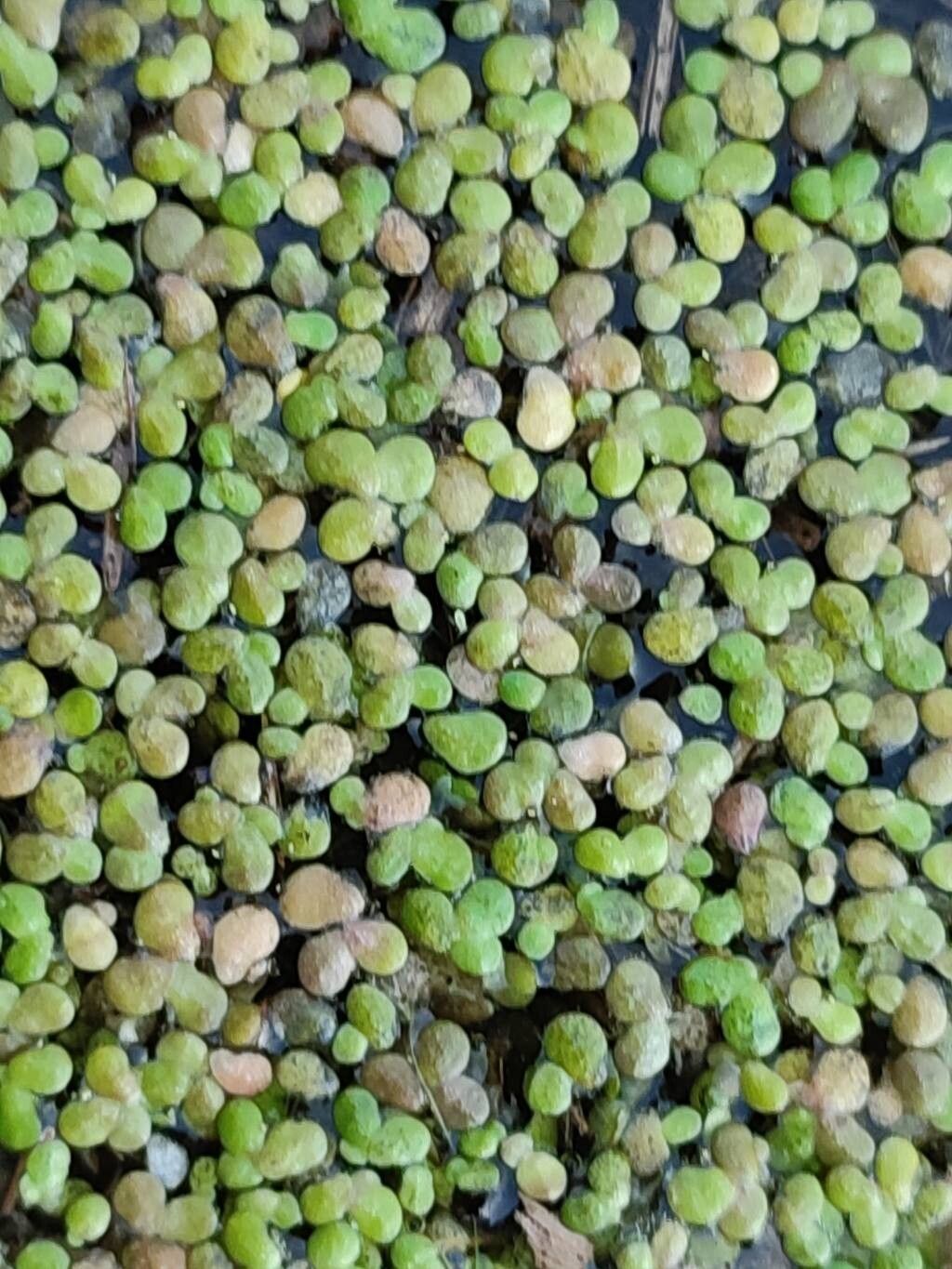
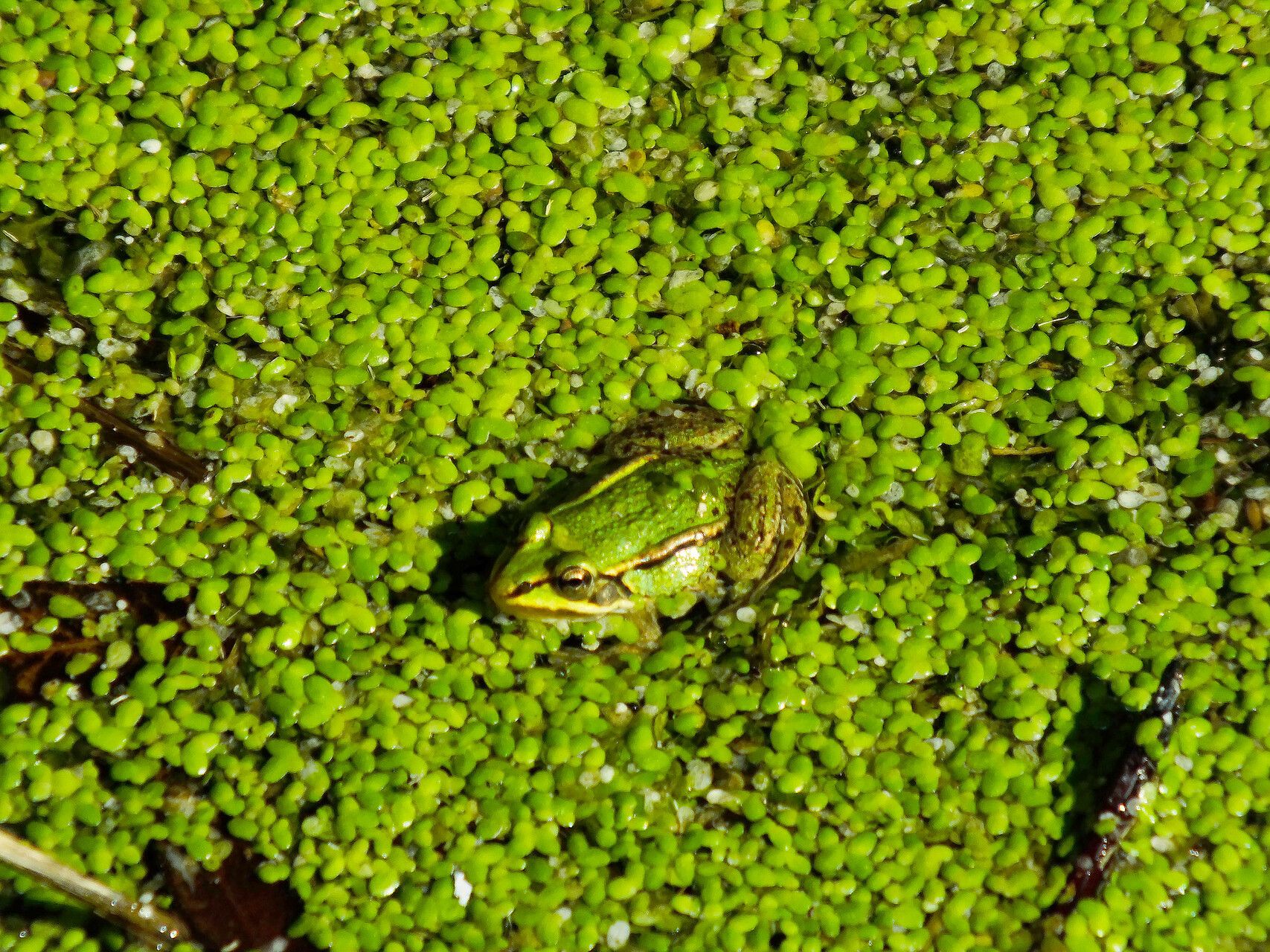
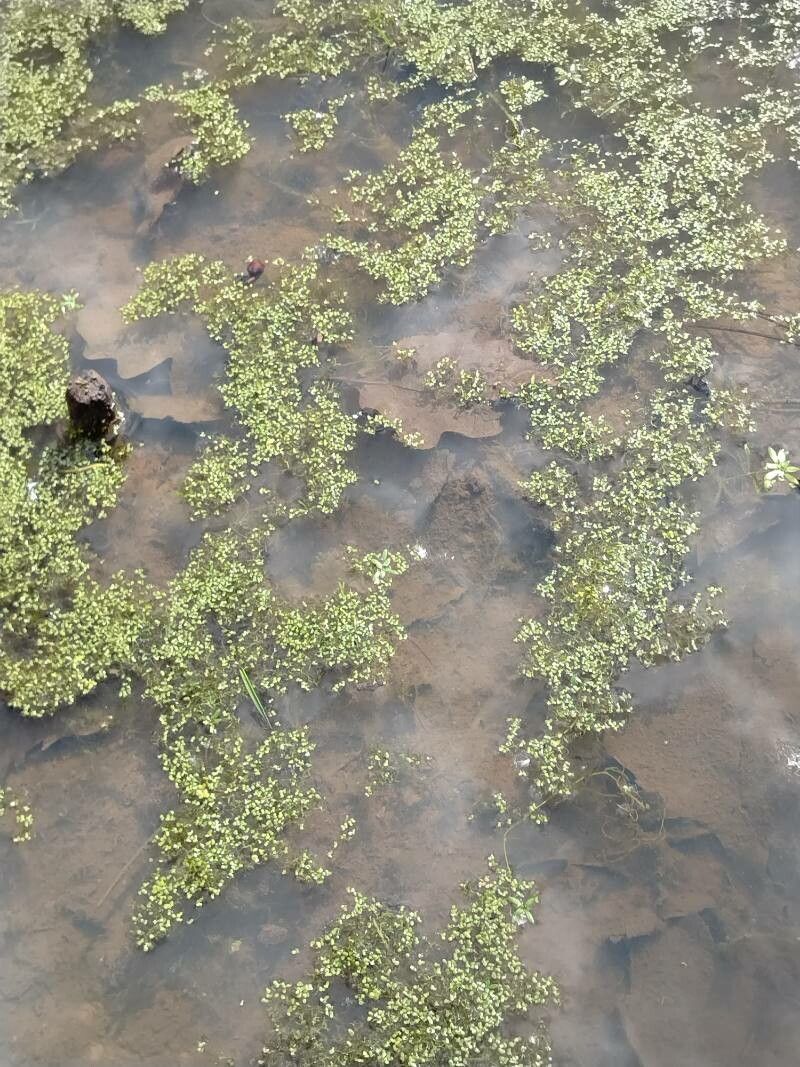
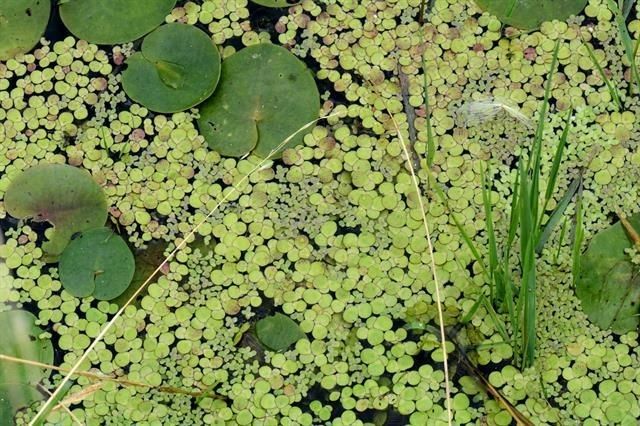
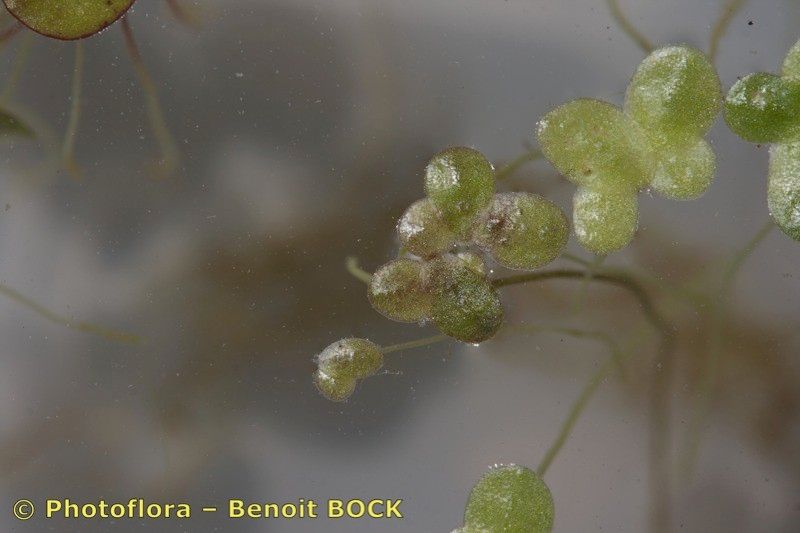
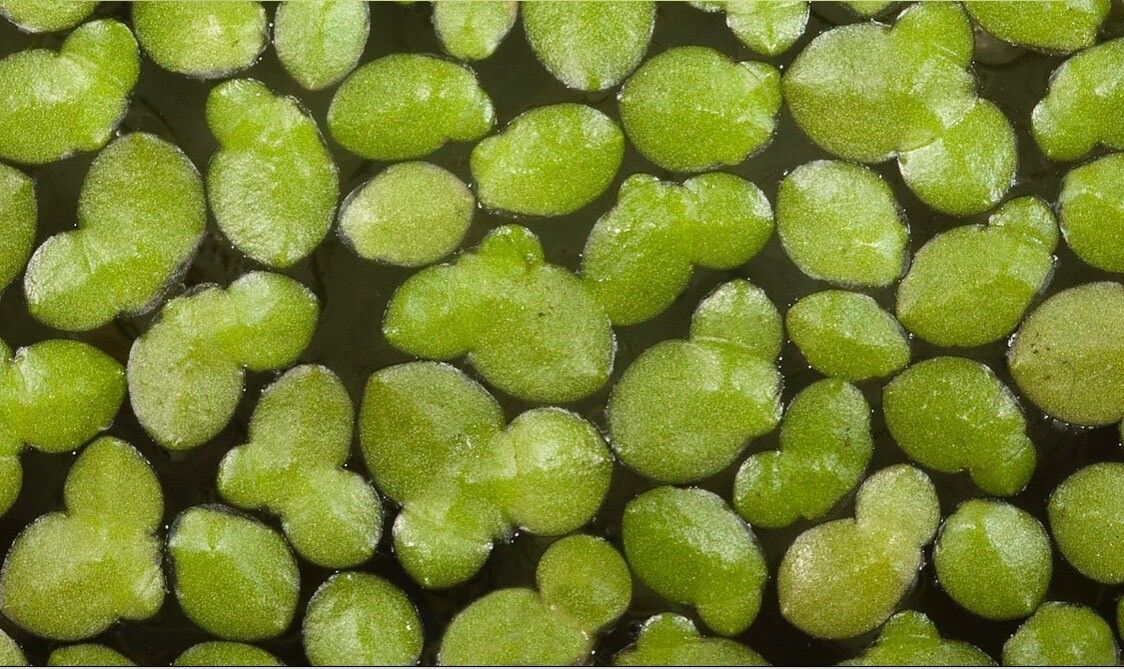
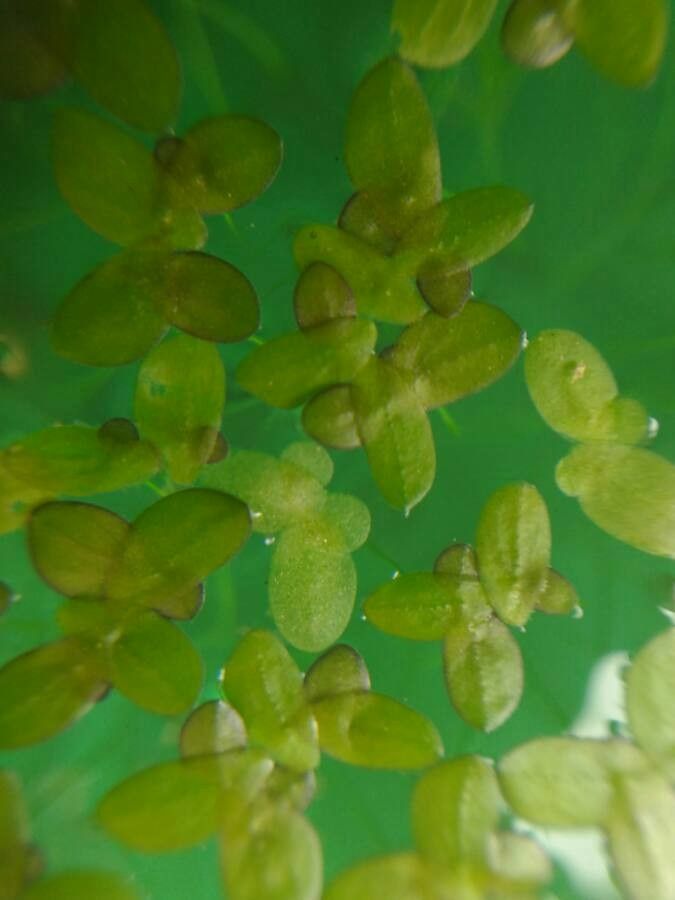
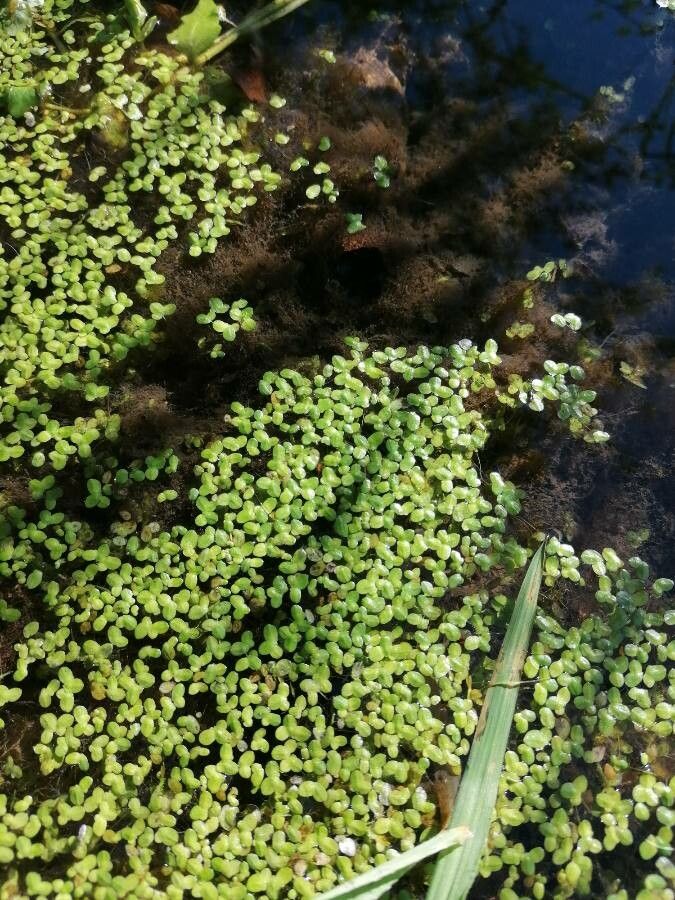
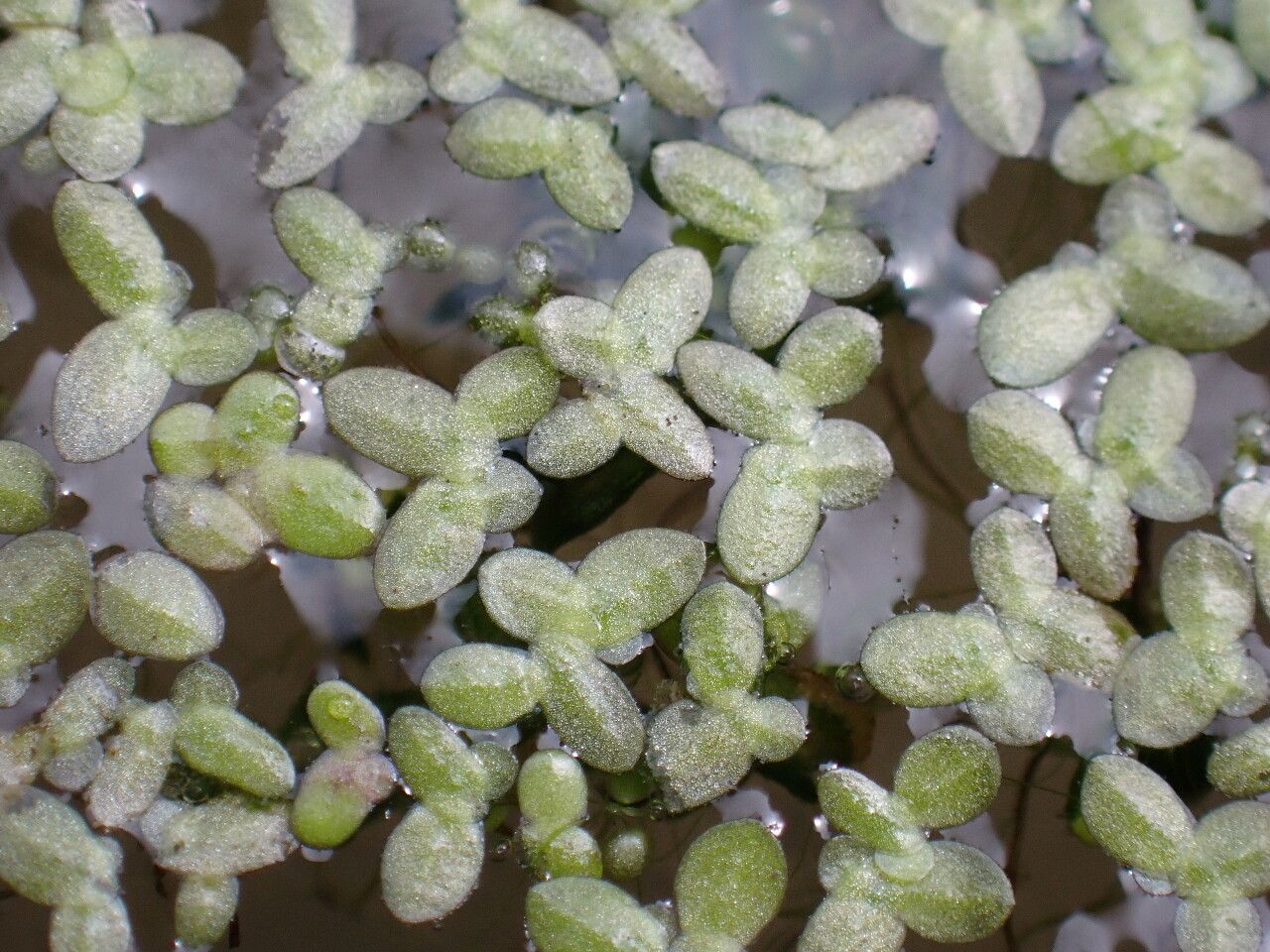
Lemna turionifera is a species of flowering plant belonging to the family Araceae.The species is a floating freshwater aquatic plant, with one, two, three or four leaves each having a single root hanging in the water. Like its close relative Lemna minor, it reproduces primarily vegetatively. Unlike L. minor, however, the species is also capable of producing turions, which are starch-filled fronds that sink to the substrate and remain dormant until germinating when conditions are favorable.Its native range is Northern Europe to Japan, Northern America.
Turion duckweed is fairly disease-resistant and typically not prone to illnesses. However, it can be affected by pests and diseases present in its surroundings. These infections are usually mild. In terms of care, this plant needs moderate maintenance. Regular pruning is necessary to maintain a tidy appearance and support healthy growth. Fertilizing can also help encourage flowering. Turion duckweed is suitable for anyone with outdoor space, such as a garden or patio, and does not require extensive care experience. It may need more attention when grown indoors.
How to keep Lemna Turionifera.
Light
Turion duckweed is native to habitats with plentiful sunlight, such as the shallow margins of ponds and lakes. It prefers full sun, although it can also tolerate partial sun.
Water
Turion duckweed flourishes in moist environments and prefers consistent hydration without becoming overly saturated. To encourage growth, water it regularly—about once a week. Being an aquatic plant, it thrives with natural rainwater, which invigorates its floating foliage.
Temperature
Turion duckweed can adjust to a wide range of temperatures, but its distribution can still be constrained by different combinations of moisture and heat. It does best in warm summer climates with sufficient rainfall or regular watering. Extended stretches of cloudy, rainy weather, as well as prolonged high temperatures, raise the likelihood of Turion duckweed dying. In winter, protecting it from cold can enhance the plant's survival rate.
Pruning
To support healthy growth and prevent overcrowding, Turion duckweed should be pruned strategically, ideally from early to late spring. Regular removal of older fronds promotes vigor and improves water quality by reducing organic matter. Be sure to properly discard the pruned material to prevent unwanted spread.
Botanical profile.
- Plant Type
- Herb
- Life Cycle
- Perennial
- Genus
- Lemna
- Family
- Araceae
- Hardiness Zone
- 5-11
- Mature Height
- 0 cm to 1 cm
- Mature Spread
- 0 cm to 1 cm
- Leaf Color
- Green, Light Green
- Leaf Type
- Evergreen
- Bloom Time
- Summer, Early fall, Mid fall
- Planting Time
- Spring, Summer, Autumn
- Harvest Time
- Mid summer, Late summer, Fall
- Native Area
- Russia, India, Turkey, Mexico, Mongolia, Finland, Estonia, Armenia, Azerbaijan, Turkmenistan, China
Other names.