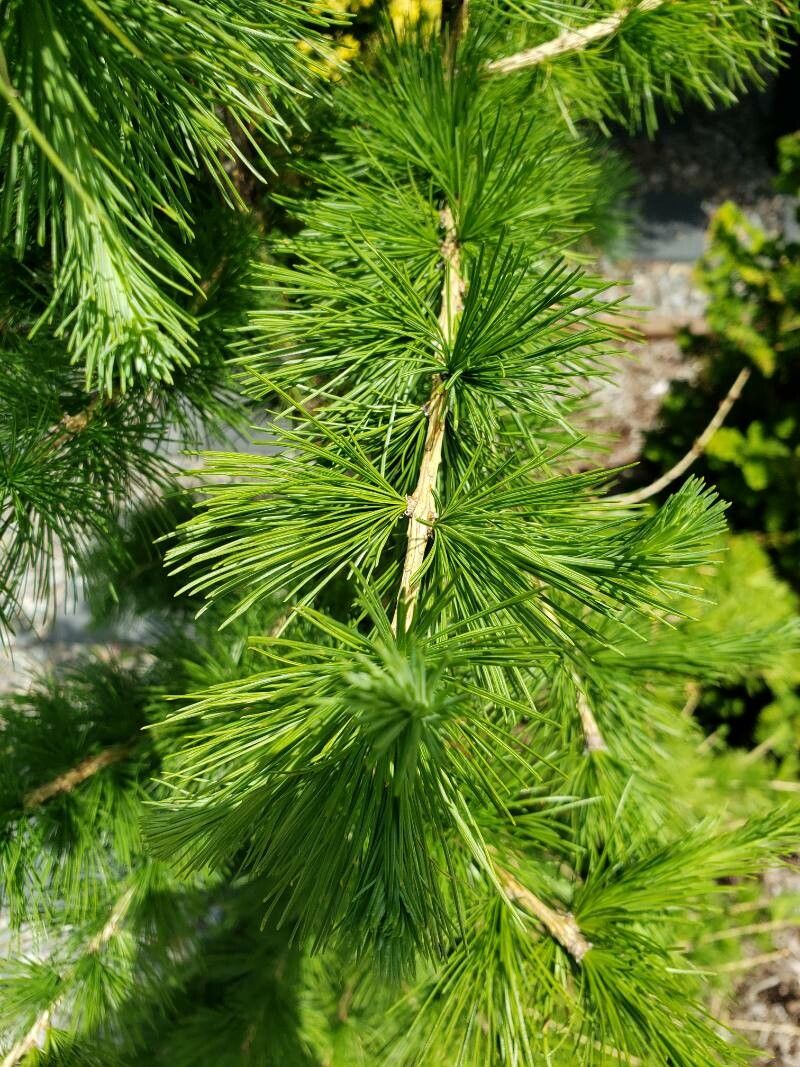
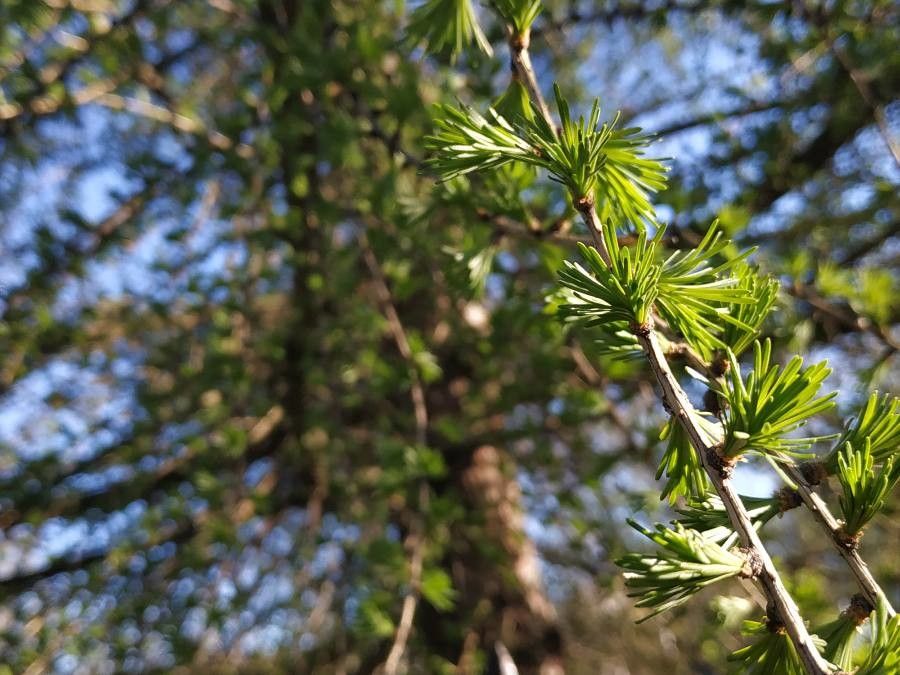
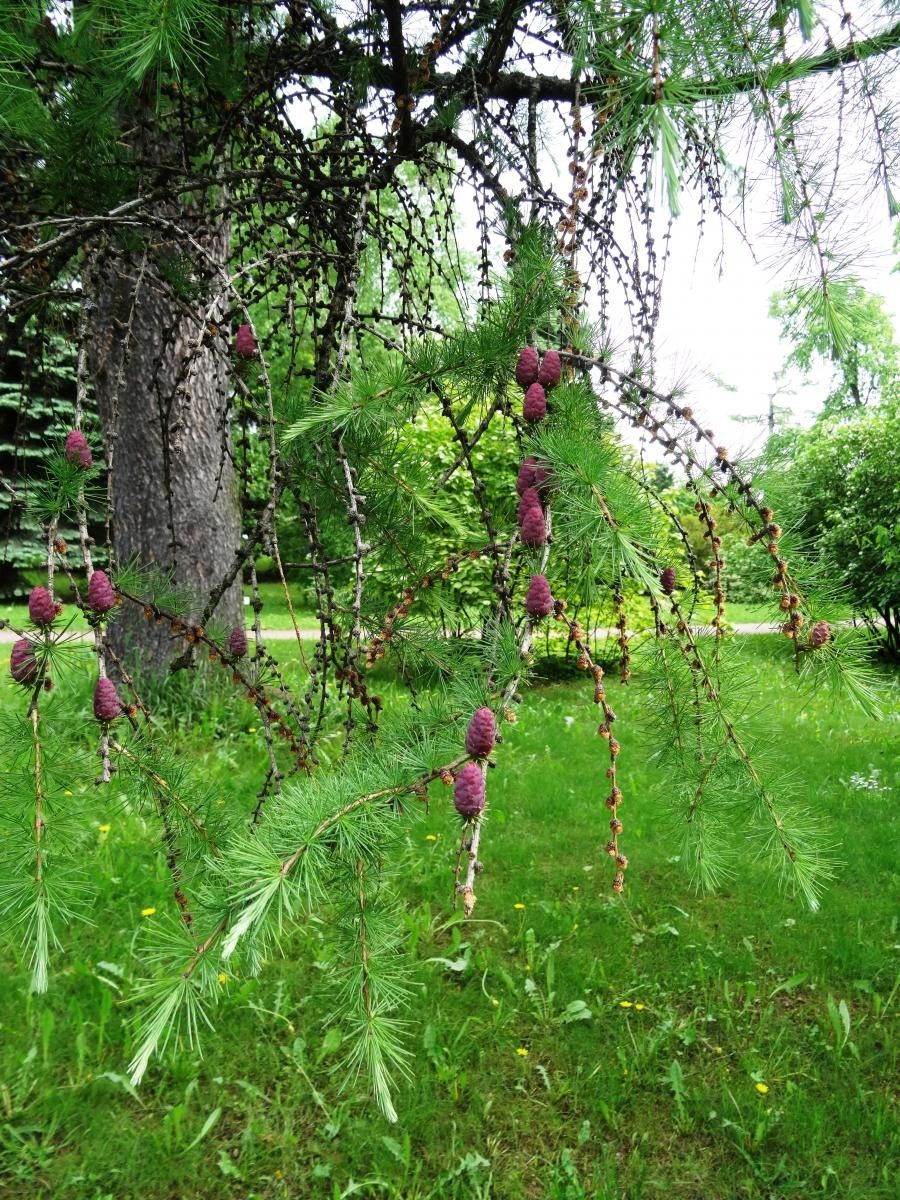
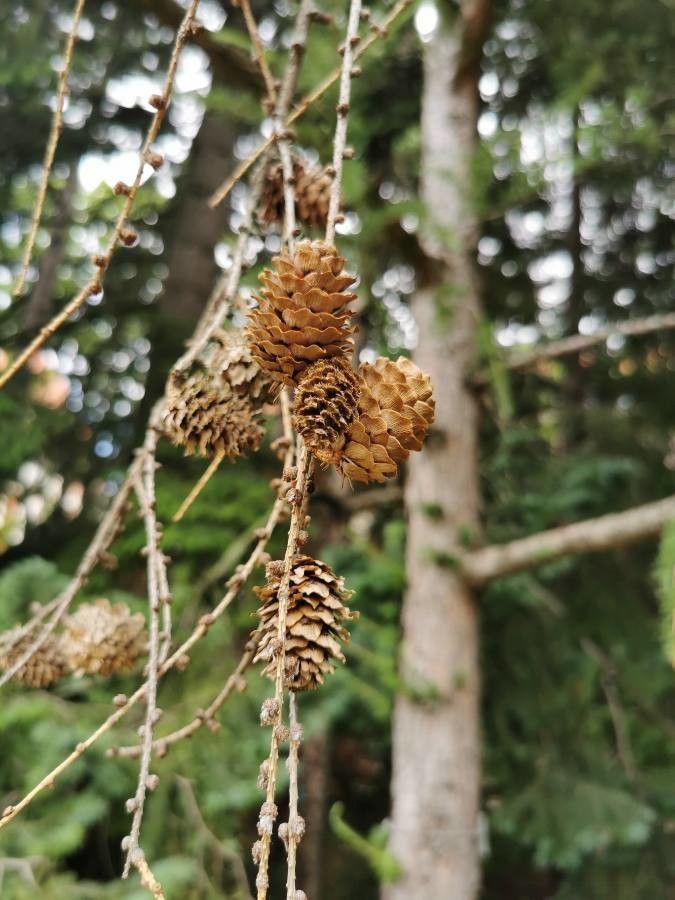
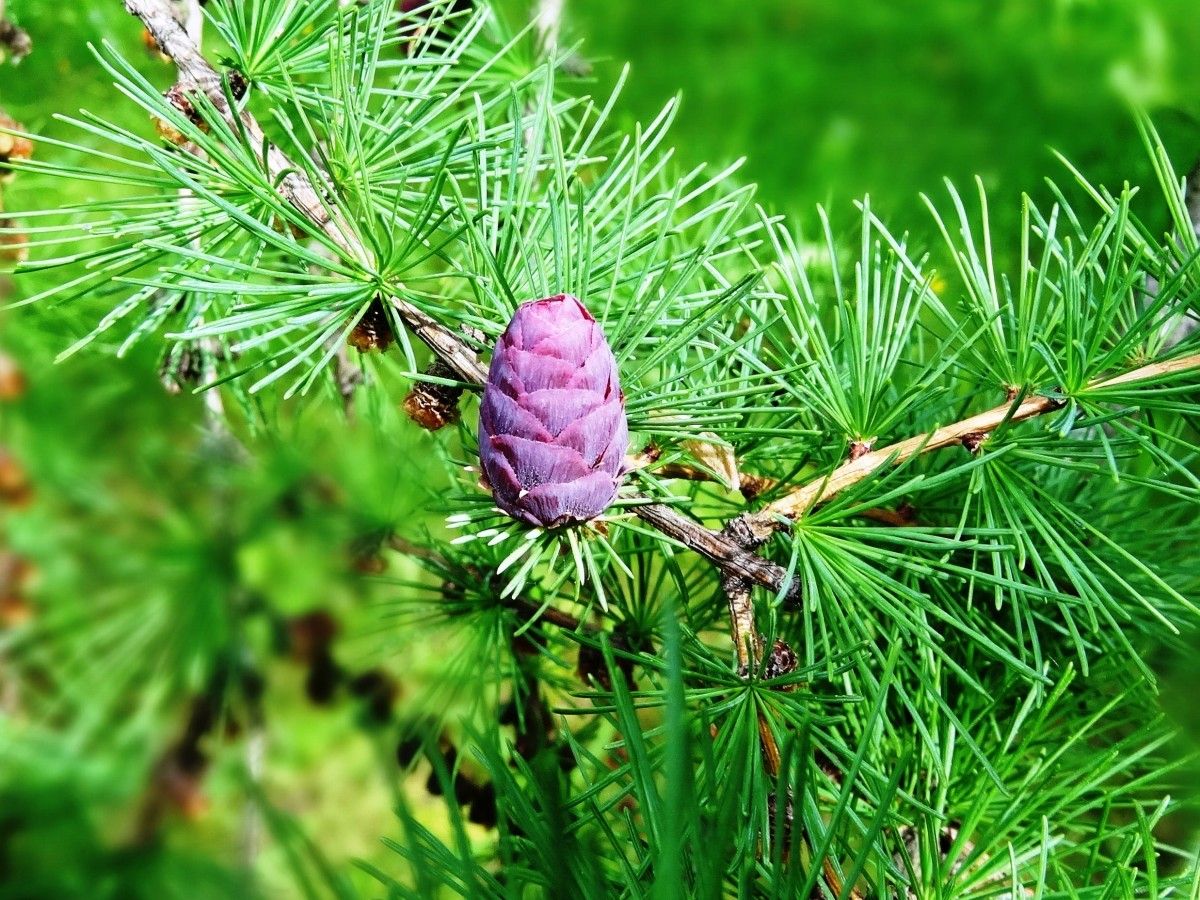
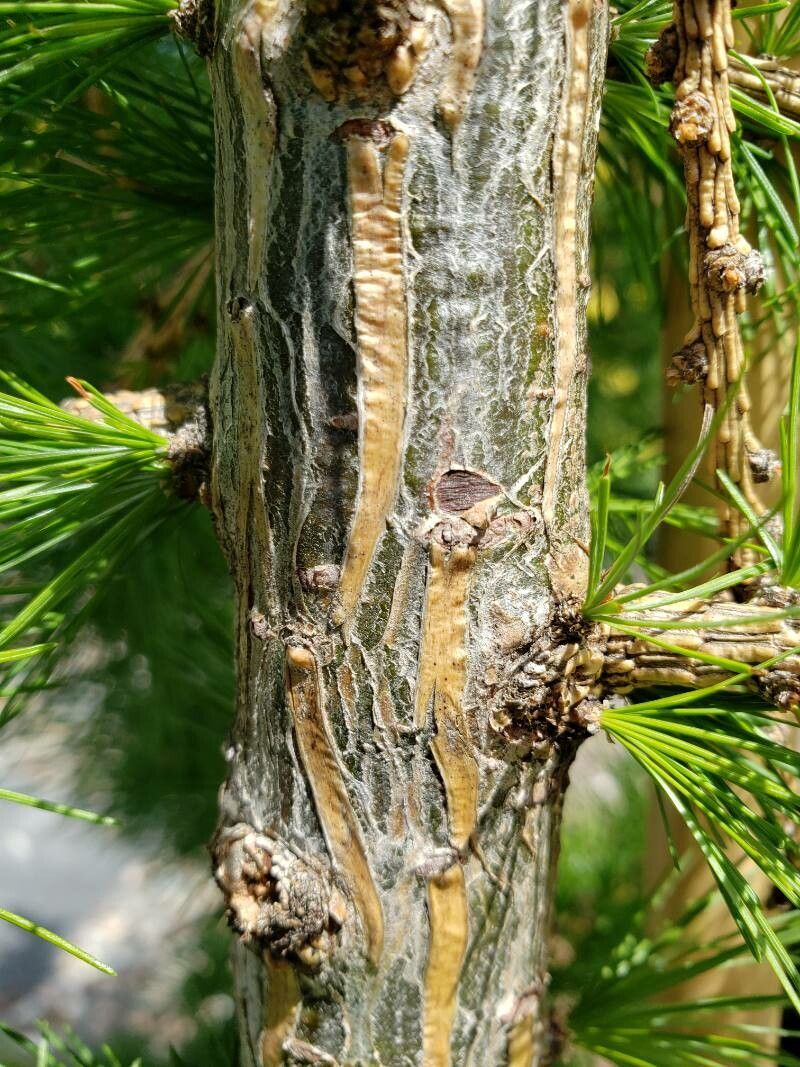
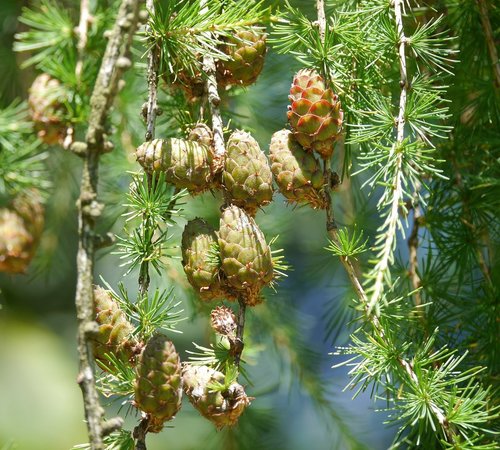
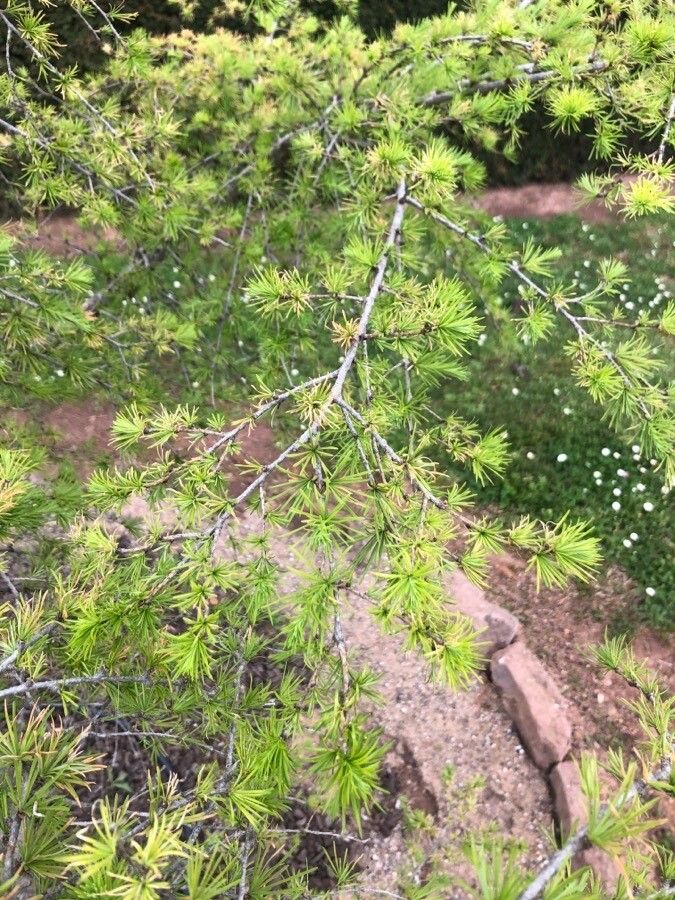
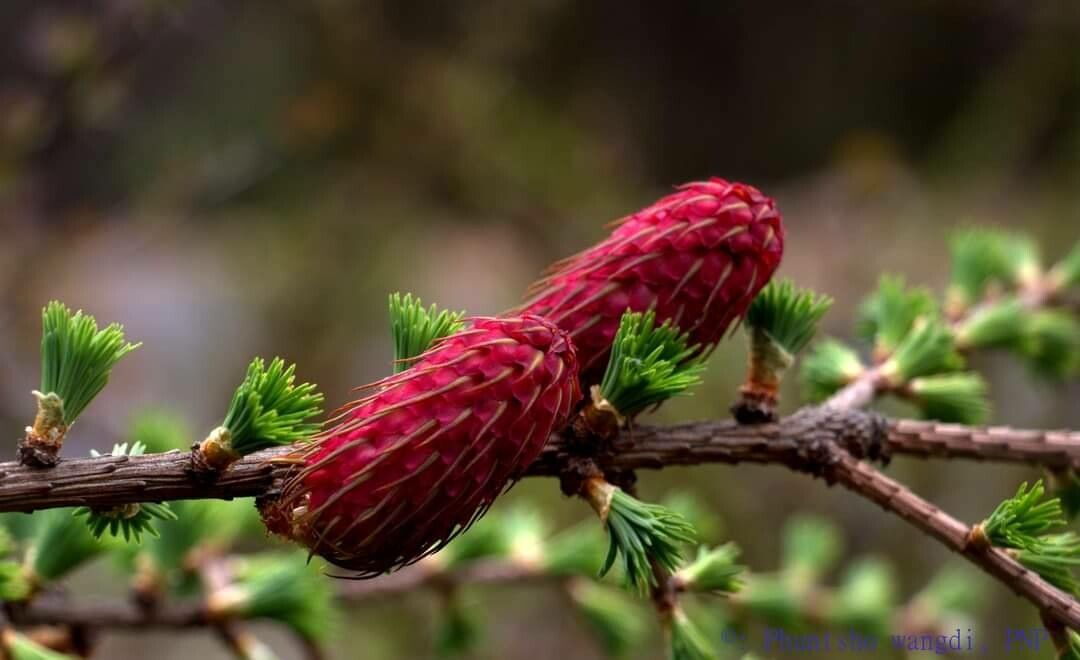
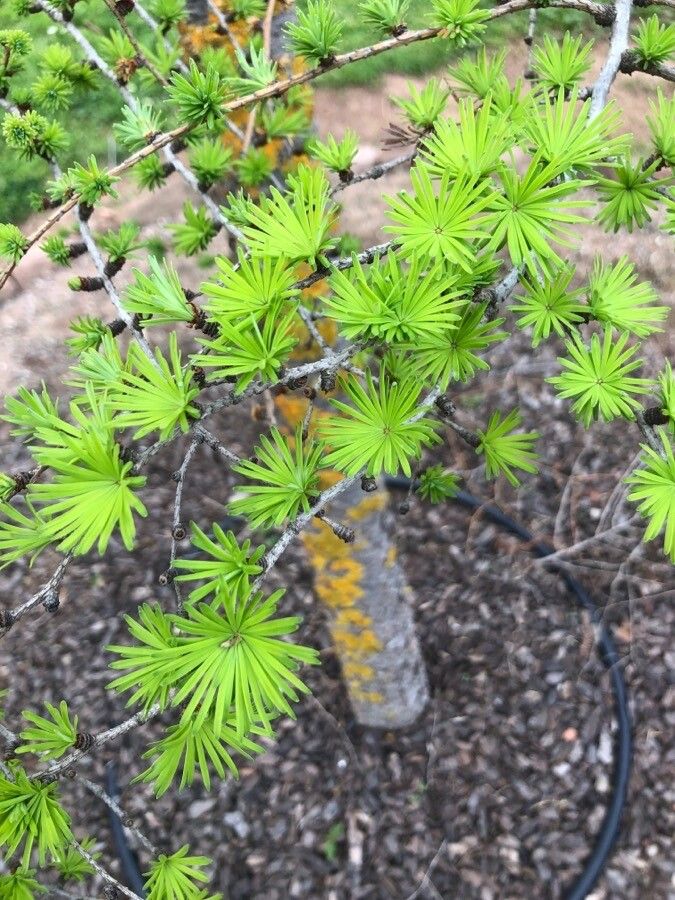
Larix sibirica, commonly known as Siberian larch, is a deciduous conifer native to the boreal forests of Siberia. This tree can reach a height of up to 40 meters and features a conical shape with a straight trunk and horizontal branches. The bark is grayish-brown and scaly, while its light green needles grow in clusters of 20-40.
Siberian larch trees are renowned for their hardiness in cold climates, capable of withstanding temperatures as low as -70°C. They are also resistant to pests and diseases, making them an excellent choice for reforestation projects.
The wood of Siberian larch is highly valued for its durability and strength. It has been used for centuries in various construction projects, including building houses, bridges, boats, and furniture.
In addition to its practical uses, Siberian larch also has ornamental value due to its attractive foliage, which turns golden yellow before shedding during the autumn season.
Overall, Larix sibirica plays an important ecological role by providing habitat and an economic role by supplying timber in the regions where it grows naturally or is intentionally planted.
Siberian larch is resistant to disease and is typically not susceptible to illnesses. In terms of care, the plant is relatively low-maintenance. When grown outdoors it needs little watering, and larger specimens generally do not require pruning. Smaller plants, however, should be pruned after they have finished blooming. Siberian larch is suitable for anyone with an outdoor space, such as a garden or deck, and does not demand much prior plant-care experience.
How to keep Larix Sibirica.
Light
Siberian larch is native to open habitats, such as sunlit meadows and forest margins, which offer plenty of light. It flourishes in Full Sun but can also tolerate Partial Sun, adapting well to different light conditions.
Water
The Siberian larch, a tree native to the taiga region of Siberia, is resistant to drought and typically needs watering every 1-2 weeks. It benefits from seasonal changes, requiring more water during the growing season as it prepares for winter dormancy.
Temperature
The Siberian larch adapts well to a broad spectrum of climate conditions, from blazing summers to frigid winters. Nonetheless, it has a preferred temperature range for optimal growth. When temperatures get excessively high, the plant is susceptible to heat and humidity stress, which can be fatal. In locations where temperatures approach the lower limit of its cold tolerance, it is necessary to use insulation measures to safeguard the plant.
Fertilizer
The Siberian larch has specific nutrient needs and does not require heavy fertilization. Spring is the best time to apply fertilizer for optimal growth. Providing nutrients improves its health, enhances resistance to pests and diseases, and helps preserve its long lifespan.
Pruning
Pruning Siberian larch in early spring helps it thrive by removing dead or diseased branches and thinning crowded areas to improve light and air circulation. This practice promotes healthy growth, aligns with its natural growth cycle, and enhances both its appearance and structural integrity.
Botanical profile.
- Plant Type
- Tree
- Life Cycle
- Perennial
- Genus
- Larix
- Family
- Pinaceae
- Hardiness Zone
- 1-7
- Mature Height
- 29.87 m
- Mature Spread
- 4.88 m
- Leaf Color
- Light Green, Yellow Green
- Leaf Type
- Deciduous
- Flower Size
- 1.02 cm to 2.03 cm
- Bloom Time
- Early spring, Mid spring
- Planting Time
- Spring, Summer
- Harvest Time
- Late summer, Early fall, Mid fall
- Native Area
- Uzbekistan, Russia, Kazakhstan, Mongolia, China
Other names.
Reader questions.
What are the sunlight requirements for Siberian larch (Larix sibirica)?
Siberian larch (Larix sibirica) thrives in conditions with specific sunlight requirements. It needs full sun, which means it should receive more than 6 hours of sunlight daily. It can also grow in partial sun, characterized by about 3-6 hours of sunlight each day. When selecting a spot for your Siberian larch, it's crucial to observe how sunlight moves through your garden throughout the day. Choosing locations that offer an ideal balance of light and shade will ensure your plant's wellbeing, catering to its needs for optimal growth and health.
What is the Siberian larch?
The Siberian larch, known botanically as Larix sibirica, is a species of tree. This information, while brief, sets the Siberian larch apart as a distinct type of larch within the botanical world.