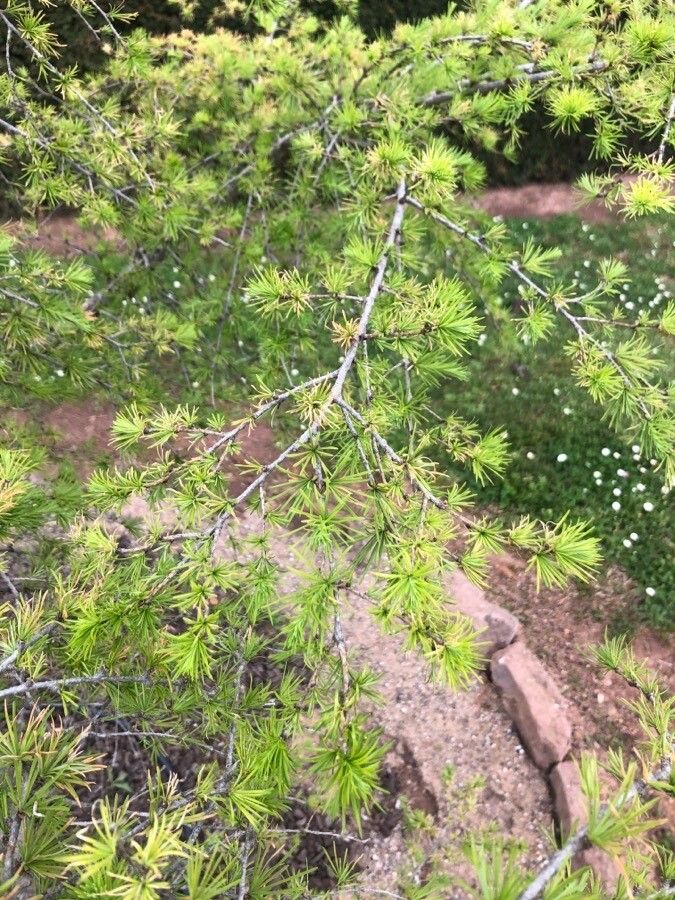
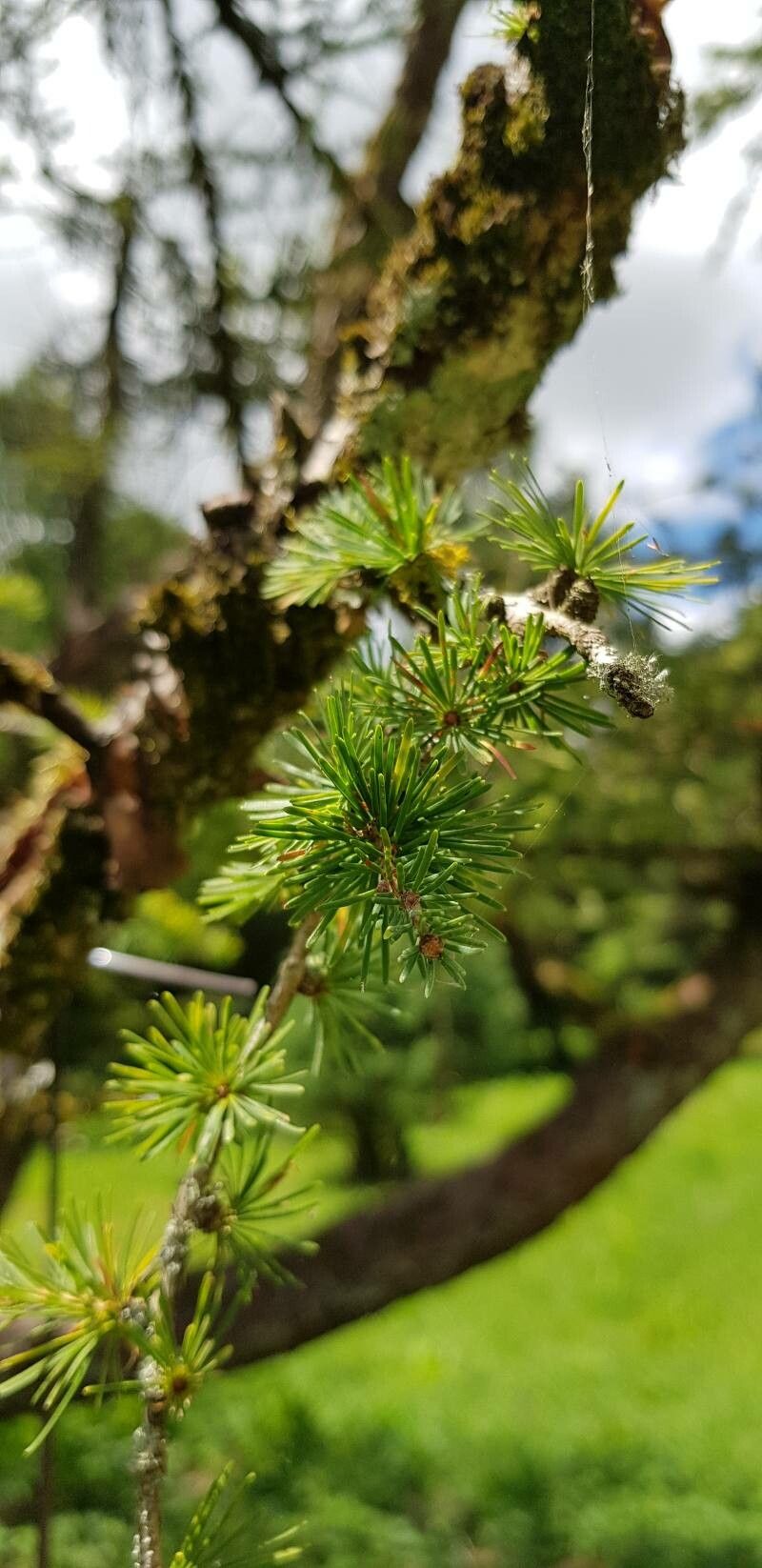
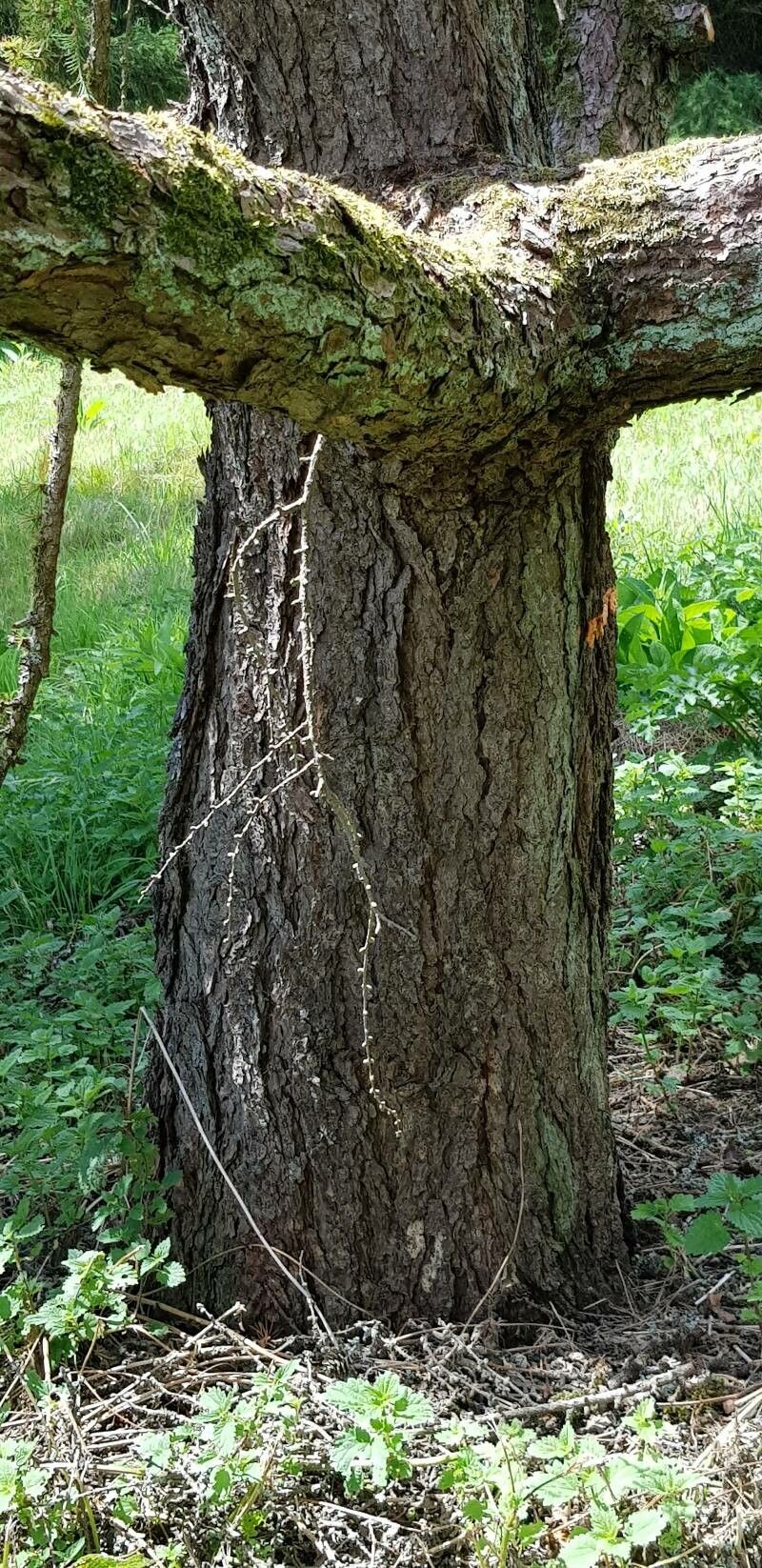
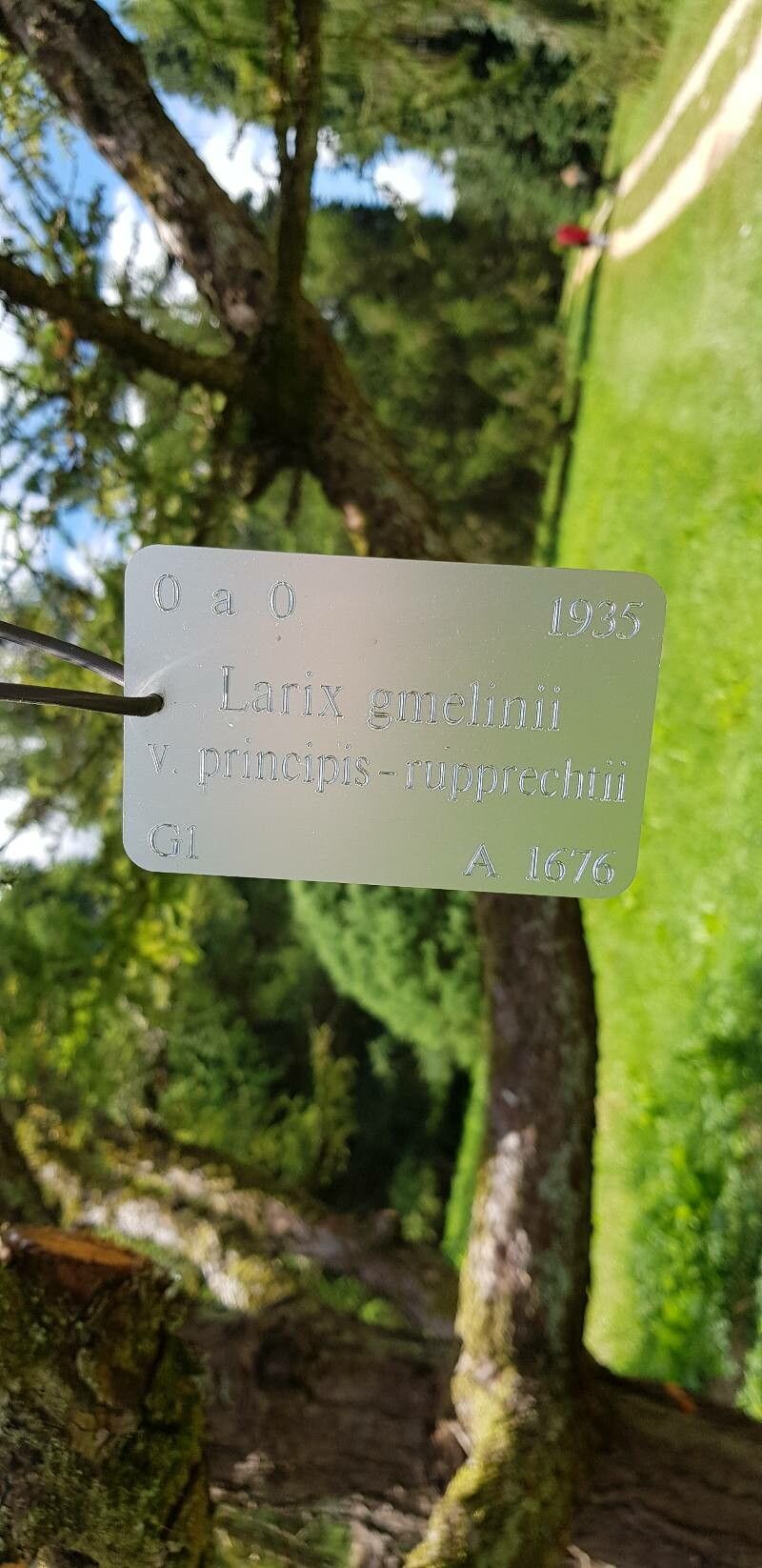
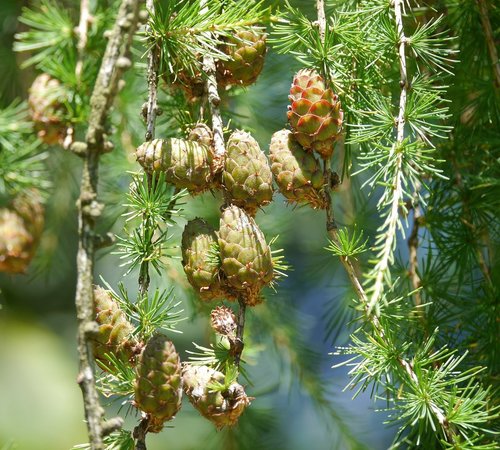
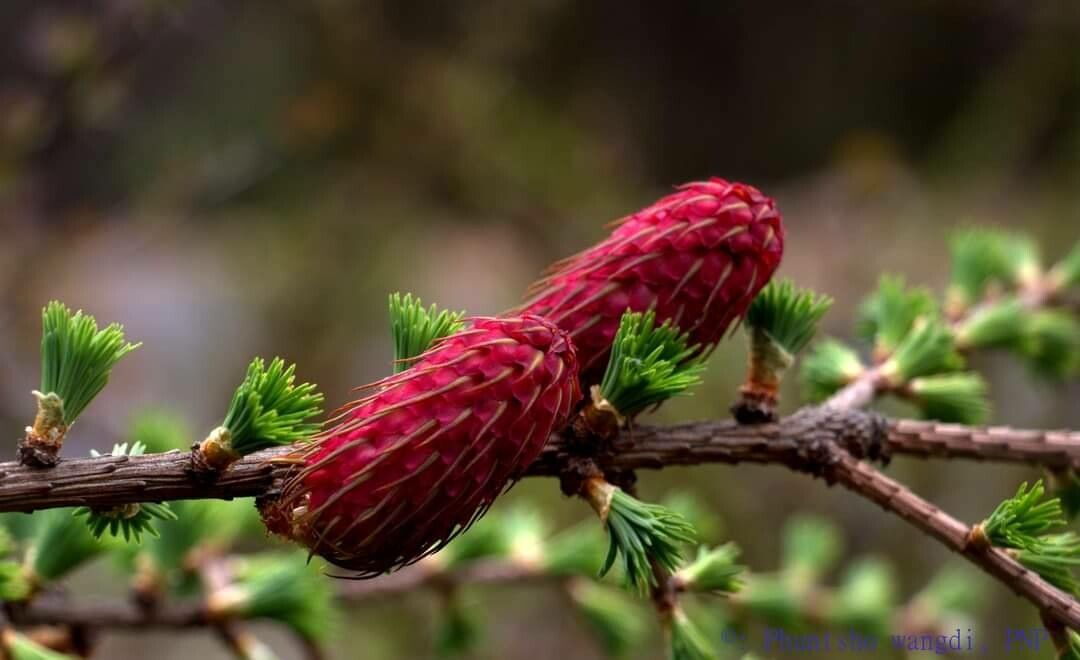
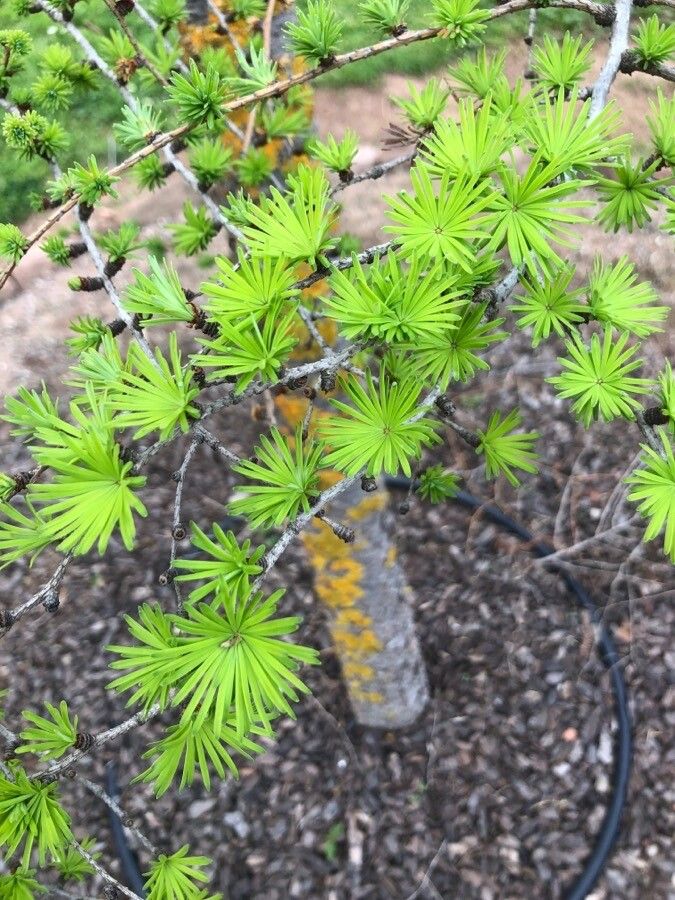
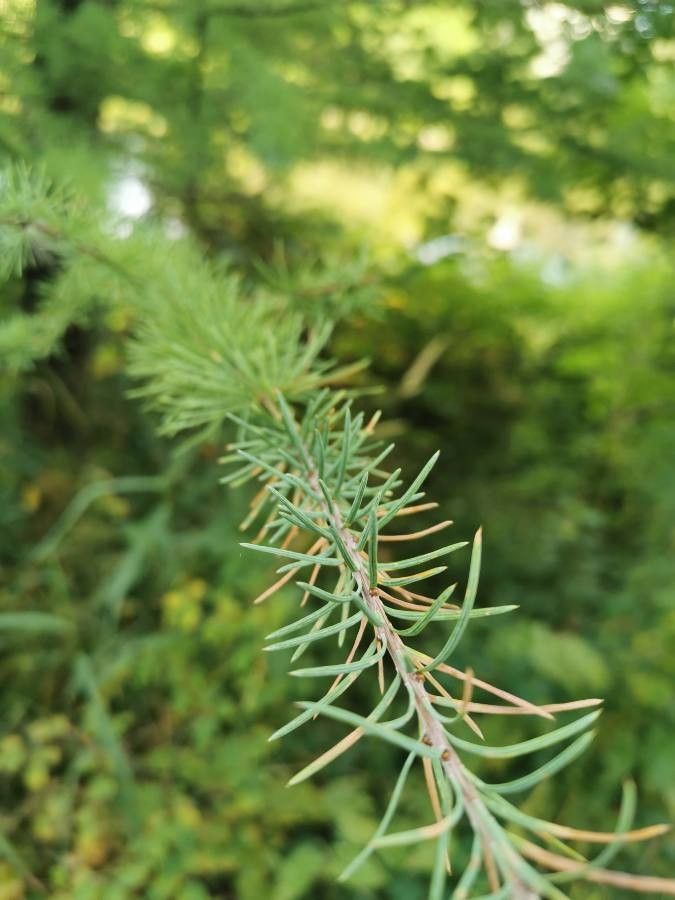
Larix gmelinii, the Dahurian larch or Gmelin larch, is a species of larch native to eastern Siberia and adjacent northeastern Mongolia, northeastern China (Heilongjiang), South Korea and North Korea.
The Dahurian larch is highly resistant to disease and is generally unlikely to develop illnesses. Care-wise, this plant is fairly low-maintenance. When grown outdoors it needs only minimal watering, and larger specimens usually do not require pruning. Smaller plants, however, should be pruned after they have finished blooming. The Dahurian larch is suitable for anyone with outdoor space, such as a garden or a deck, and does not require extensive care experience.
How to keep Larix Gmelinii.
Light
Dahurian larch comes from open habitats, such as sunny meadows and forest margins, which provide abundant light. It does best in full sun but can also tolerate partial sun, adapting well to varying light conditions.
Water
The Dahurian larch is a resilient, low-maintenance tree that requires watering only every two weeks, making it drought-tolerant. It prefers cooler temperatures and well-draining soil, thriving in outdoor settings that mimic its native habitat's pattern of dry and wet cycles. This makes it an excellent choice for temperate landscapes.
Temperature
Dahurian larch is found in northern areas and in high-altitude mountain zones. It is very sensitive to temperature and prefers cool conditions with good air circulation during the summer. Excessive heat in summer can damage Dahurian larch and may even kill it. Providing suitable shade and regular misting during the hot summer months helps it get through the season well. Typically, Dahurian larch does not need special winter protection, but it is important to water it sufficiently before the ground freezes.
Fertilizer
The Dahurian larch has specific nutrient needs and does not require heavy fertilization. Spring is the best time to apply fertilizer for optimal growth. Supplying nutrients enhances its health, increases resistance to pests and diseases, and supports its long lifespan.
Pruning
The Dahurian larch is a deciduous conifer that features needle-like leaves and cylindrical cones. To maintain the health and appearance of the tree, prune it in early spring. This will help remove dead or diseased branches, improve airflow, and promote a balanced shape. Proper pruning enhances the tree's resilience and visual appeal, while also reducing the risk of pest infestations.
Botanical profile.
- Plant Type
- Tree
- Life Cycle
- Perennial
- Genus
- Larix
- Family
- Pinaceae
- Hardiness Zone
- 2-7
- Mature Height
- 12.19 m to 27.43 m
- Mature Spread
- 4.57 m to 9.14 m
- Leaf Color
- Yellow, Green
- Leaf Type
- Deciduous
- Flower Color
- Yellow, Purple, Green
- Flower Size
- 1.02 cm to 2.03 cm
- Bloom Time
- Early spring, Mid spring
- Planting Time
- Spring, Summer
- Harvest Time
- Late summer, Early fall, Mid fall
- Native Area
- Russia, Japan, Mongolia, Koppen, China
Other names.
Reader questions.
How should I water my Dahurian larch tree?
Watering your Dahurian larch is a straightforward task. To do so, simply turn on your garden hose and use it to slowly soak the soil. This is the ideal method for mature trees that require a high volume of water. However, for smaller trees, a watering can or other smaller tool can suffice. It's important to avoid overhead watering, as excessive moisture on the leaves can lead to disease, particularly in young trees.
What are the sunlight requirements for Dahurian larch?
Dahurian larch, or Larix gmelinii, thrives in full sun conditions, which means it requires above 6 hours of sunlight daily. It can also tolerate partial sun, receiving about 3-6 hours of sunlight. When choosing a location for your Dahurian larch, observe the movement of sunlight through your garden to find spots that offer an ideal balance of light and shade, ensuring the plant's well-being.
What should I do if I give too much or too little water to my Dahurian larch?
Overwatering your Dahurian larch can be caused by poor soil that doesn't allow for proper drainage. If this is the case, you can either improve the soil's drainage by amending it or relocate your plant to a better growing spot. If you're growing your Dahurian larch in a pot, you may need to repot it with looser soil in a container that has better drainage. Overwatering can lead to diseases, so it's important to treat them promptly. On the other hand, if your Dahurian larch is underwatered, simply increase the frequency of watering and it will recover. To determine if your larch is overwatered, examine the foliage, especially the new growth. If it appears discolored or breaks easily, it may be receiving too much moisture. Standing water or slow drainage in the growing area are also signs of excessive moisture. Underwatered larch trees will have sparse or brown leaves. Consider recent heavy rain or consistently high temperatures if you notice these symptoms.
How does artificial lighting support plants indoors?
Artificial lighting plays a crucial role in the growth of indoor plants, especially when natural sunlight is insufficient. LED lights are recommended due to their ability to be customized to provide specific wavelengths needed by plants. Full sun plants require 30-50 watts per square foot of artificial light, partial sun plants need 20-30 watts per square foot, and full shade plants need 10-20 watts per square foot. The light source should be placed 12-36 inches above the plant, mimicking natural sunlight as closely as possible. Most plants will benefit from 8-12 hours of artificial light per day.
How much water does my Dahurian larch need?
A mature Dahurian larch is generally drought tolerant and can survive on rainfall alone. During the hottest months, it may need watering once a week, but for the rest of the year, watering may not be necessary. However, if you have just planted a new tree, regular watering is important to establish the roots. It is crucial to avoid overwatering as Dahurian larch does not tolerate standing water. When unsure, it's best to err on the side of not watering too much.
What are the signs of insufficient light in Dahurian larch?
Dahurian larch may show several symptoms when suffering from inadequate light, including smaller new leaves, leggy or sparse growth, quicker leaf drop, halted or no new growth, lighter-colored or yellow new leaves (chlorosis), damage from intense light exposure like sunscald, leaf curling, wilting, and leaf scorching. These signs indicate the plant is not receiving the optimal amount of sunlight for its growth needs.
How much water should I give my Dahurian larch?
During the height of summer, you should water your Dahurian larch around one inch per week, but this can vary depending on rainfall. If it has rained at least one inch, you don't need to water it. For newly planted larch, water it more frequently during the establishment period, usually once every one to two weeks for the first few growing seasons.
How can I address insufficient sunlight for both indoor and outdoor Dahurian larch?
For indoor Dahurian larch, you can optimize growth by gradually relocating the plant to a sunnier spot until it receives at least 6 hours of direct sunlight daily. Use south-facing windows and keep curtains open during daylight hours. For plants that are difficult to move, consider supplemental artificial lighting, ensuring it's on for at least 8 hours daily. For outdoor plants, adapt them to sunnier conditions by moving them weekly, avoiding abrupt changes to prevent sunburn. Observe and remove any environmental obstructions to sunlight, such as trimming tree branches. For smaller plants, consider transplanting during their dormant season to a location with ample sunlight and good drainage.
How do I water my Dahurian larch throughout the year?
The Dahurian larch tree needs the most water in the summer when it's hot. During this time, you should water it once a week if there's no rain. In other seasons, it can often survive without any water. Sometimes in spring and fall, you might need to water it if it's very hot, but this is rare. Unlike other plants, the Dahurian larch doesn't fully go dormant in winter, so it keeps growing in the coldest months. However, it still doesn't need much water in winter because the cold temperatures don't cause the soil to dry out quickly.
How do I water my Dahurian larch as it grows?
Young Dahurian larch trees require more water than established ones. For newly planted trees, it is important to water them at least once a week to keep the soil moist for root development. After the first growing season, the tree should be well-adjusted to its location and will require less water. You can then follow the regular watering guidelines, providing supplemental water about once a week in the summer if it doesn't rain. There is no need to adjust your watering habits based on the growth stages of the Dahurian larch tree after this point.
How does watering Dahurian larch indoors and outdoors differ?
The Dahurian larch is usually grown outdoors, but it can also be grown indoors in a container as a bonsai plant. Regardless of where it is grown, the water needs of the plant are generally the same. However, indoor plants may require slightly more water because they do not have access to rainfall in the summer. The drier conditions indoors and the limited water retention of the pots can lead to higher water requirements.