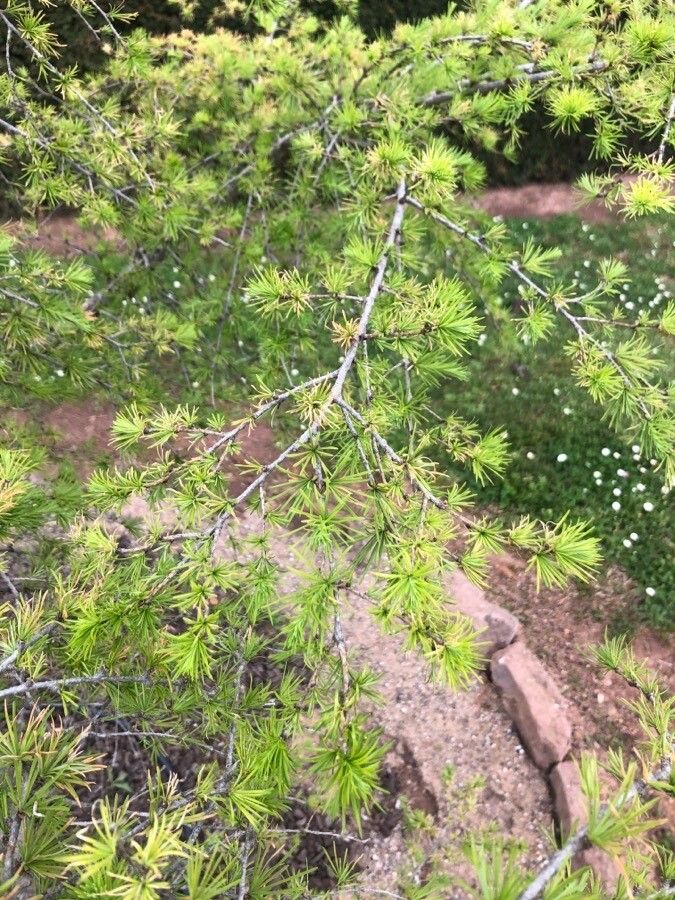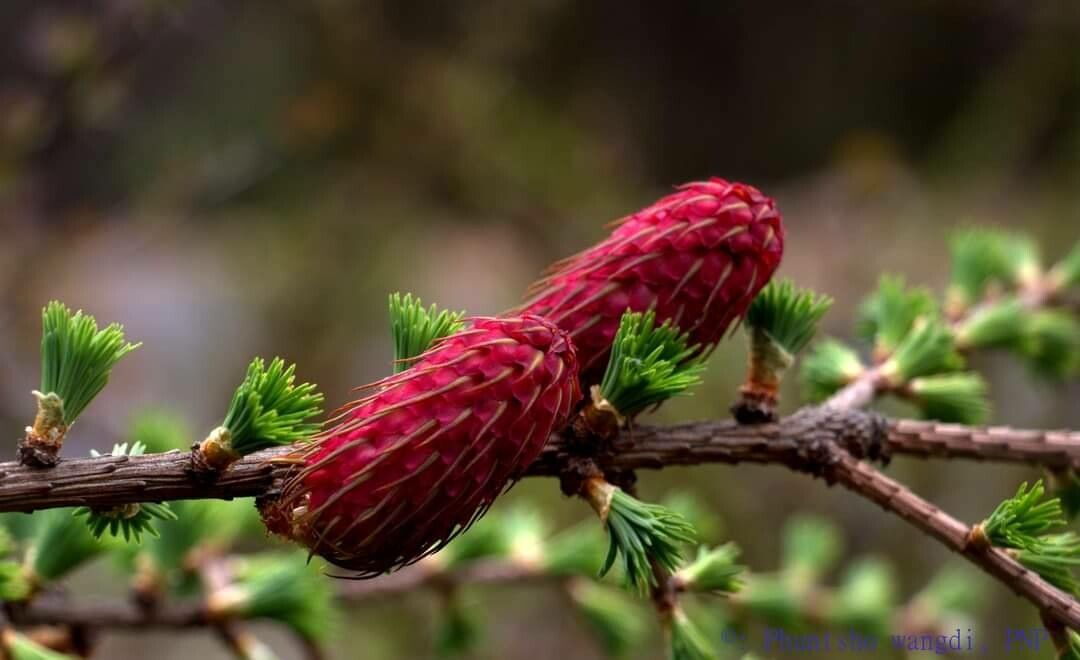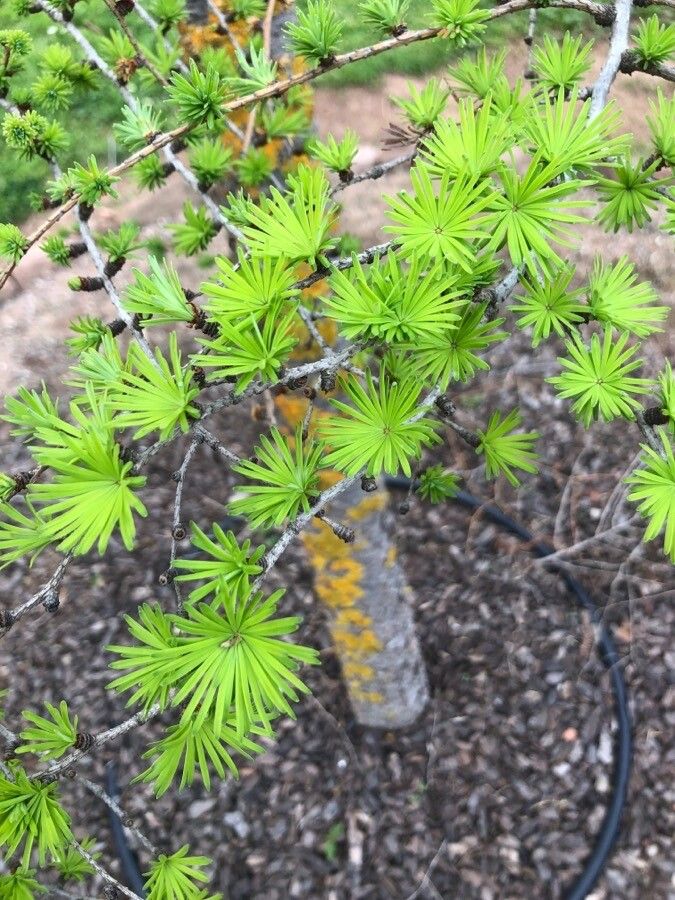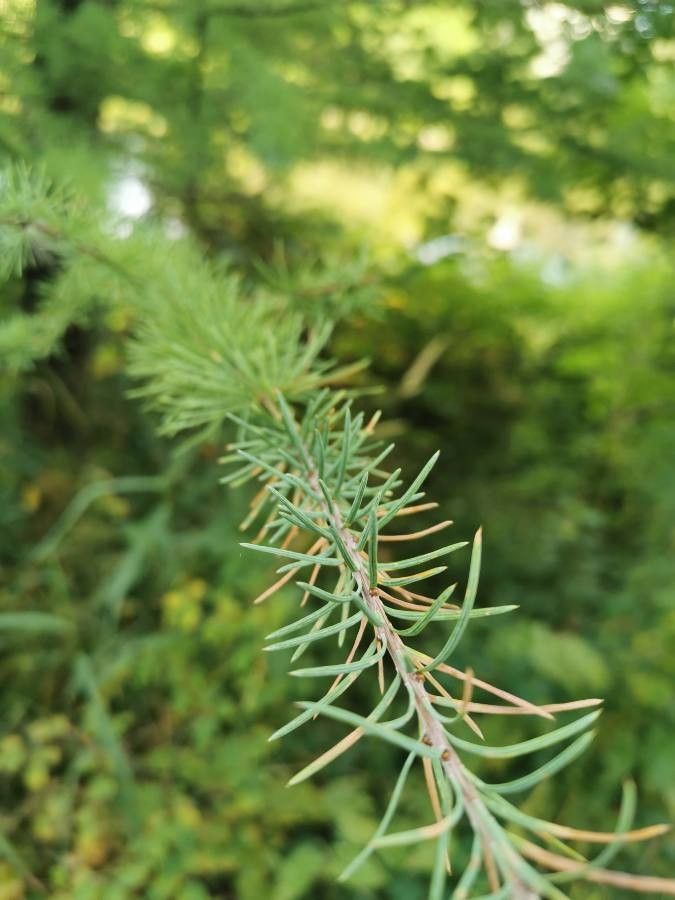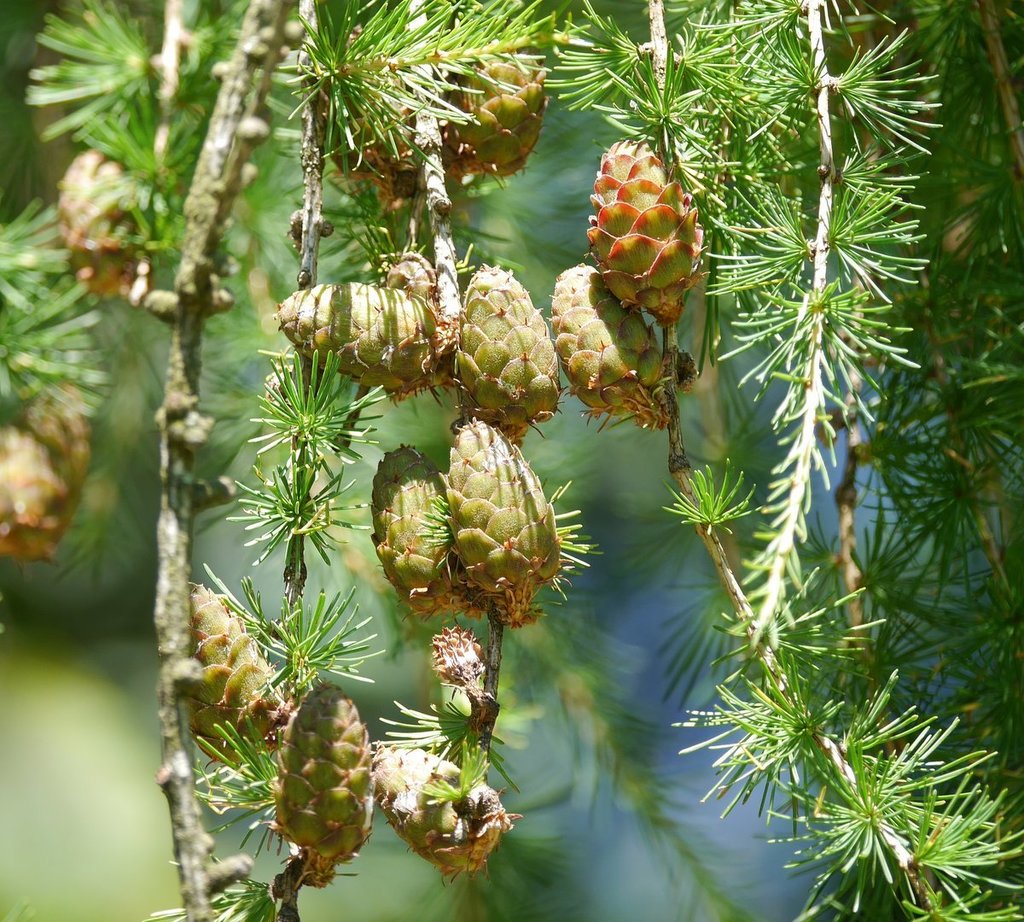
Larix decidua, commonly known as the European larch, is a deciduous coniferous tree native to the mountains of central Europe. It can reach heights of up to 40 meters and typically has a conical shape with horizontal branches covered in small, needle-like leaves. These leaves are bright green in the spring and summer, turning golden yellow before falling off in the autumn.
The European larch is renowned for its hardiness and adaptability to various soil types. It prefers well-drained soils but can also thrive in wetter areas such as bogs and marshes. Additionally, it has a high tolerance for cold temperatures, making it suitable for growth at high altitudes.
The wood of the European larch is highly valued for its strength and durability, making it a popular choice for construction projects including flooring and furniture. Moreover, the tree has medicinal properties; extracts from its bark are used to treat respiratory ailments.
Overall, Larix decidua is an impressive tree that offers both aesthetic beauty with its vibrant foliage throughout the year and practical benefits through its durable wood and medicinal bark extracts.
The European larch is a species of larch tree native to the mountains of central Europe. Its needle-like leaves are light green during the growing season and turn a vibrant yellow in the autumn before they fall off. This seasonal color change leaves the tree's pale yellow-buff branches bare until new growth appears in the spring. This characteristic appearance is why it is called the European larch.
European larch is resistant to disease and typically does not suffer from illnesses. Care-wise, this plant is fairly low-maintenance. When grown outdoors it needs only light watering, and larger specimens usually do not require pruning. Smaller plants, however, should be pruned after they finish blooming. European larch is appropriate for anyone with an outdoor area, such as a garden or a deck, and does not demand extensive care experience.
How to keep Larix Decidua.
Light
European larch does best with unobstructed sun exposure, though it can tolerate partly shaded conditions. Sunlight supports its growth and overall health. Both too much and too little light can be harmful and reduce its vigor. Its typical habitat usually offers full sun.
Water
The European larch flourishes in cool temperate climates and needs watering every one to two weeks. It also shows a moderate tolerance to drought conditions. Being a deciduous conifer, the tree sheds its needles each year, which affects its water absorption. It is best grown outdoors, with reduced watering during its dormant period in winter.
Humidity
This plant will thrive in moderate humidity, which is probably the level in your home. However, misting it a few times a week can be very beneficial. Make sure the room has good ventilation.
Temperature
The european larch is a temperate woody species native to regions where average temperatures range from 0 to 25 ℃ (32 to 77 ℉). It favors cool to cold conditions, so it is well adapted to areas with mild summers and cold winters. In the summer months it tolerates warmer temperatures provided it has sufficient moisture. In winter it endures severe cold as long as it receives adequate sunlight.
Fertilizer
The European larch has specific nutrient needs and does not require heavy fertilization. Spring is the best time to apply fertilizer for optimal growth. Providing nutrients enhances its health, increases resistance to pests and diseases, and helps sustain a long lifespan.
Pruning
Pruning European larch in early spring offers several benefits. By removing dead or diseased branches, you can improve air circulation and enhance the tree's shape. It's important to practice light pruning only, as heavy pruning can cause stress to the tree. Regular and careful maintenance encourages healthier growth and an attractive form, helping the larch thrive throughout its seasonal cycle.
Toxicity
Larix decidua has no toxic effects reported.
Further reading →
The toxicity and danger assessments provided are for reference only. We do not assure their accuracy, so it's crucial not to depend on them. Seek professional advice when necessary for accurate guidance.
Botanical profile.
- Plant Type
- Tree
- Life Cycle
- Perennial
- Genus
- Larix
- Family
- Pinaceae
- Hardiness Zone
- 3-6
- Mature Height
- 24.99 m to 45.11 m
- Mature Spread
- 17.98 m to 24.08 m
- Leaf Color
- Green, Yellow
- Leaf Type
- Deciduous
- Flower Color
- Pink, Yellow, Red
- Flower Size
- 0.25 cm to 0.51 cm
- Bloom Time
- Mid spring, Late spring
- Planting Time
- Spring, Autumn
- Harvest Time
- Mid summer
- Native Area
- Germany, Austria, Italy, Switzerland, Czech Republic, Slovakia, Poland, Romania, Slovenia, Ukraine, Moldova, France
Other names.
Reader questions.
How should I water my European larch tree?
Watering your European larch is a straightforward task. One way to do this is by using a garden hose to soak the soil slowly. This is the best method for larger trees, as they may require a high volume of water. However, for smaller trees, a watering can or similar tool can suffice. It is important to avoid overhead watering to prevent excessive moisture on the leaves, which can lead to disease, particularly in young trees.
Why should I put fertilizer on my European larch?
To promote healthy growth in European larch, it's recommended to fertilize in the spring. Since this plant has a long lifespan, it requires proper support. Additionally, enriching the soil with nutrients can enhance its overall health, enabling it to better withstand common pests and diseases that can hinder growth or decrease its lifespan.
What are the sunlight requirements for European Larch?
The European Larch requires full sun, meaning above 6 hours of sunlight daily, to thrive but can also endure partial sun, which is about 3-6 hours of sunlight. It's essential to observe how sunlight moves through your garden to find spots that offer a balance of light and shade. Additionally, for indoor plants, when natural sunlight is not sufficient, artificial lighting can provide the necessary support for growth. Artificial lighting should be selected based on the right type and amount of light, proper distance from the plant, and duration to mimic natural daylight hours as closely as possible.
What is the best temperature for European larch?
European larch is a plant that thrives in cool weather. To ensure its optimal growth, maintain temperatures between 65-75℉(18-25℃). Although European larch can tolerate temperatures outside this range, it is best to keep them within a few degrees of these limits. Regarding temperature extremes, the upper limit is 75-85℉(25-30℃) and the lower limit is 5℉(-15℃). As European larch prefers cooler temperatures, it is more important to avoid higher temperatures. Temperatures above 85℉(30℃) can impede growth and cause damage, potentially leading to the plant's demise.
What should I do if I give too much or too little water to my European larch tree?
Overwatering can occur if the soil in which your European larch grows does not allow water to drain effectively, leading to the plant's decline. To address this issue, you can either improve the soil's drainage by adding amendments or move the larch to a more suitable location. If you have your larch in a pot, it may be necessary to repot it with looser soil and a container that ensures better drainage. Overwatering can result in diseases, which should be treated promptly. On the other hand, if your European larch is underwatered, simply increasing the frequency of watering will help it recover. To determine if you have overwatered your larch, observe its foliage, particularly the new growth. Discolored or easily breakable new growth indicates excessive moisture. Additionally, standing water or slow drainage in the growing area can be signs of overly moist soil. Underwatered larch trees will display sparse, brown leaves. Consider weather conditions such as excessive rain or high temperatures to determine if this is the cause of the symptoms.
When should I fertilize my European larch tree?
The growing medium does not always provide enough nutrients for healthy growth. However, European larch is unique compared to garden annuals and perennials as it does not require excessive nutrients. The optimal time to fertilize European larch is in the spring, prior to new growth emerging.
What are the essentials for growing European Larch?
The European Larch flourishes under full sun but can tolerate semi-shaded areas. Sunlight is crucial for its growth and overall health, with both excessive and insufficient light exposure potentially harming its vitality. In conditions where natural sunlight is limited, especially during winter or in less sunny spaces, artificial lighting becomes essential. LED lights are recommended for indoor plants, with requirements for full sun plants at 30-50W/sq ft, partial sun plants at 20-30W/sq ft, and full shade plants at 10-20W/sq ft of artificial light.
Do European larch need different temperatures at different stages of growth?
To ensure optimal growth of European larch during different phases, it is important to maintain temperatures between 65-75℉ (18-25℃). European larch can handle lower temperatures better than higher ones, so if the growing area gets as cold as 5℉ (-15℃), it won't significantly impede growth. However, if temperatures drop below that, it can start to slow down the growth of European larch. Therefore, if you plan to continue growing your plants into winter, make sure to keep the room temperature above that threshold.
How frequently do I need to water my European larch tree?
A mature European larch is highly resistant to drought and can survive solely on rainfall. During the hottest months, you may need to water it once a week, but in other seasons, watering may not be necessary. However, if it is newly planted, regular watering is advised to establish the roots. It's crucial to avoid excess water as European larch cannot tolerate standing water. When unsure, it is better to err on the side of not watering.
When is it not a good idea to fertilize my European larch tree?
While some plants benefit from frequent fertilization, the European larch has different needs. It does not require excessive nutrients, and actually, too much fertilizer can harm it, leading to dieback. To ensure its health, only fertilize the European larch in the spring and avoid using any fertilizer or organic matter during the summer, fall, and winter seasons.
What symptoms indicate light-related issues in European Larch?
Light-related issues in European Larch can manifest through various symptoms, including smaller new leaves, leggy or sparse growth, faster leaf drop, slower or stopped growth, and changes in leaf color such as lighter-colored new leaves or chlorosis. Additionally, sunscald, leaf curling, wilting, and leaf scorching are signs of excessive sunlight exposure. These symptoms highlight the plant's struggle with either too much or too little light, underscoring the importance of striking the right balance for its health.
Here are three tips to help you control the temperature of European larch trees.
Here are some tips to help you take care of your European larch tree: Tip #1: Watch for signs of heat damage - Overheating can cause the European larch to show signs of distress before it dies off. - Look out for browning leaves and falling branches, which indicate the branches are dying. - To prevent heat damage, keep temperatures lower and increase watering during periods of heat exposure. Tip #2: Avoid extreme cold temperatures - While European larch likes cooler environments, sudden drops below 5℉(-15℃) can cause freeze damage. - Freezing can cause the tree's cell walls to burst and the bark to crack, slowing growth and potentially leading to parts of the tree dying. - To prevent this, ensure the tree is protected from extremely cold temperatures. Tip #3: Regulate temperature with shade and ventilation - If you notice the European larch overheating, you can use shade and ventilation to cool it down. - If you don't have air conditioning or fans, shade and proper airflow can help lower temperatures. - However, once the temperatures are corrected, it's important to allow the tree to receive sunlight, as European larch requires ample sunlight for proper growth. - Avoid keeping the tree in shade for an extended period of time.