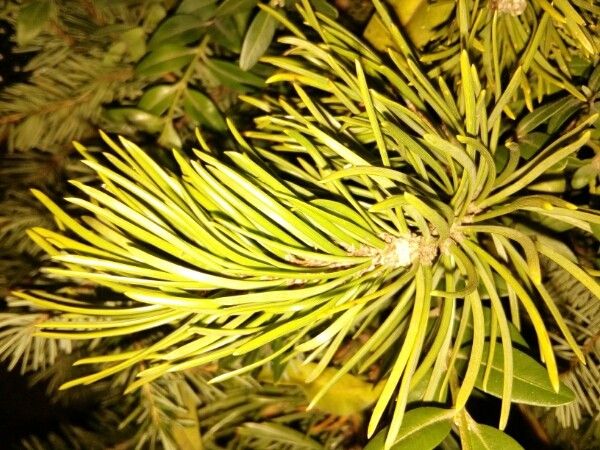
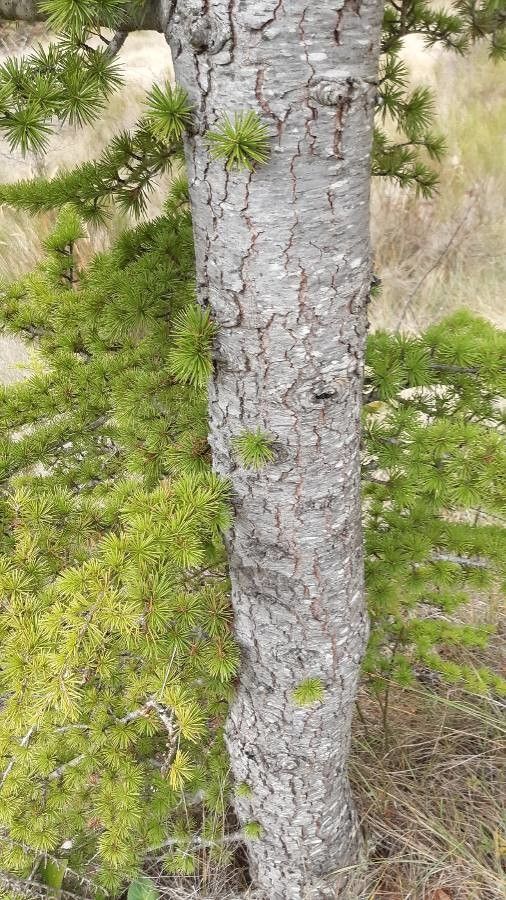
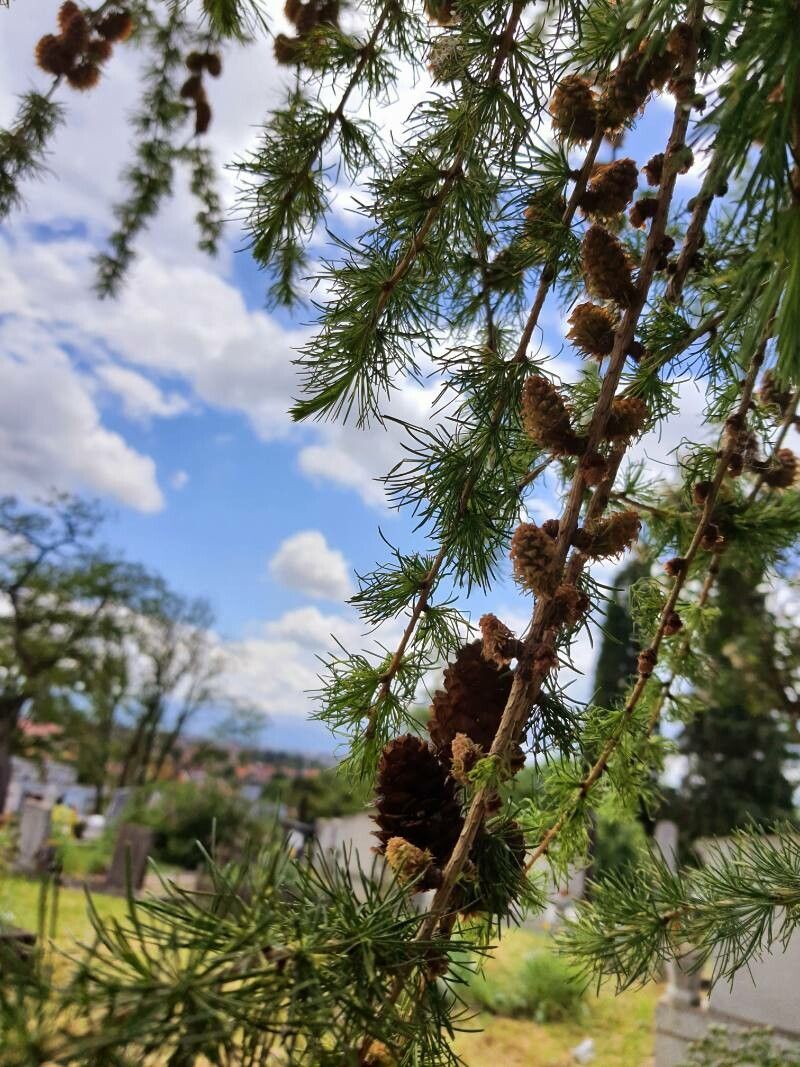
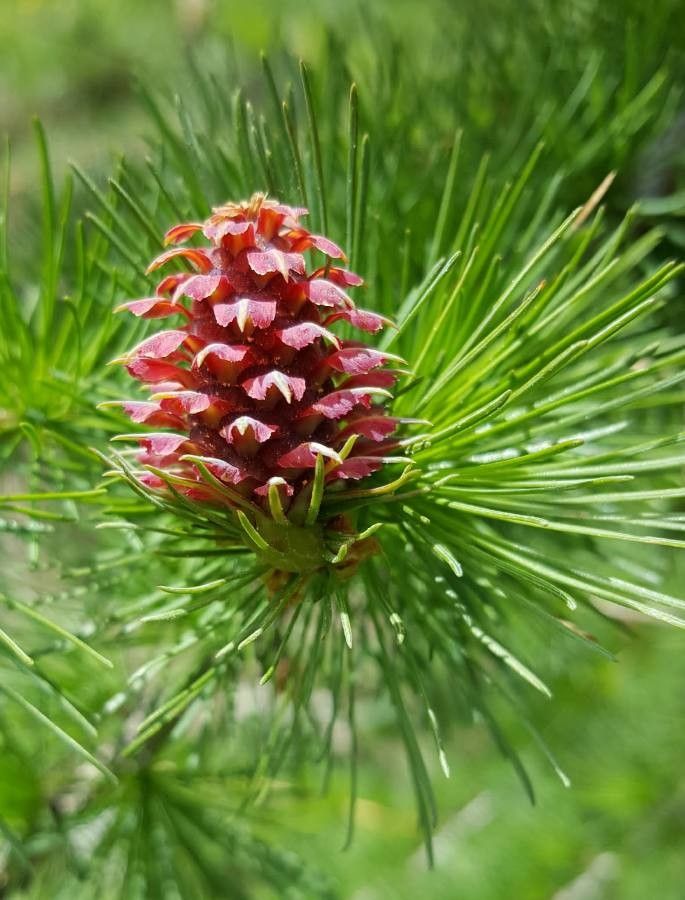
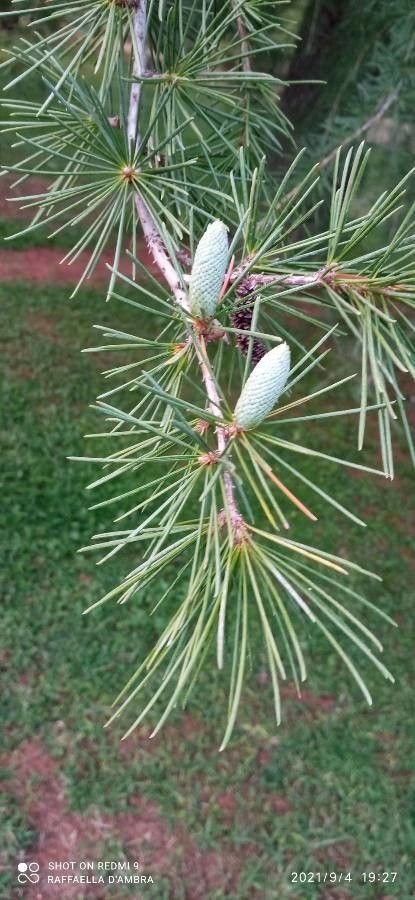
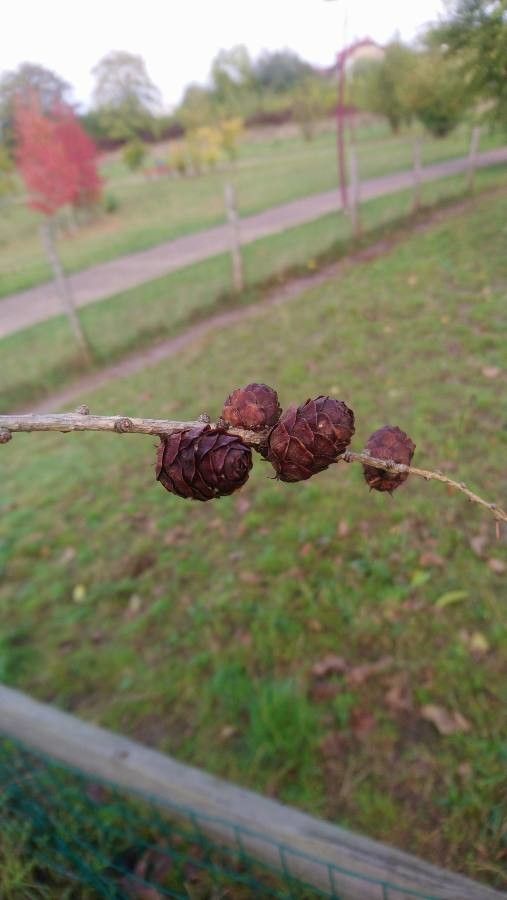
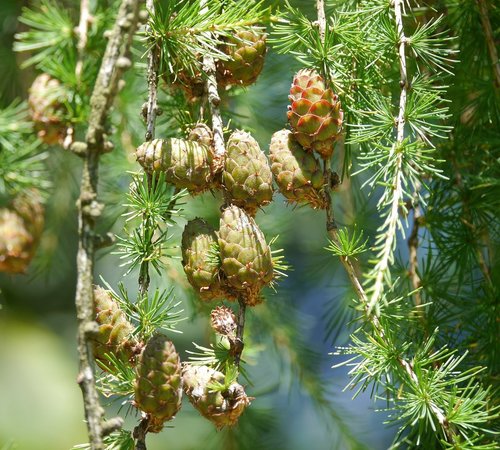
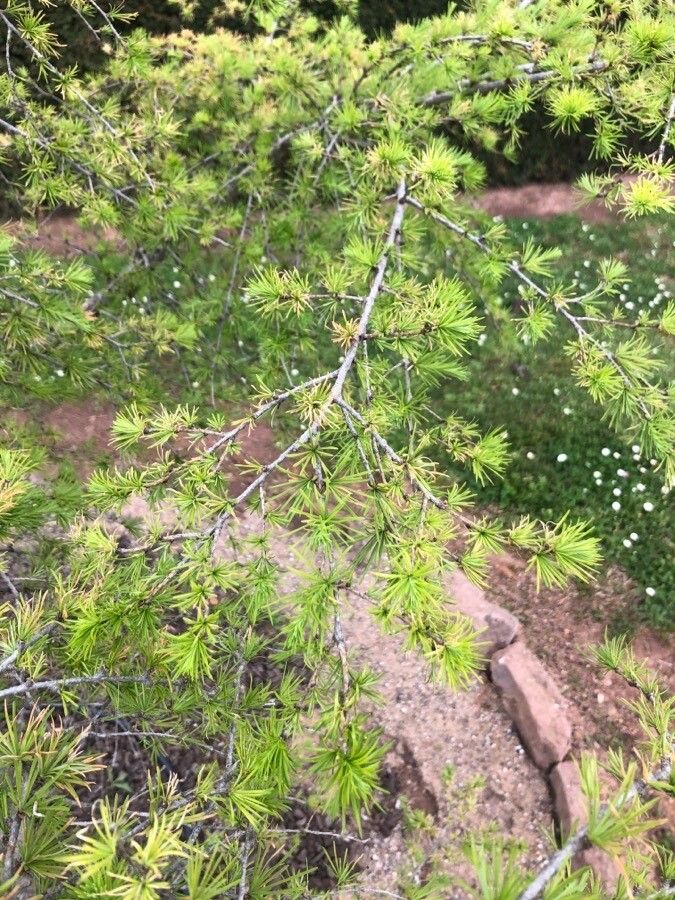
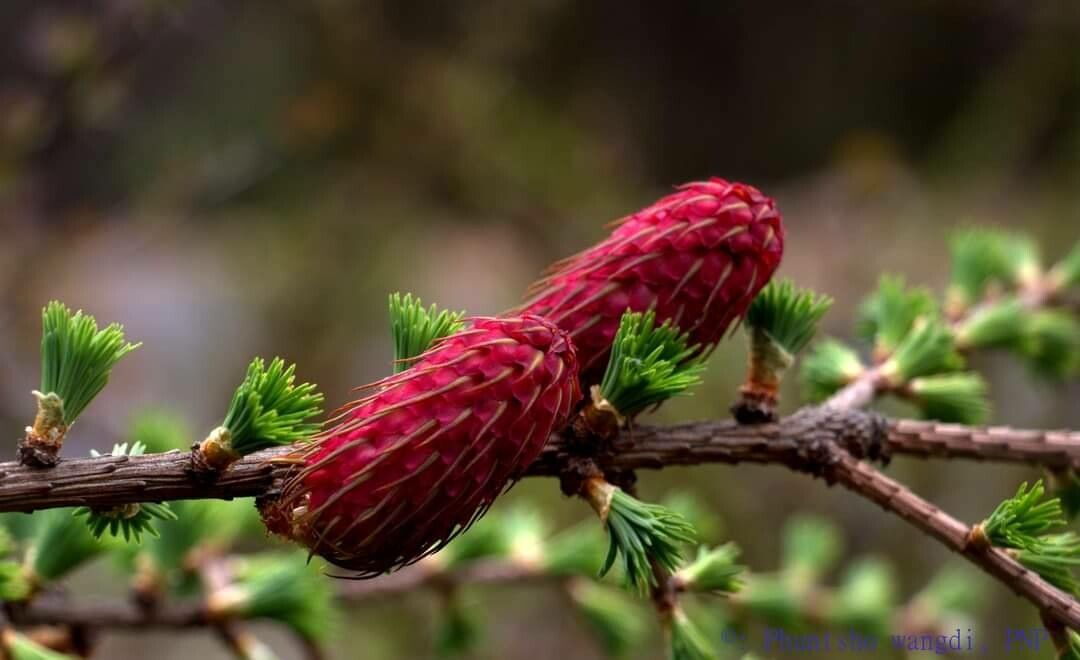
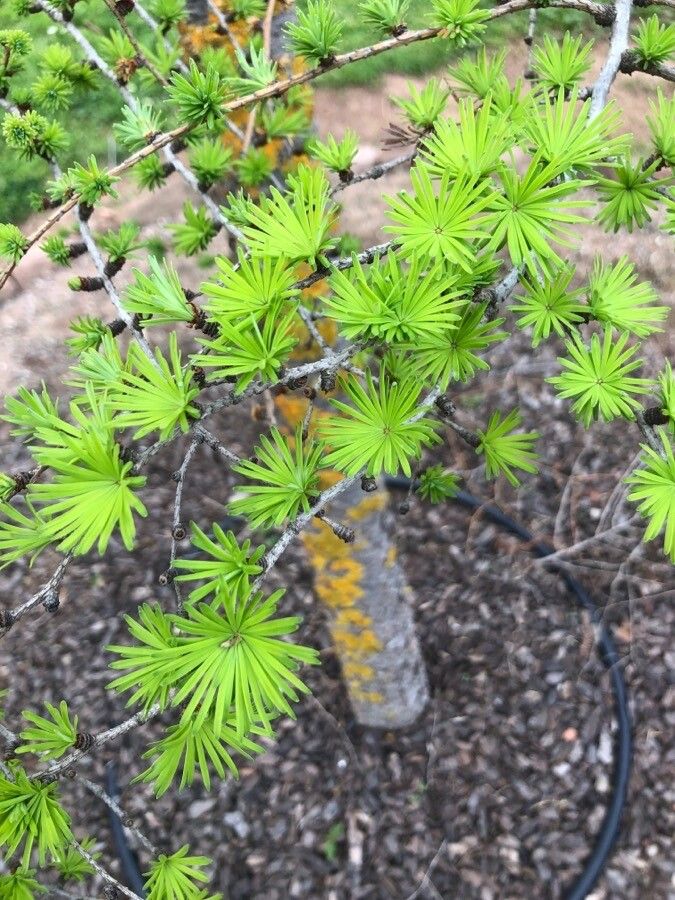
The western larch (Larix occidentalis) is a species of larch native to the mountains of western North America (Pacific Northwest, Inland Northwest); in Canada in southeastern British Columbia and southwestern Alberta, and in the United States in eastern Washington, eastern Oregon, northern Idaho, and western Montana. It is the most productive of the three species of larch native to North America.
Western larch shows strong disease resistance and is generally not susceptible to diseases. Regarding care, this plant is relatively low-maintenance. When planted outdoors it needs little watering, and larger plants usually do not require pruning. However, smaller plants should be pruned after they have bloomed. Western larcht is appropriate for anyone with an outdoor space, such as a garden or a deck, and does not demand much care experience.
How to keep Larix Occidentalis.
Light
Western larch comes from open habitats like sunny meadows and forest margins, where light is plentiful. It does best in Full Sun but can also endure Partial Sun, adapting well to a range of sunlight conditions.
Water
The Western larch, commonly found in montane and boreal forests, thrives in cool, moist soil. Although it is drought-tolerant and requires watering every 1-2 weeks, this adaptable conifer does well outdoors. It can adjust to seasonal variations in rainfall and effectively withstand dry spells.
Temperature
Western larch shows strong adaptability to a range of climate conditions, whether in scorching summers or chilly winters. However, it still has an optimal temperature range for growth. When temperatures become too high, the plant is vulnerable to heat and humidity stress, which can lead to its death. In areas where temperatures approach the lower limit of its cold tolerance, it's necessary to provide insulation to protect the plant.
Fertilizer
Western larch has specific nutrient needs and does not require excessive fertilization. Spring is the best time to apply fertilizer for optimal growth. Providing nutrients improves its health, increases its resistance to pests and diseases, and supports its long lifespan.
Pruning
The Western larch is a deciduous conifer with a tall, pyramidal shape and needle-like leaves. To maintain its health and appearance, prune the tree in early spring. Focus on shaping the tree, removing dead branches, and thinning crowded areas to improve air circulation and sunlight penetration. This will encourage healthier growth and enhance the tree's overall aesthetic appeal.
Botanical profile.
- Plant Type
- Tree
- Life Cycle
- Perennial
- Genus
- Larix
- Family
- Pinaceae
- Hardiness Zone
- 4-8
- Mature Height
- 30.48 m
- Mature Spread
- 7.92 m to 14.94 m
- Leaf Color
- Light Green, Pale Green
- Leaf Type
- Deciduous
- Flower Size
- 1.02 cm to 2.03 cm
- Bloom Time
- Early spring, Mid spring
- Planting Time
- Spring
- Harvest Time
- Late summer, Early fall, Mid fall
Other names.
Reader questions.
What are the sunlight requirements for Western Larch (Larix occidentalis)?
Western Larch (Larix occidentalis) flourishes under specific sunlight conditions. For optimal growth, it requires full sun exposure, which is defined as receiving more than 6 hours of sunlight daily. Alternatively, it can also thrive in partial sun, characterized by about 3 to 6 hours of sunlight each day. It's important to observe the patterns of sunlight through your garden carefully, aiming to find locations that offer a harmonious balance of light and shade. This careful placement ensures the plants remain joyful and healthy.
What is the botanical name of Western larch?
The botanical name of Western larch is Larix occidentalis.