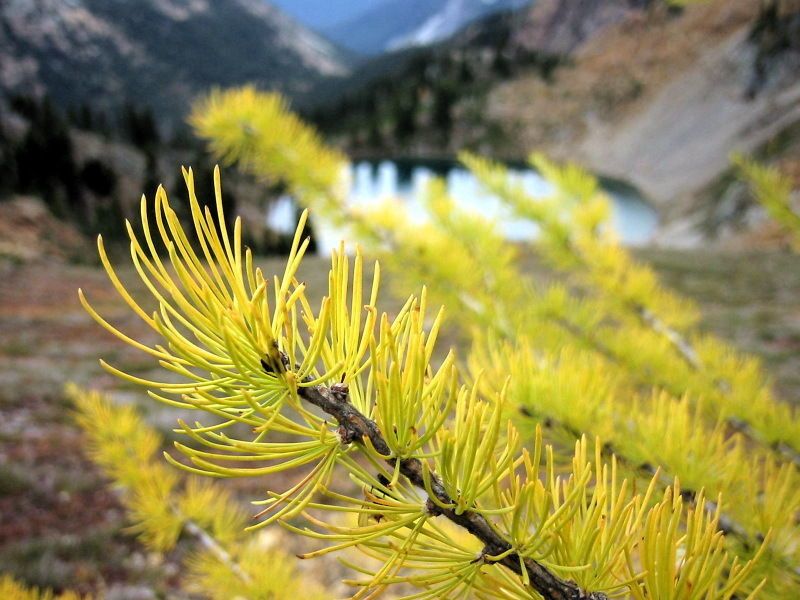
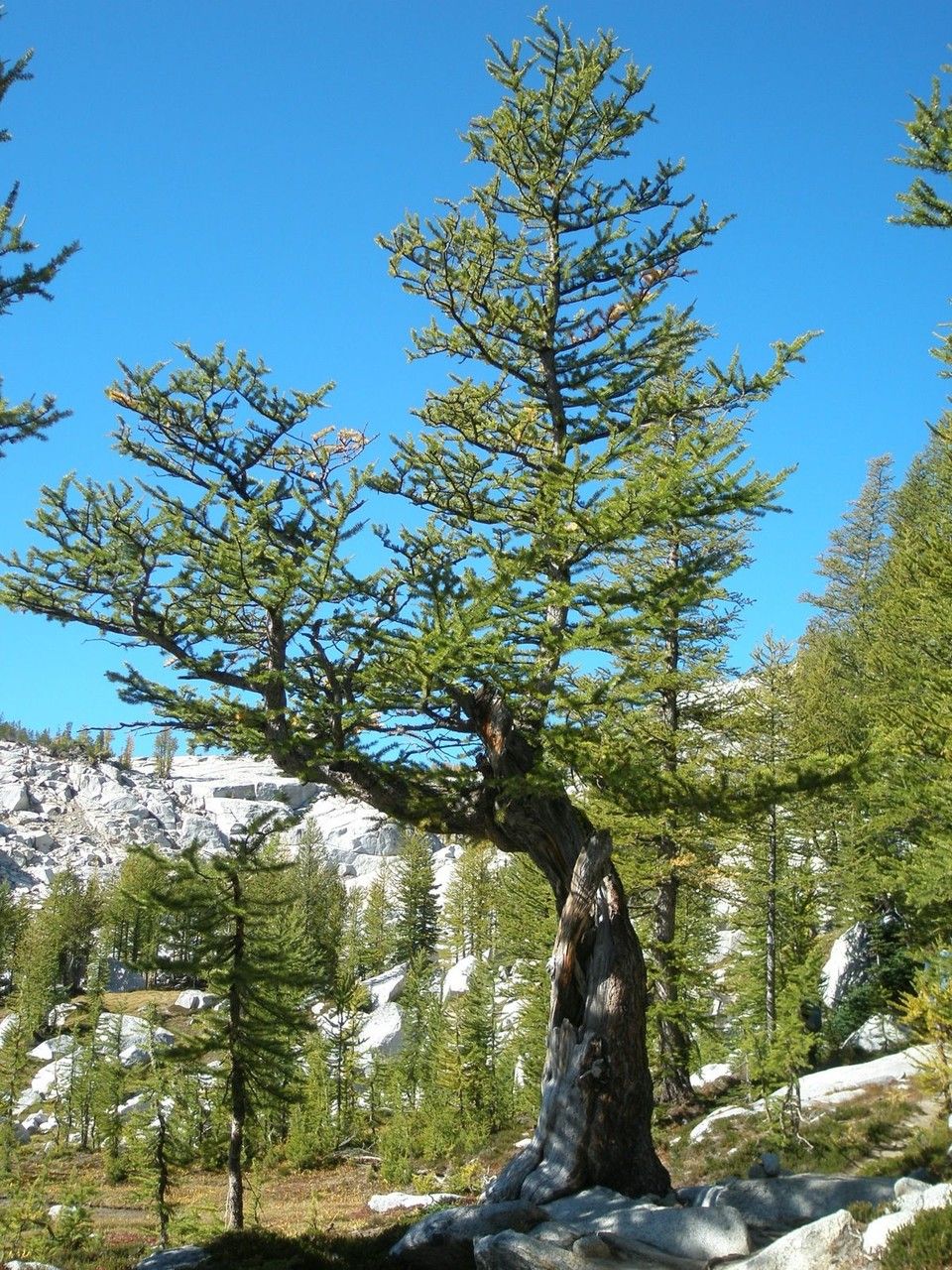
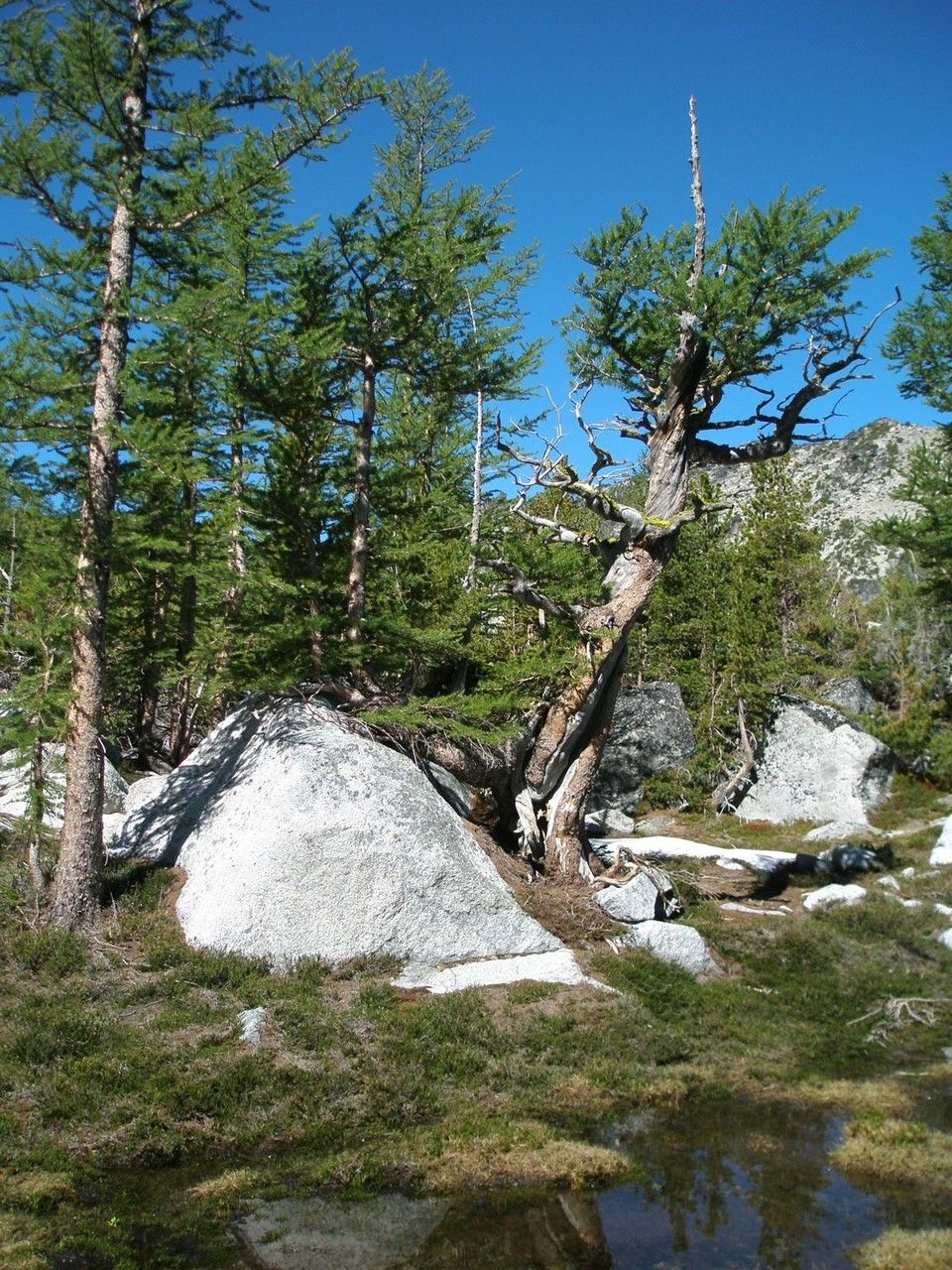
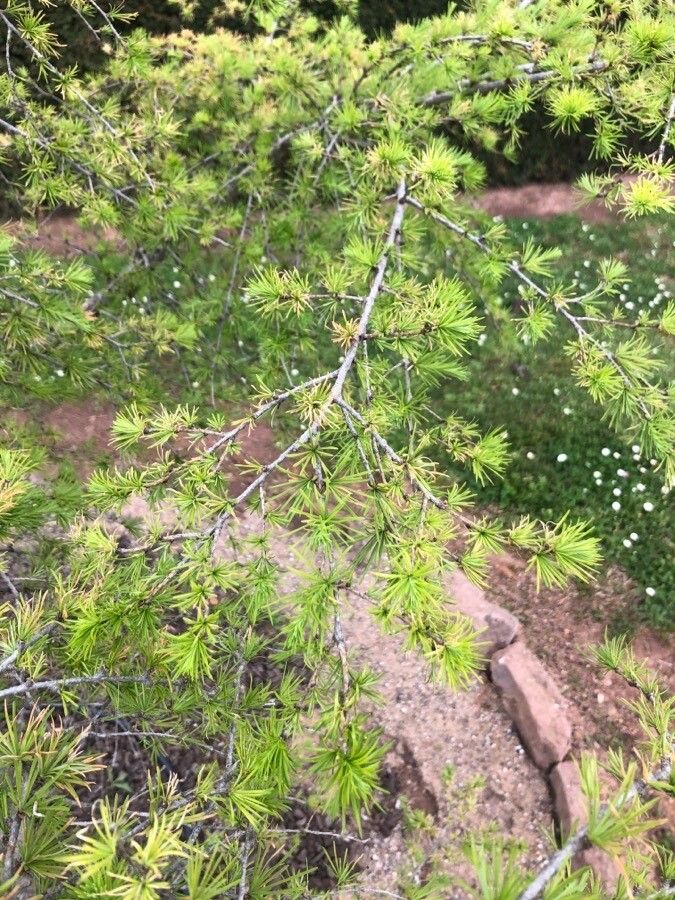
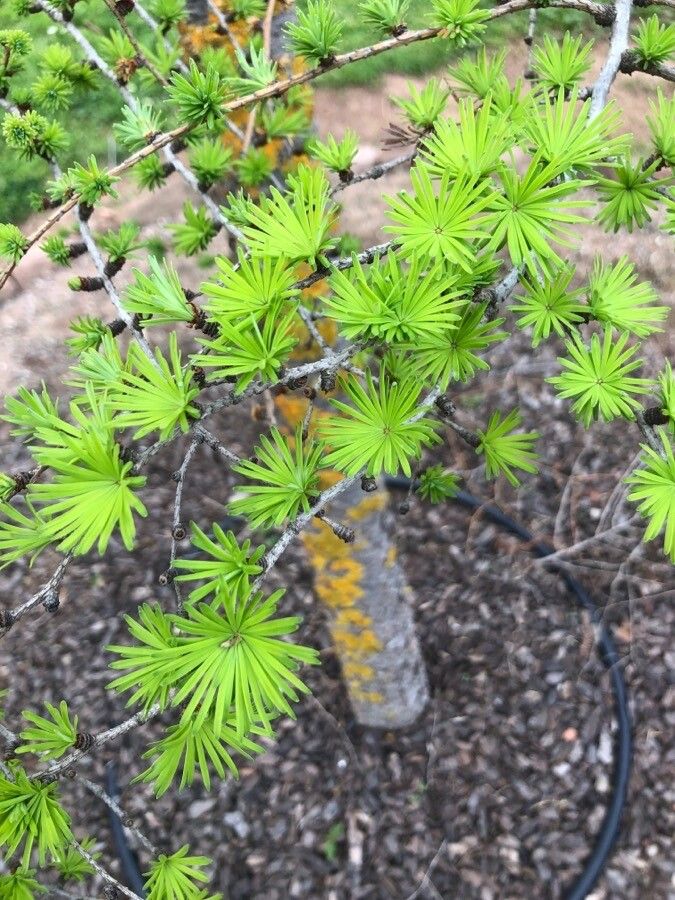
Larix lyallii, commonly known as the subalpine larch, is a deciduous coniferous tree native to the western regions of North America. It typically grows to a height of 20-30 meters and has a narrow conical shape with horizontal branches adorned with short blue-green needles. The bark is thin and scaly, with a distinctive reddish-brown color.
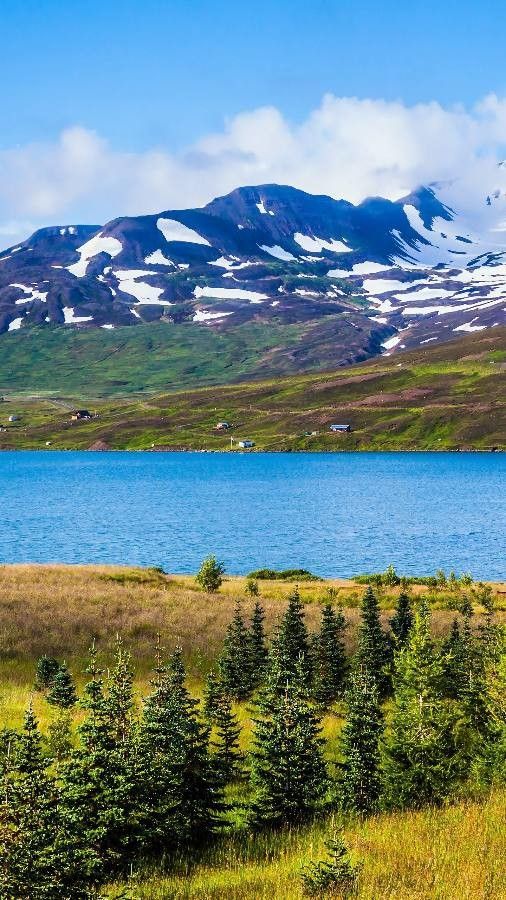
This tree thrives in high-altitude environments and can be found in subalpine forests throughout western North America. It prefers well-drained soils and can withstand extreme cold temperatures, down to -50°C.
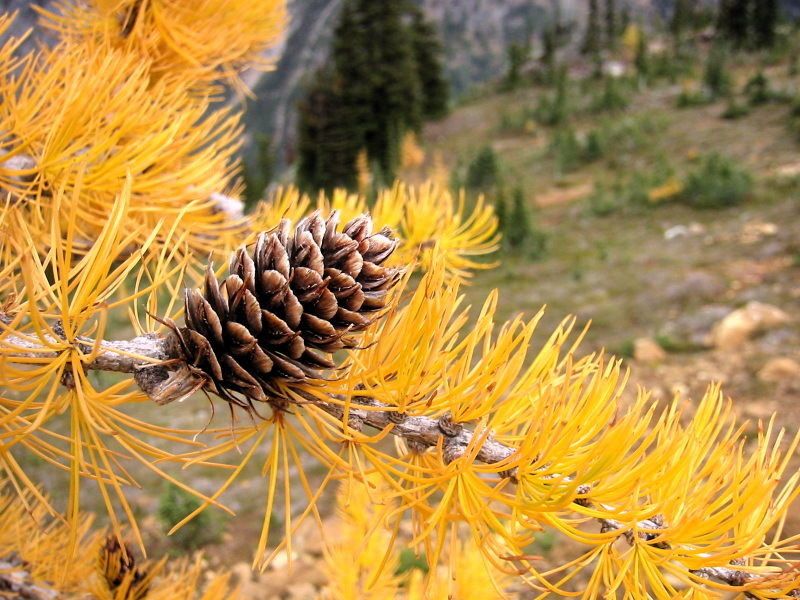
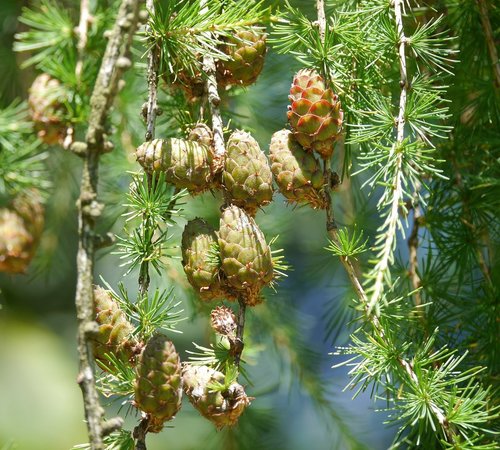
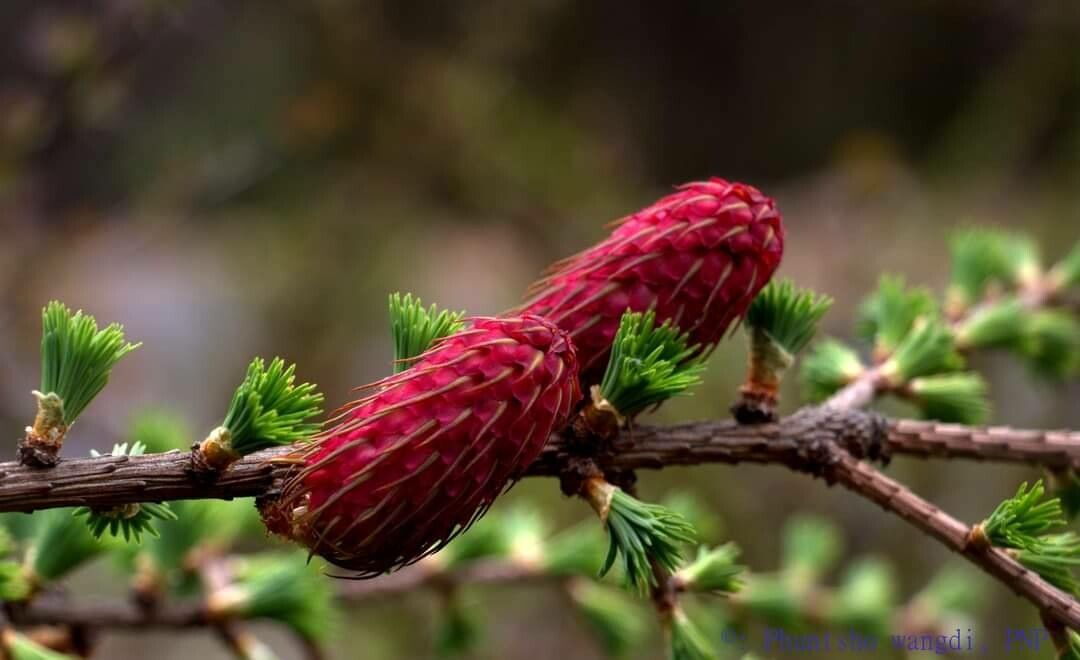
The subalpine larch produces small cones, about 2-4 cm long, which contain numerous winged seeds. These cones usually mature in late summer or early fall.
Larix lyallii plays an important ecological role by providing habitat for various wildlife species such as birds, squirrels, deer, elk, and moose. The wood from this species is highly durable and has been used for various purposes, including construction materials like poles or posts.
Overall, Larix lyallii is a vital component of high-altitude ecosystems throughout western North America, offering both ecological benefits and economic value to local communities that rely on it for timber production among other uses.
Subalpine larch is resistant to disease and is generally not prone to illnesses. In terms of care, this plant is relatively low maintenance. When grown outdoors it needs only minimal watering, and larger plants typically do not require pruning. Smaller plants, however, should be pruned after they have finished blooming. Subalpine larch is suitable for anyone with an outdoor space, such as a garden or deck, and does not require a lot of care experience.
How to keep Larix Lyallii.
Light
Subalpine larch comes from open habitats, such as sunny meadows and forest margins, which supply plenty of light. It does best in Full Sun but can also tolerate Partial Sun, adjusting well to a range of sunlight conditions.
Fertilizer
The subalpine larch has specific nutrient needs and does not require heavy fertilization. Fertilizing in spring is the best time to encourage optimal growth. Supplying nutrients enhances its health, strengthens resistance to pests and diseases, and supports its long lifespan.
Pruning
Prune subalpine larch in early spring to remove dead or damaged branches and encourage healthy growth. Avoid heavy pruning to preserve its natural shape. This approach improves air circulation and light penetration, reducing the risk of disease before the growing season begins.
Botanical profile.
- Plant Type
- Tree
- Life Cycle
- Perennial
- Genus
- Larix
- Family
- Pinaceae
- Hardiness Zone
- 4-8
- Mature Height
- 10.06 m to 24.99 m
- Mature Spread
- 4.88 m to 10.06 m
- Leaf Color
- Light Green, Pale Green
- Leaf Type
- Deciduous
- Flower Size
- 1.02 cm to 2.03 cm
- Bloom Time
- Early spring, Mid spring
- Planting Time
- Spring, Summer
- Harvest Time
- Late summer, Early fall, Mid fall
Other names.
Reader questions.
What are the sunlight requirements for a Subalpine larch (Larix lyallii)?
The Subalpine larch, or Larix lyallii, thrives in different sunlight conditions depending on what part of your garden you plant it in. For those areas receiving 'Full sun', it requires more than 6 hours of sunlight daily. In locations with 'Partial sun', it does well with about 3-6 hours of sunlight. It's important to observe how sunlight moves through your garden throughout the day. Choosing the appropriate spots that offer a balanced exposure to light and shade will ensure your Subalpine larch remains healthy and happy.
What is the Subalpine larch?
The Subalpine larch, known botanically as Larix lyallii, is a species of larch. There are no specific details provided about its essentials or symptoms in the provided data.