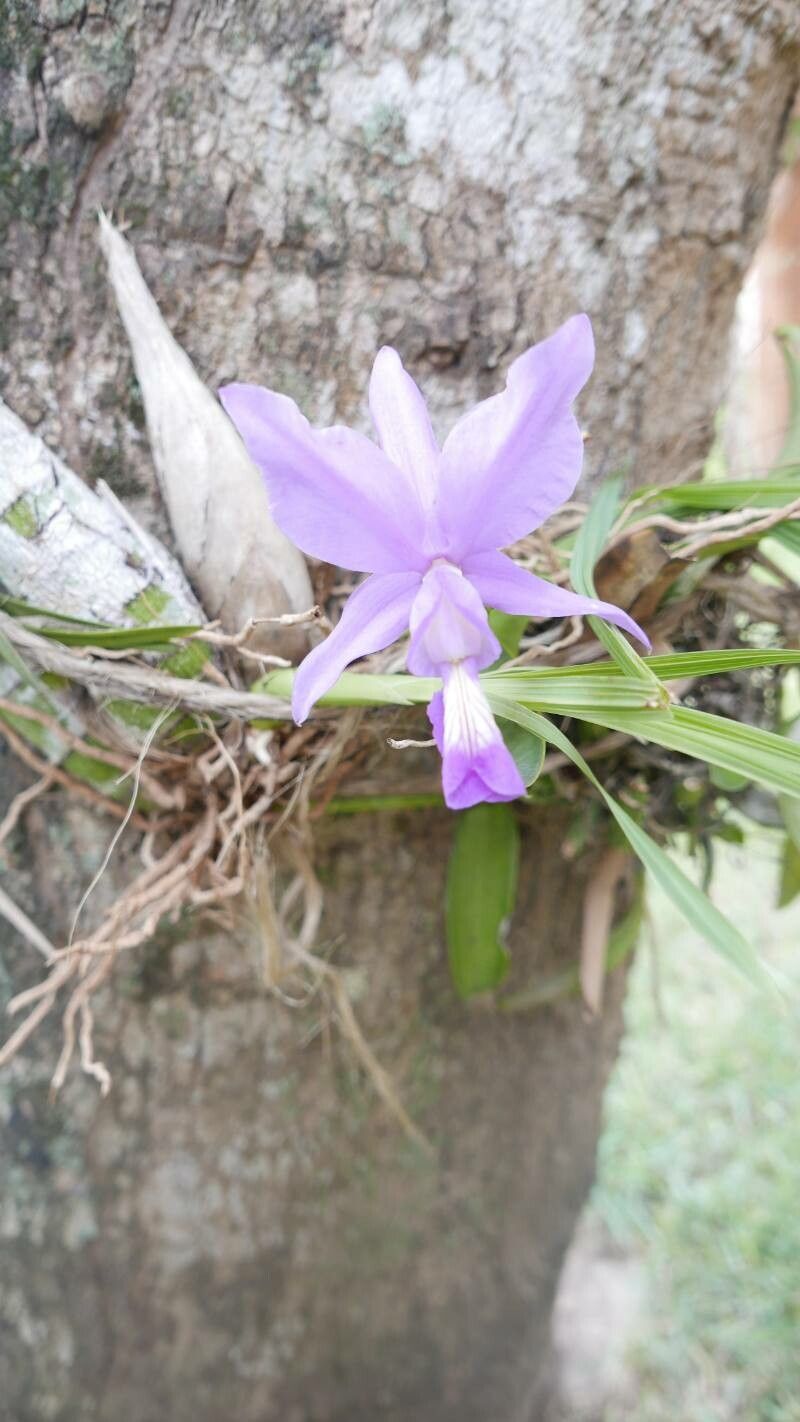
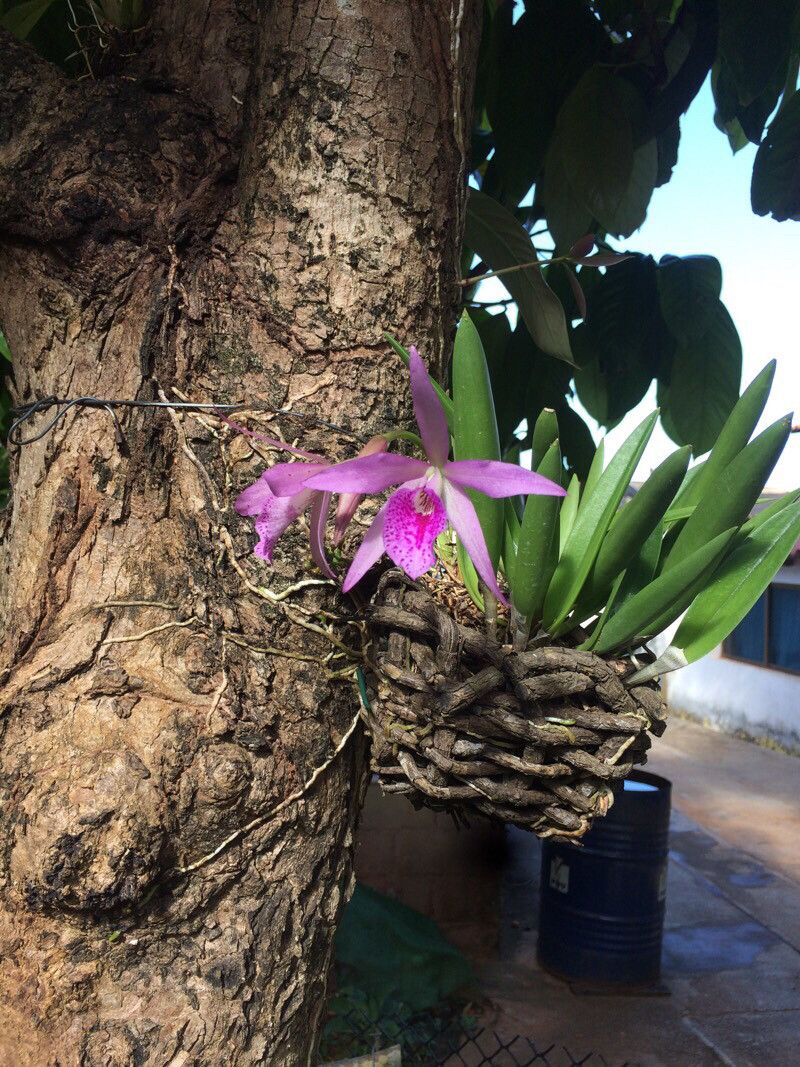
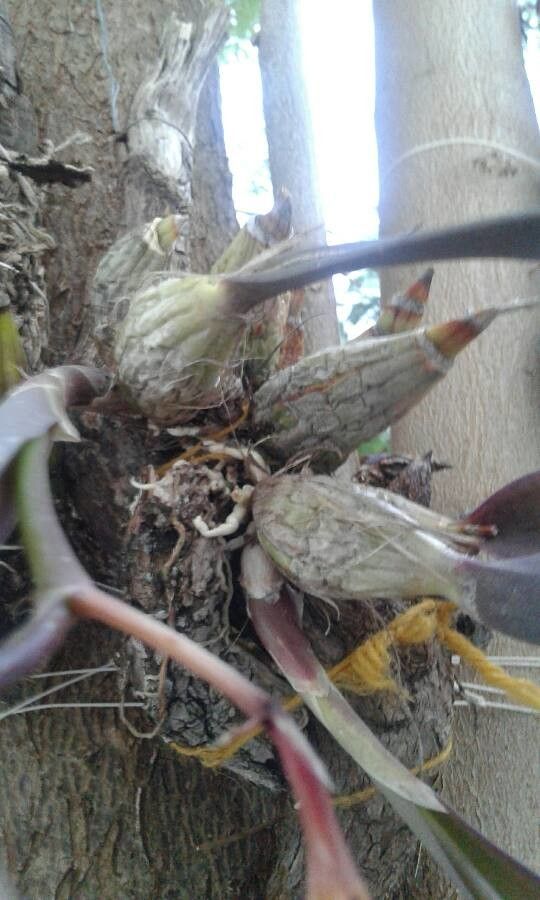
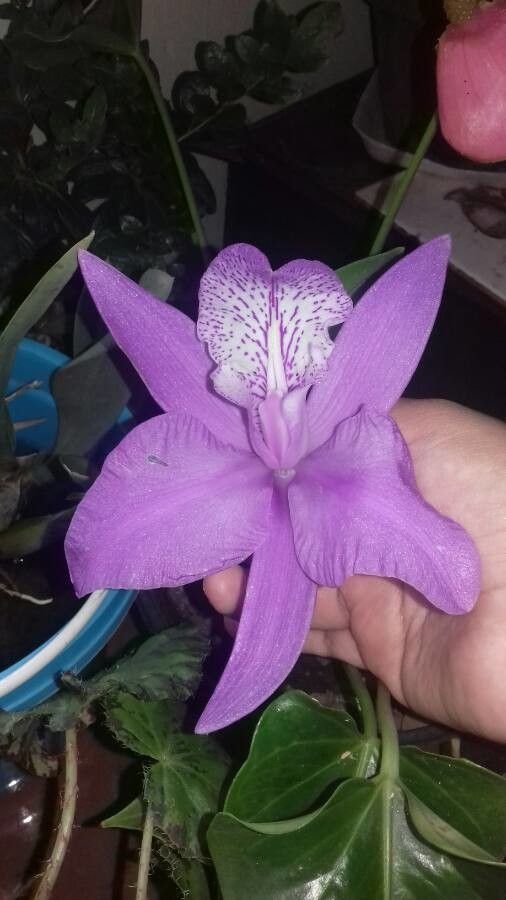
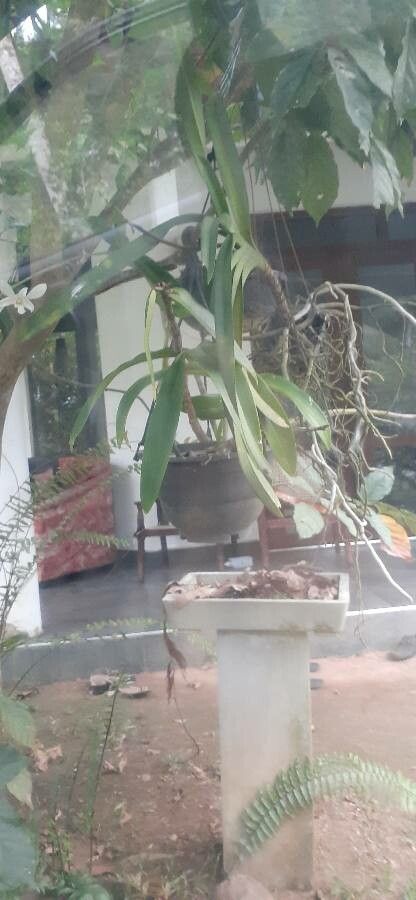
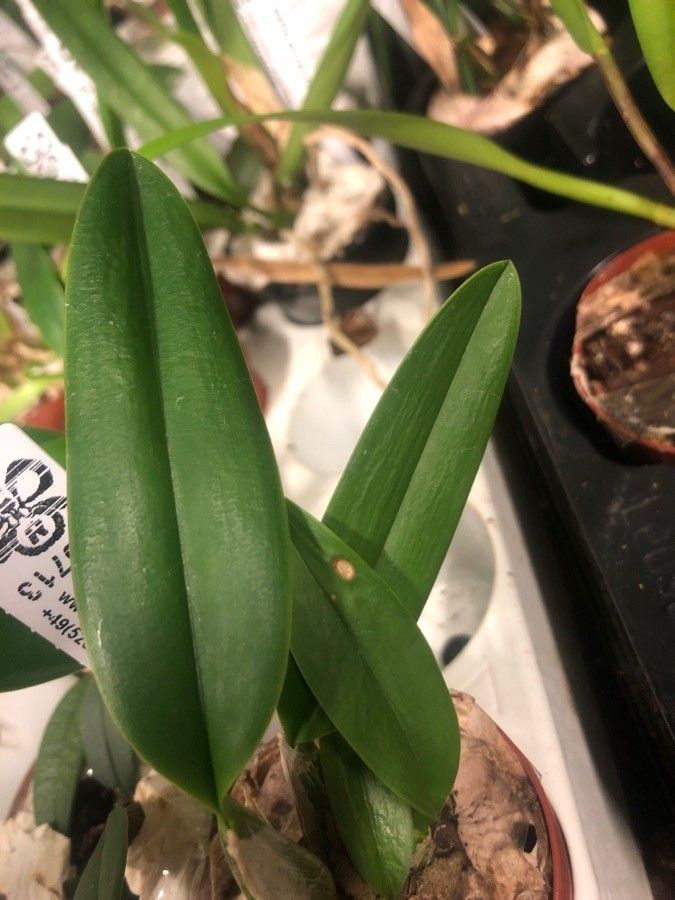
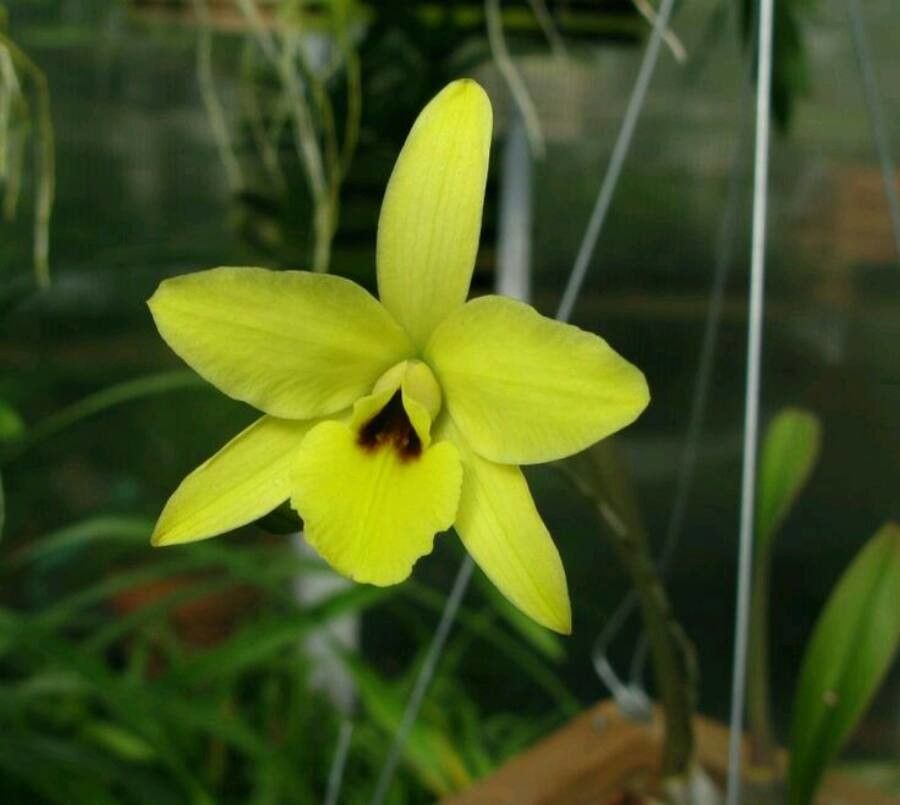
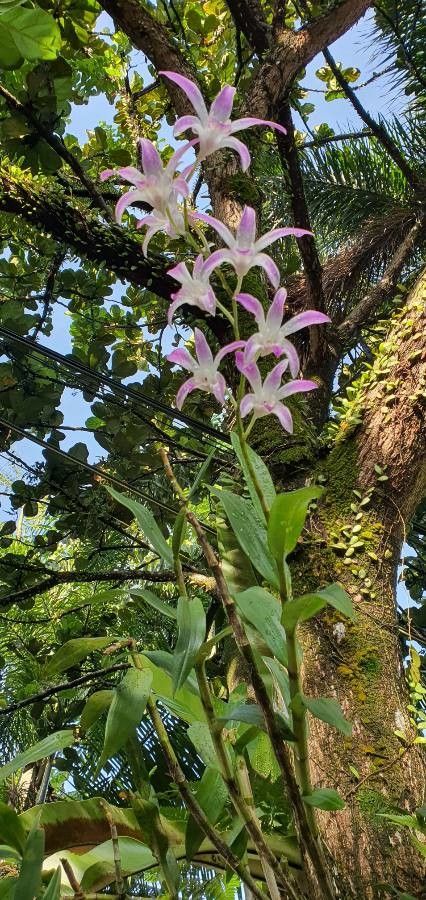
Laelia speciosa, commonly known as the Mayflower orchid, is a species of showy orchid found in area of Mexico with high elevation of 1,400 m (4,593 ft) to 2,400 m (7,874 ft). The plant is very drought resistant and can tolerate cool to warm conditions. It blooms from summer to fall, producing fragrant flowers. There are usually three to four flowers on an inflorescence. This species is highly prized and much sought after by orchid enthusiasts for its showy, highly fragrant flowers. The plants typically produce several large, showy, intricately patterned flowers once a year which are larger in stature than the plant itself.
Mayflower Orchid is generally resistant to disease and encounters relatively few insect pests. Its care is considered difficult because it needs a high-humidity but well-ventilated environment with few harmful pathogens. Too much watering can cause root rot. Although anyone can grow Mayflower Orchid, keeping it healthy and encouraging it to bloom again requires more growing experience.
How to keep Laelia Speciosa.
Light
The Mayflower Orchid naturally occurs in habitats like forest understories and rocky sites, where it receives natural shade. It prefers partial sun but can tolerate full sun or full shade, showing its hardy, adaptable nature.
Water
Laelia speciosa thrives in high-altitude oak forests, where it experiences alternating periods of moisture and dryness. It is important for the plant's roots to dry out between waterings, so you should water it weekly to mimic its natural rhythm. When grown indoors as an epiphytic orchid, Laelia speciosa requires higher humidity levels, especially during its active growing season, to ensure optimal development.
Humidity
This plant needs special care because it loves high humidity levels of 60-80% or more. The best way to achieve this is by placing a humidifier near the plant. Daily misting is also essential! Make sure the room has good ventilation.
Temperature
The Mayflower Orchid is fairly adaptable to temperature, tolerating higher heat and broad temperature swings. In hot weather, attention should be paid to watering and appropriate shading provided to prevent sunburn. Conversely, the Mayflower Orchid is less tolerant of low temperatures. Although it can withstand some cold, excessively low temperatures can cause frost damage.
Fertilizer
The best time to fertilize a Mayflower Orchid is in early spring, when it is coming out of dormancy and starting active growth. Fertilization supplies essential nutrients for healthy development. Although the Mayflower Orchid has relatively low fertilizer requirements, giving it fertilizer once a year can improve its survival and encourage better, longer-lasting blooms.
Pruning
Laelia speciosa is known for its vibrant blooms and elegant growth. To maintain its health and manage its size, prune the plant in early spring. This will help remove dead stems and spent flowers. Always use clean tools to prevent the spread of disease, and be careful with heavy pruning to avoid stressing the plant.
Pot & Repot
When repotting a Mayflower Orchid, select a pot that's slightly larger with good drainage, ideally a clear orchid pot. Use a well-draining, orchid-specific medium that includes bark or moss. Carefully clean the roots and remove any that are dead or rotting. Repot after flowering, typically in spring or fall, water thoroughly, and place in bright, indirect light. Once repotted, avoid disturbing the roots.
Toxicity
Both humans and pets are unaffected by Laelia Orchids (Laelia spp.). They can be grown safely inside.
Further reading →
The toxicity and danger assessments provided are for reference only. We do not assure their accuracy, so it's crucial not to depend on them. Seek professional advice when necessary for accurate guidance.
Botanical profile.
- Plant Type
- Herb
- Life Cycle
- Perennial
- Genus
- Laelia
- Family
- Orchidaceae
- Hardiness Zone
- 10-11
- Mature Height
- 30 cm
- Mature Spread
- 30 cm
- Leaf Color
- Light Green
- Leaf Type
- Deciduous
- Flower Color
- Pink
- Flower Size
- 10.16 cm to 15.24 cm
- Bloom Time
- Late spring, Early summer, Mid summer
- Planting Time
- Spring, Summer, Autumn
- Harvest Time
- Mid summer, Late summer, Early fall
- Native Area
- Mexico
Other names.
Reader questions.
What is Laelia speciosa?
Laelia speciosa is a plant known for its unique characteristics and beauty. It is significant in botanical circles for its specific features and naming conventions that distinguish it from other species.