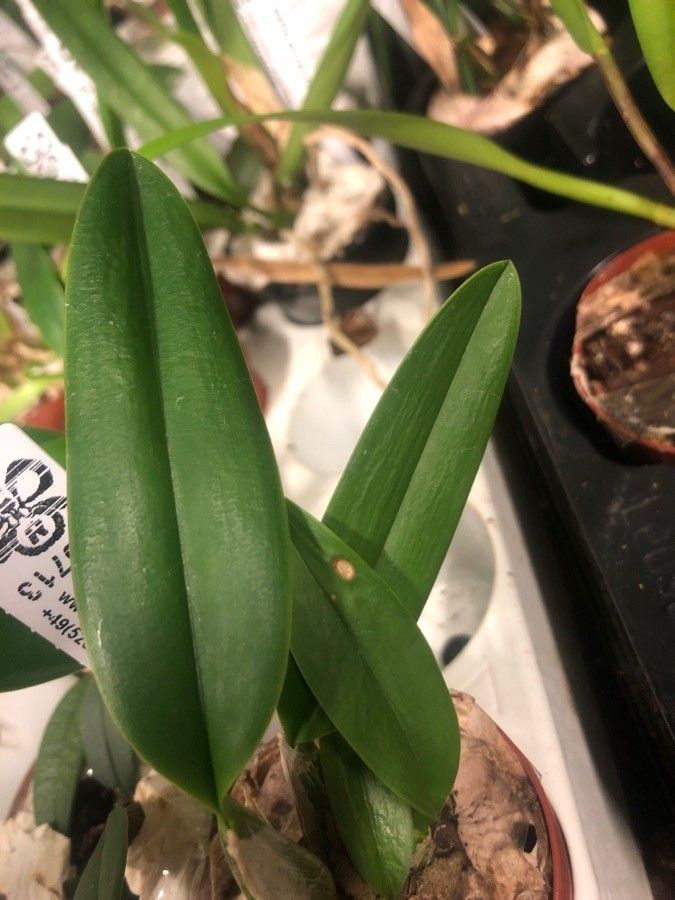
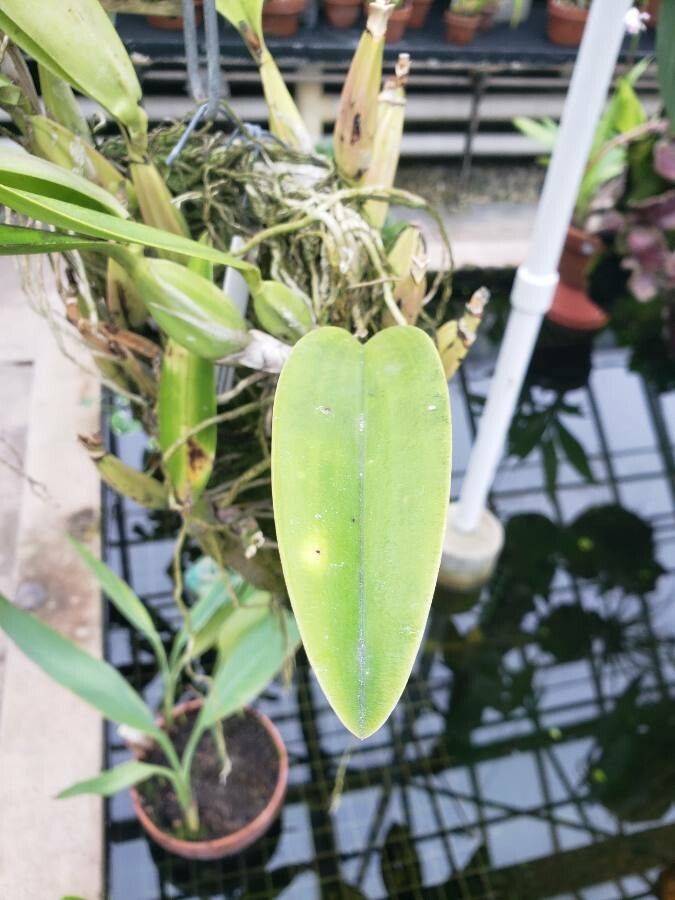
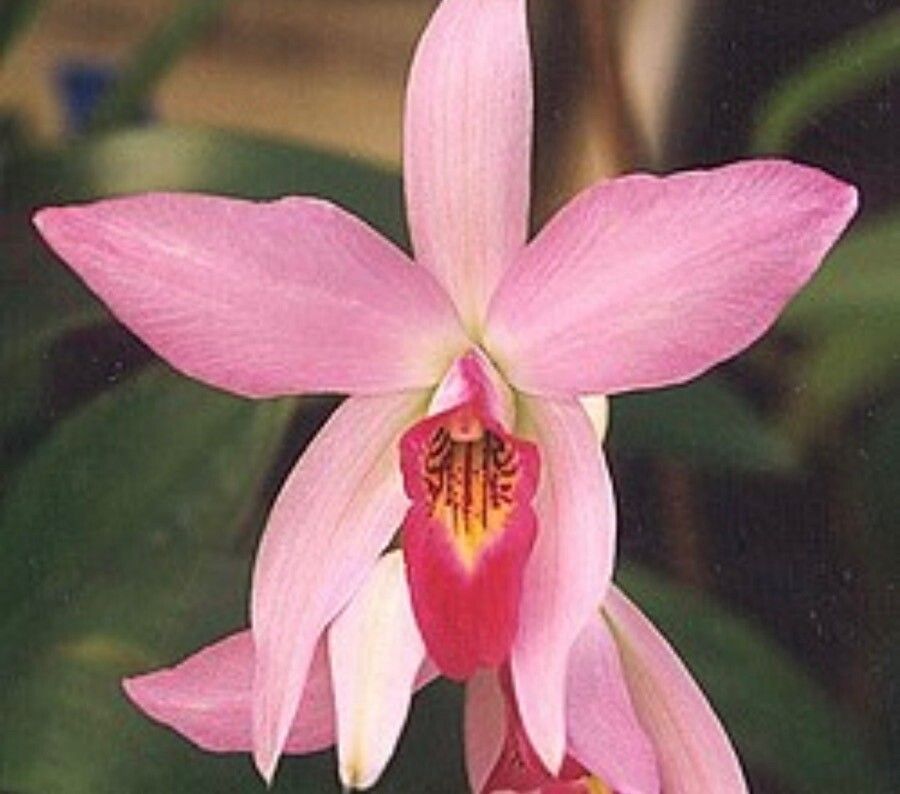
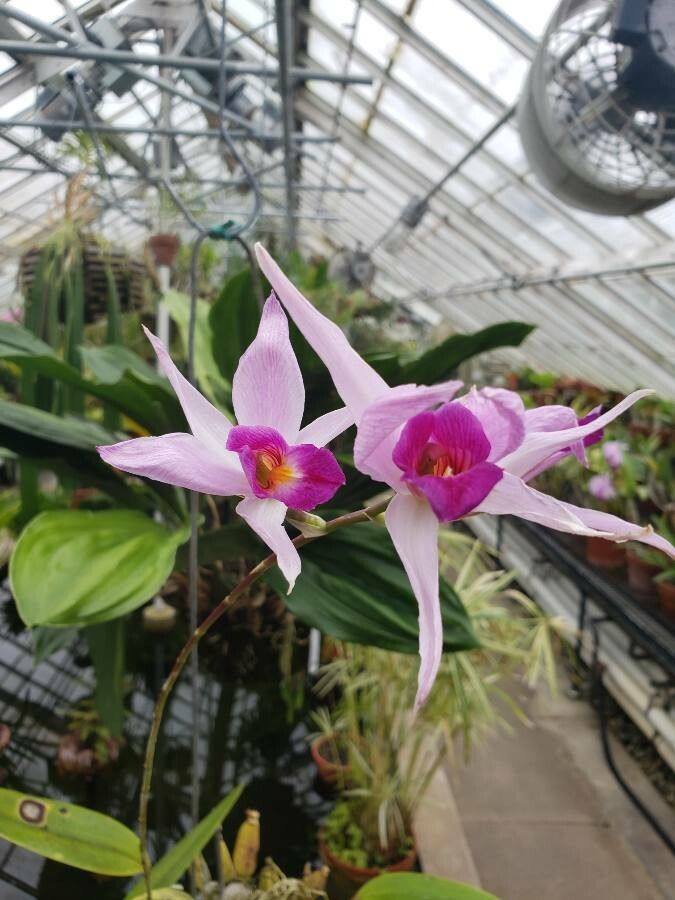
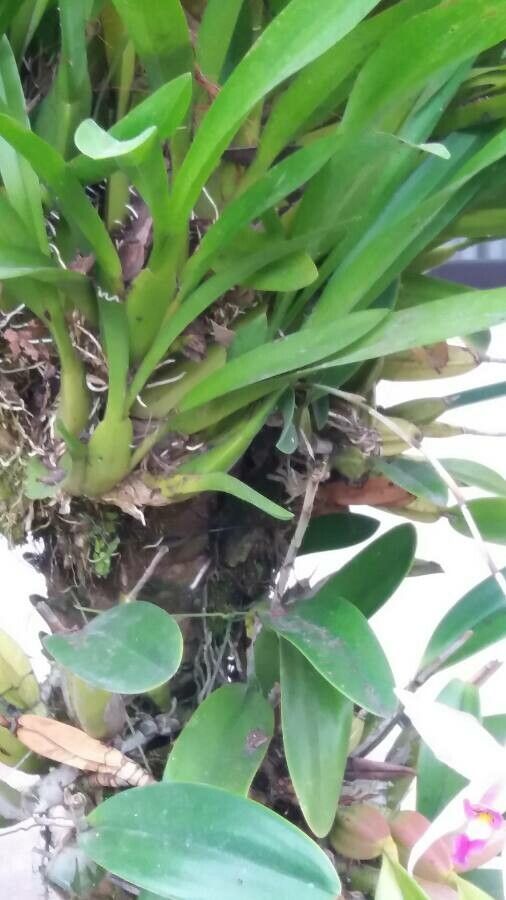
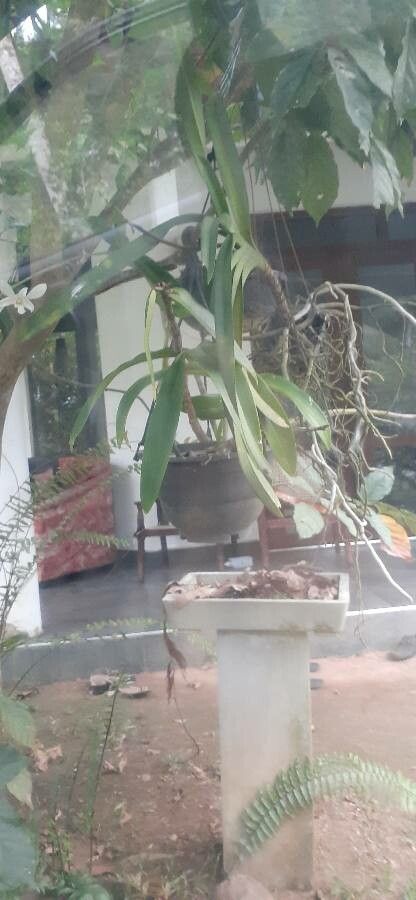
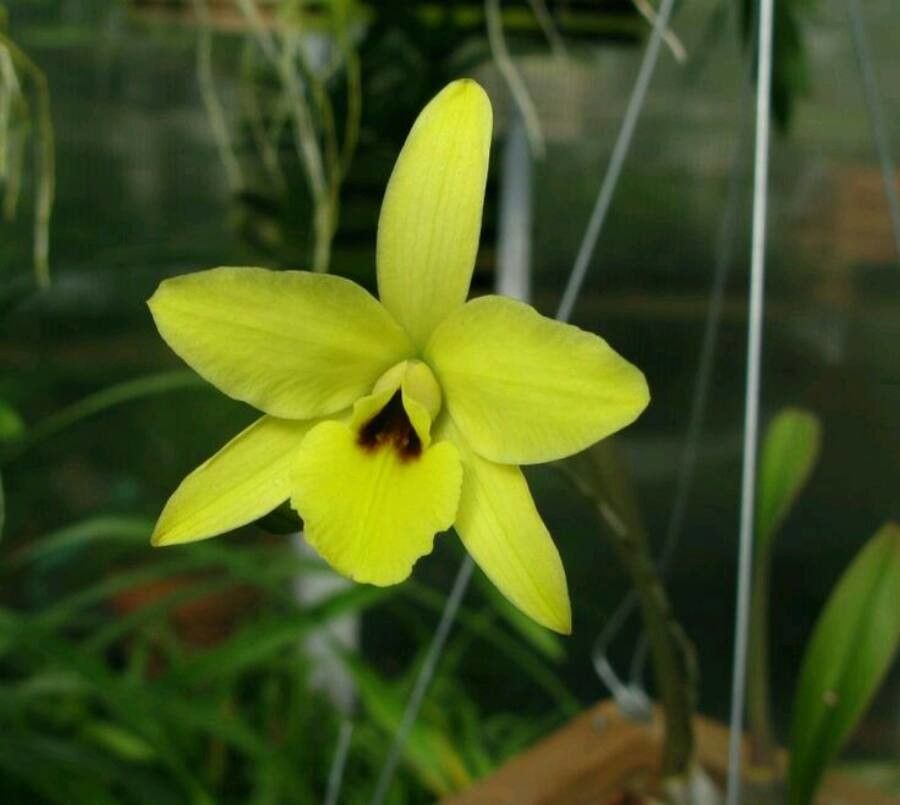
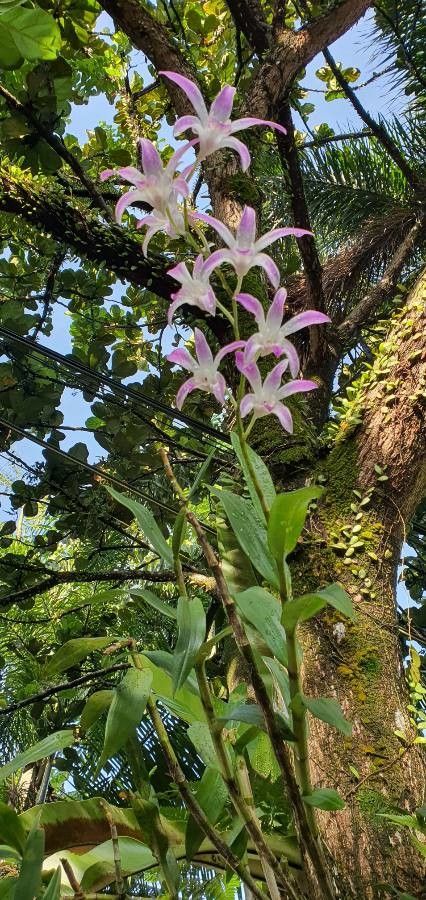
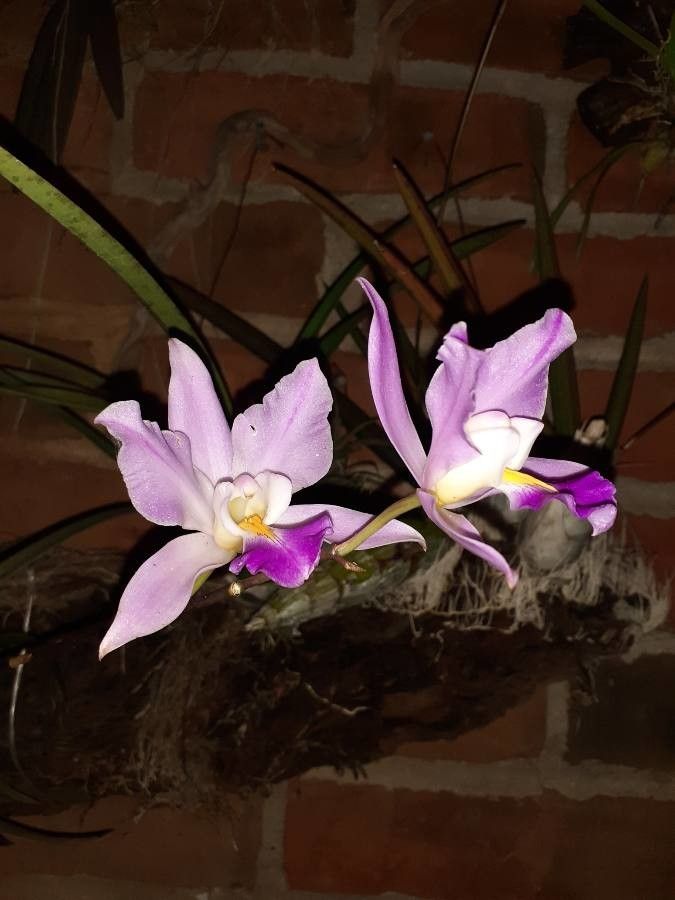
Laelia anceps is a species of orchid found in Mexico and Guatemala.
The Laelia orchid generally shows strong disease resistance and attracts relatively few insect pests. Its care is regarded as difficult, since it needs high humidity combined with good ventilation and a low level of harmful pathogens. Overwatering can cause root rot. While anyone can grow the Laelia orchid, maintaining its health and encouraging it to flower again demands more growing experience.
How to keep Laelia Anceps.
Light
The laelia orchid prefers soft, sunny conditions, and although it can tolerate poorer light, that is not ideal. Insufficient light can significantly impair its growth and stop it from blooming. Originating from places where light is filtered through foliage, very strong sun exposure can possibly damage its leaves.
Water
Laelia orchids thrive in high-elevation cloud forests, where they prefer consistent moisture but can withstand brief dry spells. To maintain optimal health, it is important to water them weekly. As epiphytes, Laelia orchids benefit from increased humidity, which can be achieved by placing their pot on a tray filled with watered pebbles.
Temperature
The Laelia orchid is native to temperate regions and thrives at temperatures from 68 to 100°F (20 to 38℃). To reproduce its natural habitat, small temperature adjustments may be necessary with seasonal changes.
Fertilizer
Appropriate fertilization is vital for a Laelia orchid’s health and appearance. Feed the Laelia orchid in summer, applying fertilizer once a month for the duration of the season. Nutrients support growth and help maintain the plant’s tissues. Fertilizing boosts the Laelia orchid’s flowering, ensuring the best blooms.
Pruning
Laelia orchids are vibrant and resilient plants. To promote growth and maintain their shape, it's important to prune any dead or diseased parts in early spring or late winter. Pay special attention to removing spent flower spikes. Always use sterilized tools to prevent infections, and be careful not to over-prune, allowing these orchids to continue thriving.
Pot & Repot
When repotting a Laelia orchid, pick a slightly larger container with good drainage, ideally a clear (transparent) orchid pot. Use an orchid-specific, well-draining potting mix that includes bark or moss. Carefully clean the roots and cut away any that are dead or rotting. Repot after flowering, typically in spring or fall, water thoroughly, and place the plant in bright, indirect light. Do not disturb the roots after repotting.
Toxicity
Both humans and pets are unaffected by Laelia Orchids (Laelia spp.). They can be grown safely inside.
Further reading →
The toxicity and danger assessments provided are for reference only. We do not assure their accuracy, so it's crucial not to depend on them. Seek professional advice when necessary for accurate guidance.
Botanical profile.
- Plant Type
- Herb
- Life Cycle
- Perennial
- Genus
- Laelia
- Family
- Orchidaceae
- Hardiness Zone
- 10-11
- Mature Height
- 0.61 m to 1.22 m
- Mature Spread
- 49 cm
- Leaf Color
- Dark Green
- Leaf Type
- Evergreen
- Flower Color
- Lavender
- Flower Size
- 6.35 cm to 12.70 cm
- Bloom Time
- Late fall, Early winter, Mid winter
- Planting Time
- Autumn
- Harvest Time
- Late winter, Early spring, Mid spring
Other names.
Reader questions.
What should I do if I give my Laelia orchid too much water or too little water?
When Laelia orchids are overwatered, they may exhibit symptoms such as limp and wrinkled leaves, yellowing or decay, and a general lack of vitality. This can sometimes lead orchid owners to believe that their plant is not receiving enough water, causing them to add more water. However, this only worsens the problem, so it is important to examine the roots to determine the true issue. Healthy Laelia orchid roots are silvery green, green, or white in color and feel firm to the touch. On the other hand, overwatered roots will appear mushy, limp, and may be brown or black. To rescue an overwatered Laelia orchid, it is necessary to cut off any rotted roots with a sterile knife or garden shears and repot them in fresh growing medium. It is always better to avoid overwatering altogether because if root rot sets in, it may not be possible to save the plant. Therefore, it is best to be conservative with water to prevent this issue. The symptoms of underwatering and overwatering in Laelia orchids are initially quite similar. It is advisable to check the moisture level of the growing medium using your finger or a moisture meter to determine the amount of water being retained. If necessary, watering frequency may need to be increased to correct the underwatering issue. Once again, examining the roots is key to understanding the situation. Underwatered roots will appear dry, brown, and brittle, while healthy roots are pliable and green. Fortunately, it is relatively easy to revive a dehydrated Laelia orchid as long as there are still healthy roots remaining. Trimming away any dried up or dead root sections that cannot be revived is important. Then, repot the plant and thoroughly water it. Within a week or two, the shriveled and limp leaves should regain their firmness and appear healthy. If the leaves are too damaged and cannot be revived, they can be removed to make way for new growth.
Why do I have to use fertilizer on my Laelia orchid?
Fertilizer and soil nutrients are like fuel for your Laelia orchid, helping it grow and stay healthy. Plants in general rely on nutrients in the soil to develop new plant material and maintain their existing components. Specifically for the Laelia orchid, fertilization is crucial for producing beautiful flowers. Since the flowers are the main attraction of this plant, most gardeners will prioritize fertilizing to ensure the best blooms. Fertilization is a reliable method to help your Laelia orchid produce its most impressive flowers.
How much sunlight does Laelia orchid need to grow?
Epiphytic Orchids that thrive in partial sun require 3-6 hours of direct sunlight daily. To prevent overheating, they should be positioned in a spot with morning sun and afternoon shade. Orchids exposed to excessive sun may develop sunburned leaves and dry out if not provided with sufficient humidity to withstand the heat.
What is the best temperature for Laelia orchid?
Both the Laelia orchid and the Laelia orchid require different levels of maintenance, but they both grow best within the same temperature range. To ensure the thriving of warm-weather plants, maintain temperatures between 75-90℉ (25-32℃). Although the Laelia orchid can tolerate some temperatures outside of this range, it is preferable to keep the growing environment within a few degrees of these limits. The highest and lowest temperatures the Laelia orchid can handle are between 50℉ (15℃) and 95℉ (35℃). Since the Laelia orchid prefers warmer weather and is typically grown outdoors in the summer, it is important to avoid temperatures below 70℉ (25℃). Temperatures below 50℉ (15℃) can cause damage and even kill the plants.
How often do I need to water my Laelia orchid?
You should water your Laelia orchid when the potting mix is mostly dry, but not completely dry, regardless of the medium you use. The frequency of watering will vary based on environmental conditions. In summer, you should water the orchid about once or twice a week, while in winter you can water it as infrequently as once every 2 weeks.
When should I fertilize my Laelia orchid?
The Laelia orchid has two main phases in each year. The first phase, called the dormant phase, occurs during winter when the plant's growth is minimal. The second phase, known as the active growth phase, happens during spring and fall. It is crucial to fertilize your Laelia orchid during this period. To start, it is recommended to fertilize in the spring months, repeating the process once per month for the rest of spring and most of summer. As fall approaches, you can reduce the frequency of fertilization.
What happens if the Laelia orchid doesn't receive enough sunlight?
Epiphytic Orchids that prefer partial sun may not bloom as much if they don't get enough sunlight. In addition, their leaves may become darker green than usual. To prevent damage to the leaves and flowers, gardeners should make sure these plants get enough indirect light and shade.
Does the Laelia orchid need different temperatures at different stages of growth?
To ensure the Laelia orchid blooms to its full potential, it's important to maintain a consistent temperature range. Avoid temperature fluctuations, as they can be harmful in any stage of growth. Temperatures below 70℉ (25℃) or above 90℉ (32℃) can slow down the orchid's growth, while prolonged periods below 50℉ (15℃) can prevent flowering entirely. Since Laelia orchids are not hardy, they require a well-controlled environment. It's important to have as much temperature control as possible. Additionally, these orchids need a cool period, which will be further discussed below.
How do you water a Laelia orchid?
Laelia orchids are unique because they don't grow in soil like most plants. To successfully grow a Laelia orchid, it's important to choose the right growing medium. The container should have good drainage and Laelia orchid pots are designed specifically for this purpose. They are tall and narrow, allowing air to circulate around the roots. One popular growing medium is bark, which drains well but requires more frequent watering. Another option is sphagnum moss, which is often used in commercial nurseries because it's lightweight and doesn't need to be watered as often. However, moss can hold too much water and cause root rot if not managed properly. If your Laelia orchid is planted in moss, be cautious with watering. It's best to water from below by soaking the roots in water for 10-15 minutes and allowing the excess water to drain before putting the orchid back in its normal spot.
When is it not a good time to fertilize my Laelia orchid?
If you want to promote the growth of Laelia orchids without causing root burn, it's important to adjust your fertilizing routine accordingly. These orchids are actively growing during the spring and summer, which is when they need extra nutrients. However, during the fall and winter, they enter a dormant stage and fertilizing should be stopped.
What will happen if the Laelia orchid gets a lot of sunlight?
If Epiphytic Orchids that prefer partial sun are exposed to too much direct sunlight, their leaves can become sunburned and dry out. To prevent this damage, gardeners should make sure their plants receive adequate shade and indirect light. Additionally, maintaining proper humidity levels is crucial in hot climates. A good strategy is to place the orchids in a location that receives morning sun and some afternoon shade, while also using sheer curtains or blinds to create indirect light and shade. Regular watering is important for these orchids to maintain the right humidity levels and promote healthy leaves and flowers. By providing the right balance of sunlight, humidity, and shade, gardeners can enjoy beautiful blooms from their Epiphytic Orchids throughout the year.
Here are three things to do to manage the temperature for Laelia orchids.
Here are some tips for taking care of your Laelia orchid: 1. Cool period after blooming: Whether you grow your Laelia orchid outdoors or indoors, it needs a cooling period after blooming. This period can occur during any season. By keeping the temperature between 75-90℉ (25-32℃) during this time, you can encourage your orchid to bloom multiple times a year. 2. Colder nights preferred: Laelia orchids prefer colder temperatures at night, especially when grown outdoors. Ideally, the temperature range should be between 50-75℉ (15-25℃). However, it can be challenging to maintain this range when growing outdoors due to the lack of climate control. 3. Watch for signs of cold damage: Laelia orchids are not as hardy as winter plants and are vulnerable to cold damage. Monitor the temperature closely to ensure it doesn't drop below 50℉ (15℃). Look out for discoloration on foliage and stems, which indicates they are getting too cold. Dry and brown sections could mean tissue damage. In such cases, move the orchid to a warmer environment immediately, as they may recover.