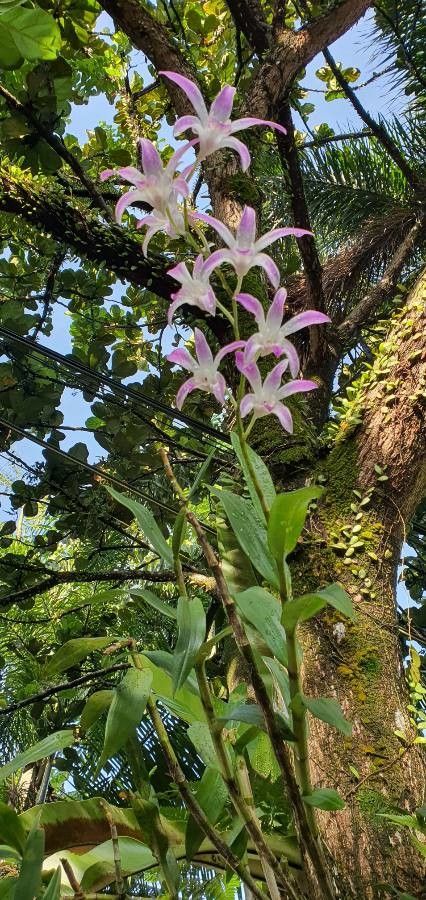
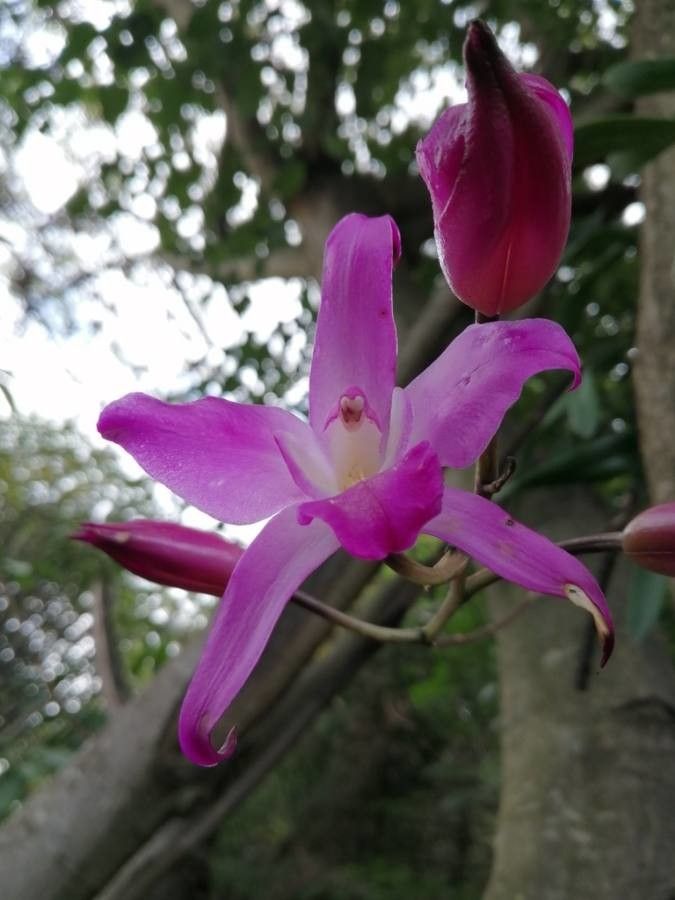
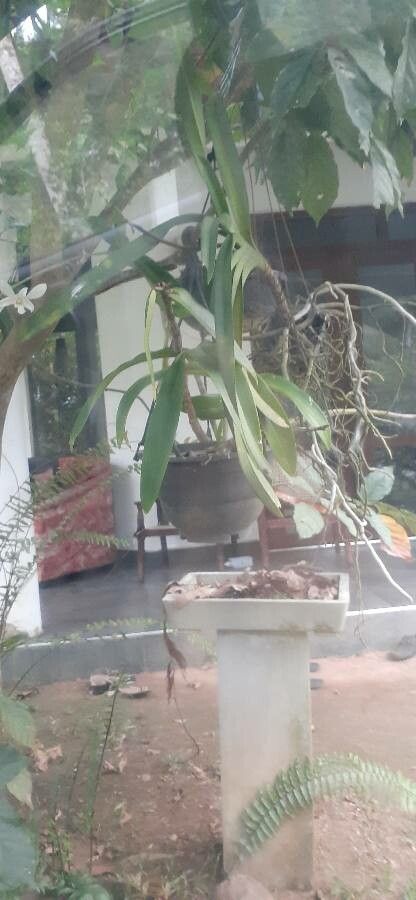
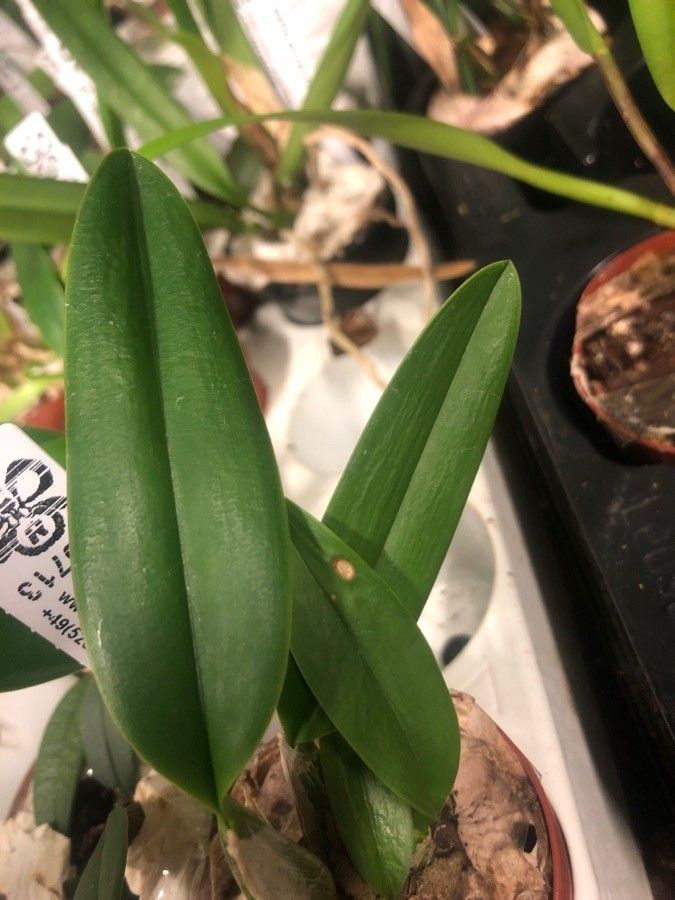
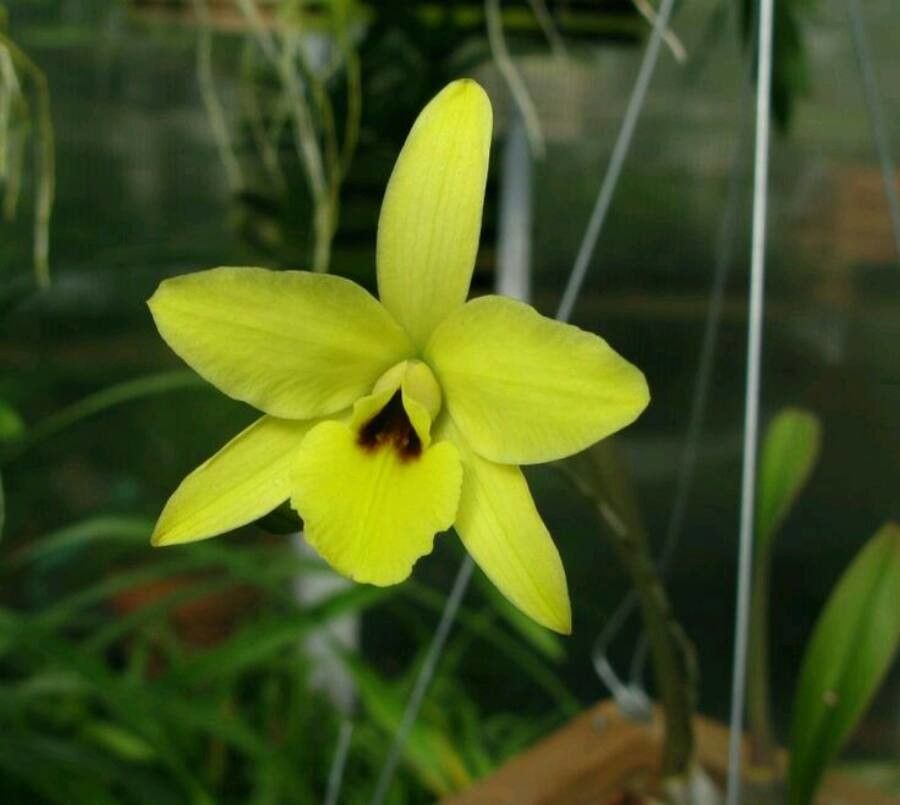
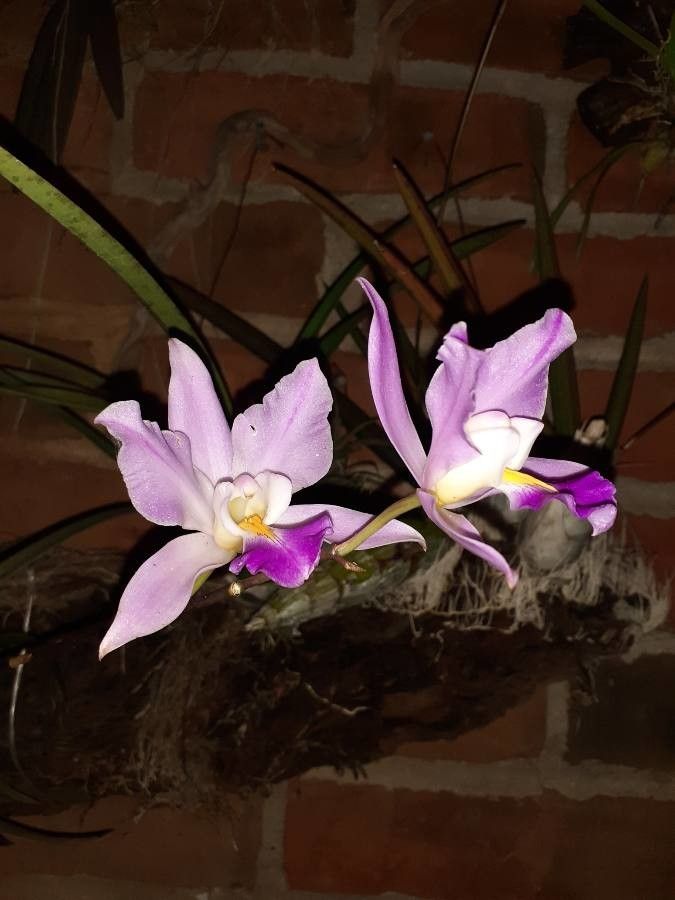
Autumn-blooming Laelia generally has strong disease resistance and relatively few insect pests. Its care is regarded as difficult, since it needs a high-humidity but well-ventilated environment with minimal harmful pathogens. Too much watering can cause root rot. Anyone can grow Autumn-blooming Laelia, but keeping it healthy and getting it to flower again requires more growing experience.
How to keep Laelia Autumnalis.
Light
The autumn-flowering Laelia thrives in locations with moderate sunlight and can also tolerate areas with abundant sun exposure, mirroring the sunlight pattern of its native environment. Excessive exposure can damage the plant, and insufficient exposure will likewise hinder its growth. Its sun requirements do not vary significantly across different growth stages.
Water
The Autumn Flowering Laelia thrives in humid, tropical environments where it can receive consistent moisture. To prevent root rot, ensure the plant is in well-draining soil. Water it twice a week and increase humidity during the growing season to encourage optimal flowering. While this plant is typically grown indoors, be mindful of its sensitivity to temperature changes.
Temperature
Autumn flowering Laelia can adjust to a wide range of temperatures, but its distribution may still be constrained by various combinations of water and heat conditions. It grows best in warm summer climates with sufficient rainfall or irrigation. Extended periods of cloudy, rainy weather or prolonged high temperatures can raise the risk of the Autumn flowering Laelia dying. In winter, adequate protection from cold can increase the plant's chances of survival.
Fertilizer
For Autumn-flowering Laelia, the primary time to fertilize is early spring while the flowers are developing. Using the appropriate fertilizer improves bloom quality and helps Autumn-flowering Laelia produce attractive flowers. Applying fertilizer in early spring ensures strong blooms during the season and supplies energy for dormant growth phases.
Pruning
The Autumn Flowering Laelia is a vibrant orchid that blooms during the autumn season. To promote healthy growth, it's best to prune the plant from late winter to early spring. During pruning, remove dead pseudobulbs and stems. Make sure to clean your tools with alcohol to prevent the spread of disease. When repotting, lightly trim overcrowded roots to improve the plant's vigor and increase airflow.
Pot & Repot
When repotting Autumn flowering Laelia, select a slightly larger pot with good drainage, preferably a clear orchid pot. Use a well-draining, orchid-specific mix that contains bark or moss. Gently clean the roots and cut away any that are dead or rotting. Repot after flowering, usually in spring or fall, water thoroughly, and place in bright, indirect light. Once repotted, avoid disturbing the roots.
Botanical profile.
- Plant Type
- Herb
- Life Cycle
- Perennial
- Genus
- Laelia
- Family
- Orchidaceae
- Hardiness Zone
- 9-11
- Mature Height
- 61 cm to 91 cm
- Mature Spread
- 30 cm
- Leaf Color
- Light Green, Forest Green
- Leaf Type
- Evergreen
- Flower Color
- Pink, Lavender
- Flower Size
- 7.62 cm to 10.16 cm
- Bloom Time
- Fall
- Planting Time
- Autumn
- Harvest Time
- Winter
- Native Area
- Mexico
Reader questions.
What should I do if I give too much or too little water to my Autumn flowering Laelia?
Symptoms of overwatering in Autumn flowering Laelia include limp and wrinkled leaves, yellowing or decay, and general failure to thrive. Sometimes, owners mistakenly assume that these signs indicate the plant needs more water, leading them to overwater the plant and worsen the problem. To properly identify overwatering, it is important to check the roots. Healthy roots are silvery green, green, or white and firm to the touch, while overwatered roots appear mushy, limp, and brown or black. To rescue an overwatered Autumn flowering Laelia, cut off any rotted roots and repot them in a new growing medium. To avoid root rot, it is best to avoid overwatering the plant in the first place. The symptoms of underwatering and overwatering in Autumn flowering Laelia are similar, making it difficult to differentiate the problem at first. To determine if the plant is underwatered, check the moisture level of the growing medium with your finger or a moisture meter. If necessary, increase the frequency of watering. Again, it is important to inspect the roots to confirm underwatering. Underwatered roots will appear crisp, brown, and brittle, while healthy roots are pliable and green. To revive an underwatered Autumn flowering Laelia, trim off any dried up or dead root pieces and repot the plant, then water thoroughly. Within a week or two, the leaves should start to firm up and look healthy. If any leaves are too damaged to recover, they can be removed to make space for new growth.
Why should I add fertilizer to my Autumn flowering Laelia?
Fertilization is important for the Autumn flowering Laelia because it provides essential nutrients for both above and below ground growth. Although the fertilization needs for this plant are generally low, annual fertilization can greatly benefit it. Without fertilization, the Autumn flowering Laelia may still survive, but regular fertilization will help it stay alive and produce better, longer-lasting flowers. Therefore, to ensure the best appearance for your Autumn flowering Laelia, it is recommended to fertilize it annually.
What are the sun requirements for Autumn flowering Laelia?
Autumn flowering Laelia thrives in moderate to abundant sunlight, reflecting its natural habit. It requires about 3-6 hours of sunlight (partial sun) or more for optimal growth (full sun). Observing how sunlight moves through your garden can help in choosing the optimal spot for planting, ensuring a balance between light and shade for plant health.
How often should I water my Autumn flowering Laelia plant?
To maintain your Autumn flowering Laelia, regardless of the type of medium, it is best to water it when the mix is mostly dry but not completely. How often you water will depend on the environmental conditions: during summer, it should be done about once or twice a week, while in winter, it can be as infrequent as once every 2 weeks.
When should I put fertilizer on my Autumn flowering Laelia?
The best time to fertilize an Autumn flowering Laelia is during late winter to early spring when the plant is transitioning from dormancy to active growth. Fertilizing at this time promotes healthy growth and sets the plant up for a great season. While early spring is the most preferable time, it is also acceptable to fertilize in the fall, but not recommended in the summer or winter.
Do Autumn flowering Laelia plants need artificial lighting?
Yes, Autumn flowering Laelia plants can benefit from artificial lighting, especially when natural sunlight is insufficient, like during winter. Artificial lights, particularly LED, can be customized to provide the necessary wavelengths of light. The requirements for artificial light vary; full sun plants need 30-50W/sq ft, partial sun plants need 20-30W/sq ft, and full shade plants need 10-20W/sq ft. The light source should be placed 12-36 inches above the plant for 8-12 hours per day to mimic natural sunlight.
How should I water my Autumn flowering Laelia?
Autumn flowering Laelia is a special type of plant that doesn't grow in soil like most plants. To ensure the best growth, it's important to choose the right growing medium. Whatever you choose, make sure the container has good drainage. The pots specifically designed for Autumn flowering Laelia have plenty of ventilation and are tall and narrow. These features help air circulate around the roots. One common and suitable medium for this plant is bark, which is sourced from fir trees. However, keep in mind that using bark requires more frequent watering because it dries out quickly. Another commonly used medium is sphagnum moss, which is lightweight and affordable. However, it can be tricky to use, especially for beginners, as it tends to hold too much water and can lead to root rot. If you decide to stick with sphagnum moss, be cautious with watering. It's recommended to water the plant from below by placing the pot in a container of water for about 10-15 minutes. Make sure to let it drain well before putting it back in its normal spot, as the plant doesn't like sitting in water.
When is it best to not fertilize my Autumn flowering Laelia?
To properly care for your Autumn flowering Laelia, only fertilize it during late winter and early spring. This plant has low fertilization needs, so a single feeding per year is enough. Overfertilization can occur if you continue to fertilize in spring, summer, and fall. However, if you didn't fertilize in spring, you can feed the plant in fall. During most of the growing season, avoid fertilizing altogether. In winter, the plant goes into a dormant phase and doesn't produce new growth, so fertilizing during this time is not recommended.
What are some symptoms of light deficiency in Autumn flowering Laelia?
Symptoms of light deficiency in Autumn flowering Laelia include smaller new leaves, leggy or sparse growth, faster leaf drop, and halted new growth. You might also notice lighter-colored new leaves or chlorosis, which is the leaves turning yellow due to a lack of chlorophyll. Sunscald, leaf curling, wilting, and leaf scorching are signs of excessive sunlight exposure.
What kind of fertilizer does my Laelia plant that flowers in Autumn need?
When it comes to fertilizing Autumn flowering Laelia plants, almost any balanced general-purpose fertilizer will work well. However, some nutrient blends are particularly beneficial. Many gardeners suggest using fertilizers with higher levels of phosphorus for stronger roots and better flowers. You can choose either granular or liquid fertilizers as long as they contain the necessary nutrients. Alternatively, organic options like compost and manure can also greatly improve the soil for your Autumn flowering Laelia plant. These materials are effective in creating a healthy growing medium.
How can I address sunlight-related issues with my Autumn flowering Laelia?
To address sunlight-related issues, gradually acclimate your Autumn flowering Laelia to the right amount of sunlight by moving it to sunnier spots each week. If indoors or not easily movable, use artificial lighting such as desk or ceiling lamps or professional grow lights for at least 8 hours a day. Outdoors, ensure gradual exposure to prevent sunburn. Reducing obstructions, such as pruning trees that block sunlight, or transplanting smaller plants to sunnier locations during their dormant period, can also help.
How should I fertilize my Autumn flowering Laelia?
To fertilize an Autumn flowering Laelia, the most common method is to use granular or pellet fertilizer on the soil surrounding the plant. It's important to remember to fertilize when the plant is transitioning from its winter dormant phase to active growth. In early spring, wait for shoots to emerge from the soil before applying the fertilizer. Alternatively, some people prefer using liquid fertilizer, but in this case, it should be diluted with water before application. Whether using granular or liquid fertilizer, it is always advisable to moisten the soil before, during, and after fertilization.