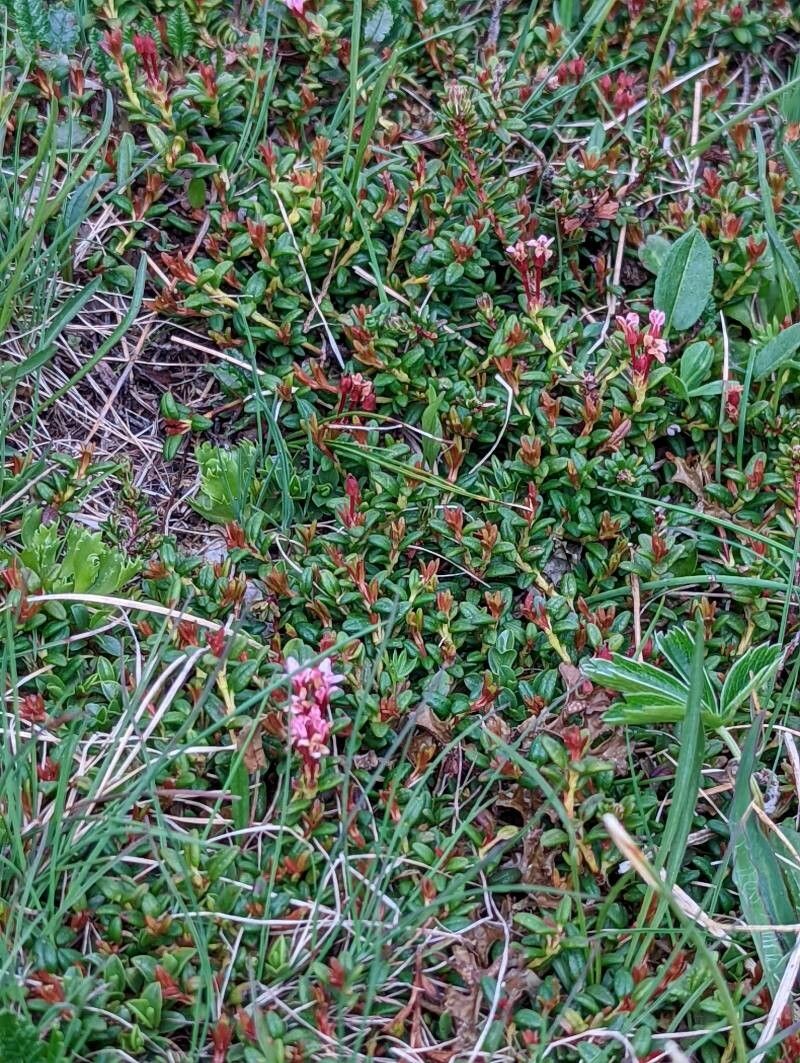
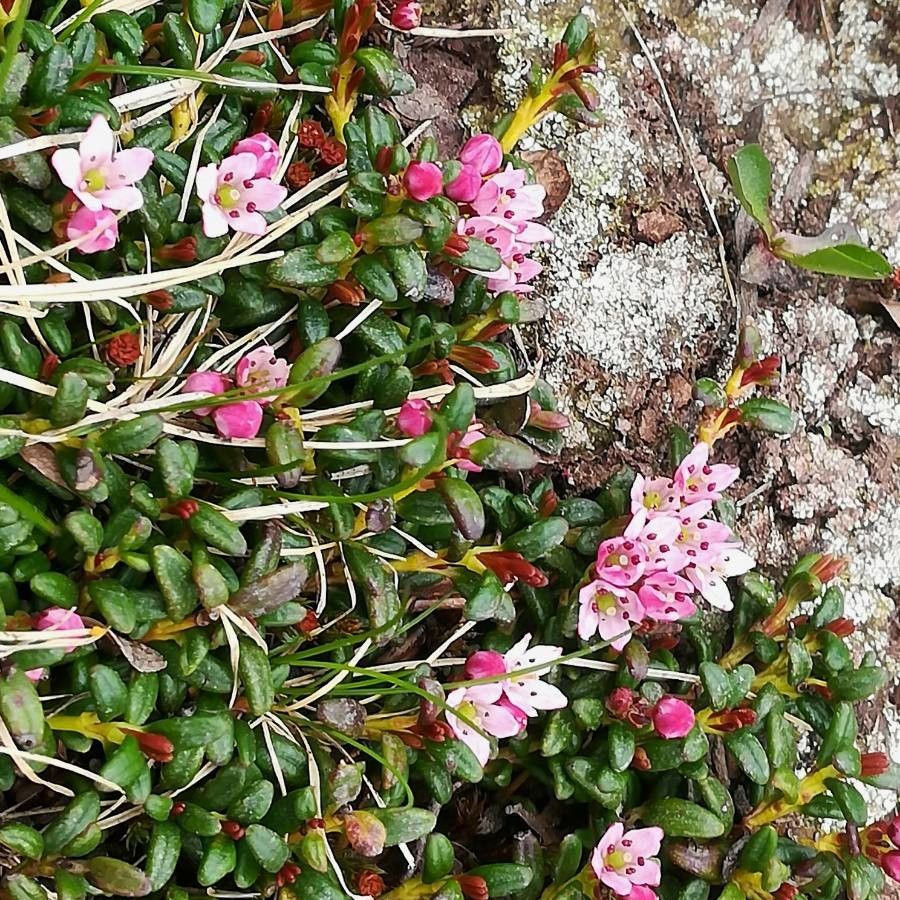
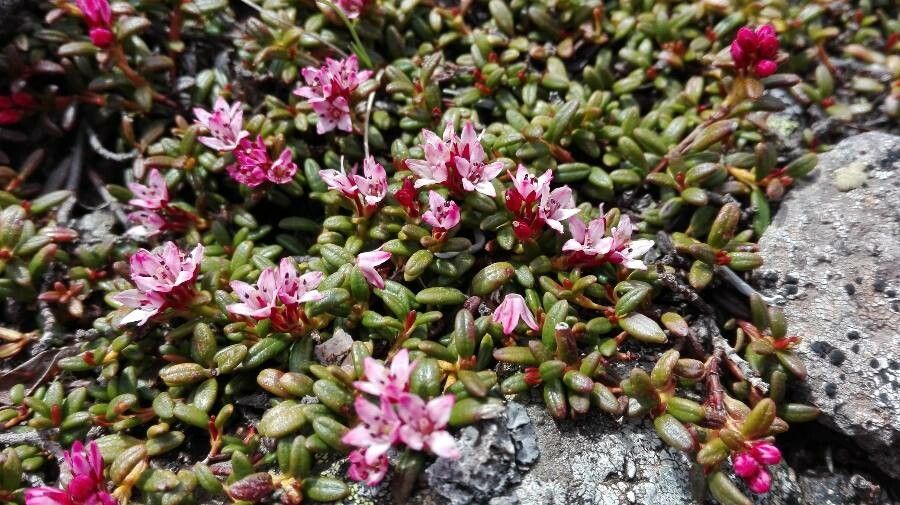
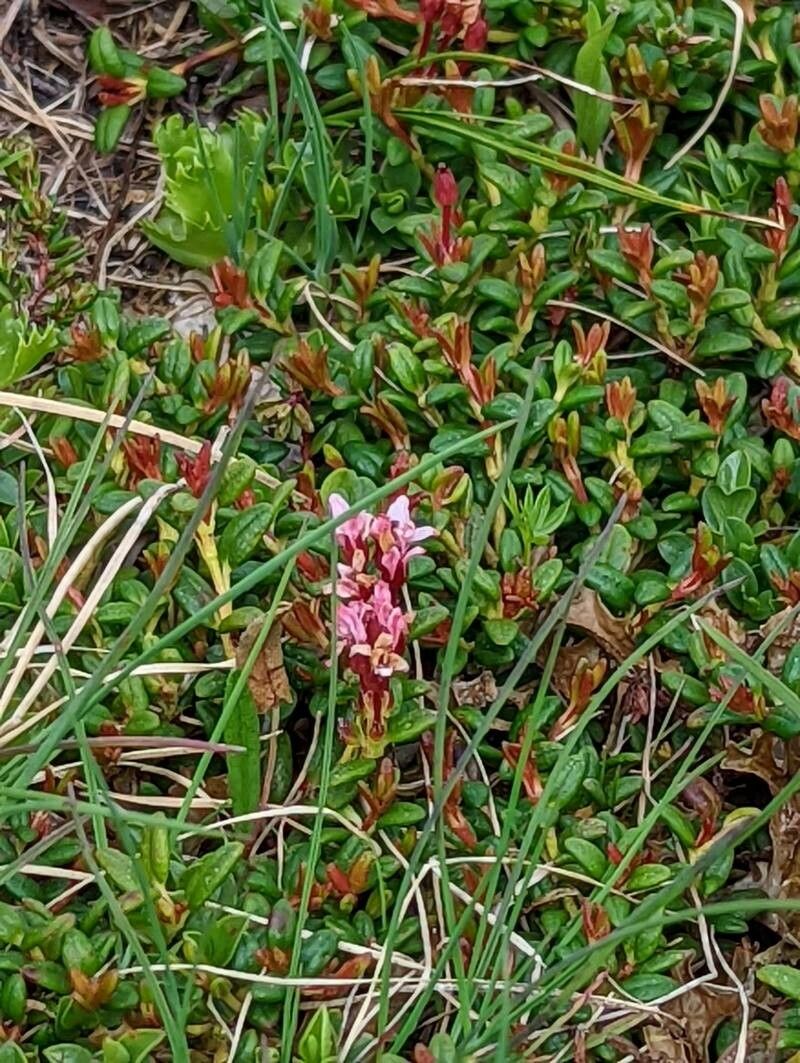
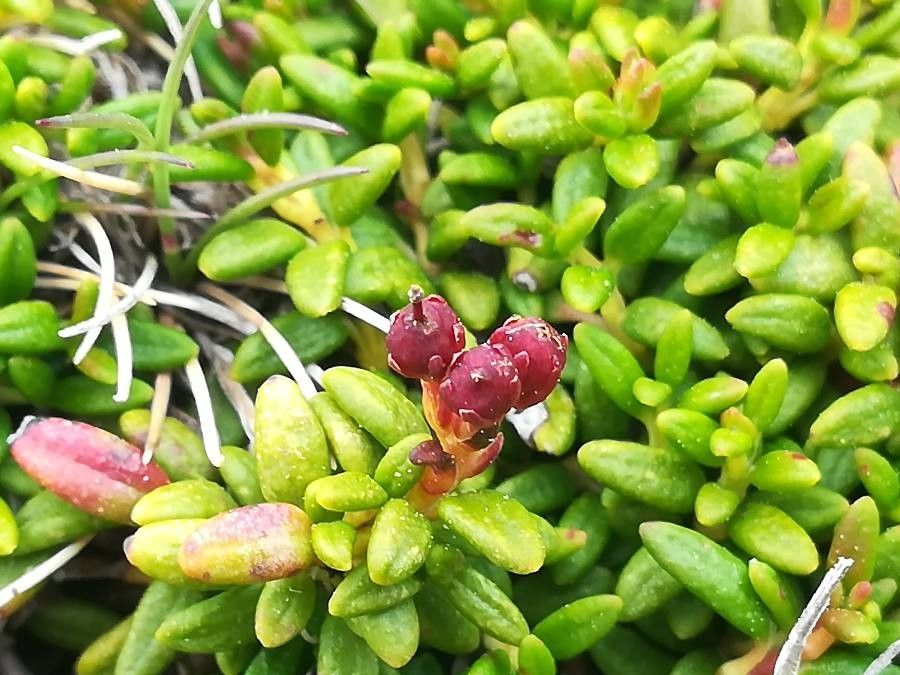
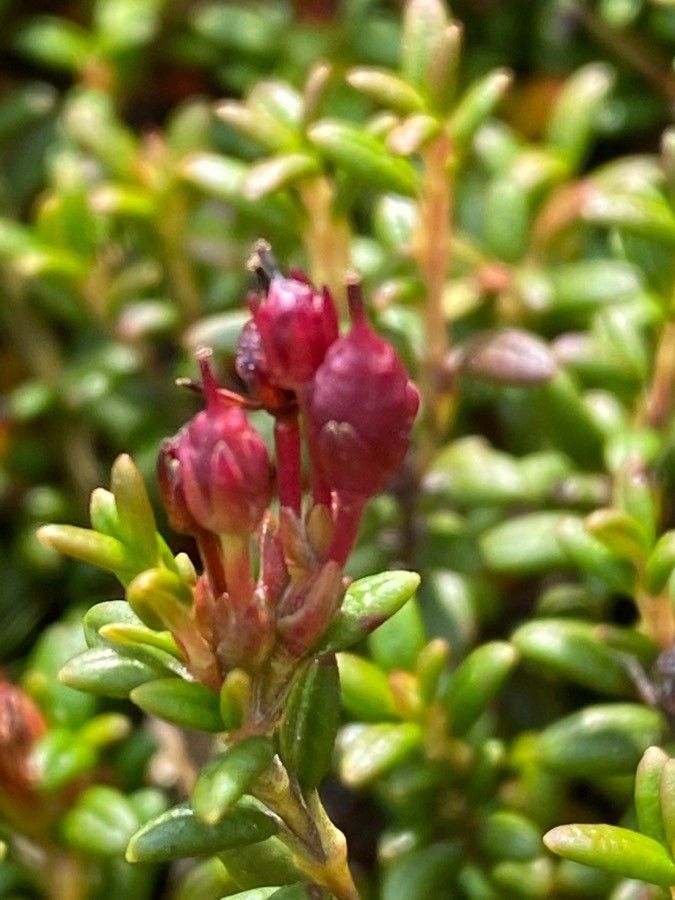
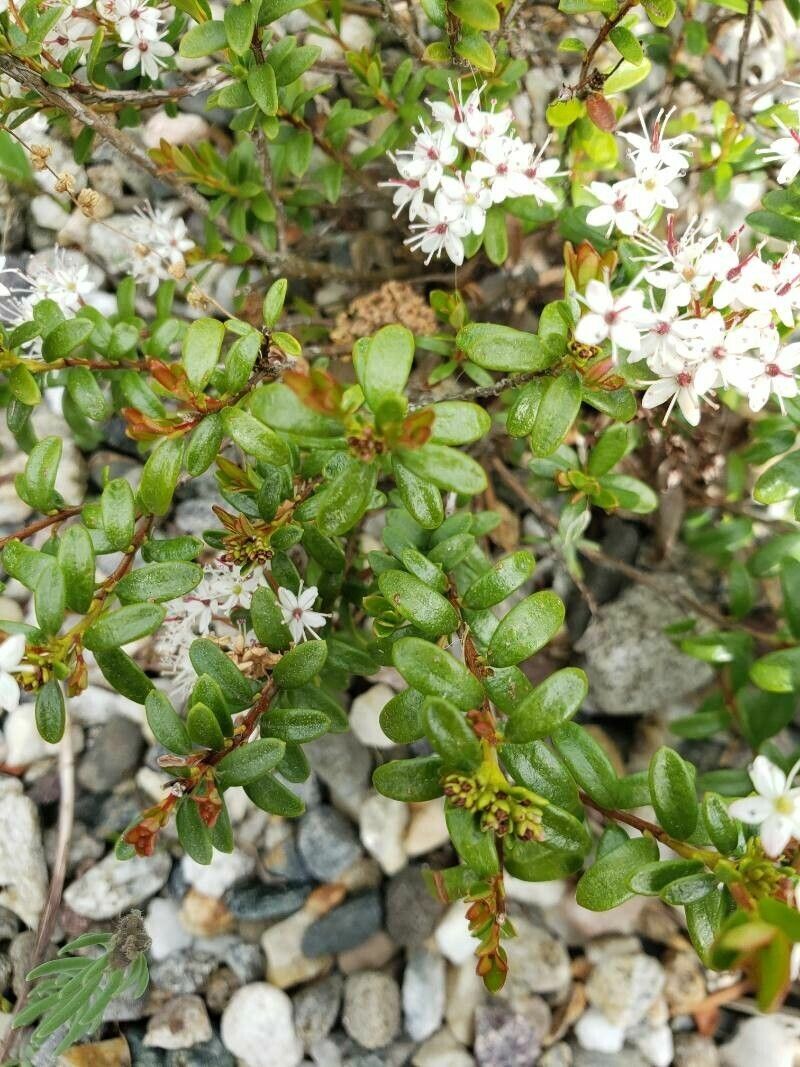
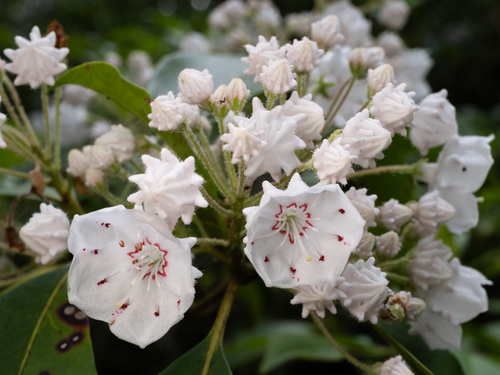
Kalmia procumbens, commonly known as alpine azalea or trailing azalea, is a dwarf shrub of high mountain regions of the Northern Hemisphere that usually grows no more than 10 centimeters (4 in) tall. Originally named by Linnaeus as Azalea procumbens, it is also named after French botanist L.L.A. Loiseleur-Deslongchamps - Loiseleuria procumbens.
Wild azalea is resistant to disease and is generally not susceptible to illnesses. Regarding upkeep, this plant is fairly low-maintenance. Planted outdoors it needs only light watering, and larger specimens typically do not require pruning. Smaller plants, however, should be pruned after they finish blooming. Wild azalea is appropriate for anyone who has an outdoor area, such as a garden or deck, and does not need extensive experience in plant care.
How to keep Kalmia Procumbens.
Light
Wild azalea performs best in full, unblocked sunlight, which supports its health and growth. While it can tolerate light shade, insufficient light can impede its development. Its native habitat receives sunlight throughout the day. Excessive sun exposure can cause harm, whereas too little light leads to stunted growth.
Water
Wild azaleas flourish in humid environments that occasionally become wet. They prefer consistent moisture but can tolerate brief dry periods. To maintain optimal soil moisture, water them every three weeks, being careful not to overwater and cause waterlogging. As evergreen plants, wild azaleas retain hydration throughout the year, making them suitable for both indoor and outdoor growth, depending on the climate zone.
Temperature
Wild azalea is native to regions with temperatures between 32 and 77 °F (0 to 25 ℃). It favors cooler conditions and struggles with very high heat. In hotter seasons, adjustments may be needed to keep the plant alive.
Fertilizer
Timing is essential when fertilizing Wild azalea. Apply fertilizer in early spring and continue monthly until early summer. Fertilizer promotes attractive blooms and supplies energy during both dormant periods and active growth.
Pruning
Wild azalea thrives when given proper care, particularly with careful pruning. To encourage bushiness and remove any damaged branches, it is best to prune in early spring. Lightly trimming the plant after it blooms can also encourage more flowers in the future. Regular pruning helps improve air circulation and reduces the risk of disease. However, be sure to avoid heavy pruning, as it can diminish the plant's ability to flower.
Botanical profile.
- Plant Type
- Vine, Shrub
- Life Cycle
- Perennial
- Genus
- Kalmia
- Family
- Ericaceae
- Hardiness Zone
- 1-6
- Mature Height
- 5 cm to 10 cm
- Mature Spread
- 30 cm to 61 cm
- Leaf Color
- Green
- Leaf Type
- Evergreen
- Flower Color
- Pink, Lavender
- Flower Size
- 0.51 cm
- Bloom Time
- Late spring, Early summer
- Planting Time
- Spring, Summer, Autumn
- Harvest Time
- Late summer, Early fall, Mid fall
- Native Area
- Sweden, Austria, Slovakia, Croatia, Slovenia, Ukraine, Serbia, Russia, Norway, Germany, Italy, Spain, Switzerland, Denmark, Iceland, Japan, Finland, United Kingdom, Romania, France
Other names.
Reader questions.
What's the best way to water my Wild azalea?
To ensure excellent root development, place a garden hose at the base of the plant. Avoid spraying the leaves directly, as this can lead to overwatering. If the leaves are exposed to direct sunlight outdoors, they will need more water. You can also use bubblers or soaker hoses to moisten the roots of each plant. When adding or removing plants, use soaker hoses that cover the entire garden or bed to ensure deep root penetration. After watering, make sure to drain any excess water and allow the soil to dry before watering again. Water at ground level to prevent disease. On sunny days, consider spraying the entire bush with water. It is important to remember that whether potted or in-ground, Wild azalea prefers deep watering rather than light sprinkling.
What are the sunlight requirements for wild azalea?
Wild azalea thrives when it receives full, unobstructed sun exposure, which is crucial for its health and growth. The plant can tolerate some mild shade, but inadequate light may hinder its development, as it originates from habitats with extensive exposure to sunlight. It's important to observe the movement of sunlight through your garden to find spots that provide a perfect balance of light and shade, ensuring the plant's well-being. For wild azalea, 'full sun' means above 6 hours of sunlight a day, while 'partial sun' refers to about 3-6 hours of sunlight.
What is the native temperature range for Wild Azalea?
Wild Azalea, botanically known as Kalmia procumbens, thrives in cooler climates within a temperature range of 32 to 77 °F (0 to 25 °C). It has a high tolerance for cold and can manage well without extra frost protection measures during winter. However, it struggles in extreme heat, and special care is needed in hotter seasons to ensure its survival.
What do I need to do if I give Wild azalea too much or too little water?
When a Wild azalea is overwatered, its leaves may turn yellow, drop off, and wilt. The plant can appear unhealthy with mushy stems. To prevent this, adjust your watering schedule as needed. Wilting can also occur if the plant is underwatered. In this case, the leaves will become crispy and dry. When the soil is dry and normal watering is not enough, give it a thorough watering. However, keep in mind that even with enough water, the plant may still have dry and yellow leaves due to a damaged root system. Once the plant is healthy again, the yellowing of the leaves will stop. When keeping the Wild azalea indoors, regularly check the moisture levels in the pot, and avoid overwatering. If you notice black spots, allow the soil to dry out for a few days before watering again. Overwatering can lead to root rot, so be cautious and transfer the plant to a different pot if you see discolored and slimy roots. It is important to prevent root rot by not letting the soil become too soggy. When planting the Wild azalea outdoors, ensure the soil is adequately moist. If it feels too dry when you check with your fingers, it may indicate underwatering. Provide adequate watering to help the plant recover.
Can wild azalea be grown indoors, and how should artificial lighting be used?
Yes, wild azalea can be grown indoors, especially in conditions where natural sunlight is insufficient, like during winter or in less sunny spaces. Artificial lighting is an essential solution for these scenarios, where LED lights can be particularly beneficial due to their ability to be customized to provide specific wavelengths of light needed by plants. Full sun plants require 30-50W/sq ft of artificial light, partial sun plants 20-30W/sq ft, and full shade plants 10-20W/sq ft. The artificial light source should be placed 12-36 inches above the plant, mimicking natural sunlight, and kept on for 8-12 hours per day to ensure optimal growth.
How should Wild Azalea be cared for before the first freeze?
Before the arrival of the first freeze in autumn, it's advisable to water Wild Azalea generously. This practice ensures that the soil retains moisture and enters a frozen state moist, which helps prevent drought and water scarcity for the plant during the winter and early spring seasons.
How many times a week should I water my Wild azalea?
The Wild azalea prefers to be watered deeply but infrequently. When it is planted in pots, it's important to soak them in a gallon of water each time since the soil in pots dries out faster. In colder regions, watering should be done every 3 to 5 days. It's best to water them early in the morning when the soil is dry, whether they are kept indoors or outdoors. To determine if watering is needed, check the soil inside the pot. If the top 2-3 inches of soil are dry, it's time for a full watering. During hot days, the moisture should be checked daily as the heat can quickly dry out the soil. For garden plants, irrigation of the soil is necessary. In hot climates, watering once a week is sufficient if you notice the top 2-3 inches of soil becoming dry. Avoid overwatering by considering the amount of rainfall the plant receives. Additional watering may not be needed if there is already ample rainfall. It's important to add mulch about 3 to 4 inches deep around outdoor plants to conserve water. Sandy soil requires more frequent watering due to its fast drainage, whereas clay soil requires less frequent watering to avoid root rot. Keep track of watering dates on a calendar and pay attention to the leaves drooping to avoid any delay in watering the plants.
What symptoms indicate that a wild azalea is receiving inadequate light?
When wild azalea does not receive enough light, it may display several symptoms indicating light deficiency. These include smaller new leaves, leggy or sparse growth, faster leaf drop, slower or halted new growth, and lighter-colored or irregular new leaves. Further, conditions like chlorosis (leaves turning yellow due to chlorophyll breakdown), sunscald (damage from intense sunlight), leaf curling (a defense mechanism against overexposure), wilting (due to water loss), and leaf scorching (brown, dry edges from excessive sun) can occur. These symptoms reflect both the effects of inadequate and excessive sunlight.
What happens to Wild Azalea in extremely low temperatures?
Wild Azalea is extremely cold-tolerant, able to withstand winter temperatures well above -45°C. However, if temperatures fall below this threshold, you may not notice immediate damage during winter. Come spring, though, the branches could become brittle and dry, potentially leading to a lack of new shoots. To manage this, it is suggested to prune any dead branches to stimulate new growth.
How much water should I give my Wild azalea?
The Wild azalea typically needs about a gallon of water on a regular schedule. For potted plants, it's a good idea to water them deeply until you see water dripping from the bottom of the pot. Then, wait for the soil to dry before watering them again. To determine how much water you've given your plant in a week, you can use a water calculator or a moisture meter. During the flowering period, it's important to provide plenty of water, but allow the moisture to evaporate afterwards to avoid root rot. If the Wild azalea is planted outdoors and receives sufficient rainfall, it may not require additional watering. However, when the Wild azalea is young or newly planted, make sure it receives 1-2 inches of rain per week. As the Wild azalea continues to grow, it can rely entirely on rainfall. Only under hot weather conditions or when there is no rainfall for 2-3 weeks, should you consider giving the Wild azalea a thorough watering during cooler parts of the day to prevent damage from high heat. Additional watering will be necessary during prolonged dry periods.
What solutions can help a wild azalea suffering from inadequate sunlight?
To address insufficient sunlight for a wild azalea, particularly indoors, gradually moving the plant to a sunnier location each week until it gets at least 6 hours of direct sunlight daily is recommended. Using a south-facing window and keeping curtains open maximizes light exposure. If the plant is large or not easily moved, consider artificial light, keeping a lamp on for at least 8 hours daily or using professional grow lights. Outdoors, adjust plant placement gradually to sunnier spots, avoiding sudden light intensity changes to prevent sunburn. If obstructions like trees block the light, pruning may help, or transplanting smaller plants to a sunny location with good drainage during their dormant period can be effective. It's important to note that parts of the plant damaged by light deficiency may not recover, but new growth will be healthy once light conditions improve.
How does high temperature affect Wild Azalea, and what are the solutions?
In conditions where the temperature exceeds 25°C, Wild Azalea may suffer from significant leaf drop. In severe cases, the plant might wither and die. To mitigate high temperature stress, remove sunburned and dried parts. Relocate the plant to a shadier spot, especially from the midday and afternoon sun, or utilize a shade cloth. It's also crucial to water the plant in the morning and evening, ensuring the soil remains moist.