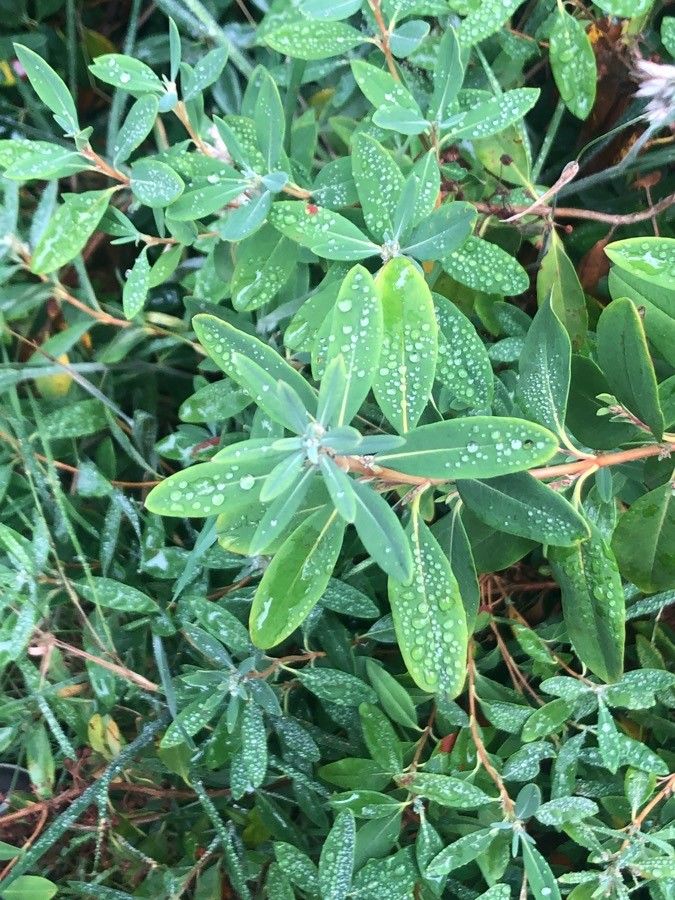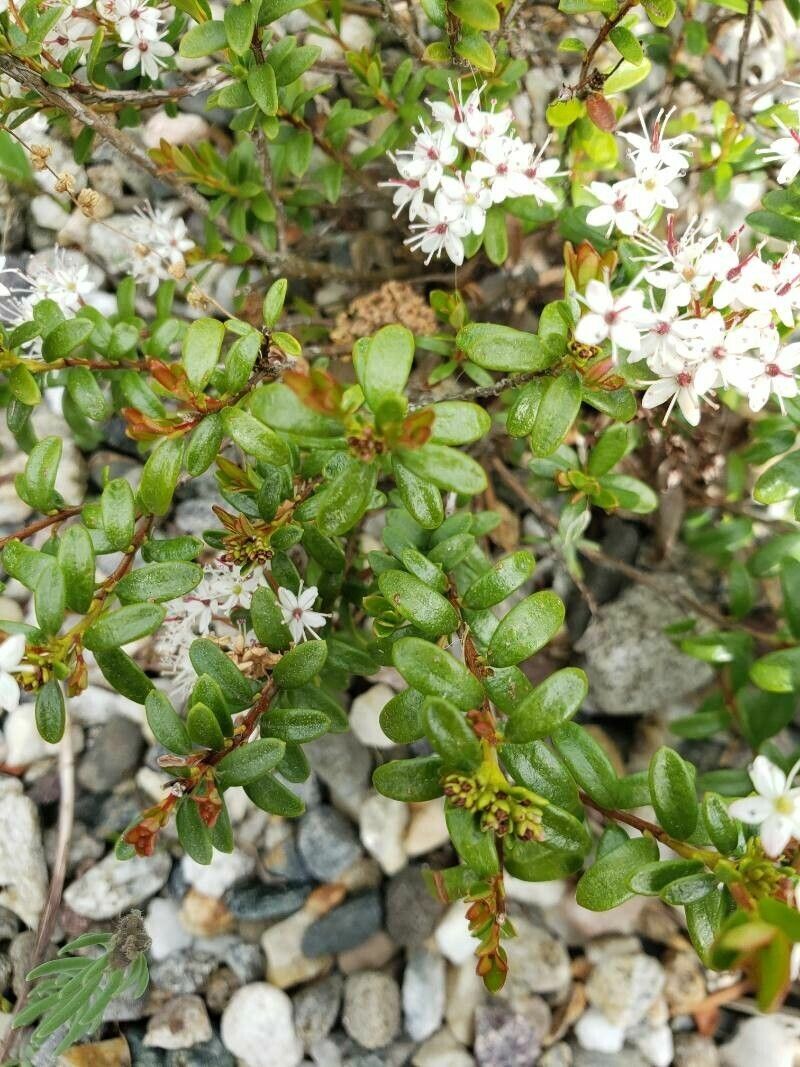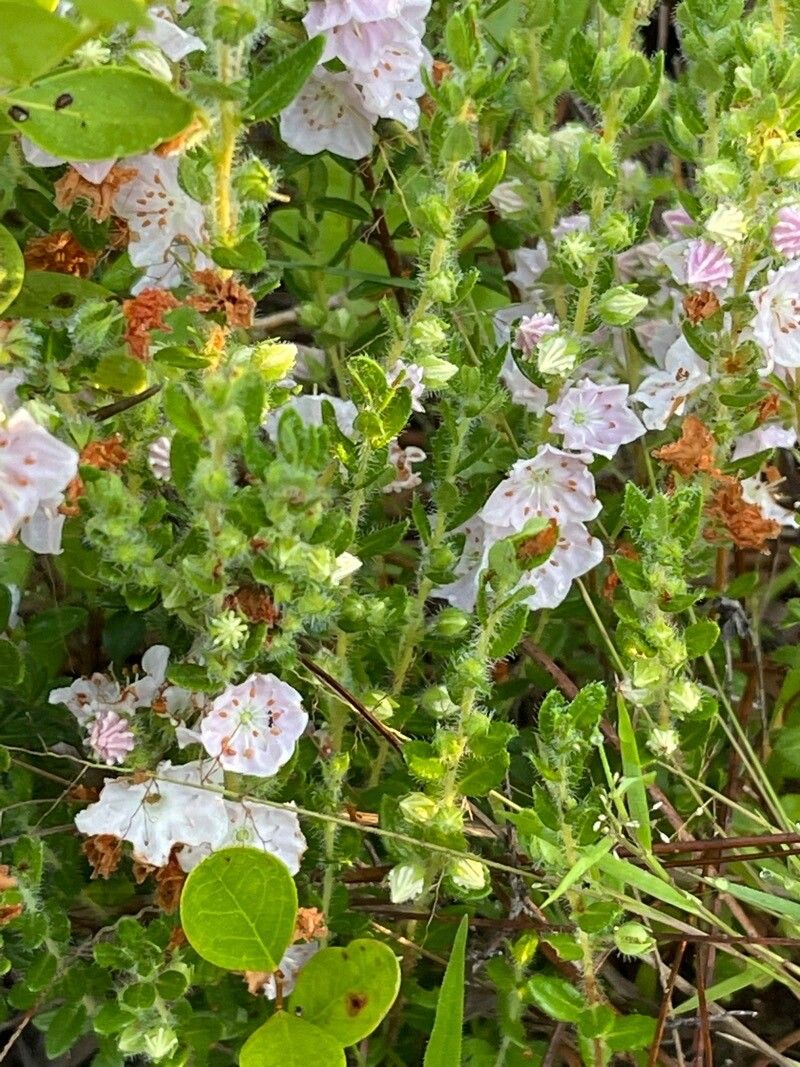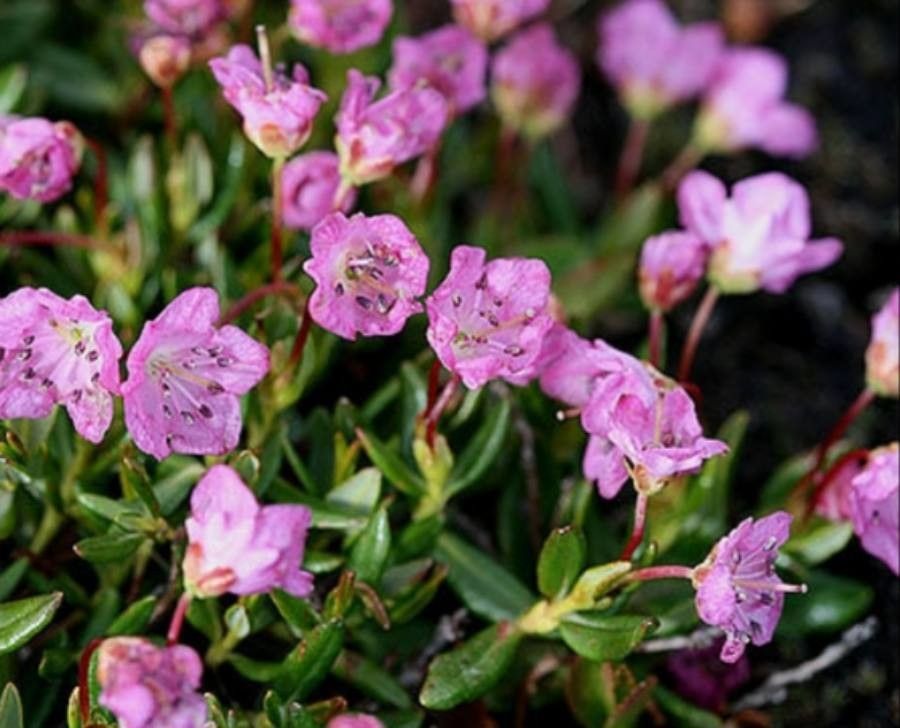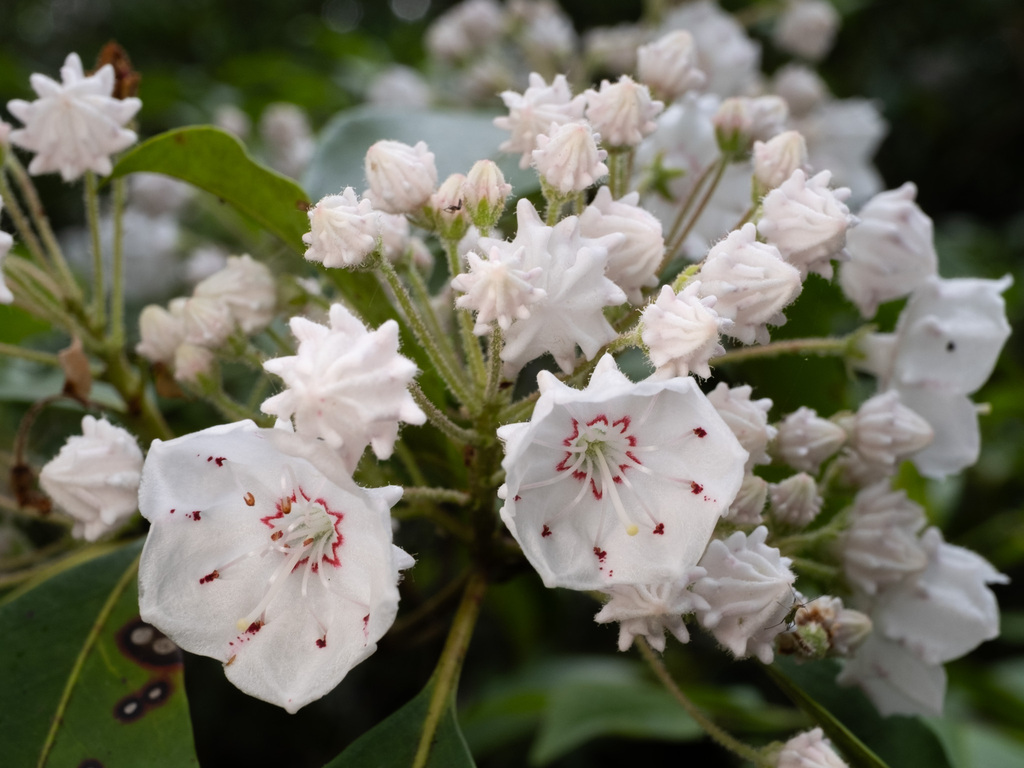
Kalmia latifolia, commonly known as mountain laurel, is a flowering evergreen shrub native to eastern North America. Typically, it grows to a height of 6 to 15 feet and features glossy, dark green leaves that are leathery and lance-shaped. In late spring or early summer, the plant produces clusters of showy pink or white flowers, which resemble small umbrellas. These flowers attract bees and butterflies and are followed by small, woody capsules containing seeds.
Mountain laurel thrives in acidic soil with good drainage and can grow in both partial shade and full sun. It is frequently used as an ornamental plant in gardens due to its attractive foliage and striking flowers. Additionally, it can be found growing wild in wooded areas throughout its native range.
While generally low-maintenance, mountain laurel can be susceptible to pests such as lace bugs and spider mites if not properly cared for. Importantly, all parts of the mountain laurel contain toxic compounds that can cause gastrointestinal distress if ingested by humans or animals.
After retiring, renowned physicist Lyman James Briggs became intrigued by the ballistic method used by mountain laurel to disperse its pollen. He conducted several experiments to investigate how the plant's stamens propel its pollen. While mountain laurel branches are too small for crafting large woodworks, they are commonly used in decorative bowls, wreaths, and small pieces of furniture. FUN FACT · FROM THE LIBRARY
Overall, Kalmia latifolia is a beautiful addition to any garden, thanks to its striking foliage and vibrant blooms. However, it should be handled with care due to its toxic properties.
Mountain laurel is a stunning plant that naturally thrives on rocky slopes and in mountain forest areas, particularly in the Appalachian Mountains. From late spring to early summer, its clusters of delicate flowers bloom, resembling an opening umbrella, and display vibrant shades of red, pink, or white. With its ability to produce many flowers, the blooming mountain laurel creates a spectacular display in these mountainous regions. This beautiful shrub is commonly known as mountain laurel.
Mountain laurel shows strong resistance to disease and is typically not susceptible to illnesses. Regarding upkeep, this plant is fairly easy to care for. When grown outdoors, it needs only light watering, and larger specimens usually do not require pruning. Smaller specimens, however, should be trimmed after flowering. Mountain laurel is appropriate for anyone with an outdoor area, such as a garden or a deck, and it does not demand extensive care experience.
How to keep Kalmia Latifolia.
Light
Mountain laurel does well in places that receive moderate sunlight during the day, although it can also tolerate locations with ample sun exposure. This light encourages healthy growth. In its natural setting it thrives beneath a sun-dappled canopy. Too little sun can result in weak growth, while too much may cause the leaves to scorch.
Water
Mountain laurel flourishes in temperate areas that have moderate moisture and slightly acidic, well-drained soil. While it prefers consistent humidity, it is also drought-tolerant once it has become established. Water it every 1 to 2 weeks, making sure the soil stays moist but not waterlogged. Being an evergreen plant, it retains its foliage throughout the year.
Humidity
This plant will thrive in moderate humidity, which is probably the level in your home. However, misting it a few times a week can be very beneficial. Make sure the room has good ventilation.
Temperature
In its natural growing habitat, mountain laurel occurs in locations where temperatures range from 41 to 95 ℉ (5 to 35 ℃) year-round. This temperate woody plant favors cooler conditions, with a preferred range of 50 to 77 ℉ (10 to 25 ℃). During the colder months, it should be protected from freezing temperatures by applying mulch or covering it with burlap.
Fertilizer
The timing of fertilizing Mountain laurel is important. Apply fertilizer in early spring and continue monthly until early summer. Fertilizer encourages attractive blooms and supplies energy during both dormancy and active growth.
Pruning
Mountain laurel is an evergreen shrub characterized by its dense foliage and vibrant flowers. To promote healthier growth and better blooming, it's best to prune the shrub in late spring after it has finished flowering. During pruning, remove any dead wood and lightly shape the plant to encourage new growth and improve air circulation.
Pot & Repot
When repotting a Mountain laurel, pick a pot 1–2 inches (2.5–5.1 cm) larger that provides ample drainage. Use a well-draining potting mix. Repot in spring or fall, making sure the root ball is slightly below the rim of the flower pot. Water thoroughly after repotting and place the plant in a warm location with indirect sunlight.
Botanical profile.
- Plant Type
- Shrub
- Life Cycle
- Perennial
- Genus
- Kalmia
- Family
- Ericaceae
- Hardiness Zone
- 4-9
- Mature Height
- 0.91 m to 11.89 m
- Mature Spread
- 1.22 m to 2.44 m
- Leaf Color
- Green
- Leaf Type
- Evergreen
- Flower Color
- Pink, White
- Flower Size
- 2.03 cm to 2.54 cm
- Bloom Time
- Late spring, Early summer
- Planting Time
- Spring, Autumn
- Harvest Time
- Mid summer
- Native Area
- Woodlands in the eastern part of North America (New England south to the southern Indiana, Louisiana and the Florida panhandle)
Other names.
Reader questions.
When Should I Water My Mountain Laurel?
Watering mountain laurel involves observing the soil dryness, leaf condition, and adjusting for seasonal needs. If the top 1 to 2 inches of soil is dry, it's time to water the plant. Wilting or discolored leaves indicate under-watering, while the pre-flowering stage is critical for watering to ensure healthy blooms. During warm temperatures and high sunlight exposure, the plant's water requirements increase. Water too early or late can lead to root rot or dehydration respectively. Proper water management is crucial for the plant's health and development.
Why should I put fertilizer on my Mountain laurel plant?
There are a few important reasons why you should fertilize a Mountain laurel. Firstly, fertilizing will result in beautiful blooms for your Mountain laurel. The best time to fertilize is in early spring to guarantee excellent flowers during that season. Additionally, fertilizer provides your Mountain laurel with energy to store in the ground during dormant phases. By giving your Mountain laurel extra nutrients in the fall or late spring, it will have more energy to utilize when active growth resumes.
What are the sunlight requirements for Mountain Laurel?
Mountain laurel needs moderate sunlight throughout the day and can also handle being in full sun. It thrives under a canopy that dapples the sunlight but still gets enough exposure to promote healthy growth. When planting, look for areas in your garden that get partial sun, about 3-6 hours of sunlight, or full sun, which is above 6 hours. It's crucial to observe how sunlight moves through your garden to find the perfect balance of light and shade, ensuring your mountain laurel's happiness.
What is the native growth environment of Mountain Laurel?
Mountain Laurel, known botanically as Kalmia latifolia, thrives in its native growth environment where annual temperatures range from 41 to 95°F (5 to 35°C). This temperate woody plant prefers the cooler spectrum of its growth range, with an optimal temperature span of 50 to 77°F (10 to 25°C). It is a plant that benefits from the milder temperatures found within these parameters.
How Should I Water My Mountain Laurel?
Watering mountain laurel correctly involves providing consistent moisture without overwatering. The bottom-watering method can help prevent soil over-saturation and root rot. Using a watering can with a narrow spout allows for precise watering at the plant's base. A moisture meter can be useful in accurately gauging soil moisture levels. Focus watering on the root zone and avoid overhead watering to minimize the risk of fungal diseases. Adjust watering frequency based on soil conditions and the plant's response, as opposed to a fixed schedule.
When should I fertilize my Mountain laurel?
When fertilizing Mountain laurel, timing is crucial. It's important to avoid using fertilizer too early while the Mountain laurel is still dormant, as it will be ineffective and washed away by rainwater, causing waste and pollution. The first application of fertilizer should be done in early spring, and then continue fertilizing once a month until early summer.
What should I do if my indoor Mountain Laurel is not getting enough natural sunlight?
If your indoor mountain laurel isn't getting enough natural sunlight, especially during winter or in less sunny spaces, artificial lighting can be a great alternative. Ensure the light type (ideally LED lights) matches your plant's sun exposure needs: 30-50W/sq ft for full sun plants, 20-30W/sq ft for partial sun plants, and 10-20W/sq ft for full shade plants. Position the light 12-36 inches above the plant to mimic natural sunlight and keep it on for 8-12 hours a day to promote healthier and faster growth.
How should Mountain Laurel be protected during colder months?
To protect Mountain Laurel during the colder months, especially when temperatures are anticipated to drop below its cold tolerance threshold, it is advisable to wrap the trunk and branches with insulating materials such as non-woven fabric or burlap. Prior to the first freeze of autumn, watering the plant abundantly to ensure the soil is moist and thus enters a frozen state can be beneficial. This practice helps in preventing drought and water scarcity for the plant throughout the winter and into early spring.
How Much Water Does Mountain Laurel Really Need?
Mountain laurel requires adequate soil moisture rather than a specific water quantity, with its natural habitat and pot size influencing its needs. For a potted plant in a 12-inch pot, 1 to 2 liters of water might be enough, depending on the soil drying out between waterings. The plant prefers well-drained, acidic soil and consistent moisture, particularly during dry summers. Over or underwatering can cause yellow or drying leaves and root rot respectively, so monitoring for healthy dark green foliage is key.
When is it best to not add fertilizer to my Mountain laurel plant?
To ensure the best results for your Mountain laurel, it is important to take note of the following fertilization guidelines. First, avoid using a fertilizer with high nitrogen content as this can promote leaf growth but hinder blooming. Opt for a fertilizer with lower nitrogen levels and balanced nutrients. Timing is also crucial. Refrain from fertilizing the Mountain laurel after early autumn, as excessive growth before winter can be detrimental. Moreover, avoid fertilizing during hot and dry periods, as dry soil does not effectively deliver nutrients. Fertilizing during this time can also stimulate growth that requires more water, which may not be readily available. It is advisable to apply fertilizer earlier in the season when temperatures are cooler. Lastly, exercise caution to prevent inadvertently providing the Mountain laurel with excess fertilizer. It can absorb nutrients from nearby plants or lawns, potentially resulting in an unintended double-dose of fertilizer.
What are the symptoms of insufficient or excessive sunlight in Mountain Laurel?
Symptoms of insufficient sunlight in mountain laurel include smaller new leaves, leggy or sparse growth, faster leaf drop, halted growth, and paler new leaves. Excessive sunlight can cause chlorosis, sunscald, leaf curling, wilting, and leaf scorching. These conditions indicate either a lack of enough sunlight or too much, affecting the plant's ability to grow healthily. Adjusting the plant's exposure to sunlight or utilizing artificial lighting when necessary can help mitigate these issues.
Does Mountain Laurel need special protection against frost?
Mountain Laurel exhibits strong resistance to cold weather and typically does not require special protection against frost during the winter. However, if winter temperatures are forecasted to fall below the plant’s tolerance level, implementing protection measures like covering the plant with mulch or protective coverings can help in safeguarding it against freezing conditions.