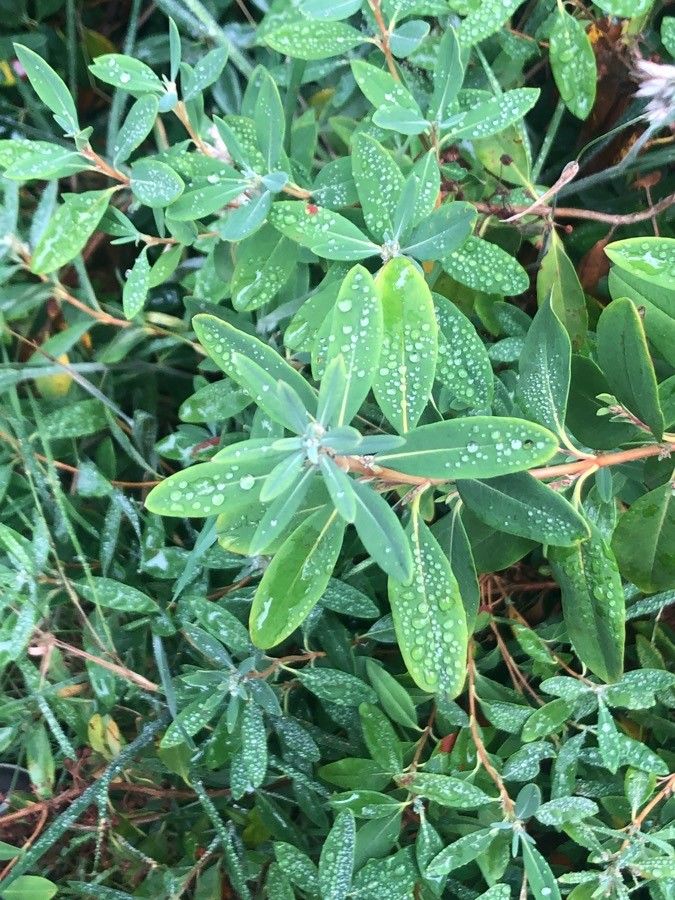
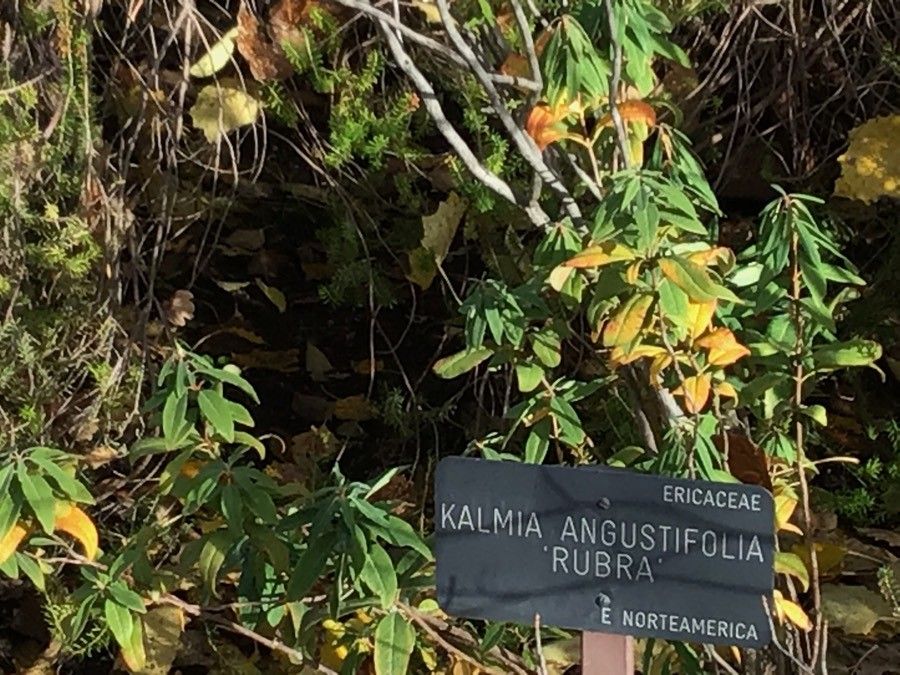
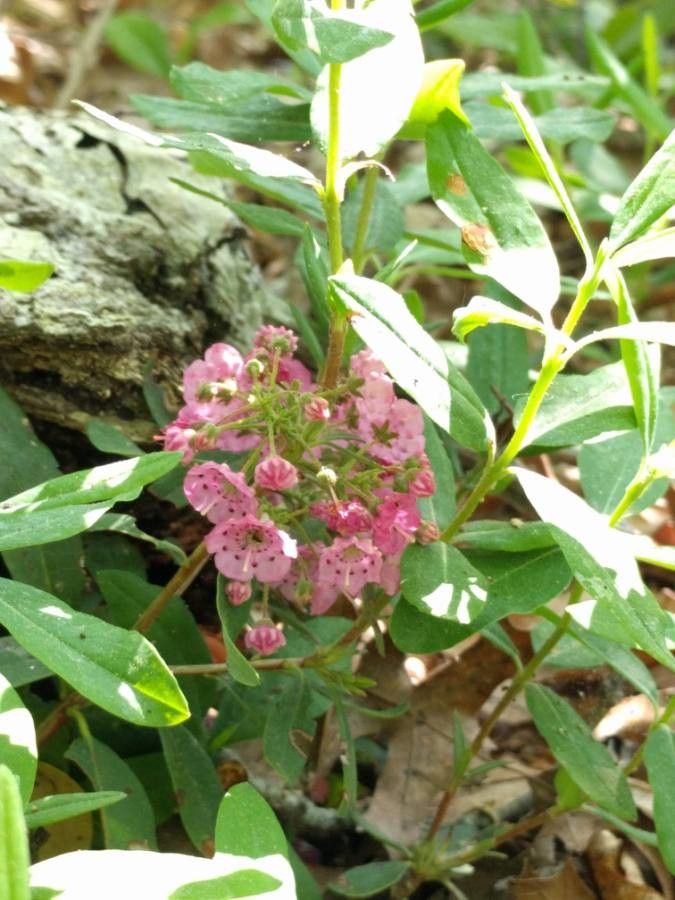
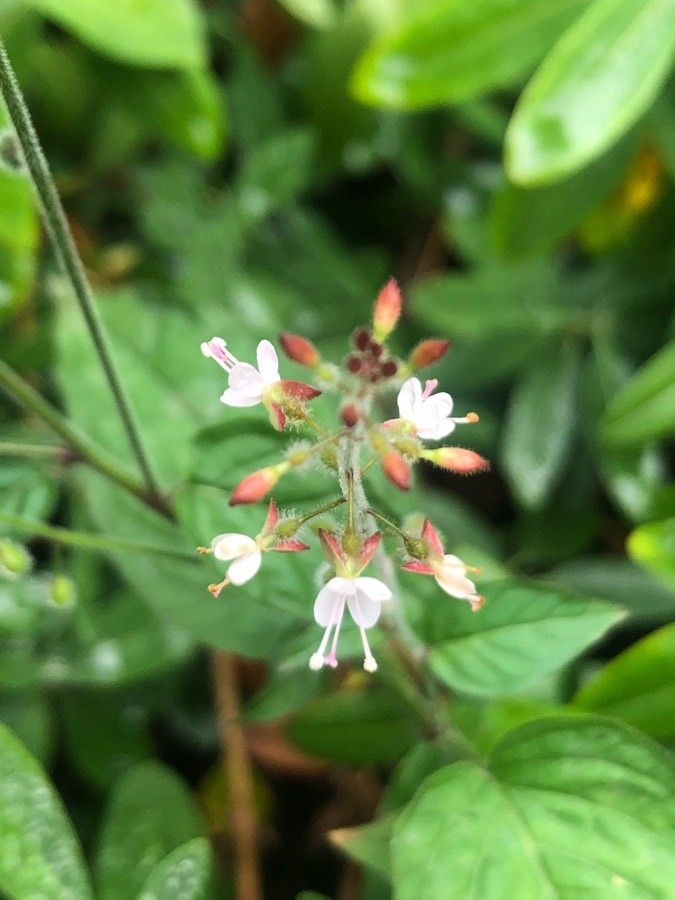
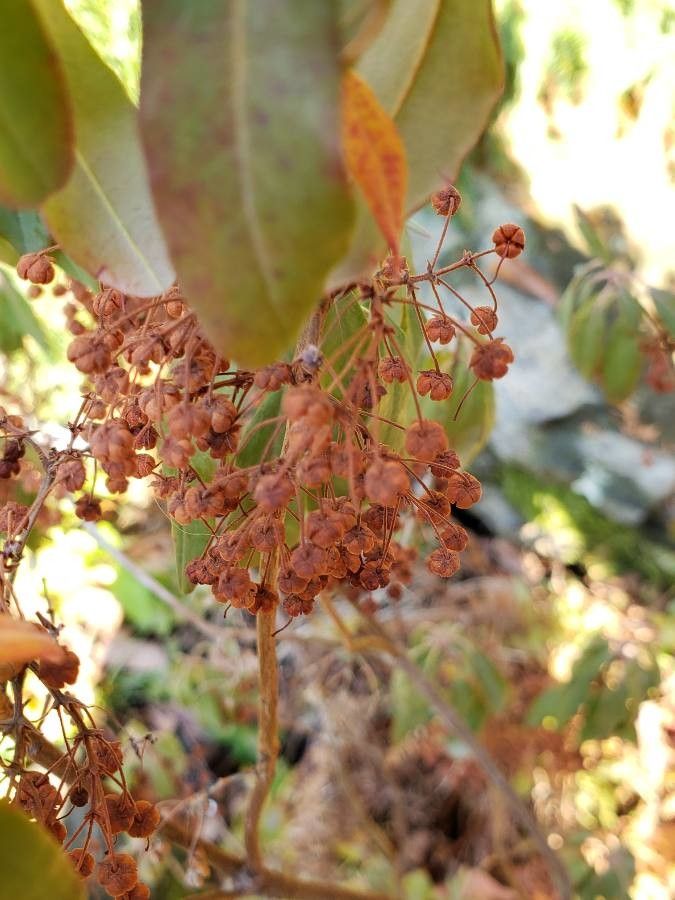
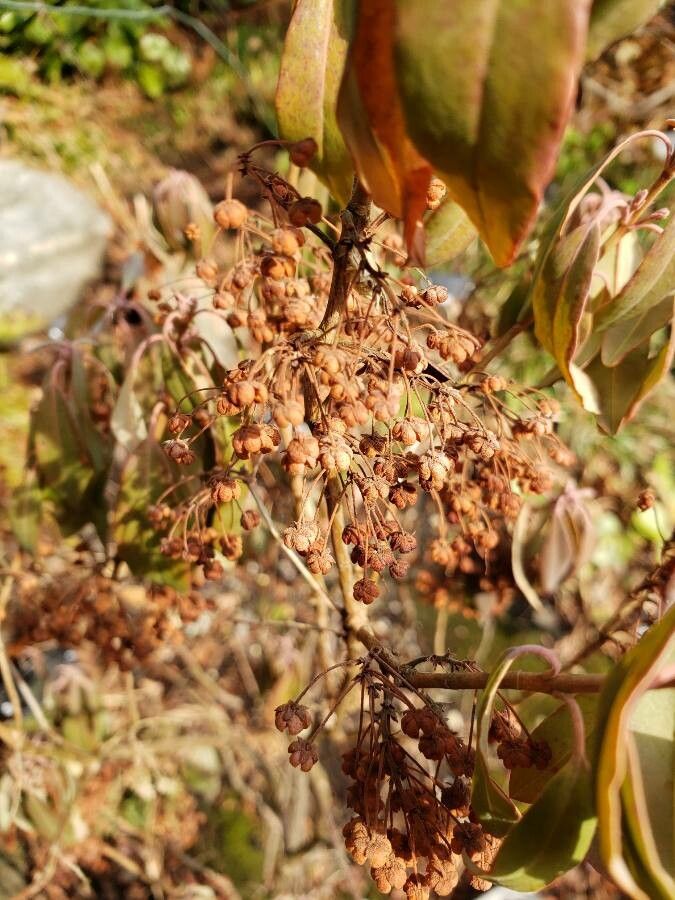
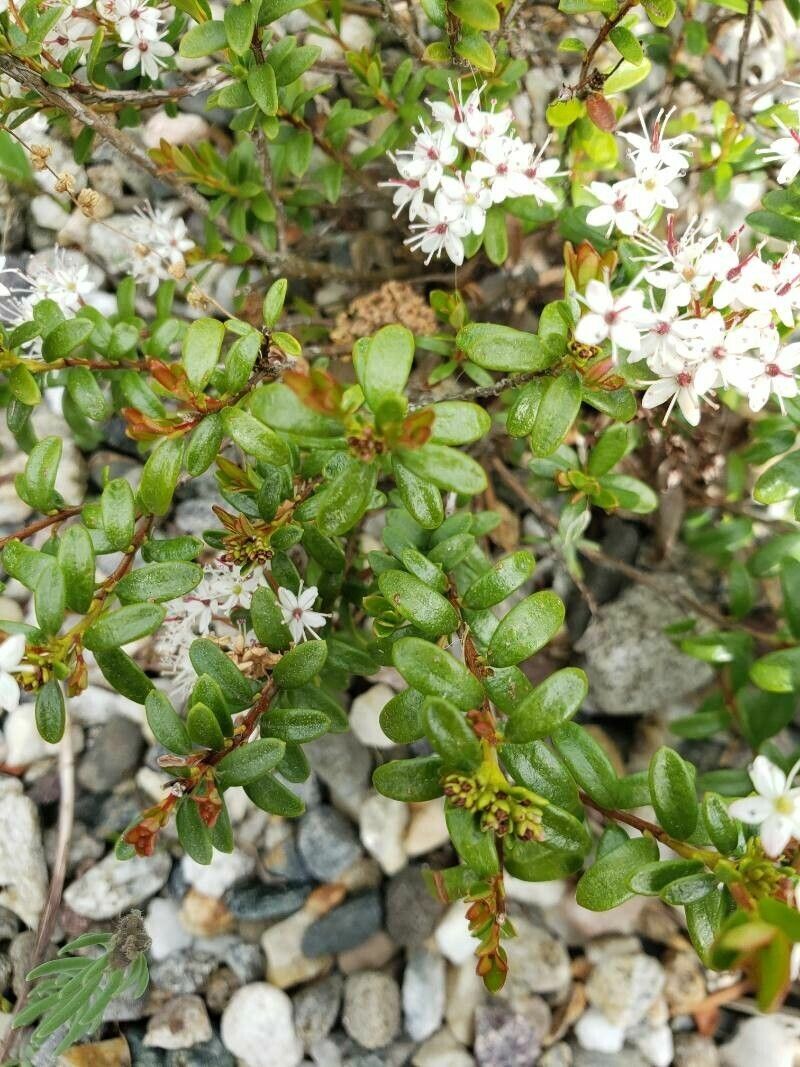
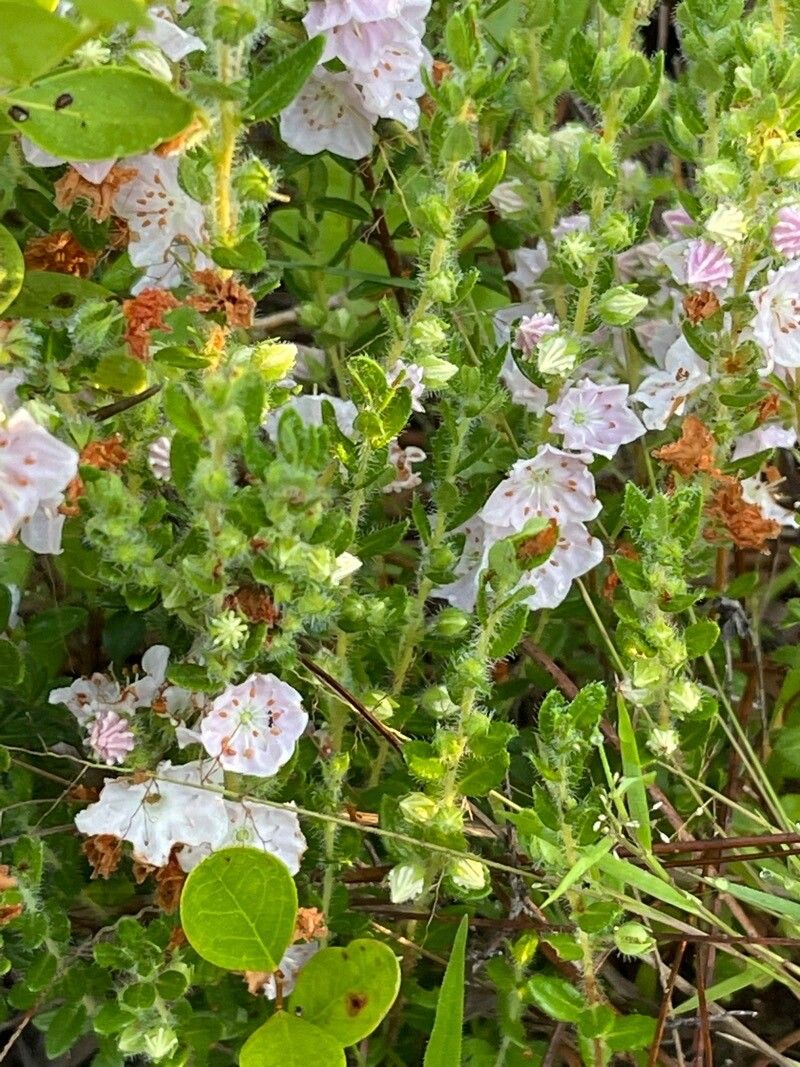
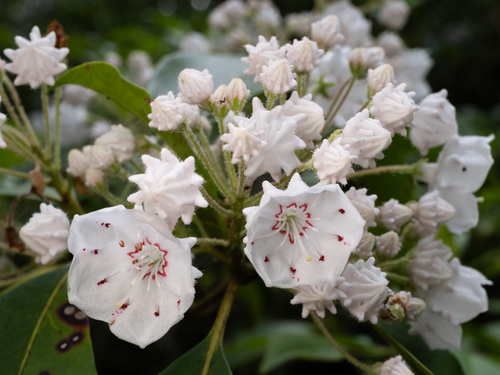
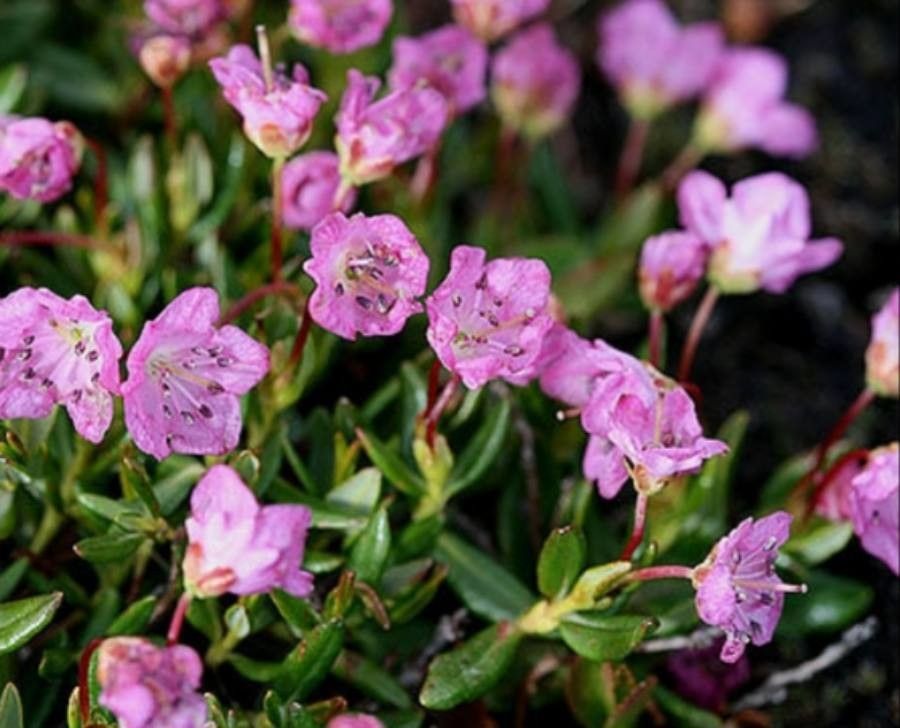
Kalmia angustifolia, commonly known as sheep laurel or lambkill, is a small evergreen shrub belonging to the Ericaceae family. Native to eastern North America, it thrives in acidic soils and is often found in open woodlands, bogs, and rocky areas.
Typically, this plant grows between 1 to 3 feet tall. Its narrow leaves are dark green on the top surface with a lighter underside. In late spring or early summer, it produces clusters of small pink or white flowers, which are attractive to bees and butterflies.
Despite its beauty, Kalmia angustifolia is toxic if ingested by humans or livestock due to its high levels of grayanotoxins. While some Native American tribes have used parts of the plant medicinally to treat skin conditions and headaches, caution is advised.
Overall, Kalmia angustifolia is a striking yet potentially dangerous plant that is best admired from a distance.
Sheep laurel has strong disease resistance and is generally not susceptible to diseases. In terms of care, this plant is fairly low-maintenance. When grown outdoors it needs little watering, and larger specimens usually do not require pruning. Smaller plants, however, should be trimmed after they have bloomed. Sheep laurel is suitable for anyone with an outdoor area, such as a garden or deck, and does not require much plant-care experience.
How to keep Kalmia Angustifolia.
Light
Sheep laurel grows best with a moderate amount of sunlight, although it can tolerate bright light as well. Too little or too much sun can affect the plant's health and growth because it disrupts its natural life cycle and photosynthesis. Originating from an environment with filtered light, it does best under similar conditions for optimal health.
Water
Sheep laurel thrives in moist, acidic soils but can also adapt to dry periods. It grows best with consistent moisture, showing moderate tolerance to drought, and benefits from being watered every two weeks. This plant is usually grown outdoors and flourishes in cool, humid climates, which greatly affects its ability to flower and grow vigorously.
Temperature
Sheep laurel is very adaptable to a range of climate conditions, whether facing scorching summers or chilly winters. It does, however, have a preferred temperature range for growth. When temperatures become too high, the plant is susceptible to heat and humidity stress, which can lead to its death. In locations where temperatures approach the lower limit of its cold tolerance, providing insulation is important to protect the plant.
Fertilizer
Timing is vital when fertilizing Sheep laurel. Apply fertilizer in early spring and continue doing so every month until early summer. Fertilizer encourages attractive blooms and supplies energy during both dormant periods and active growth.
Pruning
Sheep laurel is a resilient evergreen shrub with pinkish-purple flowers. To encourage growth and manage its size, prune it in late spring after it has finished flowering. Be sure to remove any dead branches. For best results and to prevent disease, use sterilized tools. Pruning not only improves air circulation and rejuvenates the plant but may also enhance flowering in the coming seasons.
Botanical profile.
- Plant Type
- Shrub
- Life Cycle
- Perennial
- Genus
- Kalmia
- Family
- Ericaceae
- Hardiness Zone
- 5
- Mature Height
- 15 cm to 91 cm
- Mature Spread
- 1.52 m
- Leaf Color
- Green, Blue
- Leaf Type
- Evergreen
- Flower Color
- Pink
- Flower Size
- 0.51 cm to 1.27 cm
- Bloom Time
- Late spring, Early summer, Mid summer
- Planting Time
- Spring, Autumn
- Harvest Time
- Mid summer
Other names.
Reader questions.
How should I water my Sheep laurel for best results?
Your Sheep laurel doesn't require specific watering methods. You can use various tools, like watering cans, hoses, or cups, to water it. No matter which tool you choose, make sure to water the soil directly and evenly throughout. Using filtered water is preferable to tap water, as it may contain harmful particles for the plant. Opt for water that is at or slightly above room temperature, as extremely hot or cold water can shock the Sheep laurel. However, it generally responds well to any water you provide.
Why should I put fertilizer on my Sheep laurel plant?
Fertilizing your Sheep laurel is important for several reasons. Firstly, it will help your plant produce beautiful blooms. Secondly, fertilizing in early spring is particularly effective in ensuring excellent flowers during the season. Additionally, fertilizer provides your Sheep laurel with the energy it needs during periods of dormant growth. By giving extra nutrients during fall planting or late spring, your Sheep laurel will store more energy to use when it resumes active growth.
What are the sunlight requirements for Sheep Laurel?
Sheep Laurel (Kalmia angustifolia) requires partial to full sun exposure to thrive, with partial sun being about 3-6 hours of sunlight per day and full sun being above 6 hours of sunlight per day. It's essential to observe how sunlight moves through your garden to choose optimal locations that provide the right balance for your plant, safeguarding its health and happiness.
What do I do if I give my Sheep laurel too much or too little water?
Outdoor plants, especially newly planted ones or seedlings, can easily become dehydrated if not watered properly. It's important to remember to water them consistently for the first few months, especially when they are small or recently planted. Once the plant's roots are established, they can typically rely on natural rainfall. When Sheep laurel is planted in pots, overwatering is a common issue. If you accidentally overwater your Sheep laurel, it's essential to take immediate action to address the problem. The first step is to stop watering the plant right away to minimize the impact of overwatering. Then, carefully remove the Sheep laurel from its pot to inspect the roots. If no signs of root rot are found, you can return the plant to its container. However, if root rot is present, trim any affected roots and consider applying a fungicide to prevent further damage. Finally, repot the Sheep laurel in well-draining soil. On the other hand, underwatering is relatively easy to fix. If you notice that the plant's leaves are drooping, drying out, or falling off, it is an indication of underwatering. Water the plant more frequently, and you will quickly see the leaves regain their fullness. Make sure to adjust your watering frequency promptly once you notice signs of underwatering.
When should I add fertilizer to my Sheep laurel?
To effectively fertilize Sheep laurel, timing is crucial. Fertilizer should not be applied too early, while the plant is still dormant, as it will be ineffective and easily washed away by rainwater, resulting in waste and pollution. The first application of fertilizer should be done in the early spring, followed by monthly fertilizations until early summer.
How does sunlight affect Sheep Laurel's health and growth?
The health and growth of Sheep Laurel are significantly impacted by sunlight. Although it tolerates a moderate to abundant amount of light, too little or too much can disrupt its natural lifecycle and photosynthesis process. Originating from environments with filtered light, Sheep Laurel performs best under similar conditions. If indoor, artificial lighting can be a vital solution during winter or in less sunny spaces, with LED lights being recommended for their customization to plant-specific light wavelengths. The amount of artificial light required varies based on the plant's sunlight needs, generally ranging from 10-50W/sq ft depending on whether the plant is full sun, partial sun, or full shade.
How frequently should I water my Sheep laurel plant?
To ensure your outdoor plants thrive, it's important to consider their water needs based on the season and weather conditions. If your area receives sufficient rainfall, most plants can grow normally without additional watering. However, if rainfall is lacking, you should provide adequate watering every 2 weeks in the spring and fall. The summer months require more frequent watering, while in the winter, when growth slows down, water sparingly or not at all. For newly planted or young Sheep laurel plants, more frequent watering is necessary to help them establish and become drought-tolerant. When it comes to potted plants like Sheep laurel, there are two approaches to determine watering frequency. The first is setting a predetermined schedule, such as once a week or every other week. However, this method may not account for the specific conditions of your growing environment. Alternatively, you can adjust watering based on soil moisture. It's generally best to wait until the top few inches of soil have completely dried out before watering again. This measurement is typically about ⅓ to ½ the depth of the pots. Remember that during the summer, when water needs are highest, a predetermined schedule may not be sufficient.
When is the wrong time to fertilize my Sheep laurel?
To prevent excessive leaf growth and encourage more blooms, avoid using a nitrogen-heavy fertilizer on Sheep laurel. Instead, opt for a fertilizer with a lower nitrogen content and balanced nutrients. It's important to refrain from fertilizing after early autumn, as this can promote excessive growth right before winter. Additionally, avoid fertilizing Sheep laurel during hot and dry times of the year, as dry soil doesn't effectively deliver nutrients, and stimulating growth during this period may require more water than is available. It's best to apply fertilizer earlier in the season when temperatures are cooler. Lastly, be cautious of inadvertently applying double the amount of fertilizer to Sheep laurel, as it can absorb nutrients from nearby plants or lawns.
What are the symptoms of light deficiency or excess in Sheep Laurel?
Sheep Laurel can exhibit various symptoms under poor light conditions. Light deficiency may lead to small leaves, leggy or sparse growth, faster leaf drop, slower or no new growth, and lighter-colored new leaves, indicating insufficient chlorophyll and nutrients. Excessive light can cause chlorosis, sunscald, leaf curling, wilting, and leaf scorching. These conditions show the plant's struggle with either too little or too much sunlight, affecting photosynthesis and overall health.
How much water does my Sheep laurel plant need?
To water Sheep laurel, consider the soil moisture and how much has dried since the last watering. If only a few inches of soil have dried, give it about five to ten ounces of water. Make sure to moisten all the soil layers that have become dry. If over half of the soil is dry, give more water until excess water drains from the pot. If the plant is in a rainy area, it may not need additional watering. When young or establishing, aim for 1-2 inches of rain per week. Once established, it can survive on rainwater, but during hot, rainless periods, give it a full watering to prevent stress.
What kind of fertilizer does my Sheep laurel need?
To optimize the growth of Sheep laurel, it is recommended to use a fertilizer that contains a balanced mix of the three main plant nutrients, with slightly higher amounts of phosphorus. Alternatively, you can improve the soil by incorporating organic materials like compost, worm castings, and manure. Experienced gardeners often supplement with water-soluble fertilizers containing phosphorus when the flower buds start to appear. This promotes better flower development, resulting in larger and longer-lasting blooms. There are various types of fertilizers available, but liquid or powdered forms are considered the most effective for Sheep laurel. Regardless of which form you choose, remember to dilute the fertilizer and apply it while watering your Sheep laurel.
How can I manage light conditions for indoor and outdoor Sheep Laurel plants?
To optimize light conditions for Sheep Laurel, gradually adapt your plants to changing light conditions by shifting them to sunnier spots each week. Indoor plants can benefit from artificial lighting if relocation isn't practical; keep a lamp on for at least 8 hours daily or invest in grow lights. Outdoors, move plants to better-lit areas gradually to avoid sunburn. Minimize obstructions like overhanging branches to improve sunlight exposure. For plants in the ground that are small enough to be moved, consider transplanting during the plant's dormant period to a location with more sunlight and good drainage. Remember, while parts of the plant affected by insufficient light may not recover, new growth should be healthy with improved light conditions.