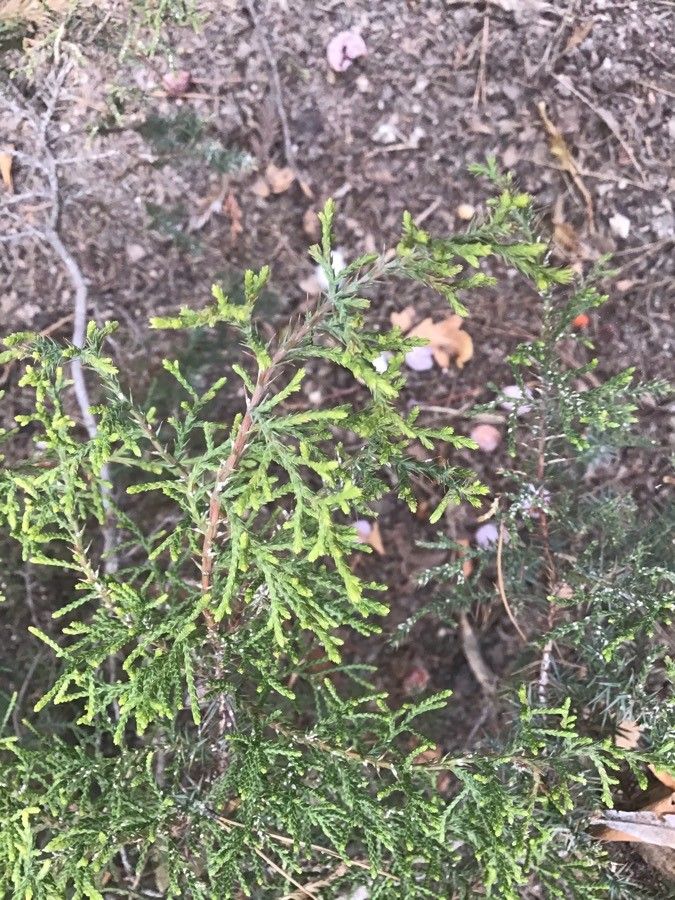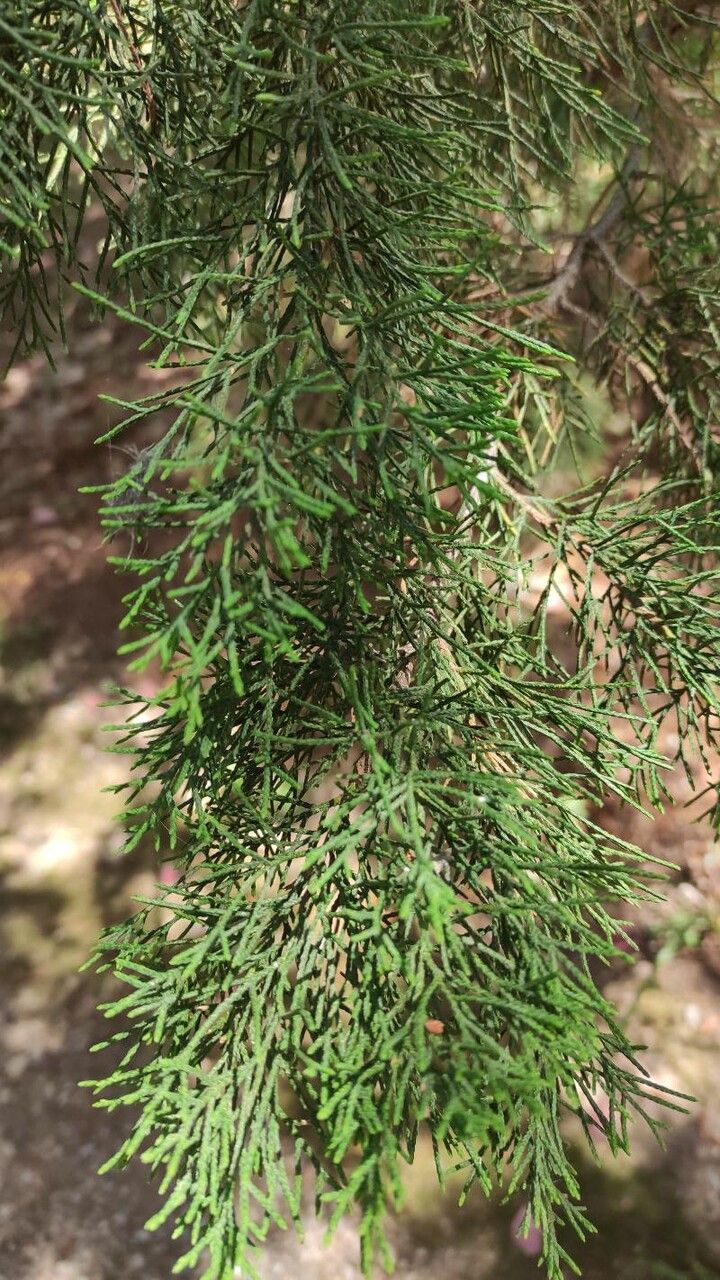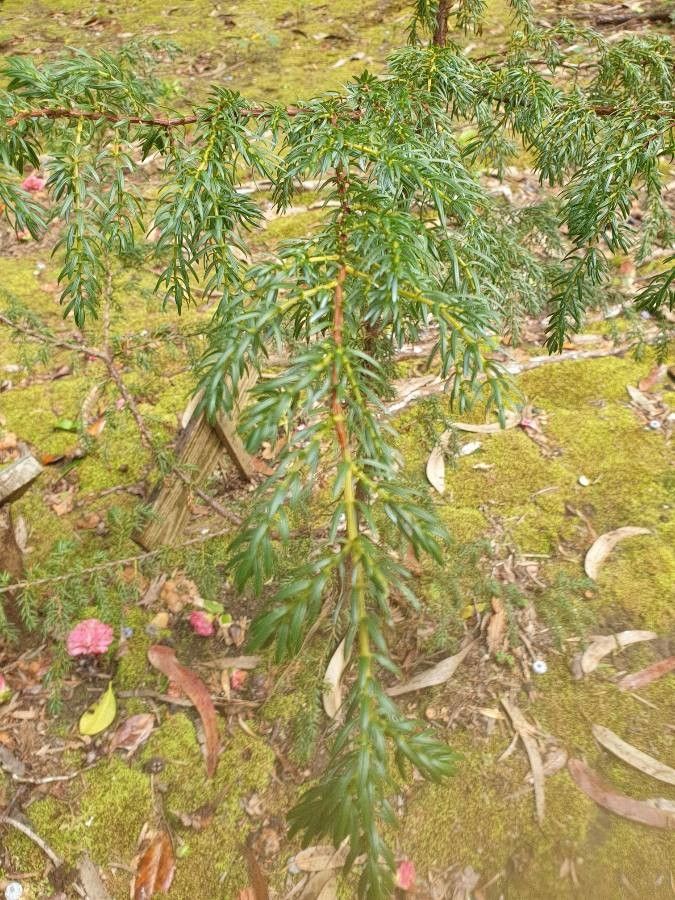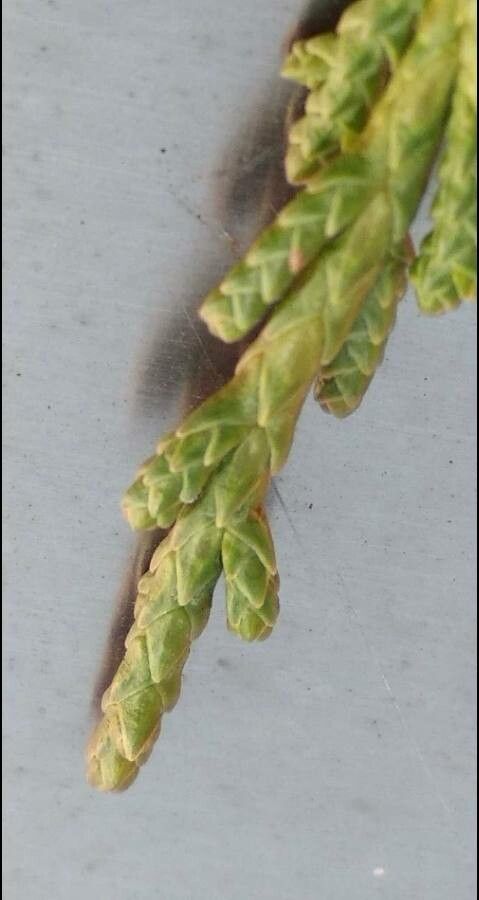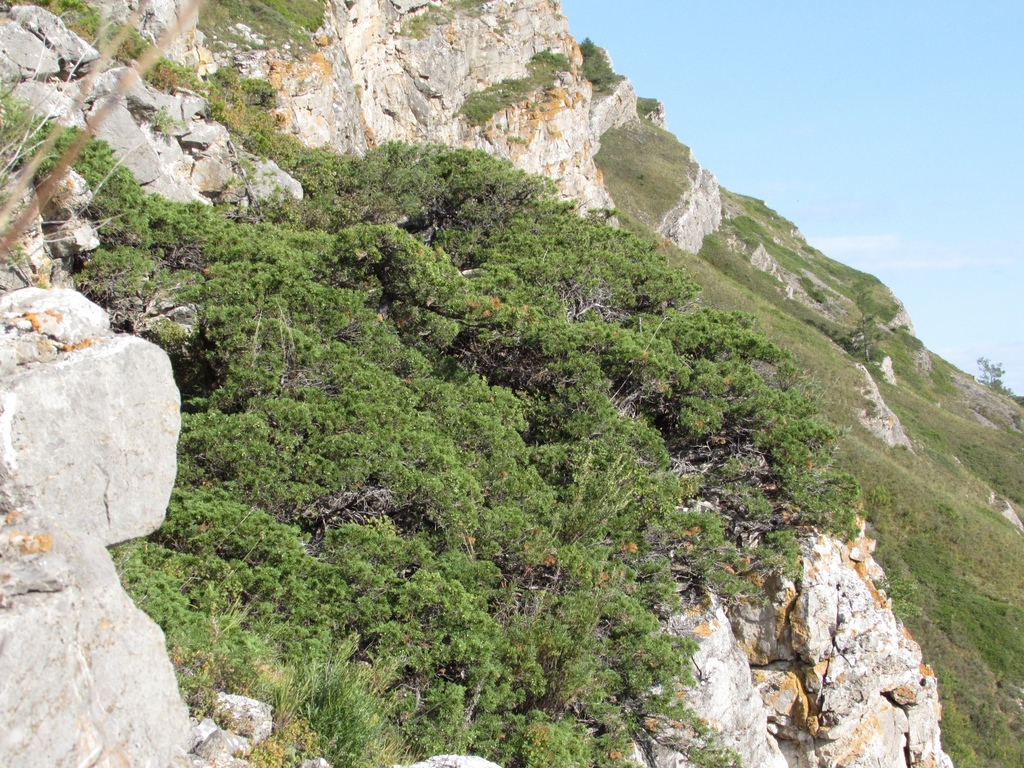
Juniperus sabina, commonly known as Savin Juniper, is a small evergreen shrub that belongs to the cypress family. Native to Europe and Asia, it can grow up to 2 meters in height. The plant features a dense, spreading growth habit with blue-green foliage that turns bronze in winter. In spring, Savin Juniper produces small flowers, followed by blue-black berries. These berries have been traditionally used for medicinal purposes, as the plant has served as an herbal remedy for ailments such as arthritis, rheumatism, and digestive disorders for centuries. Apart from its medicinal properties, Savin Juniper is also popular as an ornamental plant due to its attractive foliage and low maintenance requirements. It thrives in various soil types but prefers well-drained soil and full sun exposure. It is important to note that the berries of this plant are toxic if ingested by humans or animals and should be avoided. Overall, Juniperus sabina is a versatile shrub with both practical uses and aesthetic appeal, making it an excellent addition to any garden or landscape design project.
Creeping juniper shows strong resistance to diseases and is generally unlikely to suffer from them. In terms of care, the plant is fairly low-maintenance. When grown outdoors it needs little water, and larger specimens typically do not require pruning. Smaller plants, however, should be pruned after they finish blooming. Creeping juniper is appropriate for anyone with outdoor space, such as a garden or deck, and does not demand much gardening experience.
How to keep Juniperus Sabina.
Light
Creeping juniper does well with plentiful sunlight and can tolerate moderate shade. In its native environment it grows robustly when exposed to abundant light. Conversely, insufficient light impairs growth and results in poor foliage. Its foliage is most vibrant with ample light. Both excessive and inadequate light can undermine its health.
Water
The Savin juniper, native to rocky regions, is highly drought-tolerant and excels in low-moisture environments. To maintain its health, it's important to water the plant weekly, ensuring that the soil is damp but not waterlogged. As an evergreen, the Savin juniper requires consistent, moderate hydration throughout the year. This is particularly important during winter when indoor heating can lower humidity levels.
Temperature
The creeping juniper plant is native to temperate regions and can tolerate temperatures ranging from 32 to 95 ℉ (0 to 35 ℃). It prefers mild, consistent temperatures throughout the year. In colder months it may benefit from protection from freezing winds or snow accumulation.
Fertilizer
Creeping juniper has specific nutrient needs and does not require heavy fertilization. The best time to apply fertilizer for optimal growth is in spring. Supplying nutrients improves its health, increases its resistance to pests and diseases, and helps maintain a long lifespan.
Pruning
Savin juniper benefits from pruning during its dormant period, which occurs from early to late winter. During this time, focus on removing dead or damaged branches, thinning the foliage to improve air circulation, and shaping the plant for an attractive form. It is important to avoid heavy pruning to ensure the plant can recover properly. This approach not only improves the plant's appearance but also encourages healthy growth and resilience.
Pot & Repot
When repotting Creeping juniper, choose a pot 1–2 inches (2.5–5.1 cm) larger with ample drainage. Use a well-draining potting mix. Repot in spring or fall, making sure the root ball sits slightly below the rim of the flower pot. Water thoroughly after repotting and place the pot in a warm spot with indirect sunlight.
Botanical profile.
- Plant Type
- Shrub
- Life Cycle
- Perennial
- Genus
- Juniperus
- Family
- Cupressaceae
- Hardiness Zone
- 3-9
- Mature Height
- 10 cm to 30 cm
- Mature Spread
- 0.91 m to 2.44 m
- Leaf Color
- Green, Blue, Yellow
- Leaf Type
- Evergreen
- Flower Color
- Yellow, Green
- Flower Size
- 0.20 cm to 0.51 cm
- Bloom Time
- Early spring, Mid spring
- Planting Time
- Spring, Autumn
- Harvest Time
- Mid summer, Late summer, Early fall
Other names.
Reader questions.
How should I water my Savin juniper plant?
Watering your Savin juniper is a simple task. To do so, you can use your garden hose to slowly soak the soil. This is especially effective for larger trees, which typically require more water. However, if you have smaller trees, a watering can or another small tool may suffice. It's important to note that overhead watering should be avoided, as it can cause disease, particularly in young trees.
Why is it necessary to fertilize my Savin juniper plant?
To ensure the healthy growth of Savin juniper, it is beneficial to fertilize it in the spring. It is important to remember that this plant has a long lifespan and requires support. By adding nutrients to the soil, the overall health of the plant can be improved. This will enable it to better resist common pests and diseases, which can hinder its growth and reduce its lifespan.
What are the sunlight requirements for Savin juniper?
Savin juniper thrives best in full sun conditions, requiring more than 6 hours of sunlight daily, but it can also grow under partial sun, receiving about 3-6 hours of sunlight. It's essential to observe how sunlight moves through your garden to find the ideal spot that offers a balanced exposure of light and shade, ensuring the plants' well-being and healthy development. Originating from habitats with plenty of sunshine, Savin juniper might face growth issues if there's an imbalance in light exposure.
What is the ideal temperature range for growing Savin juniper?
Savin juniper thrives in environments that experience temperatures in the range of 41 to 89.6 °F (5 to 32 °C). This range is crucial for its optimal growth. It is highly cold-tolerant and does not require additional frost protection measures during winter. However, it is beneficial to water the plant generously before the first freeze in autumn to ensure the soil stays moist and enters a frozen state, which helps prevent drought and water scarcity for the plant during winter and early spring.
If I water my Savin juniper too much or too little, what should I do?
Overwatering can occur when the soil is of poor quality and does not drain properly, causing the Savin juniper to deteriorate. In this case, you have two options: improve the soil drainage or relocate the plant to a more suitable spot. If you are growing the juniper in a pot, you may need to use looser soil and a container that allows for better drainage. Overwatered plants can also be prone to diseases, so it's important to treat them promptly. Conversely, underwatering is easily fixed by increasing the frequency of watering, which will help the plant recover. To determine if you have overwatered the juniper, examine the foliage, particularly new growth, for signs of excessive moisture. Discolored or weak new growth indicates overwatering. Stagnant water or slow drainage in the growing area can also be signs of excessive moisture. Conversely, underwatered junipers will have sparse, brown leaves. If you notice these symptoms, consider factors such as recent heavy rainfall or consistently high temperatures to make an accurate assessment.
When should I fertilize my Savin juniper?
When it comes to nutrients, the growing medium may not always provide enough for healthy growth. However, Savin juniper is not like your typical garden annuals and perennials as it doesn't need a lot of extra nutrients. If you want to fertilize Savin juniper, the best time to do so is in the spring before new growth starts.
How can artificial lighting support Savin juniper's growth indoors?
Indoor Savin junipers require adequate lighting for optimal growth, especially when natural sunlight is insufficient, like in winter or in less sunny spaces. Artificial lighting, such as LED lights, provides a great solution by offering the necessary wavelengths of light for the plant. Full sun plants need 30-50W/sq ft, partial sun plants require 20-30W/sq ft, and full shade plants should have 10-20W/sq ft of artificial light. Positioning the light source about 12-36 inches above the plant and ensuring it gets 8-12 hours of light per day mimics natural sunlight conditions and supports healthier plant growth.
How does Savin juniper react to low temperatures?
Savin juniper is extremely cold-tolerant, capable of withstanding winter temperatures above -30°C (-22°F). If the temperature drops below this threshold, you may not notice immediate changes during winter; however, by spring, the branches might become brittle and dry, failing to produce new shoots. To address this, prune away any dead branches in the spring that have not produced new leaves.
How often do I need to water my Savin juniper plant?
A mature Savin juniper is typically drought tolerant and can survive on rainfall alone. During the hottest months, you may need to water it once a week, but during other seasons, watering may not be necessary. The exception is for newly planted junipers, which should be watered regularly to establish their roots. Remember that standing water is not tolerated by this species, so it's better to not water it if unsure.
When should I not add fertilizer to my Savin juniper?
Unlike other plants that benefit from periodic fertilization, the Savin juniper does not require excessive nutrients. Over-fertilizing can actually harm it, leading to deterioration. It is best to only apply fertilizer during the spring season and avoid doing so during the summer, fall, and winter. Additionally, refrain from introducing any fertilizer or organic matter to the soil during these latter seasons.
What are common symptoms of inadequate sunlight in Savin juniper?
When Savin juniper doesn't get enough sunlight, it may exhibit several symptoms including smaller new leaves, leggy or sparse growth, faster leaf drop, slower or halted growth, lighter-colored new leaves, chlorosis (yellowing leaves due to chlorophyll breakdown), sunscald (damaged leaves/stems from intense sunlight), leaf curling (as a defense mechanism against excessive sunlight), wilting (due to increased water loss), and leaf scorching (brown, dry edges from excessive light). These symptoms indicate the plant's struggle with adapting to its light environment, making it crucial to measure and adjust its exposure to sunlight.
What should I do if my Savin juniper experiences high temperatures?
Savin juniper struggles with high temperatures, particularly when the mercury rises above 32°C (89.6°F). In such conditions, leaf drop is common and, in severe cases, the plant might wither and die. To mitigate heat stress, remove the sunburned and dried-up parts of the plant. Relocating the plant to a shaded area or using a shade cloth can protect it from the midday and afternoon sun. Additionally, watering the plant in the morning and evening can help keep the soil adequately moist.