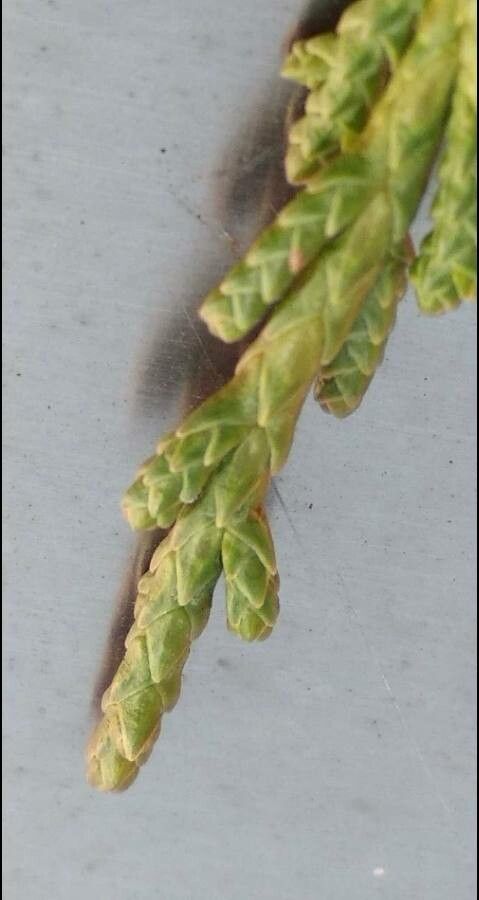
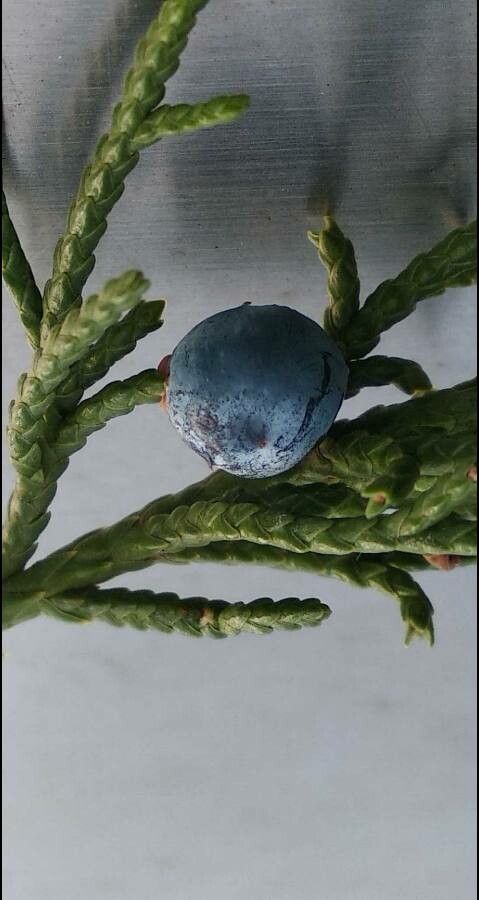
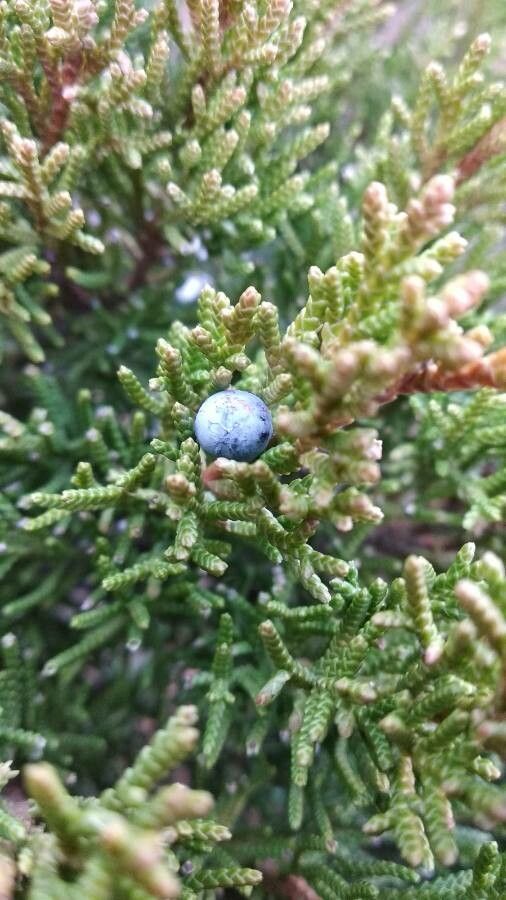
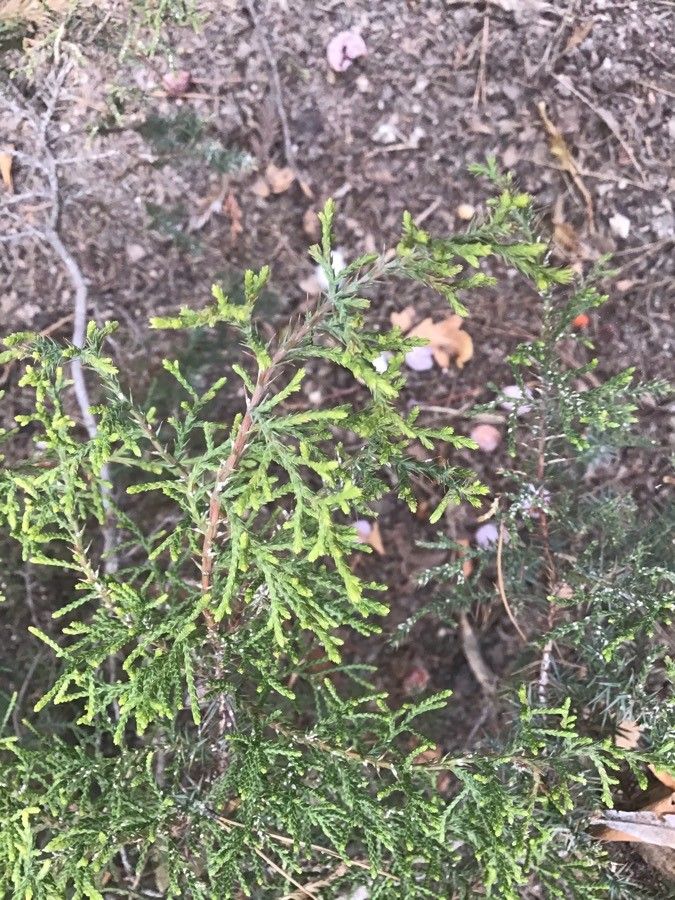
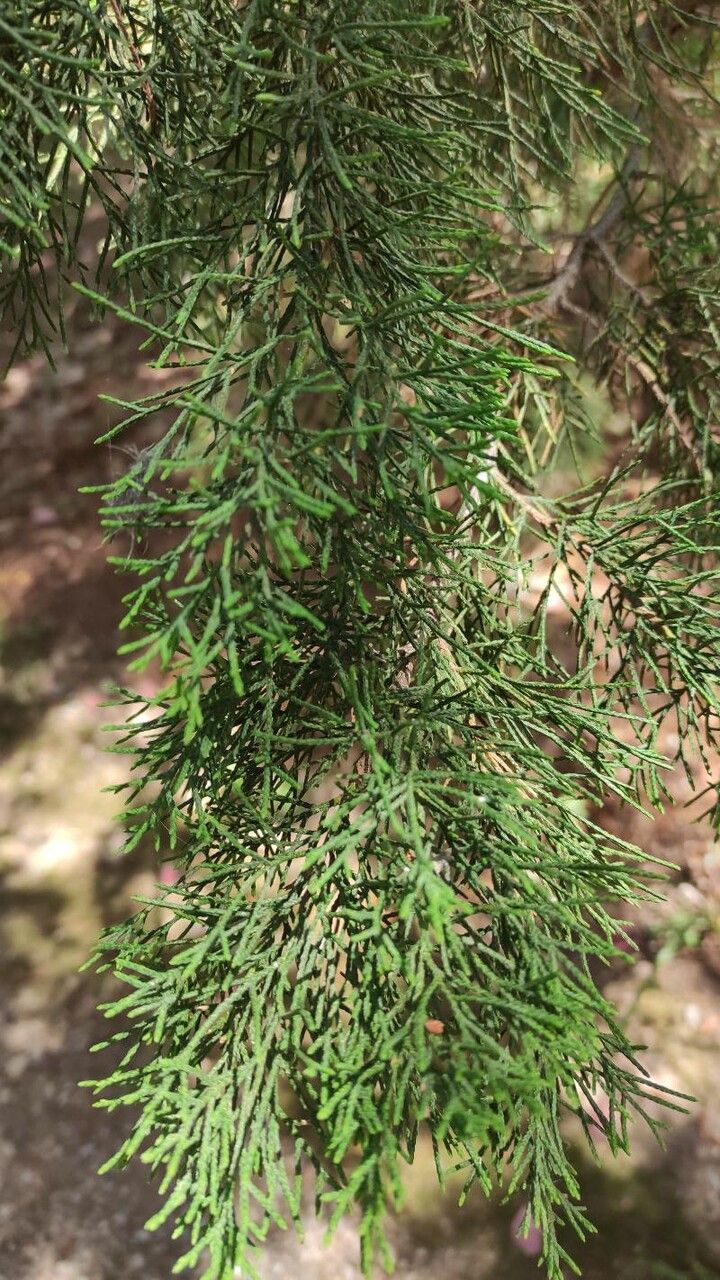
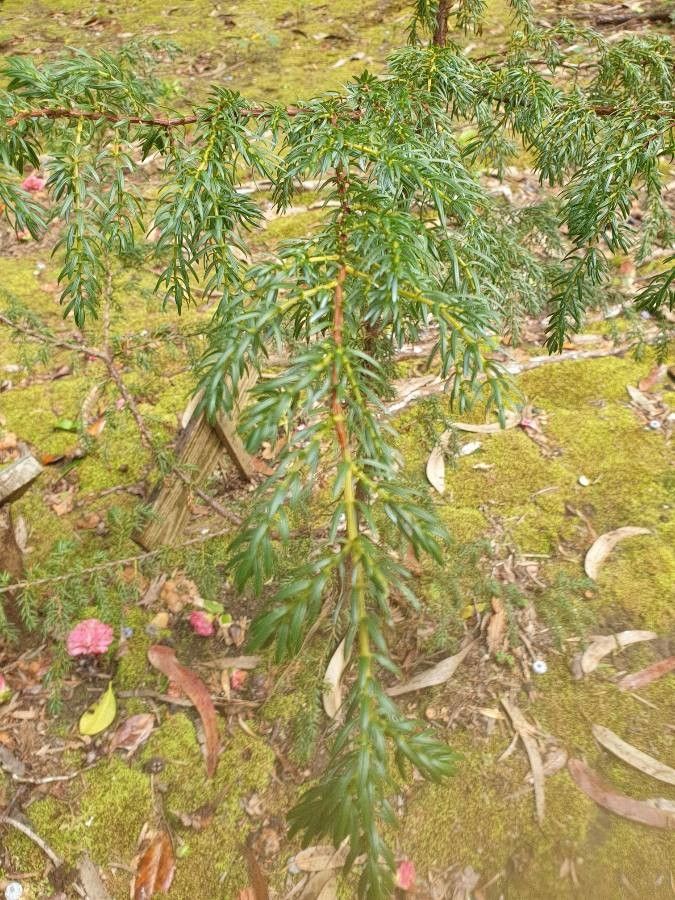
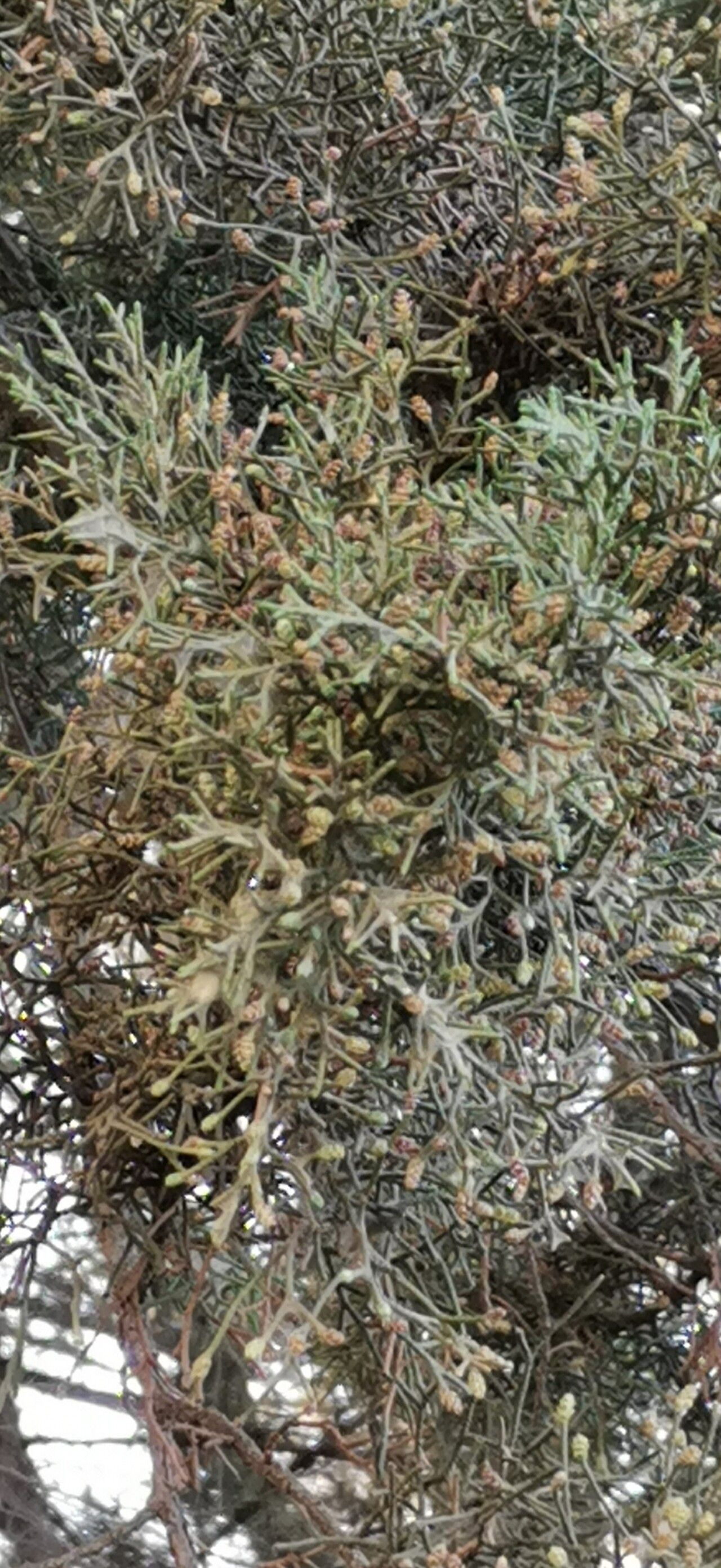
Juniperus californica, commonly known as California juniper, is a species of evergreen shrub or small tree native to the western United States. Part of the cypress family, it can grow up to 10 meters tall. This plant is easily recognized by its blue-green foliage and reddish-brown bark, which peels off in thin strips.
Renowned for its hardiness, California juniper thrives in harsh environments such as rocky slopes, dry hillsides, and desert regions. It is particularly well-adapted to drought conditions, employing deep roots to tap into underground water sources.
The plant produces small, green cones that turn brown upon maturing. These cones contain seeds that are dispersed by birds and animals.
Historically, California juniper held various uses for Native American tribes, such as the Navajo, who utilized it for medicinal purposes, including treating colds, coughs, and arthritis. The wood was also used for making bows and arrows.
Today, California juniper is a popular choice in landscaping due to its attractive appearance. Ecologically, it plays an important role by providing habitat for wildlife, including birds that feed on its seeds or use it as nesting sites.
Overall, Juniperus californica is a culturally significant species that also offers considerable ecological benefits. It is a valuable addition to landscape design projects and conservation efforts aimed at preserving native flora within their natural habitats.
California juniper exhibits strong disease resistance and is usually not susceptible to diseases. Regarding care, this species is fairly low maintenance. Planted outdoors, it needs only occasional watering, and larger specimens typically do not require pruning. Smaller plants, however, should be trimmed after they finish blooming. California juniper is appropriate for anyone with an outdoor area, like a garden or a deck, and does not demand extensive gardening experience.
How to keep Juniperus Californica.
Light
The California juniper grows best when it gets plenty of sunlight. Native to a place where the sun is almost always present, it benefits in health and development from a generous amount of solar light. If the level of light drops, it can suffer negative effects, such as stunted growth.
Water
The California juniper is well-suited to arid environments and thrives with very little water, making it ideal for dry climates. It needs watering only once every one to two weeks. To ensure its health and longevity, it's crucial to plant it in well-draining soil that mimics its natural dry habitat.
Temperature
The California juniper is native to regions where temperatures typically range from 59 to 95 °F (15 to 35 °C). It thrives in these warm conditions, so when growing it in other areas you should try to keep it within that temperature range, adjusting as needed with each change of season.
Fertilizer
California juniper has distinctive nutrient needs and does not require excessive fertilization. Spring is the best time to apply fertilizer for optimal growth. Supplying nutrients improves its health, increases resistance to pests and diseases, and supports a long lifespan.
Pruning
To encourage the healthy growth of California juniper, it's best to prune it between early to late winter. Pruning during this time helps shape the plant and remove any deadwood. Make sure to use clean, sharp tools to ensure precise cuts, and avoid heavy pruning as it can stress the plant. Instead, concentrate on thinning the branches to improve air circulation and light penetration, which will enhance both the plant's health and its aesthetic appeal.
Botanical profile.
- Plant Type
- Tree, Shrub
- Life Cycle
- Perennial
- Genus
- Juniperus
- Family
- Cupressaceae
- Hardiness Zone
- 8-10
- Mature Height
- 3.05 m to 7.92 m
- Mature Spread
- 6.1 m
- Leaf Color
- Green
- Leaf Type
- Evergreen
- Flower Color
- Yellow, Green
- Flower Size
- 0.20 cm to 0.51 cm
- Bloom Time
- Early spring, Mid spring
- Planting Time
- Spring, Autumn
- Harvest Time
- Late summer, Early fall, Mid fall
- Native Area
- Mexico
Other names.
Reader questions.
How should I water my California juniper plant?
Watering your California juniper is a simple task. You can use your garden hose to slowly soak the soil or a watering can for smaller trees. It's important to avoid overhead watering as it can cause disease, especially for young trees. Larger trees may require a higher volume of water, so the garden hose is ideal for them.
How many hours of sunlight should California juniper get each day to grow well?
To promote healthy growth, California juniper requires a minimum of 3-6 hours of sunlight per day. Most plants that can tolerate part sun can also do well in full sun, since they need less light for photosynthesis and are more adaptable compared to plants that need full sun or part shade.
What is the best temperature for California juniper?
Plants are affected by colder temperatures because they typically match the temperature of the air around them. When plants are in the sun, they can warm up again, but this is not the case during winter. The California juniper, for example, usually thrives in temperatures between 70 and 85℉ (21-30℃). While they may be able to tolerate temperatures as low as 20-30℉ (-6-0℃), or even as low as 15℉ (-10℃), prolonged exposure to such cold temperatures can lead to frost damage. To keep the plants healthy, it's important to maintain temperatures within the 70-85℉ (21-30℃) range and occasionally spray them with water and provide shade to prevent wilting.
What should I do if I give my California juniper too much water or too little water?
Poor soil can sometimes lead to overwatering issues with California juniper plants. If the soil doesn't have good drainage, the plant's health can decline. In this situation, you have two options: either improve the soil's drainage by amending it, or move the juniper to a more suitable location. The same problem can occur if you have your juniper in a pot - you may need to repot it with looser soil to allow for better drainage. Overwatering can also make the plant more susceptible to diseases, so it's important to treat any issues promptly. On the other hand, if your California juniper is underwatered, the solution is simple: water it more frequently. This will help the plant recover and regain its health. To determine if overwatering is the issue, examine the foliage, paying attention to new growth. If new growth is discolored or easily broken, it's a sign of excess moisture. Standing water or slow drainage in the plant's area can also indicate overwatering. On the other hand, if the leaves are sparse and brown, it may be a sign of underwatering. In this case, consider if there has been heavy rainfall or consistently high temperatures, as these factors can help you assess the situation correctly.
What kind of sunlight does the California juniper require?
California juniper thrives in full or part sun. It benefits from direct morning light, but during summer, it requires shielding from intense afternoon sun. Excessive hot afternoon sun in mild climates can scorch the leaves, impacting the plant's overall look and well-being.
Do I need to change the temperature for California juniper at different stages of growth?
To ensure successful growth of California juniper, it is important to research and maintain the appropriate temperature. Some growers may choose to lower their plants' thermostats during the growing season to save on HVAC costs. However, it's crucial to understand that temperature can impact flowering, pest control, and overall plant quality. During winter, certain species may enter a dormant state, causing growth to halt. As the seasons change and temperatures rise, California juniper can grow more rapidly. Species native to warm environments have higher optimum temperatures compared to those that thrive in cooler climates. Exposing California juniper seeds to cool temperatures can result in uneven growth and delays. It may be advantageous to lower the temperature during flowering, while keeping it unchanged during other phases. Additionally, cooler nighttime temperatures require less water, so irrigation should be adjusted accordingly.
How frequently should I give water to my California juniper?
A mature California juniper is very low maintenance when it comes to watering. It can survive on just rainfall and only needs to be watered about once a week during the hottest months. In fact, you may not need to water it at all during other seasons. However, if you have recently planted the tree, it is important to water it regularly to help the roots establish. Just remember that California junipers do not like standing water, so it's better to water less than too much.
Can the sun harm California juniper trees? How can I keep California juniper trees safe from sun and heat damage?
When moving California juniper plants from indoors to outdoors, it is important to be mindful of direct sunlight, as it can easily cause damage. To prevent sunburn, it is best to gradually transition the plants from a shaded area to a brighter spot. However, even if the plants are accustomed to the summer sun, they can still be harmed by extreme heat. During a heatwave, it is crucial to ensure that the soil remains consistently moist, as this helps the plants withstand the high temperatures. Additionally, providing afternoon shade or using a shade cloth can offer protection to the sensitive California juniper plants during extreme weather events.
How do I make sure the California juniper doesn't get too cold in the winter?
To help the plant withstand colder temperatures, stop fertilizing it so that new growth doesn't occur and the existing growth can become hardier. To keep the plant warm, you can create structures such as cages or trellises around the California juniper. Another option is to use heat mats to gently warm the soil, as they can maintain an ideal temperature range for the plant.
How much water does my California juniper tree need?
During the height of summer, you'll usually need to water your California juniper. Typically, one inch of water per week is enough, but this can vary depending on rainfall. If it has rained one inch or more, you don't need to water your juniper. For newly planted junipers, they will require more water during their establishment period. Generally, watering once every one to two weeks for the first few growing seasons is recommended.
Should I keep the California juniper away from the sun?
California juniper benefits from bright morning sun and some full sun exposure. However, it cannot handle the harsh, hot midday sun of summer. If the juniper is planted in the ground, it can gradually adapt to the increasing intensity of the summer sun throughout the season. On the other hand, a potted juniper that has been indoors or in a protected location may suffer injury if suddenly exposed to direct summer sun during the hottest part of the day. To protect the plant from the intense summer sun, it is recommended to plant or place it in a shaded location during midday. This can be achieved by locating it under taller trees and plants, or by utilizing a building or other landscape features for shade.
How can I protect California juniper from cold weather damage?
To protect the California juniper from frost in winter, cover it with cloths, tarps, burlaps, sheets, or plastic buckets. Make sure the covers stay in place to insulate and avoid wind blowing them away. Just be cautious not to let the plastic or burlap touch the fruit or foliage, as this can cause burns from the cold. When the temperatures rise in the daytime, remove the covers.