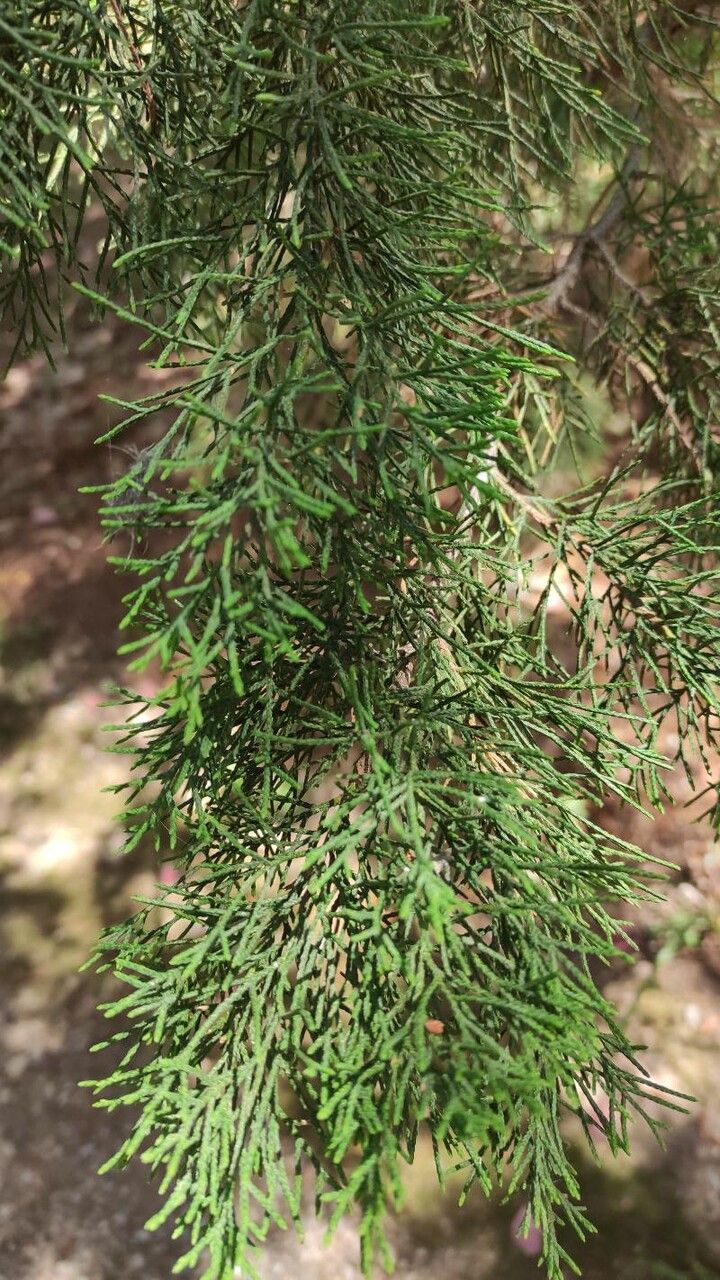
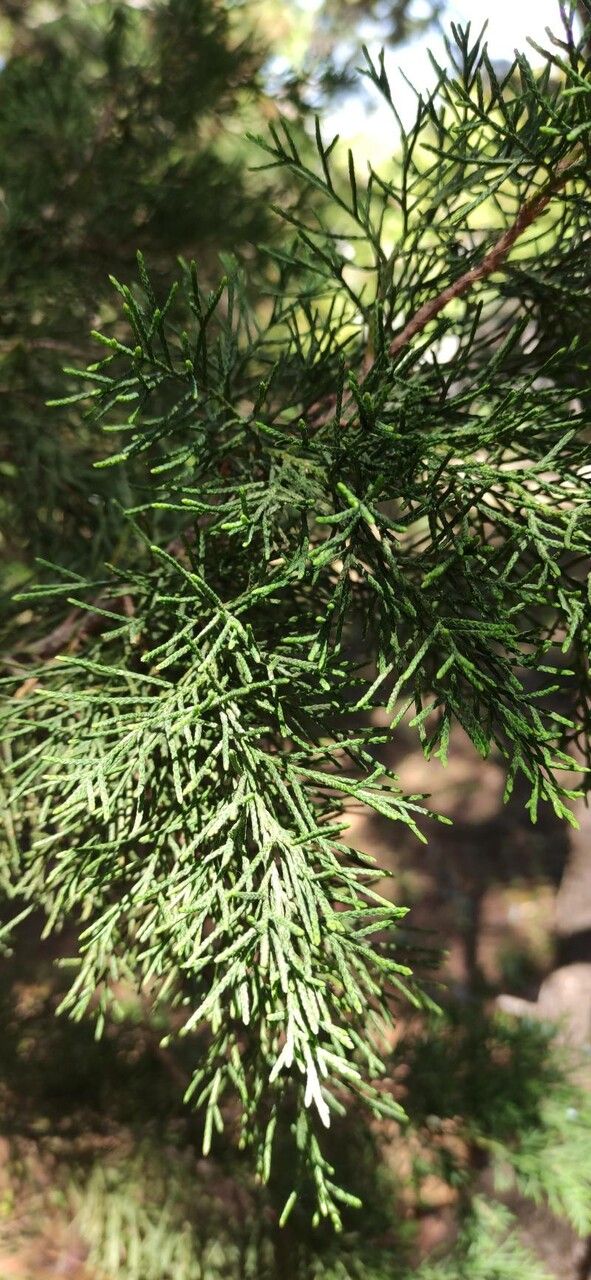
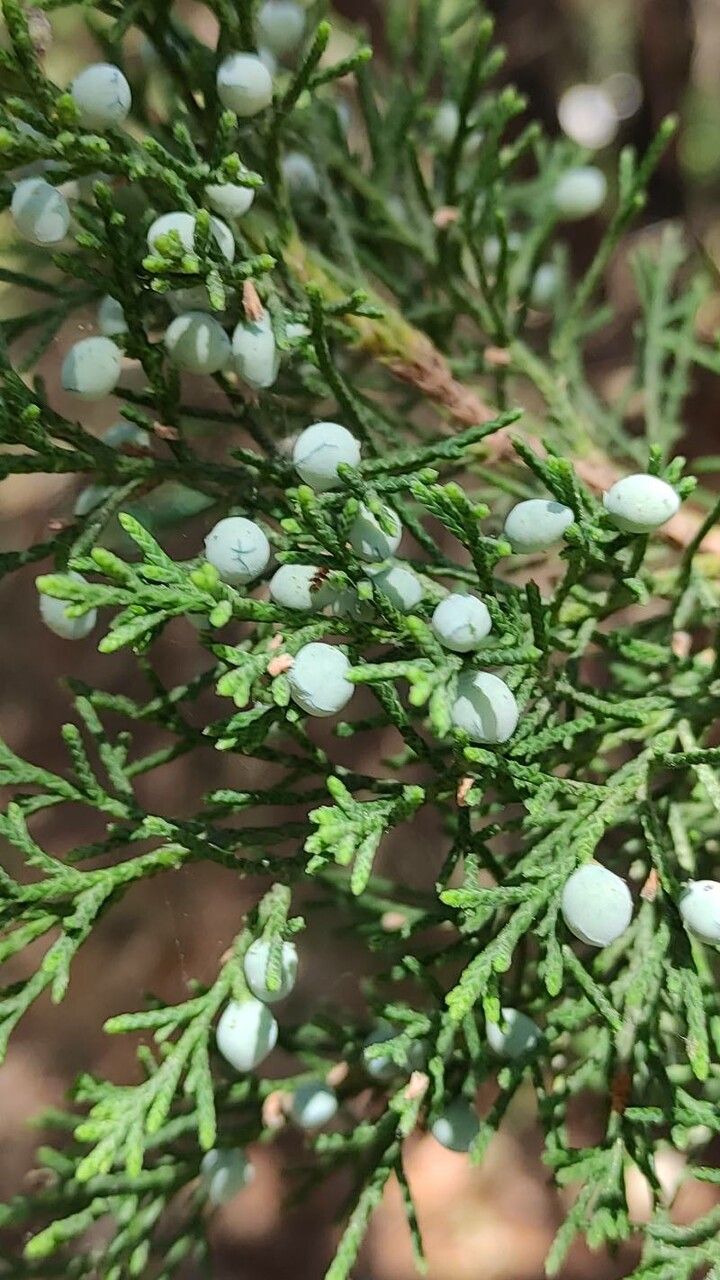
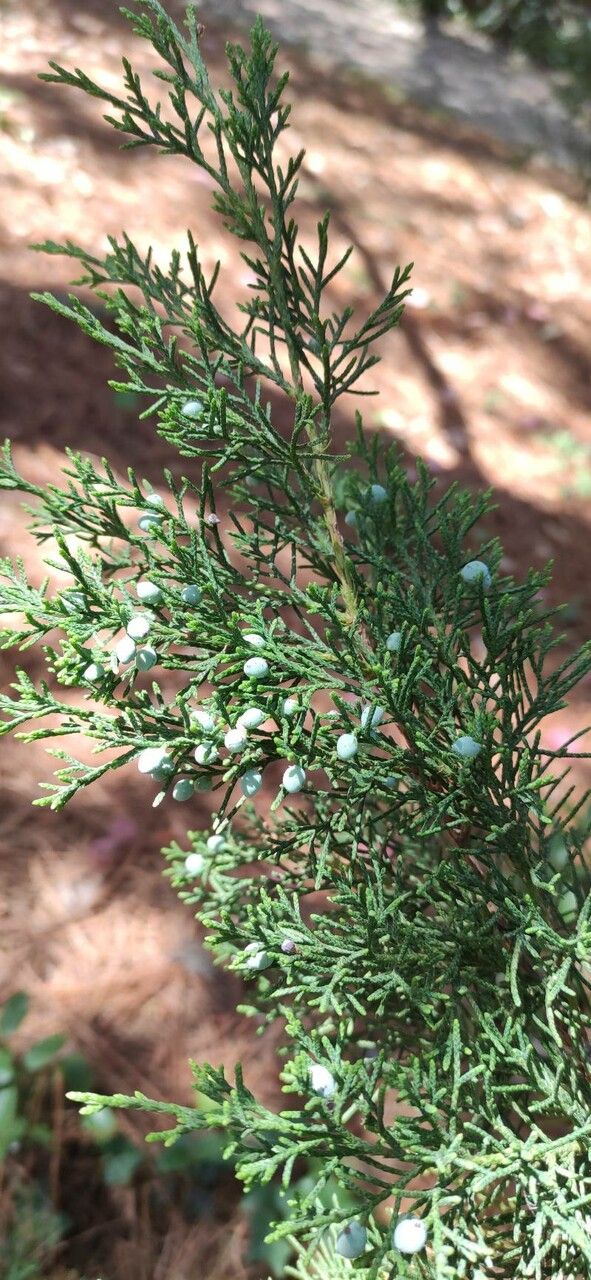
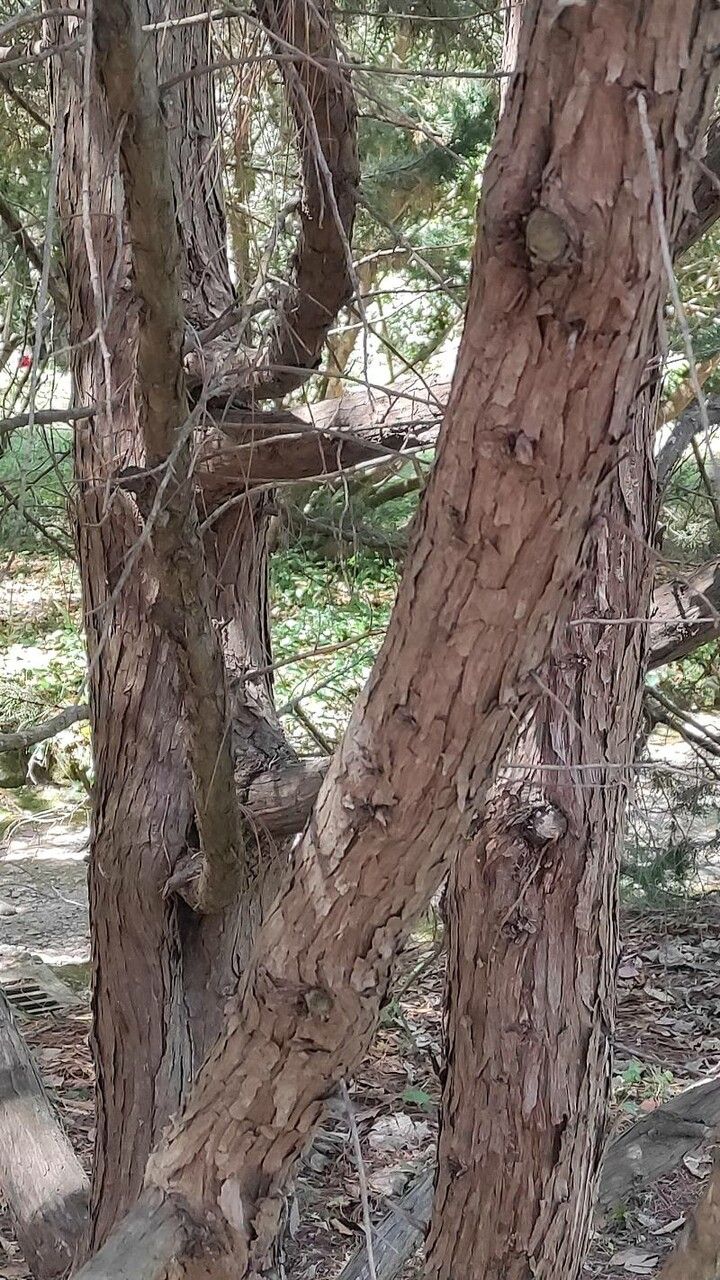
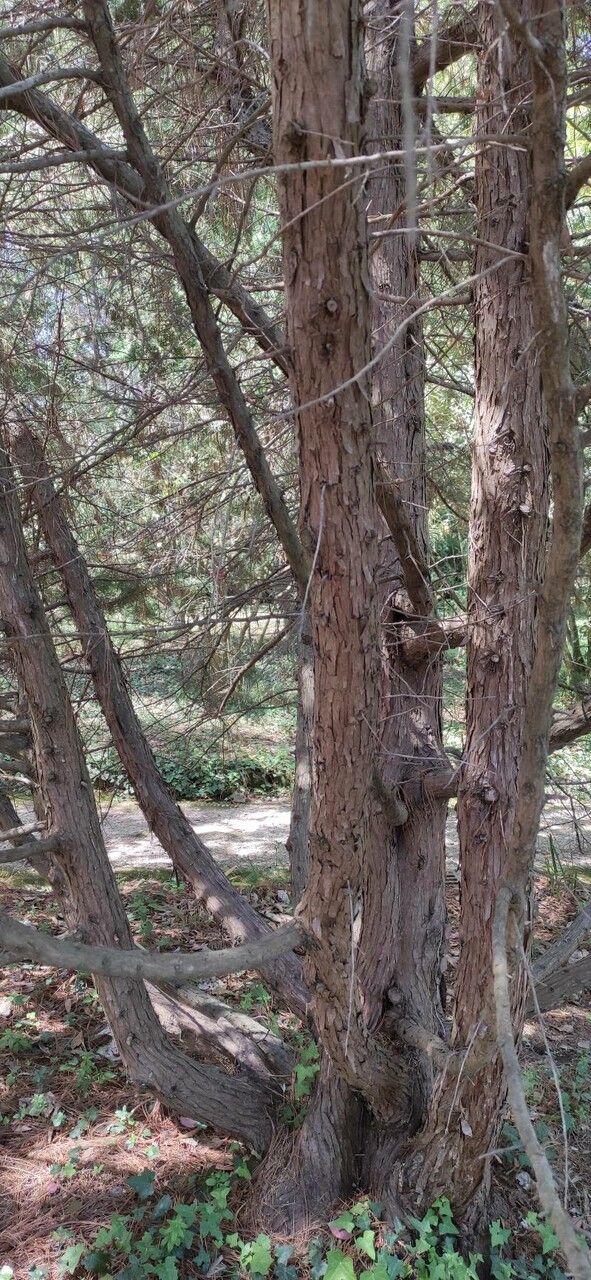
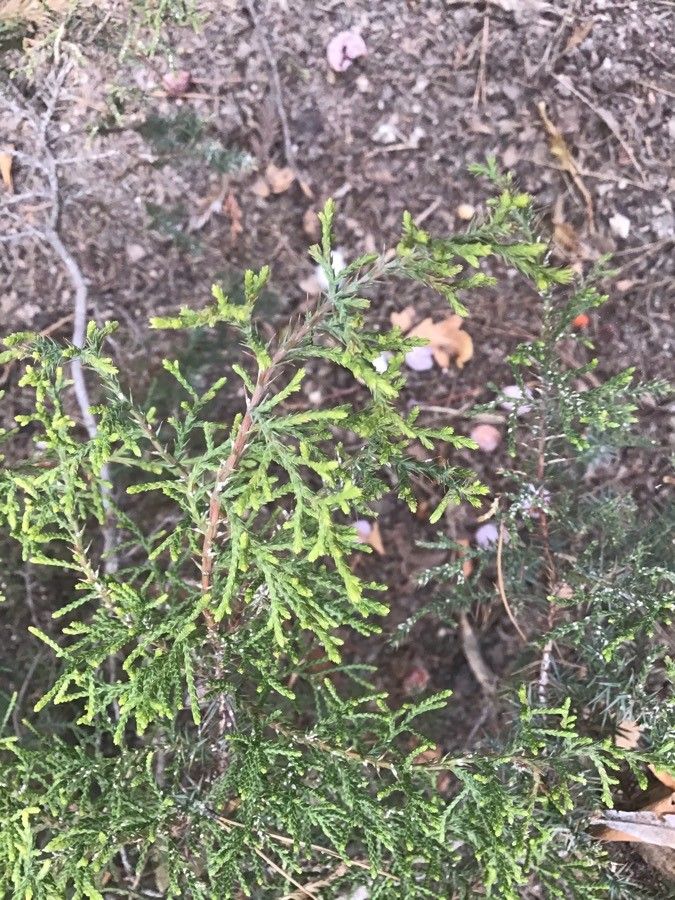
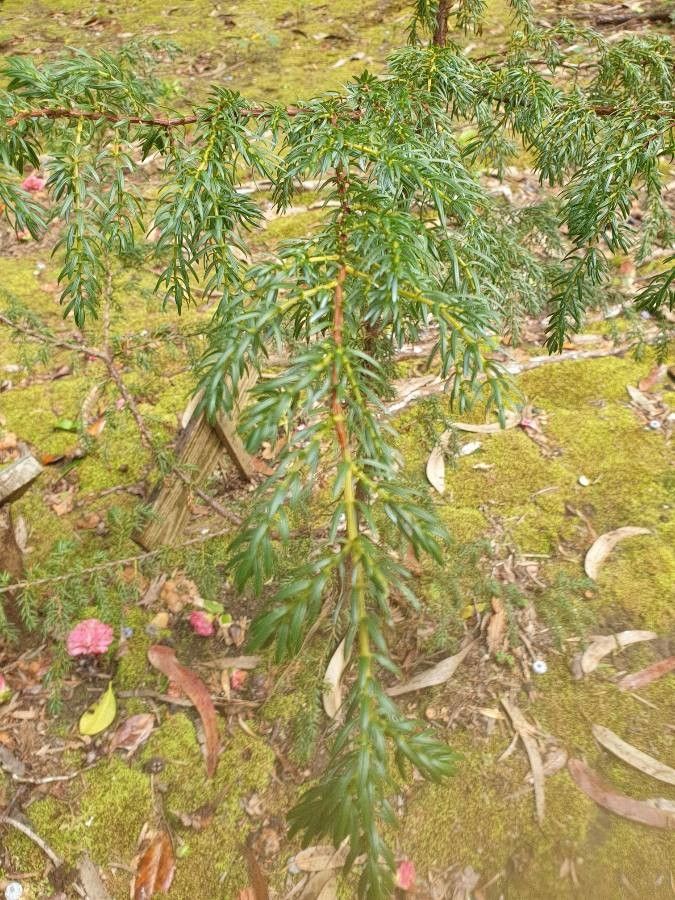
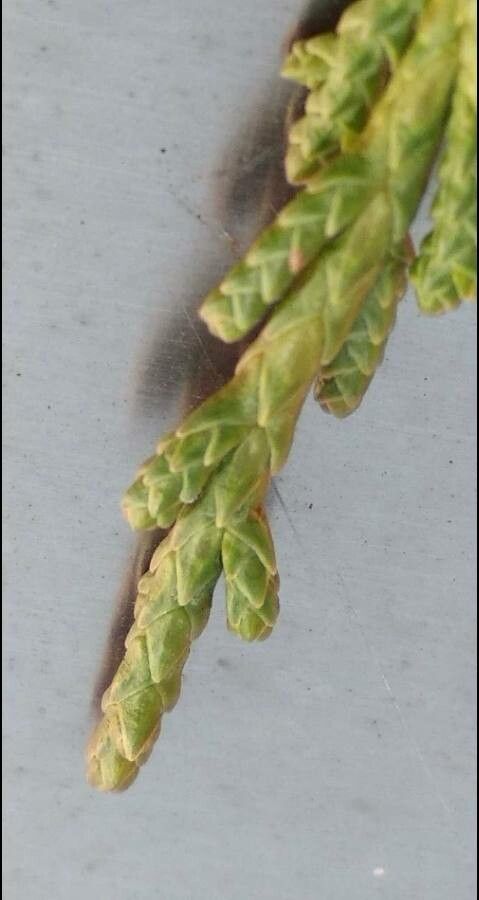
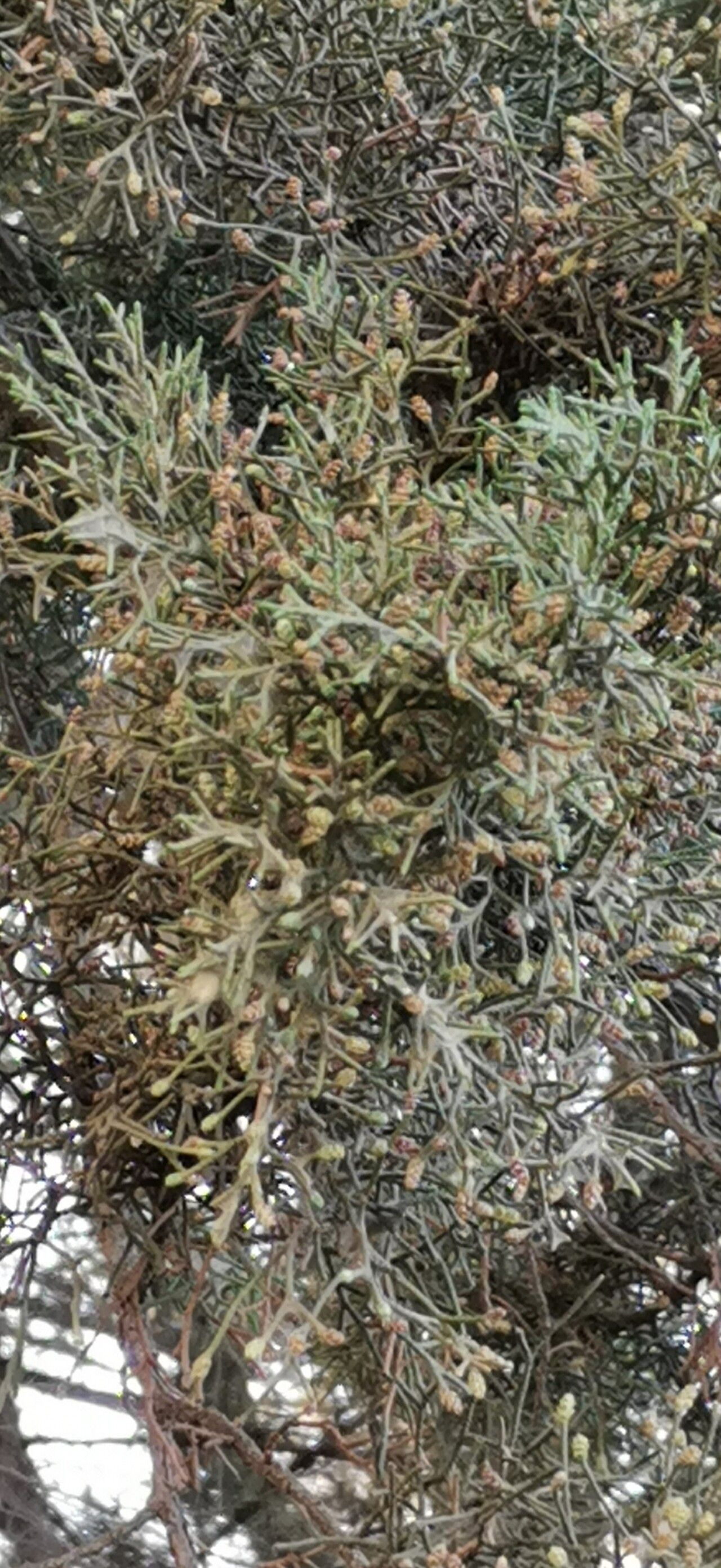
Juniperus bermudiana, commonly known as Bermuda cedar, is a species of evergreen conifer native to Bermuda. This tree, belonging to the cypress family, can reach heights of up to 20 meters and have a trunk diameter of up to 1 meter. It features a conical shape with dense, blue-green foliage and produces small cones.
Bermuda cedar has played a crucial role in the island's history and culture for centuries. It was once plentiful on the island, but over-harvesting for shipbuilding, furniture making, and other uses led to its endangerment by the late 20th century.
In recent years, conservationists and government agencies have made significant efforts to protect this species from extinction. The wood of the Bermuda cedar is highly valued for its durability and resistance to insects, making it ideal for outdoor uses such as decking and fencing.
Beyond its practical applications, Bermuda cedar is vital to the island’s ecosystem, providing habitat for various bird species, including warblers and thrushes.
Overall, Juniperus bermudiana, or Bermuda cedar, holds considerable cultural significance on the island and serves practical purposes through its wood products. Conservation efforts are essential not only for preserving this unique plant but also for maintaining biodiversity on Bermuda Island.
Botanical profile.
- Genus
- Juniperus
- Family
- Cupressaceae
Other names.