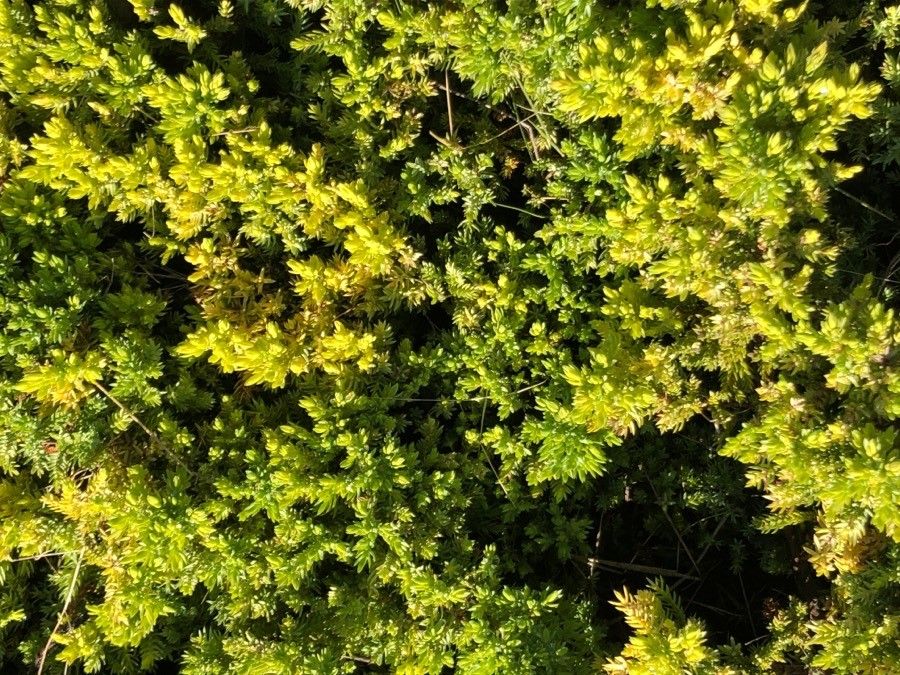
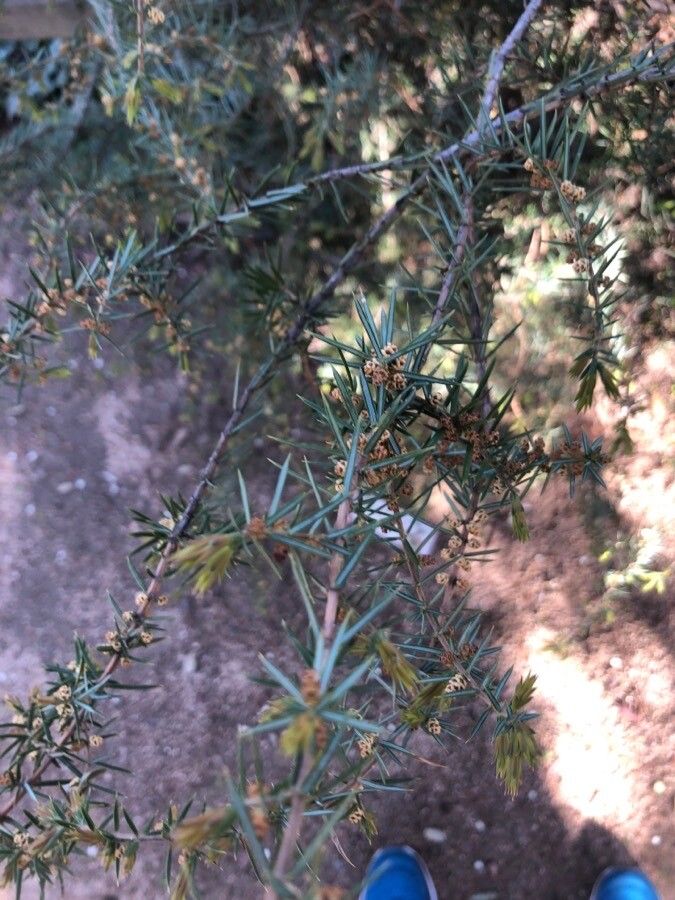
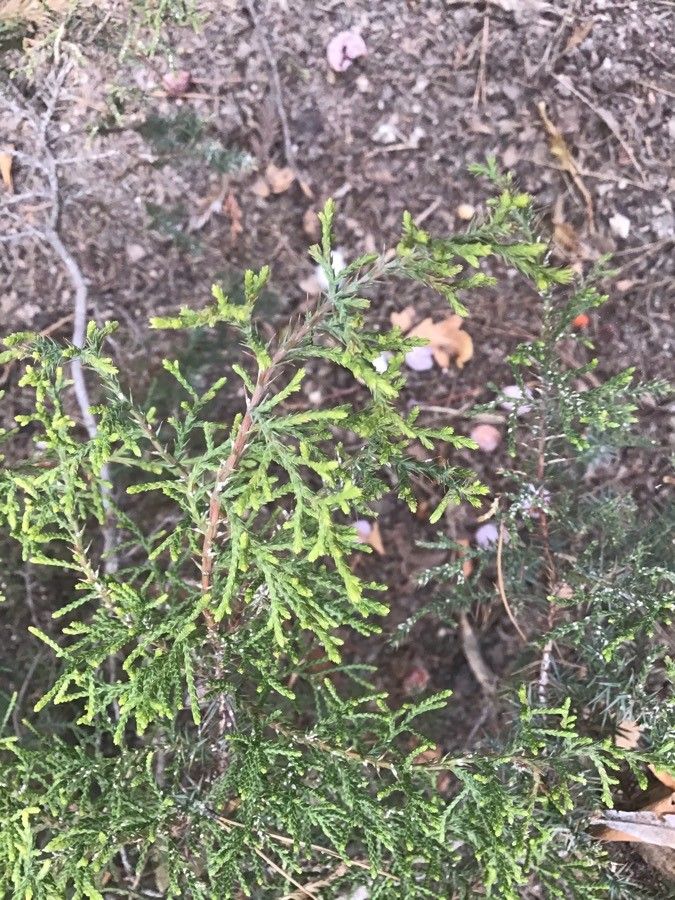
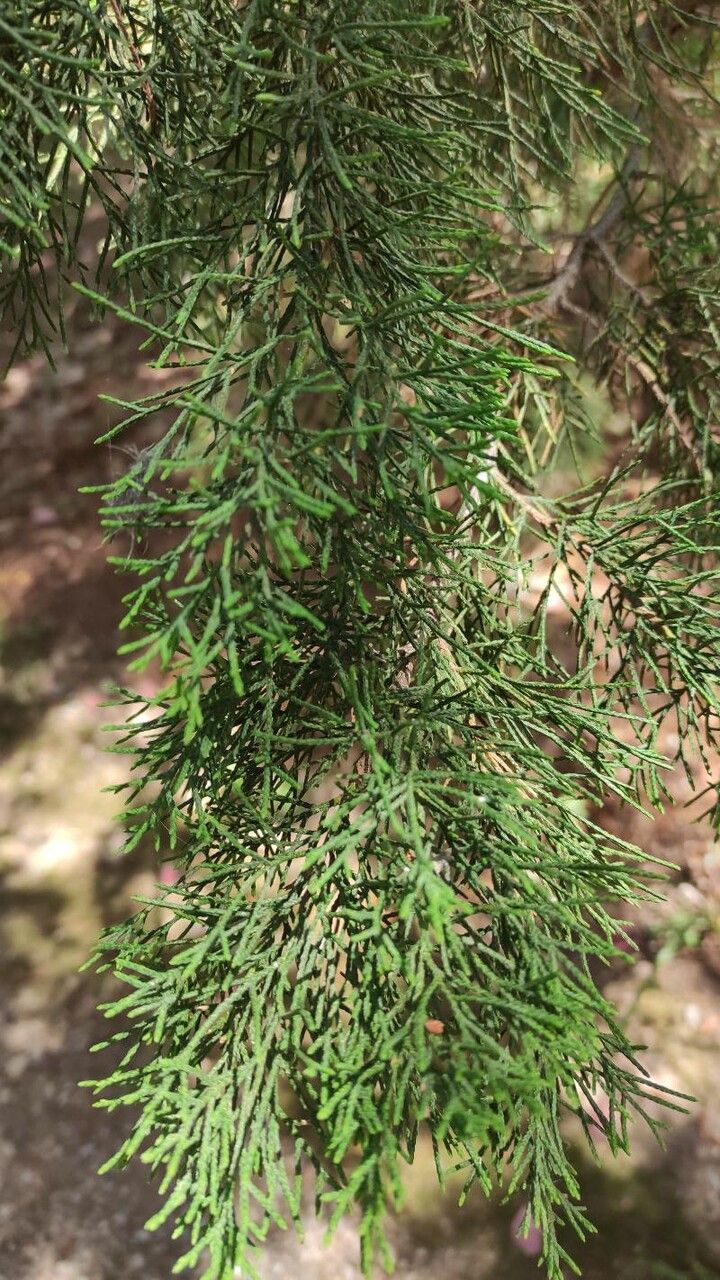
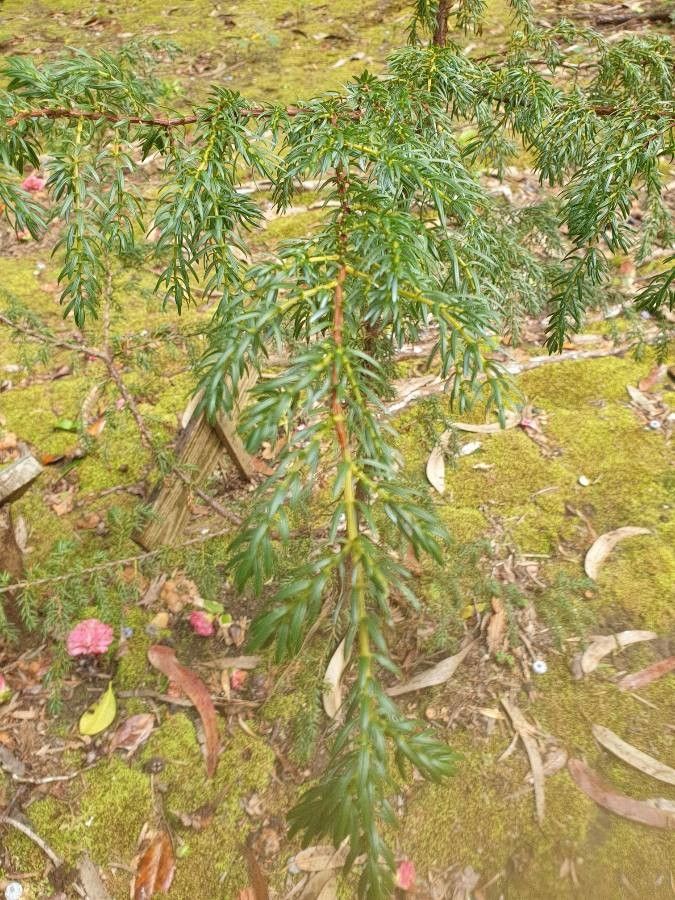
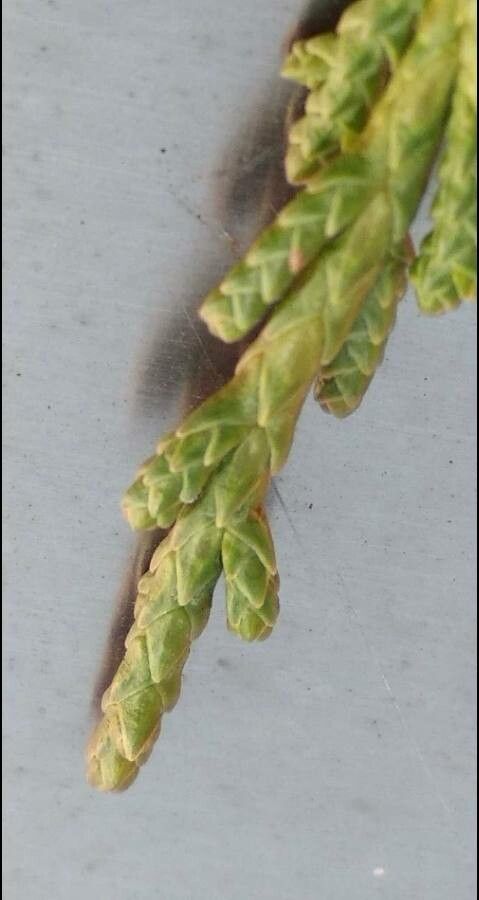
Juniperus procumbens, commonly known as the Japanese garden juniper, is a low-growing evergreen shrub native to Japan. This plant has a prostrate growth habit and can spread up to 10 feet wide. Its needle-like foliage is arranged in whorls of three, exhibiting a green color and a slightly prickly texture. The plant produces small blue-black cones roughly the size of a pea. It thrives in full sun to partial shade and prefers well-drained soil that is slightly acidic. The Japanese garden juniper is often used as ground cover or as an accent plant in rock gardens and bonsai arrangements due to its low-growing habit, appealing foliage, and tolerance for pruning. Overall, Juniperus procumbens is an excellent choice for those seeking an easy-to-grow evergreen shrub with unique texture, adding interest to any landscape design or container garden project.
Japanese garden juniper has strong resistance to disease and is generally not susceptible to illnesses. Regarding care, this plant is relatively low-maintenance. When planted outdoors it needs only minimal watering, and larger plants typically do not require pruning. Smaller plants, however, should be pruned after they have bloomed. Japanese garden juniper is suitable for anyone with outdoor space, such as a garden or a deck, and does not demand extensive gardening experience.
How to keep Juniperus Procumbens.
Light
Japanese garden juniper does best when sunlight reaches it unobstructed for most of the day, though it can tolerate periods with less light. Its growth and vigor are highest with ample sun exposure. Too little sunlight may cause poor growth, while too much can scorch the foliage.
Water
The Japanese garden juniper is drought-tolerant and thrives in dry environments, making it an excellent choice for xeriscaping. Water it sparingly, approximately every two weeks, and ensure the soil drains well to prevent root rot during wet conditions. Its resilience makes it perfect for low-maintenance outdoor cultivation.
Temperature
The Japanese garden juniper grows best in temperatures between 41 and 95 °F (5 and 35 °C). As a temperate woody species, it copes well with both cooler and warmer climates. It is most frequently found in cool-temperate areas that have hot summers. In winter, with proper protection it can tolerate lows of −22 °F (−30 °C).
Fertilizer
Japanese garden juniper has specific nutrient needs and does not require heavy fertilization. Spring is the best time to apply fertilizer for optimal growth. Providing nutrients improves its health, increases its resistance to pests and diseases, and helps sustain a long lifespan.
Pruning
To keep Japanese garden juniper healthy and well-shaped, regular pruning is essential. Start by removing dead branches and thinning out dense areas to improve airflow. The best time to prune is from early to late winter, as this encourages strong growth in the spring and helps maintain a vigorous and attractive plant.
Pot & Repot
When repotting Japanese garden juniper, select a pot 1-2 inches (2.5–5.1 cm) larger with adequate drainage. Use a well-draining potting mix. Repot in spring or fall, ensuring the root ball sits slightly below the rim of the flower pot. Water thoroughly after repotting and place in a warm spot with indirect sunlight.
Botanical profile.
- Plant Type
- Shrub
- Life Cycle
- Perennial
- Genus
- Juniperus
- Family
- Cupressaceae
- Hardiness Zone
- 4-9
- Mature Height
- 15 cm to 46 cm
- Mature Spread
- 3.05 m to 4.57 m
- Leaf Color
- Green, Blue
- Leaf Type
- Evergreen
- Bloom Time
- Mid spring, Late spring
- Planting Time
- Spring, Autumn
- Harvest Time
- Mid summer, Late summer, Early fall
- Native Area
- Japan
Other names.
Reader questions.
How should I water my Japanese garden juniper?
Watering your Japanese garden juniper is a straightforward task. To do so, simply turn on your garden hose and slowly soak the soil. This is the ideal approach for mature trees, as they may require a high volume of water. For smaller trees, a watering can or other smaller tool may suffice. It's important to avoid overhead watering, as excessive moisture on the leaves can cause disease, particularly in young trees.
Why is it necessary to add fertilizer to my Japanese garden juniper?
To promote healthy growth of Japanese garden juniper, it's important to fertilize it in the spring. Bear in mind that this plant has a long lifespan and requires adequate support. Moreover, enriching the soil with nutrients not only enhances the plant's overall health, but also helps it to better withstand typical pests and diseases that could hinder growth or reduce its lifespan.
How many hours of sunlight does a Japanese garden juniper need every day to grow healthy?
To promote healthy growth, it is important to ensure that the Japanese garden juniper receives a minimum of 3-6 hours of sunlight per day. In fact, this is the minimum requirement. However, most plants that can tolerate partial sunlight can also flourish in full sunlight. They are more adaptable because they require less light for photosynthesis compared to plants that need either full sunlight or partial shade.
What temperature is best for Japanese garden juniper?
The Japanese garden juniper thrives best in temperatures between 65 and 80℉ (18 to 27℃). It can tolerate higher temperatures up to 95℉ (35℃) during its main growing phase, but cannot handle temperatures lower than 15℉ (-10℃). However, this species is resilient and can survive freezing winters. The ideal temperature range for this plant is 65 to 80℉ (18 to 27℃), with the highest tolerable range being 85 to 95℉ (30 to 35℃) and the lowest tolerable range being -5 to 15℉ (-20 to -10℃) or below.
What should I do if I give too much or too little water to my Japanese garden juniper plant?
Overwatering your Japanese garden juniper can occur due to poor soils that do not allow for effective water drainage. If this happens, the plant may start to decline, indicating the need for either improving the soil drainage or transplanting the juniper to a more suitable location. If you have your juniper in a pot, you might need to repot it using looser soils and a container with better drainage. Overwatering can also lead to diseases, so it is important to treat any signs of illness promptly. In contrast, underwatering the juniper can be resolved by increasing the frequency of watering, which will help the plant recover. To identify if your juniper has been overwatered, check the foliage, especially the new growth, for discoloration or fragility. Excessive moisture in the soil can be confirmed if you observe standing water or slow drainage in the growing area. Underwatered juniper trees will have foliage that may appear sparse or brown. Take into consideration recent rainfall or consistently high temperatures as potential factors contributing to these symptoms.
When should I fertilize my Japanese garden juniper to get the best results?
Japanese garden juniper is unique when it comes to nutrient needs. Unlike typical garden plants, it doesn't demand a lot of additional nutrients. In fact, the best time to fertilize it is in the spring, right before new growth emerges. This is important because the growing medium may not always provide adequate nutrients for optimal growth.
What kind of sunlight does the Japanese garden juniper require?
Japanese garden juniper thrives in full or part sun, specifically benefiting from direct morning light. However, during summer, protection from the intense afternoon sun becomes necessary to prevent leaf burn and maintain the plant's appearance and overall health, especially in temperate environments.
Do I need to change the temperature for Japanese garden juniper as it grows?
The research suggests that the Japanese garden juniper may have stunted growth if it's exposed to higher temperatures for a long time, especially when the axillary buds and main shoots are developing. To promote healthy growth after germination or transplanting, it is recommended to keep the temperatures consistently cool, ideally around 65℉(18℃).
How often should I give water to my Japanese garden juniper?
A mature Japanese garden juniper is highly drought-tolerant and can rely solely on rainfall for survival. During the hottest months, watering once a week may be necessary, but for the rest of the year, watering may not be needed at all. The only exception is when the tree is newly planted, in which case regular watering is important for establishing the roots. It is crucial to avoid overwatering as this species does not tolerate standing water. When unsure, it is safer to refrain from watering rather than risking overwatering.
When is the best time to not use fertilizer on my Japanese garden juniper?
Japanese garden juniper does not require frequent fertilization like other plants. It can actually start dying back if given too much fertilizer. To avoid this, only apply fertilizer once in the spring, and avoid adding fertilizer or organic matter during the summer, fall, and winter seasons.
Can the sun harm Japanese garden juniper? How can I prevent sun and heat damage to my Japanese garden juniper?
To protect your Japanese garden juniper from direct sunlight damage, it's important to take a gradual approach when moving them from indoors to outdoors. Start by placing the pots in a shaded area and then gradually move them to a brighter spot. Even if the plants become acclimated to the sun, they can still suffer from extreme heat. During a heatwave, it's crucial to keep the soil consistently moist to help the plants handle the excessive heat. You can also provide extra protection for your junipers by moving them to an area with afternoon shade or by using a shade cloth.
How can I make sure Japanese garden juniper stays warm during cold seasons?
The Japanese garden juniper is a sturdy plant that can handle freezing temperatures in the ground, as long as it doesn't drop below -10℃ (15℉) during winter. However, if you have it in a pot or container, you'll need to take extra care to protect its roots from the cold. You can do this by wrapping the container in a blanket or bringing it indoors where it will be shielded from the elements.