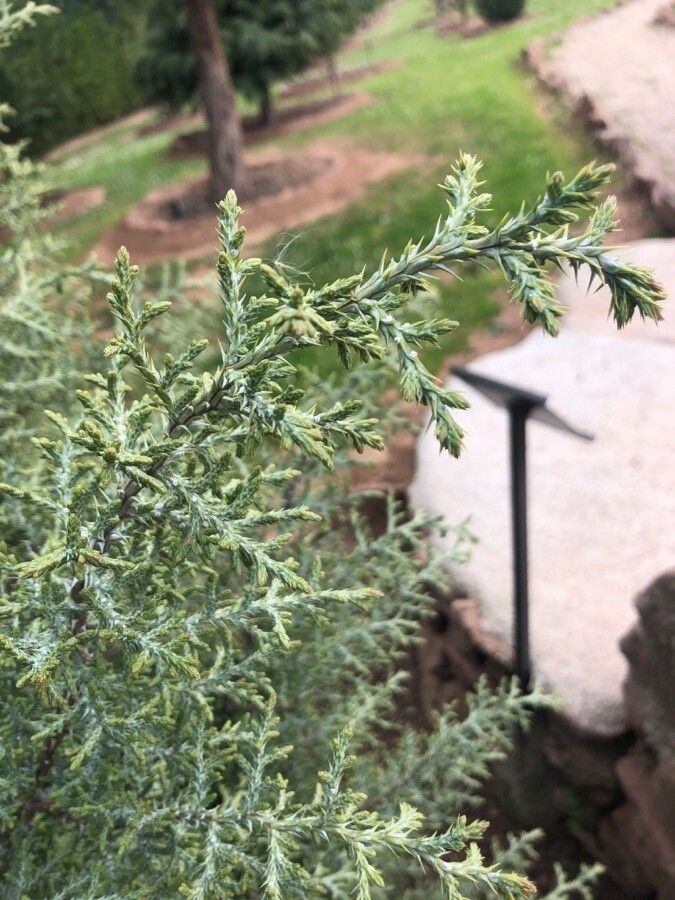
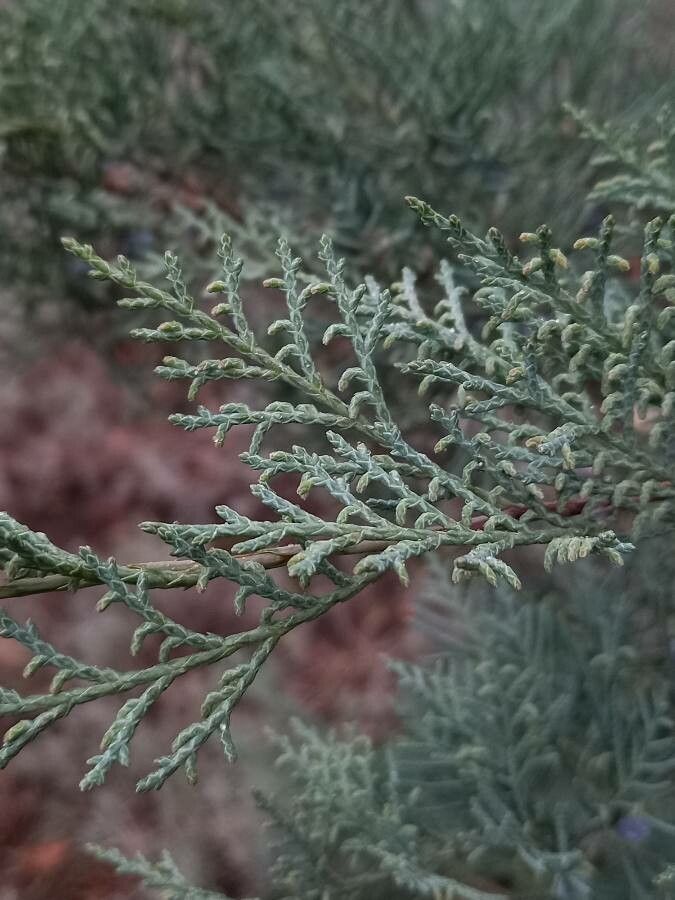
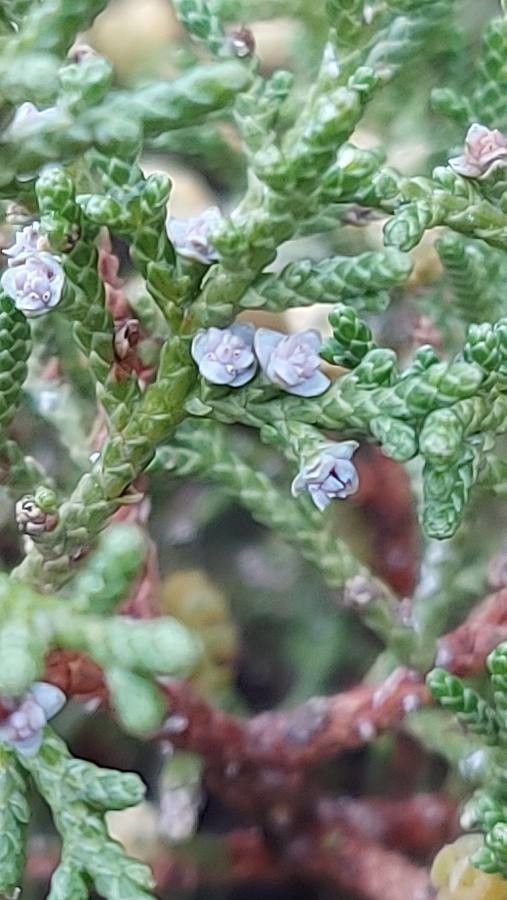
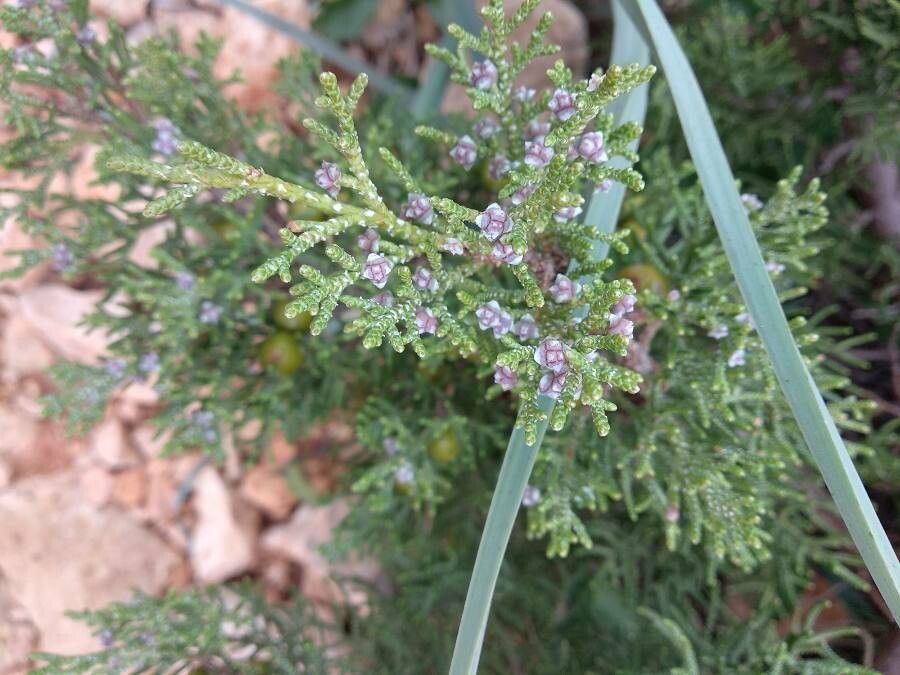
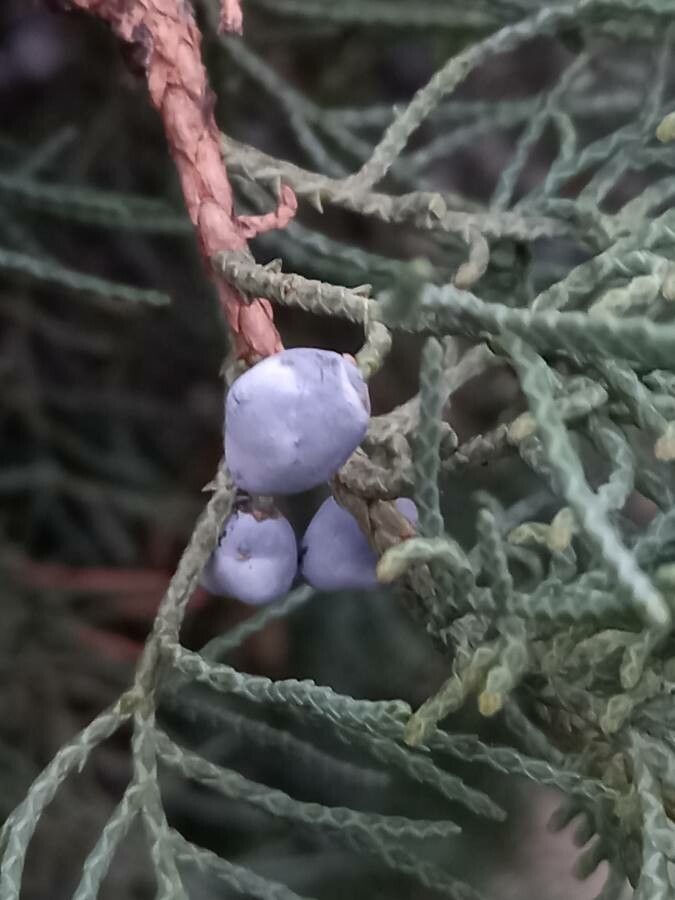
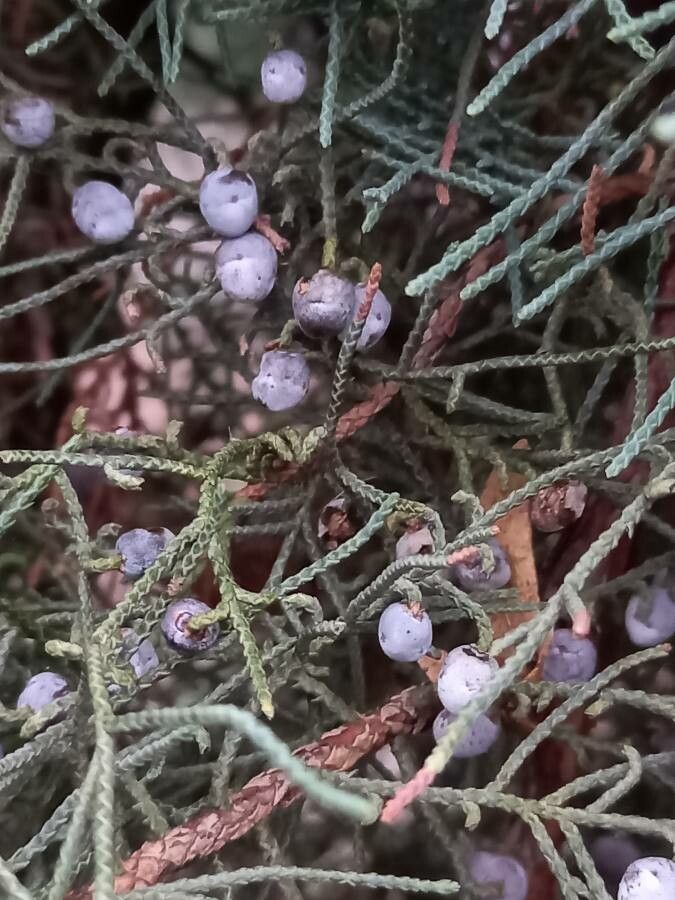
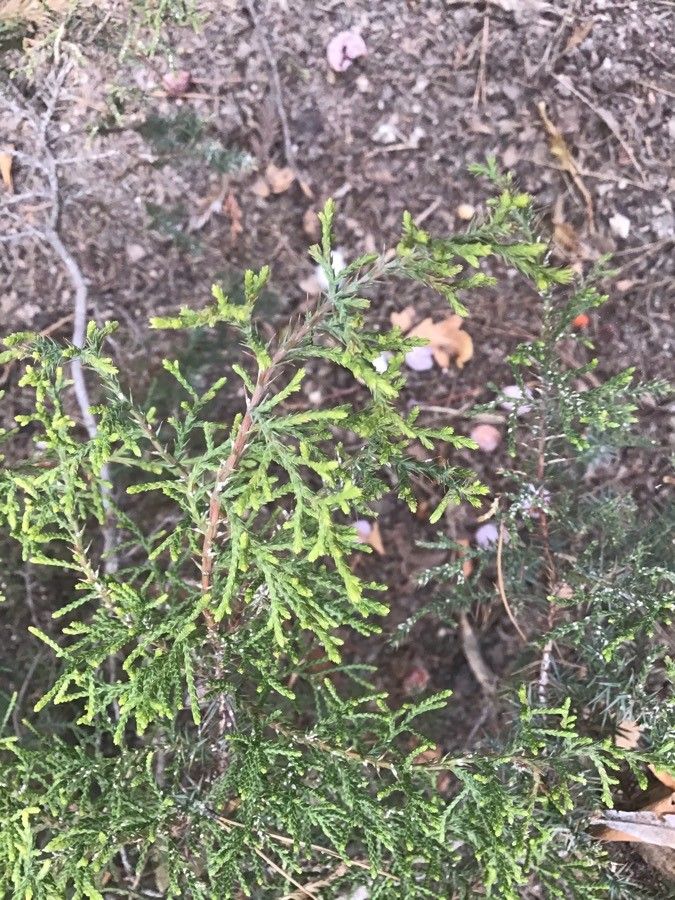
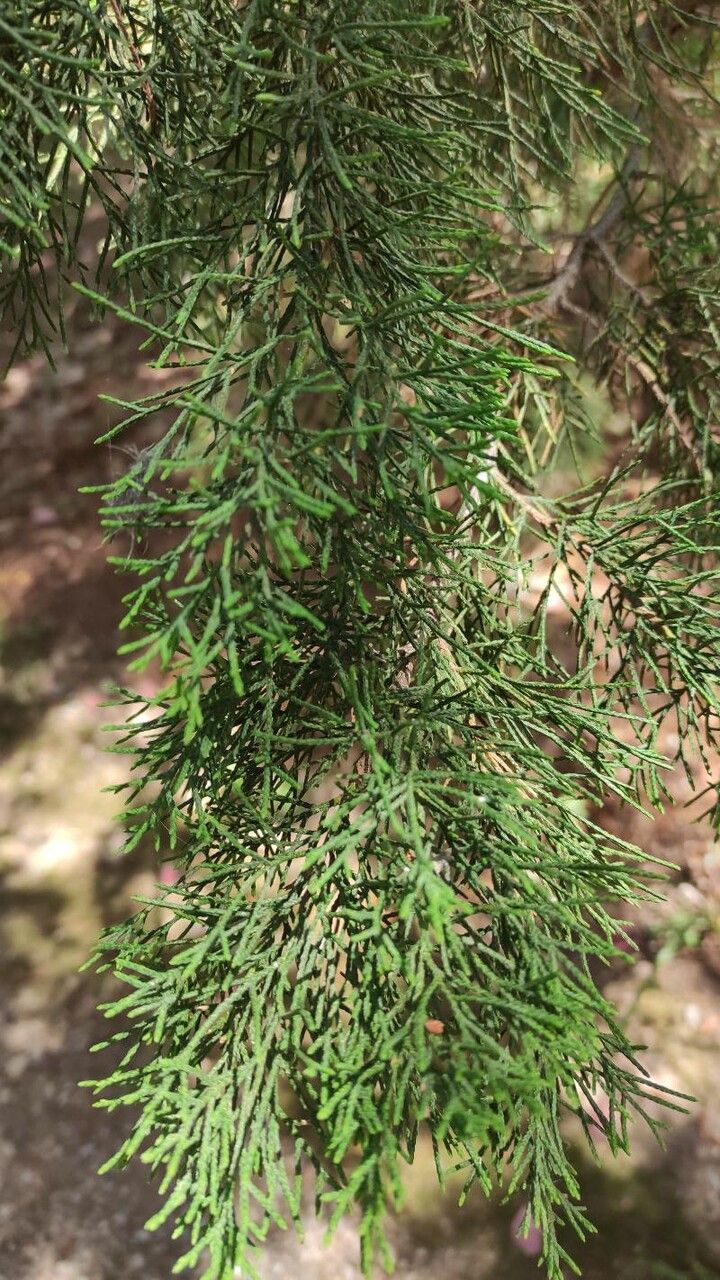
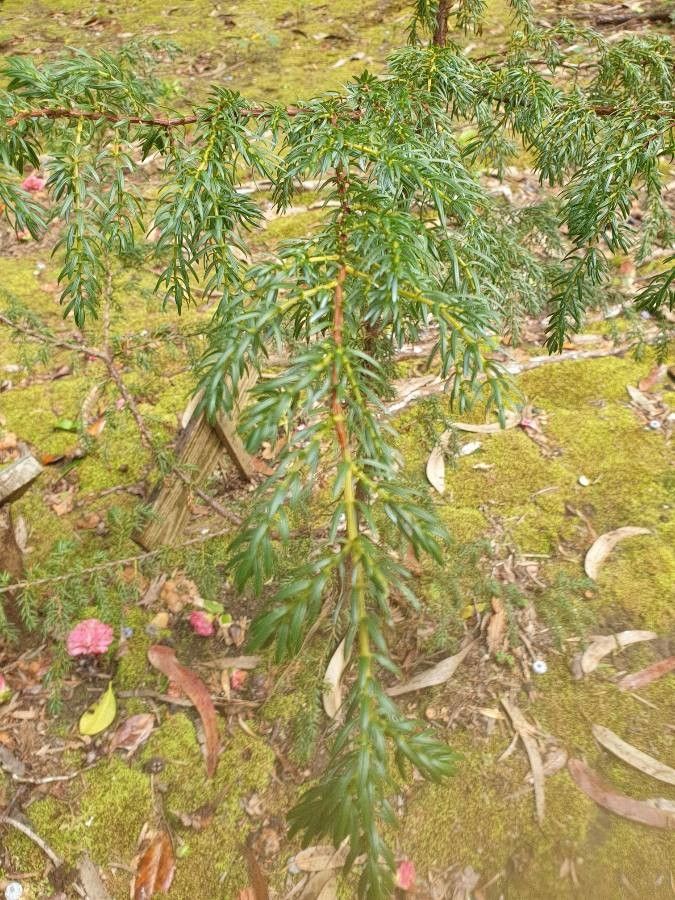
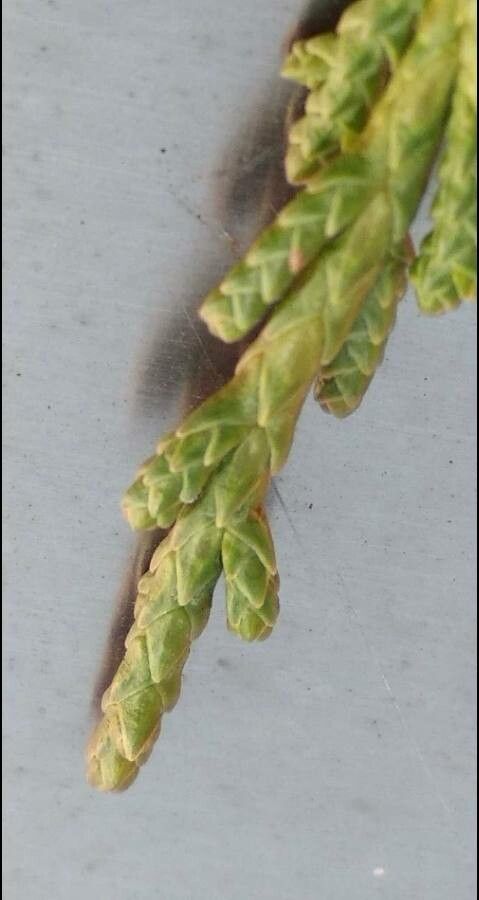
Juniperus osteosperma, commonly known as Utah juniper or desert juniper, is an evergreen shrub or small tree that belongs to the cypress family. Native to the western United States, it thrives in arid regions such as deserts and semi-arid grasslands.
The Utah juniper can grow up to 30 feet tall with a trunk diameter of up to 3 feet. Its dense, conical crown features blue-green foliage composed of scale-like leaves arranged in opposite pairs. The plant produces small, round cones that are fleshy when young, becoming dry and woody as they mature.
This plant plays a crucial role in local ecosystems, providing food and shelter for a variety of wildlife, including birds, deer, rabbits, squirrels, and insects. Additionally, it has medicinal properties; Native Americans have historically used the leaves to treat various ailments such as colds, coughs, and arthritis pain.
Despite its resilience in arid conditions, the Juniperus osteosperma population has been declining due to habitat loss caused by human activities like livestock grazing. While it is currently listed as "Least Concern" on the IUCN Red List, conservation efforts are needed to ensure this species can thrive again in its natural habitat.
Utah Juniper has strong resistance to disease and is generally not susceptible to illnesses. As for care, this plant is fairly low maintenance. When planted outdoors it needs little watering, and larger plants typically do not require pruning. Smaller plants, however, should be pruned after they have bloomed. Utah Juniper is appropriate for anyone with an outdoor area, such as a garden or deck, and does not demand much prior care experience.
How to keep Juniperus Osteosperma.
Light
Utah Juniper strongly prefers sunlight and performs best in open, unshaded areas. It can tolerate some shade, but ample light is required for optimal development. The brightness characteristic of its native open habitats influences its healthy growth. Too little light can stunt its growth, whereas too much can cause foliage discoloration.
Water
The Utah Juniper thrives in arid environments due to its high drought tolerance and minimal moisture requirements. It should be watered only once a week. As an evergreen ideal for xeriscaping, the Utah Juniper efficiently stores water in its needle-like leaves, allowing it to maintain its foliage without frequent irrigation.
Temperature
The Utah juniper grows best in temperatures from -13 to 90 ℉ (-25 to 32 ℃). Native to Utah’s harsh desert climate, the plant has adapted to the extreme temperature swings between day and night. In summer it tolerates higher temperatures by reducing evapotranspiration through its waxy leaves.
Fertilizer
Utah Juniper has specific nutrient needs and does not require heavy fertilization. Spring is the best time to apply fertilizer for optimal growth. Providing nutrients enhances its health, increases resistance to pests and diseases, and helps maintain its long lifespan.
Pruning
The Utah Juniper is an evergreen that is well-adapted to drought conditions and has scale-like leaves with berry-like cones. To keep it in good shape and maintain its health, prune it during late winter when the plant is dormant. It's important to make clean cuts and avoid over-pruning, as this helps encourage growth and improves air circulation, ensuring the plant stays healthy.
Pot & Repot
When repotting Utah Juniper, select a container 1–2 inches (2.5–5.1 cm) larger with good drainage. Use a well-draining potting mix. Repot in spring or fall, making sure the root ball sits slightly lower than the rim of the flower pot. Water thoroughly after repotting and place it in a warm spot with indirect sunlight.
Botanical profile.
- Plant Type
- Tree
- Life Cycle
- Perennial
- Genus
- Juniperus
- Family
- Cupressaceae
- Hardiness Zone
- 4-8
- Mature Height
- 3.05 m to 6.1 m
- Mature Spread
- 3.66 m to 9.14 m
- Leaf Color
- Green
- Leaf Type
- Evergreen
- Flower Color
- Yellow, Green
- Bloom Time
- Mid spring, Late spring
- Planting Time
- Spring, Autumn
- Harvest Time
- Mid summer, Late summer, Early fall
- Native Area
- Southwest United States
Other names.
Reader questions.
How should I water my Utah Juniper?
Watering your Utah Juniper is a simple task. The easiest way to do this is by using a garden hose to slowly soak the soil. For larger trees, a high volume of water is needed, so the garden hose is the best tool. However, for smaller trees, a watering can or smaller tool will suffice. It's important to avoid overhead watering as this can cause disease, especially in young trees.
Do I really have to put fertilizer on my Utah Juniper?
To promote a Utah Juniper's healthy growth, it's beneficial to fertilize it in the spring. Keep in mind that this plant has a long lifespan and requires support. By enriching the soil with nutrients, you can enhance the plant's health, helping it to better withstand pests and diseases that could impede growth or reduce its lifespan.
What are the sunlight requirements for Utah Juniper plants?
Utah Juniper thrives best in full sun, requiring above 6 hours of sunlight daily. It can tolerate partial sun, meaning about 3-6 hours of sunlight. It's essential to observe the movement of sunlight through your garden to select the ideal locations for planting, ensuring a perfect balance of light and shade to keep your plants healthy. The plant's strong thirst for sunlight underscores its need for open, bright environments for optimal growth, although it can endure moderate shade. Inadequate or excessive sunlight might result in stunted growth or foliage discoloration.
What are the ideal growing conditions for Utah Juniper?
Utah Juniper thrives in temperatures ranging from -13 to 90°F (-25 to 32°C), typical of its native harsh desert climate in Utah. It is well adapted to withstand the significant temperature fluctuations between day and night found in these environments. The plant has evolved strategies to cope with high temperatures during the summer, such as reducing evapotranspiration through its waxy leaves. It also possesses strong cold resistance, generally not requiring special frost protection measures during winter. However, if winter temperatures are expected to drop below the growth limit temperature, it is advisable to protect the plant by wrapping the trunk and branches with materials like non-woven fabric. To assist in winter survival, watering the plant abundantly before the first freeze to keep the soil moist is recommended, helping to prevent drought and water scarcity.
What do I do if I give my Utah Juniper too much or too little water?
Overwatering your Utah Juniper can happen if the soil doesn't drain well. This can cause the plant to decline. To fix this, you can improve the soil drainage or relocate the juniper to a better spot. If it's in a pot, you may need to repot it with looser soil in a container that drains better. Overwatering can also lead to diseases, so treat them promptly. If your Utah Juniper is underwatered, simply water it more often and it should recover. To determine if your juniper is overwatered, check the foliage, especially the new growth. Discolored or easily breakable new growth indicates too much moisture. Standing water or slow drainage are also signs of overly moist soil. Underwatered junipers will have sparse, brown leaves. Consider recent excessive rain or constant high temperatures as potential causes.
When should I fertilize my Utah Juniper tree?
The growing medium may not always provide sufficient nutrients for healthy growth, but Utah Juniper is an exception. Unlike garden annuals and perennials, it does not need a lot of extra nutrients. The optimal time to fertilize Utah Juniper is in the spring, prior to the emergence of new growth.
How can artificial lighting benefit indoor Utah Juniper plants?
Indoor Utah Juniper plants benefit significantly from artificial lighting, especially when natural sunlight is insufficient, such as during winter or in less sunny spaces. Artificial lights, like LED lights, which can mimic specific wavelengths of sunlight, offer a viable solution. For full sun plants, 30-50W/sq ft of artificial light is recommended; for partial sun plants, 20-30W/sq ft; and for full shade plants, 10-20W/sq ft. The light source should be placed 12-36 inches above the plant to simulate natural sunlight, and most plants require 8-12 hours of light per day to promote faster, healthier growth.
How should you care for Utah Juniper in low temperature conditions?
Utah Juniper is cold-tolerant and can thrive in low temperatures above a certain minimum. It should be kept above the tolerable growing temperature minimum during winter. If temperatures fall below the growth limit temperature, while there might not be noticeable changes during the winter, branches might become dry and brittle and no new shoots will emerge by spring. To address this, it's advised to prune any dead branches that didn’t produce new leaves in spring, helping the plant maintain its health and vigor despite the cold stress.
How frequently should I water my Utah Juniper?
A mature Utah Juniper is drought tolerant and can survive on rainfall alone, requiring very little water. During the hottest months, it may need watering about once a week, but in other seasons, watering might not be necessary. However, if you have recently planted a Utah Juniper, regular watering is important to help the roots establish. Remember, standing water is not tolerated by this tree species. When unsure, it's safer to avoid watering too much than to risk overwatering.
When is the best time to not fertilize my Utah Juniper?
Utah Juniper does not need frequent fertilization like other plants. It thrives without a lot of extra nutrients. However, be cautious about applying too much fertilizer, as it can cause the plant to die back. If you do choose to fertilize, only do so in the spring and avoid adding any fertilizer or organic matter during the summer, fall, and winter seasons.
What are the signs of light deficiency in Utah Juniper plants?
Signs of light deficiency in Utah Juniper plants include smaller new leaves, leggy or sparse growth, faster leaf drop, slower or no new growth, and lighter-colored new leaves, which indicate insufficient chlorophyll and essential nutrients. Chlorosis, or the loss of leaf green color, sunscald, leaf curling, wilting, and leaf scorching are also symptoms that can arise from inappropriate light conditions. These symptoms reflect the plant's struggle to adapt to suboptimal lighting, highlighting the necessity for proper light exposure.
What steps should be taken to protect Utah Juniper in high temperature conditions?
During the summer, it's crucial to ensure that the Utah Juniper is not subjected to temperatures above its suitable growth maximum. If temperatures exceed the tolerable growing temperature maximum, the plant's leaves may lighten in color, tips may dry and wither, and it becomes more prone to sunburn. To mitigate these effects, trim away the sunburned and dried parts. Consider moving the plant to a shaded area or use a shade cloth to protect it from midday and afternoon sun. Additionally, water the plant in the morning and evening to maintain soil moisture and help the plant cope with the heat.