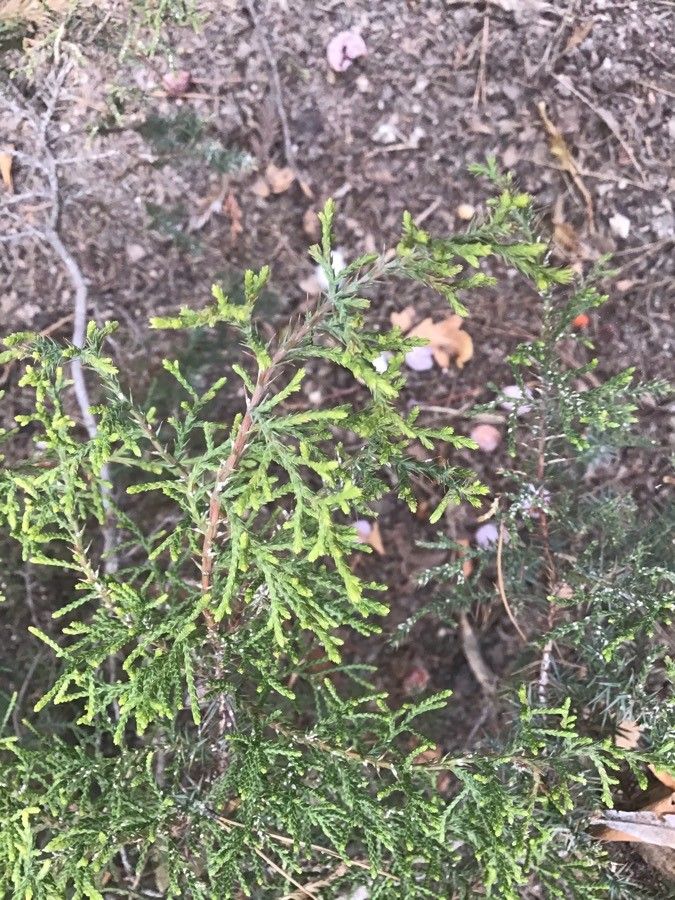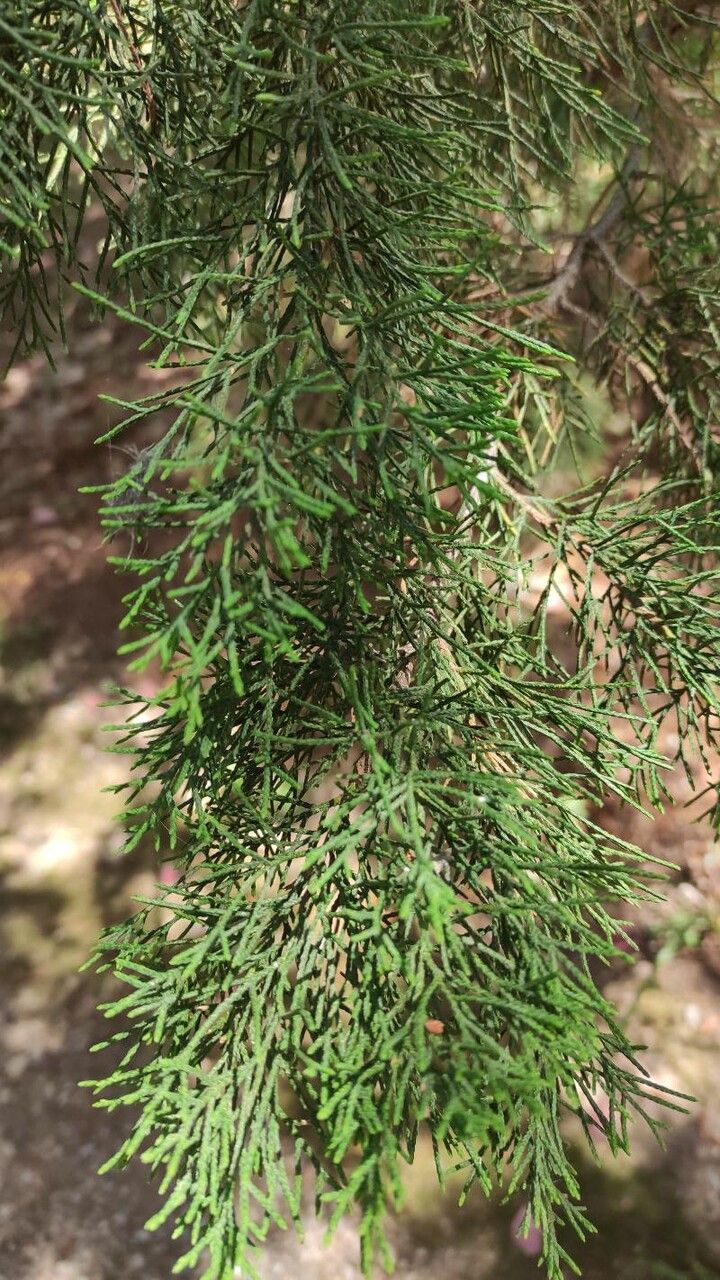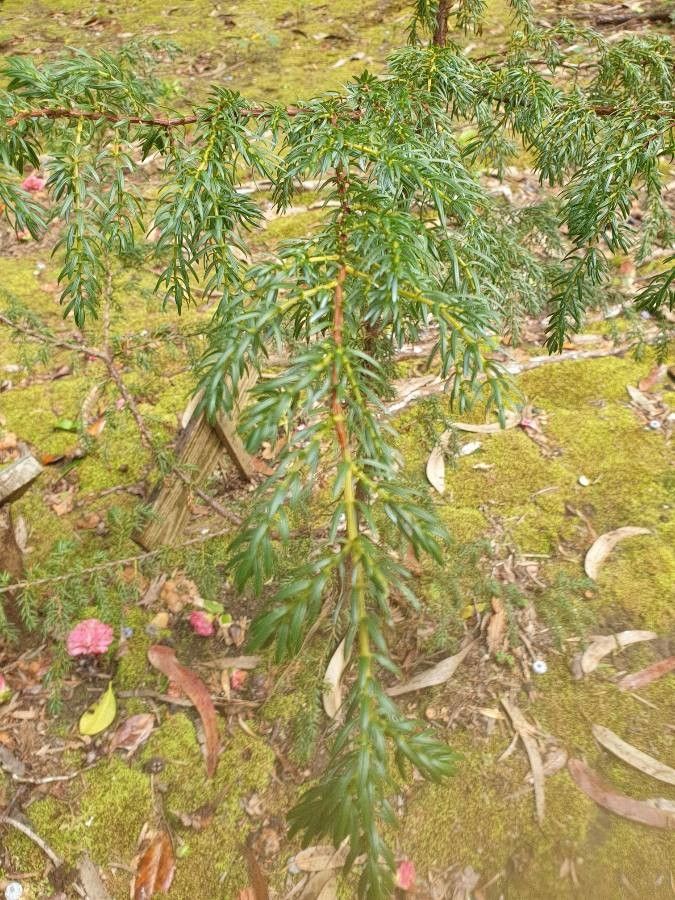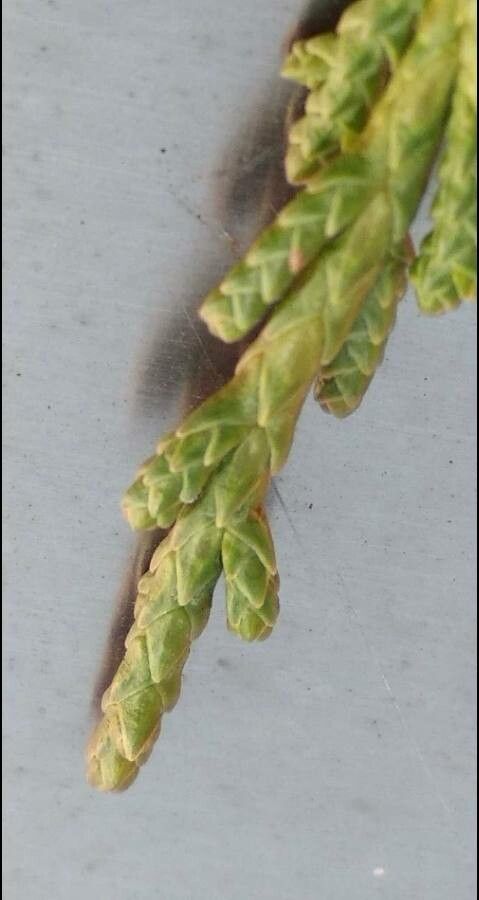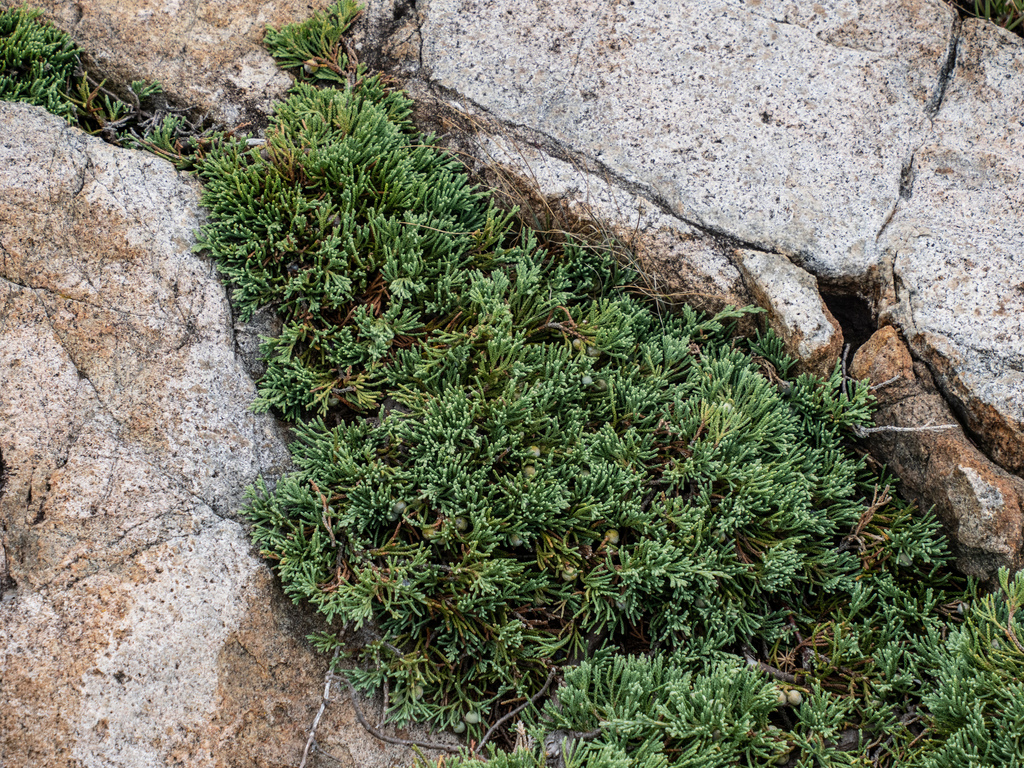
Juniperus horizontalis, commonly known as creeping juniper or creeping cedar, is a low-growing evergreen shrub native to North America. Typically, it reaches a height of 10-20 inches and spreads out to a width of 6-8 feet. The plant has a prostrate growth habit, with branches that extend horizontally along the ground.
The foliage of Juniperus horizontalis consists of needle-like leaves arranged in whorls of three. The needles are green but turn bronze or purple during the winter months. In spring, the plant produces small, inconspicuous flowers that give way to blue-black berries.
Creeping juniper thrives in well-drained soils and prefers full sun exposure, though it can tolerate some shade. While it is drought-tolerant once established, it requires regular watering during its first year of growth.
Creeping juniper is a low-growing ground cover that requires minimal care and is drought tolerant, making it incredibly easy to maintain. Once planted, you can almost forget about it. It serves well as a border, ground cover, and is effective at preventing soil erosion. The foliage releases a pleasant fragrance, and female plants produce small, unobtrusive berries. FUN FACT · FROM THE LIBRARY
Juniperus horizontalis has a variety of uses, including as ground cover, erosion control on slopes or banks, in rock gardens, as a border or edging plant for pathways or driveways. It also makes an excellent container plant for patios and decks.
Overall, Juniperus horizontalis is an attractive, low-maintenance shrub that provides year-round interest with its evergreen foliage and seasonal color changes. This makes it a popular choice among gardeners across North America.
Creeping juniper lives up to its name, both scientifically and commonly. It typically grows 10 to 30 cm tall but often spreads several meters wide.
Creeping juniper shows strong resistance to diseases and is generally unlikely to suffer from them. In terms of care, the plant is fairly low-maintenance. When grown outdoors it needs little water, and larger specimens typically do not require pruning. Smaller plants, however, should be pruned after they finish blooming. Creeping juniper is appropriate for anyone with outdoor space, such as a garden or deck, and does not demand much gardening experience.
How to keep Juniperus Horizontalis.
Light
Creeping juniper does well with plentiful sunlight and can tolerate moderate shade. In its native environment it grows robustly when exposed to abundant light. Conversely, insufficient light impairs growth and results in poor foliage. Its foliage is most vibrant with ample light. Both excessive and inadequate light can undermine its health.
Water
Creeping juniper is well-suited to rocky and cold environments, where it thrives. It is highly tolerant of drought, needing water only every 1-2 weeks. As an evergreen plant, creeping juniper keeps its foliage throughout the year. It requires well-draining soil, which makes it an excellent choice for outdoor ground cover in areas similar to its native habitat.
Humidity
This plant will thrive in moderate humidity, which is probably the level in your home. However, misting it a few times a week can be very beneficial. Make sure the room has good ventilation.
Temperature
The creeping juniper plant is native to temperate regions and can tolerate temperatures ranging from 32 to 95 ℉ (0 to 35 ℃). It prefers mild, consistent temperatures throughout the year. In colder months it may benefit from protection from freezing winds or snow accumulation.
Fertilizer
Creeping juniper has specific nutrient needs and does not require heavy fertilization. The best time to apply fertilizer for optimal growth is in spring. Supplying nutrients improves its health, increases its resistance to pests and diseases, and helps maintain a long lifespan.
Pruning
Creeping juniper is a low-growing evergreen shrub with dense, needle-like foliage. To maintain its shape, prune the plant from early to late winter. This includes removing dead branches and thinning out overcrowded areas to improve air circulation. Ensure your tools are sterilized to make clean cuts and prevent the spread of disease.
Pot & Repot
When repotting Creeping juniper, choose a pot 1–2 inches (2.5–5.1 cm) larger with ample drainage. Use a well-draining potting mix. Repot in spring or fall, making sure the root ball sits slightly below the rim of the flower pot. Water thoroughly after repotting and place the pot in a warm spot with indirect sunlight.
Botanical profile.
- Plant Type
- Shrub
- Life Cycle
- Perennial
- Genus
- Juniperus
- Family
- Cupressaceae
- Hardiness Zone
- 3-9
- Mature Height
- 10 cm to 30 cm
- Mature Spread
- 0.91 m to 2.44 m
- Leaf Color
- Green, Blue, Yellow
- Leaf Type
- Evergreen
- Flower Color
- Yellow, Green
- Flower Size
- 0.20 cm to 0.51 cm
- Bloom Time
- Early spring, Mid spring
- Planting Time
- Spring, Autumn
- Harvest Time
- Mid summer, Late summer, Early fall
- Native Area
- North regions of North America
Other names.
Reader questions.
When Should I Water My Creeping Juniper?
Watering creeping juniper at the right time is crucial for its health and growth. If the soil feels dry to the touch, it's a signal that the plant needs water. Additionally, drooping foliage, a change in the color or texture of the foliage to a less vibrant green-blue or to brown and brittle, are all indicators of dehydration. Be careful not to overwater or underwater as both conditions can harm the plant. Recognize early signs of distress, such as drooping or yellow foliage with dry soil for under-watering and soggy soil for over-watering, to maintain your creeping juniper's health.
Why should I put fertilizer on my Creeping juniper plant?
To promote healthy growth of creeping juniper, it is recommended to fertilize the plant in the spring. This particular plant has a long lifespan and requires support. Adding nutrients to the soil can enhance its overall health, enabling it to better withstand common pests and diseases that could hamper growth or reduce its lifespan.
What are the sunlight requirements for creeping juniper?
Creeping juniper requires full sun, meaning it should receive more than 6 hours of sunlight daily, but it can also thrive in partial sun, with about 3-6 hours of sunlight. It's essential to observe your garden to identify spots that provide the ideal balance of light and shade, ensuring your plants' health and happiness.
What is the native climate for creeping juniper and how does it handle temperature variations?
The creeping juniper, or Juniperus horizontalis, is native to temperate regions and is well-equipped to handle a wide range of temperatures, from 32 to 95°F (0 to 35°C). It thrives in mild and consistent temperatures year-round. While it possesses strong cold resistance and typically does not require special frost protection measures, in extremely cold winters where temperatures drop significantly, it's important to protect the plant. Wrapping the trunk and branches with non-woven fabric or cloth and ensuring the soil is moist before the first freeze can help the creeping juniper survive the colder months without damage.
How Should I Water My Creeping Juniper?
Watering creeping juniper correctly involves avoiding excess moisture on the foliage and focusing on the root system. An effective method is bottom-watering, where the plant pot is placed in a saucer filled with water, allowing roots to absorb moisture from the bottom. If using a watering can, opt for one with a narrow spout to water directly at the base and under the foliage. This minimizes the risk of fungal diseases and ensures the plant receives the right amount of water.
When should I fertilize my Creeping juniper?
Sometimes, the growing medium lacks sufficient nutrients for healthy growth. However, Creeping juniper is unique compared to garden annuals and perennials because it doesn't need an excessive amount of extra nutrients. For Creeping juniper, the ideal time to fertilize is in the spring, before new growth starts to appear.
What are the essential light conditions for growing creeping juniper?
Creeping juniper thrives under generous daylight exposure and can endure moderate shadows. In its natural habitat, it grows best with plentiful light, and its foliage color is most vibrant when it receives abundant light exposure. Both overexposure and underexposure to light can negatively impact the plant's health. For indoor plants, adequate lighting is crucial for optimal growth, especially when natural sunlight is insufficient. Using artificial lights, such as LED lights, can provide the necessary wavelengths for plant growth. The amount of artificial light needed varies depending on whether the plant requires full sun, partial sun, or full shade.
How should creeping juniper be cared for in low temperature conditions?
Creeping juniper exhibits a high tolerance to cold temperatures, thriving best above a certain minimum suitable growth temperature and ideally kept above the minimum tolerable growing temperature during winter. If temperatures fall below a critical limit, the plant may not show immediate signs of distress, but come spring, its branches could become brittle and dry, potentially failing to produce new shoots. To mitigate this, any dead branches should be pruned away in the spring to encourage healthy new growth.
How Much Water Does Creeping Juniper Really Need?
The amount of water creeping juniper needs is influenced by the size of the pot, the depth of the roots, and the size of the plant itself. For a plant in an 8-inch pot, about 2 pints (946ml) of water is recommended to thoroughly moisten the soil down to its roots. Watch for signs like light browning on foliage edges indicating under-watering and yellowing leaves for overwatering. A healthy creeping juniper will display vibrant blue-green foliage with compact growth. Adjust water quantity to prevent over or under-watering, both of which can negatively impact the plant.
When is it not a good idea to put fertilizer on my Creeping juniper?
Creeping juniper is a plant that does not need a lot of extra nutrients. While some plants thrive with regular fertilization, it is not the case for Creeping juniper. It is important to avoid over-fertilizing this plant as it can cause it to die back. To ensure its healthy growth, only apply fertilizer in the spring and avoid adding any fertilizer or organic matter to the soil during the summer, fall, and winter seasons.
What symptoms indicate light deficiency or overexposure in creeping juniper?
Creeping juniper may show signs of light deficiency by developing smaller leaves, exhibiting leggy or sparse growth, experiencing faster leaf drop, or showing slower or no new growth. Leaves may also appear lighter in color or develop chlorosis and sunscald from too much sunlight, leading to leaf curling, wilting, and scorching. These symptoms highlight the importance of providing the correct light conditions for your plant.
What care does creeping juniper require in high temperature conditions?
In high temperatures, especially during the summer months, it's crucial to keep the creeping juniper's environment below the maximum suitable growth temperature. Exceeding the tolerable maximum temperature can lead to symptoms such as lighter leaf color, dry and withered tips, and increased susceptibility to sunburn. Care strategies include trimming away sunburned and dried parts, moving the plant to a shaded location or providing shade during the most intense sun exposure times of the day, and ensuring the soil remains moist through regular watering in the morning and evening.