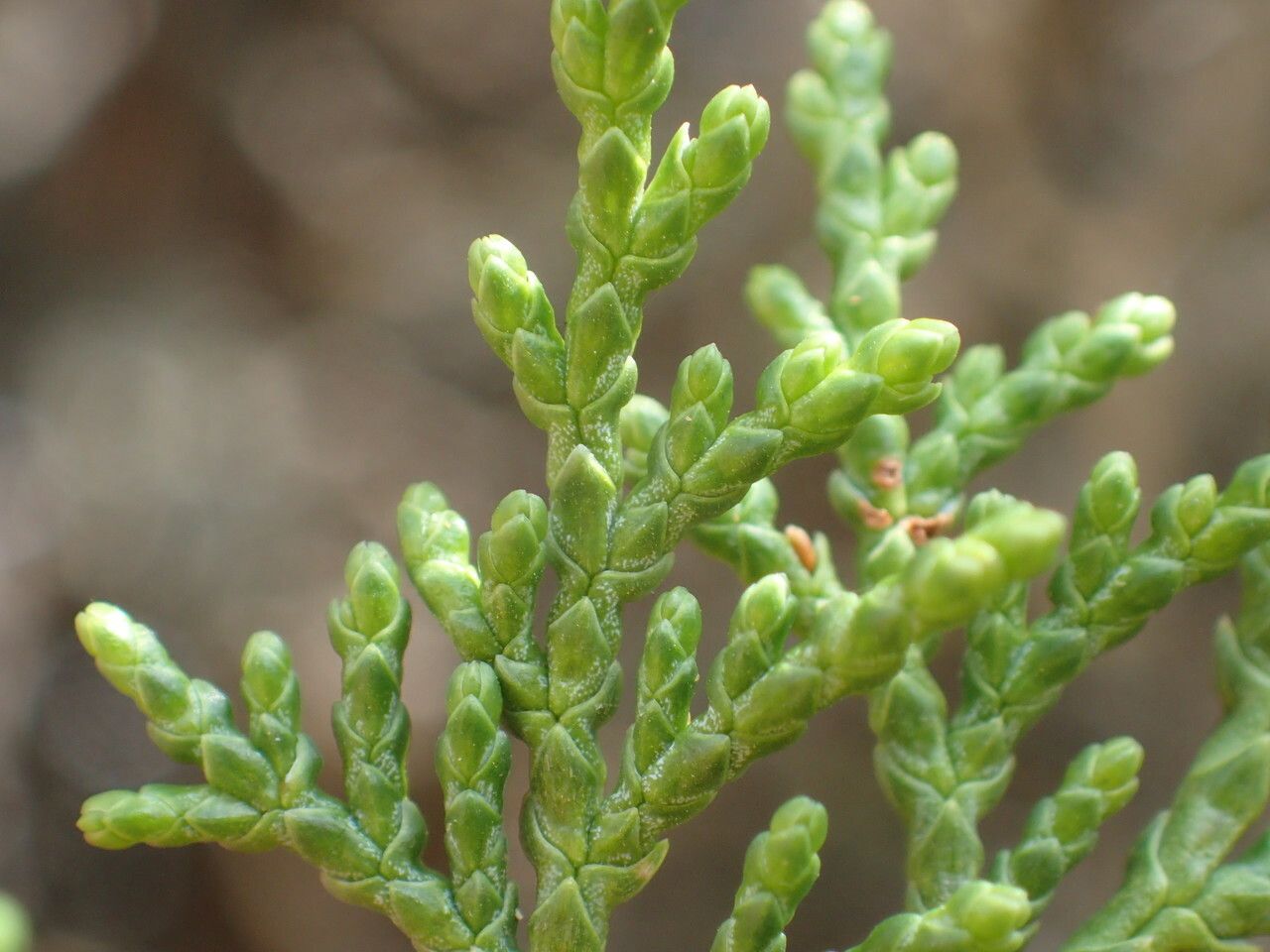
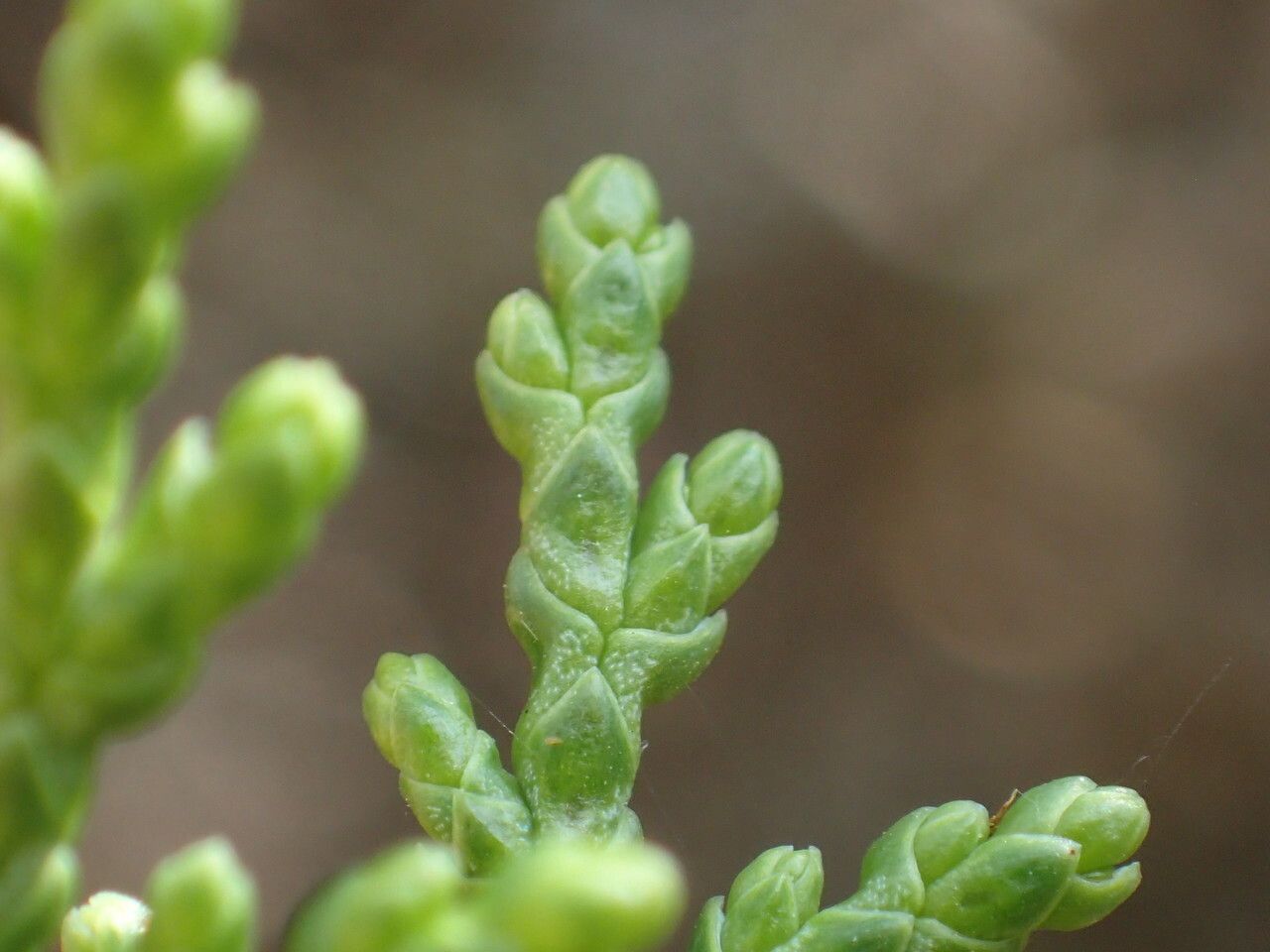
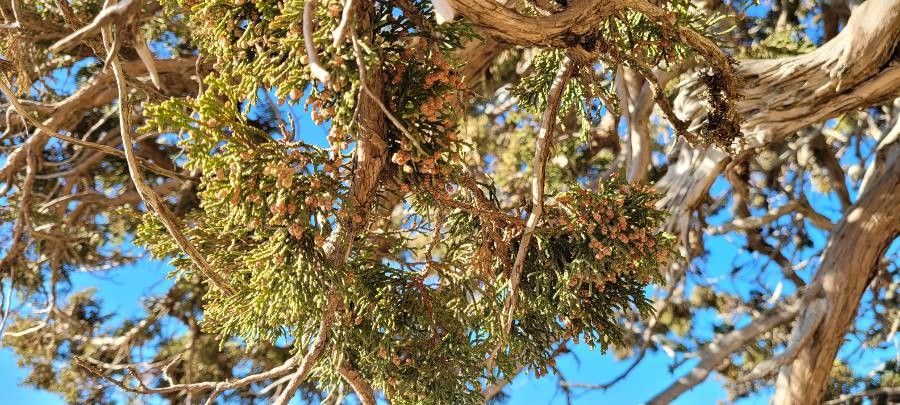
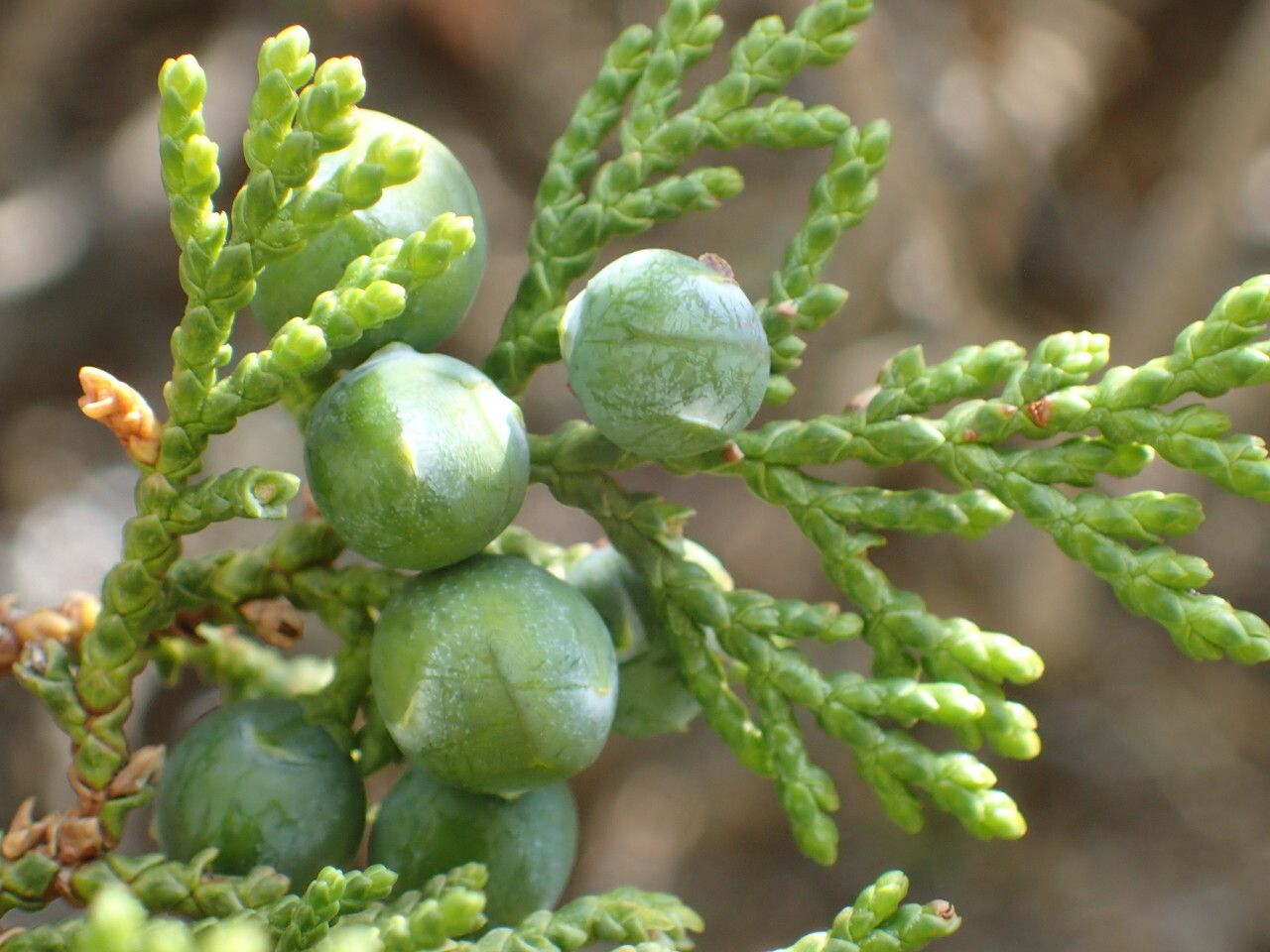
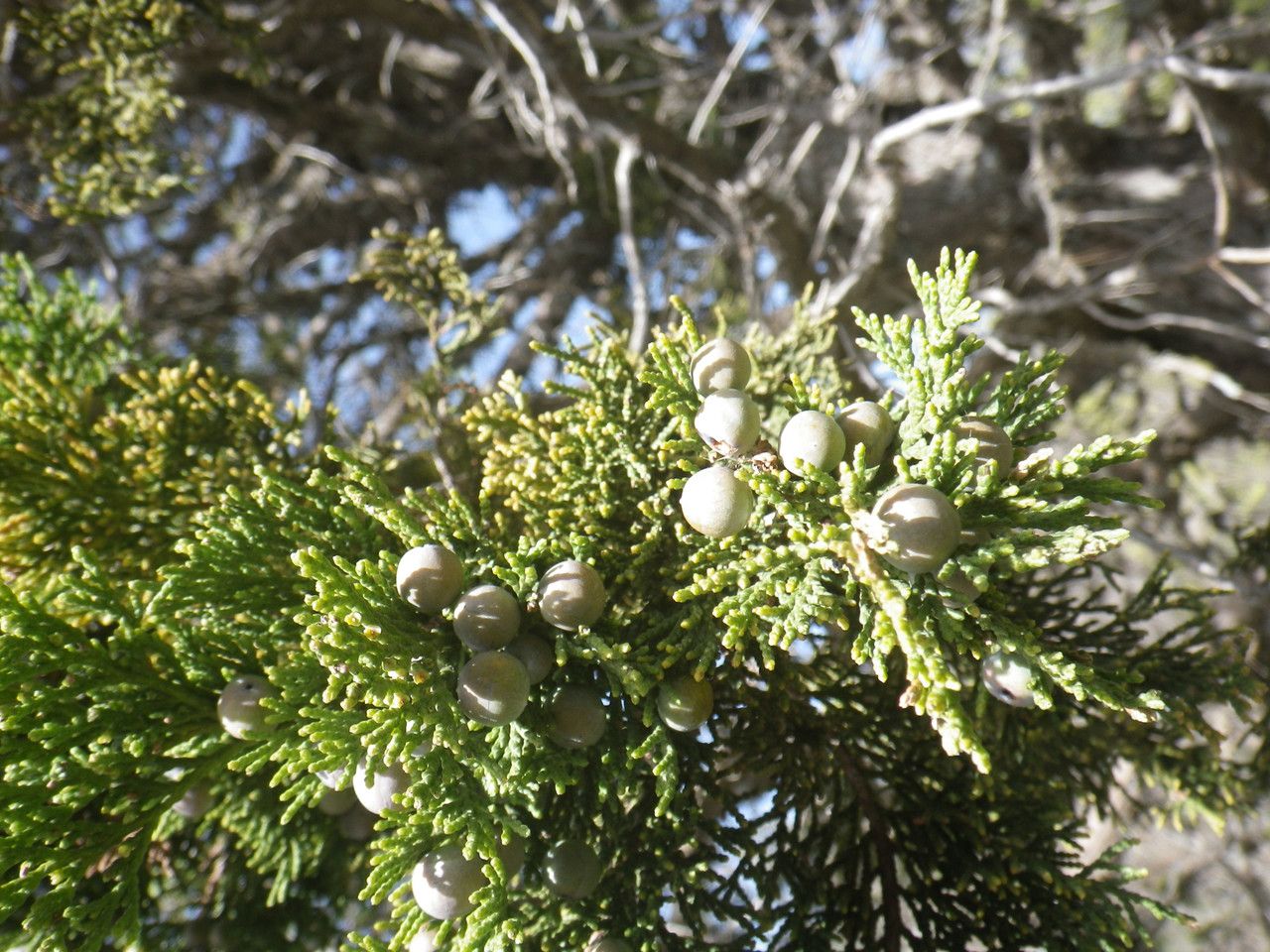
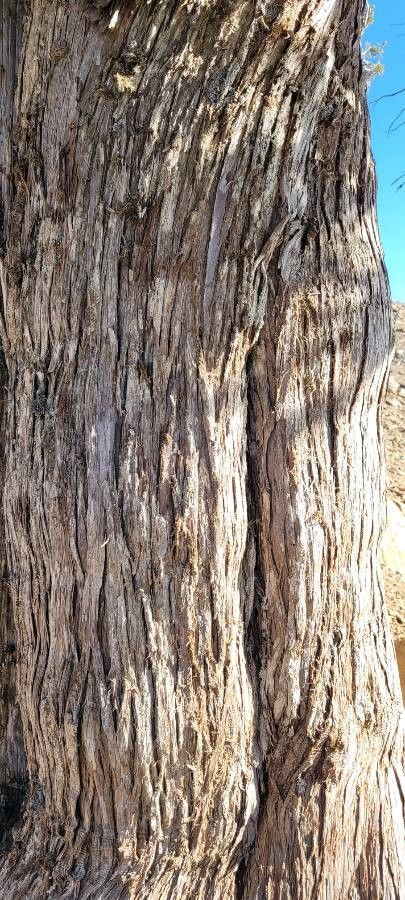
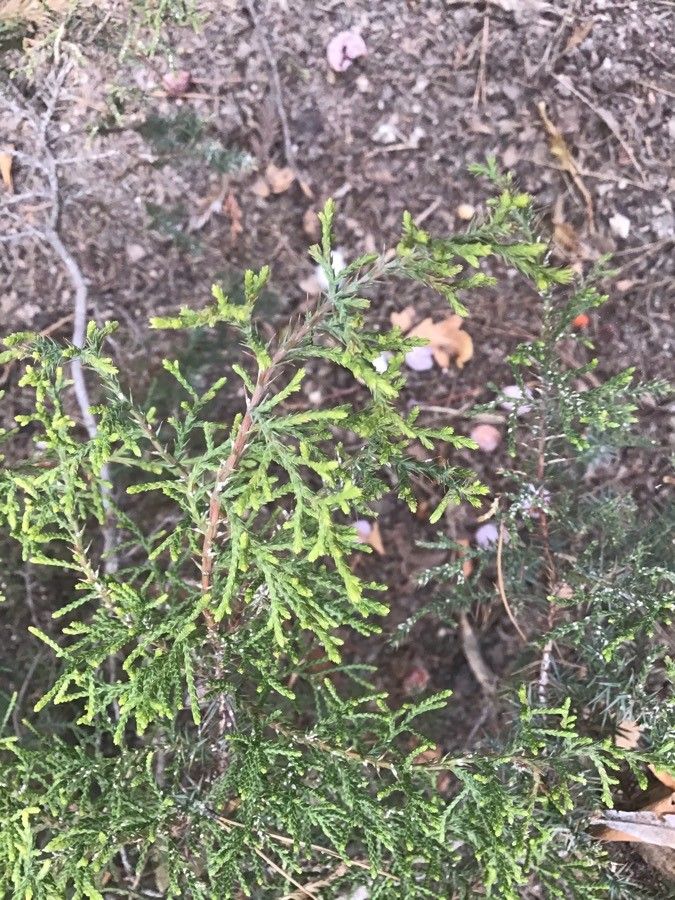
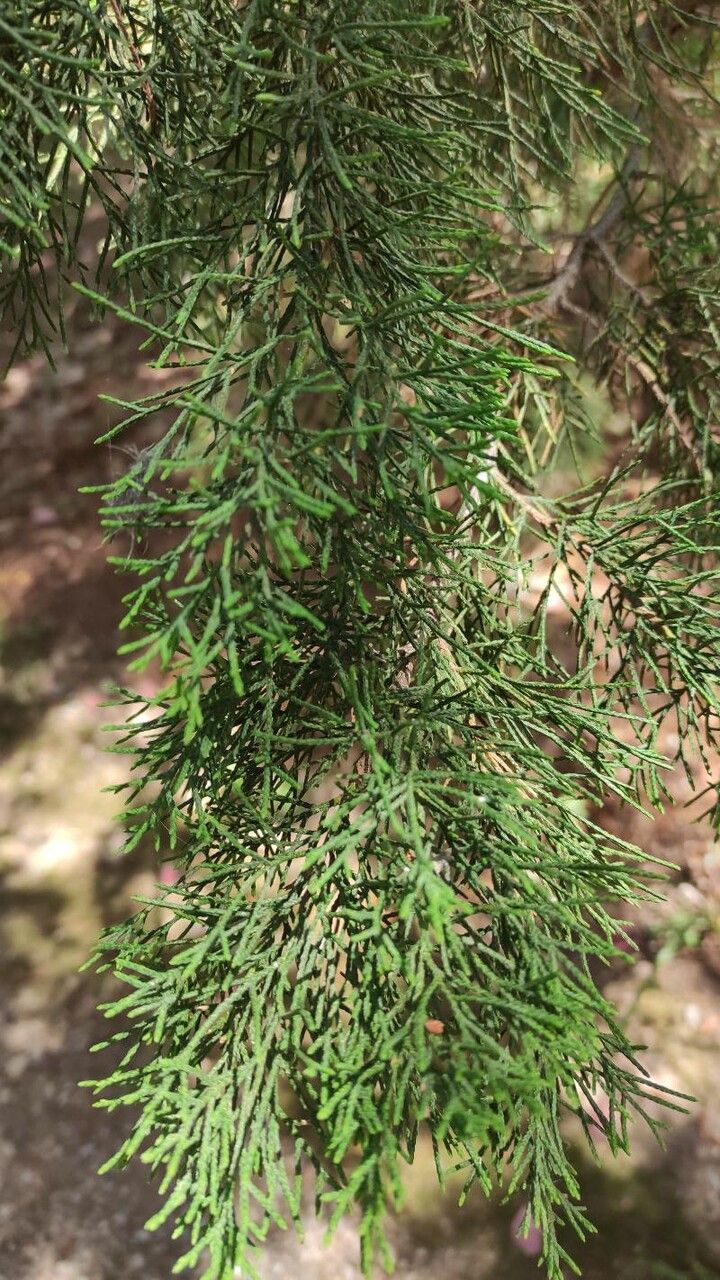
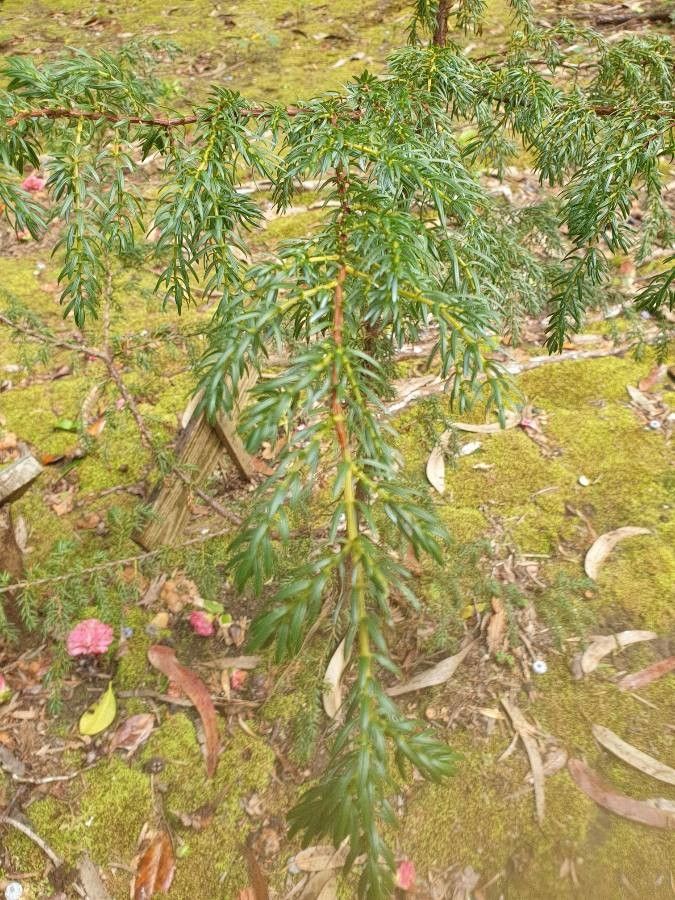
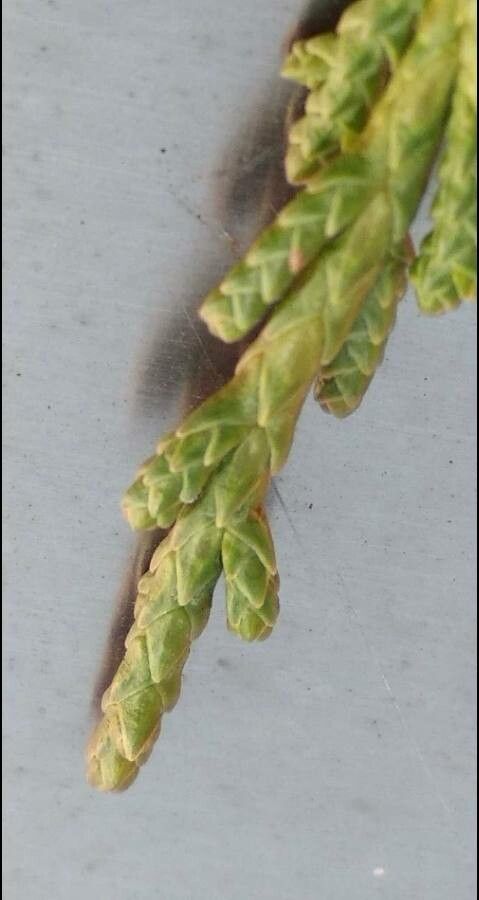
Juniperus foetidissima, with common names foetid juniper or stinking juniper, is a juniper tree species in the family Cupressaceae.
Stinking juniper has strong resistance to disease and is generally not susceptible to illnesses. In terms of care, this plant is fairly low-maintenance. When grown outdoors, it needs minimal watering and larger plants typically do not require pruning. Smaller plants, however, should be pruned after they have bloomed. Stinking junipert is suitable for anyone with an outdoor space, such as a garden or deck, and does not require a lot of care experience.
How to keep Juniperus Foetidissima.
Light
Stinking juniper is native to open habitats, such as sunny meadows and forest margins, where light is abundant. It thrives in full sun but will also tolerate partial sun, making it adaptable to a range of light conditions.
Water
After planting, water the stinking juniper every other day to help it adapt. Once established, you can reduce the frequency of watering, as it is a drought-tolerant plant and can suffer from too much moisture. However, during hot summer months, increase the watering to prevent the plant from becoming dehydrated.
Temperature
Stinking juniper is highly adaptable to a variety of climate conditions, tolerating both very hot summers and cold winters. It nonetheless has an ideal temperature range for growth. When temperatures become excessively high, the plant can experience heat and humidity stress, which may lead to its death. In areas where temperatures approach the lower limit of its cold tolerance, it is important to provide insulation to protect the plant.
Fertilizer
Stinking juniper has specific nutrient needs and does not require heavy fertilization. Fertilizing in spring is the best time to promote optimal growth. Supplying nutrients enhances its health, strengthens its resistance to pests and diseases, and helps maintain a long lifespan.
Pruning
Stinking juniper is prized for its aromatic foliage and distinctive appearance. To encourage growth and achieve your desired shape, prune the plant in early spring. This involves removing dead branches and thinning out dense areas to improve air circulation, which reduces the risk of disease and enhances the plant's health. With regular care, your stinking juniper will remain vibrant and well-shaped.
Botanical profile.
- Plant Type
- Tree
- Life Cycle
- Perennial
- Genus
- Juniperus
- Family
- Cupressaceae
- Hardiness Zone
- 5-9
- Mature Height
- 10.06 m to 20.12 m
- Mature Spread
- 4.88 m to 7.92 m
- Leaf Color
- Dark Green
- Leaf Type
- Evergreen
- Bloom Time
- Early spring, Mid spring
- Planting Time
- Spring, Summer, Autumn
- Harvest Time
- Late summer, Early fall, Mid fall
- Native Area
- Russia, Cyprus, Iran, Azerbaijan, Armenia, Greece, Albania, Lebanon, Serbia
Other names.
Reader questions.
What are the sunlight requirements for Stinking Juniper?
Stinking Juniper, known botanically as Juniperus foetidissima, requires specific sunlight conditions to thrive. For 'Full sun,' the plant needs above 6 hours of sunlight, making it ideal for locations that receive a generous amount of daylight. In the case of 'Partial sun,' about 3-6 hours of sunlight is sufficient, accommodating garden spots that are partially shaded throughout the day. It's important to observe the way sunlight moves through your garden, enabling you to select areas that offer an optimal mix of light and shade. This careful placement ensures the plants' health and happiness.