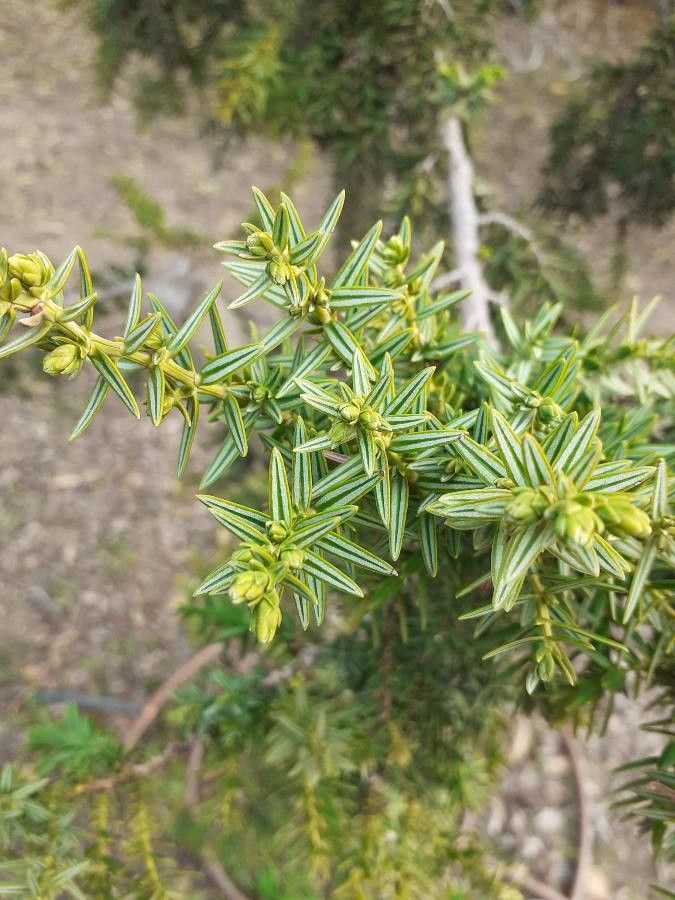
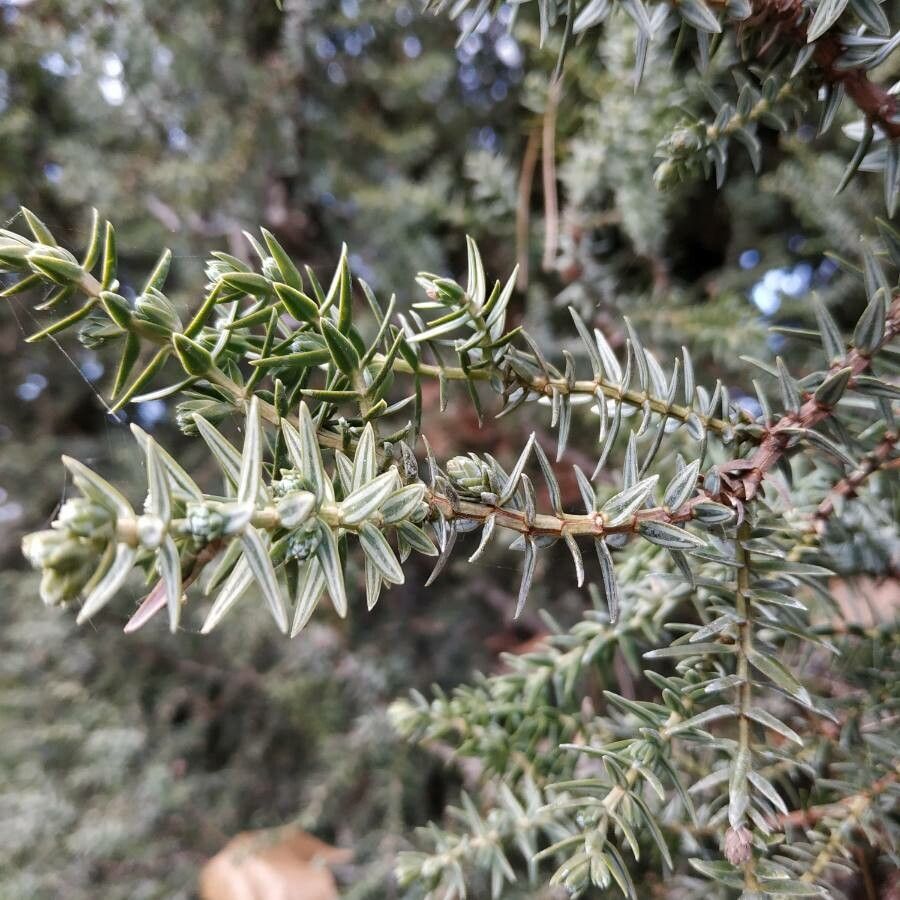
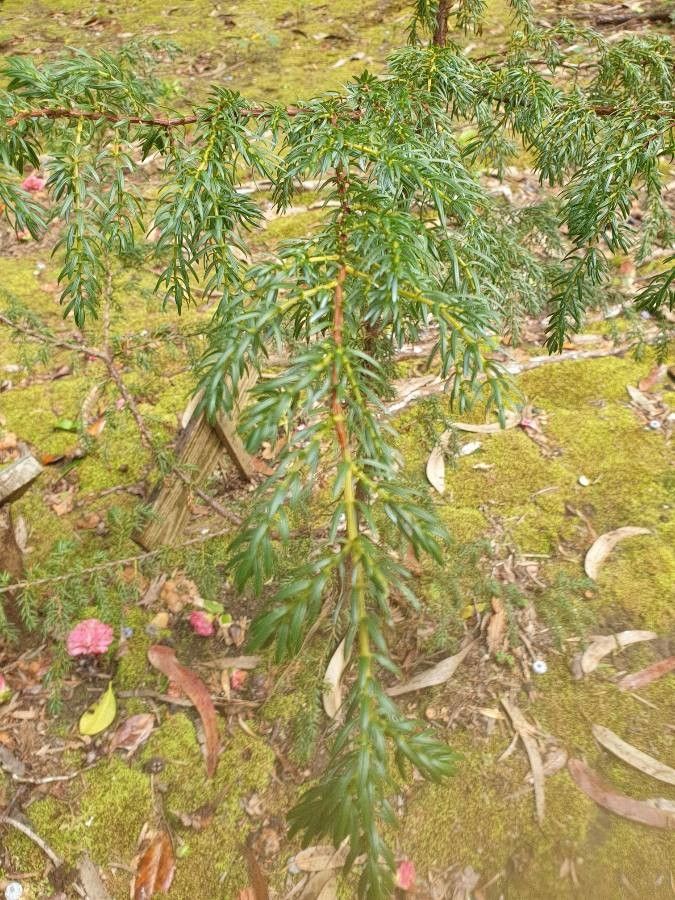
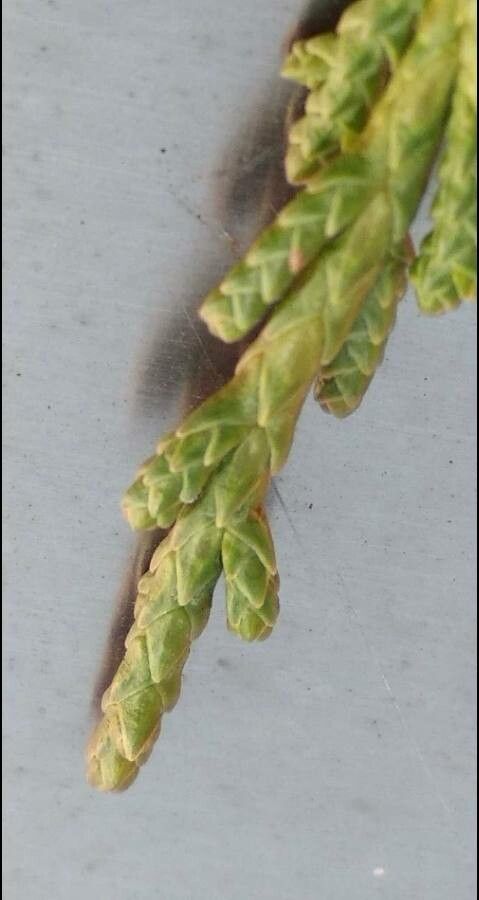
Juniperus drupacea, commonly known as the Syrian juniper, is an evergreen coniferous tree that belongs to the Cupressaceae family. Native to the eastern Mediterranean region, this species is found in countries such as Turkey, Syria, Lebanon, and Israel.
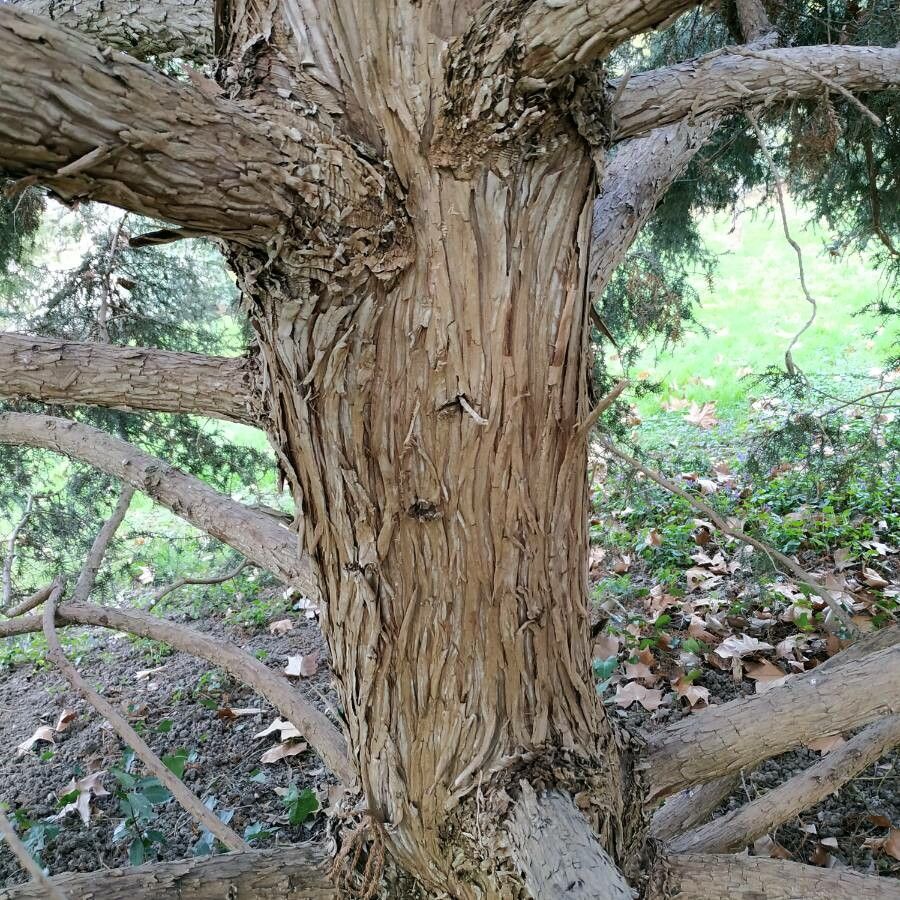
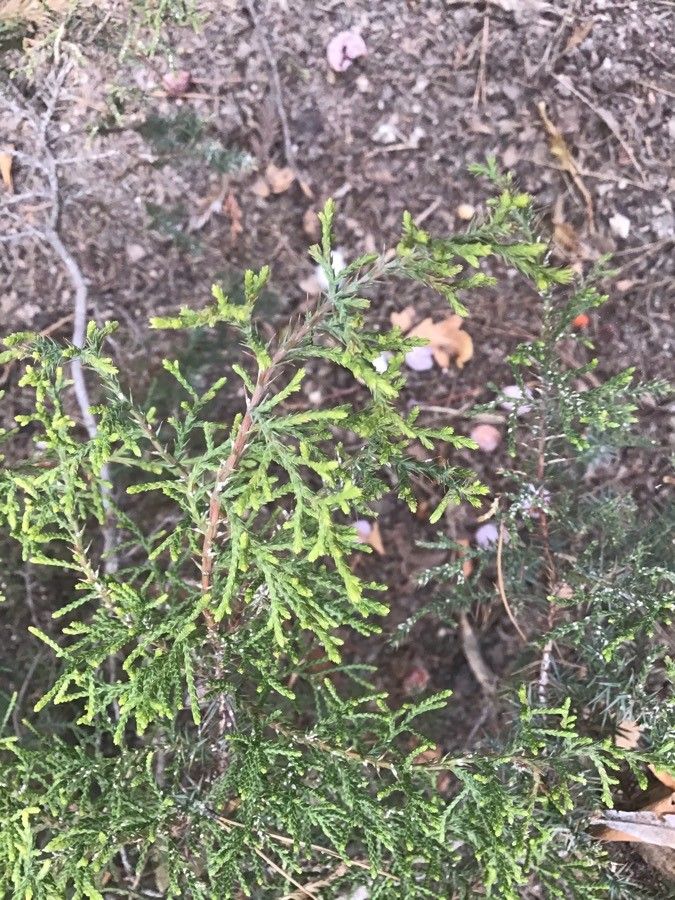
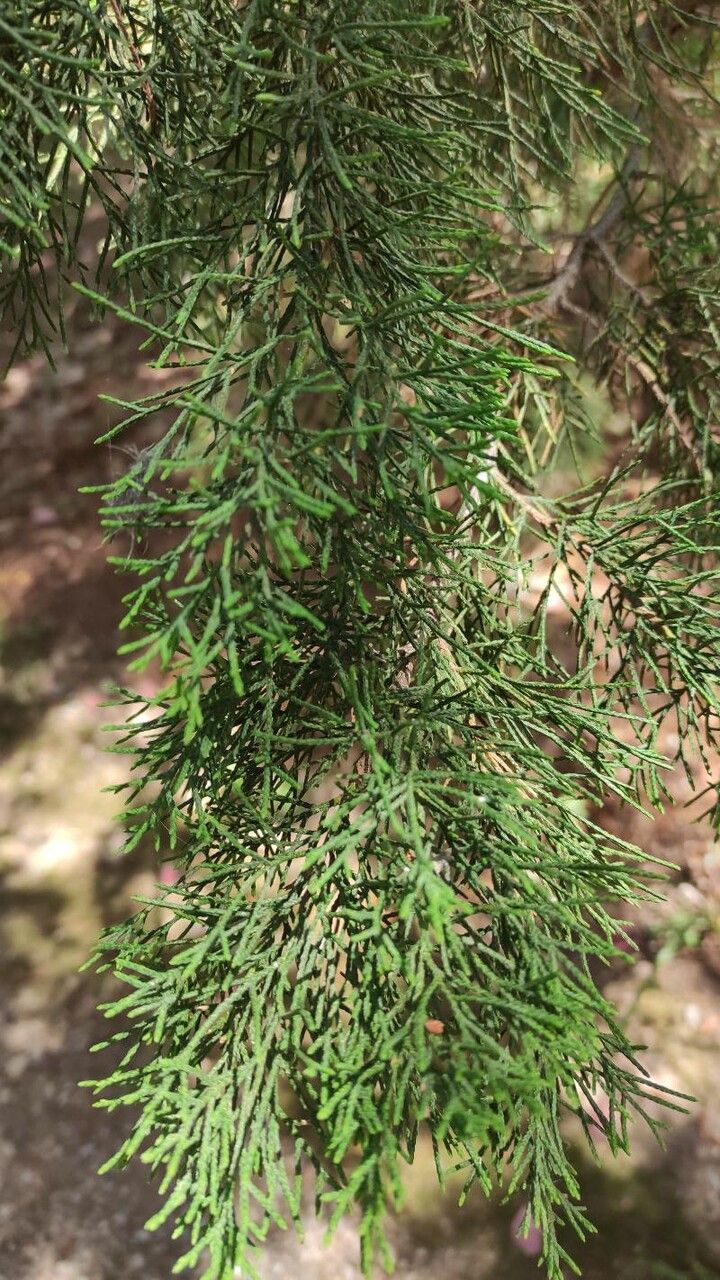
The Syrian juniper can grow up to 15 meters tall and has a trunk diameter of up to 1 meter. Its shape is either conical or columnar, with dense foliage that varies from blue-green to gray-green. The leaves are needle-like and arranged in whorls of three.
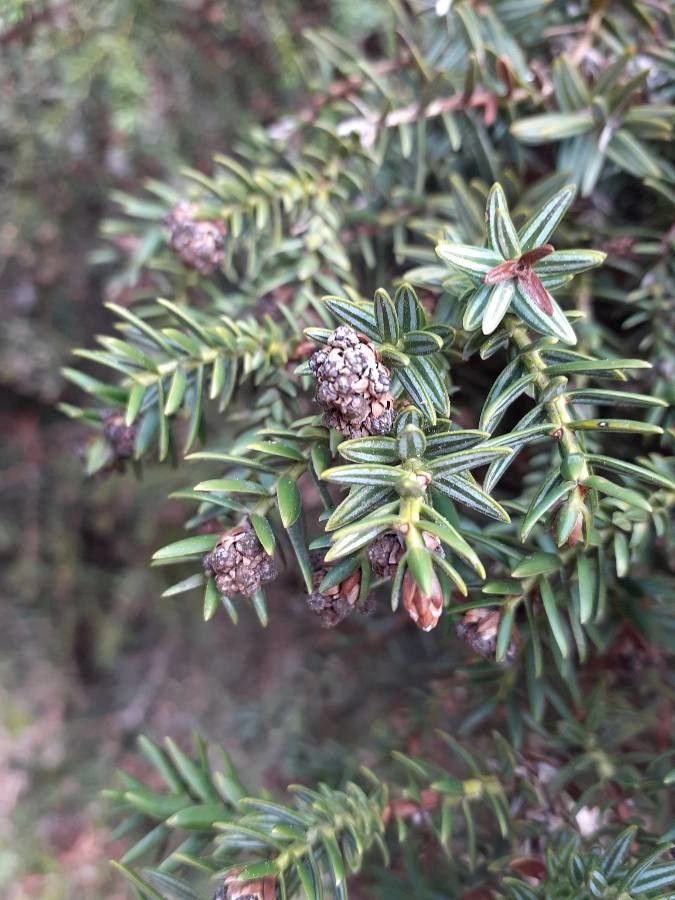
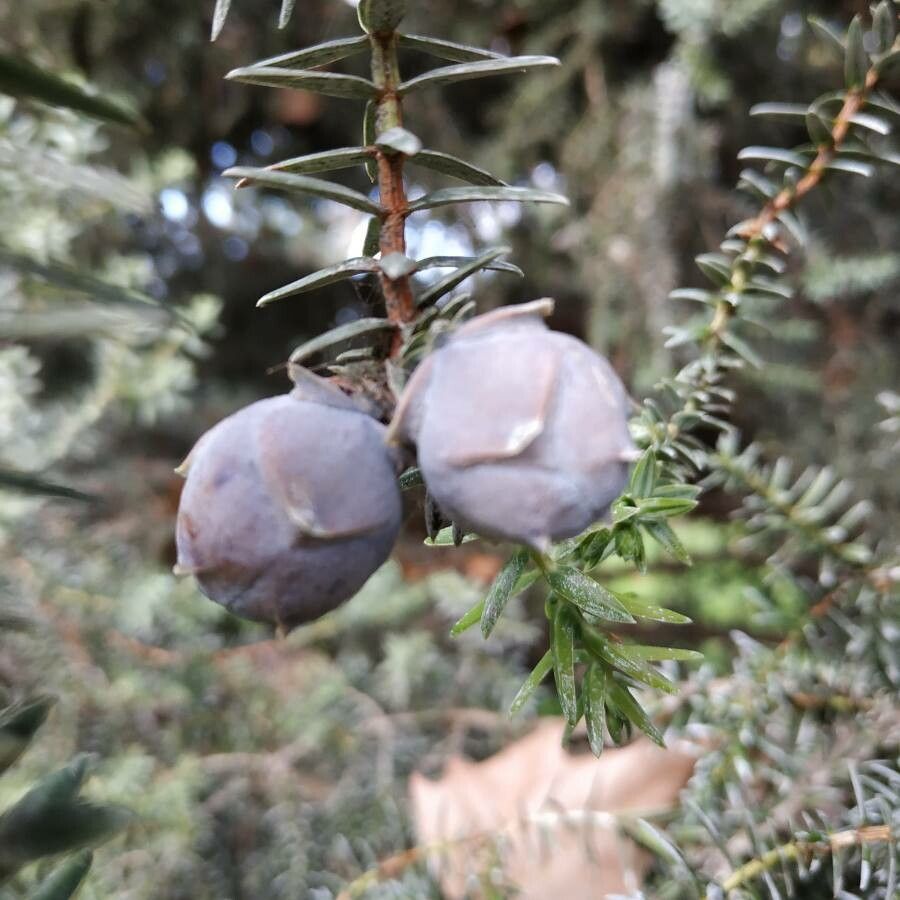
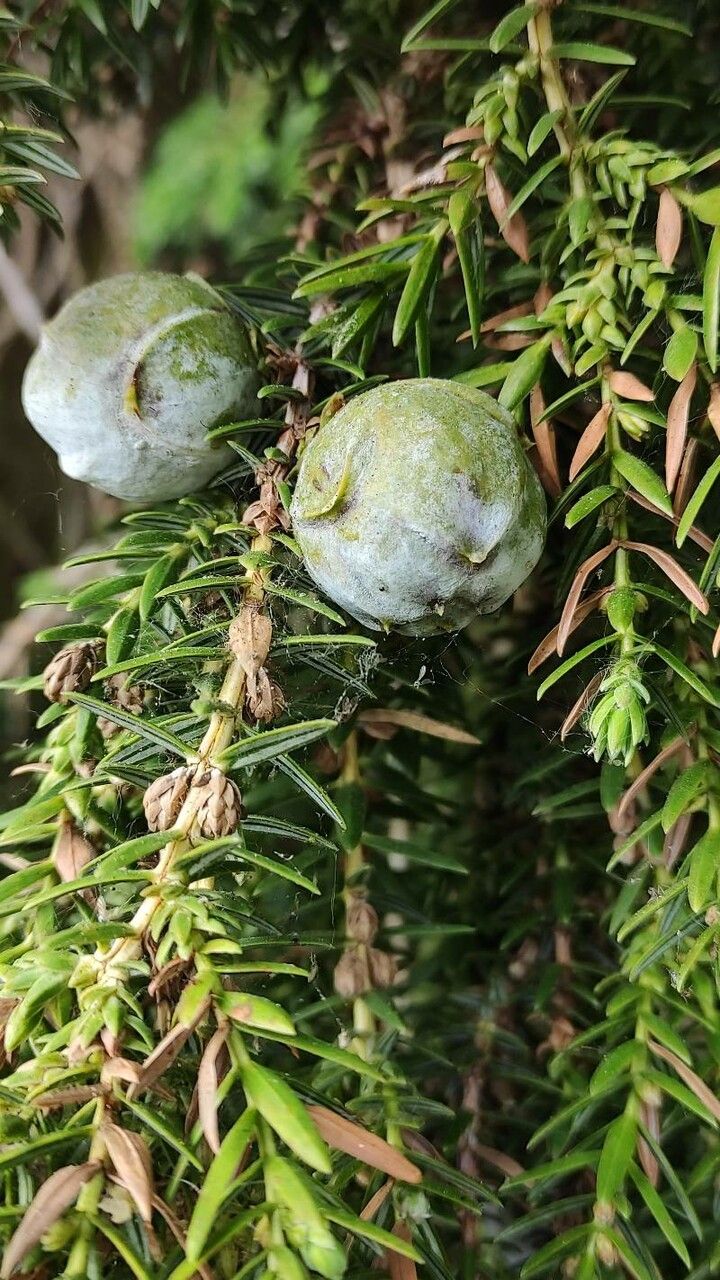
The tree produces small cones that start green and turn brown upon maturing. These cones contain seeds, which are dispersed by birds.
Historically, Juniperus drupacea has had a variety of uses, including medicinal applications for treating respiratory and digestive issues. Its durable wood has also made it valuable for timber production.
In recent years, habitat loss due to deforestation and overgrazing has threatened the species, leading to its classification as vulnerable on the IUCN Red List.
Overall, Juniperus drupacea holds significant ecological and cultural importance in its native range. Conservation efforts are essential to ensure its survival for future generations.
How to keep Juniperus Drupacea.
Light
Syrian juniper comes from open habitats, like sunny meadows and forest edges, that provide plenty of light. It does best in Full Sun but can tolerate Partial Sun, adapting well to different sunlight conditions.
Water
After planting the Syrian juniper, water it every other day to help it adapt to its new environment. After a week, reduce the frequency of watering since the Syrian juniper is drought-tolerant and can be harmed by too much water. During hot summers, increase the watering to prevent the plant from dehydrating.
Temperature
Syrian juniper is highly adaptable to a wide range of climates, from extremely hot summers to cold winters. Still, it has an optimal temperature range for growth. If temperatures rise too much, the plant may experience heat and humidity stress that can cause its death. In areas where temperatures approach the lower limit of its cold tolerance, it is necessary to use insulating measures to protect the plant.
Fertilizer
Syrian juniper has specific nutrient needs and does not require heavy fertilization. Applying fertilizer in spring is the best time to encourage optimal growth. Supplying nutrients enhances its health, increases its resistance to pests and diseases, and helps maintain its long lifespan.
Pruning
The Syrian juniper is an evergreen conifer characterized by its needle-like leaves and berry-like cones. For best results, prune it from early to late winter while the tree is dormant. Focus on removing dead branches and improving airflow through the canopy. Always use clean, sharp tools to prevent damage, and be careful not to over-prune. This approach encourages healthy growth and helps reduce the risk of pests.
Botanical profile.
- Plant Type
- Tree
- Life Cycle
- Perennial
- Genus
- Juniperus
- Family
- Cupressaceae
- Hardiness Zone
- 6-9
- Mature Height
- 10.06 m to 20.12 m
- Mature Spread
- 6.1 m to 10.06 m
- Leaf Color
- Dark Green
- Leaf Type
- Evergreen
- Bloom Time
- Early spring, Mid spring
- Planting Time
- Spring, Summer, Autumn
- Harvest Time
- Late summer, Early fall, Mid fall
- Native Area
- Turkey, Syria, Lebanon, Greece
Other names.
Reader questions.
What are the sun requirements for Syrian Juniper?
Syrian Juniper (Juniperus drupacea) thrives in various sunlight conditions. For full sun exposure, it requires above 6 hours of sunlight daily, making it ideal for locations that receive plenty of direct light. It can also grow in partial sun, which means about 3-6 hours of sunlight per day. It's important to observe the movement of sunlight through your garden to find spots that offer a good balance of light and shade, ensuring the best growth and happiness of your Syrian Juniper plants.
What is the Syrian juniper?
The Syrian juniper, scientifically known as Juniperus drupacea, is a species of plant. Unfortunately, the provided information does not include details about its characteristics, habitat, or uses. For more specific details regarding its essentials or symptoms related to its ecology or health, additional information would be necessary.