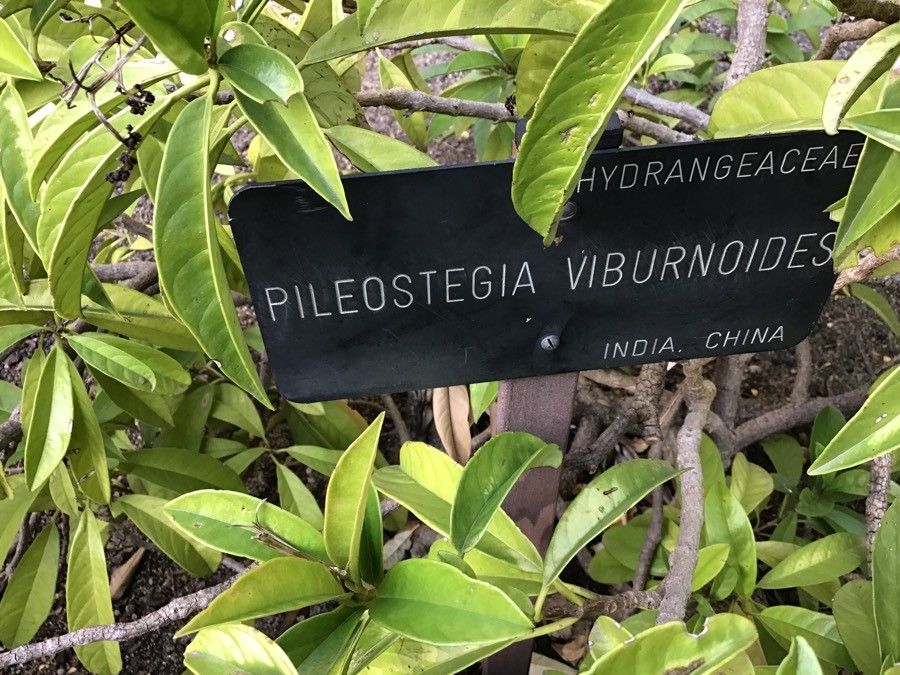
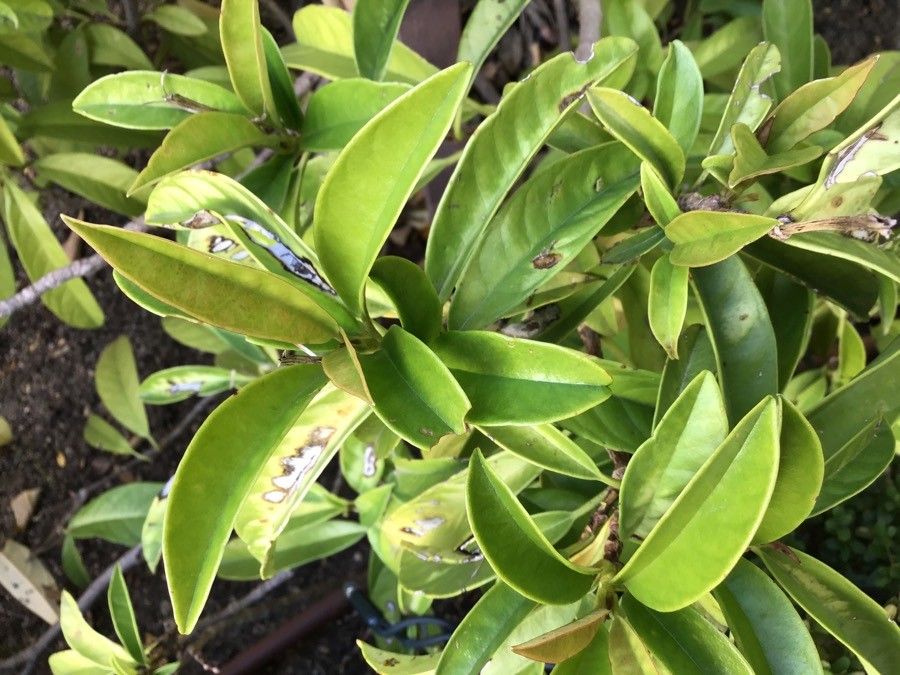
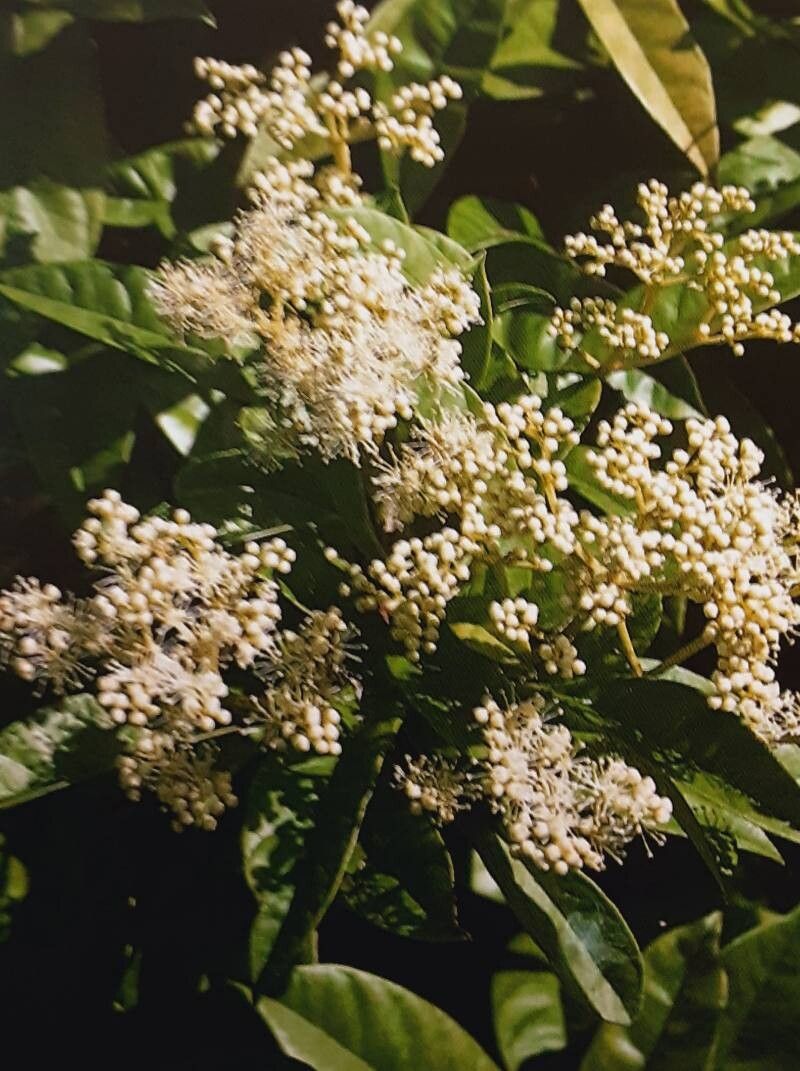
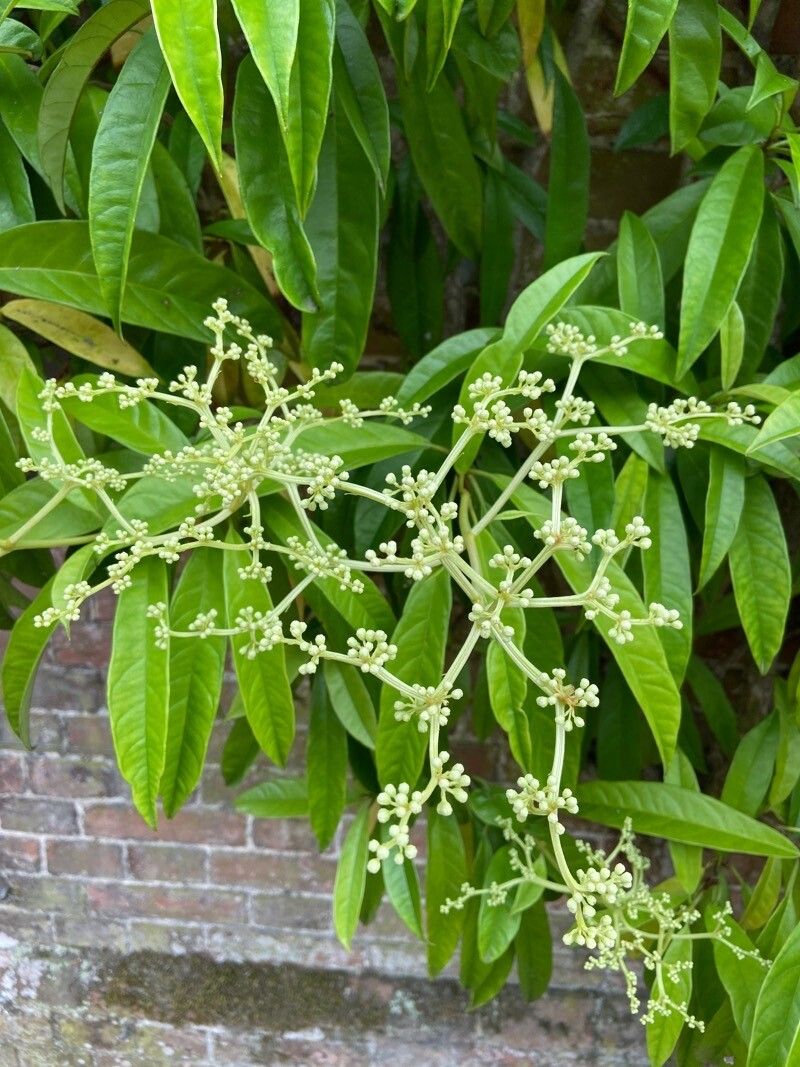
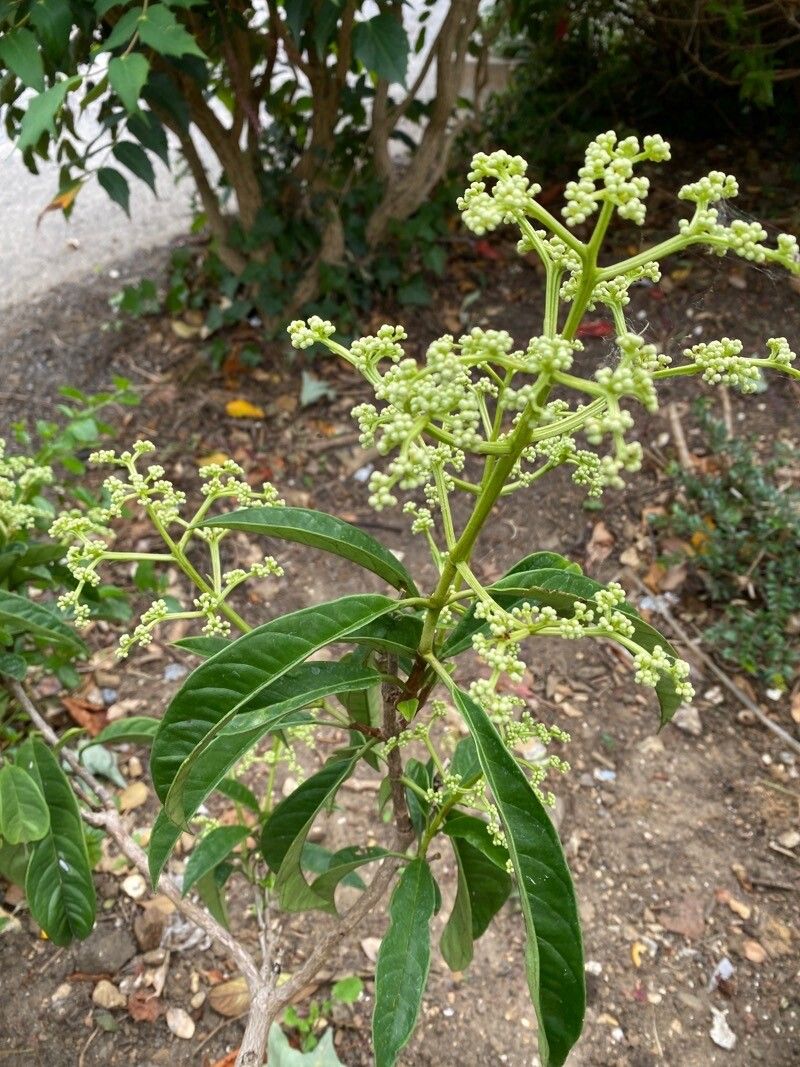
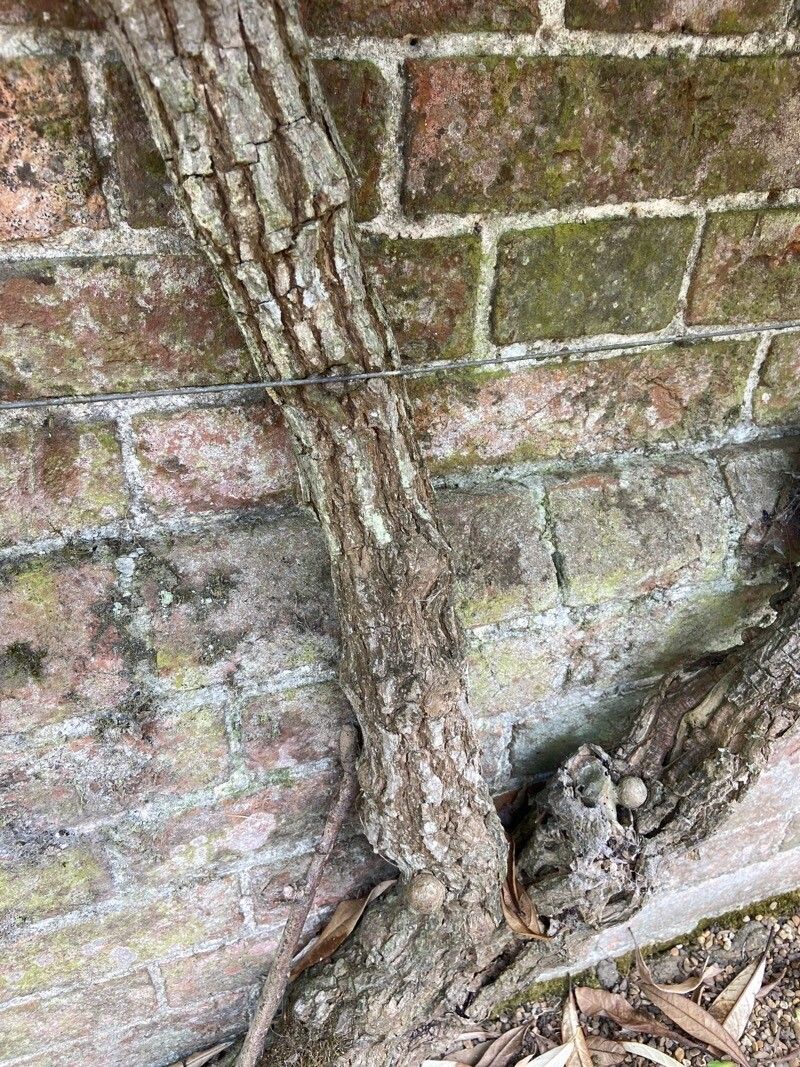
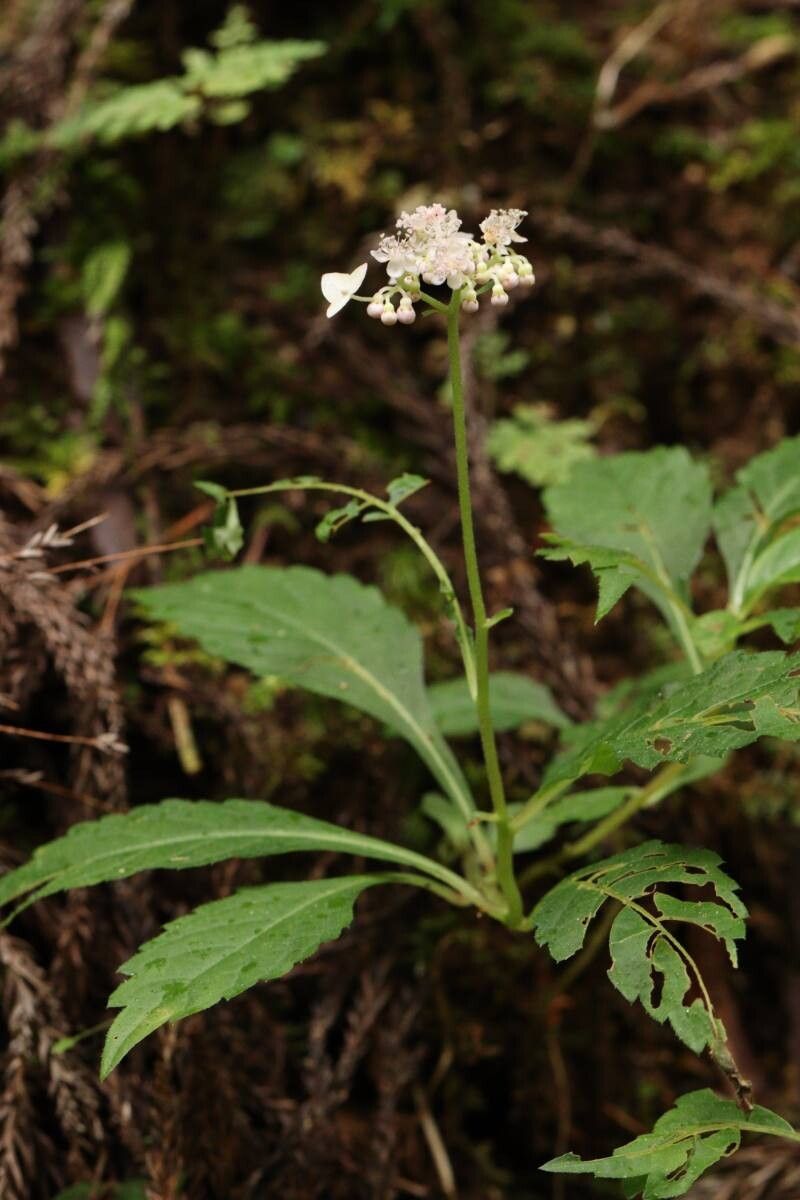
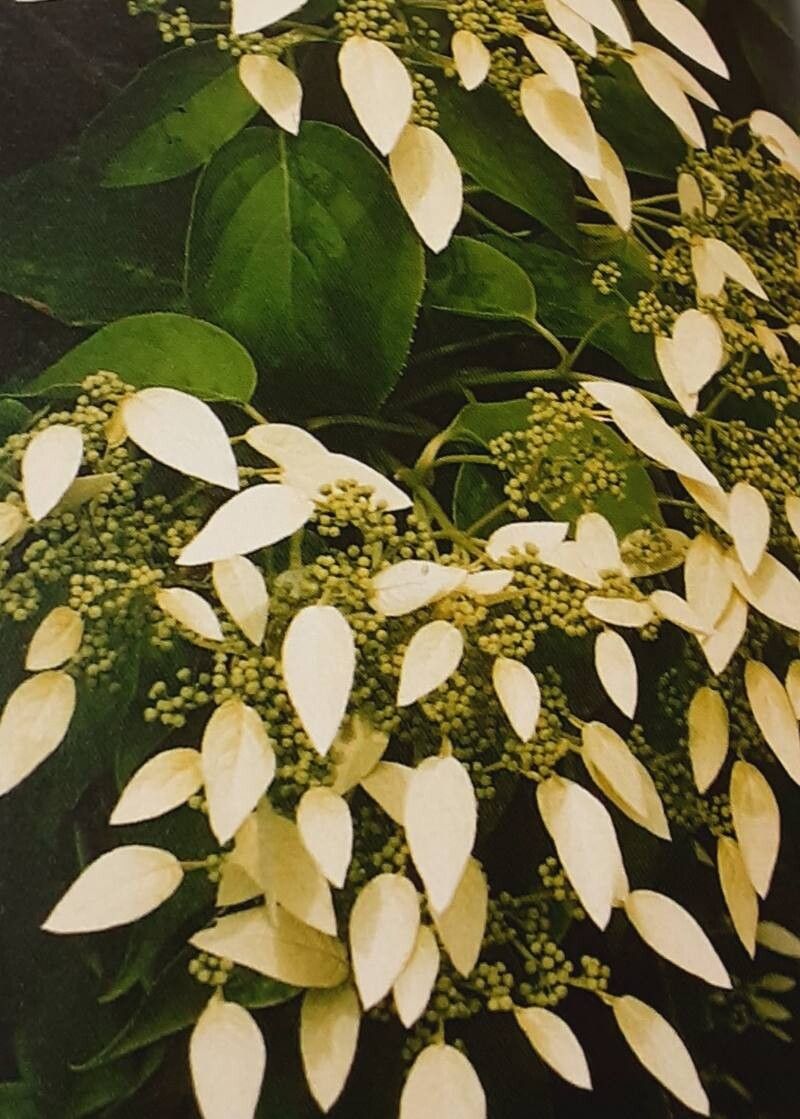
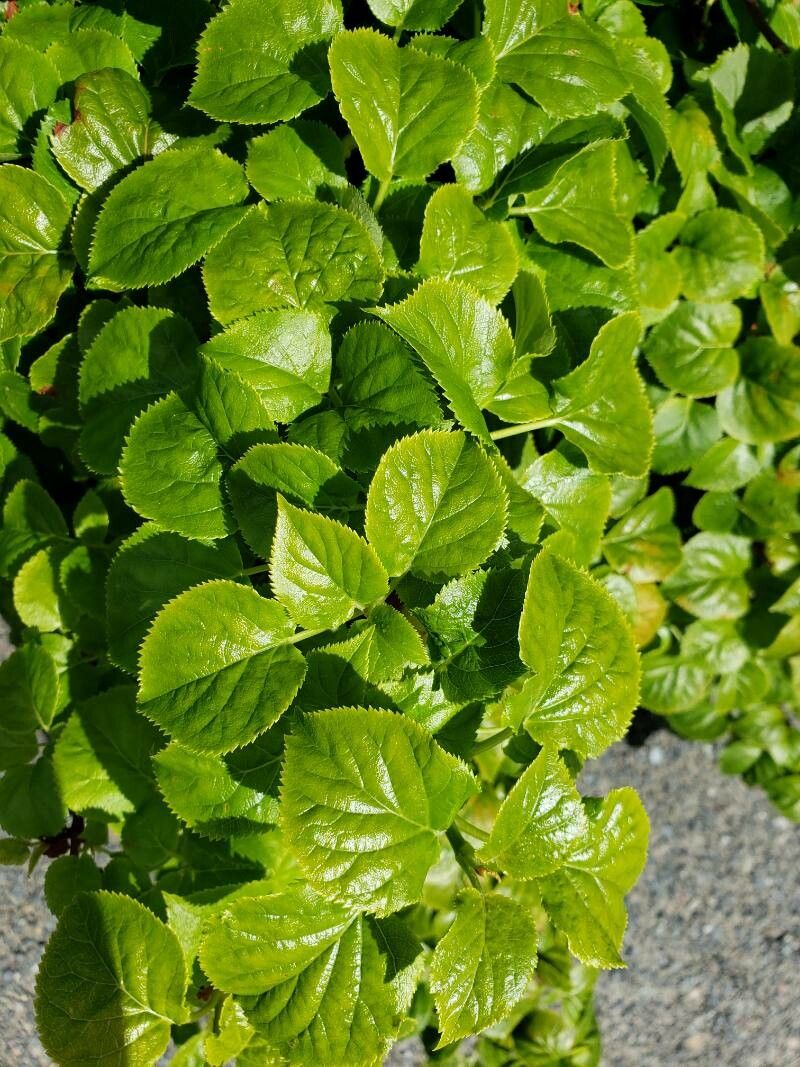
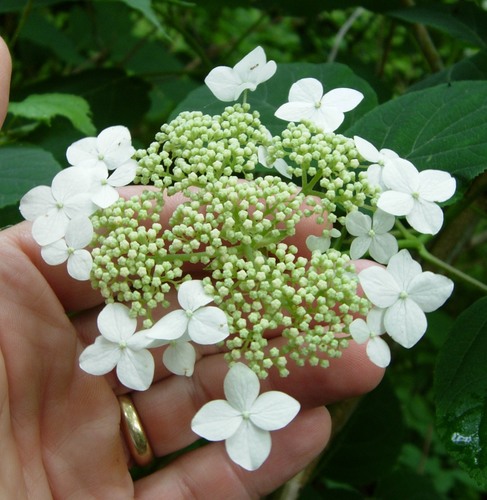
Climbing hydrangea has strong resistance to disease and is generally not vulnerable to illnesses. In terms of care, this plant is fairly low-maintenance. When grown outdoors it needs little watering, and larger specimens typically do not require pruning. Smaller plants, however, should be pruned after they finish blooming. Climbing hydrangea is suitable for anyone with an outdoor area, such as a garden or a deck, and does not demand much care experience.
How to keep Hydrangea Viburnoides.
Light
Hydrangea that climbs is indigenous to habitats like forest understories or uneven terrain, where it is naturally shaded. While it favors semi-sunlight conditions, it is capable of adjusting to direct sunlight or complete shade, showing its adaptable and robust characteristics.
Water
Climbing hydrangea thrives in high humidity and prefers consistently moist soil, though it can tolerate moderate drought. To keep it healthy, water the plant twice a week and situate it in shaded areas to help retain moisture. Often used ornamentally, climbing hydrangea can beautify outdoor trellises or walls, mimicking its natural woodland habitat.
Temperature
The climbing hydrangea naturally grows in habitats where the temperatures typically vary from 59 to 95°F (15 to 35℃). It flourishes in such enjoyable climates and appears to favor this range of temperatures. Alterations might be required during extreme winters or particularly hot summers.
Fertilizer
It is essential to time the fertilization of Climbing hydrangea properly. You should fertilize it at the beginning of spring and continue on a monthly basis until the early part of the summer. Fertilizer is beneficial in creating beautiful flowers and supplying energy during both inactive and active growth stages.
Pruning
Pruning methods for climbing hydrangeas depend on their blooming habits. For bigleaf and oakleaf varieties, prune them in early summer. 'Endless Summer' hydrangeas can be pruned at any time, except in the spring. Smooth and panicle hydrangeas may be pruned throughout the year, except in the spring, but ensure there is support for their large flowerheads.
Botanical profile.
- Plant Type
- Vine, Shrub
- Life Cycle
- Perennial
- Genus
- Hydrangea
- Family
- Hydrangeaceae
- Hardiness Zone
- 8-10
- Mature Height
- 7.92 m
- Mature Spread
- 1.52 m
- Leaf Color
- Green
- Leaf Type
- Deciduous
- Flower Color
- White, Pink
- Flower Size
- 2.54 cm
- Bloom Time
- Early summer, Mid summer
- Planting Time
- Spring, Summer, Autumn
- Harvest Time
- Late summer, Early fall, Mid fall
- Native Area
- Japan, Vietnam, India, China