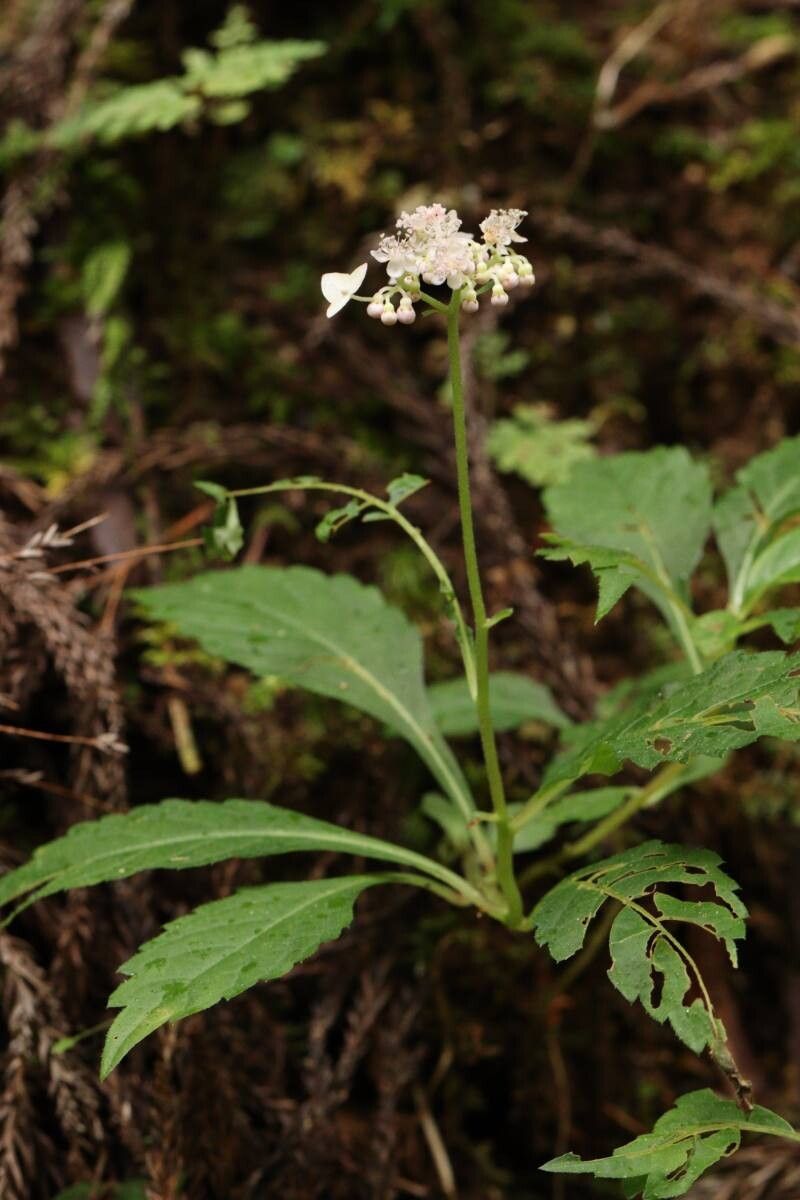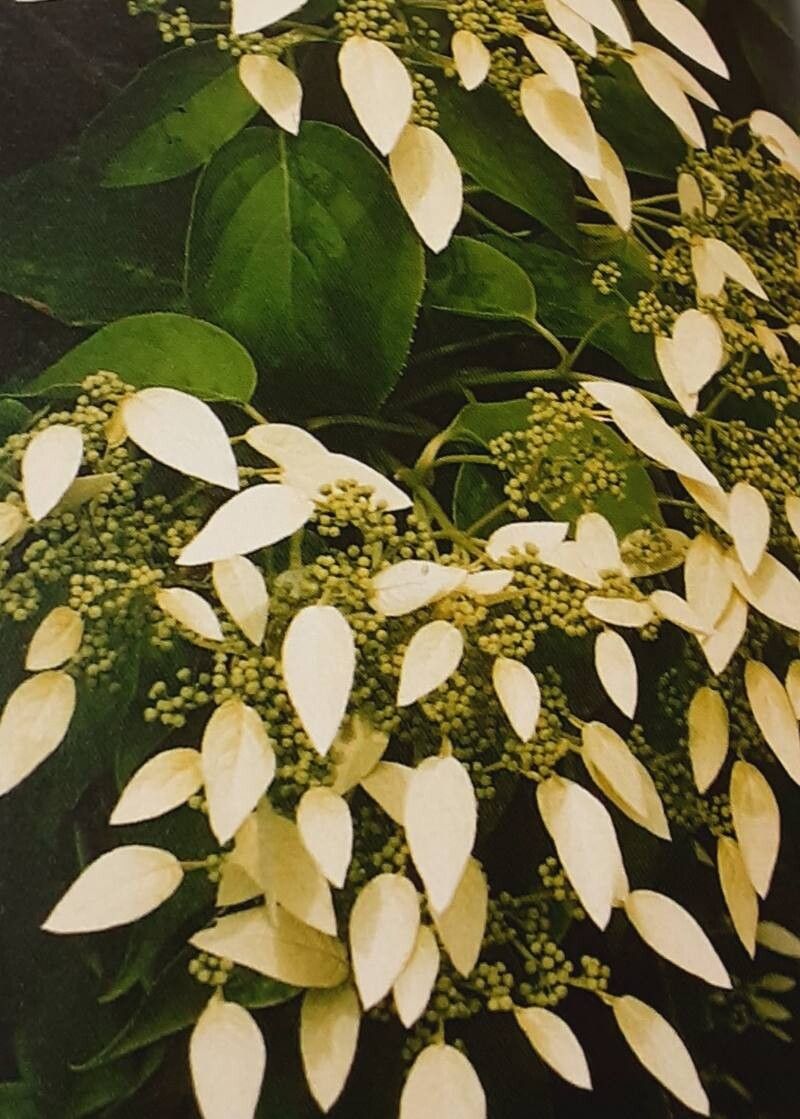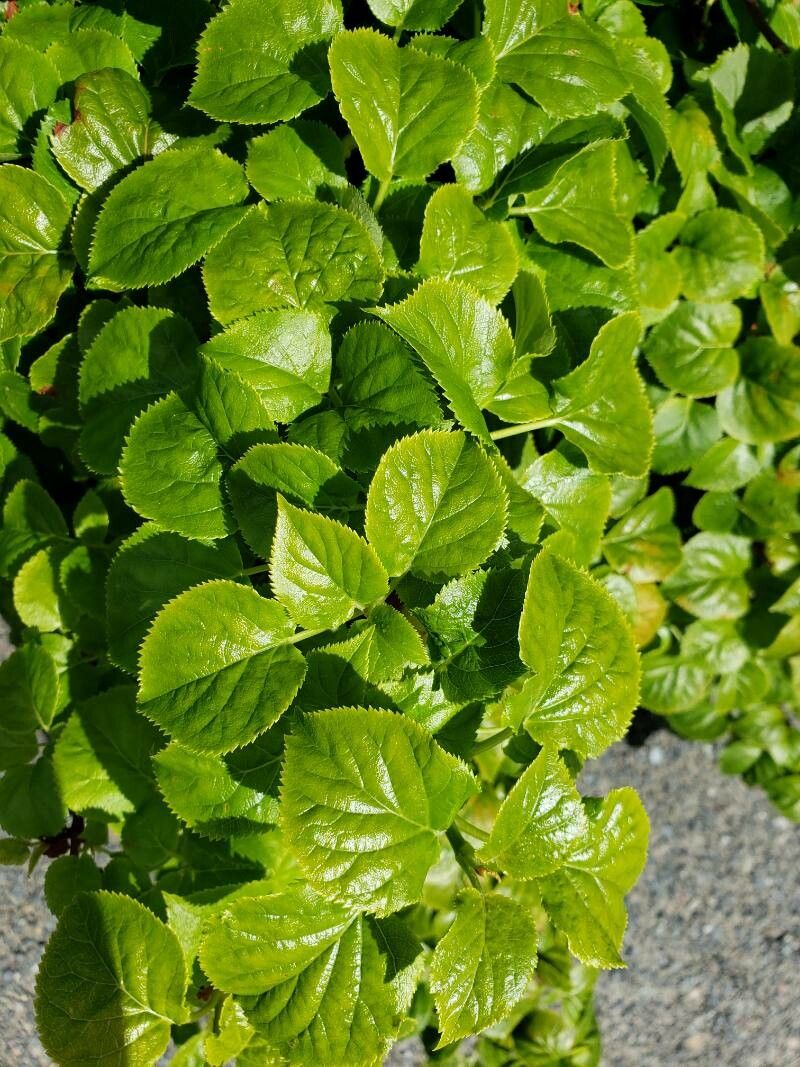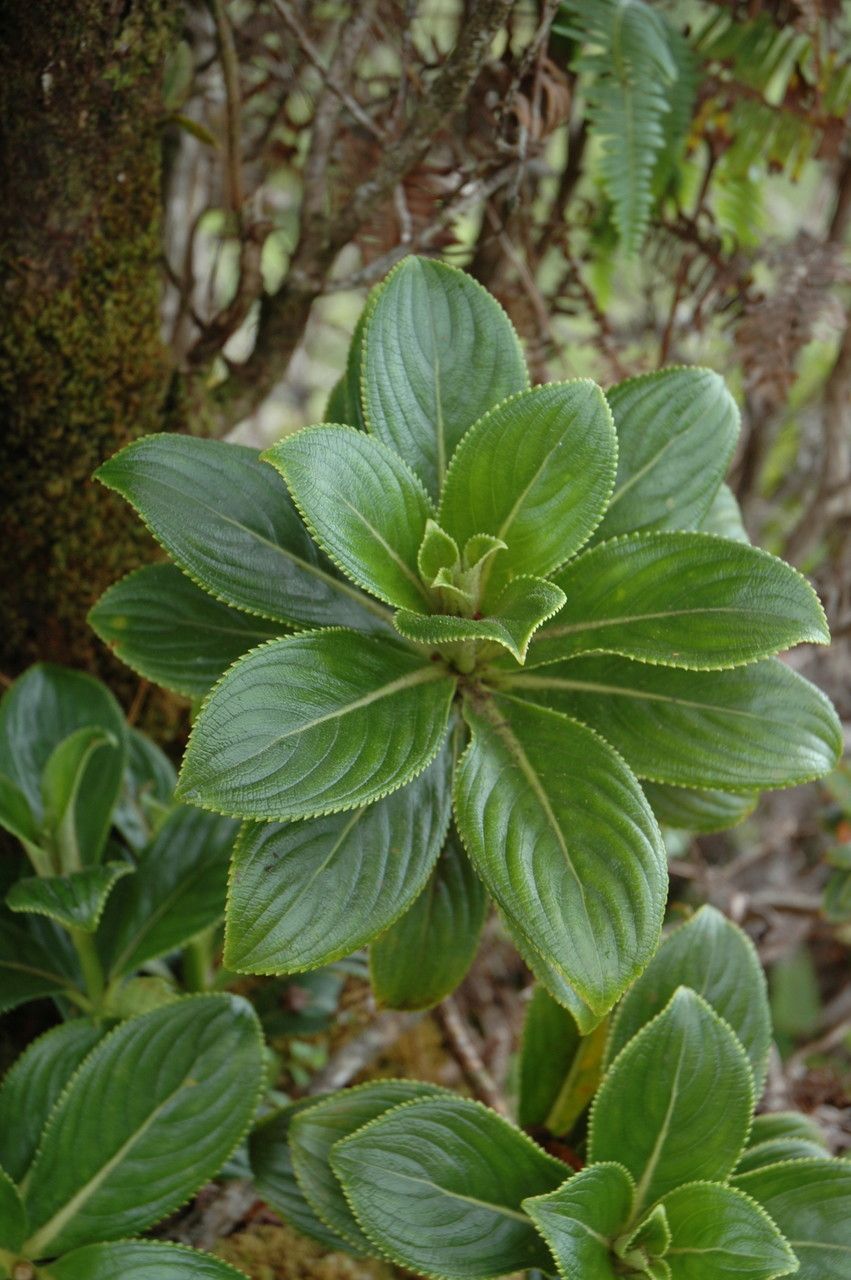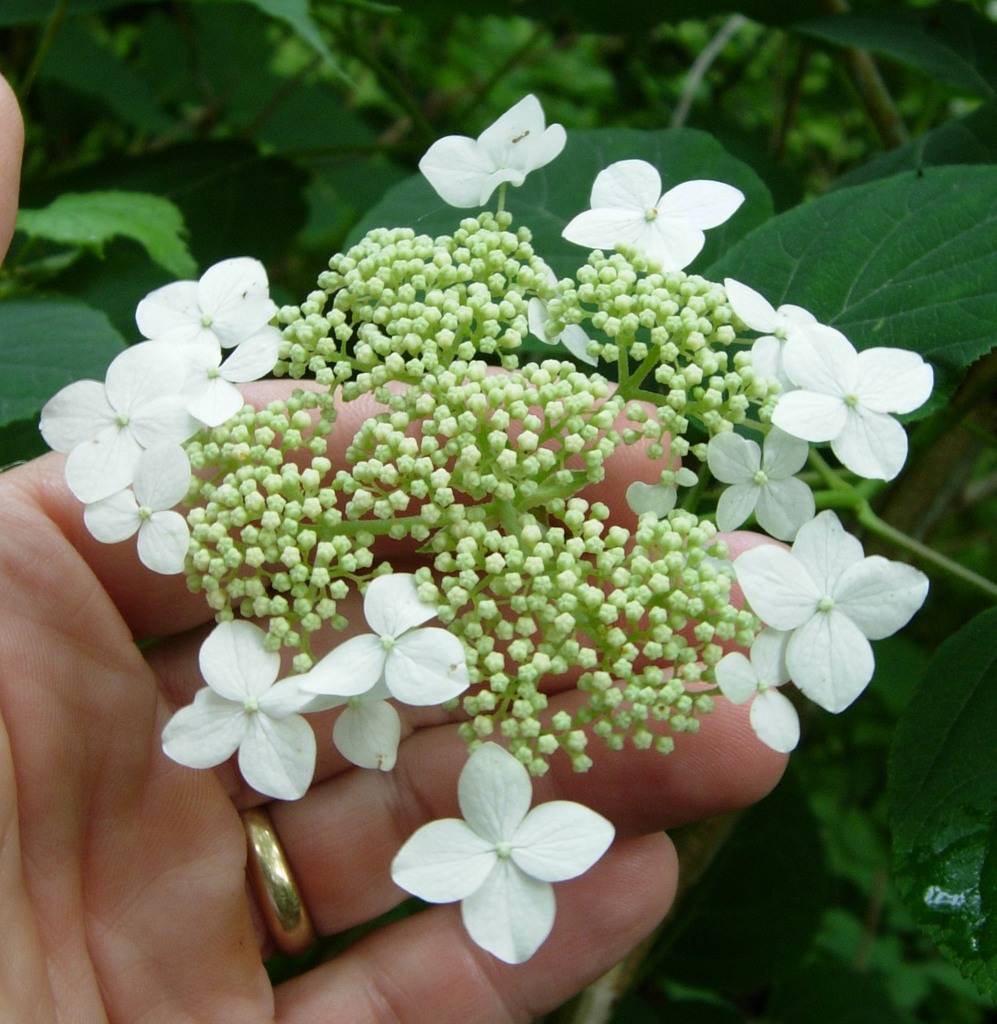
Hydrangea arborescens, commonly known as smooth hydrangea, is a deciduous shrub native to the eastern United States. It typically reaches a height of 3 to 5 feet and produces large, round flower heads that can grow up to 8 inches in diameter. The flowers, which bloom from late spring through summer, are usually white or pink.
This plant prefers moist soil and partial shade but can tolerate full sun in cooler climates. It's relatively easy to care for and requires minimal pruning.
For centuries, Native Americans have used Hydrangea arborescens for medicinal purposes. The roots were employed as a diuretic, while the leaves were brewed into tea to treat kidney stones.
While most hydrangeas are native to Asia, the smooth hydrangea (Hydrangea arborescens) was discovered growing naturally in North America in 1910. A woman riding on horseback famously spotted it during her ride and later returned to dig up the plant. She transplanted it into her yard, where it thrived, and she proudly showed it to all her friends. The smooth hydrangea is considered one of the most underrated varieties of hydrangeas. FUN FACT · FROM THE LIBRARY
In addition to its medicinal value, this plant is popular in landscaping for its attractive flowers and foliage. It can be used as an accent plant or planted en masse for an eye-catching display.
Overall, Hydrangea arborescens is a versatile shrub that offers both aesthetic appeal and potential health benefits.
Smooth hydrangea flowers are denser than those of common hydrangeas. This density makes the blooms appear full and smooth, resembling snowballs, which is why it is called the smooth hydrangea.
Smooth hydrangea is fairly resistant to disease and generally not vulnerable to illnesses. In terms of care, this plant is relatively low-maintenance. When grown outdoors it needs little watering, and larger specimens typically do not require pruning. Smaller plants, however, should be pruned after they have finished blooming. Smooth hydrangea is suitable for anyone with outdoor space, such as a garden or a deck, and does not demand much gardening experience.
How to keep Hydrangea Arborescens.
Light
Smooth hydrangea prefers an environment with moderate sunlight during the day. It is somewhat adaptable, able to cope with areas that receive stronger sun as well as locations with less light. However, extremely shaded or overly exposed conditions can impede its growth, affecting its foliage and flowering.
Water
Smooth hydrangeas, native to the Eastern United States, thrive in consistently moist environments. They prefer well-hydrated soil and need moderate watering every 1-2 weeks. This resilient plant adapts well to seasonal changes and effectively regulates water uptake in different temperatures.
Humidity
This plant needs special care because it loves high humidity levels of 60-80% or more. The best way to achieve this is by placing a humidifier near the plant. Daily misting is also essential! Make sure the room has good ventilation.
Temperature
The smooth hydrangea is native to regions with a temperate climate and prefers temperatures between 32 to 95 ℉ (0 to 35 ℃). To cope with seasonal temperature changes, it is recommended to plant the smooth hydrangea in a sheltered location during the winter months and to apply mulch to keep the root system insulated.
Fertilizer
Proper timing matters when fertilizing Smooth hydrangea. Apply fertilizer in early spring and continue monthly through early summer. Fertilizer promotes attractive blooms and supplies energy during both dormant and active growth periods.
Pruning
Pruning methods for hydrangeas depend on their type: Bigleaf and oakleaf hydrangeas bloom on old wood, so they should be pruned in early summer. The 'Endless Summer' variety can be pruned at any time, except in spring. Smooth and panicle hydrangeas bloom on new growth, allowing for more flexible pruning; however, avoid pruning them during spring when they are budding.
Pot & Repot
When repotting Smooth hydrangea, select a container 1–2 inches (2.5–5.1 cm) larger with good drainage. Use a well-draining potting mix. Repot in spring or fall, making sure the root ball sits slightly below the rim of the flower pot. Water thoroughly after repotting and place it in a warm spot with indirect sunlight.
Botanical profile.
- Plant Type
- Shrub
- Life Cycle
- Perennial
- Genus
- Hydrangea
- Family
- Hydrangeaceae
- Hardiness Zone
- 3-9
- Mature Height
- 0.91 m to 3.05 m
- Mature Spread
- 0.91 m to 1.52 m
- Leaf Color
- Green
- Leaf Type
- Deciduous
- Flower Color
- White, Lavender
- Flower Size
- 0.05 cm to 0.10 cm
- Bloom Time
- Early summer, Mid summer
- Planting Time
- Spring, Autumn
- Harvest Time
- Mid summer
- Native Area
- North America
Other names.
Reader questions.
When Should I Water My Smooth Hydrangea?
Understanding when to water your smooth hydrangea is crucial for its health and growth. The key indicators include soil dryness, where you should check if the top 1 to 2 inches of soil are dry to determine if watering is needed. The plant's leaves and stem also provide clues; wilted leaves, faded or yellowing leaves, and droopy stems suggest it's time to water. During the pre-flowering stage, smooth hydrangea needs more water to prevent bud drop. Be cautious of watering too early or too late, as this can lead to root diseases or dehydration. Considering the temperature and sunlight exposure is also essential since these factors increase the plant's water needs.
Why should I apply fertilizer to my Smooth hydrangea?
To enhance the growth of your Smooth hydrangea and promote beautiful blooms, it is essential to fertilize it. Fertilizing in early spring is especially effective in ensuring abundant flowers during the season. Additionally, the use of fertilizer provides the plant with ample energy that it can store during dormant phases. By supplying your Smooth hydrangea with extra nutrients during fall planting or late spring, it will have more stored energy to utilize when active growth resumes.
What are the sunlight requirements for Smooth Hydrangea?
Smooth Hydrangea enjoys a range of sunlight conditions. It can thrive in partial sun, which constitutes about 3-6 hours of sunlight a day, as well as in full sun or full shade, meaning it receives more than 6 hours of sunlight daily. However, the plant's growth and health can be negatively affected if it is either overly sheltered or excessively exposed to sun. It's beneficial to observe how sunlight moves through your garden to choose the best spots that provide a balance of light and shade.
What are the ideal growing conditions for Smooth Hydrangea?
The Smooth Hydrangea, or Hydrangea arborescens, thrives in temperate climates, preferring temperatures between 32°F to 95°F (0°C to 35°C). It is advisable to plant it in a sheltered location to cope with temperature changes across seasons. During winter, ensuring the root system is insulated with mulch helps the plant adjust. Although Smooth Hydrangea has strong cold resistance and usually does not require special frost protection, it's critical to offer extra protection if temperatures are expected to drop significantly by wrapping the trunk and branches with non-woven fabric or cloth. Additionally, watering the plant abundantly before the first freeze in autumn to keep the soil moist is recommended, aiding in preventing drought and water scarcity during winter and early spring.
How Should I Water My Smooth Hydrangea?
To water smooth hydrangea effectively, use a watering can with a long, narrow spout to focus the water on the soil near the root zone, avoiding the leaves and flowers. Misting is discouraged as it can encourage disease. A moisture meter can be a helpful tool to prevent over or under-watering. Always aim to water at the root zone while avoiding the foliage, which is susceptible to fungal diseases. Smooth hydrangea reacts badly to both extremely dry and wet conditions, so regular soil moisture checks are recommended for optimal hydration.
When should I fertilize my Smooth hydrangea?
To ensure effectiveness and prevent waste and pollution, it is important to time the fertilization of Smooth hydrangea correctly. Fertilizer should not be applied too early when the hydrangea is dormant, as it will be ineffective and washed away by rainwater. The first application of fertilizer should be in early spring, and then continue to fertilize once a month until early summer.
How does artificial lighting affect Smooth Hydrangea growth?
Artificial lighting can significantly support Smooth Hydrangea growth, especially when natural sunlight is insufficient, like in winter or less sunny spaces. Adequate lighting is crucial for indoor plants to ensure optimal growth. LED lights are recommended as they can be customized to provide specific wavelengths needed by plants. Full sun plants typically require 30-50W/sq ft of artificial light, partial sun plants need 20-30W/sq ft, and full shade plants should have 10-20W/sq ft. The light source should be placed 12-36 inches above the plant, mimicking natural sunlight conditions, and plants typically need 8-12 hours of light daily.
How does low temperature affect Smooth Hydrangea, and what should be done?
Smooth Hydrangea is cold-tolerant and performs best when temperatures remain above its minimum tolerable limit. However, if temperatures fall below its growth limit during winter, while there may not be noticeable changes immediately, it may lead to branches becoming brittle, dry in spring, and failing to produce new shoots. The solution in spring is to prune away any such dead branches that have not produced new leaves, allowing for new growth and maintaining the health of the plant.
How Much Water Does Smooth Hydrangea Really Need?
Smooth hydrangea prefers moderately moist conditions, reflective of its natural habitat. Proper hydration involves reaching the deeper roots, which typically lie 12-18 inches below the surface. Factors such as pot size, plant size, and environmental conditions influence water needs. Ideally, provide 1-2 inches of water per week during growth. Signs of proper hydration include lush, green leaves and moist, but not soggy, soil. Over or under-watering can lead to a range of problems including root rot, diseases, and growth issues. For potted hydrangeas, ensure excellent drainage and consider mulching to retain soil moisture.
When is it not a good idea to apply fertilizer to my Smooth hydrangea plant?
To ensure optimal growth and blooming of Smooth hydrangea, it is important to consider the timing and composition of the fertilizer. Avoid using a fertilizer with excessive nitrogen, as this can result in a surplus of leaves but limited blooms. Instead, opt for a fertilizer that has a lower nitrogen content in comparison to other nutrients. Timing is crucial when applying fertilizer to Smooth hydrangea. Refrain from fertilizing during late autumn, as it can promote excessive growth just before winter. Similarly, it is advisable not to fertilize during hot and dry periods, as dry soil is not as effective at delivering nutrients as moist soil. Fertilizing during these times may stimulate growth that requires additional water, which may not be readily available. Therefore, it is best to apply fertilizer earlier in the season when temperatures are cooler. Lastly, proactively consider the neighboring plants or lawns when applying fertilizer to Smooth hydrangea. Since Smooth hydrangea can absorb fertilizer from nearby areas, take care not to unintentionally give the tree or shrub an extra dose of nutrients. Caution and precision should be exercised to avoid inadvertently over-fertilizing.
What are the signs of insufficient light in Smooth Hydrangea?
Signs of insufficient light in Smooth Hydrangea include smaller new leaves, leggy or sparse growth, faster leaf drop, slower or halted new growth, lighter-colored new leaves, and symptoms of diseases or stress such as chlorosis, sunscald, leaf curling, wilting, and leaf scorching. These symptoms indicate that the plant is not receiving adequate sunlight, affecting its ability to photosynthesize, grow, and maintain overall health.
What are the effects of high temperature on Smooth Hydrangea and how can they be mitigated?
During summer, it's crucial to keep the Smooth Hydrangea below its maximum suitable growth temperature. Exceeding this limit can cause the leaves to lighten in color, tips to become dry and withered, and increase the plant's susceptibility to sunburn. To mitigate these issues, trim away the sunburned and dried parts of the plant. Moving the plant to a shaded area or using a shade cloth to protect it from midday and afternoon sun is beneficial. Additionally, watering the plant in the morning and evening to maintain soil moisture is essential for the plant's health during high temperatures.