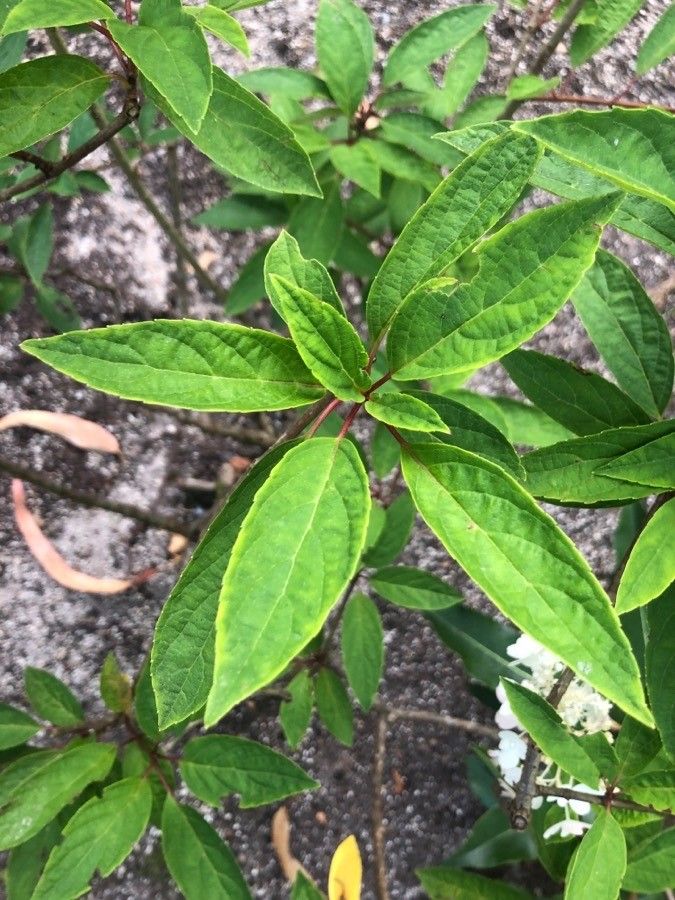
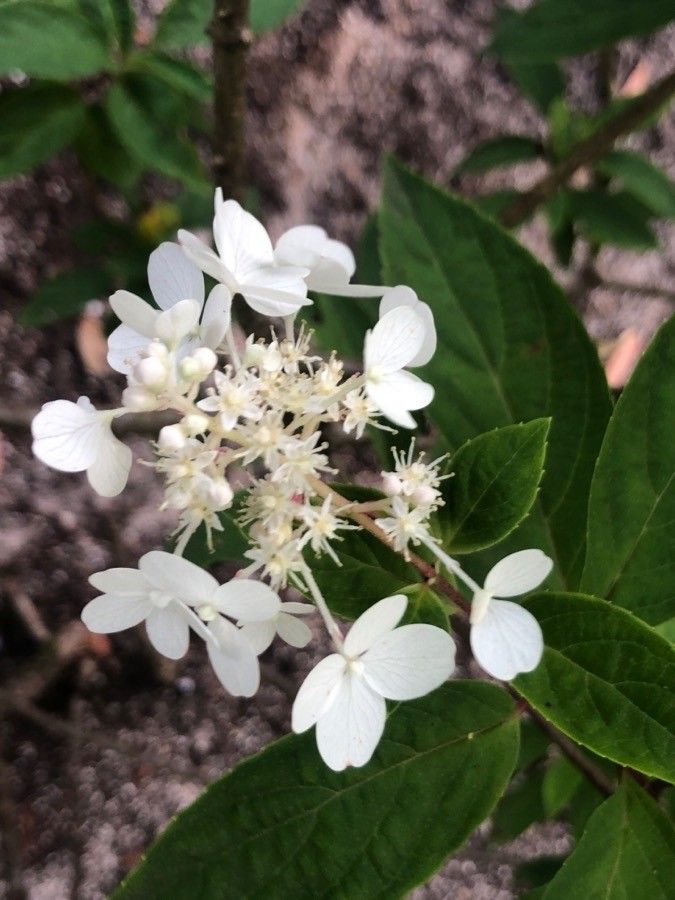
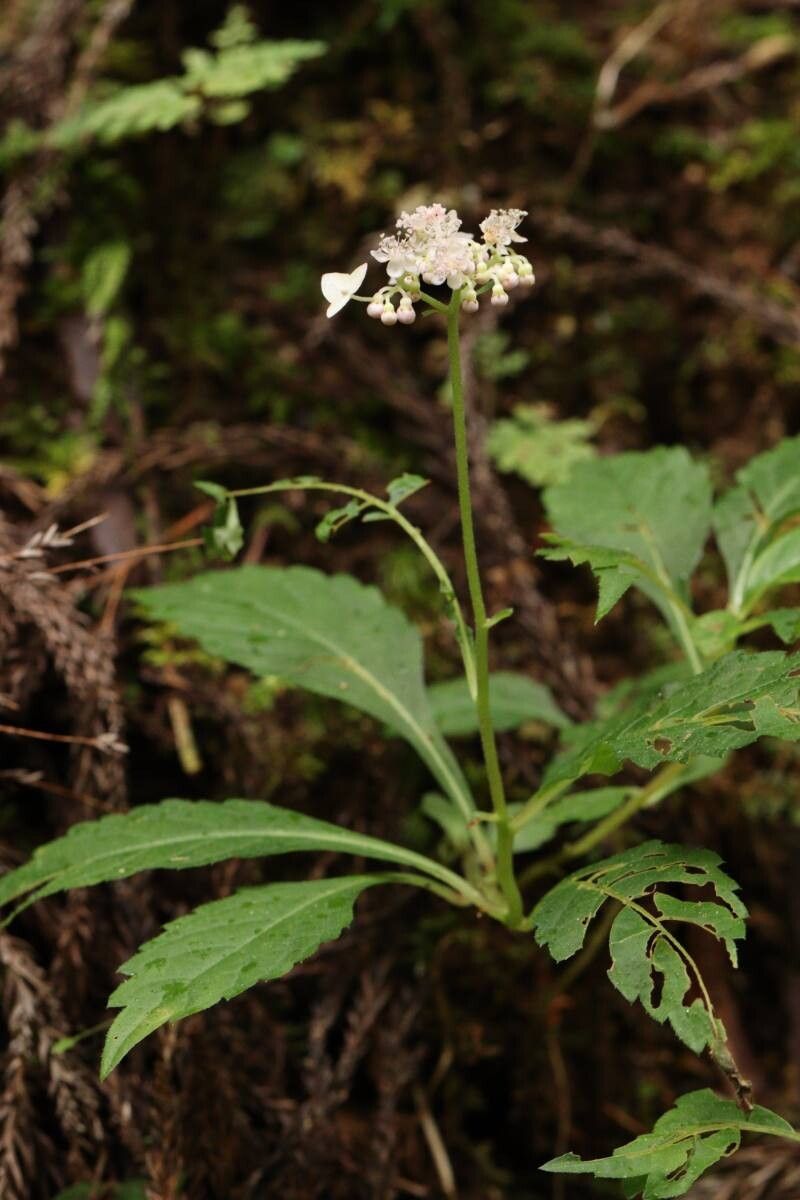
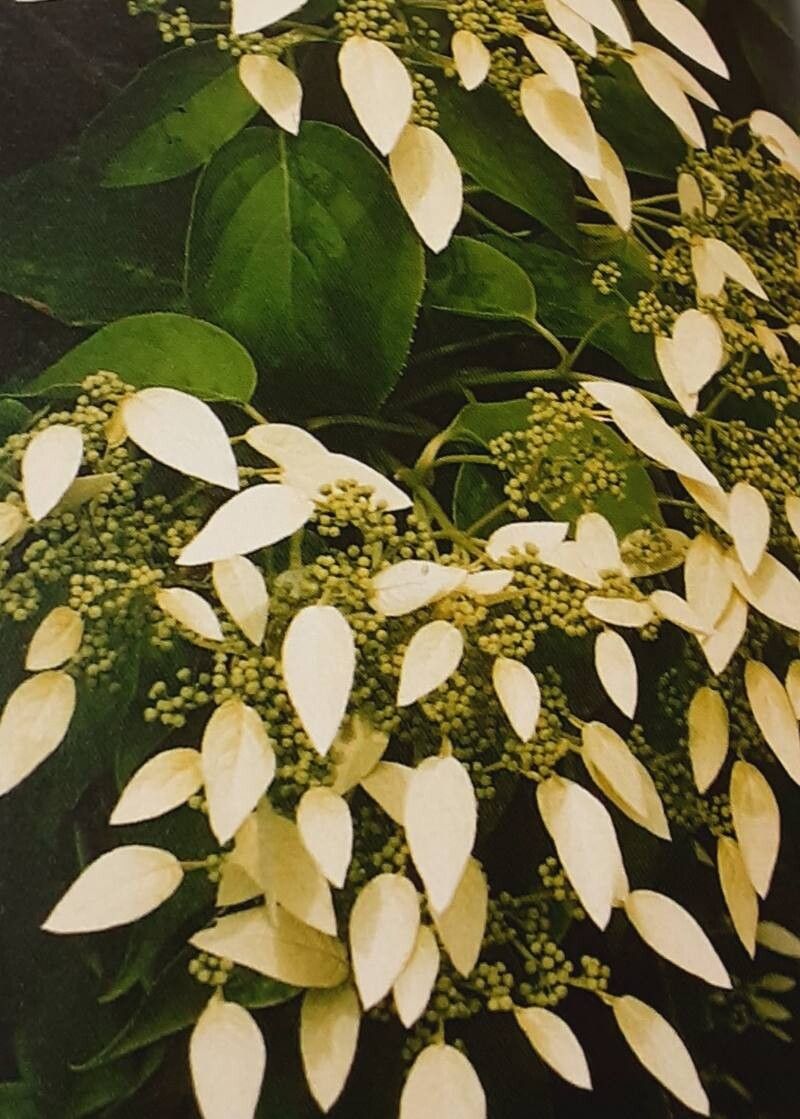
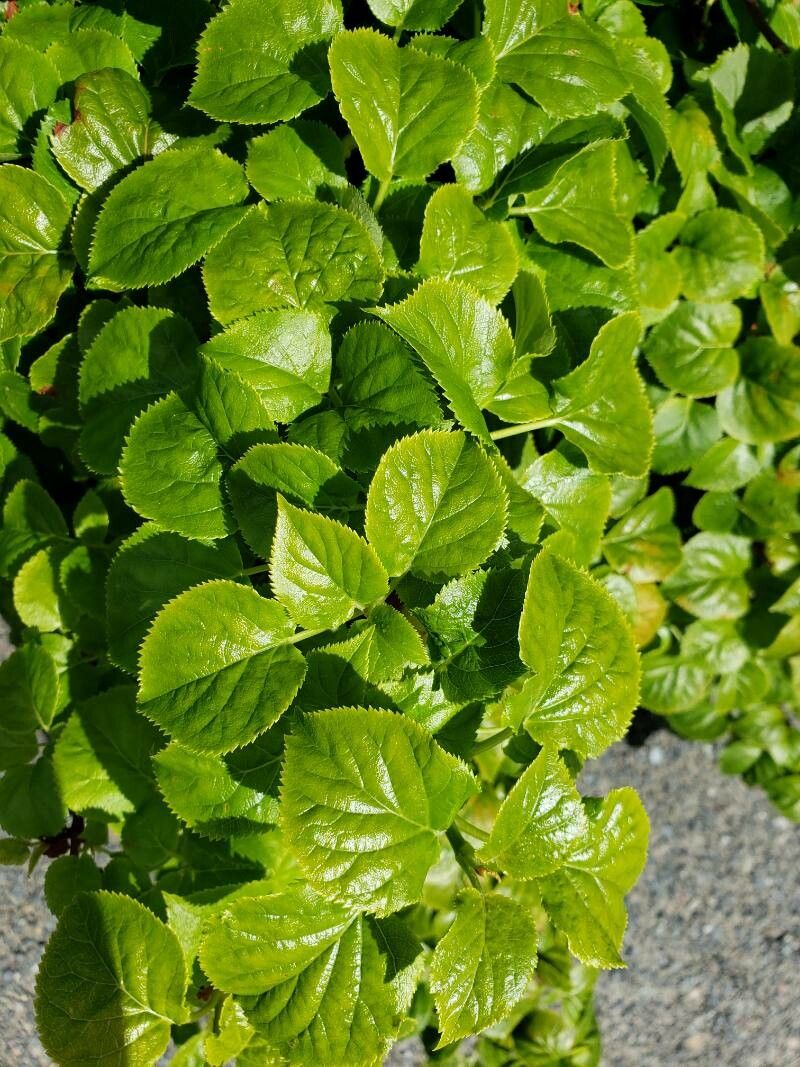
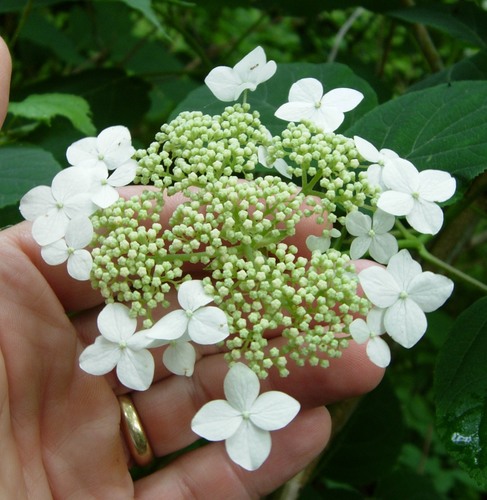
Hydrangea sikokiana shows strong disease resistance and is usually not susceptible to diseases. Regarding care, this plant is fairly low-maintenance. When grown outdoors it needs only minimal watering, and larger specimens typically do not require pruning. Smaller specimens, however, should be pruned after they have bloomed. Hydrangea sikokianat is appropriate for anyone with an outdoor area, such as a garden or deck, and does not demand much prior care experience.
How to keep Hydrangea Sikokiana.
Light
Hydrangea sikokiana occurs naturally in habitats such as forest understories or rocky areas, where it grows in natural shade. It favors partial sun but can tolerate both full sun and full shade, reflecting its adaptable and hardy nature.
Water
Hydrangea sikokiana thrives in moist, humid environments and cannot withstand drought. To keep the plant healthy, water it twice a week, ensuring the soil remains moist but not waterlogged. If you're growing the plant indoors, mist it regularly to replicate the necessary humidity levels. During its dormant period in the colder months, reduce watering, but make sure the soil remains slightly moist to promote growth in the spring.
Temperature
Hydrangea sikokiana is highly adaptable to a wide range of climatic conditions, from very hot summers to cold winters. However, it has an optimal temperature range for growth. If temperatures become too high, the plant is susceptible to heat and humidity stress, which can lead to its death. In areas where temperatures approach the lower limit of its cold tolerance, it is important to provide insulation to protect the plant.
Fertilizer
Timing is essential for fertilizing Hydrangea sikokiana. Apply fertilizer in early spring and continue monthly until early summer. Fertilizer encourages beautiful blooms and supplies energy during both dormant and active growth phases.
Pruning
Hydrangeas need different pruning techniques depending on their type. Bigleaf and oakleaf hydrangeas bloom on old wood, so they should be pruned in early summer. On the other hand, smooth and panicle hydrangeas bloom on new growth, which allows for more flexible pruning. However, you should avoid pruning these varieties in spring, when they are budding.
Botanical profile.
- Plant Type
- Shrub
- Life Cycle
- Perennial
- Genus
- Hydrangea
- Family
- Hydrangeaceae
- Hardiness Zone
- 5-8
- Mature Height
- 0.91 m to 2.13 m
- Mature Spread
- 0.91 m to 1.52 m
- Leaf Color
- Forest Green, Dark Green
- Leaf Type
- Deciduous
- Flower Size
- 15.24 cm to 20.32 cm
- Bloom Time
- Early summer, Mid summer
- Planting Time
- Spring, Summer, Autumn
- Harvest Time
- Late summer, Early fall, Mid fall
- Native Area
- Japan
Reader questions.
What are the sunlight requirements for Hydrangea sikokiana?
Hydrangea sikokiana thrives in conditions that meet its sunlight requirements, which vary based on the intensity of the sun it receives. For partial sun, the plant needs about 3-6 hours of sunlight daily. In contrast, full sun exposure for this plant means it should receive above 6 hours of sunlight each day. It's important to observe how sunlight moves through your garden, enabling you to select spots that offer an ideal mix of light and shade. This careful placement ensures the plants are happy and healthy.
What is the botanical name of Hydrangea sikokiana?
The botanical name of Hydrangea sikokiana is 'Hydrangea sikokiana'. This name is used to scientifically identify and distinguish it from other species and varieties of hydrangeas.